
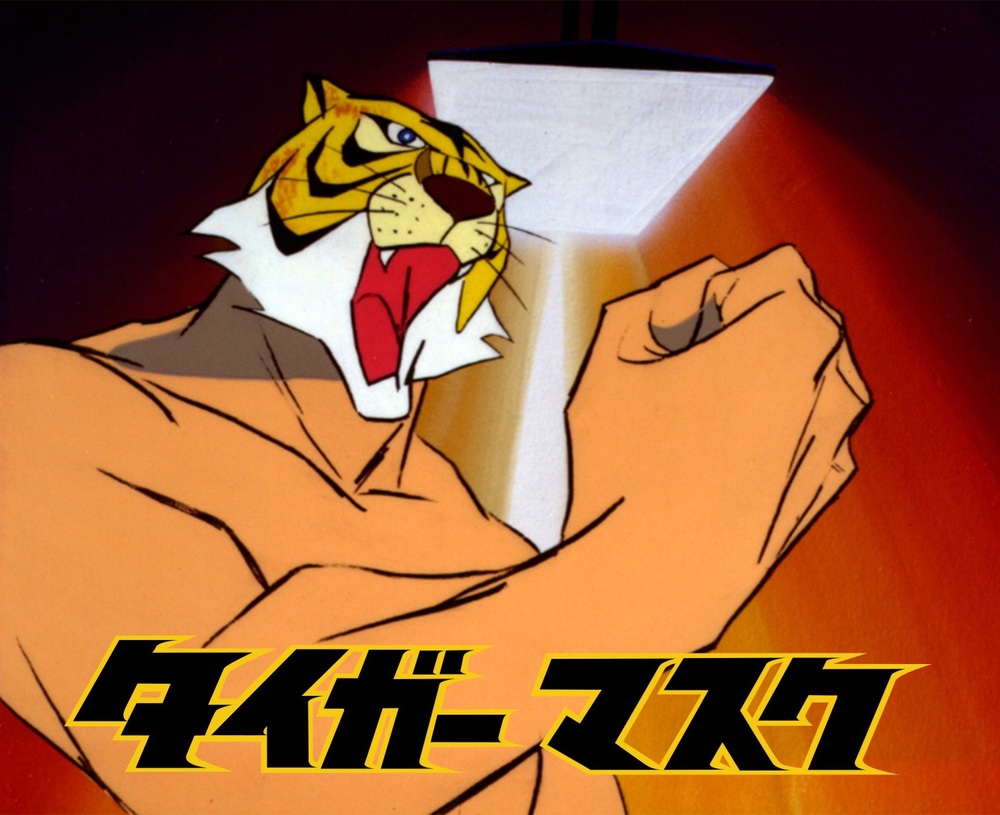
Tiger Mask" is a 1968 manga written by Kajiwara Ikki and drawn by Tsuji Naoki. It was serialized in three different magazines: "Monthly Bokura," "Weekly Bokura Magazine," and "Weekly Shonen Magazine. This work is a media mix work, and an animated TV series began airing in 1969, with a total of 105 episodes. It depicts Naoto Date, aka Tiger Mask, a masked wrestler who tries to do his best for his minors while fighting against villainous wrestlers sent by the mysterious organization "Tora no Ana".
Unorthodox training
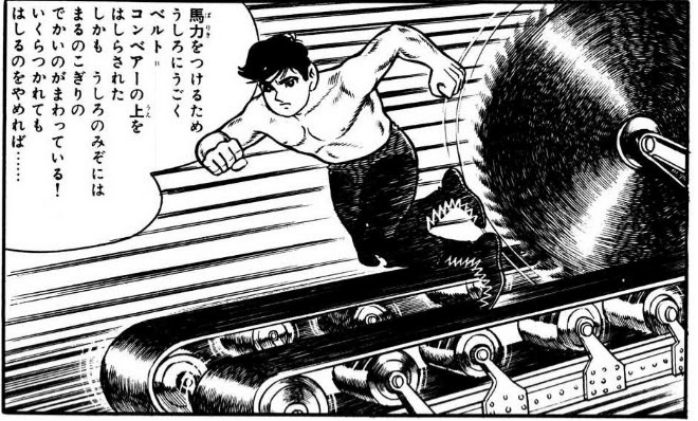
Training scene from Tiger Mask's recollections.
One of the major characteristics of Ikki Kajiwara's works is the spectacular training scenes that are out of the ordinary. Tiger Mask" is on the extreme end of the scale, and one of the scenes involves running on a conveyor belt that moves backward. No matter how tired he gets, he must keep running, and if he runs out of energy, a saw behind him will end his life. Other training exercises, such as fighting lions, tigers, leopards, and other beasts of prey with their bare hands, are so numerous that it is a wonder that they are still alive. Other works, though not as extreme as "Tiger Mask," also depict extreme training. In "The Star of the Giants," Hoshi Hiruma wears a powerful expander called a big-league ball training gib under his clothes at all hours of the day. Banba Ban of "Samurai Giants" had to train his leaping ability by jumping over opponents on his motorcycle. In the movie "Giant Typhoon," Giant Baba underwent an outrageous training to counter an iron claw, a technique in which a fighter grabs the upper part of the face and faints from the pain, by having a jeep run over his face (according to an interview with Giant Baba, this is a complete fiction). (According to Giant Baba's interview, this is a complete fiction. (According to Giant Baba's interview, this was a complete fiction, and he laughingly replied that he would lose his life if he actually underwent such training.) ) Although all of these training exercises are so fierce that they could never happen in real life, the fact that they seem feasible is a characteristic of Kajiwara Ikki's works.
Sequel 1 _ for the manga version
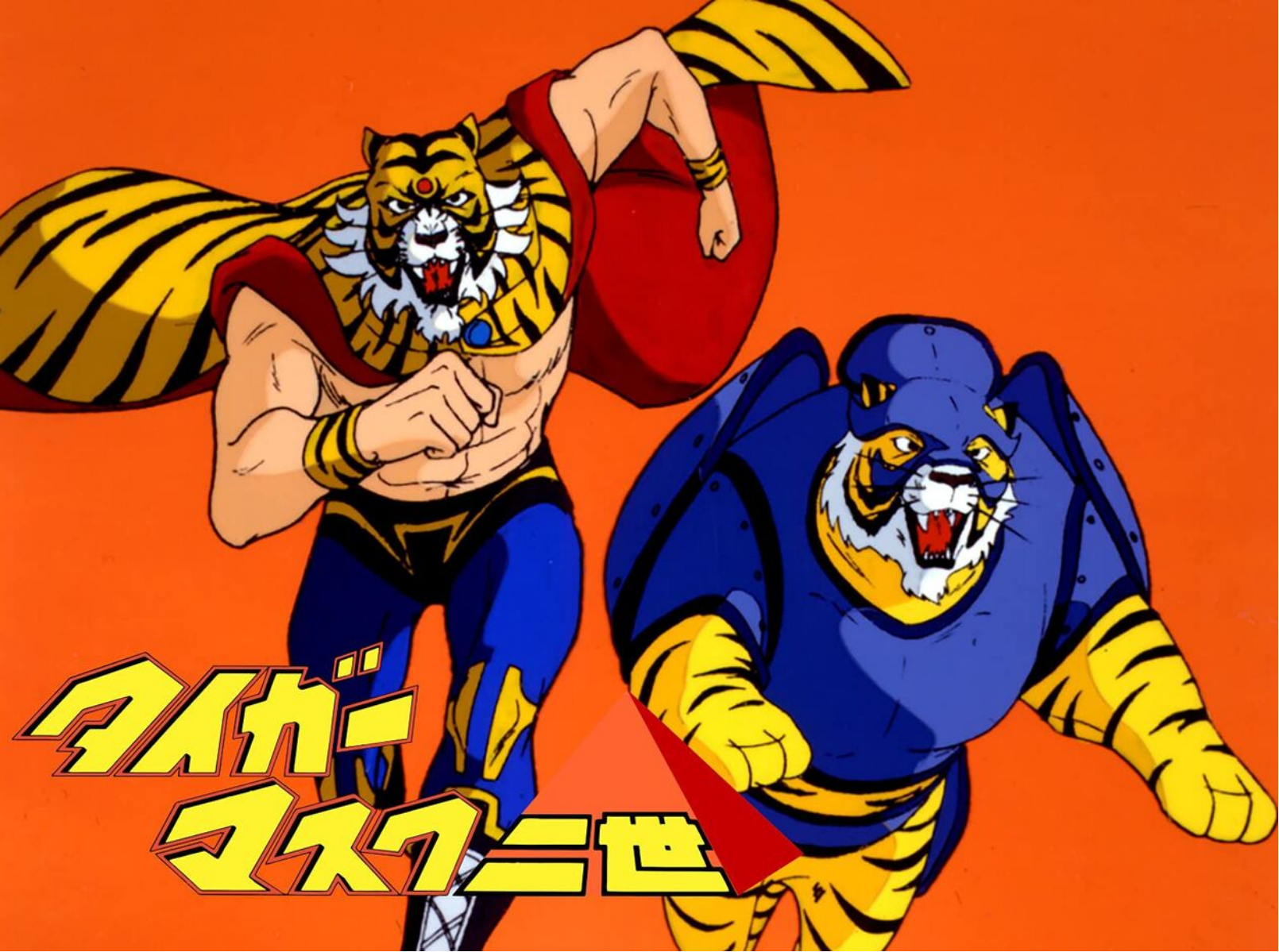
Tiger Mask II and sparring partner Iyengar
The manga version of "Tiger Mask" and the anime version of "Tiger Mask" have been very different from the middle of the story, and the final episode is also completely different. The two stories have their own sequels, but they are, of course, completely different stories. The two stories are parallel universes in which only the word "Tiger Mask" is shared.
The sequel to the manga version is called "Tiger Mask II. Inheriting the legacy of Naoto Date, the first Tiger Mask, who died in an accident, Tatsuo Aku, an orphan from Komadori Gakuen, becomes the new Tiger Mask (Tiger Mask II) and becomes active in the wrestling world. Tiger Mask II is supposed to have trained at Tiger Ana in order to become stronger. The story does not go any further than that, although there are points of interest, such as how the Tiger Hole was revived after the devastating blow it suffered, if there are any remnants, and what the rules are regarding the payment of fight money and the like. Since the tiger hole is not an enemy to begin with, it appears that this is as far as the story goes. So what is Tiger Mask II fighting against? Tiger Mask II fought to the death against wrestlers from the Space Wrestling Federation, which was published from 1980 to 1982 in the magazine "Masked Shonen Magazine" and was made into an anime in 1981. In 1981, Tiger Mask made his debut in the New Japan Pro-Wrestling Federation, led by Antonio Inoki, as if linked to the story. Thanks to the superhuman fighting performance that seemed to come out of the anime and the crossover effects with the original manga by Kajiwara Ikki, Tiger Mask became extremely popular and was a major driving force behind the breakthrough of New Japan Pro-Wrestling.
Sequel➁_Minutes of Animated Version
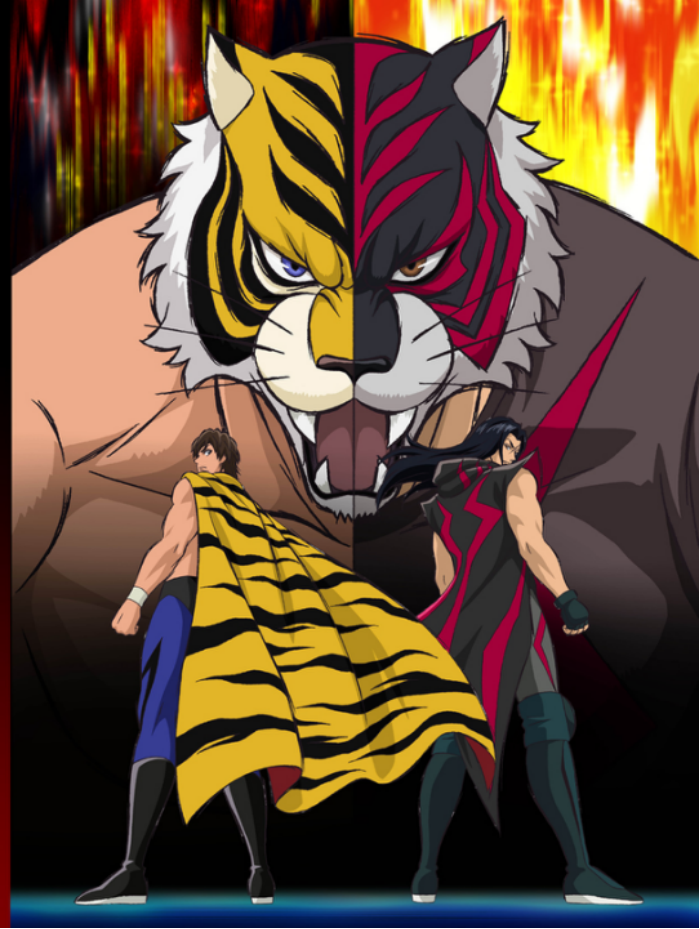
The two protagonists of Tiger Mask W
The sequel to the animated version, on the other hand, is Tiger Mask W. This one is more focused on the anime adaptation; it aired on TV Asahi from October 2016 to July 2017, but since Ikki Kajiwara was already deceased at this point, for better or worse, the anime is not in the style of Ikki Kajiwara's work. The story is set several decades later, and depicts a battle between the Tiger Mask and a new Tiger Mask, which has been revived after a long time. The title "Tiger Mask W" comes from the two main characters. One is Naoto Azuma, who inherits the will of the original Tiger Mask and fights the Tiger Hole head-on. The other, who belongs to the Tiger Hole but tries to destroy it from within, is named Fujii Takuma. These two protagonists are separate Tiger Masks. Sometimes they become allies, sometimes enemies, but in the final battle, they fight together to overthrow the Tiger Hole. Many of the characters have some connection to the characters in the anime version of Tiger Mask, so anime fans will enjoy this work even more if they look up the connections between the characters.
About the "Tiger Mask Movement

Masatake Kawamura, founder of the company
Although the story of "Tiger Mask" is a fictional one, it has had a major impact on the real world: on December 25, 2010, a school bag was donated to an orphanage in Maebashi, Gunma Prefecture, in the name of "Naoto Date," which triggered the "Tiger Mask Movement," a wave of donations at institutions nationwide, This is precisely what the Tiger Mask Movement was all about. The fact that Naoto Date actually appeared and acted with the same good intentions as in the story of "Tiger Mask" became the talk of the town, and the Tiger Mask Movement quickly became a social phenomenon. The initiator was Masatake Kawamura, a company employee living in Maebashi City, Gunma Prefecture. He did not reveal his identity at first, but on December 7, 2016, he stepped into the ring at the 35th anniversary of the debut of Satoshi Sayama, the first Tiger Mask professional wrestler, and announced that he was Naoto Date. He said that he had been slandered as a publicity stunt, but he decided to disclose his name in the hope that the support of his fellow countrymen would not end at the private sector level, but would extend to the government. Thanks to his efforts, in March 2017, the "Tiger Mask Movement Support Project" was launched with Maebashi City as a social welfare support program utilizing hometown tax payments. In the story of "Tiger Mask," Naoto Date was fighting for the happiness of his minors, but in the real world, his wish has been realized in an unexpected way.
Theme and insert songs for "Tiger Mask
OP (Opening): Hiroshi Nitta "Go! Tiger Mask"
Lyrics: Rashio Kitani
Composed and arranged by Shunsuke Kikuchi
ED (Ending): Hiroshi Nitta "The Ballad of the Minago
Lyrics: Rashio Kitani
Composed and arranged by Shunsuke Kikuchi

Related Articles

Summary of the magazine's past heroines
Shonen Magazine" is one of the longest running weekly shonen manga magazines in Japan. Over its long history, the magazine has produced numerous masterpieces and supported Japanese manga culture. Because of the "shōnen manga" (boys' manga) concept, most of the main characters are boys, but the heroines who support them are also an integral part of the story, and are depicted in an attractive manner. The heroines are childhood friends, students, outsiders, and people from other worlds, and their relationships range from lovers to friends to rivals. Here we introduce some of the heroines who have graced the pages of the magazine.
Read Article
Spoiler commentary and discussion of Ashita no Joe (anime and manga)
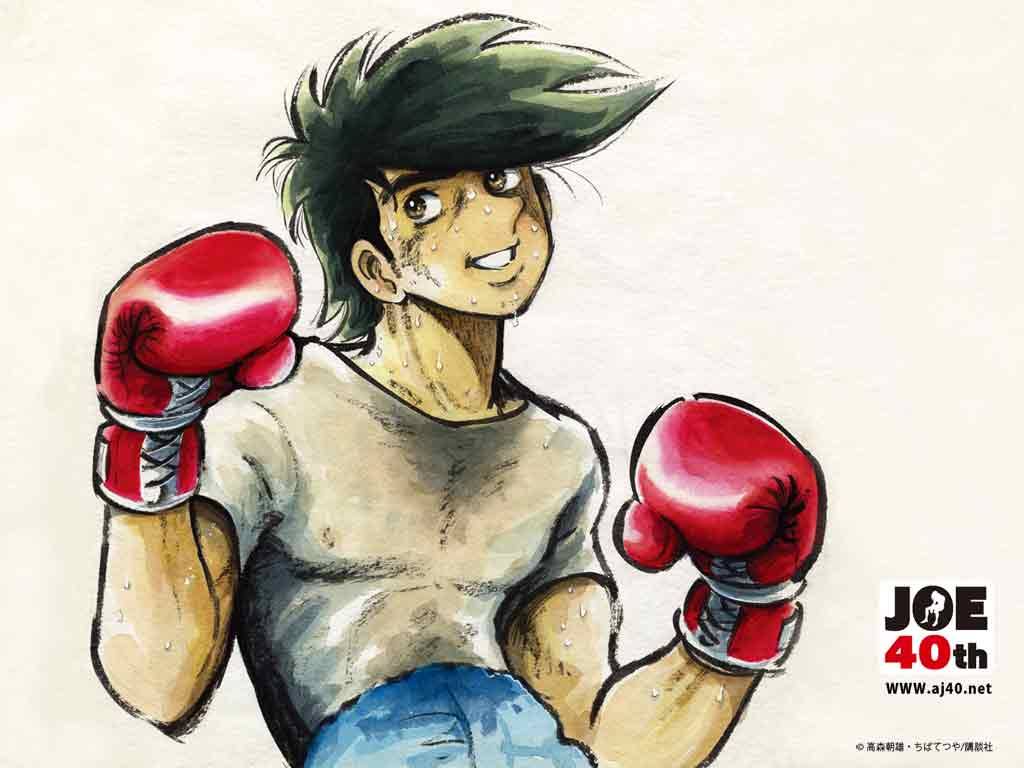
Ashita no Joe" is a Japanese manga (Japanese comic book) or animation based on the manga, written by Asao Takamori (Ikki Kajiwara) and drawn by Tetsuya Chiba. It was serialized in Kodansha's "Weekly Shonen Magazine" from the January 1, 1968 issue (the release date was December 15, 1967) to the May 13, 1973 issue. The story revolves around Takeshi Yabuki, an orphan with wild instincts, who is bought for his boxing talent and engages in a solitary battle. The aesthetics of a man's dedication to boxing is both beautiful and sad.
Read Article
巨人の星(漫画・アニメ)のネタバレ解説・考察まとめ
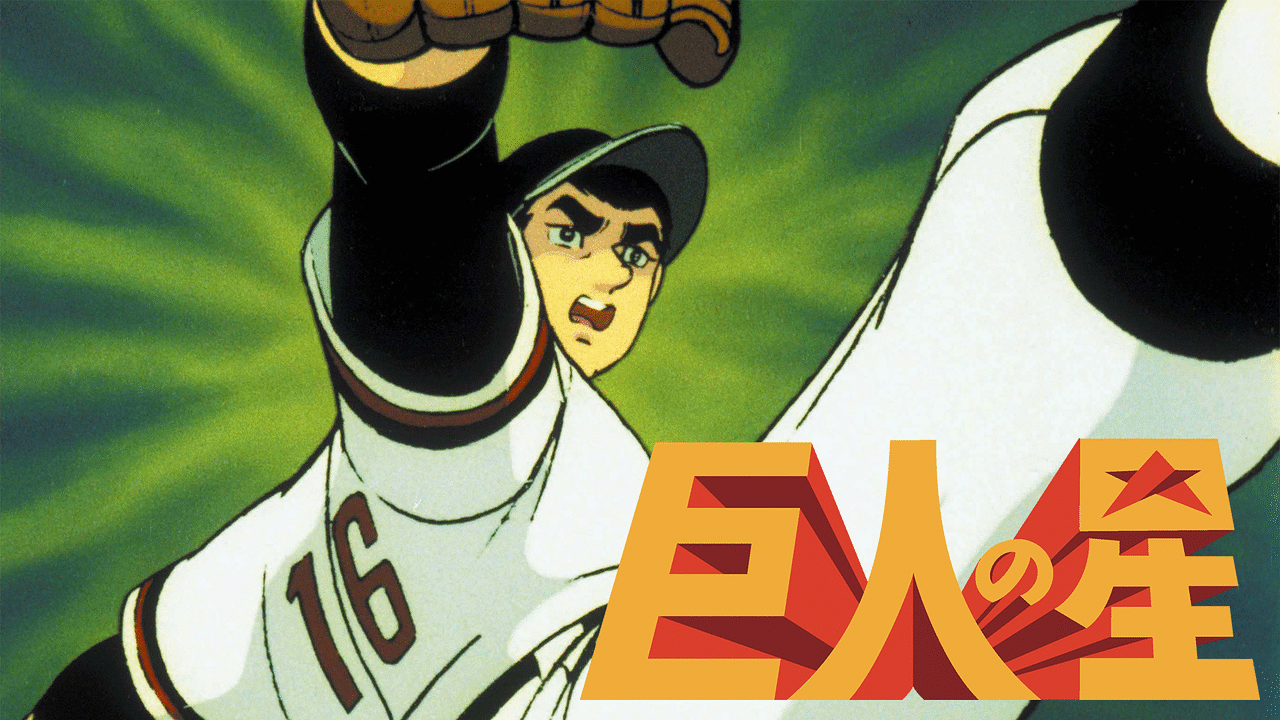
『巨人の星』とは星飛雄馬が主人公の日本を代表する野球マンガで、1960年代と1970年代に大ヒットした。その後も続編『新・巨人の星』が制作されただけではなく、原作を母体とした別の作品まで制作された。『巨人の星【特別編】 猛虎 花形満』などである。『巨人の星』の内容は、飛雄馬が野球のスターを目指していく物語。最初は速球での勝負だが通用しなくなると魔球で戦っていくことに。この基本ストーリーに、父、姉、ライバル、巨人軍実在選手との人間関係を絡ませていき、当時の社会情勢も背景に取り入れている。
Read Article
A compilation of famous quotes, lines/scenes, and scenes from Ashita no Joe
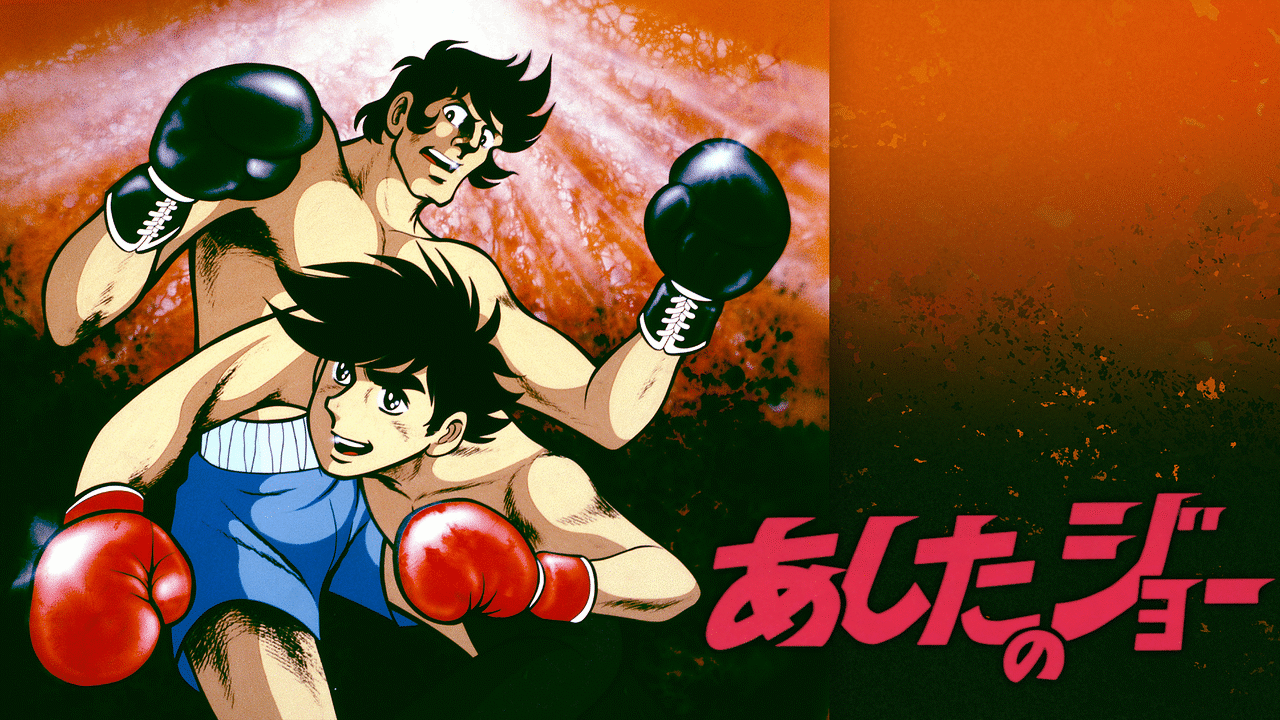
Ashita no Joe" is a boxing-themed manga written by Asao Takamori and drawn by Tetsuya Chiba. It was serialized in Kodansha's "Weekly Shonen Magazine" from 1968 to 1973. It is said to be one of the biggest hit manga of the postwar period, featuring such attractive characters as the main character Yabuki Joe, his coach Danpei Tange, and his rival Toru Rikiishi. The story is about Joe, a delinquent who appears in a doya street, and his coach Danpei Tange, who discovers his boxing sense, and aims to become a world champion by competing against numerous rivals. The story has produced many famous lines and scenes.
Read Article
Japan was also a former major powerhouse of pakku! List of all the things Japan has been (?) List of all things Japan has ever taken
When you think of a country that is a major pacifier...which country do you think of? Many people would naturally think of the same country, but that is the current situation. In fact, our own country, Japan, has also taken many things as its motif? Or, have we taken a crack at it? In fact, we, Japan, have been using many things as motifs or taking things from them. Of course, when we were a developing country, it was a matter of whether the egg came first or the chicken. In this issue, we have compiled a list of works, characters, and items that Japan seems to have imitated.
Read Article
A compilation of characters who met their tragic end! Dog of Flanders, Ashita no Joe, etc.
We have compiled a list of characters who met tragic ends, not only in famous works that everyone knows, but also in those that are popular among core fans.
Read Article
The death scene made me cry! Summary of shocking characters in Taki Namida
Here is a collection of characters who had a moment of death, a moment of brilliance, and a shocking scene.
Read Article
The Unknown Production, Birth, and Behind-the-Scenes Stories of Manga and Anime
This article introduces the creation, birth, and backstory of that manga/anime that is rarely known to the public, the industry, and even among fans.
Read Article

Unintentional tears! A compilation of heart-warming and moving stories! (Ashita no Joe, etc.)
Tear-jerking" is a method of clearing one's mind by shedding tears when one is tired or needs to refresh oneself. While watching movies and listening to music are often used for this purpose, how about "reading an inspiring story" as an easier way? This article introduces a collection of relatively short, easy-to-read stories that will unintentionally move you to tears.
Read Article

You can't help but cry! A compilation of touching and emotional stories! (Ashita no Joe, etc.)
Tearful activity" is a way to refresh yourself by shedding tears when your heart is tired. There are various ways to do this, such as listening to music, watching movies, or reading books, but how about simply "reading inspiring stories"? In this article, we will introduce a selection of inspiring stories that were mainly posted on the Internet and summarized in relatively short sentences.
Read Article
Tags
Contents
- Outline of "Tiger Mask
- Synopsis and story of "Tiger Mask"
- Beginning of the story
- grim fate
- The Coming Assassins
- Winner of the Masked World League Tournament
- Glory and Failure
- Resurrected Tiger Mask
- complete defeat
- The tiger that comes back to life again
- At the End of a Fierce Fight
- eternal separation
- The last episode of the animated version
- Characters and characters from "Tiger Mask
- protagonist
- tiger mask
- Naoto Date
- people around you
- Ruriko Wakatsuki
- Dr. Wakatsuki Sensei
- Kenta
- Teppei Oiwa
- The people of the Japan Professional Wrestling Association_real professional wrestlers
- Giant Baba
- The Great Zebra
- Antonio Inoki
- Kintaro Ohki
- Those of the Tiger's Hole
- Mr. X
- Three rulers
- Wrestlers of the Tiger Hole
- black python
- Gorillaman the Beast
- Mr. No.
- The Dracula
- The Skull Star
- Mr. Shadow.
- The King Satan
- The Golden Mask
- The Egyptian Mummy
- The Lion Man
- Mask of the Red Death
- Miracle 3 (Miracle Three)
- Tiger the Great
- Rival Wrestlers Outside of the Tiger Hole
- star apollon
- Ursus Apollo.
- Mr.? (Mr. Kuess-Chon)
- snoshing
- The Mapman
- jungle king
- Mr. Kamikaze.
- Black V (Black VI)
- The Piranha
- devil spider
- Golgotha Cross
- universal mask
- Jekyll and Hyde
- Viking Kid.
- Cyclone Gaston
- Fake Tiger Mask
- Real Foreign Wrestlers
- Jack Briscoe.
- The Convict
- Mil Mascaras.
- psychedelico
- Fred Blassie
- The Bruiser
- Killer Kowalski.
- Dory Funk Jr.
- Abdullah the Butcher
- The Destroyer
- Bobo Brasil
- Bearcat Light
- Guillotine Gordon.
- Other
- Rico Gold
- giant condor (Gymnogyps californianus)
- Amur stickleback (Pungitius sinensis)
- Sony
- Terms for "Tiger Mask
- Tora no Ana (The Tiger's Hole)
- little house
- Tiger Mask's Three Major Special Moves
- Ultra Tiger Drop
- Fujiyama Tiger Breaker
- Tiger V (Tiger V)
- Famous quotes, lines, scenes, and scenes from "Tiger Mask
- Ruriko Wakatsuki: "Even if it's hard, you should be serious and do the right thing.
- Ruriko Wakatsuki: "People are not born that easily.
- Teppei Oiwa: "Teach him the guts of the seven rolls and the eight rolls."
- Giant Baba: "If you are a person who really wants to get a divorce..."
- Mr. X: "What kind of sportsmanship in wrestling do you expect from a tigers' pit?"
- Tiger Mask: "The King of Villains Declines."
- Backstory, trivia, small stories/episodes, and anecdotes from "Tiger Mask".
- Animated version created using a technique first adopted in Japan
- Foreign wrestlers with subtle names in the animated version
- A prequel to the story of Giant Baba
- Original author Kajiwara Ikki's style
- Disappearing protagonist
- Gangs involved in the wrestling industry
- Unorthodox training
- Sequel 1 _ for the manga version
- Sequel➁_Minutes of Animated Version
- About the "Tiger Mask Movement
- Theme and insert songs for "Tiger Mask
- OP (Opening): Hiroshi Nitta "Go! Tiger Mask"
- ED (Ending): Hiroshi Nitta "The Ballad of the Minago