
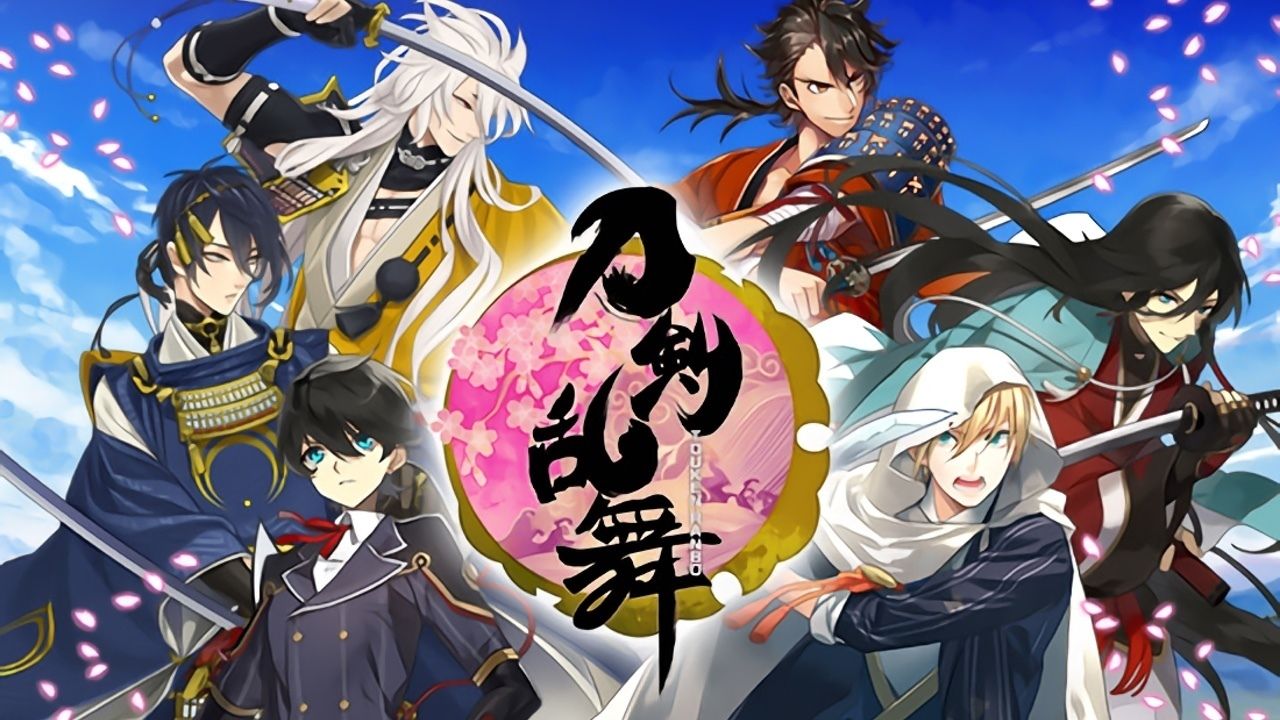
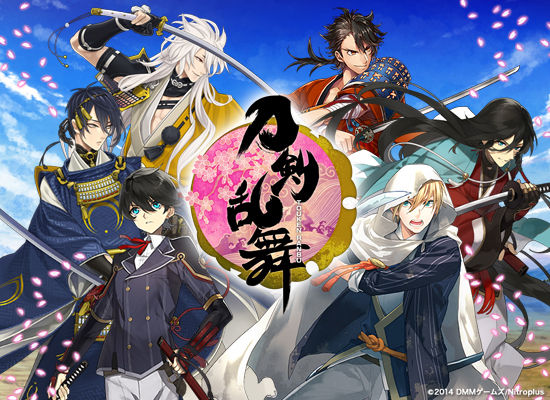
TOURABU" (short for "sword fighting") is a simulation game for browsers. The game is based on the original story by game maker Nitroplus and operated by EXNOA (formerly known as DMM Games). The game is set in future Japan. Players become "shinjinsha," or "saniwa," and are ordered by the government of the time to summon sword mourning gods called tokendanshi, or "sword men. The players then fight together with the swordsmiths against the enemies who are trying to change the history of the world to stop their plans.
CV: Tsubasa Dainaga
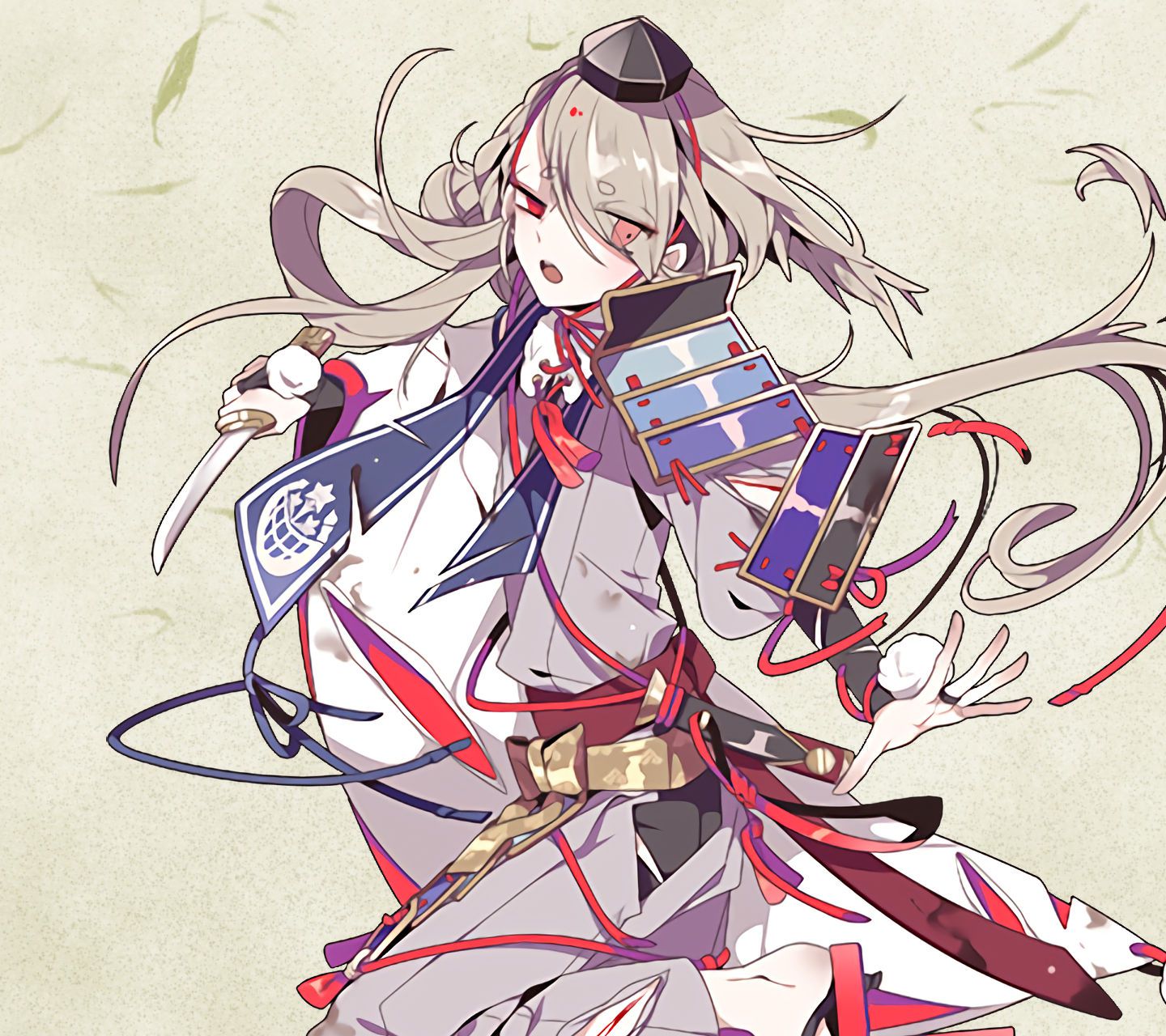
This short sword was made by Kage Mitsu, a swordsmith of the Bizen Osafune school of swordsmanship. The name comes from the fact that it was owned by Kenshin Uesugi, a military commander who is said to have existed during the Warring States period. It is owned by the Saitama Prefectural Museum of History and Folklore in Saitama Prefecture.
As a swordsman, Uesugi is a boyish character with an innocent personality, as is his young appearance. Perhaps due to the "Iroha Ori Tehon" (a book containing an example of iroha characters) left by the nephew of his former master Kenshin, he speaks in a childish tone, using many hiragana characters. The later swordsmith Azuki Nagamitsu, who is closely related to Kenshin Kagemitsu, also speaks in a similar manner. Contrary to his childishness, however, he struggles daily to discipline himself. He seems to admire Kenshin and wants to become an adult like him. According to Kenshin Kagemitsu, Kenshin was "kind to children," "loyal," and "patient. We can assume that this is a major factor in his self-discipline.
Masamune Hyuga
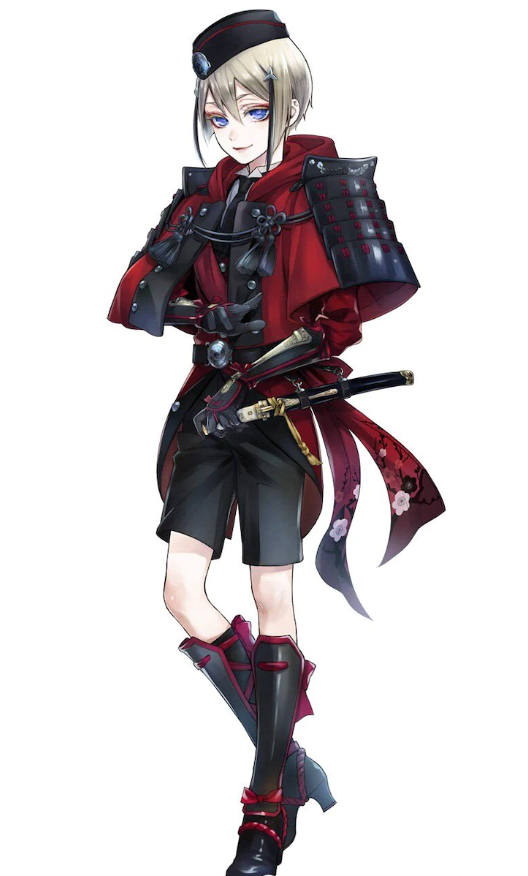
CV: Kaji Yuki
This short sword was created by Masamune, a swordsmith who is said to have been active from the end of the Kamakura period to the beginning of the Nanbokucho period. Masamune was a famous swordsmith representing swordsmiths, and was loved by many warriors since long ago. One of his masterpieces, the Hyuga Masamune is said to have been owned by Mitsunari Ishida, a military commander who is said to have existed during the Warring States period.
As a swordsman, he is a boy character with a cheerful disposition. He speaks frankly to the priests. However, he is not lacking in politeness, but rather he is a boy with a firm demeanor that is as good as an adult's. He also enjoys making umeboshi (pickled plums). He also enjoys making pickled plums, which he later introduced to the Kishu Tokugawa family. He also has a deep interest in food, as evidenced by his plans to expand his farm.
He is fond of saying, "Let's do better next time. It is well-known among shinjinsha as his signature voice. This is said to be due to his former owner. The cause of death of Mitsunari Ishida is said to have been execution due to defeat in battle. The details are unknown, but it is a complicated story for Hyuga Masamune, a short sword that is often held as a guardian sword.
Chatananagiri
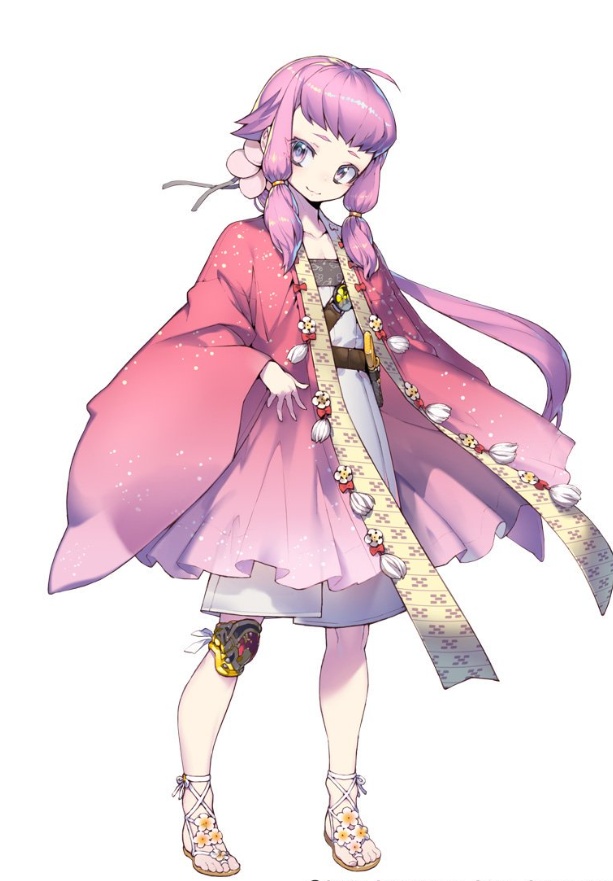
CV: Sogo Nakamura
A short sword said to have been made around the 15th century. It is one of the treasured swords handed down to the royal family of the Ryukyu Kingdom. It is kept in the Naha City Museum of History in Okinawa Prefecture as a material related to the Sho family of the King of Ryukyu. It is also designated as a cultural property, and the name of the sword is "Blue shell with a fine lacquer coating and unmarked blade (No. Kitatani-nagiri). The sword was introduced to the Ryukyu Kingdom, but the blade itself was made on the mainland. The name is said to come from the name of the place "Chatan" and "Naikiri" (meaning "kitchen knife"). The knife used to be owned by a farm woman in Chatan, but there is an anecdote that when she wielded it, she decapitated a baby she had not even touched. The story is not known to what extent it is true, as it varies in development depending on the remaining documents.
As a swordsmith, Ran Fujishiro is a cute-looking boy character with long pink hair. When he was first introduced, it was thought that he might be a boy's daughter following in the footsteps of Ran Fujishiro, but he is a boy with a strong personality. His first name is "I" and he is more boyish than he looks.
Perhaps because he was once used as a kitchen knife, he does not like to fight. When he is assigned to work on the inside, he is so pleased that he says, "This is the kind of work I am suited for. Although his speech is accented, he basically uses the language of the mainland. It is assumed that this is based on his own historical fact that he was born in the mainland although his ancestors came from the Ryukyu Islands.
Taikoo Left Monji
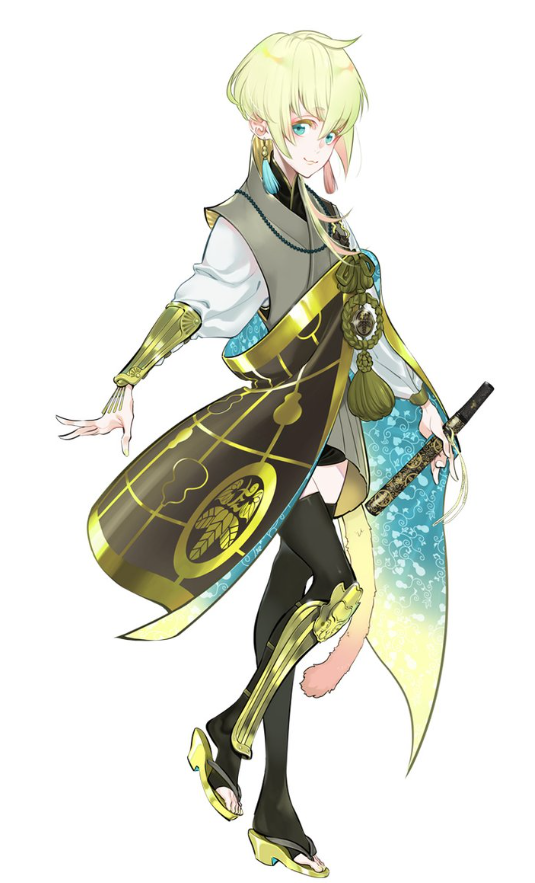
CV: Otani Yuki
A short sword made by a swordsmith of the Samonji school, a branch of swordsmiths active in Chikuzen (Fukuoka Prefecture). It is said to be the masterpiece of the Samonji school. It is said to have belonged to Toyotomi Hideyoshi, a military commander who actually existed during the Warring States period, and was called "Taikoh" (Toyotomi Hideyoshi).
As a swordsmith, he appears to be a boy with a friendly and cheerful personality, but in fact, he is a hidden combat fanatic with a dark side in his heart. It is assumed that this is influenced by the brutal side that Hideyoshi, the owner of the sword, is said to have had. When he becomes agitated, he speaks in a Nagoya dialect, which is thought to be influenced by the fact that Hideyoshi was born in Nagoya. His first name is "me me," and he is famous for being austere in contrast to his appearance.
He also hates to be treated as a monkey, perhaps because Hideyoshi was called a "monkey. However, there are many times when he acts and speaks like a monkey, and his many other comments indicate that he is conscious of Hideyoshi. The fact that he seems somewhat desperate to respond to Hideyoshi's sword may have been influenced by Hideyoshi's own sense of inferiority. It is believed that Hideyoshi, who came from a peasant background, had a sense of inferiority because he had been a peasant all his life, even though he rose to be called "Taikoh". When Taikoh Saamonji destroyed his sword, he said that the name "Taikoh" was too much for him.
short sword
Nikkari Aoe
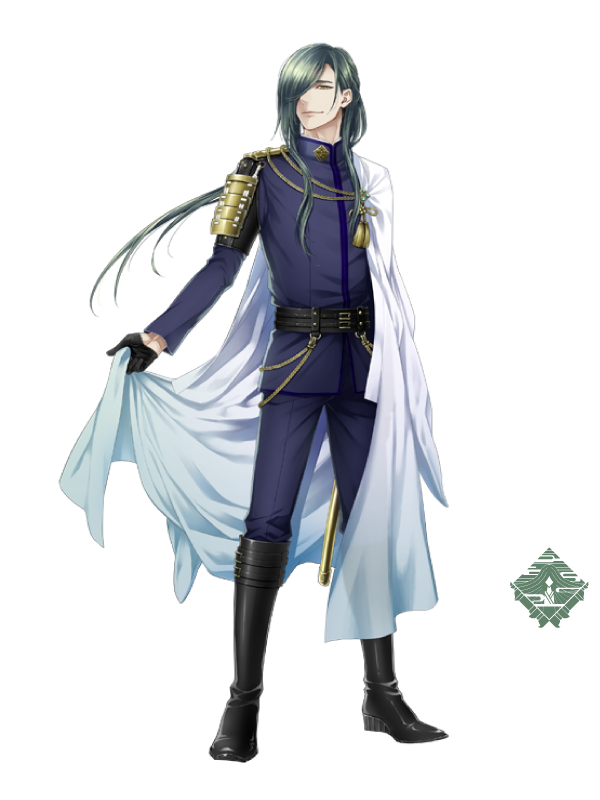
CV: Junji Mashima
A Wakizashi made in the Kamakura period (1185-1333). It is said to have been made by one of the Aoe school of swordsmiths active in Aoe, Bicchu Province (Kurashiki City, Okayama Prefecture). It is said that the sword was originally a large dagashi, but was polished into a wakizashi. The origin of the name comes from an anecdote about a man who cut down a ghost. It is said that a samurai was walking along a street at night when he saw a smiling female ghost, and when he cut her down with this sword, the next morning the stone pagoda where he had cut her down was broken in half. The sword is also known as "Daitachi" in Japan.
He is depicted as a rather tall swordsman, perhaps due to the fact that he was formerly a big sword. This is a characteristic of the swordsmanship of the Wakizashi, as most Wakizashi swordsmen are not very tall. Some priests who see them for the first time may mistake them for swordsmen because they are about the same height as a battering ram. Another physical characteristic is the color of his eyes, which are actually odd eyes. His left eye is yellow-green and his right eye is red. Normally, his right eye is hidden by his hair, making it difficult to see, but when he performs a serious special kill, his bangs float up so that it can be seen.
Perhaps because of an anecdote about a sword that cut down a ghost, he has a somewhat mysterious atmosphere. His words and actions often have a somewhat bewitching atmosphere, but he is also a firm believer who does his best in battle and on the inside duty.
Namazuo Toushirou
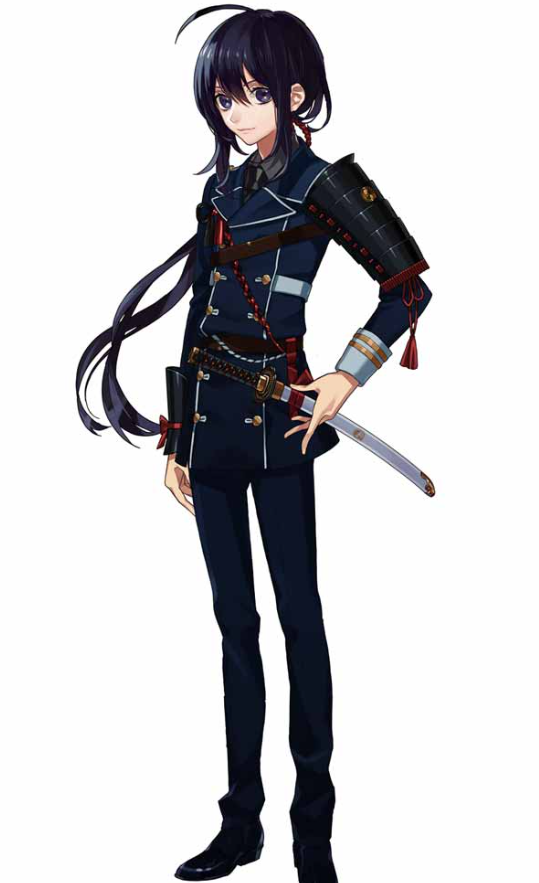
CV: Souma Saito
A Wakizashi made by Awataguchi Yoshimitsu, a swordsmith of the Kamakura period. Originally a naginata, it is said to have been polished into a wakizashi. It is also said that its polished appearance resembled a "catfish's tail," hence the name "Nammao Fujishiro" (鯰尾). After having served under several masters, he was burnt in 1615 during the "Osaka Summer Battle" when Osaka Castle was destroyed. Tokugawa Ieyasu, who regretted the loss of Yoshimitsu's sword, which was one of the master craftsmen, ordered Echizen Yasutsugu, a swordsmith, to have the sword re-burned. After the restoration was successfully completed, this work became the property of the Tokugawa family. As a sword associated with the Tokugawa family, it is in the collection of the Tokugawa Art Museum in Aichi Prefecture, which houses various art objects and tools inherited from the Owari Tokugawa family.
As a swordsmith, he has a bright and cheerful personality. He takes good care of his fellow swordsmith, Honegimi Toushirou, who is also a Yoshimitsu's swordsmith. He also seems to like skinship, and many of the voices that can be heard in the Honmaru screen seem to be communicating with the priests. On the other hand, when he is assigned to horse duty, one of the Uchiban duties, he can be seen to be a bit childish, as when he says that he is thinking of collecting feces and throwing it at those he dislikes.
He is a swordsmith whose four words, "cheerful and vivacious," suit him well, but in fact he lost part of his memory when he was burned as a sword. Although he often says that he does not look back on the past, his voice in which he refers to the past and the fact that he is depicted as thinking about falsifying history to prevent his former master from being burned shows that deep down he has complex feelings about the past.
Bonetoku Toushirou
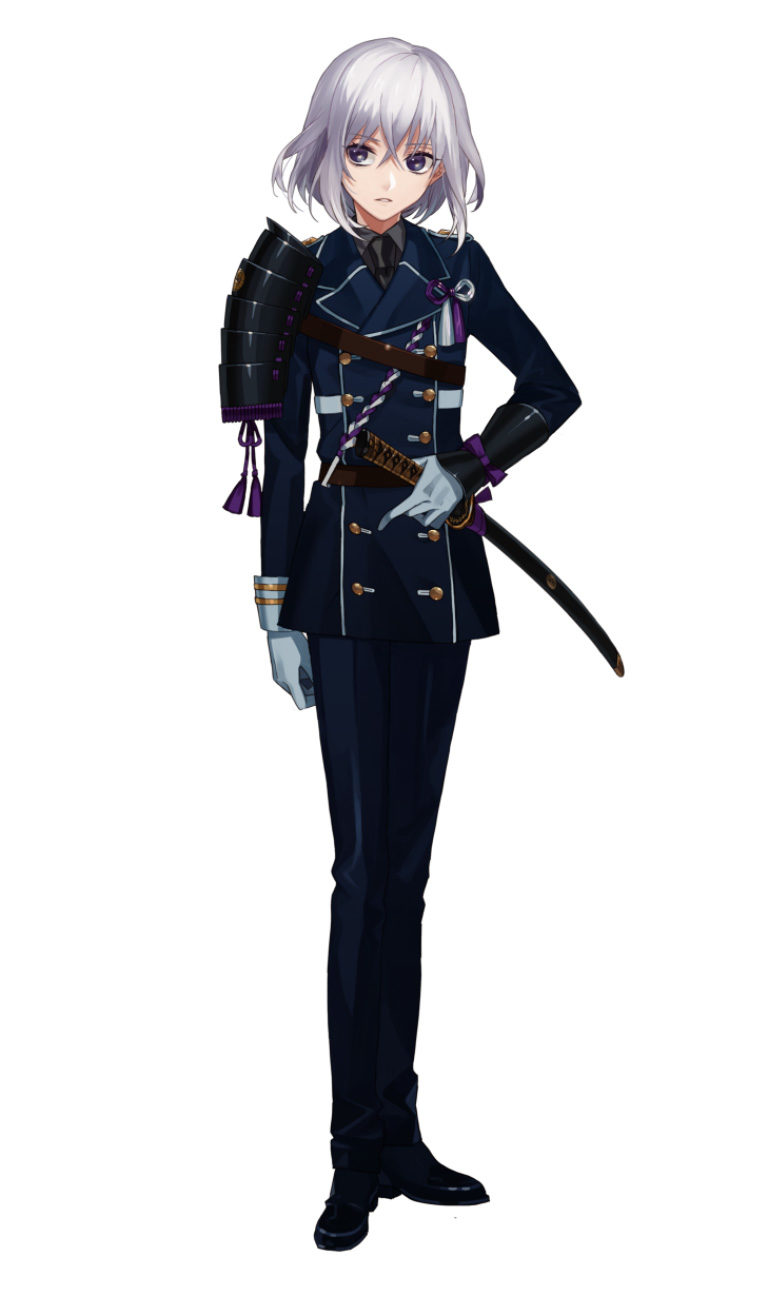
CV: Hiroto Suzuki
A Wakizashi made by Awataguchi Yoshimitsu, a swordsmith of the Kamakura period. Originally a naginata, it is said to have been polished into a wakizashi. The name comes from the sharpness of the blade, which is said to "shatter the bones of an opponent to death just by imitating the cutting action. It passed through the hands of many famous warlords and was eventually acquired by Tokugawa Ieyasu, the first shogun of the Edo period (1603-1868), and became the property of the Tokugawa family. However, it was burnt in the Mereki Fire of 1657, and the sword was re-burned by Echizen Yasutsugu (the third generation). It is said that the blade pattern of the re-burned Konegoku Toushiro differed from that of the original sword. At the end of the Taisho era (1912-1926), it became the property of Toyokuni Shrine, a shrine in Kyoto dedicated to Hideyoshi, and was deposited in the Kyoto National Museum.
As a swordsman, he is a boy character with a mysterious atmosphere. Perhaps because of his neutral face and medium-length hair, some priests may mistake him for a girl at first sight. Perhaps because he became a burnt blade, he has no memory of his past. Perhaps this is the reason for her few words and lack of emotional ups and downs. He seems to have mixed feelings about the fact that he has no past, and is a little unstable when talking about things related to his memories. Many of the swordsmiths who knew him in the past are also acquainted with him, which also deepens his complicated feelings about his inability to remember his past.
Kunihiro Horikawa
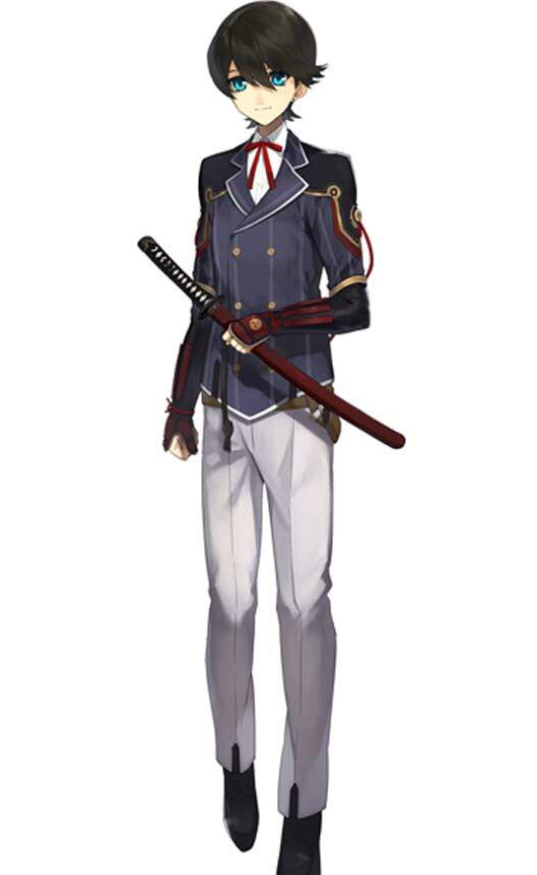
CV: Junya Enoki
This Wakizashi is said to have been the favorite weapon of Hijikata Toshizo, the second-in-command of the Shinsengumi, a group of ronin who were active in the final days of the Tokugawa shogunate. It is said to have been made by Horikawa Kunihiro, a swordsmith active in the Warring States period, but details are unknown. It is not known to exist.
As a swordsmith, he is a caring and polite boy. He is a partner of Izuminokami Kanesada, a battering ram who used to be under Hijikata's command. According to him, he is also his "assistant," and he often mentions Izumimori Kanesada in his voice. Officially, he is also said to be "like a housemaid.
He has a calm demeanor, and he is also a friendly swordsmith, calling the priest "Lord" and adoring him. He is also a hardworking man who willingly takes on the "uchiban" (inside duty). He seems to have a good sense of money, and when he goes to a mangya, he says in a voice that encourages the shinigami not to "buy too much. On the other hand, however, he is a bit on the boisterous side, saying disturbing words such as "dark revenge and assassination" on the battlefield. These words are presumably related to the activities of the Shinsengumi, and seem to come from the theory that the sword was the sword of Hijikata Toshizo.
Urashima Toratetsu

Related Articles
Many Hall of Famers! Popular MMD Compilation of Sword Dance
Has it calmed down from a period of time? No, no, no, the popularity of sword dance has not yet waned. As soon as they were uploaded to Nico Nico Douga, they quickly became the talk of the town. From the breathtakingly beautiful and cool to the ones that make you laugh so hard your stomach muscles die, you can't stop repeating them. You may even be inspired to change your mind!
Read Article

April 2024 Spring Anime (First Semester Anime) Summary
This is an alphabetical list of spring anime that will start airing in April 2024.The April 2024 spring anime lineup includes many hot new anime and sequels to popular series. Information such as anime titles, broadcast information, cast voice actors and staffs are compiled in an easy-to-understand format.
Read Article
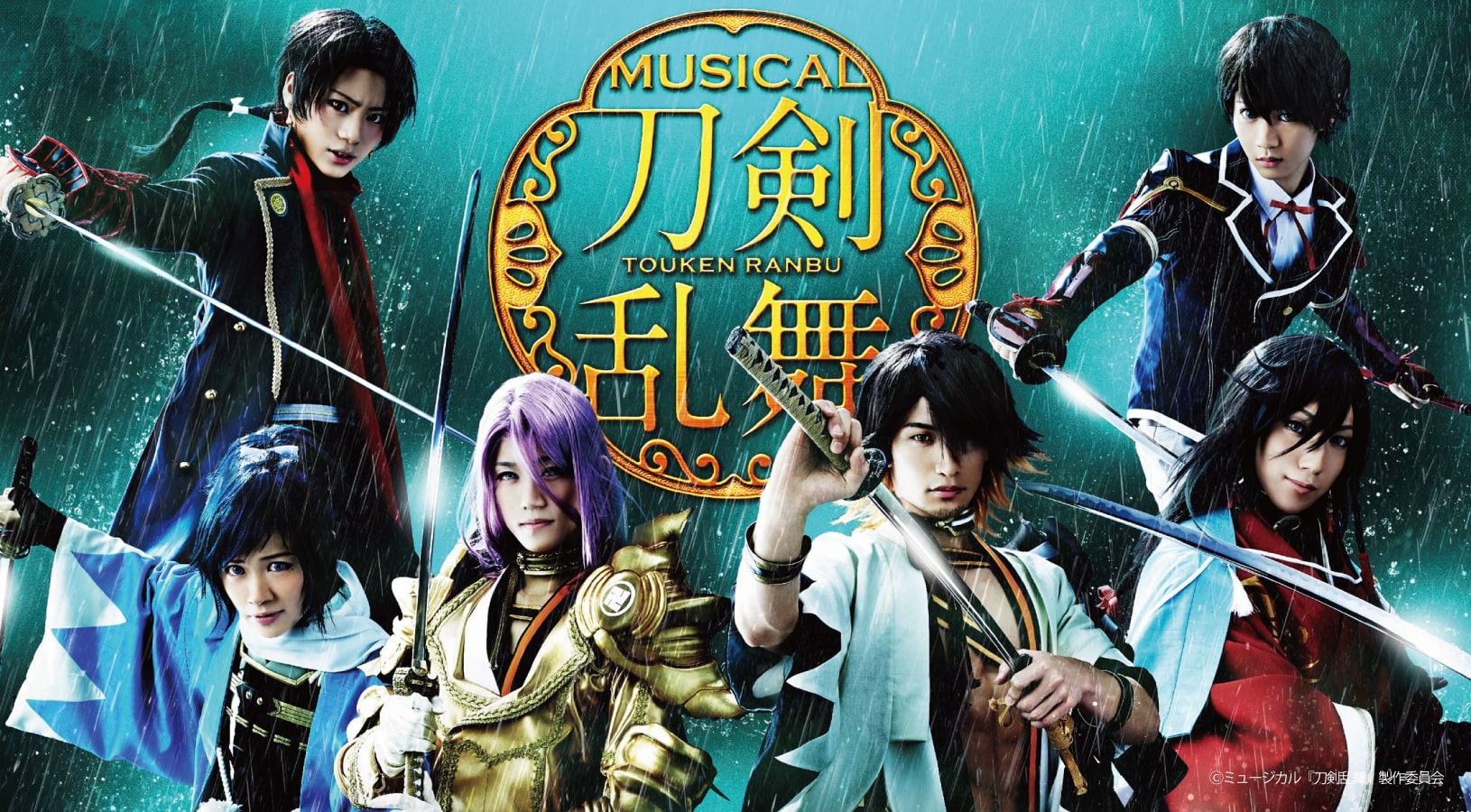
Spoiler commentary and discussion of the musical "Sword Dance" (Katamyu)
The musical "Sword Dance" is a musical series based on the popular video game "Sword Dance". The story is about a group of mourning gods who inhabit famous swords and take on the form of warriors to fight against historical revisionists who plan to change the course of history. The first part is a story featuring intense sword fighting, and the second part is a live performance that resembles an idol.
Read Article
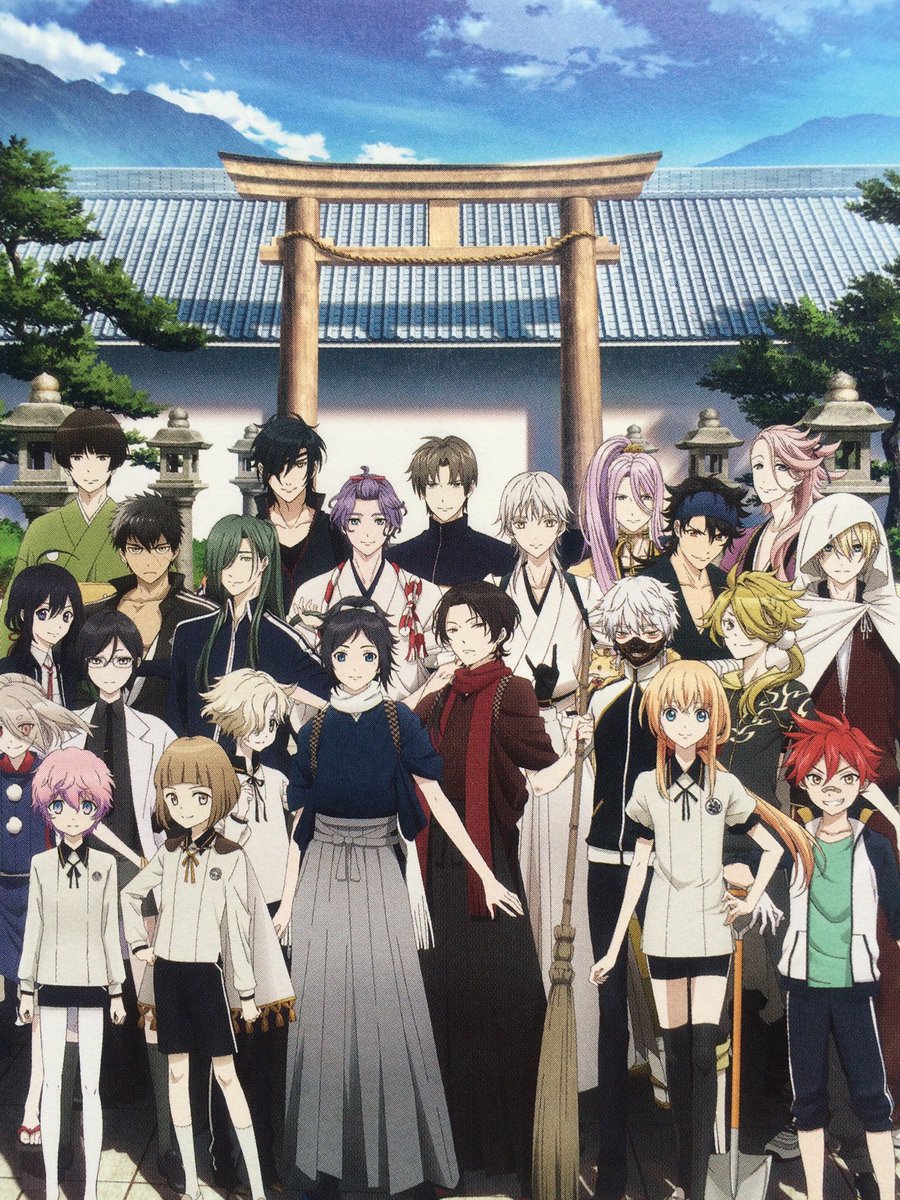
Spoiler commentary and discussion of the sword dance Hanamaru- (anime)
The anime "Toukendanbu: Hanamaru" is based on the PC and smartphone game "Toukendanbu" and aired from October to December 2016 on TOKYO MX, Kantele, and BS11 for a total of 12 episodes. The game is roughly about sword mourning "sword men" who are manifested in the present day by a person with the ability to change history, and fight against a retrograde army. The story focuses on the swordsmen belonging to "a certain Honmaru," and depicts their comedic, flowery days as well as their tough battles.
Read Article
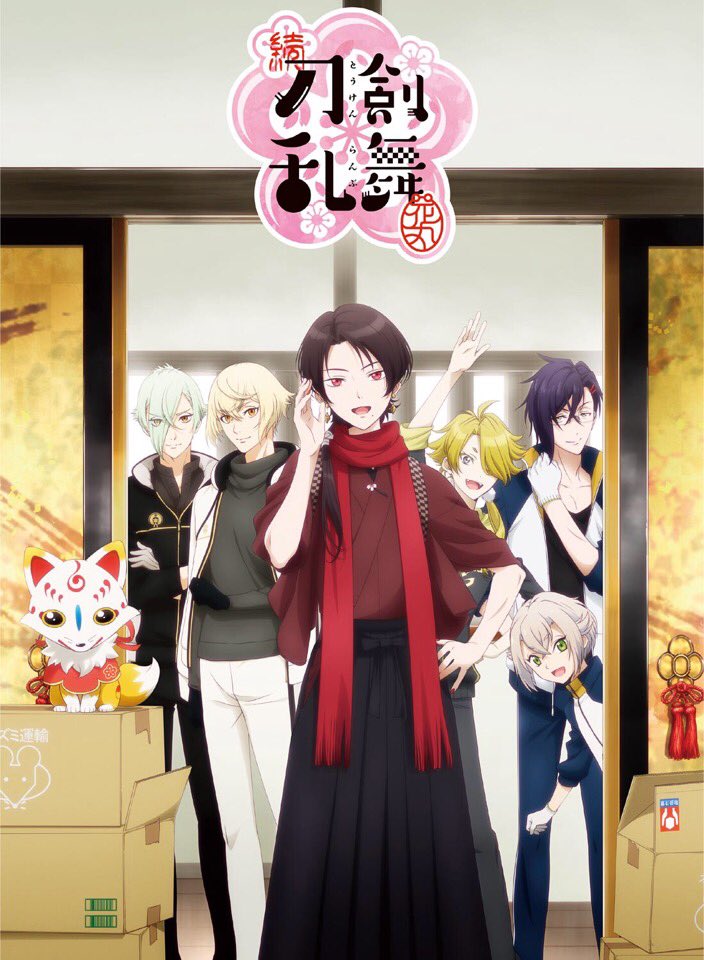
Spoiler commentary and discussion of the continuing "Sword Dance: Hanamaru" (anime)
Sequel to "Toukendanbu - Hanamaru-" is an anime based on the training simulation game "Toukendanbu -ONLINE-" Sequel to the anime "Toukendanbu -Hanamaru-" which aired in 2016. Total of 12 episodes. The sword-attached mourning gods, who have been given physical bodies, are engaged in a battle to the death against historical revisionists. The 50-odd swordsmen living in the castle are in a constant state of commotion every day.
Read Article
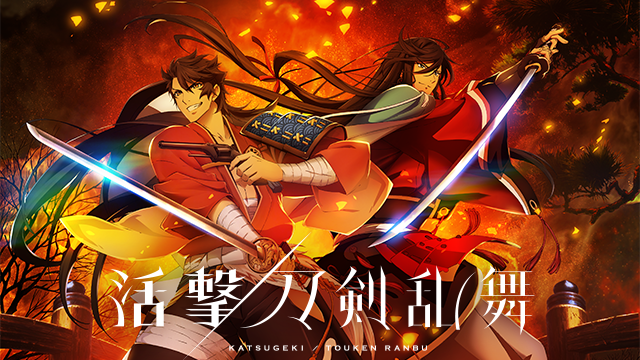
Spoiler commentary and discussion of Katsugeki: Sword Dance (anime)
Katsugeki Katana Ranbu" is an animation work produced by ufotable, based on "Katana Ranbu" by DMM Games. In the year 2205 A.D., "Shinjinsha," who have the power to awaken the feelings and minds that lie dormant in objects, call upon "Toushi," the personified form of swords, to fight to protect history in order to defeat historical revisionists who seek to change it. In Katsugeki, the battle against the historical revisionists is depicted with "Izumimori Kanetada," once the favorite sword of Hijikata Toshizo.
Read Article
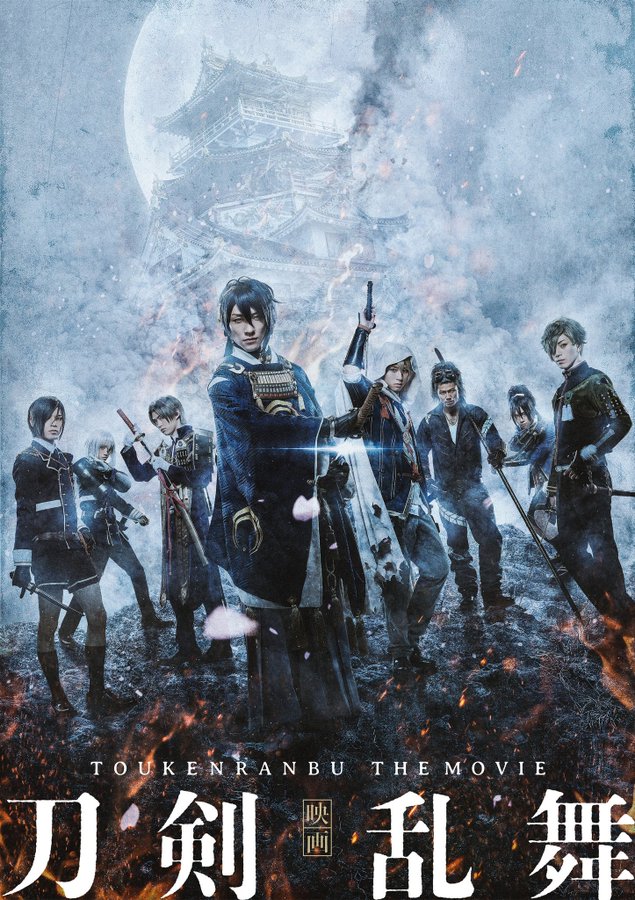
Spoiler commentary and discussion of the movie Sword Dance (Succession).
Based on the popular sword-breeding game "Touken Ranbu ONLINE" that triggered the Japanese sword boom, "Touken Ranbu (Succession) the Movie" is directed by Yakumo Yaharu and written by Kobayashi Yasuko. The film features a hot battle between "swordsmen," who are personifications of famous swords of the past, and "retrograde forces," who plan to alter history. The story takes place at Honnoji Temple, where the swordsmen have successfully defeated the retrograde army that is trying to change history by protecting Oda Nobunaga. However, just when it seems that history is being followed, they learn that Nobunaga is still alive. The cast features young stage actors, and the theme song is sung by Takanori Nishikawa and Torayasu Hotei.
Read Article
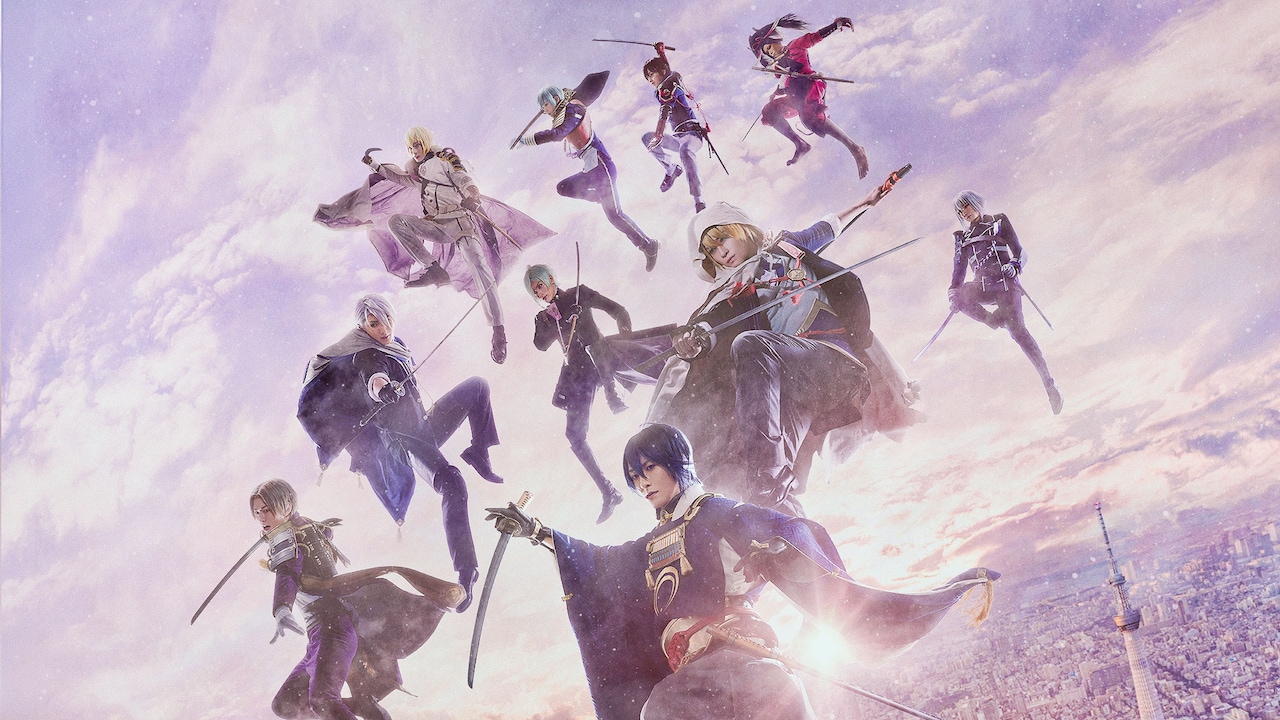
Spoiler commentary and discussion of the movie Sword Dance (Reimei).
Reimei" is the second live-action film based on the PC browser and smartphone game "Touken Ranbu" developed jointly by EXNOA (formerly DMM Games) and Nitroplus. The story depicts the battle between the sword men, who are personifications of famous swords that have left their mark on history, and the Time Armored Forces, who plan to alter history. The story takes place in the year 2012. In this time period, a critical juncture that will lead to the future is hidden. The swordsman Mikazuki Munechika, together with his temporary master Suzuki Kotone, struggles to solve the situation.
Read Article
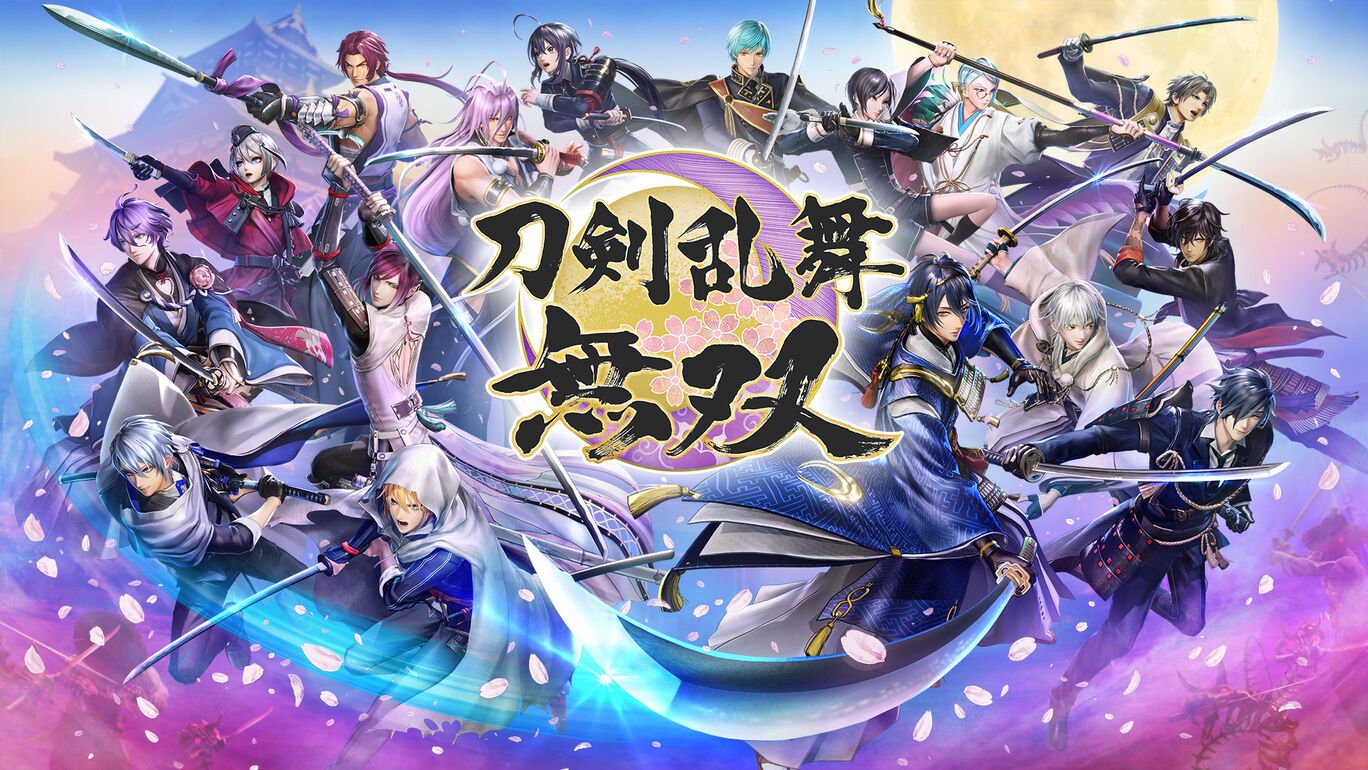
Spoiler commentary and discussion of Sword Warriors (Tousou Musou, Tourabu Musou).
Toukendanbu Musou" is a tactical action game based on the sword training simulation game "Toukendanbu". It is also a collaboration between the "Musou" game series and "Sword Dance". The story takes place in the year 2205 AD. The story depicts the battles of "Toushi," 15 mourning gods of swords who have lost their masters, who are sent by the government to investigate a plot by "historical revisionists" to change the history of Japan.
Read Article
I guessed the age of the characters in the sword dance! Mikazuki Munekika is over 1000 years old! [Tourabu
We have estimated the ages of the swords in "Sword Dance". Although anthropomorphized, they are still originally swords, so they have spent an incomparable number of years compared to humans. In particular, Mikazuki Munekika, who is called "Grandpa" and calls himself "Jiji," seems to be over 1,000 years old.
Read Article
A ranking of the couplings in "Touurabu", including a popular tag that has been viewed 2 million times on pixiv! Tourabu
We have compiled a ranking of "Sword Dance" couplings, including many popular tags on pixiv, which are sometimes viewed 2 million times in a day. Illustrations of the couplings and the reasons for the ranking are also introduced, so please check how popular your favorite combination is.
Read Article
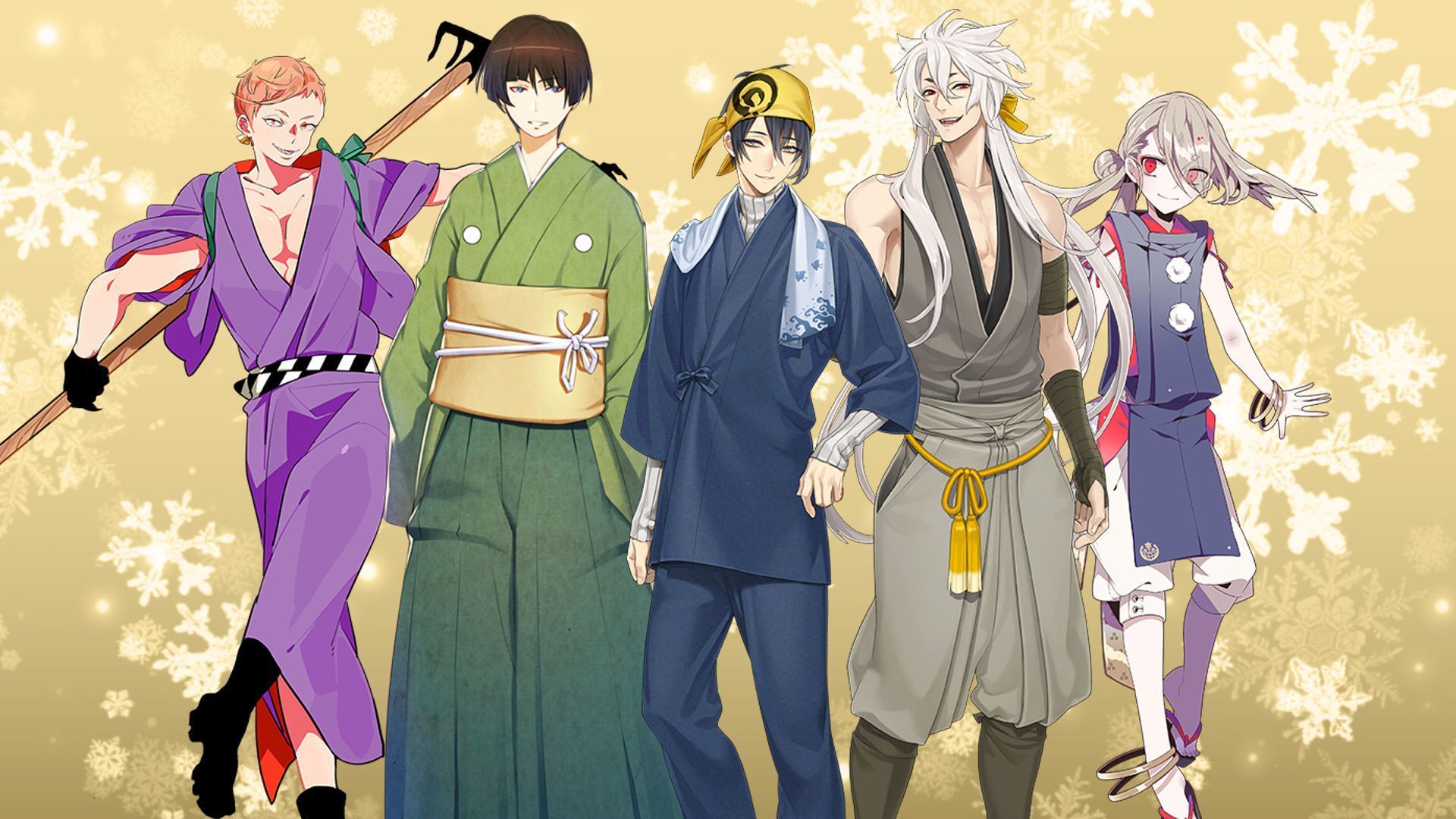
Sword Dance Uchiban Costumes Summary! Introducing from early mounted characters to Hagegiri & Kneemaru! The first time I saw a sword in the world, I was in the middle of a sword fight.
This is a collection of Uchiban costumes from "Sword Dance". This page introduces those of 51 different swords from the beginning of the service until the appearance of Hagekiri & Kneemaru. Please check out their off-mode appearance, which seems to be specialized for ease of movement and wearability, unlike their regular costumes.
Read Article
I put together a level guideline for the "Iwayu Kindergarten" sword dance! The power of the naginata is too great! [Tourabu]
This is a summary of "Iwayu Kindergarten," a leveling method in "Sword Dance" in which Iwayu, a naginata, is asked to lead the swords you want to train. The main focus is on maps that are easy to train on, according to Iwayu's level. Since short sword swordsmen do not have moderate firepower, it is recommended to level up with the help of the Cleave and Daitachi swords at first.
Read Article
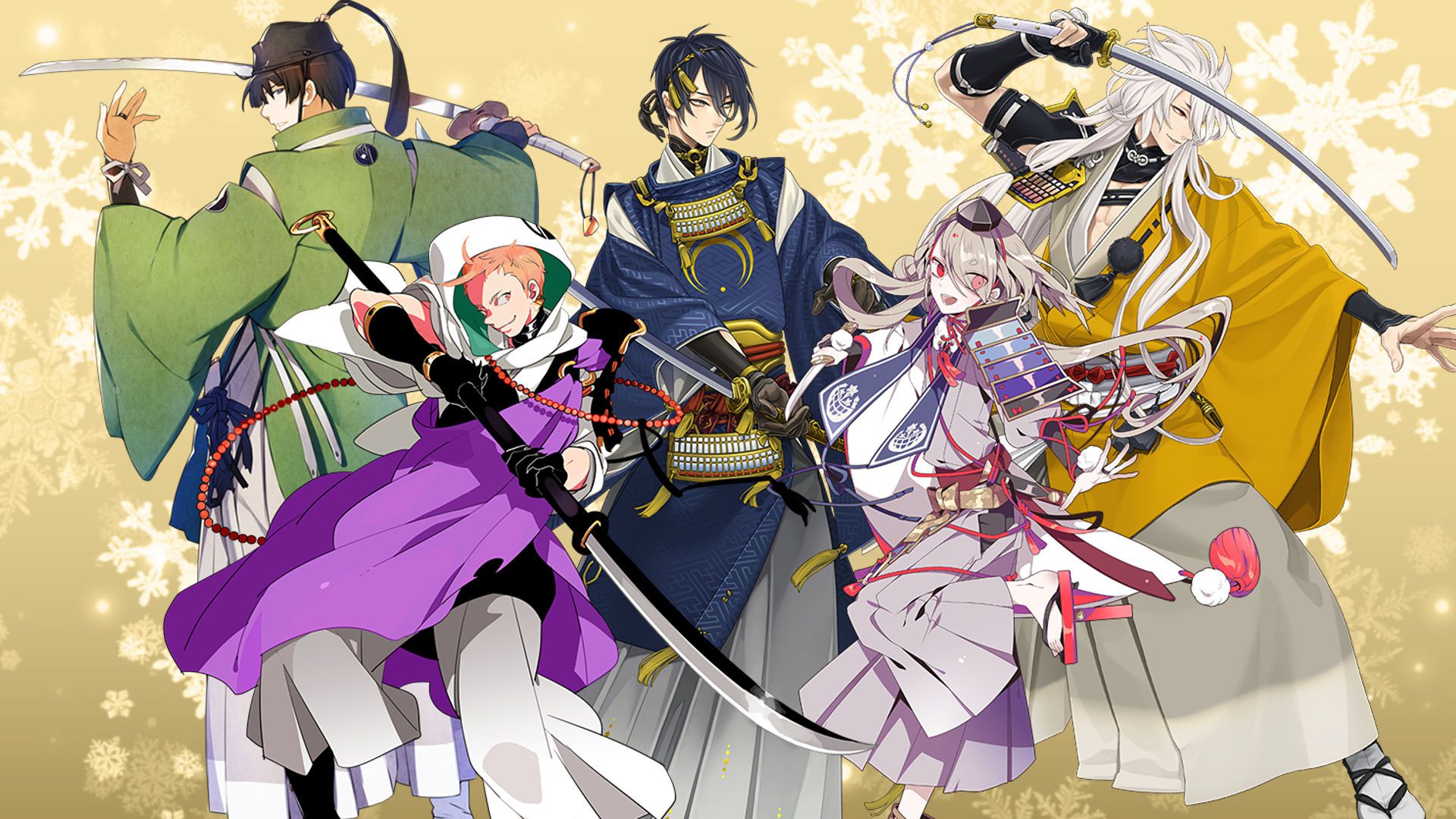
The origin of the swordsmith's name, anecdotes, and history of the swordsmith! A collection of stories, anecdotes, and the origins of the names of the swordsmiths and sword schools! TOURABU
The following is a summary of the history, anecdotes, and origin of the names of the swordsmen appearing in "Sword Dance". The information is presented by sword school and swordsmith, so you can find information on your favorite swords. It is very interesting to know the history and anecdotes of each of them, and you will be able to understand their clothing and personalities.
Read Article
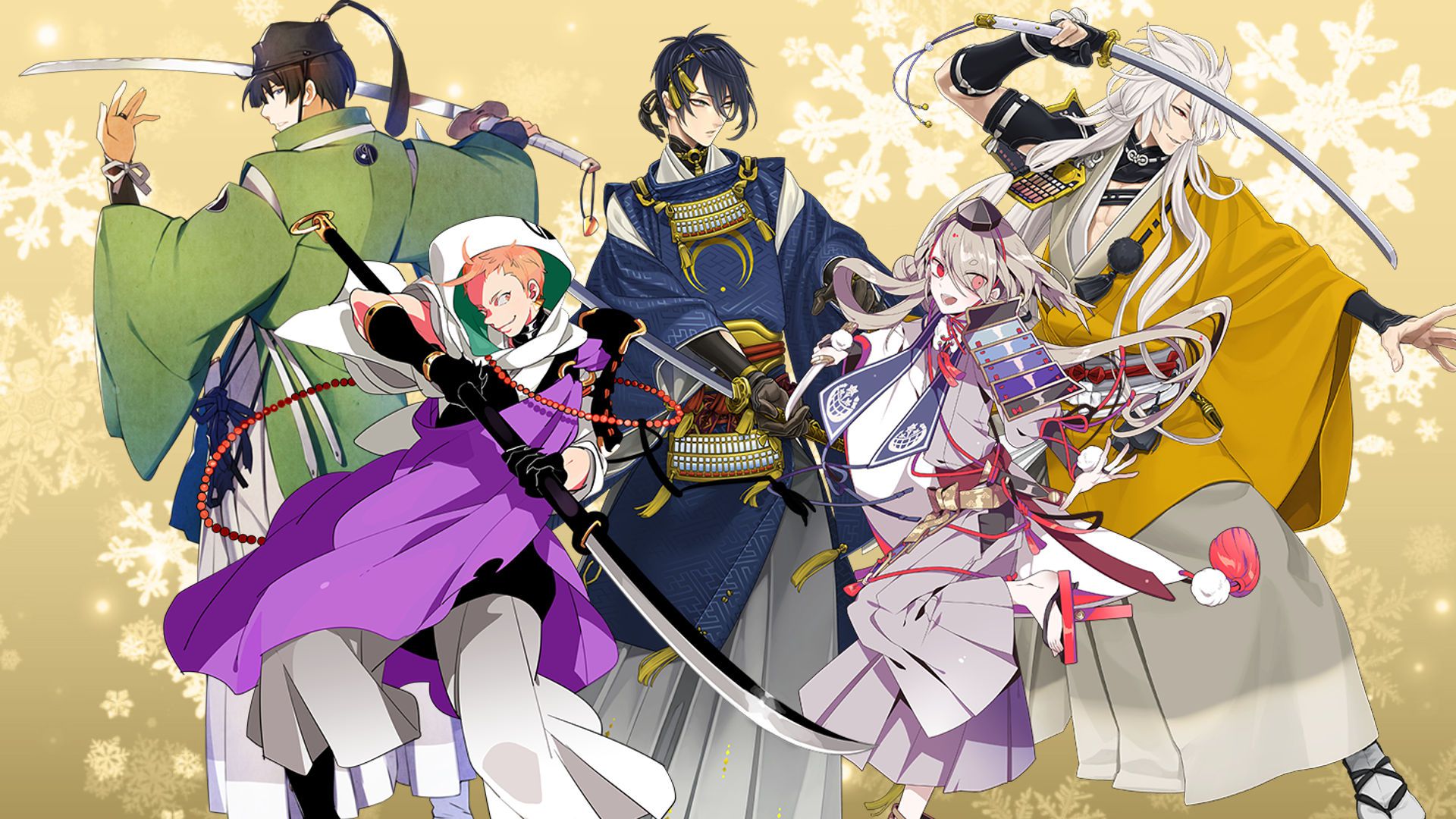
Sword Dance: Summary of birthdays and anniversaries of swordsmiths! Let's celebrate your favorite characters! Touyabu
The following is a summary of the birthdays and anniversaries of the swordsmiths in "Sword Dance". Since swordsmiths are personifications of swords, not humans, they seem to celebrate "the anniversary of the designation as national treasures" or "the anniversary of the designation as important cultural properties" as their birthdays or anniversaries. Please take a look at this and celebrate your favorite swordsmith!
Read Article
![Sword Ranbu] Introducing the former masters of swordsmiths! Full of famous figures such as Sengoku warlords and Shinsengumi troopers! TOURABU](https://renote.net/files/blobs/proxy/eyJfcmFpbHMiOnsiZGF0YSI6ODU3OTQ4MywicHVyIjoiYmxvYl9pZCJ9fQ==--af0ae48f7b4860c61abc26dfb3038e67b4c3b9d1/R%20(2).jpeg)
Sword Ranbu] Introducing the former masters of swordsmiths! Full of famous figures such as Sengoku warlords and Shinsengumi troopers! TOURABU
We have compiled a list of the former masters of the swordsmen in "Touken Ranbu" along with illustrations of the swords. Many of the swords were owned by famous people such as Oda Nobunaga, Date Masamune, Hijikata Toshizo, and others that appear in history textbooks. Knowing their relationship with their former masters may make you fall in love with the characters even more.
Read Article
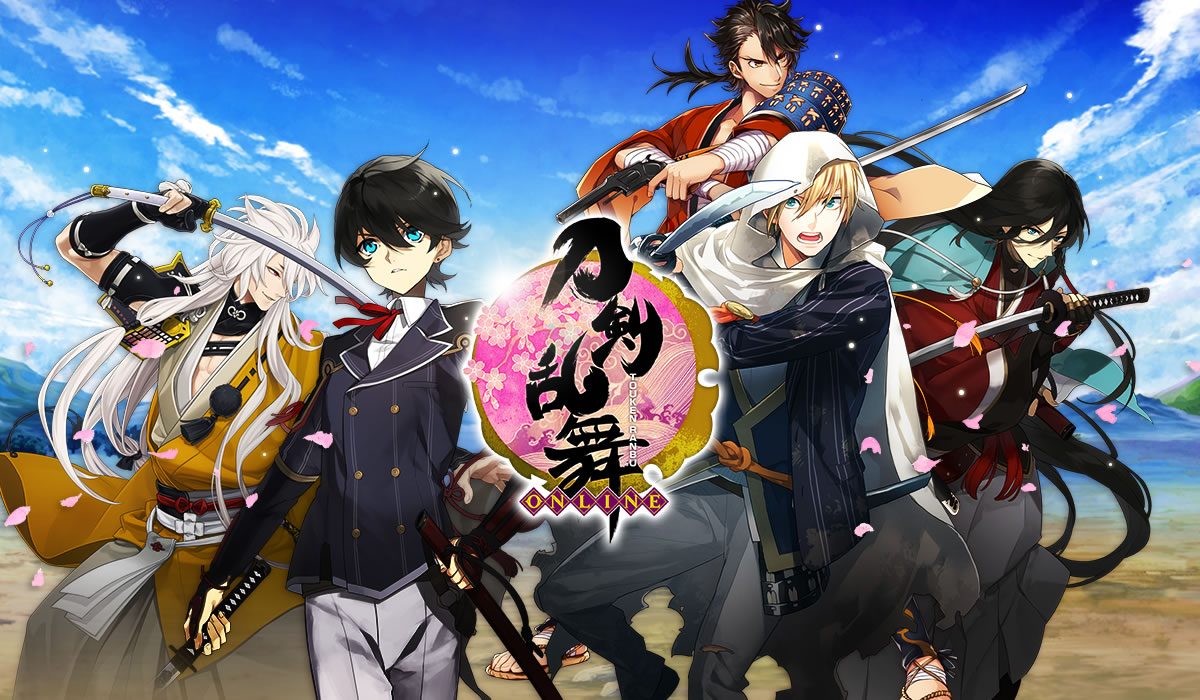
A collection of recipes for sword forging for "Sword Dance" characters! Also includes excellent blends for each sword type! TOURABU
We have compiled a list of 42 different forging recipes that have been implemented since the beginning of the service for the very popular game "Sword Dance". In addition to recipes for each character, we have also introduced excellent blends that tend to produce each type of sword. If you are having trouble finding the sword you are looking for, please give it a try.
Read Article
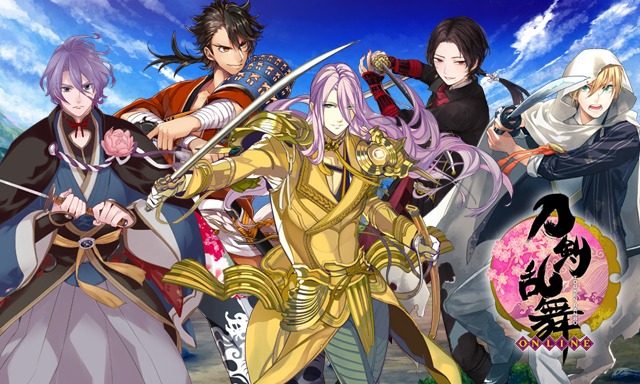
A collection of unusual goods such as shoes and watches, alcohol and scissors.
Sword Dance-ONLINE-" has been in service since January 2015. It is one of the most popular contents on DMM.com with over 1.3 million registered users. Currently, many collaborations have been developed and a lot of goods are on sale. Here, we have collected a few quirky items. The collection is limited to items up to January 2016.
Read Article
Summary of the flame wars, pacifism, and other incidents involving "Sword Dance" and "Tourabu Class Group.
In this article, we summarize the incidents of flame wars, pacifism, and other incidents involving "Tourabu Gakkyukai," a fan site for "Sword Dance" and its fans. Deep love for a work is wonderful in itself, but if it goes too far, it can cause trouble for various people. Let's keep moderation in mind.
Read Article
Introducing the original swords and places associated with the swordsmiths! Recommended for pilgrimages and trips to sacred places! Touurabu
We have compiled a list of the swords that were the original inspiration for the swordsmen in "Sword Dance" and the places related to them. Many famous castles and shrines are involved, so there are many spots recommended not only for fans of "Sword Dance" but also for history buffs. Please visit them on your pilgrimage or trip to the sacred places.
Read Article
An introduction to the Japanese swords, legends and folklore that were the basis for "Sword Dance"! Also includes images of real swords! TOURABU
We have compiled a list of Japanese swords that are the origin of the swords in "Sword Dance", as well as legends and folklore related to them. Along with the origin of the sword names, we have also included images of actual swords preserved in museums. Swords of famous figures from history textbooks also appear in the book, so history buffs are welcome to check it out as well.
Read Article
With anime and anthropomorphized male units, we can't take our eyes off Sanrio!
Sanrio is a company full of cute characters such as Kitty-chan. In fact, did you know that Sanrio has created many other characters in addition to its fancy characters, and has developed "new developments" such as anime, anthropomorphic characters, and several male groups unique to Sanrio?
Read Article
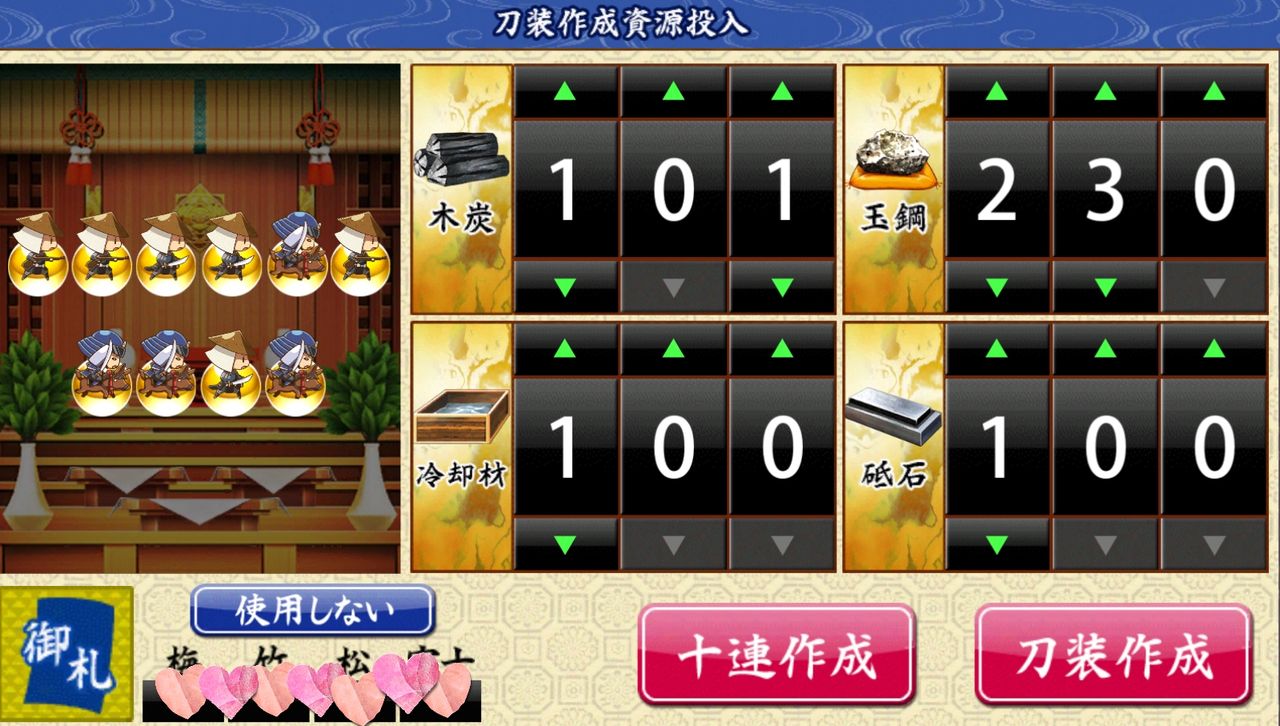
Summary of Recommended Sword Recipes for Sword Dancers [Touhou].
Sword Dance" is an application game in which players collect famous anthropomorphic Japanese swords and battle them. In the game, there are items called "sword costumes" that can be used to advance in battle, which can be obtained as quest rewards or by turning in gacha (gacha). This article introduces a collection of recommended sword armor recipes.
Read Article
I want to go there at least once! A collection of sword locations and places associated with the swords of the sword dance [Tourabu].
Sword Dance" is a popular game in which "sword boys," personified versions of famous swords, play an active role. This popular game has been supported by many women and has been used in a variety of media. Many of the swords that appear in "Sword Dance" are real swords, and can still be seen today in museums and other places. This section introduces facilities and places where swords appearing in the game are exhibited.
Read Article
Introduction to Sword Dance Secondary Games of My Own Creation
There are many high quality secondary games of sword fighting, and some of them are distributed, so we will introduce them here.
Read Article
![Sword Ranbu] A collection of swords that were in the collection of the Meiji Emperor! Onimaru, Kogarasumaru, Hirano Fujishiro, Ichiki Ichifumi, Tsurumaru, Shishio, Uguisumaru and many more! [Touyabu]](https://renote.net/files/blobs/proxy/eyJfcmFpbHMiOnsiZGF0YSI6ODU4NjMwNCwicHVyIjoiYmxvYl9pZCJ9fQ==--42e44e571f6aa359b2e451da56cf7bea7de16613/48e884e6.jpg)
Sword Ranbu] A collection of swords that were in the collection of the Meiji Emperor! Onimaru, Kogarasumaru, Hirano Fujishiro, Ichiki Ichifumi, Tsurumaru, Shishio, Uguisumaru and many more! [Touyabu]
Kogarasumaru, Tsurumaru Kuninaga, Shishioh, and Uguisumaru, which appear in "Sword Dance," were part of Emperor Meiji's sword collection. The following is a summary of how these swords, which were carefully cared for, were brought to the Imperial Household.
Read Article
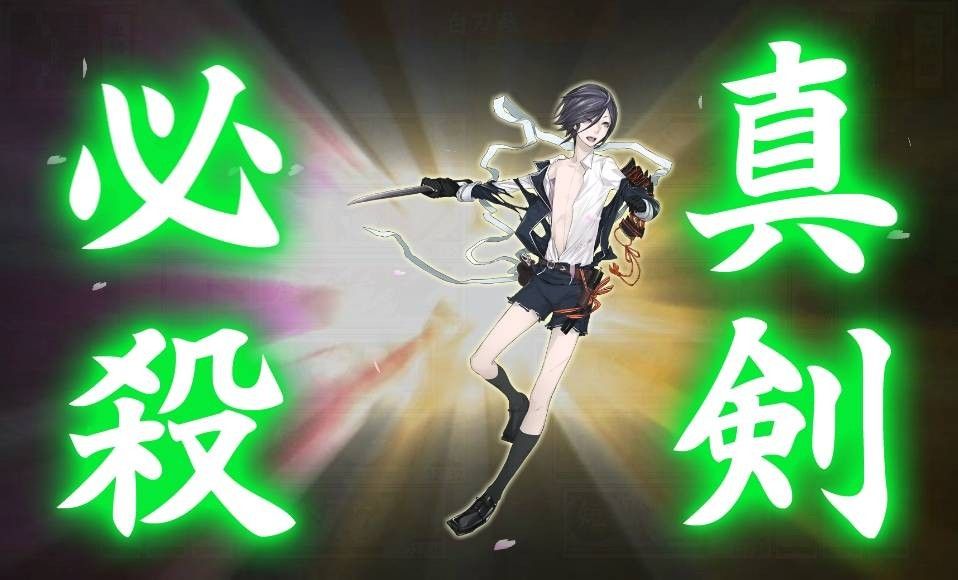
The conditions for activation of the "serious special kill" & the efficient way to collect illustrations! [Touyabu]
In "Sword Dance," a "serious kill" occurs when certain conditions are met during battle. Not only can you attack with advantage, but you can also see the exclusive illustrations of the swordsmanship of the swordsmen. We have compiled a detailed list of conditions for activating the "serious special kill" and how to efficiently collect the illustrations, which are rarely seen when just playing the game.
Read Article
A list of spots associated with "Sword Dance"! Recommended for pilgrimages to sacred places! TOURABU
We have compiled a list of spots that are associated with "Sword Dance". These places are recommended for pilgrimages to sacred places, such as the locations of Japanese swords, which are the source of the swordsmen, and the museums of historical figures who were the original owners of the swords. These places are enjoyable not only for "Sword Dance" fans but also for history buffs, so be sure to check them out.
Read Article
Summary of the original name of the horse and its relationship to the character in the sword dance [Tourabu].
In the browser game version of the original "Sword Dance," a major content series that boasts enormous popularity among women, "horses" exist as equipment items. Each horse has a different name and status, but like the swordsmiths, their names have their own origin stories. Here we will introduce the original story of the horses and their relationship to the characters.
Read Article
A summary of "Sword Dance" painters! Introducing the creators of the beautiful swordsmiths and the characters they work with! Tourabu
We have compiled a list of artists who have created illustrations of swordsmiths appearing in "Sword Dance. The artists and illustrators who created these beautiful illustrations are active in a variety of genres, so if you are interested in their work, please check them out.
Read Article
A summary of fans' passion for making sword fighting healthy for 4-year-olds.
In January 2016, "Tourabu" celebrated its first anniversary since its distribution. Over the past year, Tourabu has knocked out numerous legends, including a musical adaptation, song distribution, and various goods development, but finally the details of the smartphone version of the application have been announced, and with it, fans have been able to see "a certain care" in the ......?
Read Article
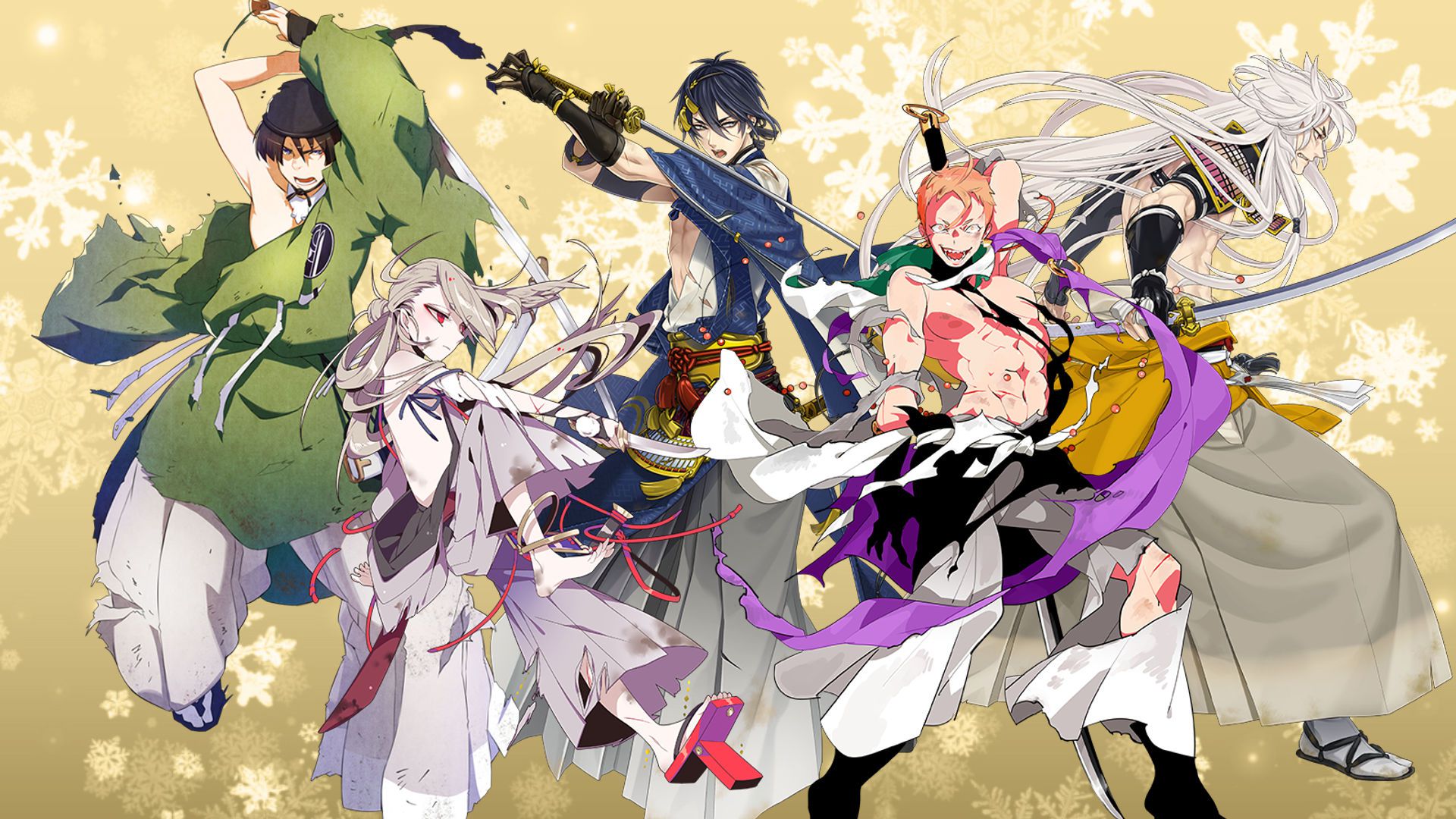
A collection of images of "Tourabu" with medium & heavy wounds! The differences in costumes and facial expressions are amazing... [Tourabu
Here is a summary of the appearance of the swordsmen in "Touken Ranbu" when they are moderately or seriously wounded. The following are those of the swords that were implemented from the beginning of the service until the appearance of Hagekiri & Hizemaru. It is tempting to see their tattered outfits and different expressions from normal, but you don't want them to look like that in your own Honmaru because they may lose their swords when they are seriously wounded...
Read Article
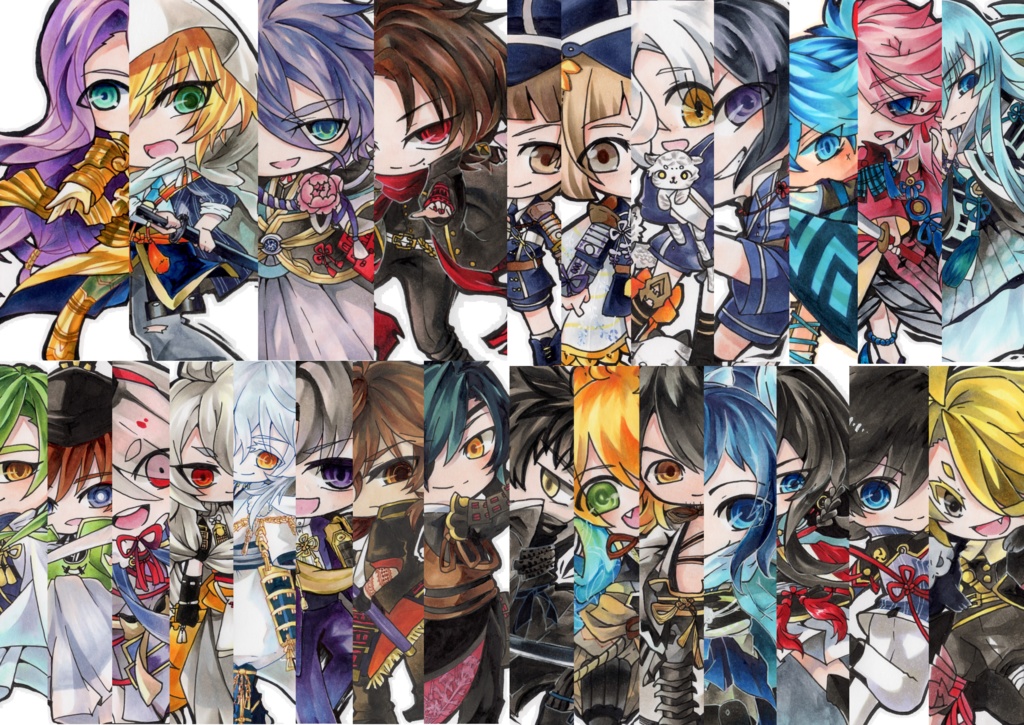
Collection of Golden Recipes for Sword Forging! You might get a rare swordsmith! TOURABU
The online game "Touurabu" is a popular game in Japan. Here we have collected "golden recipes" that have a high chance of forging the swordsmith you are looking for. The site also provides easy-to-understand information for beginners. We also introduce the voices of players who have succeeded in forging rare swordsmen using the golden recipe.
Read Article
Additional illustrations and behind-the-scenes settings by the artist are now available for viewing!
Originally released as a game, "Sword Dance. The work's explosive popularity, mainly among women, eventually led to a musical, stage, anime, and even a live-action film adaptation. This article summarizes additional illustrations and backstories released by the official illustrators of "Sword Dance".
Read Article
![TouyanBu] Introducing the Top 10 Most Popular Swordsmen! No. 1 is Tsurumaru Kuninaga, a sword born in the Heian Period! The first place goes to Tsurumaru Kuninaga, a sword born in the Heian period!](https://renote.net/files/blobs/proxy/eyJfcmFpbHMiOnsiZGF0YSI6ODU3NzgwNiwicHVyIjoiYmxvYl9pZCJ9fQ==--d78e32353064e4082eec8d8472879588e07272a3/DWzDtBwVAAAVZmH.jpg)
TouyanBu] Introducing the Top 10 Most Popular Swordsmen! No. 1 is Tsurumaru Kuninaga, a sword born in the Heian Period! The first place goes to Tsurumaru Kuninaga, a sword born in the Heian period!
We have compiled a ranking of the 1st to 10th most popular swordsmiths in "Touken Ranbu". The first place goes to Tsurumaru Kuninaga, who has a charming gap between his fragile appearance and cheerful personality.
Read Article
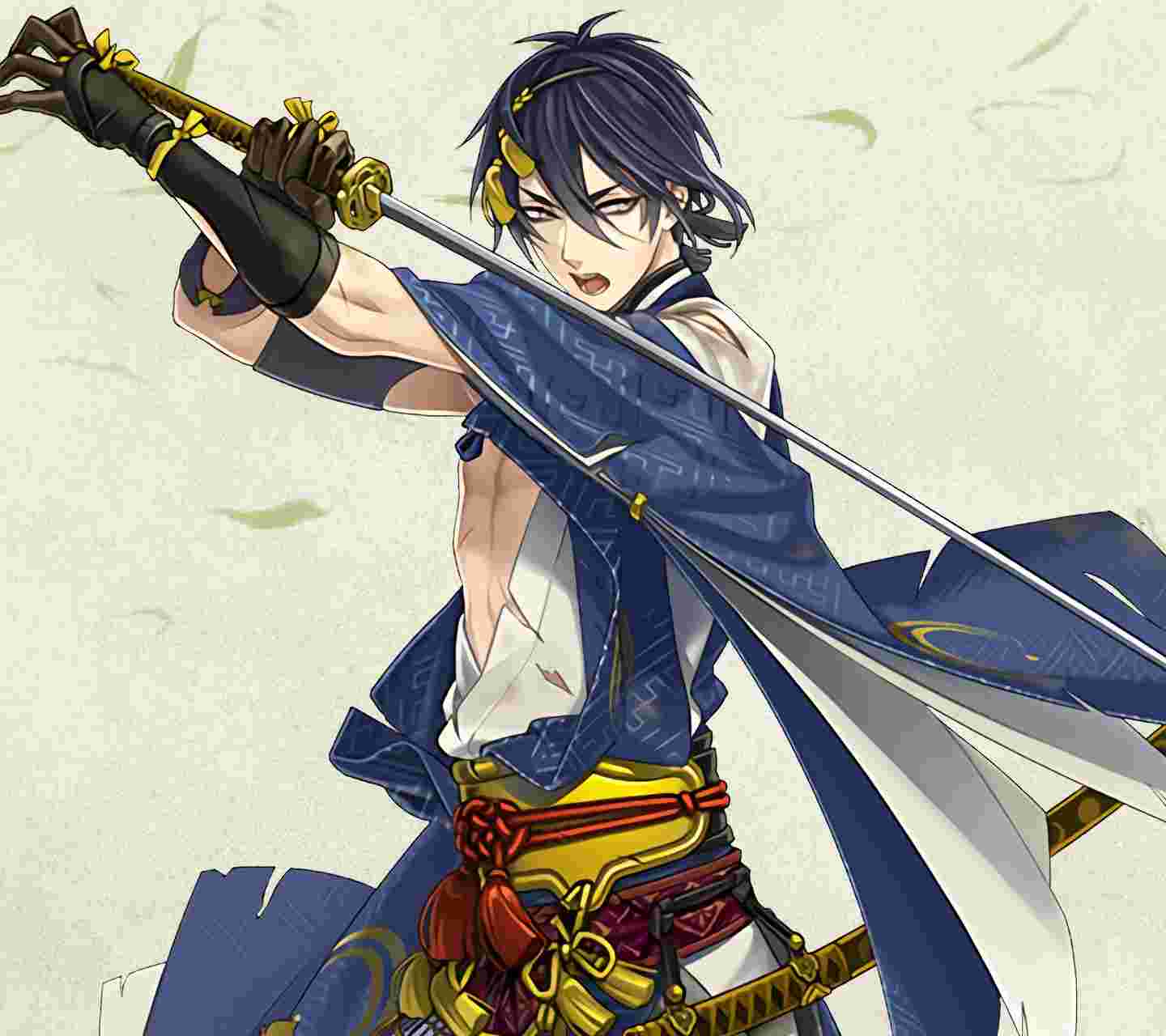
Costume illustrations of "Sword Dance"! Includes battle scenes and Uchiban outfits! TOURABU
We have compiled a collection of standing pictures of swordsmen in "Sword Dance" that make it easy to recognize their costumes. The illustrations include standing pictures of battle scenes, medium and severely wounded figures, and Uchiban figures, etc. Please use them as reference materials when you create fan art.
Read Article
Tags
Contents
- Outline of "Sword Dance
- Synopsis and story of "Sword Dance
- Game System of "Sword Dance
- forging a sword
- manifestation point
- Renketsu (alchemy)
- (a) the study of (a)
- battle
- fatigue
- energy
- training (e.g. in martial arts)
- expedition
- Formation (formerly: Organization)
- organization
- sword unraveling
- grooming
- Collection (formerly Uchiban)
- tools at one's disposal
- practice
- Manyya
- walk
- companion
- exchange counter
- Characters in "Sword Dance
- short sword
- Ima no Tsurugi
- Fujishiro Hirano
- Atsushi Toushirou
- Maeda Toushiro
- Akita Toushirou
- Ran Fujishiro (Midare Toshiro)
- Gokotai
- Yagen Toshiro
- Kuniyoshi Aizen
- Sayo-samonji
- Hakata Toushirou
- Goto Toushirou
- Yukimitsu Fudo
- Shinano Toushirou
- Taiko Kane Sadamune
- Houcho Toushirou
- Mouri Toushirou
- Kenshin Kagemitsu
- Masamune Hyuga
- Chatananagiri
- Taikoo Left Monji
- short sword
- Nikkari Aoe
- Namazuo Toushirou
- Bonetoku Toushirou
- Kunihiro Horikawa
- Urashima Toratetsu
- Monoyoshi Sadamune
- Kagotekirigie
- Tadahiro Hizen
- Chikanemaru
- floating dust
- var. of Japanese long sword
- NARUKI KITSUNE
- Sozasa Monji
- Kiyomitsu Kashu
- Yasusada Yamato
- KASEN KANESADA
- Yoshiyuki Mutsukami
- Kunihiro Yamambagiri
- Hachisuka Toratetsu
- Heshikiri Hasebe
- Nagasone Nekotetsu
- Izuminokamikanesada
- Ookurikara
- Masakuni Dotanuki
- Kikkosadamune
- Senko Muramasa
- Nansen Ichimonji
- Nagayoshi Yamambagiri
- Buzen River
- Nankai Taro Choson
- Kuwana River
- Masahide Suishinshi
- Kiyomaro Minamoto
- Matsui River
- Jizo Yukihira
- May rain river (Samidarego)
- Murakumo River
- Inaba E.
- Masamune Ishida
- long sword
- Mikazuki Munechika
- Kogitsune Maru
- Mitsuyo Oodenta
- Sohaya no Tsuruki (Tsurugi of Sohaya)
- Suzumaru Tsunetsugu
- Onimaru Kunitsuna
- Ichigo-no-Ippiki (One season, one sprinkle of strawberry)
- Ookanehira
- Japanese nightingale (Cettia diphone)
- Akashi Kuniyuki
- Candlestick Mitsutada
- Daihannya Nagamitsu
- Koryu Kagemitsu
- Ezuki left character (Kousetsu Samonji)
- Yamabushi Kunihiro
- bearded cutter (species of fish, Acanthopanax sciadophylloides)
- Knee Maru
- Lion King
- Kogarasumaru
- Nukemaru
- Kuninaga Tsurumaru
- Azuki Nagamitsu
- Chiyoganemaru
- mountain bird's hair
- Kokin Denju no Tachi (Sword of the Ancient and Modern Period)
- Nikko Ichimonji
- Norimune Ichimonji
- Himekuru Ichimonji
- Mitsutada Fukushima
- Sasanuki
- Hatchonenbutsu (Buddhist prayer)
- large sword
- Ishikirimaru
- Hotarumaru (firefly)
- Taroutachi
- Jiro-tachi
- Nenekirimaru
- spear
- Dragonfly Cutter
- Nihon-go (Japan Go)
- Otegine
- Ouchidori Jumonji Yari
- Human Bone
- halberd
- Iwatooshi (Oshio Iwato)
- Tomoe-gata Naginata
- Shizukata naginata
- sword (originally esp. a doubled-edged sword)
- Yoshimitsu Hakusan
- Seven Star Sword
- Support/guide character
- chivalrous man (c. Edo period)
- black sake (presented as an offering to the gods)
- peach-skinned son
- swordsmith
- Sword soldiers
- enemy character
- Historical revisionist
- Retrograde Time Forces
- Kempo-no-Meshi (Keibi-ishishi)
- Items from "Sword Dance
- resources
- Sword
- horse
- amulet
- bill
- recovery item
- Nehyo Sugar (Konpeito)
- the harvest
- elegance
- lightweight equipment or dress
- koban
- Koshu gold
- pigeon
- Terms of "Sword Dance
- SANJIWA
- government
- Initial Sword / Initial Sword
- Kinkiji (Kinji)
- Sword type (sword type)
- special (special)
- Extremely
- sword level
- Ranbu Level
- departure for the front
- Honor
- battlefield
- critical hit (esp. in RPGs)
- A serious and murderous attack.
- Sword destruction (sword destruction)
- Famous quotes, lines, and scenes from "Sword Dance
- Yakken Fujishiro: "I even went through the handle!"
- Kuninaga Tsurumaru: "Life needs surprises. If we only know what to expect, our hearts will die first.
- Kofukumaru: "When it melts, we are all iron."
- Backstories, trivia, small stories/episodes, and anecdotes from "Sword Dance
- Sword Girls" nominated for 2015 New Word and Buzzword of the Year
- Kon-no-Suke" won second place at Yurukyara Grand Prix 2016
- Various projects and collaborations that have enlivened the sword industry
- Theme songs and insert songs for "Sword Dance
- Theme song: "Yumegen Ranbunsho" by Kanetaro Itagaki
- Theme song: "You and Me" by Yumi Matsutoya