
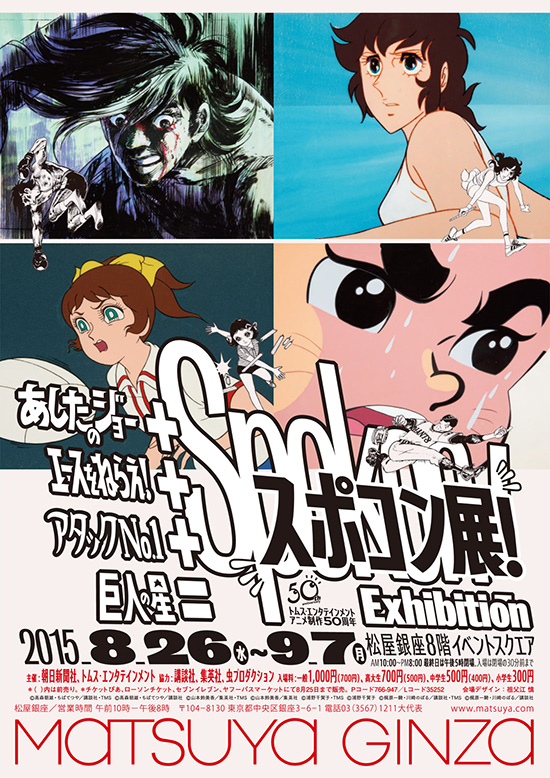
The Spore Exhibition began at Ginza Matsuya on August 26, 2015.
Personally, I am of the "Strike Right in the Middle!" generation, so I was very interested in the exhibition.
Now that I am a "good adult," I would like to look at these works from a different angle than I did back then.
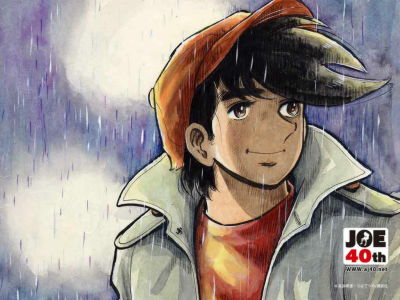
This slightly lonely atmosphere was also wonderful.
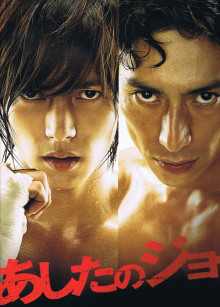
This work was also recently made into a live-action film.
Yamapo and Iseya! How handsome Joe and Rikiishi are!
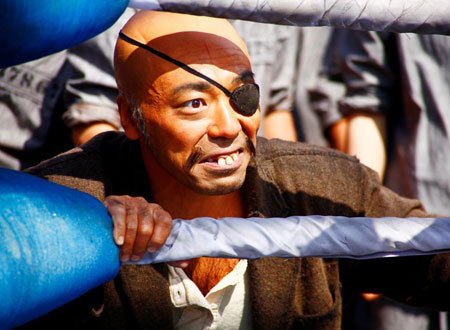
And how much of a resemblance you have, Teruyuki Kagawa!
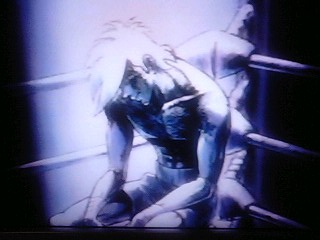
And after all, this cut of Joe "burned out and turned to white ashes" is really famous.
Ace wo Nerae!
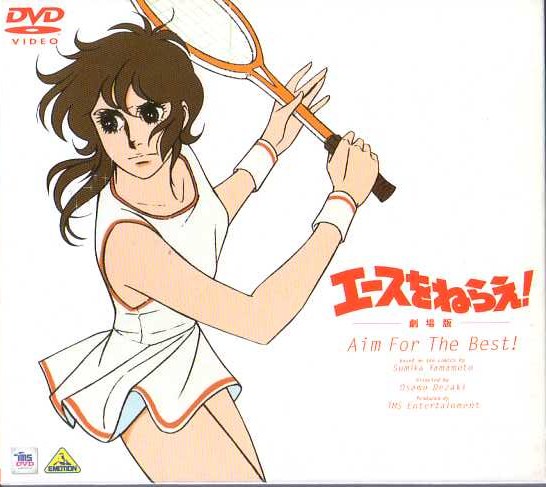
Ace wo Nerae! is a sports manga written and drawn by Suzumika Yamamoto.
This is an anime that my husband, who is about 5 years younger than me, liked more (for some reason) and he was quite enthusiastic about it. Of course, he also watched the anime.
I am not very familiar with this work, but under my husband's influence? When I saw the anime, I knew it was interesting.
Like Attack Number One, there was a tennis boom among girls when this work was popular, and the number of girls who wanted to join the tennis club increased overwhelmingly! I remember that the number of girls who wanted to join the tennis club increased.
This work depicts how Hiromi Oka, a normal girl, grows up to become one of Japan's leading tennis players.
The shadowy coach, the high school student, and the vertical rolls, are they all right? The film is full of quirky characters, including a shadowy coach, a butterfly lady with a hair style that makes you ask yourself, "Is that vertical roll okay for a high school student?
I was moved by the scene where the coach, Munekata, is suddenly diagnosed with an incurable disease and tells Hiromi, "Oka, ace wo nerae!
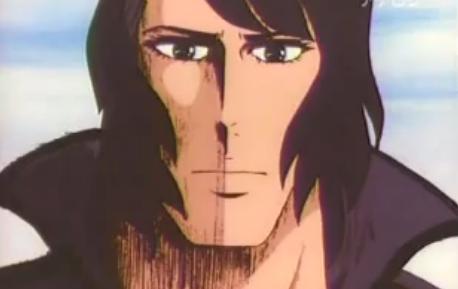
Hiromi says, "Ace wo nerae!" Munekata tells her.
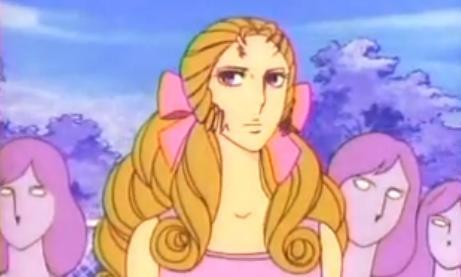
It's always amazing to see Mrs. Butterfly's vertical rolls, and she was all blonde. Doesn't it get in the way of playing tennis?
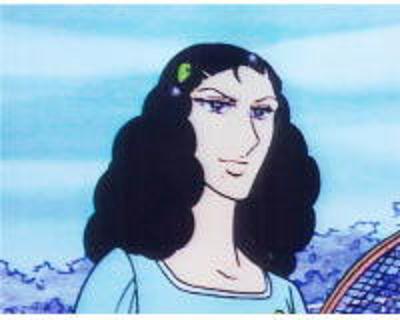
Another strong opponent, Ranko Midorikawa. This name is also great. She is actually Coach Munekata's half-sibling.
Summary Considerations
The 1960s to 1970s (the 30s to 40s in Showa era), when these works gained popularity, was a time when Japan was just in the midst of its high growth period and everyone believed and doubted that "tomorrow would be more prosperous than today.
So it was a time when everyone could work hard, study hard, and try to achieve better "results".
Looking back, this must have been a happy time.
I believe this is why manga and anime depicting young people who were stoic and passionately devoted to sports, putting everything they had into it, based on the belief that "if you work hard, you will get great results," were so enthusiastically supported during this era.
