

On June 4, 2014, Ryuzo Hayashi, a well-known actor known for his wide range of activities, passed away. The cause of death was "kidney failure. The following is a summary of the news of Hayashi's passing and the horror of the "kidney failure" that struck him. Let's also take a look at preventive measures.
On the other hand, chronic kidney failure, which is a gradual decline in kidney function due to diabetes, hypertension, or some other chronic kidney disease
Source: www.kidneydirections.ne.jp
Chronic renal failure is most commonly caused by diabetic nephropathy and chronic nephritis, which accounts for about 70% of all cases, although there are other diseases that can cause it
Source: www.geocities.jp
In the elderly, medications, especially antibiotics, analgesics, antipyretics, and drugs for malignant tumors (cancer), can cause kidney failure.
Source: health.goo.ne.jp
Processes leading to renal failure
Source: welcome-to-gettyimages.jp
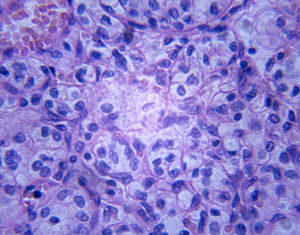
Once the glomerulus is broken, it cannot be restored.
In the kidney, blood is filtered through a group of capillaries called the glomerulus.
Source: www.e-toseki.com
The kidneys are composed of approximately 1 million glomeruli on each side, and this tissue is responsible for the production of urine and the regulation of the concentration of water, electrolytes, and other substances in the extracellular fluid.
Source: ja.wikipedia.org
However, when kidney disease occurs and the glomeruli are damaged by various causes, they gradually harden and eventually stop blood flow.
Source: www.medi-net.or.jp
Thus, the glomerular structure is destroyed and no longer functions to filter the blood. Once destroyed, the glomerulus never recovers.
Source: www.medi-net.or.jp
What is the difference between chronic and acute?
When renal function declines suddenly over a period of days or weeks, it is called acute renal failure; when it declines slowly over several years, it is called chronic renal failure.
Source: www.tyojyu.or.jp
▼ Acute renal failure

Source: welcome-to-gettyimages.jp
Acute renal failure, which deteriorates rapidly, is reversible and has a good prognosis
Acute renal failure is a rapid loss of kidney function caused by heavy bleeding or drugs, but with proper treatment, a significant portion of the patients will recover.
Source: www.medi-net.or.jp
Acute renal failure is reversible, but the elderly are prone to secondary heart failure and severe infections, so early diagnosis and treatment is important
Source: health.goo.ne.jp
▼ Chronic renal failure

Source: welcome-to-gettyimages.jp
The chronicity of the body progresses gradually, and there is no fundamental cure.
Chronic kidney disease is a condition that lasts for more than 3 months and is characterized by urinary abnormalities such as proteinuria and hematuria, abnormal renal morphology, or a decrease in renal function to less than approximately 60%.
Source: www.kitasaitohospital.or.jp
In chronic renal failure, chronic kidney disease gradually worsens and kidney function declines. There is no effective treatment to cure chronic renal failure.
Source: www.medi-net.or.jp
Symptoms?

Source: welcome-to-gettyimages.jp
High blood pressure, swelling, etc.
Common symptoms of renal failure include fatigue (lethargy), shortness of breath, loss of appetite, swelling, etc.
Source: www.tyojyu.or.jp
The main symptoms of kidney disease include proteinuria, hematuria, swelling (edema), high blood pressure, and changes in urine output
Source: www.kidneydirections.ne.jp
As renal function declines, the volume of urine increases, especially at night. As renal failure progresses further, the patient is no longer able to produce urine and the volume of urine decreases.
Source: www.medi-net.or.jp

Tags
Contents
- ...June 4, 2014, actor Ryuzo Hayashi died of "kidney failure".
- Ms. Hayashi has become popular in a wide range of roles.
- What is the "kidney failure" that struck Mr. Hayashi?
- What is the cause?
- Processes leading to renal failure
- What is the difference between chronic and acute?
- Symptoms?
- However, the kidneys are said to be silent organs, and symptoms are difficult to detect until the disease progresses.
- If it progresses, the condition is life-threatening.
- What is the treatment?
- How can I prevent it?
- Related Summary