
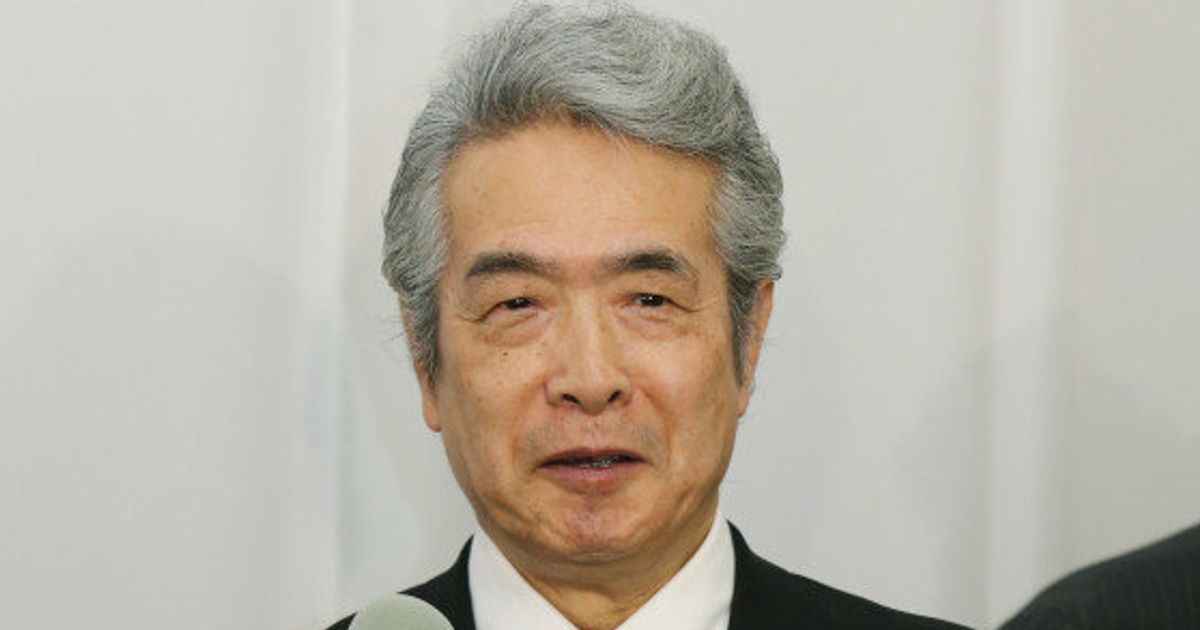
On June 4, 2014, Ryuzo Hayashi, a well-known actor known for his wide range of activities, passed away. The cause of death was "kidney failure. The following is a summary of the news of Hayashi's passing and the horror of the "kidney failure" that struck him. Let's also take a look at preventive measures.
...June 4, 2014, actor Ryuzo Hayashi died of "kidney failure".
Source: s.cinematoday.jp
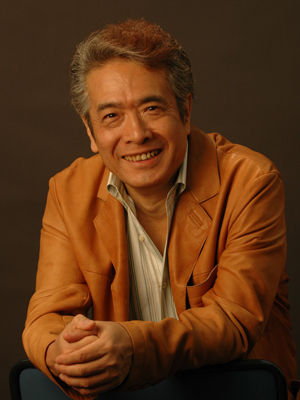
Ms. Hayashi had become popular in a wide range of roles.
Actor Ryuzo Hayashi died of kidney failure on June 4 at a hospital in Tokyo, where he had been hospitalized. 70 years old.
Source: www.cinematoday.jp
The funeral and farewell ceremony were attended by close relatives. The pallbearer was his eldest son, Masao.
Source: sankei.jp.msn.com
The website of his office reported his death and posted the following words of thanks: "We would like to express our sincere gratitude to all the fans who loved and supported Ryuzo Hayashi's activities.
Source: www.sponichi.co.jp
His sudden death caused grief among many of his fellow actors, including his classmate from the Haiyuza training school, "the 15th flower class," and Sayuri Yoshinaga.
Source: www.sanspo.com
Ms. Hayashi has become popular in a wide range of roles.
Ryuzo Hayashi was born in Tokyo, and after graduating from the Haiyuza Training School in 1966 as a 15th year student, he has been active on stage, in TV dramas, and in movies.
Source: www3.nhk.or.jp
In 1970, he played his first starring role in Keisuke Kinoshita's TBS film "Oshiki," and in 1971, he gained popularity with NHK's "Tenka Gomen," about the youth of Hiraga Gennai.
Source: www.sponichi.co.jp
In 1977, he starred in the highly acclaimed film "Takeyama's Solo Journey," about the life of the famous Tsugaru shamisen player, Takeyama Takahashi.
Source: www.nikkei.com
TV dramas "Kunitori Monogatari" and "Takeshi-kun Hai! and stage performances such as "Asura no Gotoku" and recitation of Kenji Miyazawa's works.
Source: www.asahi.com
He became popular on stage and in movies, and played various roles with his tasteful acting.
Source: www.hochi.co.jp
As a singer, he has released albums such as "Piano Man" and has toured throughout Japan.
Source: www.yomiuri.co.jp
He spent his childhood in Sendai, and after the Great East Japan Earthquake, he donated his appearance fees for a film he shot in Ishinomaki City, Miyagi Prefecture, to the disaster area.
Source: sankei.jp.msn.com
His posthumous drama is NHK's "Yoshiwara Ura Doshin," starring Keisuke Koide, which will begin on June 26. Filming is almost complete and the drama will be broadcast as scheduled.
Source: www.sanspo.com
What is the "kidney failure" that struck Mr. Hayashi?
Source: amanaimages.com
It's a disease that reduces the function of the kidneys.
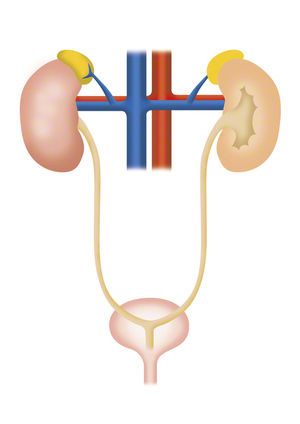
The kidneys are solitary, sycamore-shaped organs located on the back above the waist, one on each side. They are about the size of a clenched fist.
Source: www.minamitohoku.or.jp
The most important role of the kidneys is to filter the blood to produce urine, which is then excreted out of the body
Source: www.kitasaitohospital.or.jp
Renal failure is a condition in which this kidney function is impaired. There are chronic and acute renal failure
Source: www.medical-examination.com
Renal failure is a condition in which kidney function is below 30% of normal. Or the symptom
Source: ja.wikipedia.org
What is the cause?

Source: welcome-to-gettyimages.jp
Diabetes, hypertension, infections, and many other chronic and acute reasons.
Most causes of acute renal failure include bleeding, dehydration, heavy alcohol consumption, and urinary tract obstruction
Source: www.medical-examination.com

Tags
Contents
- ...June 4, 2014, actor Ryuzo Hayashi died of "kidney failure".
- Ms. Hayashi has become popular in a wide range of roles.
- What is the "kidney failure" that struck Mr. Hayashi?
- What is the cause?
- Processes leading to renal failure
- What is the difference between chronic and acute?
- Symptoms?
- However, the kidneys are said to be silent organs, and symptoms are difficult to detect until the disease progresses.
- If it progresses, the condition is life-threatening.
- What is the treatment?
- How can I prevent it?
- Related Summary