
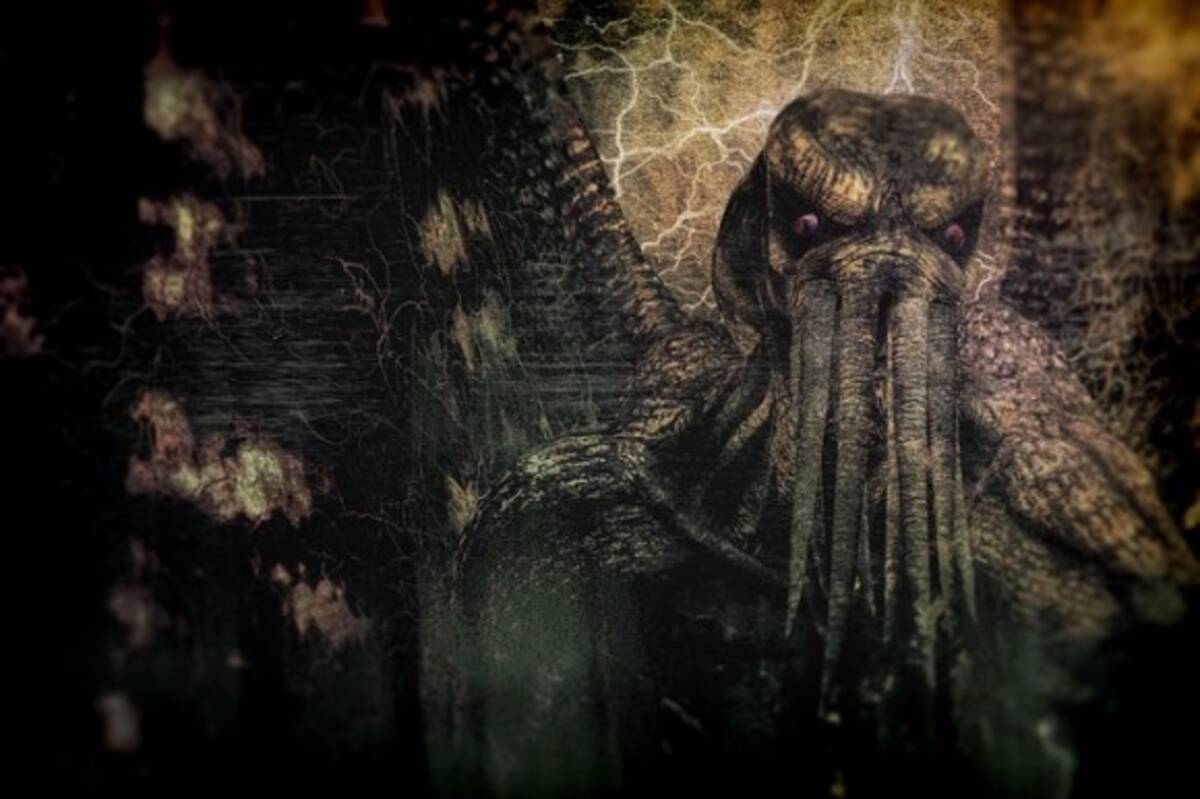
This section summarizes the evil gods, former rulers, and races that appear in the Cthulhu Mythos, a creation myth that began with American author Howard Phillips Lovecraft and his friends in the 1930s. An overview and images of the monsters, including "Cthulhu," which is also the title of the genre, are presented.
Source: cyanyurikago.web.fc2.com
▼ Blind
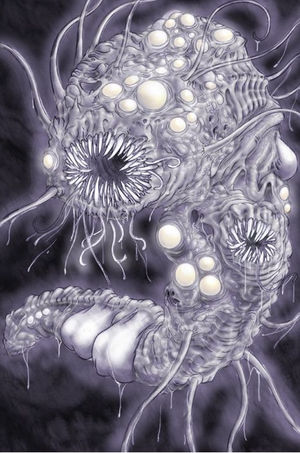
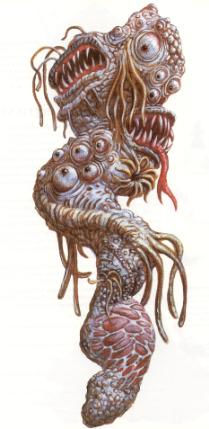
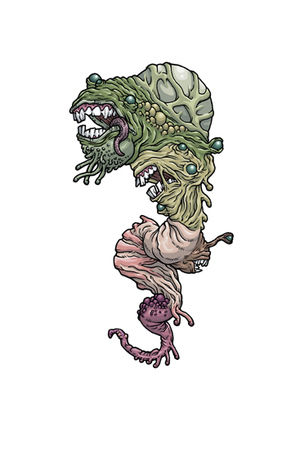
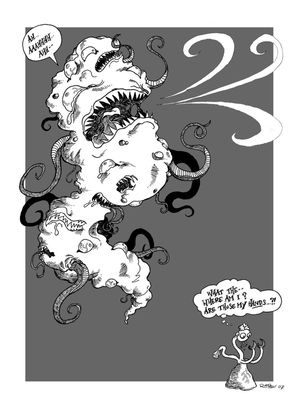
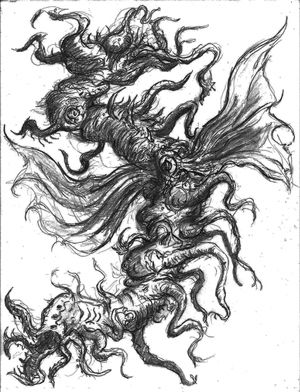
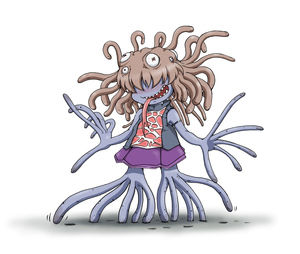
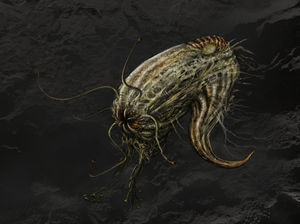
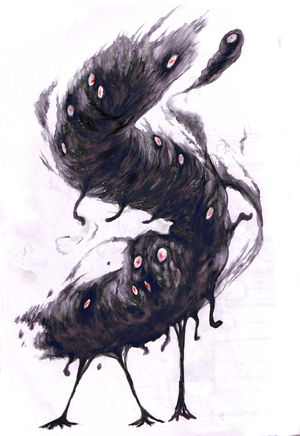
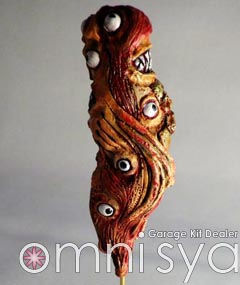
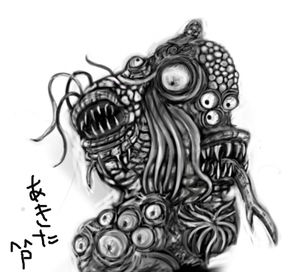
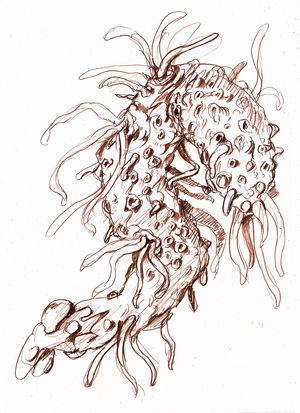
The flying polyp is a mythical creature that appears in the Cthulhu Mythos. It first appeared in H. P. Lovecraft's "Shadow from Time." It is one of the pre-human indigenous peoples. It came from outer space and controlled the earth and four other planets in the solar system 600 million years ago.
Source: ja.wikipedia.org
Its precise shape is unknown, but it is a semi-polypoid, heterogeneous organism with only a part of its body that is material. Instead of vision, it has a special perception that passes through all material barriers. It also can fly, but apparently does not have wings. It can also temporarily disappear and control strong winds. Its mental structure is also quite different from that of ordinary organisms, and even the "great tribes" described below were incapable of mental exchange. However, they are destroyed by certain types of electrical energy.
Source: ja.wikipedia.org
Source: villains.wikia.com
Source: archive.4plebs.org
Source: thedascrypt.blogspot.com
Source: www.deviantart.com
Source: thelivingshadow.deviantart.com
Source: www100.sakura.ne.jp
Source: lovecraftbestiary.blogspot.com
Source: en.wikipedia.org
Source: omnisya.web.fc2.com
Source: nofacegod.blog.shinobi.jp
Source: sikabane-works.net
▼ 妖虫
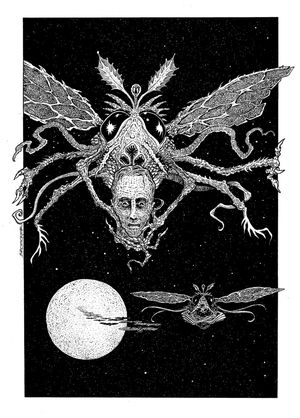
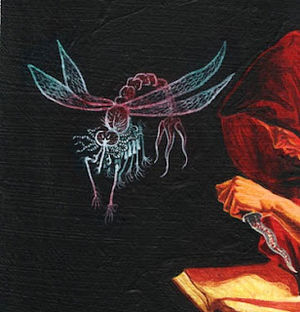
妖虫 (Insects from Shaggai) is a mythical creature that appears in the Cthulhu Mythos. It is sometimes translated as an insect from the snails.
Source: ja.wikipedia.org
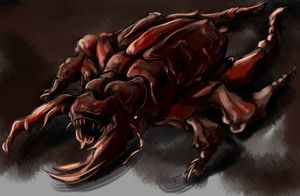
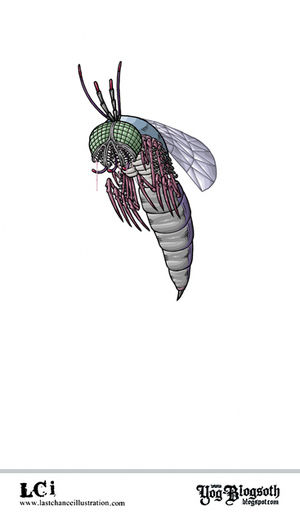
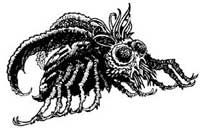
They are described as insects, but they can fly in the Earth's atmosphere with their scaly, semicircular, ridged, leatherleather-like triangular wings. It has three wet mouths, a knotted, coiled, whisker-like organ protruding from its head. It has ten legs and shiny black hair. It has large eyes and a flat face. Once you press your face against the other person's face, you can connect with the other person through telepathy. It can also control humans through hypnosis, and eventually it plans to become the new master of the Earth.
Source: ja.wikipedia.org
Source: sikabane-works.net
Source: tumbleyond.tumblr.com
Source: www.randybroecker.com
Source: cyanyurikago.web.fc2.com
Source: blog.goo.ne.jp

Related Articles
In-depth explanation and discussion of the Cthulhu Mythos TRPG (The Call of Cthulhu)
The Cthulhu Mythos TRPG (Call of Cthulhu, CoC) is a tabletop role-playing game (TRPG) by the American game company Keisseum. In the world of fictional gods created by author H.P. Lovecraft, players create the character of the explorer and role-play through him or her. The game is a game in which the players aim to solve a case under a scenario prepared by an arbiter, while being tossed about by fear.
Read Article
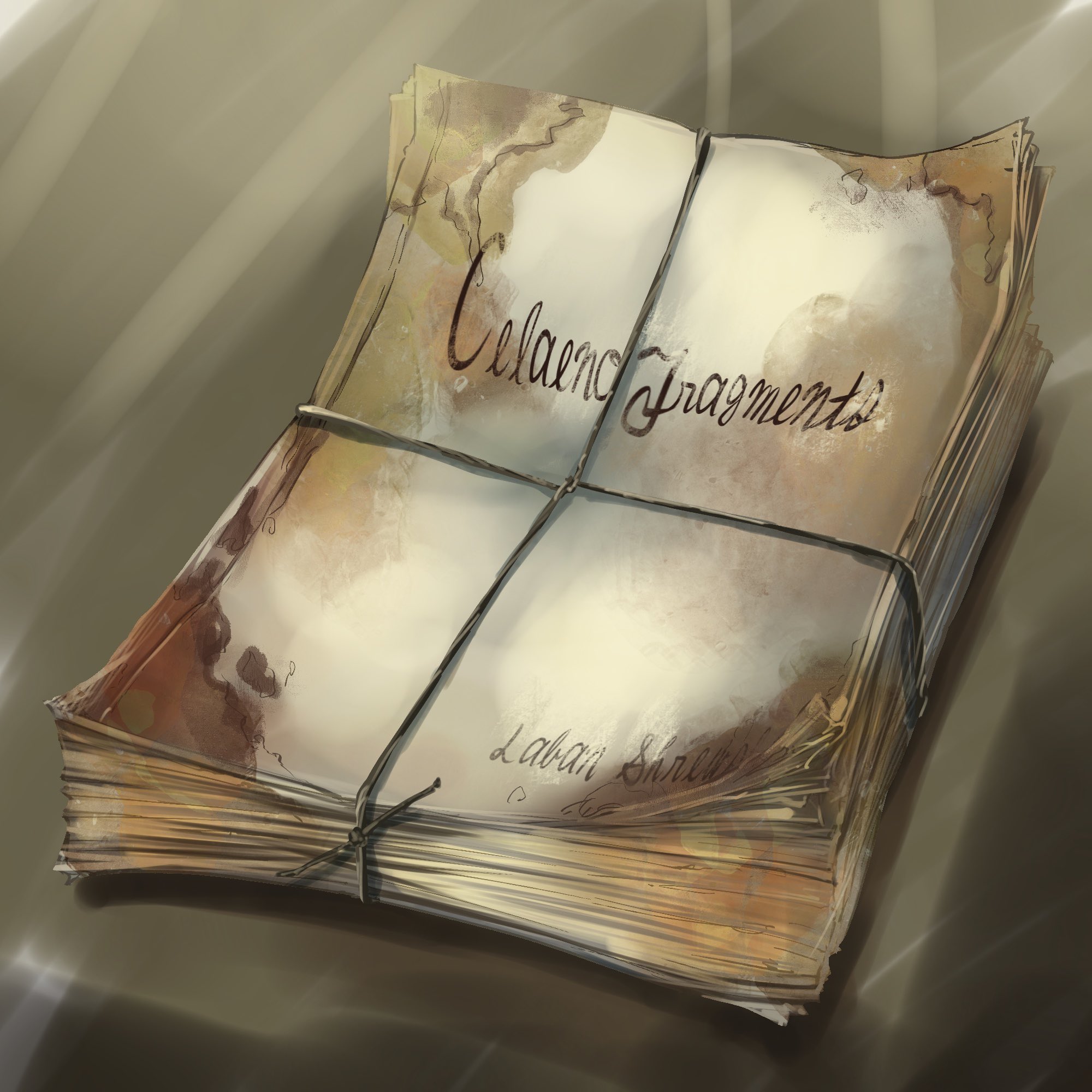
Summary of grimoires in the Cthulhu Mythos
Here we introduce the grimoires that appear in the Cthulhu Mythos, a story system that began with the American novelist H.P. Lovecraft. Various grimoires appear in the Cthulhu Mythos, containing knowledge about old rulers, old gods, and how to summon them.
Read Article
Contents
- ▼ Kuthulhu
- ▼ Haster
- ▼ Tsatgua
- ▼ クトゥグァ
- ▼ ナイアルラトホテップ
- ▼ Azatose
- ▼ Yog = Sototh
- ▼ Shubu = ニグラス
- ▼ Atrak = Naca (アトラック = Naca)
- ▼ Abu Horse
- ▼ Ubo = Sasra
- ▼ Itaqua
- ▼ Gatanotaur (ガタノゾーア)
- ▼ I-haute
- ▼ ヴォルバドス
- ▼ Egornak
- ▼ Graky
- ▼ Larn-Tegos
- ▼ The Great Race of Is
- ▼ Old ones
- ▼ Shogos
- ▼ Tyndallus hunting dogs
- ▼ Deep throat
- ▼ The Weitley brothers
- ▼ Mi = go
- ▼ Chau Gunal Fawgun
- ▼ Shi Aega
- ▼ Sud = Mel
- ▼ Zos = Ommogu
- ▼ Turuscha
- ▼ Lulim Shy Course
- ▼ Ruiger and Tsar
- ▼ クァチル Utaus
- ▼ Bokrug
- ▼ Hoshi no sei
- ▼ ニョグタ
- ▼ イホウンデー
- ▼ Nodense
- ▼ Hypnos
- ▼ Gor-Golos
- ▼ Guroon
- ▼ Al Wasser
- ▼ Bayatis
- ▼ Ig
- ▼ トゥルーネンブラ
- ▼ バオト ズークァ = Mogu
- ▼ Eve ツトゥル
- ▼ Wurtum
- ▼ Zos Saira
- ▼ Ahhum-Zah
- ▼ Bugs = Sharks
- ▼ Kutilla
- ▼ Donumul
- ▼ Munagara
- ▼ オトゥーム
- ▼ ザゾグ
- ▼ Burst
- ▼ クタニド
- ▼ Urtal
- ▼ Shamutaku bird
- ▼ Kutonian
- ▼ Night gonto
- ▼ Blind
- ▼ 妖虫
- ▼ Cho-cho-people
- ▼ Gadamon
- ▼ Nov-Khe
- ▼ チィトカア
- ▼ The child of the green deep
- ▼ アドゥムブラリ
- ▼ Dagon
- ▼ Hydra
- ▼ モルディギアン
- ▼ Related summary