
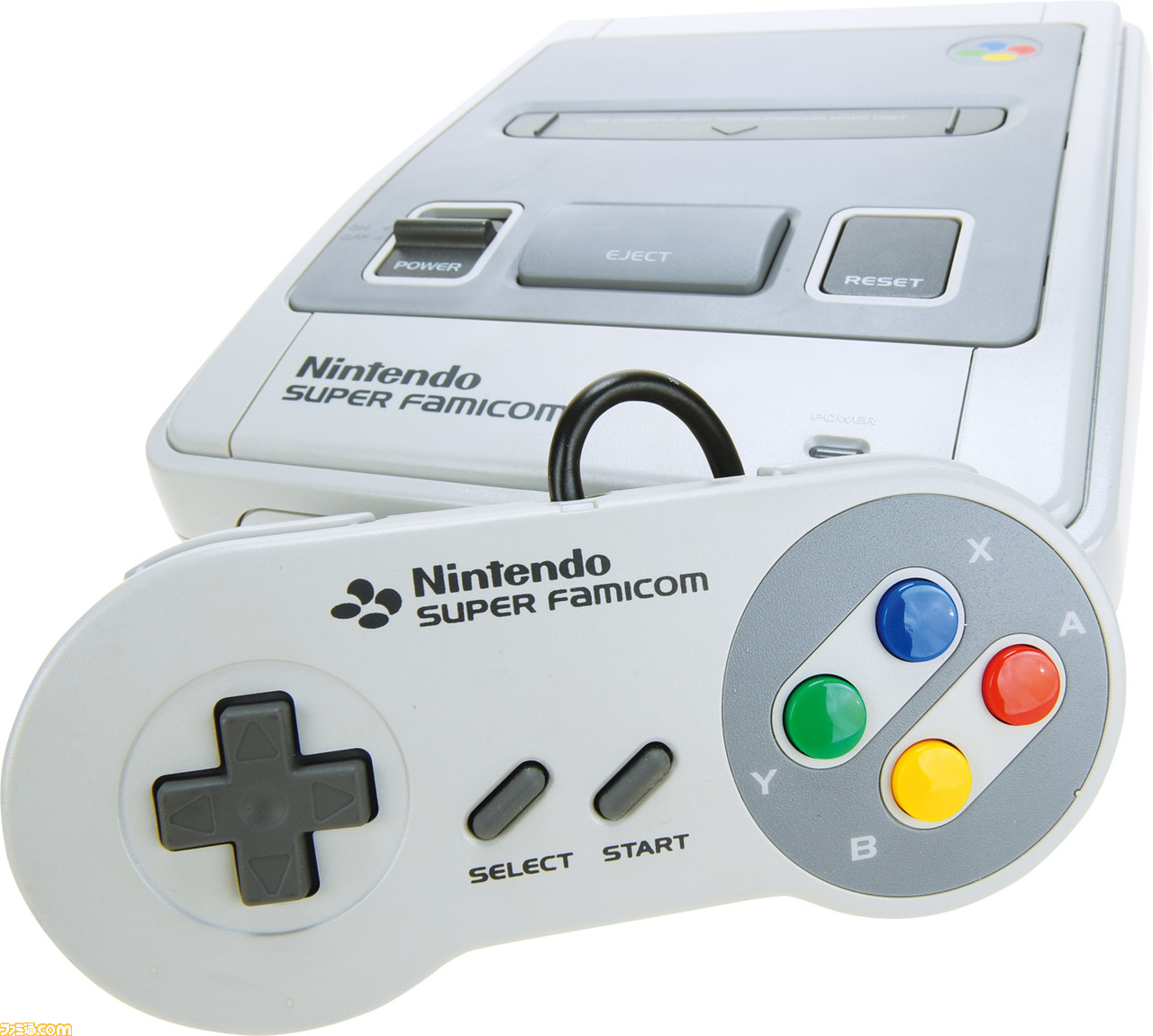
Here we have compiled a list of famous RPGs for the Super Nintendo Entertainment System (SNES). The list ranges from well-known masterpieces, to honorable works that are not major, to stray works that are famous in a certain sense. There are also early works such as the popular RPG series "Fire Emblem" and "Final Fantasy".
■ Fire Emblem: Monsho-no Nazo
Source: www.nintendo.co.jp
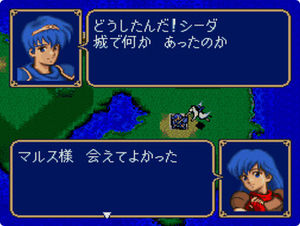
This is a remake of Famicom's SRPG "FIRE EMBLEM: The Dark Dragon and the Sword of Light" with a new scenario added.
The game is easier to play because the balance has been adjusted from the Famicom version, which was said to be too difficult.
However, the level of difficulty is not so low as to make it difficult to perform, and even those who have experienced SRPG can fully enjoy the content.
■ Fire Emblem: Seisen-no Keifu
Source: www.nintendo.co.jp
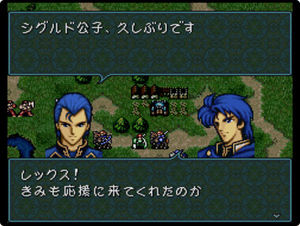
This is one of the most unusual games in the Fire エムブレム series.
The map is so large that it takes a considerable amount of time to capture one map.
Therefore, it is possible to save every turn, and it is often said that it is an easy エムブレム.
This is a work with impressive scenario developed over two generations.
■ Fire Emblem: Thracia 776
Source: www.nintendo.co.jp
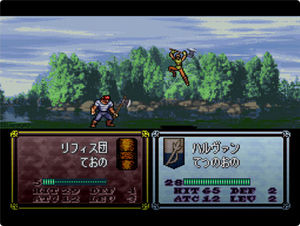
Due to the limited availability of this game compared to other games, many people were not able to play this SFC's エムブレム final.
It is now distributed via a virtual console, making it easier to play.
The main point of the game is to say, "It's just difficult."
It is also called tsumami-shogi, and even if you attack correctly, if you are unlucky, you often end up with a game over.
The game should be played when someone who has experience with the series wants to do something more difficult, but it should not be played by beginners.
It's not the kind of game that is difficult but anyone can clear by playing it repeatedly.
■ DRAGON BALL Z: Super Saiya Densetsu
Source: videolike.org
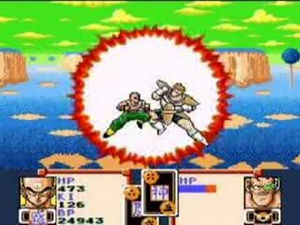
A card battle style Dragon Ball RPG that was popular at Famicom.
The field is not in a Sugoroku style, but in a moving style like an ordinary RPG.
Super Famicom's beautiful videos, cool background music, and the ability to keep the characters that died in the original alive are highly evaluated.
It is also famous for having many bugs, so be careful.
Suddenly the character becomes unusually strong or disappears.
Stories can become impassable.
Even if there are no bugs, there are problems such as high inflation of ability, but this masterpiece is still highly evaluated.
■ THE SLAYERS
Source: sfc.retrogamez.net
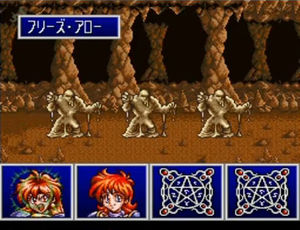
An RPG for "THE SLAYERS," which was famous for novels and anime.
The original setting and familiar characters appear, but the original scenario develops.
The problem is that the game is not well balanced.
The difficulty level is low overall because we are strong rather than the enemy is weak.
(It can be said that it is based on the original setting)
For better or worse, it can be played safely.
■ Daikaiju Monogatari

Source: sfc.retrogamez.net
This is the sequel to the RPG "Kaiju Monogatari" (The Tales of Kaiju).
It's a follow-up to the original, but it's hardly relevant, so you can play with it here.
There are many characters from the same group, and each character has its own personality.
For better or worse, this is a classic style RPG.
The background and the dots of the characters are very well drawn.
The problem is that there is a big difference in ability between the members and there is a big difference between strong and weak characters.
■ Daikaiju Monogatari II
Source: www.geocities.jp
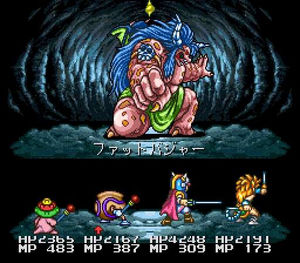
Like the previous work, this is an orthodox RPG that anyone can enjoy.
But the unusual counting rate has made the overall tempo much worse.
It was disappointing as there were many rare elements such as the event that had a built-in clock and linked to real time.
■ Tengai Makyo: ZERO
Source: gyobobgyo.blog113.fc2.com
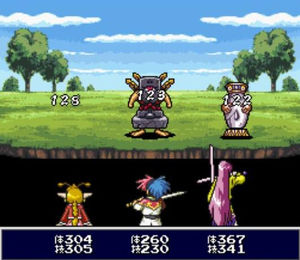
Like Daikaiju Monogatari II, it has a built-in watch, and the biggest feature is that there are many events linked with real time.
(such as a day-of-the-week item shop or a month-of-the-month festival)
Even though the Tengai Makyo-ness, which is enchanting with voice and animation, has faded, the content is enjoyable enough as an RPG.
There are a lot of elements using the clock function, and if you want to enjoy all of them, it takes time on a year by year basis. This is what makes perfect conquerors cry. However, if you have a style where you pick up the given elements and enjoy it, you will be able to enjoy it.
■ Kishin Korinden ONI
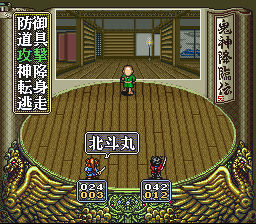
Source: newfami.com
This is the SFC success story of the Japanese RPG "ONI" series which was developed by Game Boy.
The best feature is that you can change your ability by switching to ONI.
During battles, attacks and techniques are not expressed in writing, but in characters that move around.
There is an event where the initial equipment that will never be available again if you throw it away or sell it changes to the strongest equipment if you keep it until the end. Many of the people who have played this game have a habit of saying, "You can no longer sell or throw away the initial equipment."
■ Bakumatsu Korinden ONI
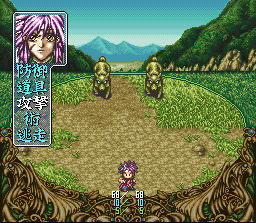
Source: newfami.com
This RPG is a sequel to the previous RPG.
It follows the basic system and battle screen composition as it is, and you can enjoy the feeling of the previous work as it is.
There is a new system that takes items from people's houses in villages and towns, and raises and lowers the status of "business" by clearing specific events, etc.
This "work" is an important parameter in its own way, and while the previous game produced players who couldn't let go of the initial equipment, this game produced players who couldn't steal items from private houses.
■ Heracles-no Eiko III: Silence of the gods
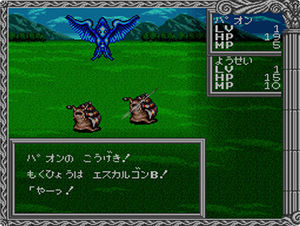
Source: www.nintendo.co.jp
It is a very orthodox type of RPG, but it is a work with especially high evaluation of scenarios written by the same scenario writer as Final Fantasy 7.
The system may be mediocre and unsatisfactory, but if you're a story-oriented player, you definitely want to play this.
■ A gift from the Heracles-no Eiko IV gods
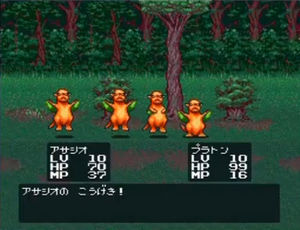
Source: sfc.retrogamez.net
It is a masterpiece that improves the problems of the previous work and also has the fun of the highly evaluated scenario.
Problems include volume deficiency and low level of difficulty.
Recommended for the same scenario oriented players as the previous game.

Related Articles
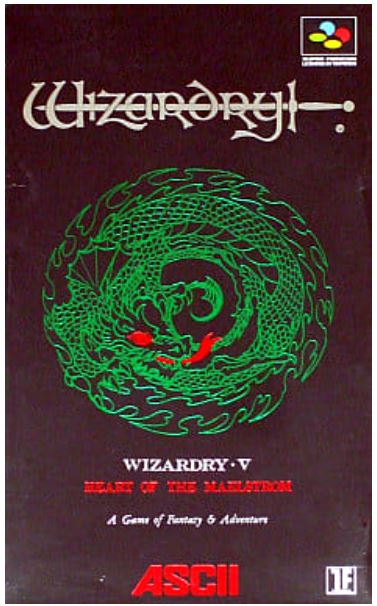
Wizardry #5 (Wizardry #5) Spoilers and Discussion Summary
Wizardry #5 is a 3D dungeon role-playing game released by Certec, Inc. in the United States in 1988. It is subtitled "Heart of the Maelstrom". It is the fifth installment in the classic RPG series, the originator of the "hack and slash" genre. A "calamity" is said to have the power to destroy the world. The Gatekeeper, a wizard with the power to control it, has been captured by the evil witch Thorn. The adventurers must defeat Thorn and save the Gatekeeper in order to save the world.
Read Article
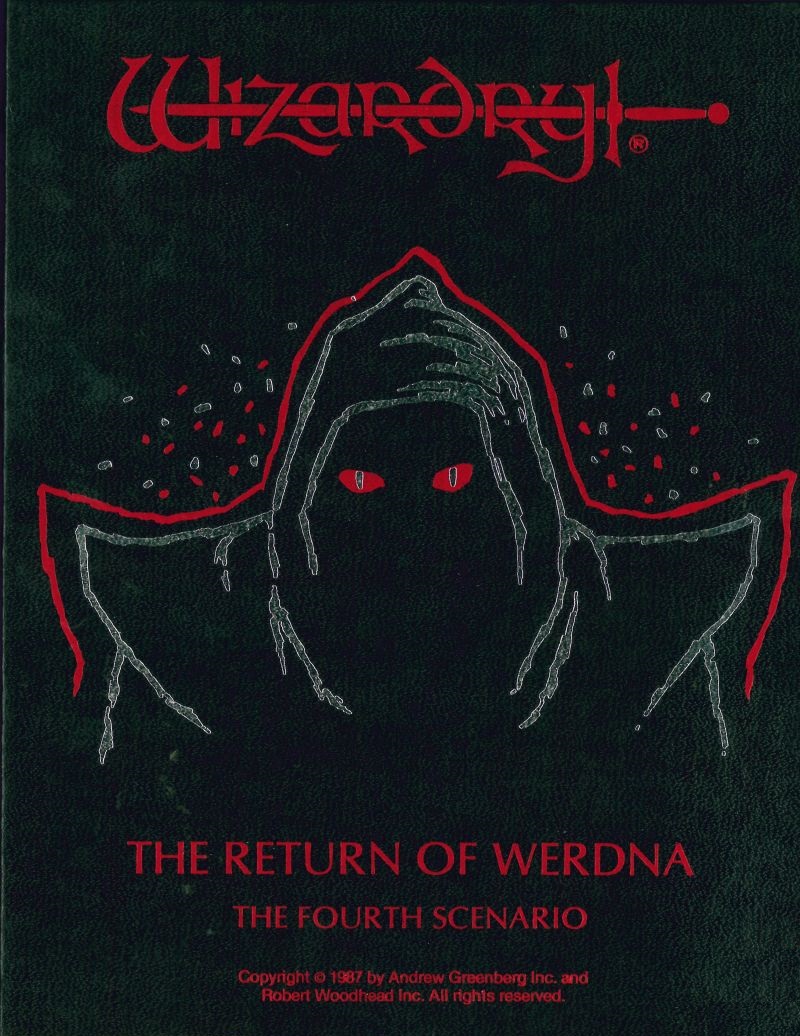
Wizardry #4 (Wizardry #4) Spoilers and Discussion Summary
Wizardry #4 is a 3D dungeon role-playing game released by Certec, Inc. in the United States in 1987. It is subtitled "The Return of Werdna. It is the fourth installment in the classic RPG series, the originator of the "hack and slash" genre. Werdna, the sorcerer defeated in the first game, takes the lead role, summoning demons and slaughtering adventurers on his way to the surface to recover the stolen amulets (amulets).
Read Article
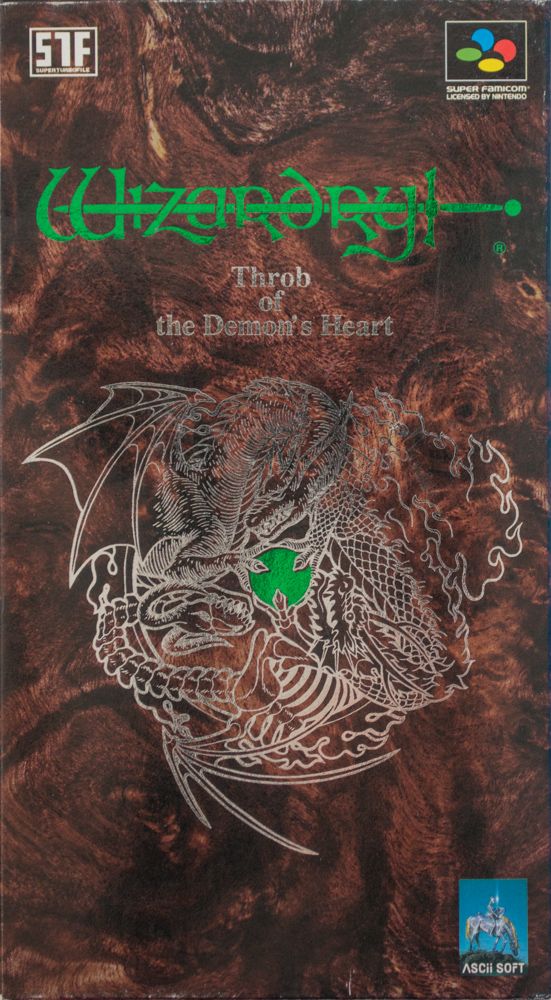
Spoiler commentary and discussion of Wizardry Gaiden IV (The Heartbeat of the Womb Demon)
Wizardry Gaiden IV" is a 3D dungeon role-playing game released in 1996 exclusively for the Super Nintendo Entertainment System. The subtitle is "Throb of the Demon's Heart. It is the fourth Japanese-made Wizardry game. While this title is an orthodox hack-and-slash game, it incorporates a Japanese-style setting, events, and horror elements, and allows players to interact with numerous NPCs and enjoy the struggle for power. The story involves having adventurers collect the "Three Sacred Treasures" in order to control a local uprising triggered by the death of the previous lord of the Scarlet Lotus Castle.
Read Article
Wizardry #1 (Wizardry #1) Spoilers and Discussion Summary
Wizardry #1" (Wizardry #1) is a 3D dungeon role-playing game released by Certec, Inc. in the United States in 1981. The subtitle is "Proving Grounds of the Mad Overlord," and it is a classic RPG in which a party of six players explore an underground labyrinth, defeat monsters, obtain items from treasure chests, and strengthen and train their characters. This is the first title in the series.
Read Article
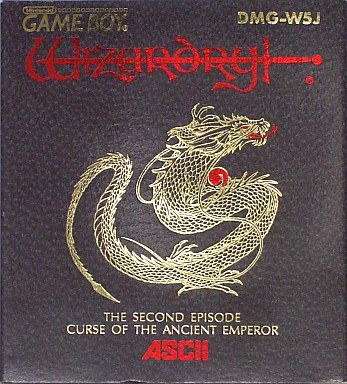
Wizardry Gaiden II (The Curse of the Ancient Emperor) Spoilers and Discussion Summary
Wizardry Gaiden II" is a 3D dungeon role-playing game on a Game Boy cartridge released in 1992. Its subtitle is "Curse of the Ancient Emperor. It is the second Japanese-made Wizardry game. When ruins are excavated in the fortress city of Almar, the curse of an ancient emperor buried there becomes a disaster that strikes the city. The adventurers challenge the ruins in order to remove the curse.
Read Article
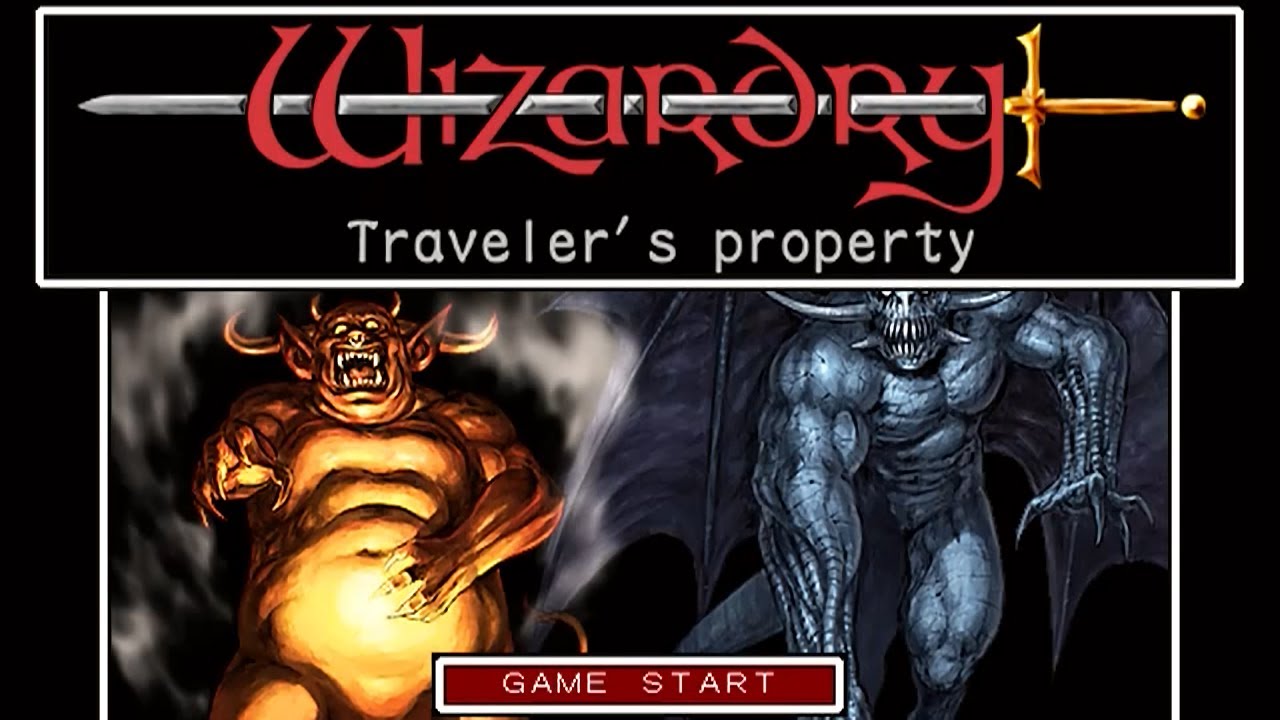
Wizardry Gaiden: The Five Ordeals (The Five Ordeals) Spoilers and Discussion Summary
Wizardry Gaiden: The Five Ordeals is a 3D dungeon role-playing game released for Windows in 2006. It is one of the Japanese-made "Wizardry" series. The game, which purports to be a return to the roots of the original "Shoden" series, uses a simple game system with the initial five races and eight occupations, and the UI (user interface) of the previous title, "Battle Prison". In addition to the five official scenarios with independent stories, the game features a built-in editor that allows users to create their own scenarios.
Read Article
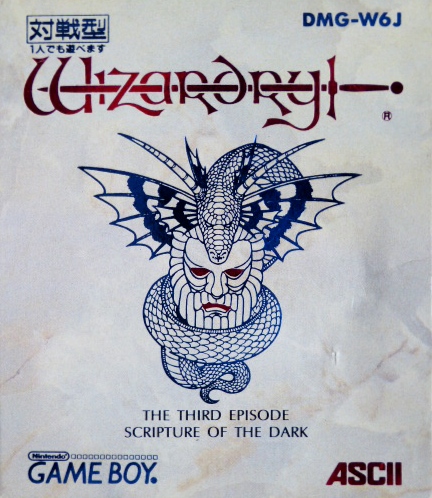
Wizardry Gaiden III (The Scriptures of Darkness) Spoiler Commentary and Discussion Summary
Wizardry Gaiden III" is a 3D dungeon role-playing game on a Game Boy cartridge released in 1993. Its subtitle is "SCRIPTURE OF THE DARK. It is the third Japanese-made Wizardry game. King Agan, the ruler of the fortress city of Dalia, has fallen into madness and withdrawn due to the curse of the Golden Mask. Adventurers are gathered to lift the curse and restore the king to sanity.
Read Article
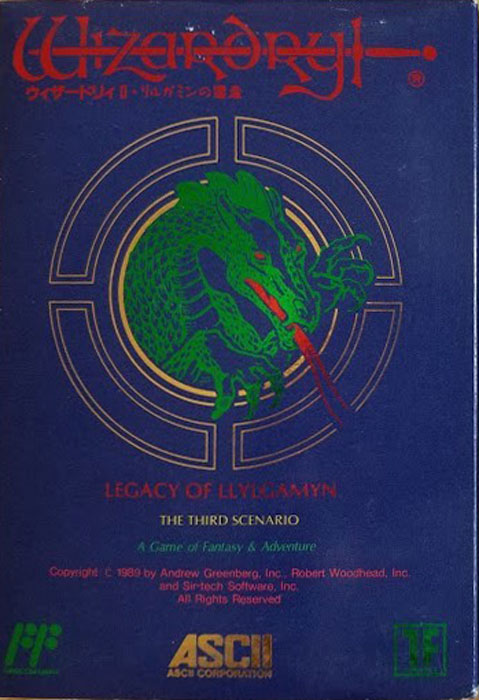
Wizardry #3 (Wizardry #3) Spoilers and Discussion Summary
Wizardry #3 is a 3D dungeon role-playing game released by Certec, Inc. in the United States in 1983. It is subtitled "Legacy of Llylgamyn. It is the third game in the classic RPG series, the originator of the "hack and slash" genre. The mission of the adventurers is to bring back the pearl guarded by the great dragon Le Kevres in order to discover the cause of a worldwide natural cataclysm.
Read Article
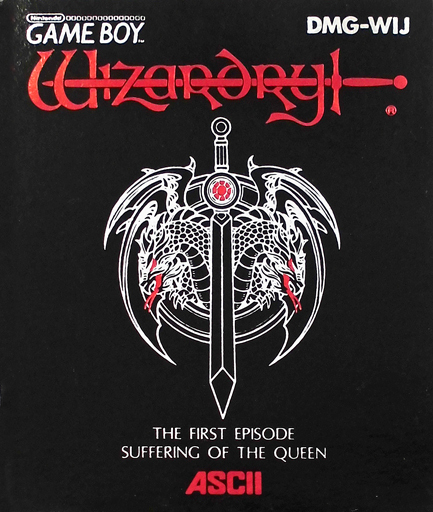
Spoiler commentary and discussion of Wizardry Gaiden I (The Passion of the Queen)
Wizardry Gaiden I" is a 3D dungeon role-playing game on a Game Boy cartridge released in 1991. The subtitle of the game is "Suffering of the Queen. It was the first Japanese-made Wizardry game. After Queen Iras ascends to the throne, the city of Lilgamin has been plagued by a series of disasters. Even the court magician Tylotham has betrayed his court and holed himself up in the "Cursed Hole. Adventurers are summoned to defeat him.
Read Article
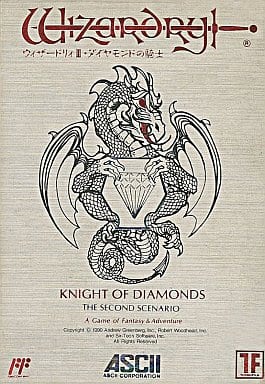
Wizardry #2 (Wizardry #2) Spoilers and Discussion Summary
Wizardry #2" is a 3D dungeon role-playing game released by Certec, Inc. in the United States in 1982. It is subtitled Knight of Diamonds. It is the second installment in the classic RPG series, the originator of the "hack and slash" genre. The mission of the adventurers is to bring back the "Staff of Nilda," which protects the city of Lilgamin and has disappeared into the "Cursed Pit of Dabalps.
Read Article
A compilation of two legendary RPGs based on Dragon Quest
Dragon Quest" is now so famous that it can be considered a national RPG, but it was not created entirely from scratch. There are two legendary RPGs in the development of Dragon Quest.
Read Article
Contents
- ■ New Momotaro Densetsu
- ■ BREATH of FIRE
- ■ BREATH of FIRE II: Children of Mission
- ■ Wizardry: Story of Llylgamyn
- ■ Center of the Wizardry V disaster vortex
- ■ Wizardry Gaiden IV: Taima no Kodou
- ■ Fader Emblem of Justice
- ■ Dai-3-Ji Super Robot Taisen
- ■ Super Robot Taisen EX
- ■ Dai-4-Ji Super Robot Taisen
- ■ Super Robot Maso Kishin: The Lord of Elemental
- ■ Hero Senki: Project Olympus
- ■ Gaia Saver: Hero Saidai-no Sakusen
- ■ Ys 3 Wanderers from Ys
- - YS 4 Mask of the Sun
- Ys V: ケフィン, the City of Lost Sand
- ■ Ys V EXPERT
- ■ Dragon Slayer: The Legend of Heroes
- ■ Eternal Filena
- ■ EMERALD DRAGON
- ■ Koryu Densetsu Villegusto: The Girl Who Disappeared
- ■ Kawa-no Nushi Tsuri 2
- ■ Moryo Senki MADARA 2
- - Dual Orb
- ■ Mado Monogatari: Hanamaru Daiyochi Enji
- ■ Gokinjo Bokentai
- ■ Nekketsu Tairiku Burning Heroes
- ■ Maka Maka
- ■ Idea-no-hi
- - Chaos Seed Feng Shui Kairo Ki
- ■ ENERGY BREAKER
- ■ Tactics Ogre
- ■ THE TWISTED TALES OF SPIKE MCFANG
- ■ METAL MAX 2
- ■ METAL MAX Returns
- ■ ALBERT ODYSSEY
- ■ Albert Odyssey 2: Jashin-no Taido
- ■ SD Gundam Gaiden: Night Gundam Story Great Legacy
- ■ SD Gundam Gaiden 2: Entaku-no Kishi
- ■ Shin Megami Tensei
- ■ Shin Megami Tensei 2
- ■ Shin Megami Tensei if...
- ■ Kyuyaku Megami Tensei
- ■ Majin Tensei
- ■ Majin Tensei II: SPIRAL NEMESIS
- ■ Last Bible III
- ■ MOTHER2: Guig's counterattack
- ■ SUPER MARIO RPG
- ■ Fire Emblem: Monsho-no Nazo
- ■ Fire Emblem: Seisen-no Keifu
- ■ Fire Emblem: Thracia 776
- ■ DRAGON BALL Z: Super Saiya Densetsu
- ■ THE SLAYERS
- ■ Daikaiju Monogatari
- ■ Daikaiju Monogatari II
- ■ Tengai Makyo: ZERO
- ■ Kishin Korinden ONI
- ■ Bakumatsu Korinden ONI
- ■ Heracles-no Eiko III: Silence of the gods
- ■ A gift from the Heracles-no Eiko IV gods
- ■ CHRONO TRIGGER
- ■ Final Fantasy 4
- ■ Final Fantasy 5
- - Final Fantasy 6
- ■ FINAL FANTASY: MYSTIC QUEST Mystic Quest
- - Romanticizing Saga
- ■ Romanticizing Saga 2
- ■ Romanticizing Saga 3
- ■ SECRET OF MANA
- ■ Seiken Densetsu 3
- ■ LIVE A LIVE
- ■ Bahamut Lagoon
- ■ Rudra-no Hiho
- ■ TREASURE HUNTER G
- ■ FRONT MISSION
- ■ FRONT MISSION GUN HAZARD
- ■ Hanjuku Hero: Aa, Sekaiyo Hanjukunare...!!
- ■ Dragon Quest 1 and 2
- ■ Dragon Quest 3 and legend
- ■ Dragon Quest 5: Tenku no Brides
- ■ Dragon Quest 6: Maboroshi no Daichi
- ■ Torneko-no Daiboken: Fushigi-no Dungeon
- ■ Fushigi-no Dungeon 2 Furai no Shirene
- ■ MYSTIC ARK
- ■ STAR OCEAN
- - Seoul Braver
- ■ ILLUSION of GAIA
- - Creation
- ■ TALES OF PHANTASIA