
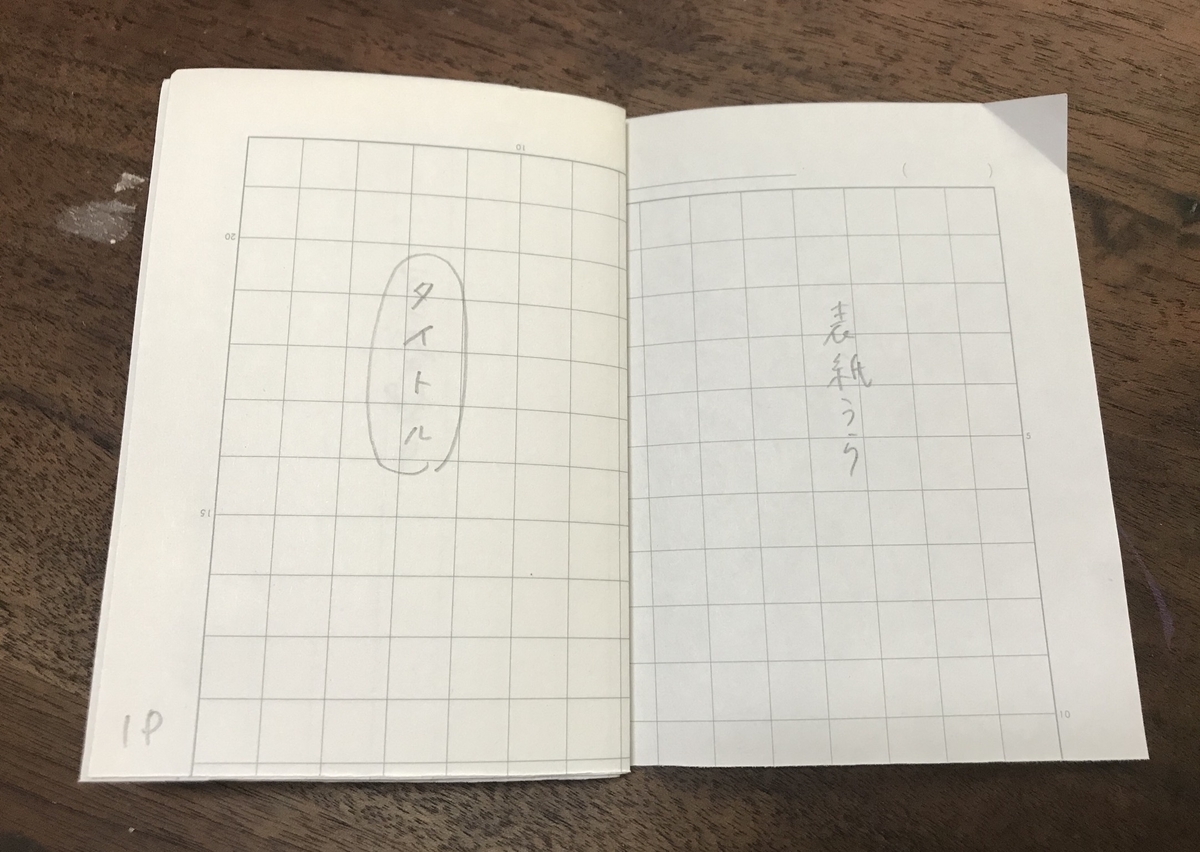
Here, we have compiled a simple method of making photocopied books for those who want to start their own doujinshi activities. Since this is a handmade method that does not involve a printing house, it is ideal for beginners of coterie magazine. Specific instructions for writing, binding, and reference sites are also included.
Let's make a copy book!
Offsetting would be too much and...
I don't have enough money to make books by offset (printing), and I'm not confident that I can sell all of them even if I make so many...
If I use a printing house, the minimum number of rods is a lot, and it costs a lot of money.
It is a bit intimidating for those who are new to doujinshi activities.
Source: amanaimages.com
How about making a copy of the book?
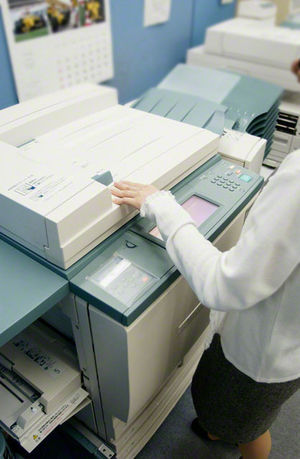
Some people may think that photocopied books are cheap, but you can make as many copies as you need at a low cost, and with a little ingenuity, you can produce books that are as good as offline books.
But how do I make a doujinshi?
But I don't really know how to make a book...
If you are not sure how to make a book, we have compiled a list of methods for making a copy of your book.
table of contents
■Basic Size
■Basic book binding
L saddle stitch
L plain binding
How to make a copy book
LWrite the manuscript
LMake a layout
Finalize page layout based on L layout
LPage imposition
LCopying
LBinding
LFinishing
Kinko's Available
■Site for reference
■Summary
■Summary
Basic size
It's okay.
Do you remember making "booklets" such as class bookmarks when you were a student?
The basics are an application of that.
First, let's check the size and binding method.
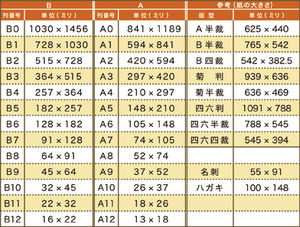
Source: www.map-color.co.jp
Book size (format) and book type
Source: www.daiichiinsatsu.co.jp
The size (format) of a book is closely related to its content, and the appropriate size is determined by the content of the book.
In the world of doujinshi, most
Manga is "B5".
Novels are usually made in "A5" format
Novels are usually made in "A5" size.
Of course, there are also "A4 books," "super mini books" called "mini books," "square books," and other "variant books.
Basic book binding
■ Saddle-stitched binding
The folded paper is fastened with a wire at the folded part. It is used for weekly magazines and other publications that do not require durability. Since there is no part of the book that touches the spine, spine lettering cannot be inserted.
The book can be opened to its full length.
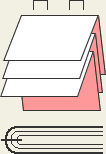
Source: www.daiichiinsatsu.co.jp
<Example of use
Weekly magazine
Instruction manuals for household appliances
Thin monthly magazines
Pamphlets
Information magazines
■■■Printed in plain white
A binding allowance of about 5mm from the edge of the paper is used as a binding allowance. The binding is strong, but the book cannot be opened to its full length.
*This time, flat binding refers to "bag binding.
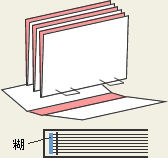
Source: www.daiichiinsatsu.co.jp
<Example of use
Textbooks
Reports
Instruction Manuals
project reports
Juvenile Weekly
Other binding methods
There are several other types of binding methods, including "wireless binding," "thread binding," and "ajiro binding.
However, the above two are the most common when making copies of doujinshi.
The different binding methods used are
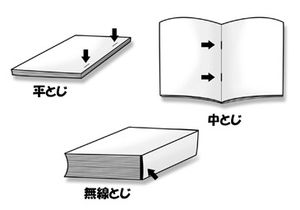
Source: www.manga-seikatu.net
If the copy book is thin enough to be stapled in the middle, saddle-stitched binding is fine.
Of course, flat binding is also possible.
However, if the book has a certain number of pages and is thick enough to be saddle-stitched, the inside pages will stick out as shown in the figure, and the appearance of the book will be poor.
Flat binding and saddle-stitching are not suitable for books with many pages.
It depends on the thickness of the paper, but if it is about copy paper
Flat binding is suitable for books with about 5 pages (10 pages)
Saddle-stitching is about 7 sheets (28 pages)
I think it is appropriate to use about 7 sheets (28P) for saddle-stitched paper.
