
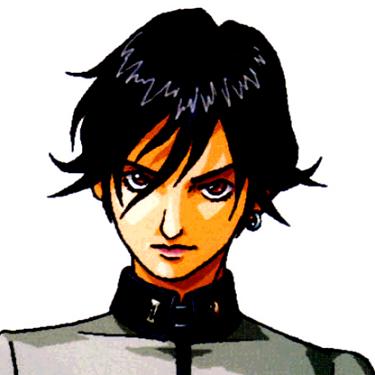
Pierce's Boy/P1 Protagonist is the protagonist of the first installment of Atlus' juvenile RPG series "Persona". His name in the game is decided by the player, so there is no fixed name in the game. He is a high school boy who attends "St. Ermin Academy" in Mikage-cho, the setting of the game. One day, he tried the "Persona-sama" ritual that was popular at St. Ermine Academy with his friends, and as a result, he gained the ability to take on a persona. After that, he started to use his persona powers to solve the various strange things that were happening in Mikage-cho, and to find out the cause of the strange things.
One of the personas in "Persona" (P1). He is a first year high school student at St. Elmin School. He has a classmate relationship with the main character of "Persona." He is a character with an appearance and personality reminiscent of kogyaru, which was popular at the time of the release of "Genji Monogatari." He is a type of person who is obedient to his own feelings and says what he thinks as it is. Since he does not think what the other person thinks, he often causes trouble.
MAIN MEMBER OF "THE QUEEN OF SNOW". IN THE "SEBEK" EDITION, SHE IS A MEMBER OF CHOICE. SHE CAN BE A COMBAT MEMBER OR NOT. EITHER WAY, THERE IS NO PROBLEM WITH THE STORY.
In-depth Commentary and Discussion Summary of Yuka Ayase (Megami Ibunroku Persona, P1) - RENOTE [RENOTE].
renote.net
Ayase/Yuka Ayase is a character appearing in the first installment of Atlus' juvenile RPG series "Persona," and is a high school girl who is a classmate of the P1 protagonist/pierced boy, and is inspired by the kogals that were popular at the time of the game's release. She has a tendency to say what she thinks and often gets into trouble because of it. She is an optional member of the "Megami Ibunroku Persona" storyline, which has two different storylines, and can participate in either storyline, and she and the P1 protagonists will be investigating the strange happenings in Mikage-cho.
Rage / Kido 玲司
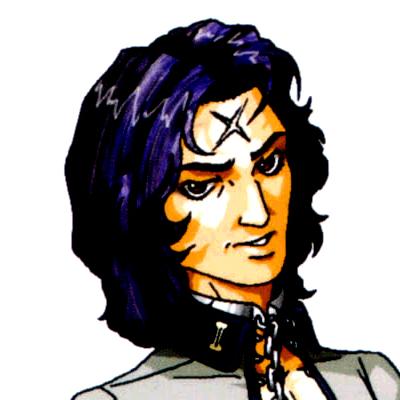
One of the personas in "Persona" (P1). A freshman at St. Elmin School, he is a classmate of the main character of P1. He is a hidden character in the "Sebek Edition" and must fulfill several conditions before entering the Sebek Edition to be allowed to join the group.
He transferred to St. Elmin Academy six months before Mikage-machi was to be attacked by an unexpected incident. He is quiet and has an atmosphere of keeping others away, and he seems to have had nothing to do with the main characters of P1 until he entered "Sebek Hen." Through "Sebek Hen," friendships grow between the main characters of P1.
In-depth commentary and discussion of Reiji Kido (Goddess Ibunno Persona, P1) - RENOTE [RENOTE].
renote.net
Reiji Kido (レイジ/城戸玲司) is a character in the first installment of Atlus' juvenile RPG series Persona by Atlus, Inc. He is a classmate of the P1 protagonist/pierced boy. He is a quiet transfer student who transferred to the school six months before the story begins. He is a hidden character in the story called "Sevek-hen" in "Jimei Ibunroku Persona," in which the story develops in two different ways. She awakens as a persona user when she meets the P1 protagonists, who are investigating an anomaly that occurs in Mikage-cho. He has a personal grudge against Takahisa Kandori, the culprit of the anomaly.
Piercing Boy / P1 Main Character's Words, Lines, Scenes
"Don't run away,"
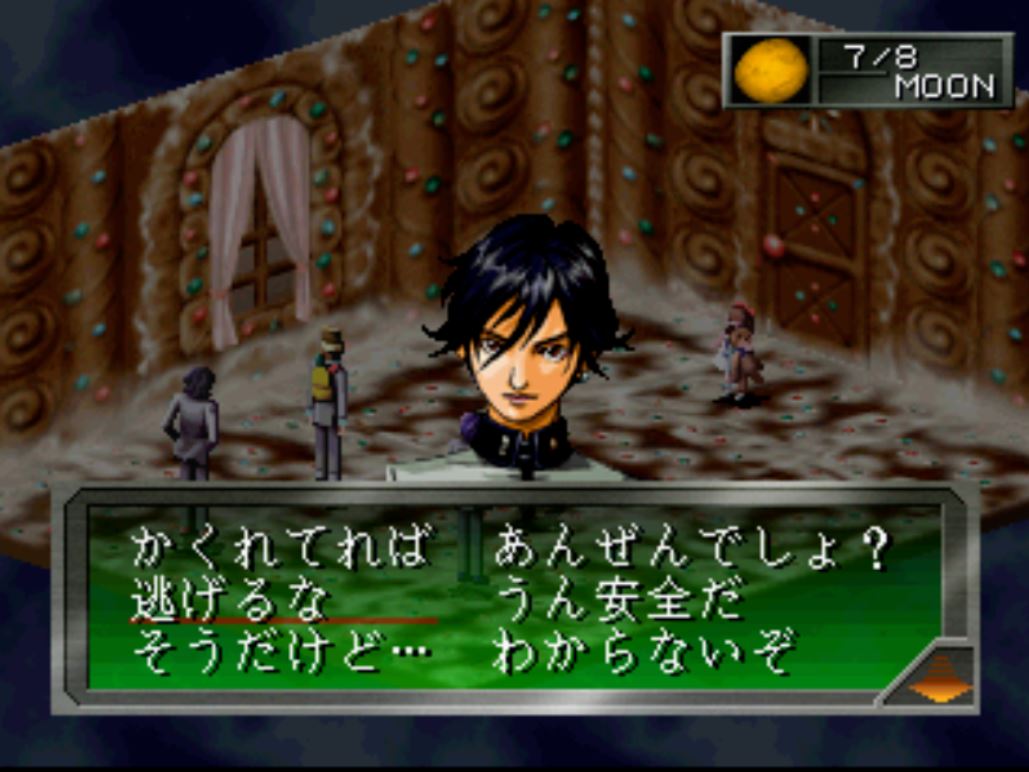
It is one of the few choices of the P1 protagonist, and the representative lines of the P1 protagonist.
The P1 protagonists have come to "Mikage-machi" in a different world as a result of chasing down Kamitori, who is the culprit of the strange phenomena that occur in Mikage-machi. In order to return to Mikage-machi, the P1 protagonists look for Kamitori, who is supposed to be in "Mikage-machi" in a different world like themselves. The P1 protagonists, who have found out that Kamitori is in the dungeon "Castle of Mana," go to the girl "Mai" who has the necessary items in the Castle of Mana. However, they are afraid of Aki and refuse to give the items to the P1 protagonists. The P1 protagonists try to persuade Mai somehow to borrow the items, but Mai seems to be a passive girl and insists on the P1 protagonists saying "I don't like it because it's scary" or "It's safe to hide". This is one of the options that appear when the P1 protagonist can speak to Mai.
"Don't run away" is the only option that makes a firm and strong statement while other options either confirm the wrong opinion or obscure the answer with ambiguous words. From the different and unique options, you can feel that it is full of "protagonist identity" that can only be said because it is the protagonist.
The only correct choice for this scene is "don't run away." If you choose anything else, it's all incorrect, and you go into the boss's game. The story continues after the victory, but everything goes straight to the bad end.
"For all."
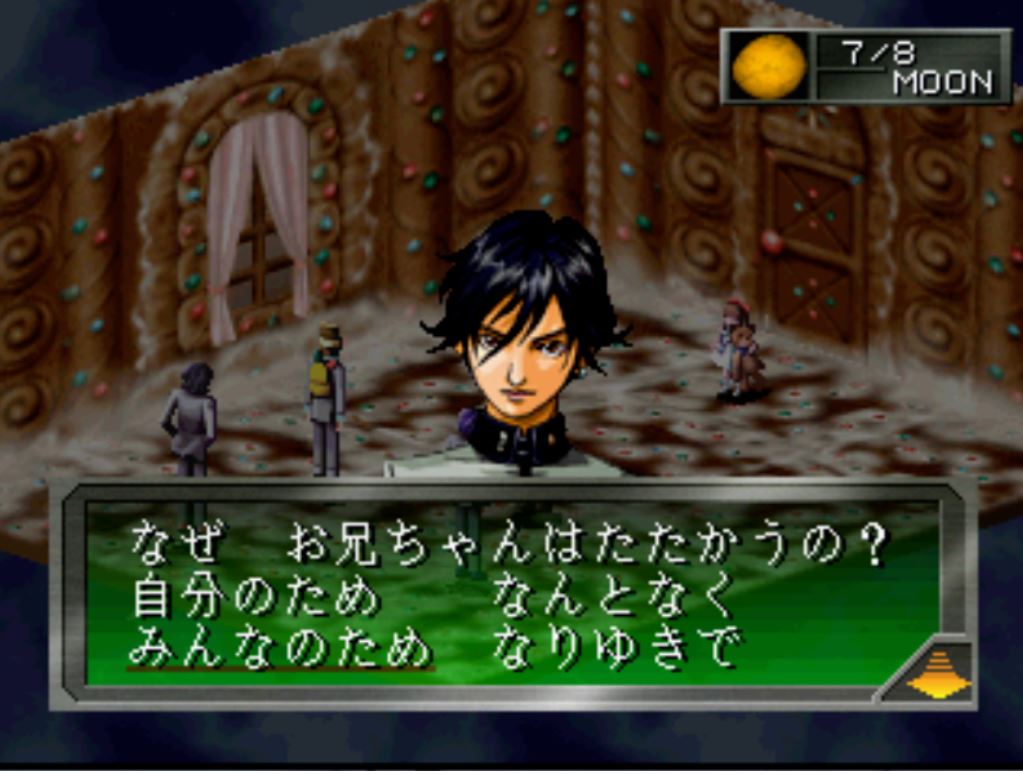
It is one of the few choices of the P1 protagonist, and the representative lines of the P1 protagonist.
In order to return to their original Mikage-machi, the P1 protagonists need items that Otome Mai has. However, in the end, they are afraid of the girl Aki who is with Kamitori and won't let them borrow the items. This is a selection scene that occurs only when you choose "Don't run away" from the four options of the protagonist who appears when you say "It's safe to hide, isn't it?" regardless of whether you are scared by such Aki.
The P1 protagonist is asked why he is fighting the Kamitori. This is a very scary question, but it is also a line that explains the basis of the story called "Persona." The P1 protagonist has never had the slightest hint of an ordinary battle. However, he is fighting against the devil because he has acquired persona capabilities and something unusual has started to happen in Mikage-machi. Depending on how you say it, it may be said that he is just getting involved. Why the P1 protagonist, who was such an ordinary male high school student, is fighting against the devil at the risk of his life and chasing the Kamitori? This question, which makes the player think and choose, is an option that makes him think about the subject matter and theme of the story called "Persona." From the "for everyone" option, it is an option that makes you feel strong affection for the people around the P1 protagonist who is trying to protect your friends and family while fighting against the devil in a way that involves you.
Note that the correct choices for this scene are "for everyone" and "for yourself." If you choose anything else, it's all incorrect and you go into the boss's game. The story continues after the battle is won, but everything goes straight to the bad end.
"To find the answer."
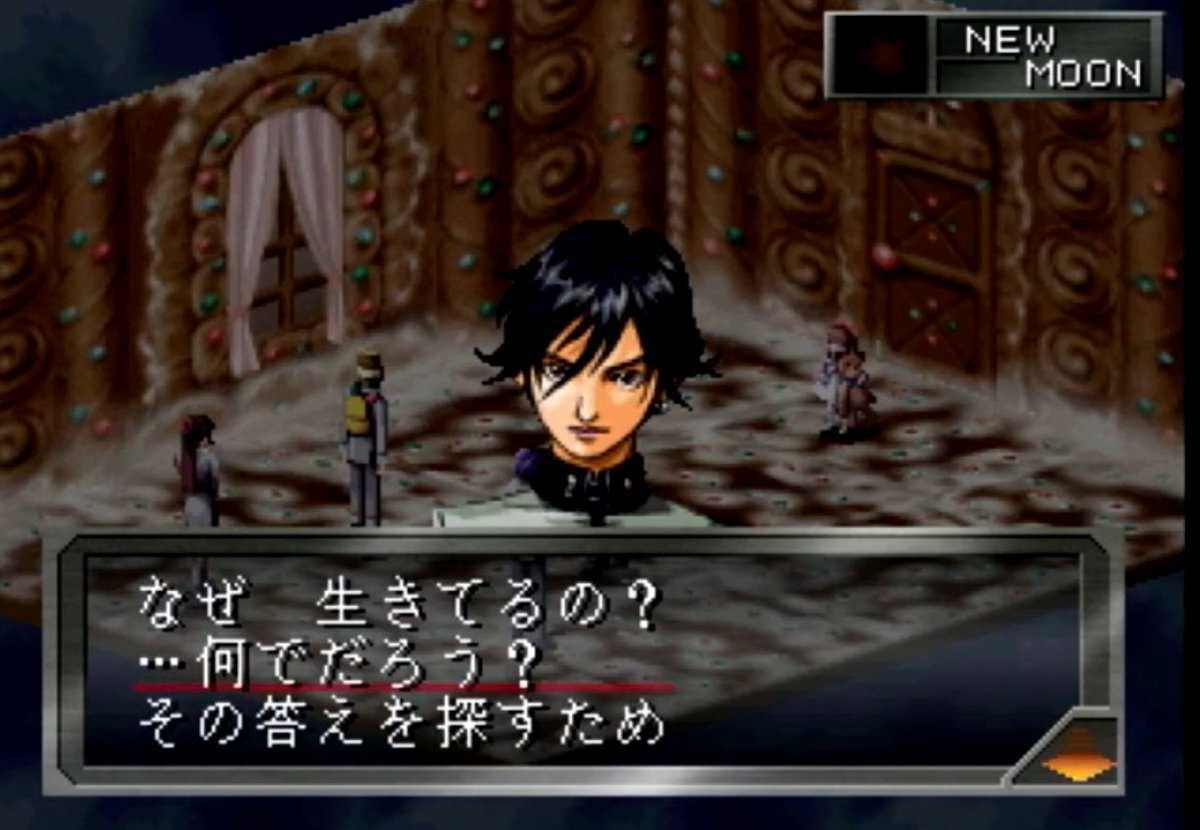
It is one of the few choices of the P1 protagonist, and the representative lines of the P1 protagonist.
In order to return to Mikage-machi, the P1 protagonists need an item for the girl Mai to carry. However, they are afraid of the girl Aki who is with Kamitori, so they don't lend them the item. However, the P1 protagonists continue to try to persuade Mai, and Mai doesn't understand their feelings. She asks several questions to the P1 protagonist. "To find the answer" is one of the choices the protagonist has for the last question from Mai, which occurs only when all the questions asked are answered with the correct choice.
A question similar to the philosophical question "How do you live?" How many people in this world can answer this question with a clear answer? There are many players who have been shaken up by this question, even if it's beyond the game, because they are uncertain whether they can answer it in real life. The P1 protagonist's options are also narrowed down to two answers to this question, while the other question had four answers, both of which are somewhat ambiguous answers with no clear answers.
However, even in the same ambiguous content, you can feel more clear will from the option of "looking for the answer" than the other option. You don't know what you are living for, but because you don't know it, you want to look for it, you want to look for it, and that is why you are living now. It is a line that you can feel the strong will of the main character of P1 who does not lose hope and fights believing that he can break the situation in the world where demons are spreading and various strange things continue to occur.
Note that the only correct choice for this scene is "to find the answer." If you choose anything else, it's all incorrect and you go into the boss's game. The story continues after the battle is won, but everything goes straight to the bad end.
Piercing Boy / P1 Main Character's Inside Story, Trivia, Small Story / Episode, Anecdote
The reason why the P1 protagonist is "No Personality" is because he's trying to get the players to interact with him.
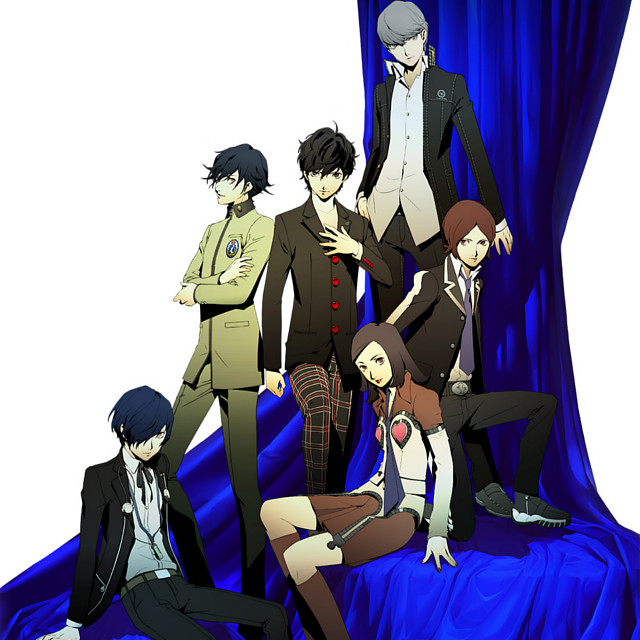
The protagonists of the Persona series, with a few exceptions, are all designed to inherit the "personality" of the P1 protagonist.
"Persona" is a collection of personas who are full of individuality, such as the son of one of the leading Japanese chaebols, a boy who loves street culture, a returnee and a kogyaru. Among them, only the P1 protagonist is made into a character without any characteristic individuality.
The P1 protagonist has no distinctive lines and no strong personality compared to other characters. However, it is officially revealed that this was intentionally produced in such a way. By not attaching characters to the P1 protagonist, which is a part of the player's body, it is said that it was intended to strongly encourage the player's own feelings of immersion in the story and empathy for the characters.
This "no personality" setting has been passed on to the main characters of subsequent works. For the sake of the story development, only "Persona 2" is made to have an unusual "personality" character, but all the main characters of other works are made based on the "no personality" setting. There are some main characters who have options with impact or typical options that are used many times, but even so, details such as the profile of each main character's past, birthday, etc. are basically not disclosed.
The setup seems to be filled with the team's desire to get players to truly enjoy the game.

Related Articles
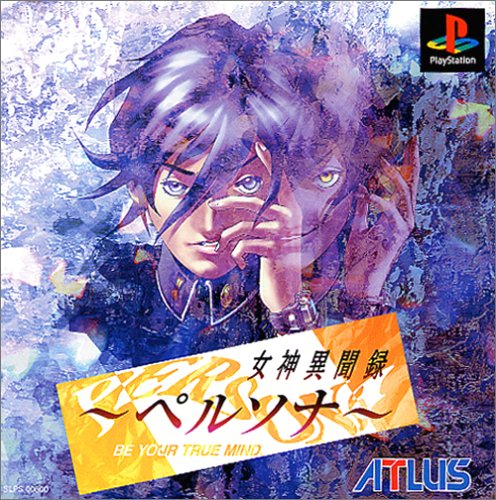
Spoiler commentary and discussion of Goddess Ibunroku Persona (P1)
Megami Ibunroku Persona" (女神異聞録ペルソナ) is a video game for the PlayStation released by Atlus on September 20, 1996. This RPG game depicts eight boys and girls with rich personalities who use their "personas" to investigate a strange phenomenon that is taking place in Mikage-cho, where the story takes place. The game shares the same unique dark worldview as previous titles, but the difficulty level is lower than in previous titles, making it a game for light users.
Read Article
Summary of Persona Usage and Persona Capabilities for Goddess Ibunroku Persona (P1)
The game "Megami Ibunroku Persona" is the first title in Atlus' popular "Persona" series of juvenile RPGs. The story is about the protagonist and his friends, who have acquired persona powers by performing a rumored ritual called "Persona-sama," and are confronted with anomalies that occur in their home town of Mikage-cho. The protagonist and his fellow persona users fight against the shadow using their own "persona" powers. This "persona" is the "other self" that lies dormant inside of them and appears in the form of a god or demon.
Read Article
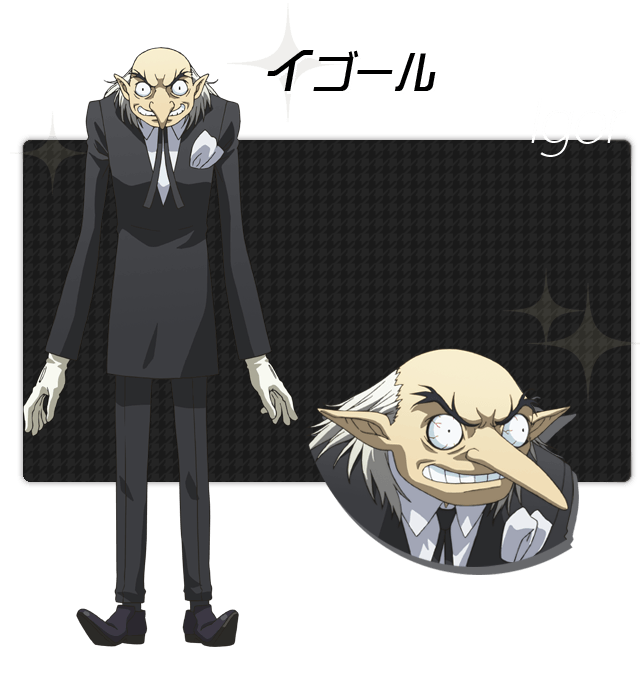
Thorough description and discussion summary of Igor (persona)
Igor is a character who appears in the "Persona" series of juvenile RPGs by Atlus, Inc. In "Persona 1" and "Persona 2," Igor was a follower of Philemon, but in "Persona 3" and later, he appears as the master of the Velvet Room, a mysterious blue room. His long nose is a characteristic of the character, and he is often teased as a joke by the officials.
Read Article
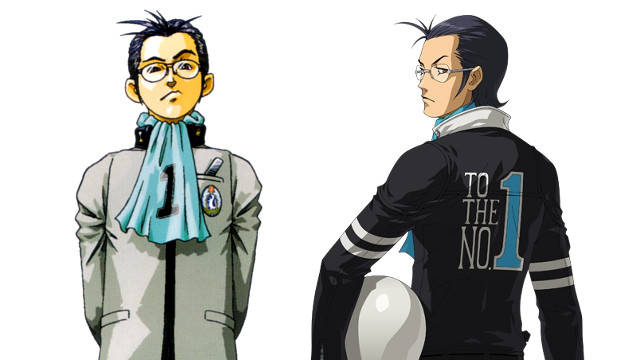
In-depth commentary and discussion of Kei Nanjo (Megami Ibunroku Persona, P1)
Nanjo-kun / Kei Nanjo is a character from the first installment of Atlus' juvenile RPG series "Persona". He is also the sergeant of the Nanjo Zaibatsu. He was awakened as a persona-user through a ritual called "Persona-sama" performed by the P1 protagonists. Using the power of the persona-user, he begins to investigate the strange happenings in Mikage-cho, the setting of the story.
Read Article
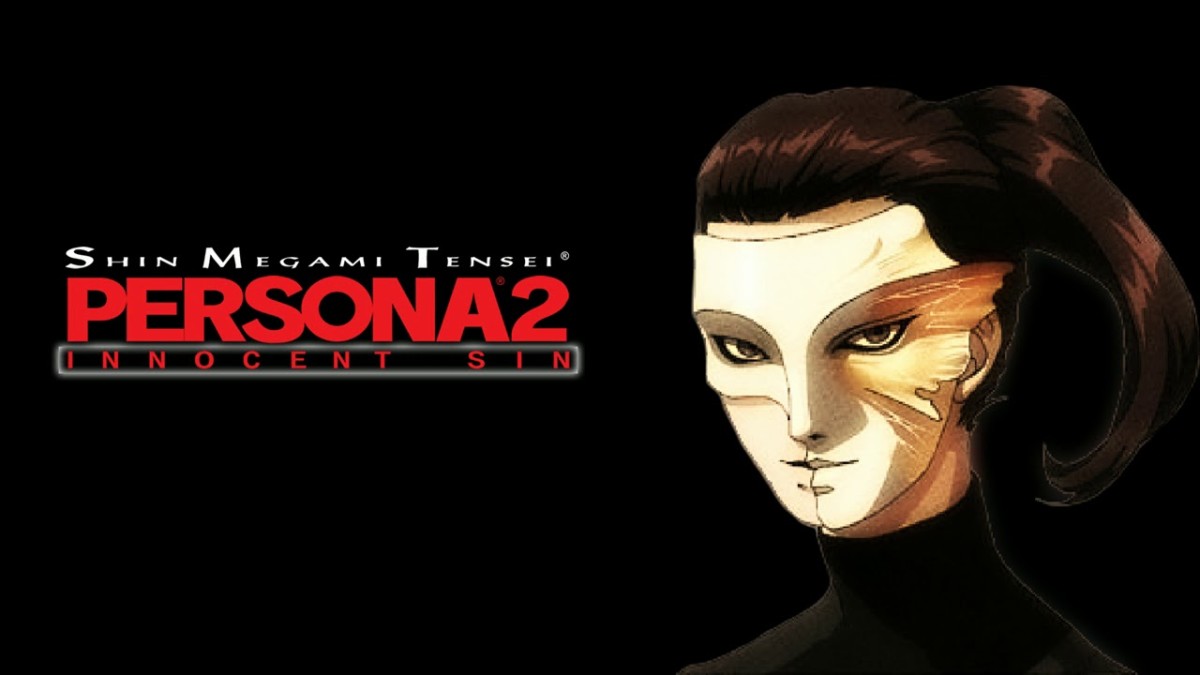
Philemon (Megami Ibunroku Persona Persona 2) in-depth explanation and discussion summary.
Philemon is a character who appears in the first and second titles of the "Persona" series of juvenile RPGs by Atlus, Inc. He is responsible for giving personas to the main character and his friends. He refers to himself as "the one who lives between consciousness and unconsciousness," and he is accompanied by Igor and other residents of the Velvet Room, which is greatly involved in the creation of personas and the enhancement of their abilities. He is the embodiment of the "positive mind of mankind" born from the ocean of the human mind, and is the half-body of the second Rathbos, Nyarlathotep, and at the same time, an antagonist.
Read Article
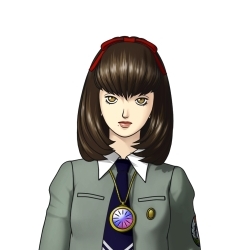
In-depth commentary and discussion of Maki Sonomura (Megami Ibunroku Persona, P1)
Maki Sonomura (マキ/園村麻希) is a character appearing in the first installment of the "Persona" series of juvenile RPGs by Atlus, Inc. She is a high school girl who attends "St. Ermin Academy" in Mikagecho, the setting of this work. She has been sickly since childhood and spends most of her days in the hospital after entering St. Ermin Academy. When something unusual happens in Mikage-cho, she suddenly appears in front of the P1 protagonists in a revitalized state, surprising them. Later, Maki awakens as a persona user and uses her power to search for the cause of the strange happenings in Mikage-cho with the P1 protagonists.
Read Article
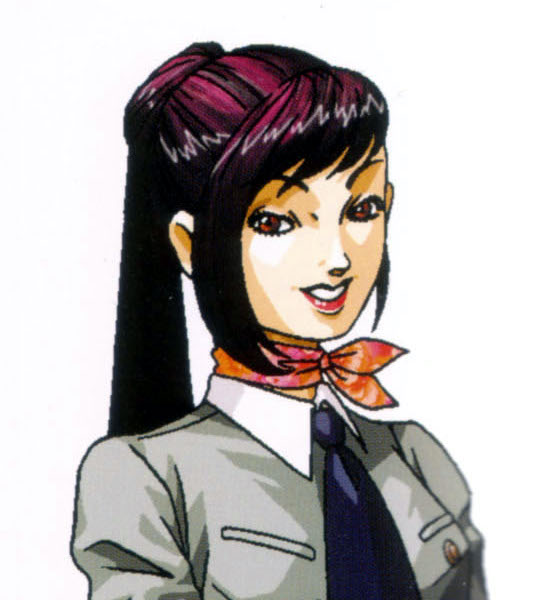
In-depth commentary and discussion of Eriko Kirishima (Megami Ibunroku Persona, P1)
Eriko Kirishima (エリー) is a character in the first installment of the "Persona" series of juvenile RPGs published by Atlus, Inc. She is a high school student at St. Ermin Academy in Mikagecho, the setting of the game, and is classmates with the P1 protagonist, the boy with the earrings. She is a returnee and an occult lover who speaks in a unique way with a mixture of English and other languages. She is an optional member of "Jishin Ibunroku Persona," which has two different storylines, and can participate in either storyline, and she and the P1 protagonist will be investigating the strange happenings in Mikage-cho.
Read Article
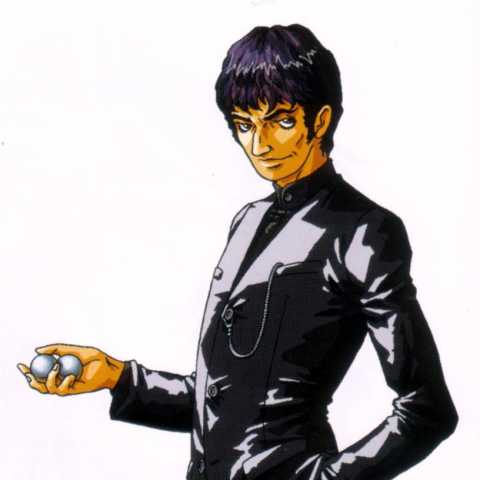
Takaku Kamitori/Queen Ashera (Goddess Ibunno Persona, P1) in-depth commentary and discussion summary
Takahisa Kandori/Queen Ashera is a character from the first installment of the "Persona" series of juvenile RPGs by Atlus, Inc. There are two scenarios in this work, called the "Sevek Arc" and the "Snow Queen Arc," and Kandori appears as a boss character in both of them. The accompanying Queen Ashera is a boss character created by the fusion of Katori and a mysterious masked schoolgirl who appears only in the "Snow Queen Arc. Katori's position in the story is that of the head of a branch office of the Sevek Company in Mikage-cho, where the story takes place. In the "Snow Queen Arc," he appears as a high school student.
Read Article
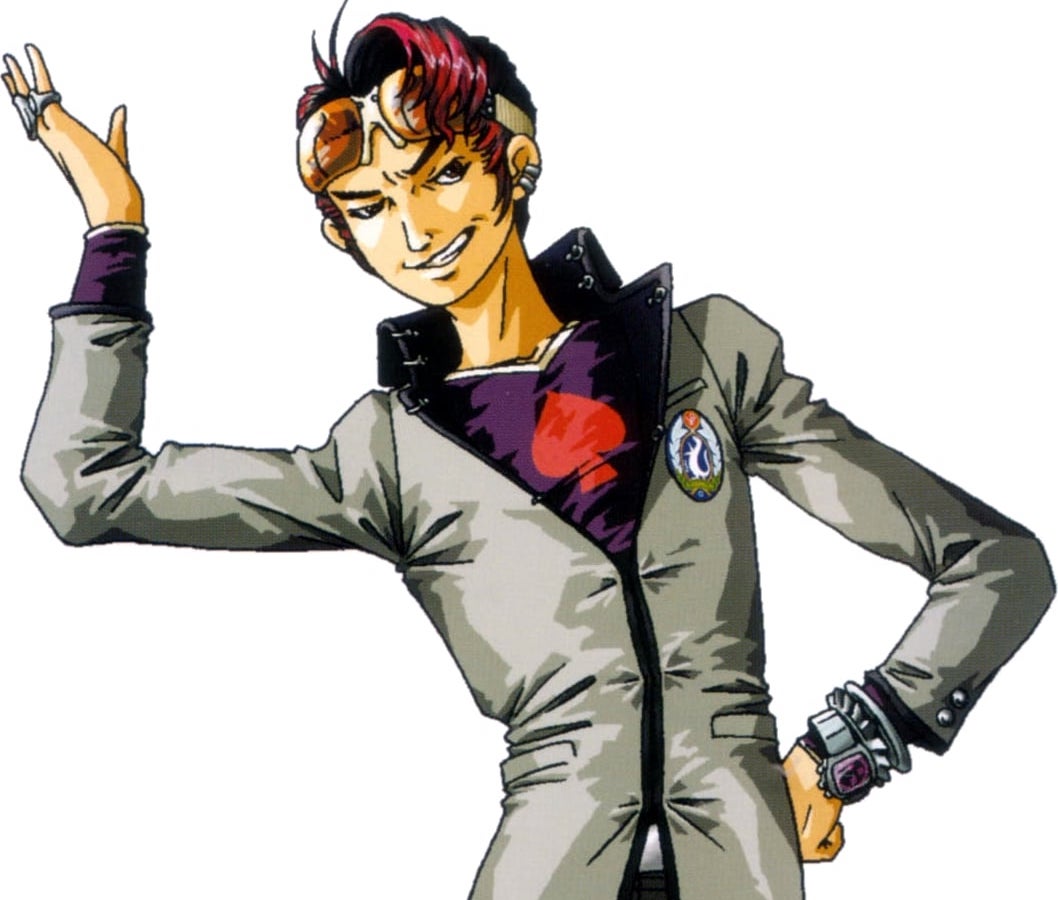
In-depth commentary and discussion summary of Hidehiko Uesugi (Megami Ibunroku Persona, P1)
Brown/Hidehiko Uesugi is a character from the first installment of Atlus' juvenile RPG series "Persona". He is a high school boy with trademark red hair and goggles. He is popular in his class as a cheerful and good-natured character, but he is a little too boisterous for his own good. He is a select member of the "Megami Ibunroku Persona" storyline, which has two different storylines, and he can participate in either storyline.
Read Article
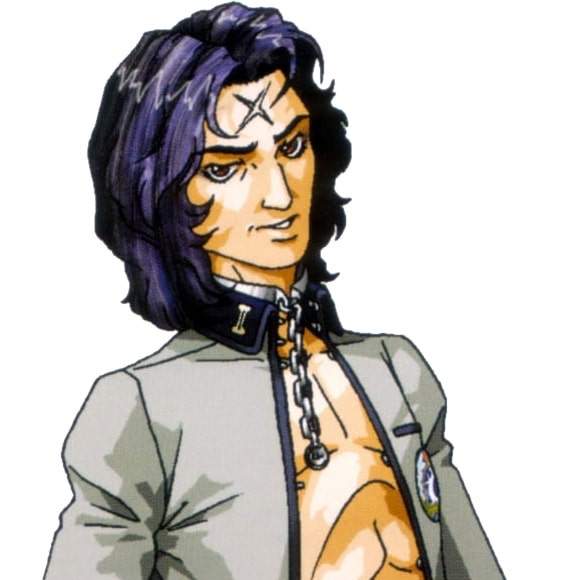
In-depth commentary and discussion of Reiji Kido (Goddess Ibunno Persona, P1)
Reiji Kido (レイジ/城戸玲司) is a character in the first installment of Atlus' juvenile RPG series Persona by Atlus, Inc. He is a classmate of the P1 protagonist/pierced boy. He is a quiet transfer student who transferred to the school six months before the story begins. He is a hidden character in the story called "Sevek-hen" in "Jimei Ibunroku Persona," in which the story develops in two different ways. She awakens as a persona user when she meets the P1 protagonists, who are investigating an anomaly that occurs in Mikage-cho. He has a personal grudge against Takahisa Kandori, the culprit of the anomaly.
Read Article
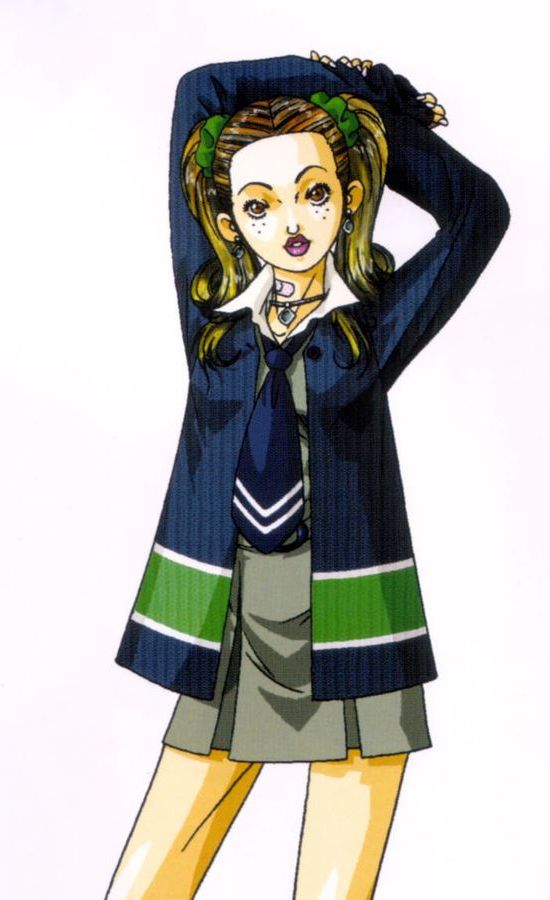
In-depth description and discussion of Yuka Ayase (Megami Ibunroku Persona, P1)
Ayase/Yuka Ayase is a character appearing in the first installment of Atlus' juvenile RPG series "Persona," and is a high school girl who is a classmate of the P1 protagonist/pierced boy, and is inspired by the kogals that were popular at the time of the game's release. She has a tendency to say what she thinks and often gets into trouble because of it. She is an optional member of the "Megami Ibunroku Persona" storyline, which has two different storylines, and can participate in either storyline, and she and the P1 protagonists will be investigating the strange happenings in Mikage-cho.
Read Article
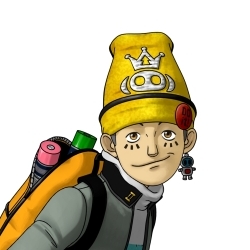
Inaba Masao (Goddess Ibunroku Persona, P1), a thorough description and discussion summary
Mark / Masao Inaba is a character appearing in the first installment of Atlus' juvenile RPG series "Persona". He is a dependable boy with a strong sense of justice, but he is also a bit of an emotionalist, which causes him problems from time to time. He is a close friend of Kei Nanjo, who is also a persona user and a thorough rationalist. He is the main character in the "SEBEK" version of the "Kami Ibunroku Persona" story, which has two different storylines, and is investigating the strange happenings in Mikage-cho together with the P1 protagonists.
Read Article
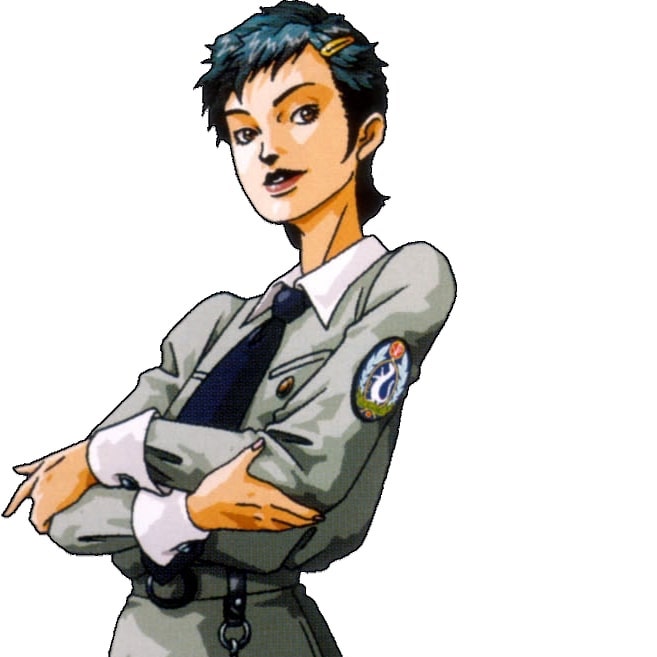
In-depth commentary and discussion of Yukino Mayuzumi (Megami Ibunroku Persona, P1)
Yukino-san/Yukino Mayuzumi is a character appearing in the first installment of Atlus' juvenile RPG series "Persona". She is an older sisterly high school girl who attends "St. Ermin Academy" in Mikage-cho, the setting of this work. She is a main member of the "Snow Queen Arc" of the "Jishin Ibunroku Persona" series, which has two different storylines. In order to defeat the "Snow Queen," who has taken over the body of her former teacher, Saeko Takami, and frozen St. Ermin Academy, she uses her persona-user powers to challenge the guardians of the "tower" prepared by the "Snow Queen.
Read Article
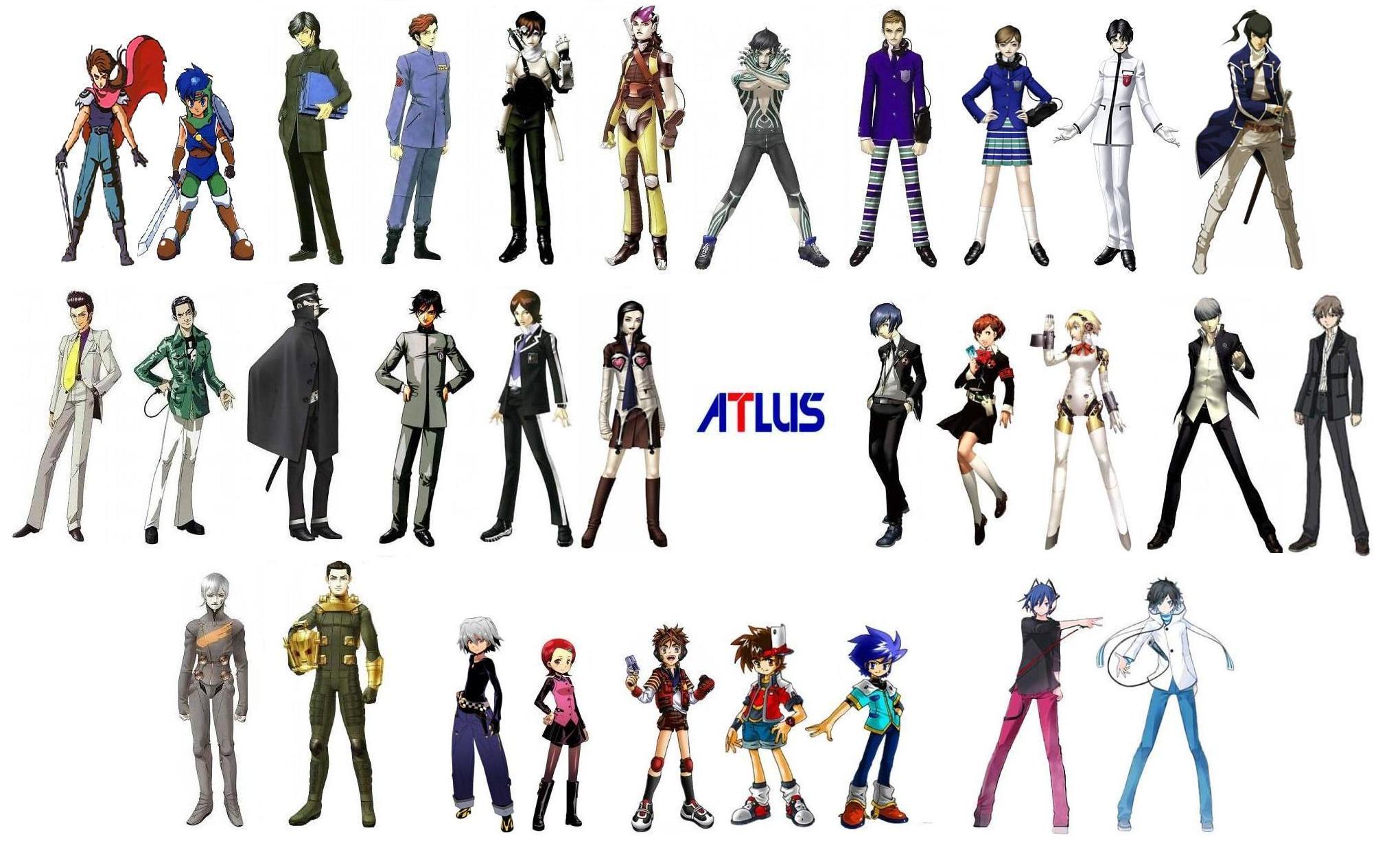
A lineup of handsome men and beautiful women! A compilation of the heroes of the "Megami Tensei" series
This section summarizes the successive protagonists of the "Megami Tensei" series, a popular RPG with a dark worldview.
Read Article
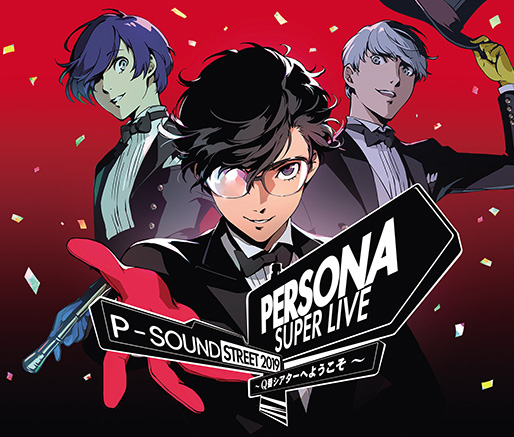
Summary of music and background music for the Persona series
Persona" is a juvenile RPG series released by Atlus Co. It is a very popular game that has sold more than 13 million copies worldwide. One of the reasons for the popularity of the series is the music that adorns the main story of the game. The music of Persona has captured the hearts of many fans with its appealing songs, and as a result of its growing popularity, live performances have been held at the Ryogoku Kokugikan Theater and even a rhythm game has been released. This is a key point that cannot be overlooked when discussing the appeal of Persona.
Read Article
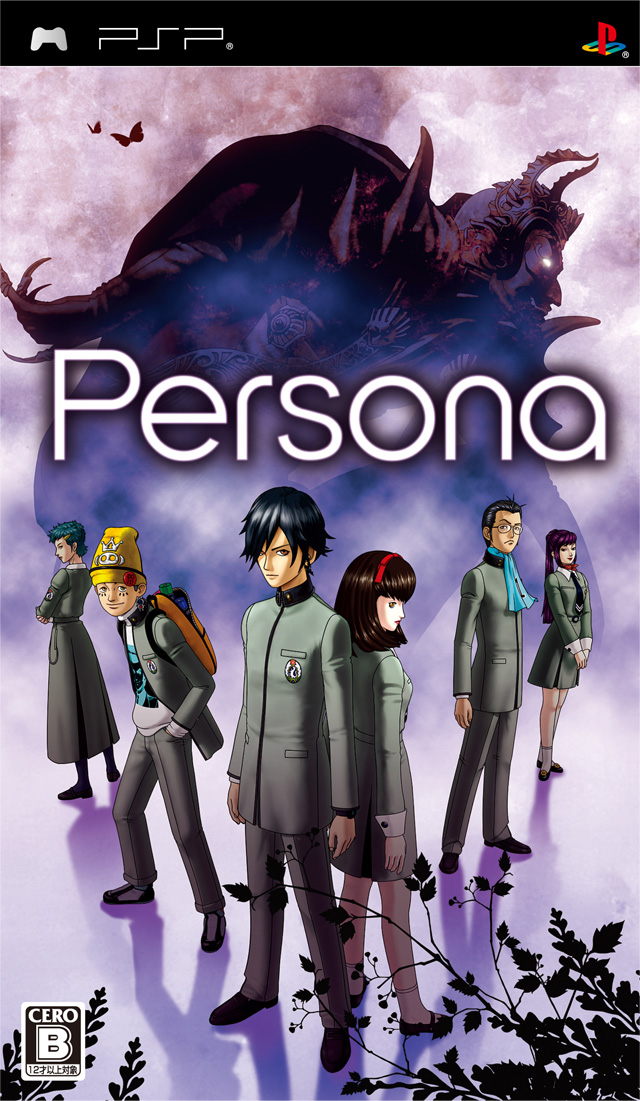
Close to Megaten? What is the appeal of Persona 1 and 2 [Kami Ibunroku Persona/P2: Crime and Punishment Explained].
The "Persona series" has been significantly different from "Persona 3" in terms of systems and settings. After "Persona 3," the series successfully attracted new users with its pop and cheerful presentation. On the other hand, "Megami Ibunroku Persona" and "Persona 2" are similar to "Megaten," from which they are derived, and are different from the original "Persona.
Read Article
![Urban Legend] Immediately Kese, dismemberment murder, Masakado-sama, ...... "Goddess Tensei" series scary rumors](https://renote.net/files/blobs/proxy/eyJfcmFpbHMiOnsiZGF0YSI6NTUyNSwicHVyIjoiYmxvYl9pZCJ9fQ==--80e33183580a6f67bc8ed13130b0ab463a5513fb/8tnu01000001taun.jpg)
Urban Legend] Immediately Kese, dismemberment murder, Masakado-sama, ...... "Goddess Tensei" series scary rumors
Summary of famous scary rumors about the "Megami Tensei" series
Read Article
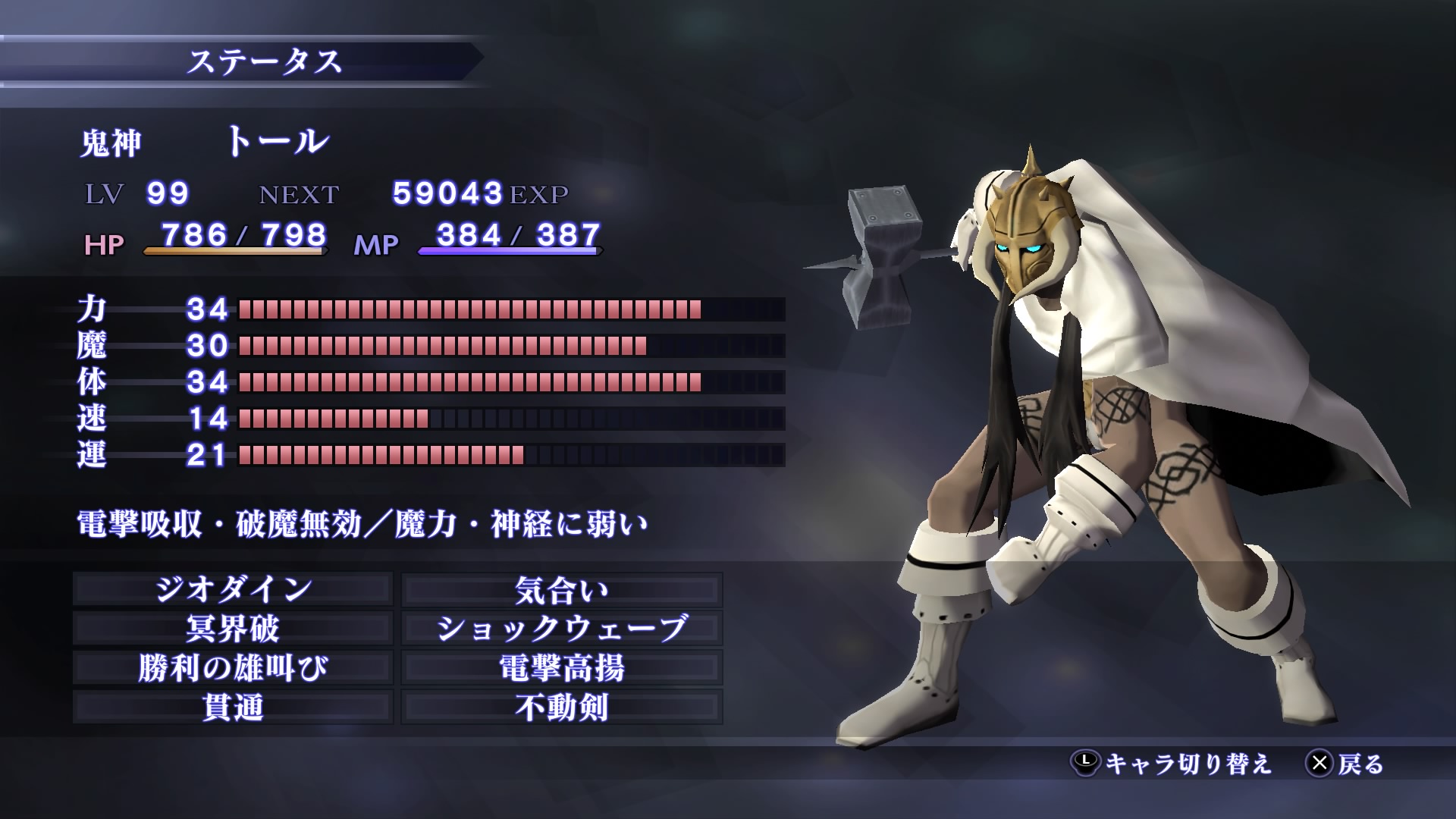
Summary of Demons and Gods in the Goddess Reincarnation and Persona series [Megaten].
Many demons and deities appear in the "Megami Tensei" and "Persona" series. Their sophisticated designs are highly popular among players, and each new installment attracts as much or more interest as the synopsis, storyline, characters, and other aspects of the series. The original sources of demons and gods range from Japanese mythology to Indian mythology, English folklore, and Zoroastrianism.
Read Article
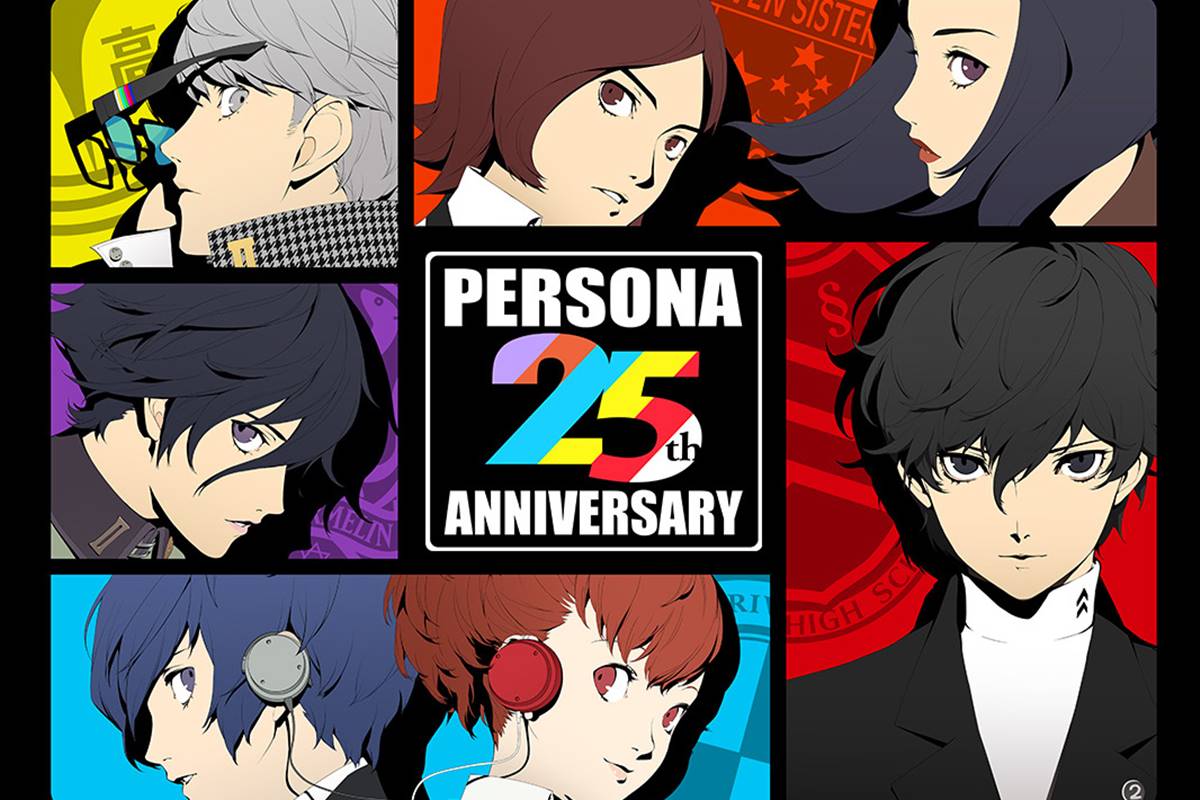
Summary of Unfortunate Elements of the Persona Series' Past Protagonists
In the "Persona Series," the protagonist and his companions face difficulties and grow. In many cases, the protagonist suffers misfortune from the beginning as an introduction to the story. Among them, Tatsuya Suo in "Persona 2" is famous for not being rewarded until the very end. Here is a summary of the unfortunate elements of the protagonists of the "Persona Series" in the past.
Read Article
A must-see for Persona fans! Summary of popular demons in Goddess Reincarnation [Megaten].
In the "Megami Tensei" and "Persona" series, demons or personas appear. Although the settings of the demons in "Megami Tensei" and the personas in "Persona" are different, they share many characters in common. Here we introduce some popular demons from "Megami Tensei. There may be some demons that do not appear in the "Persona" series.
Read Article
Persona series sales ranking of all time!
The "Persona Series" is an RPG set in modern Japan in which the main characters, who have awakened to their "persona powers," solve strange incidents that occur in towns and schools. The series has sold more than 15 million copies worldwide as of 2021. Here we have compiled a ranking of the sales to see which titles are selling the best.
Read Article
Stylish wallpaper and images from the Persona series
The "Persona Series" is a derivative of the "Megami Tensei" series, which began with "Megami Ibunroku Persona". Since "Persona 3," the system and setting have been completely redesigned, and the game has become known as a stylish game. Here we have compiled a collection of stylish wallpapers and images from the "Persona Series.
Read Article
What is a shadow in the Persona series? Explained with its origin and original Jungian psychology!
Persona" and "shadow," key terms in the Persona series, are words derived from Jungian psychology. In Persona 4, the companions acquire personas by confronting their own shadows, and these terms are closely related to the story. Here, we will explain "persona" and "shadow" with how they are explained in Jungian psychology.
Read Article
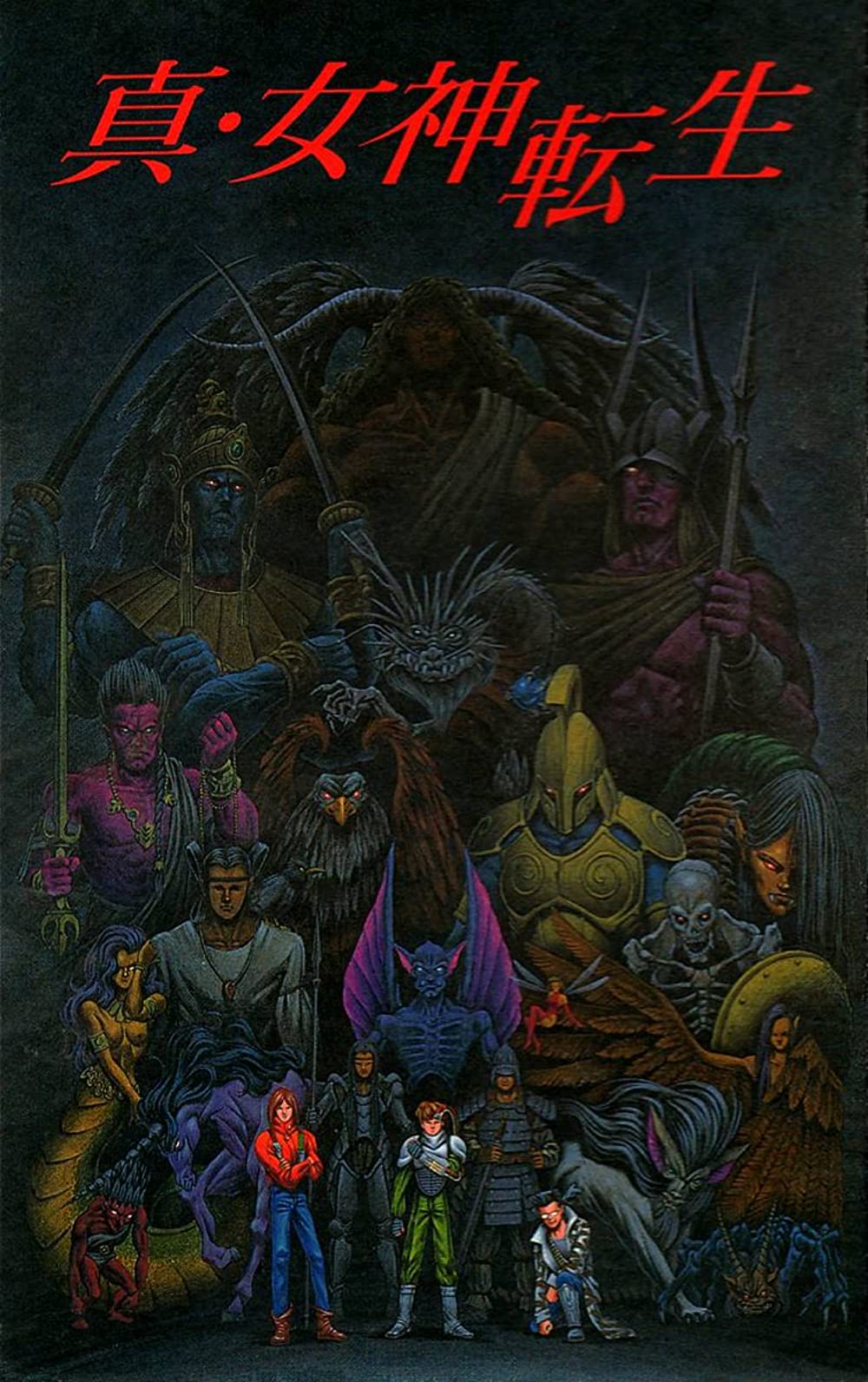
A look at the charms of the unique world of Megaten! Megaten
The "Megami Tensei" series is a series of RPGs in which "demons," supernatural beings such as gods and demon kings, appear. The novel system of "turning demons into allies" and "combining demons to create new demons" had a great impact on other RPGs. The synopsis, storyline, and worldview, which made the only god of monotheism the enemy, were also unparalleled. These are the charms of "Megami Tensei," which has become a series of games.
Read Article
A compilation of games that are nostalgic but still actually going on today.
The evolution of the game world and technology is extremely fast and mighty. A decade ago, we thought that characters became three-dimensional with 3D polygons, which are now also visible as three-dimensional images, and recently we have even reached virtual reality. In the midst of such drastic changes in the game industry, however, there are games that have remained popular despite their popularity in the Showa era.
Read Article
![Atsumori] Amazing Face Painting Reproductions of NARUTO / Prince of Tennis / Fate / Blade of Oni no Kai / The Seven Deadly Sins / Ship! My design ID summary](https://renote.net/files/blobs/proxy/eyJfcmFpbHMiOnsiZGF0YSI6NTE5MDY4LCJwdXIiOiJibG9iX2lkIn19--a10d4427f1d114330f6602071fda31db99ce25b1/EUK_K8vUEAIyzvE.jpg)
Atsumori] Amazing Face Painting Reproductions of NARUTO / Prince of Tennis / Fate / Blade of Oni no Kai / The Seven Deadly Sins / Ship! My design ID summary
Atsumare Animal Crossing", the Nintendo Switch exclusive version of the popular "Animal Crossing" game series, has gained popularity for its "My Design" feature, which allows users to freely design and create their own clothes and tiles. My Design is not limited to clothes and tiles; it is also possible to paint directly on the face. Here we will introduce some cute makeup-style face paintings and face paintings modeled after popular cartoon and game characters.
Read Article
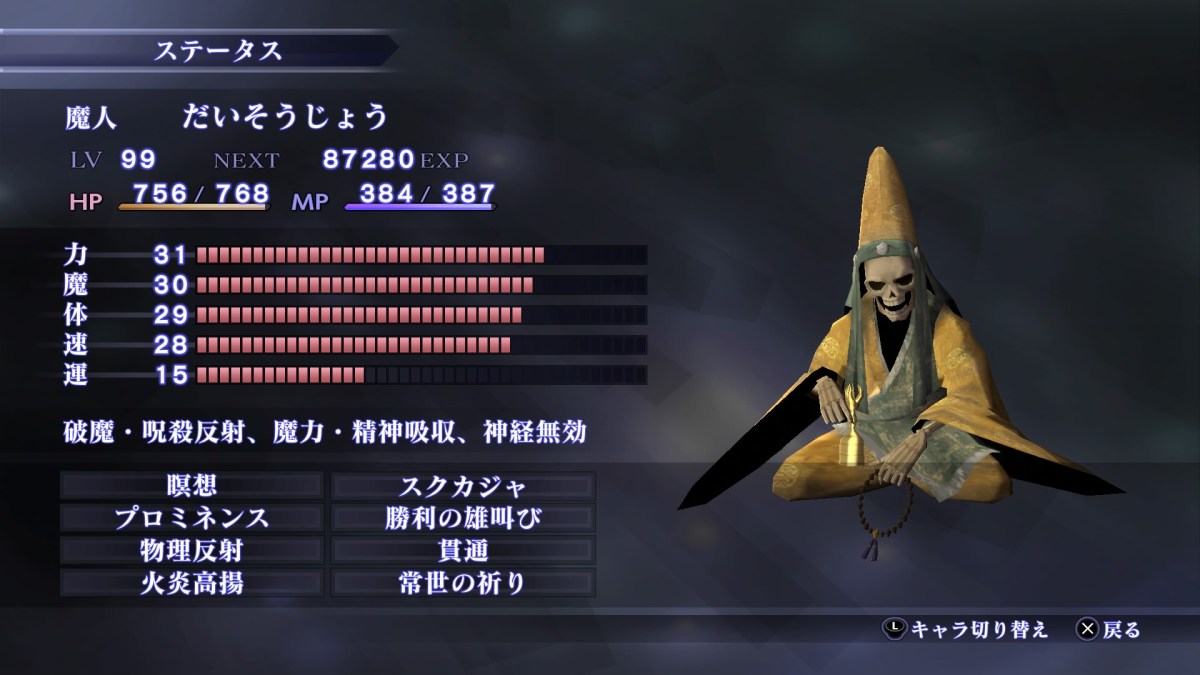
Summary of interesting motions of demons (Goddess Tensei and Persona) [Megaten].
In the "Megami Tensei" series and the "Persona" series, supernatural beings such as gods and demon kings appear as "demons" and "personas. Demons and personas do not just stand there, but have standby and attack motions. Some of them have unique movements, and it is fun just to watch them. Here we have compiled a list of interesting motions of "demons" and "personas.
Read Article
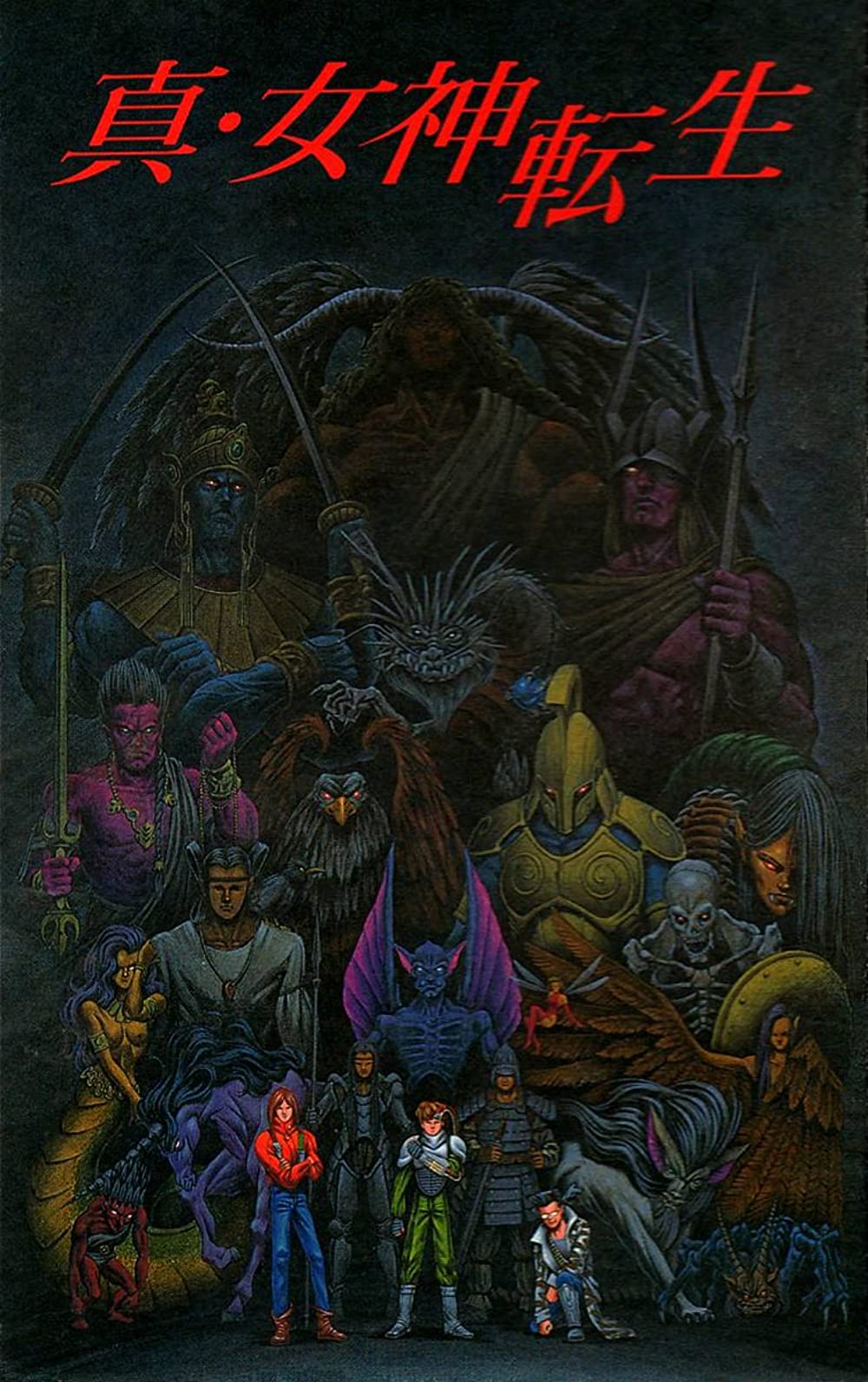
Summary of sites and blogs discussing Goddess Reincarnation [Megaten].
The first in the "Digital Devil Story" series of novels by Fumi Nishitani, "Megami Tensei" is a computer RPG series derived from the "Digital Devil Story" series. The story depicts how people who have become involved with a deformed being called "Devil" fight and survive through the story, and has gained many fans for its unique worldview. Here, we have compiled a list of websites and blogs that discuss "The Goddess Tensei".
Read Article
Summary of cool music and background music from the Goddess Reincarnation and Persona series [Megaten].
The "Megami Tensei" and "Persona" series are RPGs released by Atlus. Both are known for their appealing worldviews, systems, characters, and characters, but their music is equally or more highly regarded. In addition to the opening and ending music, the background music for battles and daily life is also very popular.
Read Article
![Occult] A collection of various "scary stories" related to games! Ghosts are in the picture in "Kamaitachi no Yoru 2"!](https://renote.net/files/blobs/proxy/eyJfcmFpbHMiOnsiZGF0YSI6ODU5NDEyMywicHVyIjoiYmxvYl9pZCJ9fQ==--b08cea743f31b9669d4d0aeb674ea1c9fd5228f9/s02.jpg)
Occult] A collection of various "scary stories" related to games! Ghosts are in the picture in "Kamaitachi no Yoru 2"!
This article presents a collection of various "scary stories" related to video games. In the article, we have included many stories such as the increasing number of graves in "Dragon Quest V," the ghost in the opening of "Kamaitachi no Yoru 2," and "Kowaii Shashin," in which a number of development staff members were killed or injured during development. We hope you enjoy this collection of spine-tingling tales.
Read Article
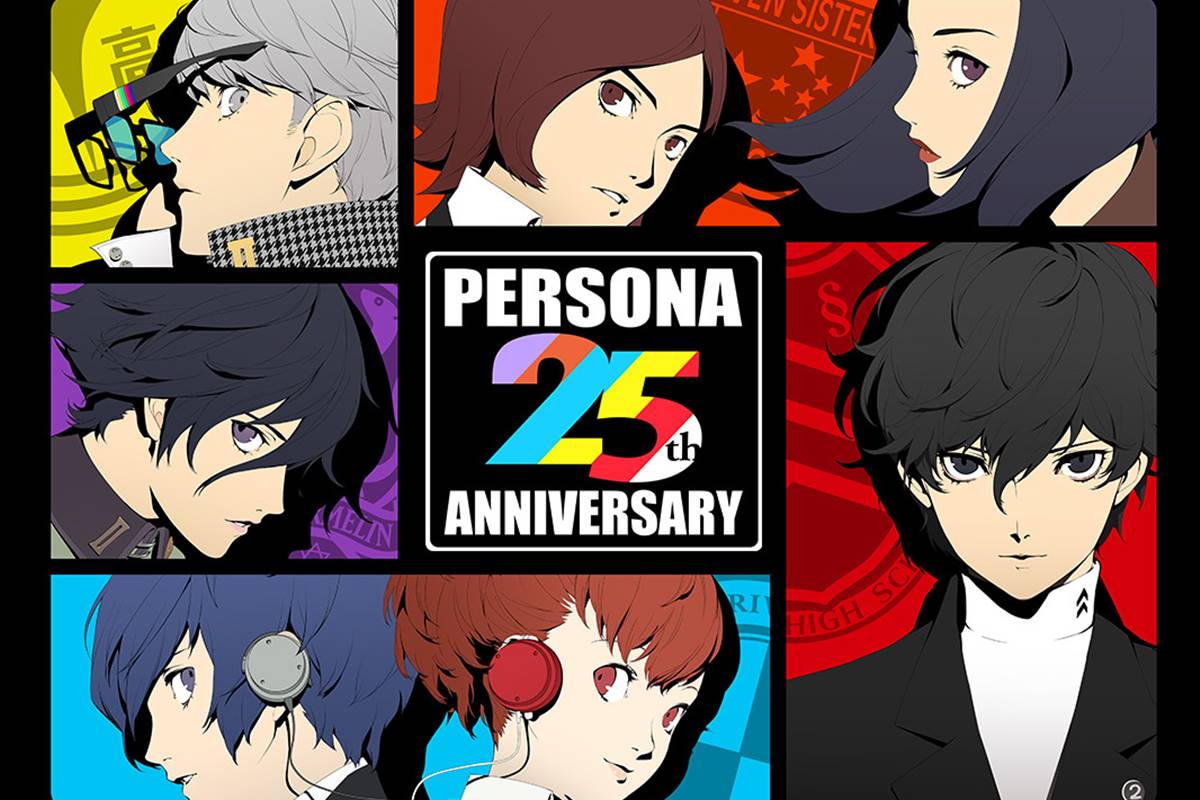
Masterpieces all around! A compilation of works in the Persona series
The "Persona series" is a derivative work of the "Megami Tensei" series, with the numbering title "5" being released by 2022. Many derivative works have also been released, indicating the popularity of the series. Here we summarize the works of the "Persona Series," which is full of masterpieces.
Read Article
Contents
- Outline of / P1 Main Character Overview
- Piercing Boy / P1 Main Character Profile / Portrait
- Piercing Boy / P1 Hero Persona Abilities
- セイメンコンゴウ
- Gal
- Delight
- Makajama
- プリンパ
- Mahagal
- Spin kick
- Piercing Boy / P1 Main Character's History and Activities
- The beginning of the story: the P1 hero who became a persona user after the ceremony "Persona-sama"
- Snow Queen
- P1 protagonist who hears rumors about "Snow Queen"
- SAEKO-SENSEI'S BODY WAS TAKEN OVER BY THE "SNOW QUEEN".
- In order to rescue Saeko-sensei, the P1 protagonist and his friends capture the four towers prepared by "Snow Queen".
- Battle with "Snow Queen" and the past of Saeko-sensei and "Snow Queen"
- Battle with the "Night Queen", unidentified mystery characters
- Sebek stitch
- Reunited with Sonomura Maki, who was supposed to have disappeared.
- The P1 protagonist and his comrades ride into Takahisa Kamitori, the source of the catastrophe.
- "Mikage-machi" of the Different World and Maki's Identity
- Encounter with Mai, the Creator of "Mikage-machi" in a Different World
- Reunited with Kamitori and returned to Mikage-machi
- The Last Battle with Kamitori
- Shocking Truth Revealed from Kamidori
- Saving Maki's "Heart"
- Sequel: Graduation ceremony
- Piercing Boy / P1 Characters related to the main character
- Mark / Masao Inaba
- Maki / Sonomura Maki
- Nanjo-kun / Nanjo-kei
- Yuki no san / Mayuzumi Yuki no
- Brown / Hidehiko Uesugi
- Ellie / Eriko Kirishima
- Ayase / Yuka Ayase
- Rage / Kido 玲司
- Piercing Boy / P1 Main Character's Words, Lines, Scenes
- "Don't run away,"
- "For all."
- "To find the answer."
- Piercing Boy / P1 Main Character's Inside Story, Trivia, Small Story / Episode, Anecdote
- The reason why the P1 protagonist is "No Personality" is because he's trying to get the players to interact with him.