
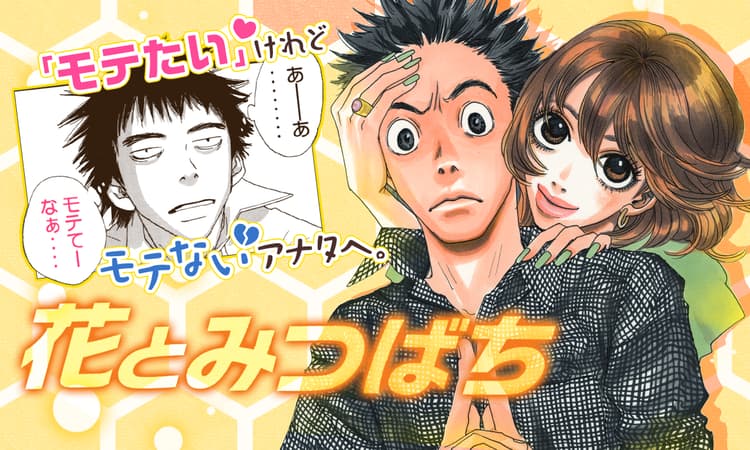
Hana to Mitsubachi" is a youth comedy manga by Moyoco Anno serialized in Kodansha's "Weekly Young Magazine" from 2000 to 2003. The comic was published in seven volumes. High school student Masao Komatsu (Komatsu Masao) wants to be popular, but he is plain and lacks confidence in his fashion and appearance. Komatsu, who is at the bottom of the school caste consisting of the disparity in society, struggles to become a popular guy. This is an adolescent comedy film in which Komatsu grows up by going to an eccentric men's esthetic salon and being guided by the "Oni sisters" he meets there.
Term for "flowers and bees"
Handsome World
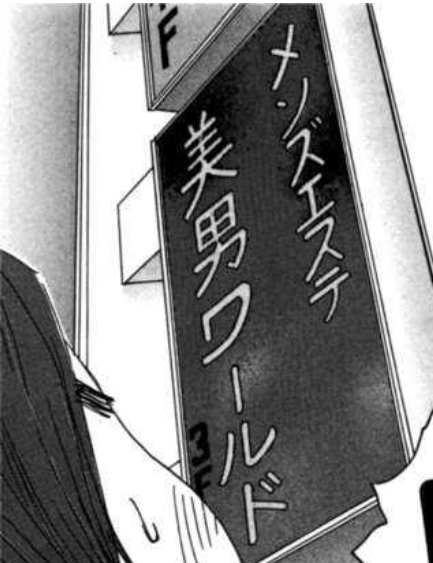
This men's beauty salon is located in a building in Tokyo. When Komatsu first came to the salon, the "okama" (men) gave him a rough treatment. They didn't care about his requests, such as trimming his eyebrows and cutting his hair. The goal of the "okama" of Handsome World was to do what they wanted, not to satisfy their customers.
Before long, the women moved to foreign countries. Harumi Sakurai, Okama's younger sister, later became the manager. Harumi's younger sister, Kiyoko Sakurai, was a staff member, but she was as good as Harumi. The two of them coached Komatsu. Because of their aggressive and strict coaching, Komatsu called them the Oni Sisters. The Oni Sisters point out that Komatsu has poor communication skills and looks bad, but they use real machines for other customers. The beauty treatment menu includes hair removal, muscle tightening and face packing. In the original story, the interaction between Komatsu and the Oni Sisters is the main part of the story, but many ordinary customers also visited the store. At the end of the story, the Oni Sisters closed the "Handsome World" because the number of customers declined.
Ota Gundan (Ota Corps)
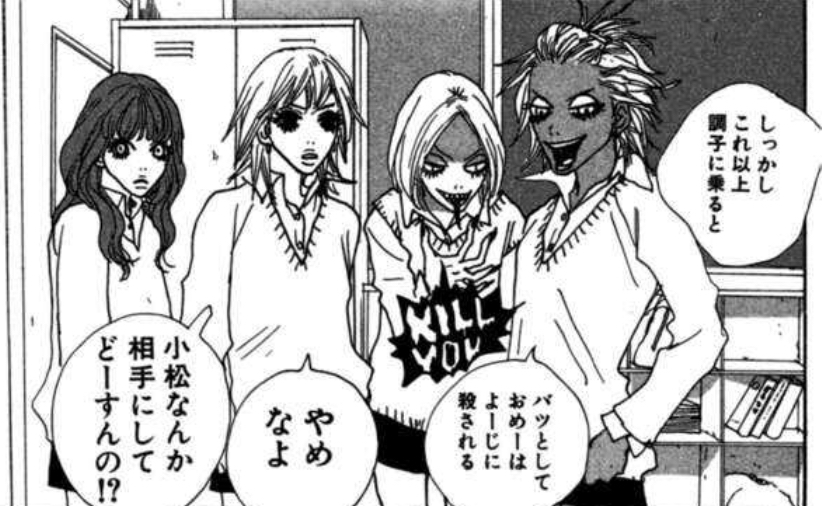
This is a girls' group led by Sakura Ota. It consists of 4 people including Ota. She wears her uniform and make-up. Ota is cute, so she is the leader of the corps. She is always making a fuss in the class and doesn't take classes properly. She is at the top of the school caste. Ota's name is listed, but the names of the other three are unknown.
Whenever Komatsu thinned his eyebrows or cut his hair, the Osada Corps laughed and made fun of him. Among them, Ota was attracted to Komatsu, who was trying hard to be popular, but two members of the Corps were looking down at Komatsu. Therefore, he sometimes criticized Ota when he talked to Komatsu. However, another member of the Corps recognized Komatsu's efforts and said, "Komatsu is not funny," so Ota was able to recognize himself as being attracted to Komatsu.
Words, lines, scenes, and scenes from "Hana to Mitsubachi"
Beauty salon staff: "The important thing is your own mind that you have chosen something good!"
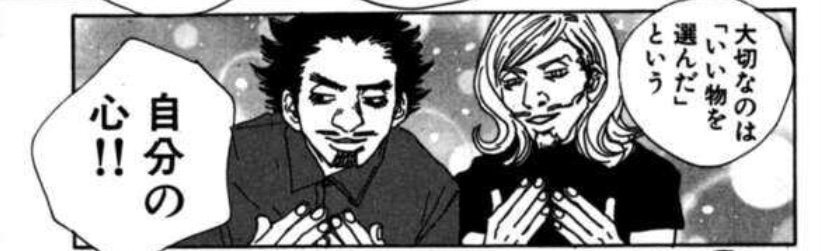
Komatsu, who wants to be stylish, asks the maids of Handsome World to choose his clothes. Denim is the same as the part-time job he earns in a day. T-shirts, however, are much cheaper than denim. To this, Komatsu protests, saying, "Something more stylish." But he preaches, "Either pants or shoes, it doesn't matter if one is expensive, it's good!" The words of the maids, "The important thing is my heart that I chose good things!" resonated with Komatsu. There is no need to buy brand-name items from head to toe. If you buy one good and expensive item, you can use it for a long time. Even if other items are cheap, it looks sophisticated. The feeling that you have chosen a good item comes from the heart of the person, and you wrap your whole body around it. This phrase is a masterpiece that also teaches readers how to be stylish.
Kobashi: "And. if something happens, I will help you and take good care of you. Before you know it, it has become' indispensable' to women."
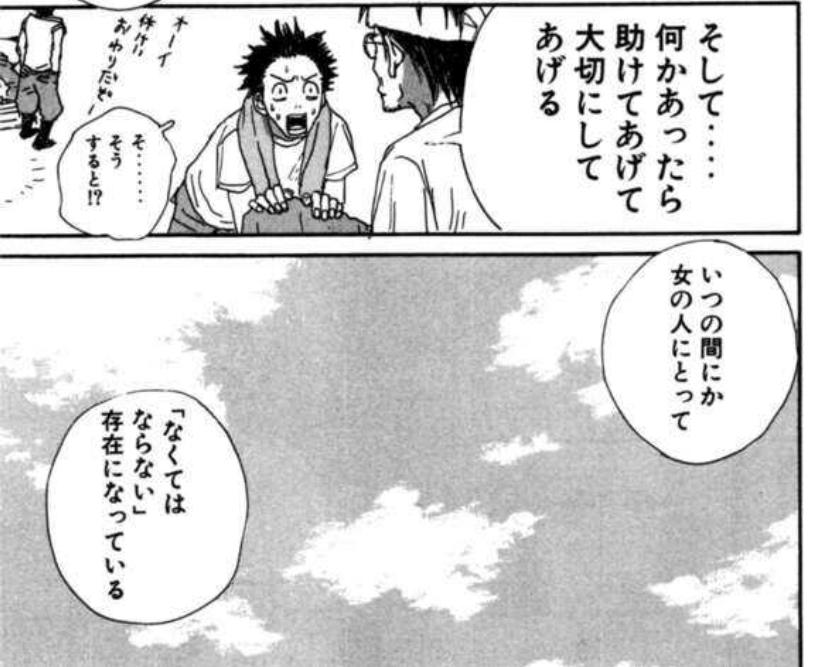
The scene where Kobashi explains to Komatsu what a woman is like. The first thing to do is to take good care of women, and it is necessary to make it natural.
What Kobashi teaches Komatsu is the underlying feelings when dealing with women. "Women are.' flowers'. so you have to wrap them up gently. They do things for you and they naturally exist in your life." Kobashi explains. "And. if something happens, I will help you and take good care of you. Before you know it, you will become' indispensable' to women." His lines are concrete and easy to understand. Of course, caring for the other person is not something that men do unilaterally to women, but something that both men and women need. However, the words in this scene are correct for female readers, and male readers can learn from them as well.
Masao Komatsu "A while ago, I was really. thinking that I had to help Ota when he was about to get hit. I didn't think at all that I was weak or that he would get hit or anything."
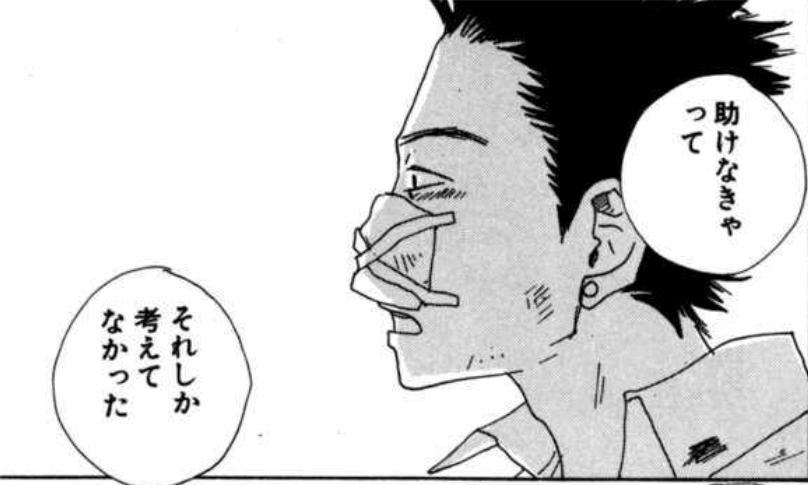
The scene in which Komatsu's bravery can be seen. The lines express the feeling of Komatsu who is working hard.
Until now, Komatsu was embarrassed to say what he felt in his heart, and he thought he would be attracted by the other person. However, learning from Kobashi, he learned to say what he thought honestly. When Yoji and Ota were having a fistfight, it was in his heart that he had to help Ota. Ota said to Komatsu, "Don't come in, though you are weak," but Komatsu told Ota, "I was really. I saw that Ota. was about to be hit, so I had to help him. I didn't think at all about whether I was weak or. I was going to be hit." These words really touched Ota's heart. Even though Komatsu was beaten by Boko and looked ugly, Ota was able to feel Komatsu's gentle heart.
Scene where Komatsu confesses to Ota
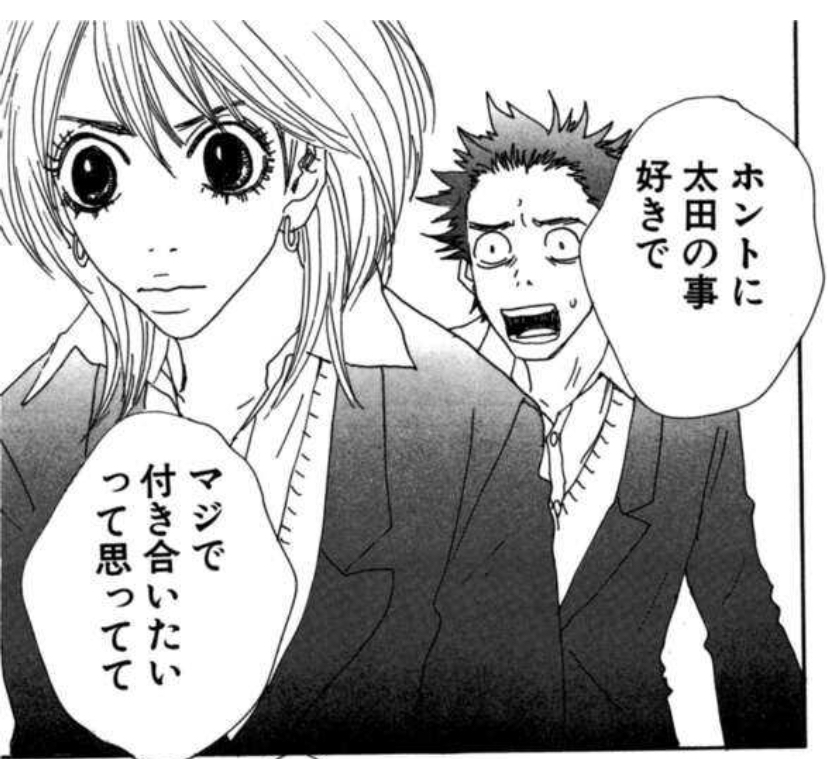
Encouraged by the words of his part-time colleague's colleague, "I'm glad I had the courage to confess," Komatsu confesses to Ota at school. He says to his face, "Please go out with me," but Ota stares at him. Komatsu regrets his quick confession and decides to run away. But Komatsu thinks it's the same as before, so he follows Ota's back and looks at Ota, saying, "I really like Ota and really want to go out with her. I thought I might get angry, but if I give up anyway, I'll at least have my true feelings."
This is a scene in which Komatsu broke through his previous shell and showed courage. He did not listen to the feelings of the other person and was afraid to run away. He reassessed his past self, and instead of running away from Ota, he ran after him. This is a good mental attitude not only when confessing to someone, but also when telling someone something important.
"Hana to Mitsubachi" (Flowers and Bees): Behind-the-Scenes Stories, Trivia, Small Stories / Episodes and Anecdotes
Meaning of the title in the story
The theme of this manga is Masao Komatsu's polishing of men. He learns from the Oni sisters about his hair style, clothes, and even how to deal with girls. It is hard to guess that this is a simple story of a boy growing up just by looking at the title "Hana to Mitsubachi." However, the fundamental part of this story is the relationship between a man and a woman. The relationship between Komatsu, who is struggling to figure out how to be popular, how to get rid of a woman, and what kind of creature a woman is, and Ota, who is looking for a man who will take care of him, is truly "Hana to Mitsubachi." Komatsu is a "Hana" who is looking for a bee that will stop at him, and he is struggling to become a more beautiful flower. Ota, on the other hand, is a "Hachi" who is looking for a flower that will contain loneliness and give him sweet honey. This appears in the manga as well. There is a scene ota, there is a scene in the rain where Komatsu thinks, "Women are flying. They are like bees crowding around men. They receive as much honey as they want. They stop at the flowers they like. They fly to the flowers they like. Even though they are bees, they say to the flowers,' Bring honey.'" At this point, Komatsu realizes that he was being swayed. Yasuno expressed this distorted relationship between men and women simply as "Hana to Mitsubachi." If you read the manga, you will understand the meaning of the title.
Postscript comic is included at the end of each book.

Related Articles
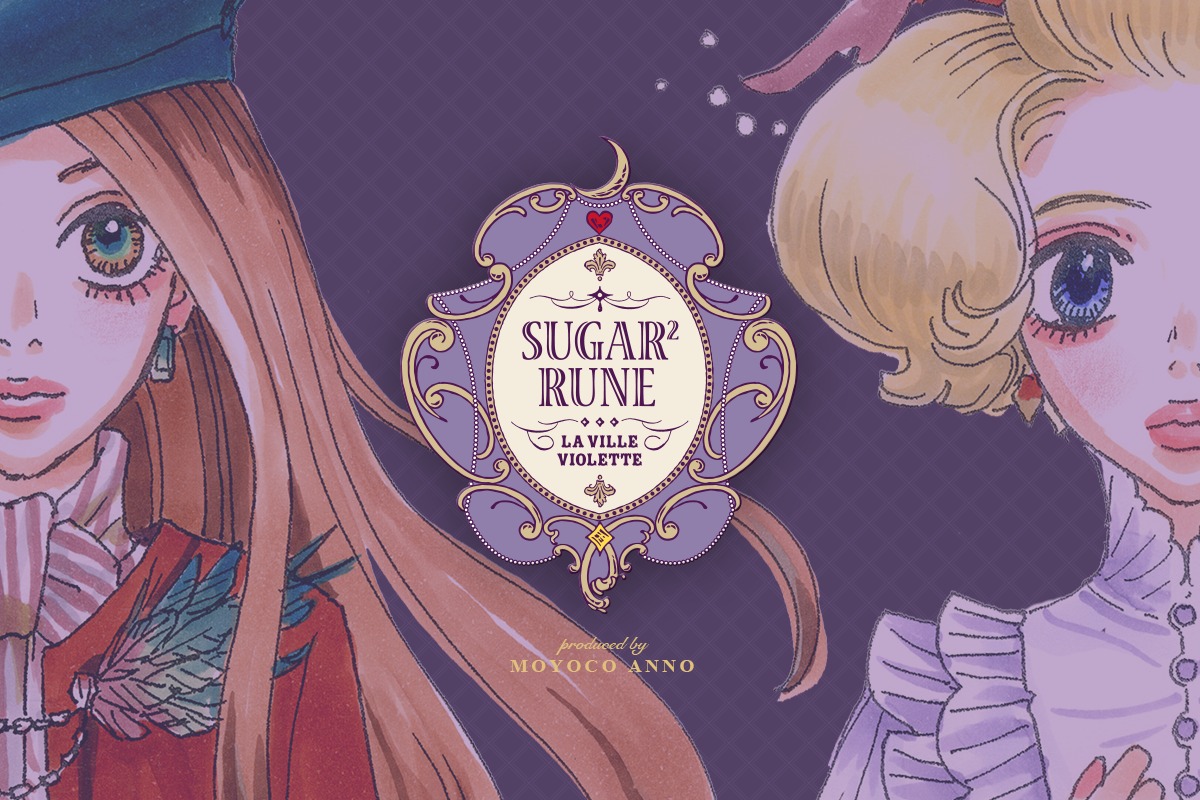
Spoiler commentary and discussion of Shugasugarun (manga and anime)
Shugasugarun" is a girls' manga by Moyoco Anno that ran in "Nakayoshi" magazine from 2003 to 2007, and an anime based on it. Chocolat-Mayeur and Vanilla-Mu, witches who are candidates for the next queen, have come to the human world from the demon world made of sweets for the queen exam. They compete over the human heart, which crystallizes their feelings, to see who is more suitable to be queen. Soon, the demon world is in a pinch because of a battle with the rival Ogle. The two rivals and best friends fantastically depict their friendship and where their love goes. This work won the 29th Kodansha Manga Award in the children's category.
Read Article
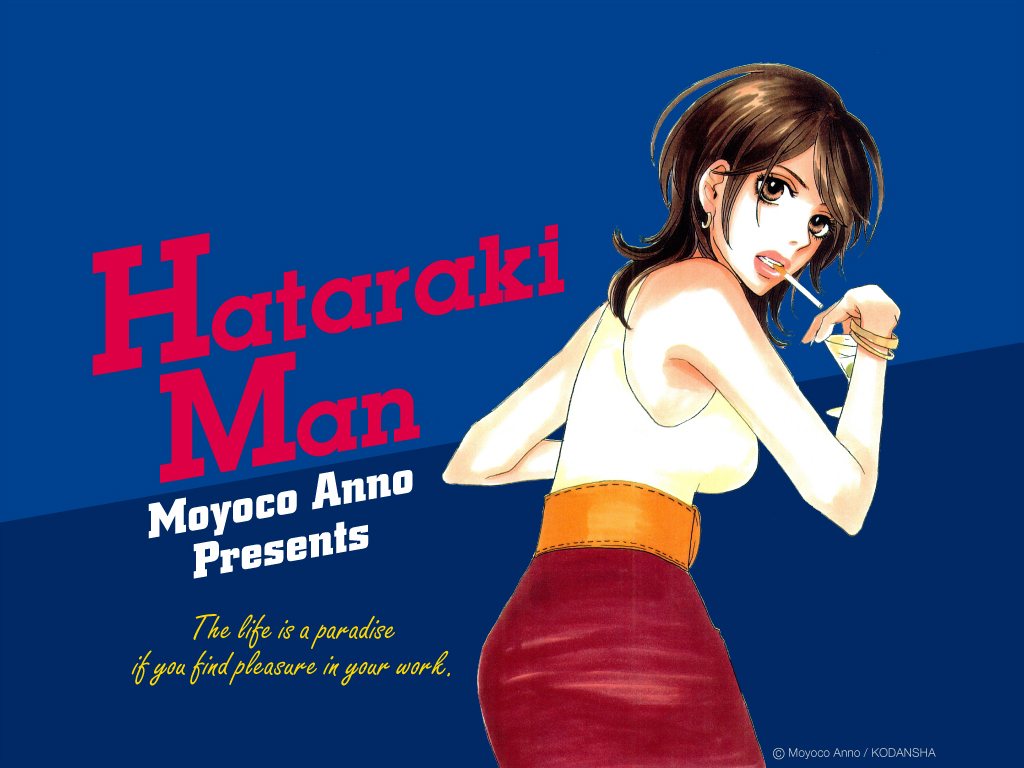
Spoiler commentary and discussion of Working Man (manga, anime, drama)
Working Man" is a work manga by Moyoco Anno that began serialization in Kodansha's "Morning" in 2004 and ran until 2008. Hiroko Matsukata, a female editor of the magazine "JIDAI," is 28 years old and single. She struggles day and night with her boss, colleagues, and junior staff to create a "good magazine. Once she gets into work mode, she forgets about sleep and food and prioritizes work over her boyfriend. The story was adapted into an anime in 2006 and a TV drama in 2007. The drama starred Miho Kanno.
Read Article
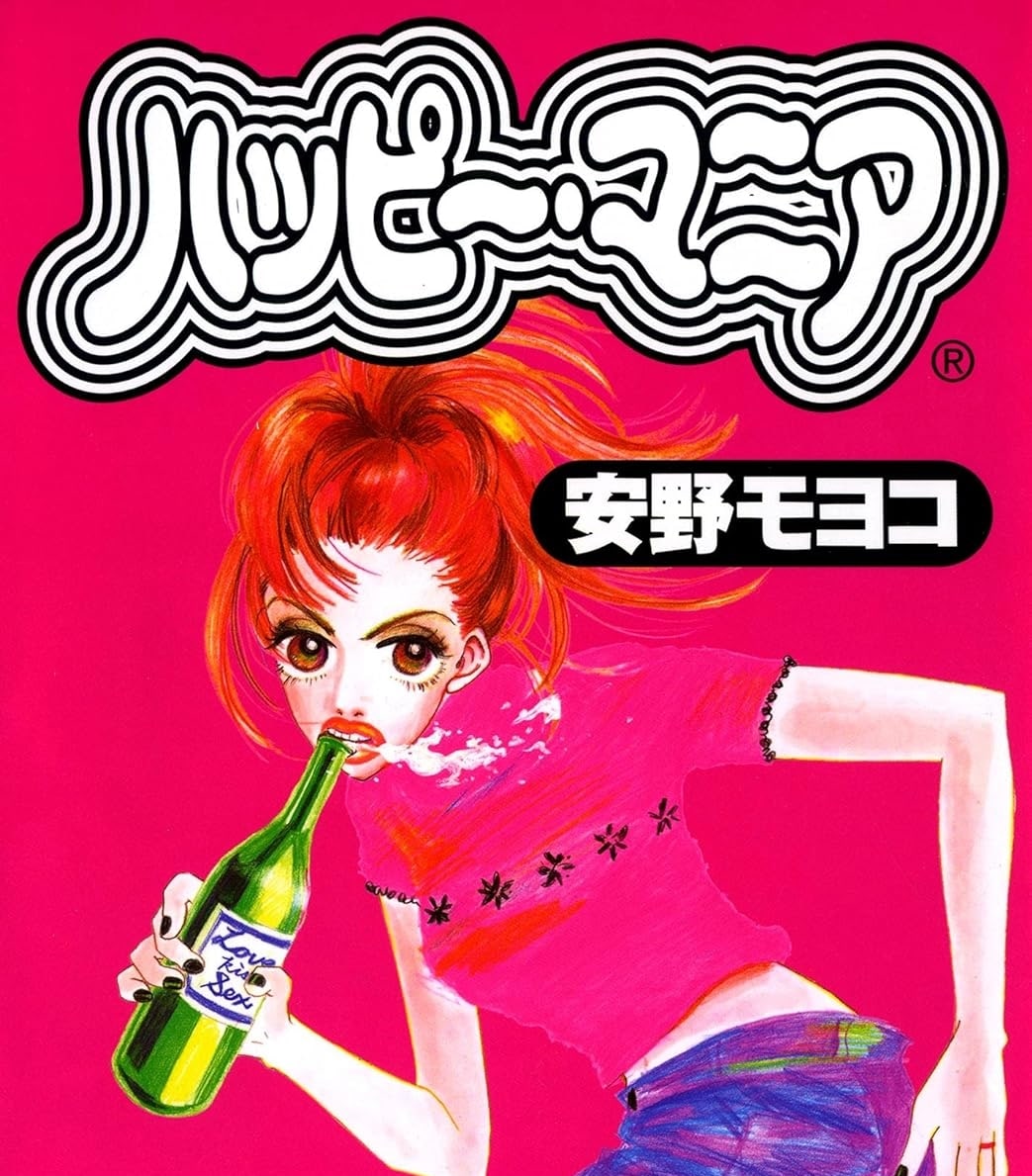
Happy Mania (Moyoco Anno) Spoilers and Discussion Summary
Happy Mania" is a manga serialized by Moyoco Anno in FEEL YOUNG since 1995, and a drama work based on it; a sequel, "Later Happy Mania," was released in 2017, followed by the serialization of the manga. The story follows Shigekayo (Shigeta Kayoko), a maverick protagonist who is on a quest to find her ideal lover, and how she "searches for happiness" while repeatedly going out with and breaking up with men. The film is a frank and honest account of a girl's true feelings about love and sex. Shigekayo's recovery from her many painful encounters is both funny and charming in this romantic comedy.
Read Article
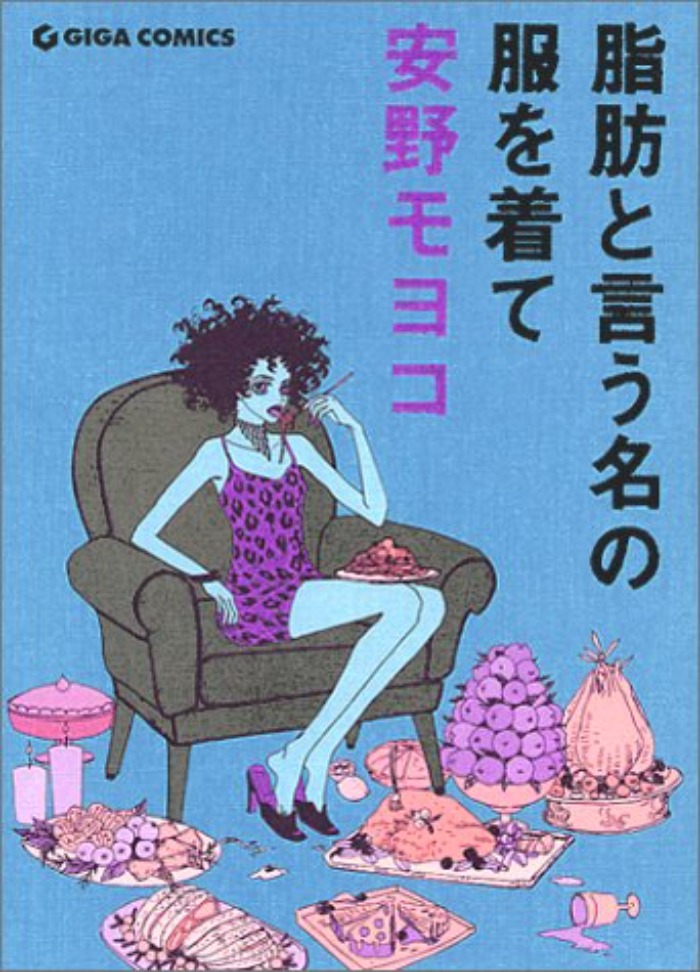
Wearing a Dress Named Fat (You Have to Be Skinny!) Spoiler commentary and discussion summary of
Wearing Clothes Named Fat" is a manga by Moyoco Anno about overeating and dieting, serialized in Shukan Josei from June 1996 to September 1997. The title of the manga was changed from "Yase ni mo Dame! when it was serialized, and was changed when it was published in book form. An obese office worker, Noko, who lacks self-confidence and finds comfort in eating, falls into overeating because her boyfriend is cheating on her. With a large sum of money given to her by a mysterious "fatty elder" she met at a phone club, she goes to an esthetic salon and loses weight. This problematic film depicts the dark side of women's hearts, questioning what beauty is.
Read Article
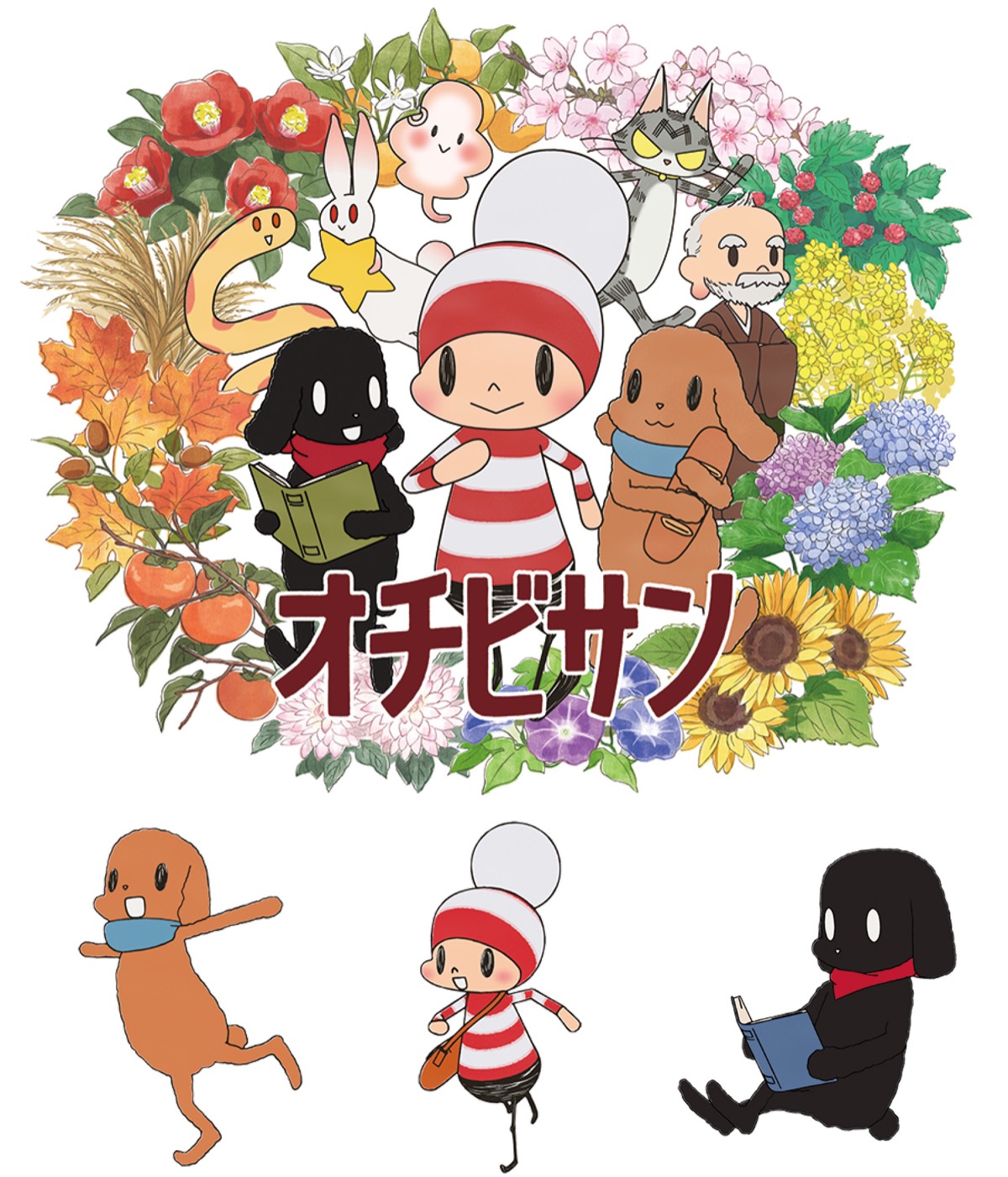
Spoiler commentary and discussion of Ochibisan (Moyoco Anno)
Ochibisan" is a full-color manga by Moyoco Anno depicting the daily life of the main character, Ochibisan, from season to season, with one-page storylines for each episode. It was serialized in Asahi Shimbun from April 2007 to March 2014, and transferred to AERA (Asahi Shimbun Publications) from April 2014 to December 2019. The book is in 10 volumes. The heartwarming story of Ochibisan and his friends and his watercolor drawings became popular. It became a picture book, was made into an animated TV series, and was even shown on a video distribution site.
Read Article
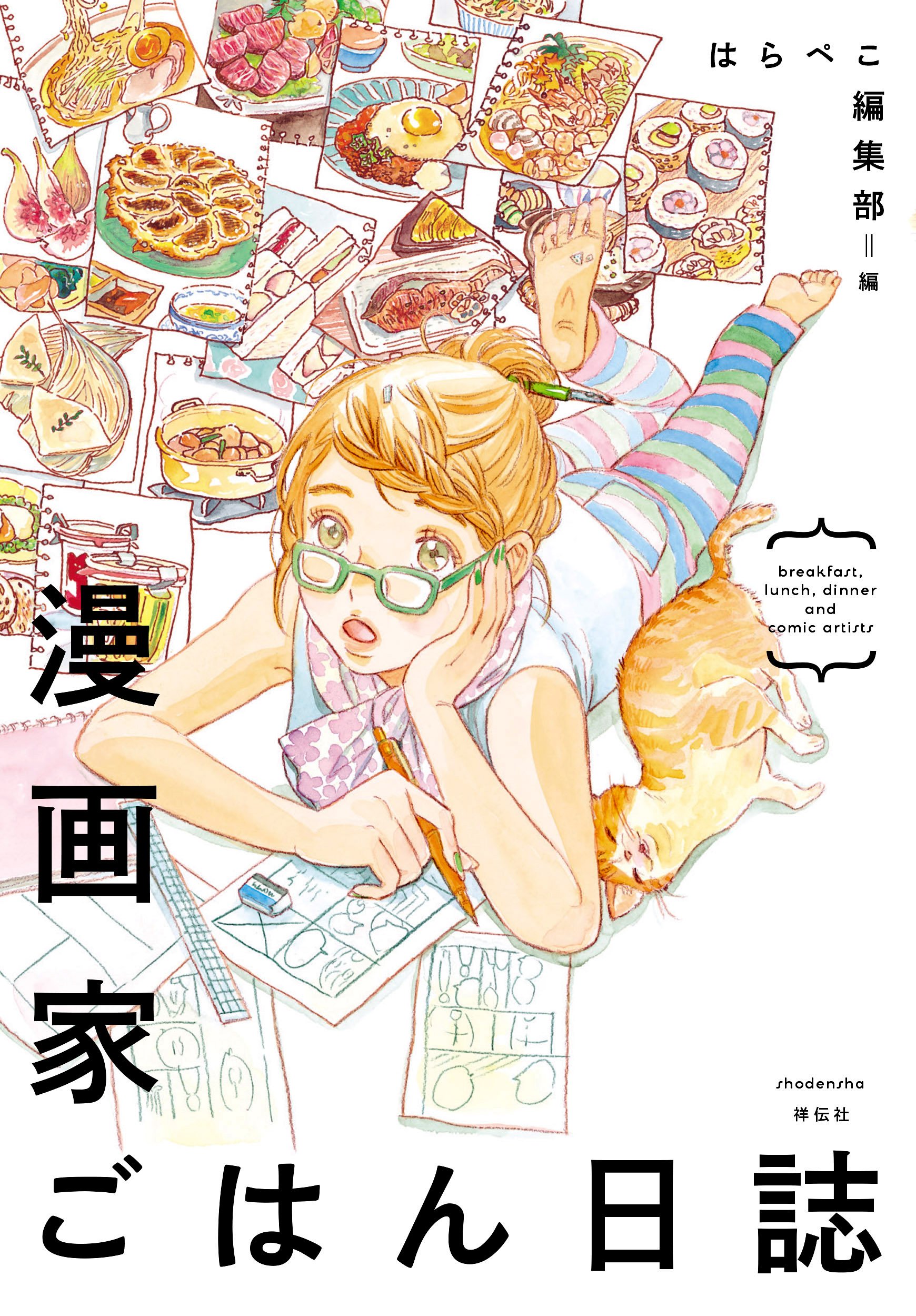
Spoiler commentary and discussion of Manga Gohan Nisshi (manga).
Manga-ka Gohan Nisshi" is a comic book featuring 50 cartoonists' episodic drawings about their own food. It was published by Shodensha on May 8, 2015. Each of the 52 manga artists draws two pages in a rough style about the food they eat on a daily basis and the manga artist's thoughts on food. It is a book that provides an insight into the daily eating habits of popular manga artists and a chance to think about what food is all about.
Read Article
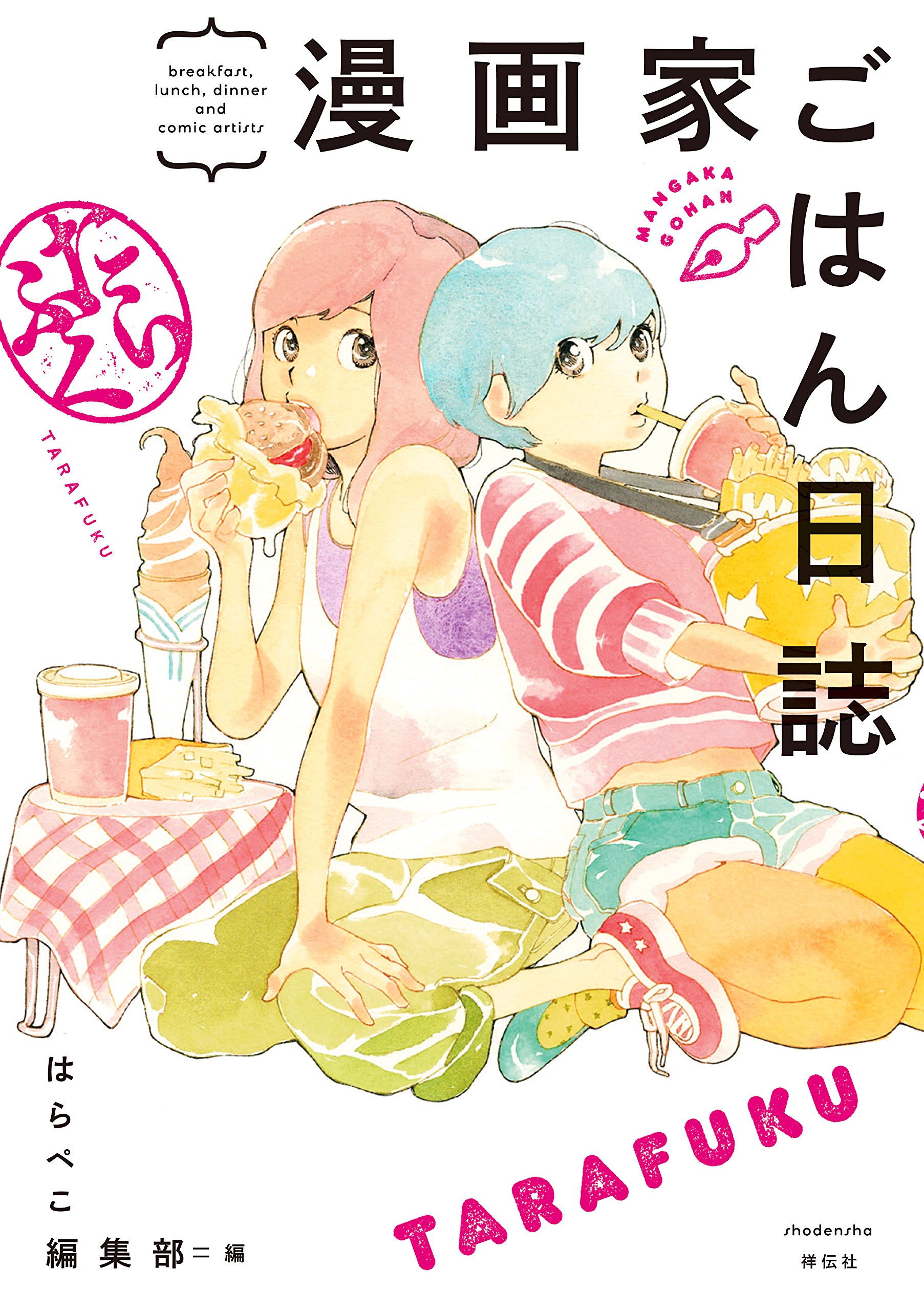
Manga Gohan Nisshi Tarafuku (Manga) Spoiler Commentary and Discussion Summary
Manga-ka Gohan Nisshi Tarafuku" is a comic book featuring cartoons drawn by 50 cartoonists based on their own episodes about food. Each of the 50 cartoonists draws two pages in a rough style, describing the food they eat on a daily basis and their own thoughts on food. The second half of the book contains a special interview and a special dialogue. It is a book that gives readers an insight into what the popular manga artist eats on a daily basis, and furthermore, it is a work that encourages readers to think about what food is all about. This book is a sequel to "Manga-ka Gohan Nisshi" published in May 2015.
Read Article
A compilation of handsome shoujo manga with cute fashion that I want to imitate [all in color!
There are manga in which the characters are very fashionable ♡ I want to imitate them at least once. We have compiled a list of manga with cute fashion.
Read Article
A collection of mugshots and images of female manga artists! Amazingly beautiful real faces of Hikaru Nakamura, Ami Shibata, and others!
Compared to actors and voice actors, manga artists are rarely seen on the stage. The opportunity for female manga artists in particular to make an appearance is rare, and people who see them on the Internet are often surprised by their beauty. This article will focus on the "particularly beautiful and attractive" women who are not often seen in the limelight. This article introduces female cartoonists who are popular among fans for being "especially beautiful" and their famous works.
Read Article
Tags
Contents
- Overview of "Hana to Mitsubachi"
- Outline and story of "Hana to Mitsubachi"
- A step toward becoming a man of love
- Battle of Komatsu and Yamada
- How to learn from your father
- Love between Komatsu and Ota
- Characters in "Hana to Mitsubachi"
- Main Characters
- Komatsu Masao
- Sakura Ota
- Komatsu Associates
- Yamada
- Hiromi Nagasawa
- Ota's ex-boyfriend
- Yoji
- Endo
- Men Beauty Salon "Handsome World"
- Harumi Sakurai
- キヨコ SAKURAI (Kiyoko)
- Other Characters
- Kobashi
- Noriko KITAMURA
- Term for "flowers and bees"
- Handsome World
- Ota Gundan (Ota Corps)
- Words, lines, scenes, and scenes from "Hana to Mitsubachi"
- Beauty salon staff: "The important thing is your own mind that you have chosen something good!"
- Kobashi: "And. if something happens, I will help you and take good care of you. Before you know it, it has become' indispensable' to women."
- Masao Komatsu "A while ago, I was really. thinking that I had to help Ota when he was about to get hit. I didn't think at all that I was weak or that he would get hit or anything."
- Scene where Komatsu confesses to Ota
- "Hana to Mitsubachi" (Flowers and Bees): Behind-the-Scenes Stories, Trivia, Small Stories / Episodes and Anecdotes
- Meaning of the title in the story
- Postscript comic is included at the end of each book.
- Moyoco Anno's Best Scene 10