
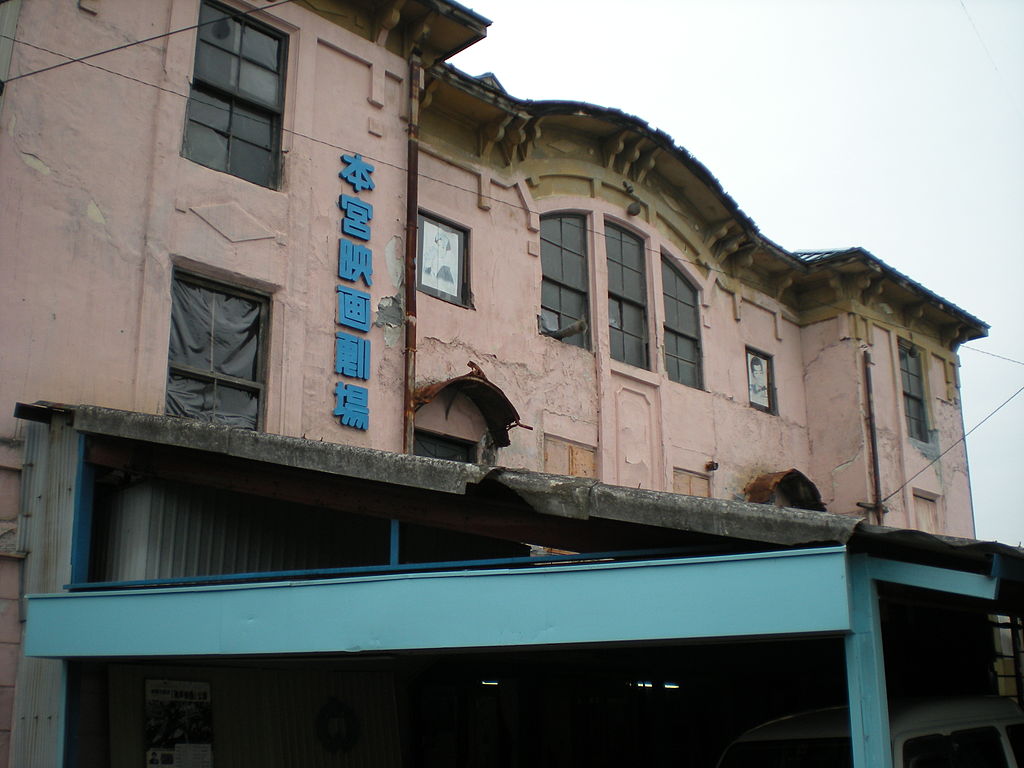
Movies were one of the greatest forms of entertainment in post-World War II Japan. People visited movie theaters all over the country and had a good time. After the war, the number of movie theaters nationwide peaked at nearly 7,500, but by the 1990s that number had dropped below 2,000. In recent years, cinema complexes (multiplexes) with multiple screens have been taking over, and the good old movie theaters are closing one by one.
This article introduces a selection of movie theaters, cinemas, and mini-theaters that continue to operate in the face of such headwinds, and that evoke a sense of Taisho retro and Showa nostalgia.
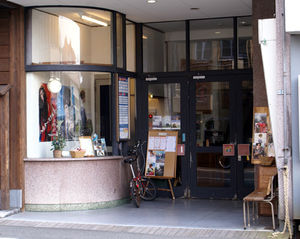
Source: harunoumi.blog.so-net.ne.jp
Cinema Onomichi
Postal Code 722-0036
6-2 Higashi Gosho-machi, Onomichi, Hiroshima, Japan
Seating capacity: 112
Access: 1 minute walk from JR Onomichi Station
In September 2004, a group to build a movie theater in Onomichi was established. As part of its activities, the group holds a voluntary screening once every two months. To date, a total of 8,500 people have attended 15 screenings.
Official website
http://blog.livedoor.jp/seijun_kawamoto/
16. Kokura Showa Museum (Kitakyushu City, Fukuoka Prefecture)
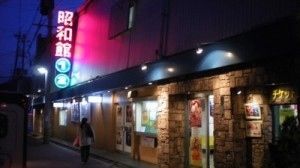
Source: blog.goo.ne.jp
Kokura Showa-kan
Postal Code 802-0006
4-2-9 Uomachi, Kokurakita-ku, Kitakyushu-shi, Fukuoka
Capacity: 370 people (total of two buildings)
Access: 1 minute walk from Tangae Station on the Kitakyushu Monorail Kokura Line
The theater consists of two theaters, Showa-kan 1 and Showa-kan 2, and has the characteristics of both a mini-theater and a famous movie theater, with double feature screenings as its basic concept. (Source: Wikipedia)
Official website
http://goo.gl/mM2mN
17. Motowatari Daiichi Eigeki (Amakusa City, Kumamoto)
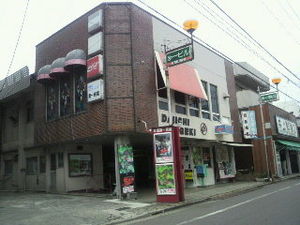
Source: rkk.jp
Hondo Daiichi Eigekijo
863-0022, Japan
5-23 Sakae-cho, Amakusa City, Kumamoto Prefecture
Seating capacity: 116
Access: 4 minutes walk from Hondo Bus Center
It has been five and a half years since it opened in Hondo City, where there were four movie theaters in the 1930s but only one in the 1950s, by renting the closed Daiichi Eigekijo. They are doing their best while struggling.
Asahi Shimbun Digital:Kazunori Kakihisa (Representative of Hondo Daiichi Eigeki) http://goo.gl/6vOy0
Official website
http://daiichieigeki.iinaa.net/
18. Cinemasite (Nagoya City, Aichi Prefecture)
Source: ja.wikipedia.org
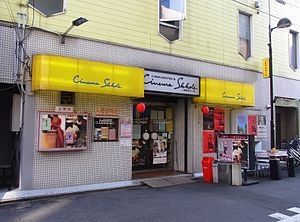
Cinemascore
Nagoya, Aichi 453-0015, Japan
Art Bldg. 1F, 8-12, Tsubaki-cho, Nakamura-ku, Nagoya, Aichi, Japan
Access: 2 min. walk west from JR Nagoya Station Taiko-guchi Dori Exit
Number of seats: 51
The owner is Koji Wakamatsu, who is also a film director, and it opened in February 1983. He created the theater to "provide a venue" for young filmmakers who wanted to make the kind of films they wanted to make, but found it difficult to screen them in theaters that realistically distribute major films. (Source: Wikipedia)
Official website
http://www.cinemaskhole.co.jp/
若松孝二監督よりの提言:文化庁は映画製作に助成金を出す必要はない、製作に金を出してもろくな映画はできやしない。それより苦労しているミニシアターに助成金を出すべきだ。映画をいくら作ったってかける劇場がなければ始まらない! 拡散希望!!
— 若松プロダクション (@wakamatsu_koji) April 25, 2012

Contents
- Introduction.
- 1. Hongu Film Theater (Motomiya City, Fukushima-ken)
- 2. Waseda Shochiku (Shinjuku-ku, Tokyo)
- 3. Ginrei Hall (Shinjuku Ward, Tokyo)
- 4. Shin Bungeiza (Toshima City, Tokyo Prefecture)
- 5. Ginza Cine Patous (Ginza Tokyo)
- 6. Kawagoe Scalaza Theater (Kawagoe City, Saitama Prefecture)
- 7. Cinema Jack & Betty (Yokohama City, Kanagawa Prefecture)
- 8. Teator Isawa (Fuefuki City, Yamanashi Pref.)
- 9. Nishio Theater (Nishio City, Aichi Prefecture)
- 10. Higashiza (Shiojiri City, Nagano Prefecture)
- 11. Palcinema Shinkoen (Kobe City, Hyogo Prefecture)
- 12. Shinsekai Kokusai Theater (Naniwa Ward, Osaka-shi)
- 13. The 7th Arts Theater (Osaka City, Osaka Prefecture)
- 14. Salon Cinema (Naka Ward, Hiroshima City)
- 15. Cinema Onomichi (Onomichi City, Hiroshima Prefecture)
- 16. Kokura Showa Museum (Kitakyushu City, Fukuoka Prefecture)
- 17. Motowatari Daiichi Eigeki (Amakusa City, Kumamoto)
- 18. Cinemasite (Nagoya City, Aichi Prefecture)