
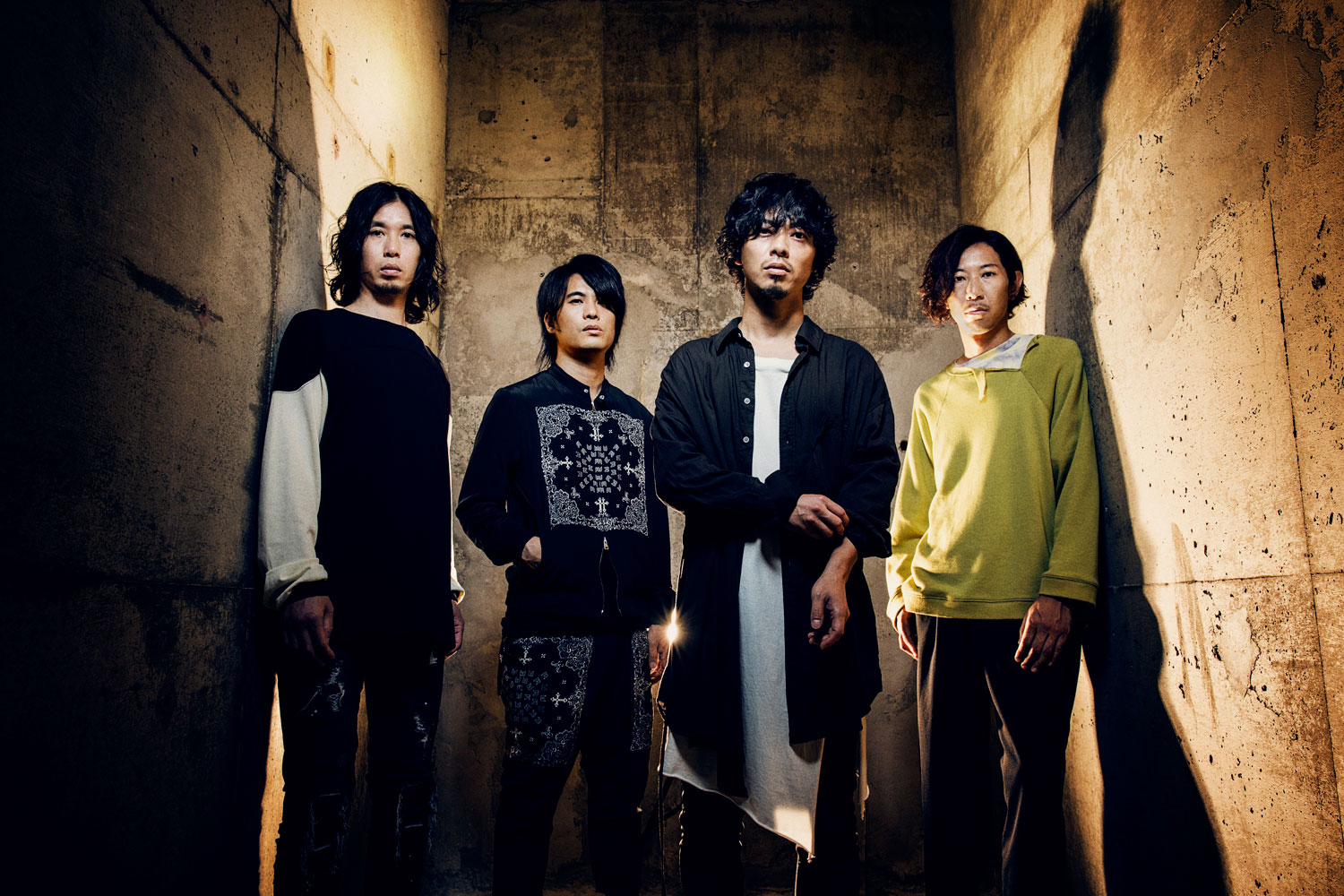
THE BACK HORN is a rock band formed in 1998.
The band made its indie debut in 1999 with the album "Where Are You Going?" and made its major label debut in 2001 with the single "Sunny".
Since their debut, the band has been actively releasing albums every year, touring with them, and performing at rock festivals throughout Japan. 2018 marks the 20th anniversary of the band's formation, and they will be performing at the Nippon Budokan on the last day of their nationwide tour to commemorate the anniversary. The band has become an indispensable part of the rock scene as one of the best live bands in Japan.
Guitarist.
Date of birth: October 16, 1979
He was born in Sukagawa City, Fukushima.
Commonly known as' Yojun' or' Eijun.'
He wrote lyrics and music for The Back Horn songs the most among the members.
He is also active as a YouTuber, and he broadcasts live and explains The Back Horn songs on his YouTube channel "Sugachanneru You".
Koshu Okamine
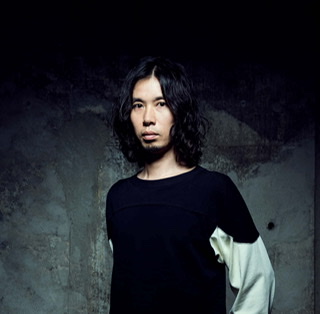
In charge of bass.
Date of birth: October 14, 1979
Common names:' Okami,'' 光舟' and' 岡峰.'
He was born in Fukuyama City
After the withdrawal of Hirabayashi Naomi, who was a bass player until 2001, he joined The Back Horn as a support member. After working as a support member for about two years, he became a regular member in December 2002.
He is highly regarded as a bassist and has been on the cover of the music magazine "Base Magazine" many times.
Shinji MATSUDA

In charge of drums.
Date of birth May 24, 1978
He was from Hanawa-machi, Higashishirakawa-gun, Fukushima.
Leader of the band, commonly known as "Matsu"
He will be the main MC at the live concert.
All members are also acting as drummers for the Fukushima-born band "Lake Inawashiro's." On March 20, 2011, he released "I love you & I need you Fukushima" as a reconstruction song for Fukushima Prefecture, which was severely damaged by the Great East Japan Earthquake. He also participated in the "Red and White Singing Contest" that year to encourage many victims.
Former member
Naoki Hirabayashi
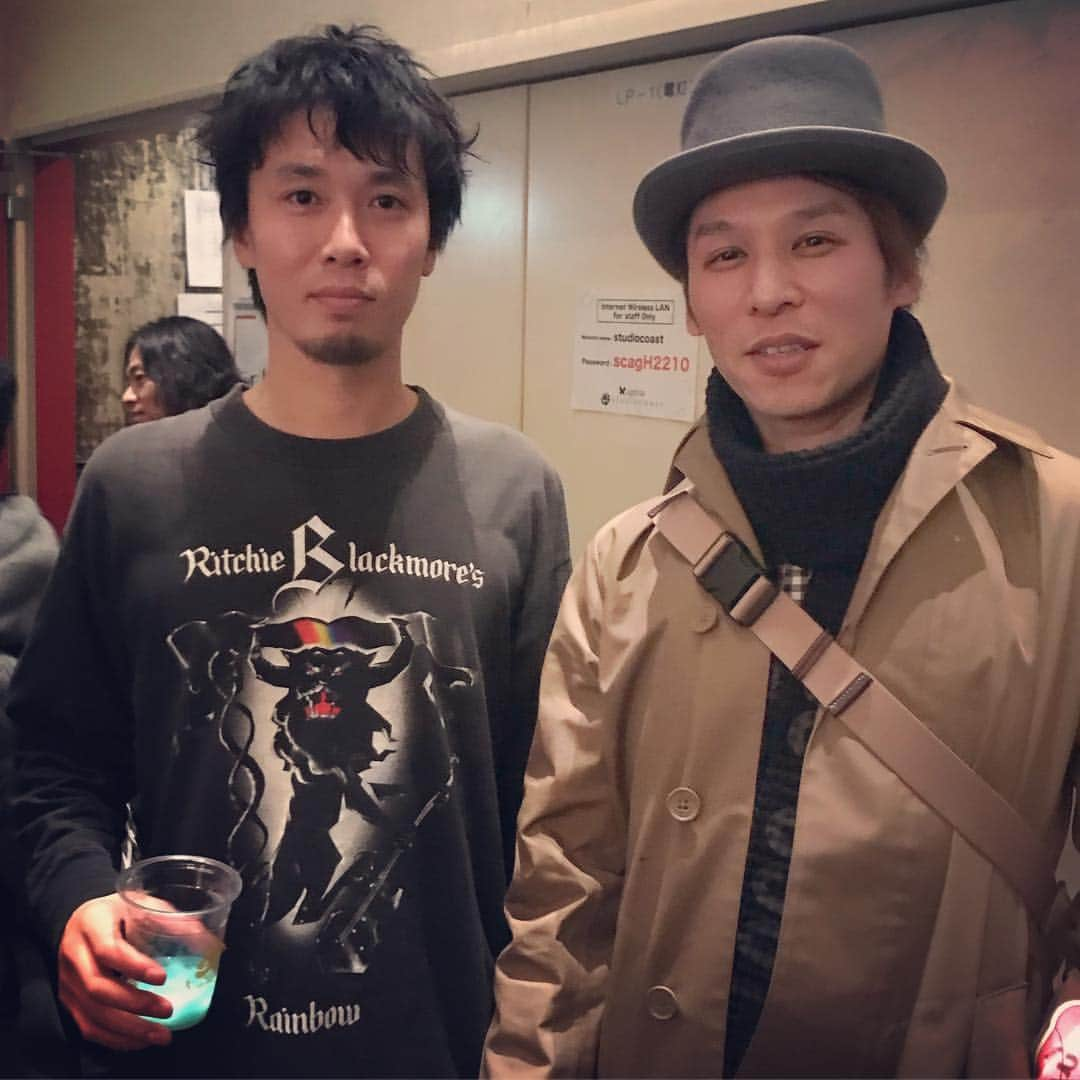
On the right is Hirabayashi.
Born in 1979.
In charge of bass.
He withdrew from the band on February 23, 2001, because he said,' It is difficult to use all of my time for band activities.'
After leaving the group, he worked as a photographer.
The Back Horn discography
Indie singles
1st "Balloon"
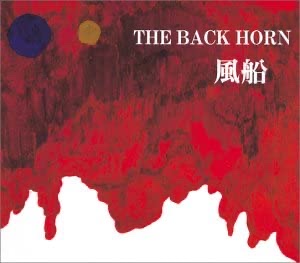
The only single in the indie period.
Despite being more than 20 years old, all three songs are popular with fans.
The word' 桜雪' does not actually exist; it is a coined word.
1) Balloons
2. Zakuro
3. 桜雪
Indie album
1st "Where to go"
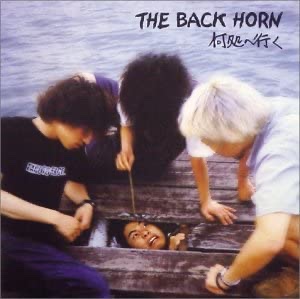
This is The Back Horn's first sound production, and because of the lack of performance techniques and recording equipment, the overall harshness remains, but it becomes the "flavor" and has a unique presence among The Back Horn's works. (Vo) Shoji Yamada's outspoken and powerful singing voice and (Gt) Kanba Yoshizumi's songwriting have been fully demonstrated since around this time. The third song "Winter Milk" is still a popular song that is often played live.
1. Pink soda
2. Crow
3. Winter milk
4. Torpedo
5. Praying for rain
6. Mysterious Clouds
7. Late autumn
8. Where are you going?
2nd "Rebirth Yang"
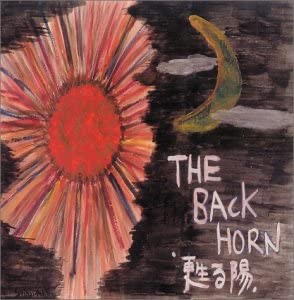
"Ikiru Yo," the last indie piece, is easier to listen to than "Doko ni ikiru" because it is less rough than "Doko ni ikiru" due to improved performance skills. It includes the popular encore song "Infinite Wilderness" and "Shinsekai" with a rap (commonly known as "Matsu Rap") by Dr. Shinji Matsuda.
1. Circus
2) Running hills
3. New World
4. Limousine Drive
5. Infinite Wilderness
6. Rising Sun
7. Sora Akane
8. Monologue
9) Farewell to that day
10. Crying people
Major singles

Related Articles
The Power of Song" Ten songs to listen to when you want to cry.
Work, relationships, family matters, etc... When things just don't work out, you want to cry, don't you? When that happens, don't hold back and cry! Here are 10 recommended Japanese music songs to help you cry.
Read Article

The Power of Song" Ten Cheering Songs for Life
We all have times when we want to move forward but struggle in pain. It is embarrassing to put it into words, but when you put it into music, you can say it! In this issue, we will introduce 10 Japanese cheer songs that will push you forward.
Read Article
Tags
Contents
- The Back Horn Overview
- History of The Back Horn activities
- Flow of events leading up to the formation of The Back Horn
- Indie age
- From 2001 to 2004, the current system was established.
- 2005 - 2008: The Nippon Budokan was held for the first time to commemorate the 10th anniversary of its formation.
- 2009 - 2013: Dedicated to recovery from the Great East Japan Earthquake
- 2014 - 2018: Held the third performance at Nippon Budokan to commemorate the 20th anniversary of its formation.
- From 2019 to 2020, due to the impact of the novel coronavirus, band activities changed.
- The Back Horn squad
- Members
- Shoji Yamada
- Yoshizumi SUGANAMI
- Koshu Okamine
- Shinji MATSUDA
- Former member
- Naoki Hirabayashi
- The Back Horn discography
- Indie singles
- 1st "Balloon"
- Indie album
- 1st "Where to go"
- 2nd "Rebirth Yang"
- Major singles
- 1st "Sunny"
- 2nd "Night of the Sky, the Stars and the Sea"
- 3rd "Under the World Tree"
- 4th "When Tears Fall"
- 5th "Mirai"
- 6th "Crystal of Light"
- 7th "Lifeline"
- 8th "Yume no Hana"
- 9th "Cobalt Blue"
- 10th "Kizuna Song"
- 11th "Black Hole Birthday"
- 12th "First Breath"
- 13th "Chaos Diver"
- 14th "Voice"
- 15th "Beautiful Name"
- 16th "Trap"
- 17th "Awakening"
- 18th "Fighting You"
- 19th "Closed World"
- 20th "Sirius"
- 21st "Battle Ima"
- 22nd "Symmetry / Kowaremono"
- 23rd "The Bad Guy / Beyond"
- 24th "With You"
- 25th "You Are Waiting"
- 26th "Connecting Loneliness"
- Digital Single "Flowers for the World"
- Major album
- 1st "Human Program"
- 2nd "Heart Orchestra"
- 3rd "Ikirosaino"
- 4th "Headphone Children"
- 5th "Life in the Sun"
- 6th "The Back Horn"
- 7th "Pulse"
- 8th "Asylum"
- 9th "Livesquall"
- 10th "Akatsuki no Fanfare"
- 11th "Destiny Flowering"
- 12th "Carpe Diem"
- 1st mini album "Scenery Thief"
- The Back Horn's signature songs and music videos (MV/PV)
- First breath.
- You're waiting.
- Ruri Canvas
- At the end of the world
- Winter milk
- Cobalt blue
- ハナレバナレ
- Until the heart stops.
- Trap
- Words and Remarks of The Back Horn
- (Dr.) Shinji Matsuda says, "I listened to this album, okay! I think I'll walk tomorrow too." It's really something like that. "Confess!" or "Tell me you're quitting the company." (Laughter) That's not what I mean. That's what we do, too. "It's raining and it's damp, so maybe I'll listen to some crisp music" or "It's surprisingly good to listen to summer music in the middle of winter." I think that's all we can do, but that's what we can do best.
- (Dr.) Shinji Matsuda: "I think there are many forms of music, but rather than listening to just one song, I want people to listen to the album, and rather than listening to just one album, I want people to listen to the artist. If it's a band, I think it's fun to listen to it in such a way that you can even worry about the history of the band. There's a more wonderful world on the other side of that song, so if you like one song, you can at least listen to the album and be surprised and say,' This world has been waiting for you.'"
- (Vo) Shoji Yamada: "We'll be on the stage all the time, Buckhorn will be on the stage all the time. It's not always good, but come and do it again like," Wow! "" "
- (Gt) Kanpa: "Music doesn't make you feel bloated. It doesn't revive people's lives. But I think playing music is a flexible way of fighting in that sense."
- The Back Horn's Inside Stories, Trivia, and Small Stories / Episodes and Anecdotes
- Repaying Shibusawa's Debt
- The original band name was' GYORAI.'