

David Bowie was a rock musician active from the 1970s until shortly before his death in 2016.From the glam rock of the 1970s, Bowie experimented and reformed his musical style many times and had a major impact on the rock scene in the second half of the 20th century. Many musicians have been influenced by Bowie, including Robert Smith of The Cure.
He is also famous for introducing deep philosophical reflection into rock songs, which until then often had rather simple lyrics.
Tin Machine

In 1989, Bowie temporarily stops playing solo and becomes a member of a four member rock group called Tin Machine.
Although the album Tin Machine was criticized by critics for its political message and minimalist melody line, its first tour was a success. Its popularity gradually waned, and Tin Machine disbanded in 1991.
Activity and sudden death in the 2000s

He continued to release several albums into the 1990s and 2000s, received a Grammy Award for his overall music career in 2006, and declared a year off, but continued his music career, performing at Alicia Key's concerts and working with Scarlett Johansson to create a cover album for Tom Waits.
In 2013, he released his new album, Next Day, which was hailed by critics as a massive comeback, Bowie Alive and Well, and continued to flourish.
He died of liver cancer on January 10, 2016, only two days after releasing his last album, Black Star, on his 69th birthday.
With this album, Bowie once again created another Al-Tah ego: Lazarus.
Lazarus was the rebirth of Christ. Bowie already knew that he had liver cancer and a short future. He expressed himself as Lazarus, free from the suffering of illness and free.
He had been diagnosed with liver cancer for a year and a half, but the diagnosis had not been made public. He had worked with the off-Broadway musical "Lazarus," but reportedly was unable to come to the rehearsal due to illness, but he did not stop his musical activities until just before his death.
突然の復活と死
2013年1月8日、ボウイの66歳の誕生日に、新曲「 Where Are We Now?」と新作アルバム『The Next Day』をリリース。このアルバムは批評家たちが、大々的なカムバック、ボウイ健在と絶賛した。その後も盛んな活動をつづけた。シングルカットされた同曲は、iTunes ランキングで27カ国1位になった。
2015年にはボウイ主演の映画『地球に落ちてきた男』が舞台化され、新曲と過去の曲を再構築する全面プロデュースを担当することが発表された。また、9月に新アルバム『Blackstar』を発表。発売日は2016年1月8日の69歳の誕生日となり、タイトル曲は10分以上の大作になると知らされた。
11月にはアルバムの正式表記が「★」となり、アルバムジャケットも発表された。
しかし2016年1月10日、肝臓がんでボウイの死亡が伝えられた。僅か2日前の誕生日に最後のアルバム『ブラック・スター』をリリースしたばかりだった。
このアルバムで、ボウイはまたもやもう一人のアルターエゴを作り出した。ラザルスである。
ラザルスはキリストが再生させた人物である。ボウイはすでに肝臓がんで先が短いことを知っていた。病の苦しみから解放され、自由になる自分をラザルスとして表現したのだ。
1年半前から肝臓がんは診断されていたが、発表はされていなかった。オフ・ブロードウェイのミュージカル『ラザルス』に協力していたが、病気のためリハーサルには来られなかったと伝わっている。それでも亡くなる直前まで音楽活動は止めることはなかったのである。
David Bowie's profile and personality

Bowie was pretty open about the interview, but it's not really clear what kind of person he was in private.
But Dennis Orrigan, who was a cameraman for the Rolling Stones and other rock stars, said, "Bowie was a pretty normal guy behind the scenes." Drugs and alcohol didn't seem to be that great compared to the Stones or other stars, either. He was a happy star who cared about his friends, especially since the days of Let's Dance.
During White Duke's time, he was a bit of a パラノィック for cocaine abuse, making controversial statements that encouraged the Nazis, but after he stopped abusing drugs, he was a star who really always sought and developed new things.
David Bowie discography

1967 - David Bowie
1969 - Space Oddity
1970 - The Man Who Sold the World
1971 - Hanky Dory
1972 - ズィギー Stardust
1973 - Aladdin Sein
1973 - Pinnaps
1974 - Diamond Dog
1975 - Young Americans
1976 - Station To Station
1977 - Rowe, Heroes
1979 - Roger
1980 - The Schematic Monsters
1983 - Let's dance
1984 - Tonight
1987 - NeVeR Let Me Down
1993 - Black Thai White Noise
1997 - Ersling
1999 - Awards.
2002 - Heizan
2003 - Reality
2013 - The Next Day
2016 - Blackstar
スタジオ・アルバム
『David Bowie』

1967年6月1日発売。
記念すべきデヴィッド・ボウイの第1作アルバム。
デビュー当時、マネージャーは流行っていたボブ・ディランのようなシンガーソングライターのイメージを目指した方向でいくために演奏スタイルも弾き語りのシンガーソングライターのスタイルを通している。
全曲がDavid Bowieによる作詞作曲であり、マネージャーが意図したよりポップな仕上がりになっている。純粋なフォークアルバム。
『スペース・オディティ』

1969年11月14日発売。
デヴィッド・ボウイの第2作アルバム『Space Oddity』。
当時、NASAのアポロ計画が話題を集めており、アルバムもその流れによってヒットした。タイトル曲はBBCなどのアポロ計画特番でテーマ曲のように頻繁にながされシングルとしてもヒットした。
ヒッピー文化に影響されたフォークを主体とした実質David Bowieの原点と言えるようなアルバムであり、ここから派生したと言っても過言ではないアルバム。
『世界を売った男』

1970年11月4日発売。
デヴィッド・ボウイの第3作のアルバム『The Man Who Sold The World』。
前作とは変わりロックの要素を多く取り入れバンドで演奏し始めた3rdアルバム。
のちに大きな右腕的役割を果たすギタリスト、ミック・ロンソンと当時David Bowieと対をなすグラム・ロックのバンドT.REXのプロデューサーであったトニー・ヴィスコンティを迎えて制作したアルバム。グラム・ロック期の始まりとも言えるがまだフォークの要素が残っていると思ったのでフォーク期にいれた。

Related Articles
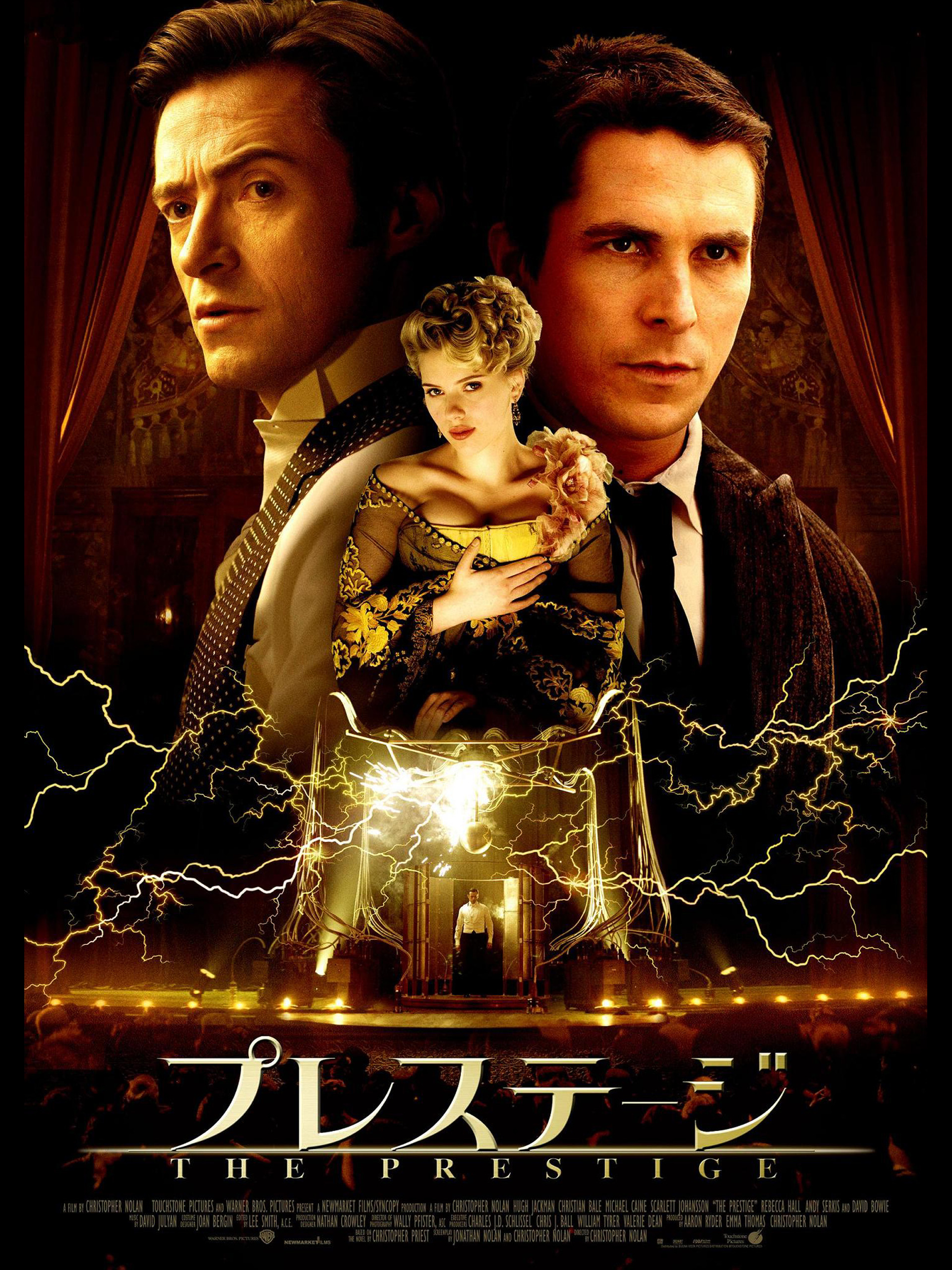
プレステージ(映画)のネタバレ解説・考察まとめ
『プレステージ』とは2006年に公開されたアメリカの映画である。監督はクリストファー・ノーラン。主演をヒュー・ジャックマンとクリスチャン・ベールが務める。第79回アカデミー賞において撮影賞と美術賞にノミネートされた。1995年に発売されたクリストファー・プリースト作の小説『奇術師』が原作となっており、2人の奇術師による因縁の戦いが描かれている。彼らのショーの舞台裏で起きていることを観客は知らない。映画には様々な仕掛けが施されており、人知を超えた世界へと誘われていく。
Read Article

Summary of entertainers and celebrities who died in 2016 [David Bowie].
Here we have compiled a list of celebrities and entertainers who were reported to have passed away in 2016. The list includes well-known deceased people both in Japan and abroad, such as the British musician David Bowie and the great broadcaster Rokusuke Ei.
Read Article
Tags
Contents
- David Bowie Overview
- David Bowie's Career
- From birth to debut
- From debut to 1969
- 1969: "Space Oddity"
- Ziggy Stardust
- Skinny White Devil
- Berliner trilogy
- "Ashes to Ashes" and "ashes to Ashes and Let's Dance
- Tin Machine
- Activity and sudden death in the 2000s
- 突然の復活と死
- David Bowie's profile and personality
- David Bowie discography
- スタジオ・アルバム
- 『David Bowie』
- 『スペース・オディティ』
- 『世界を売った男』
- 『Hunky Dory』
- 『The Rise and Fall of Ziggy Stardust and the Spiders from Mars』
- 『Aladdin Sane』
- 『Pin Ups』
- 『Diamond Dogs』
- 『Young Americans』
- 『Station to Station』
- 『Low』
- 『"Heroes"』
- 『Lodger』
- 『Scary Monsters (and Super Creeps)』
- 『Let's Dance』
- 『Tonight』
- 『Never Let Me Down』
- 『Tin Machine』
- 『Tin Machine II』
- 『Black Tie White Noise』
- 『1.Outside』
- 『Earthling』
- 『Hours...』
- 『Heathen』
- 『Reality』
- 『The Next Day』
- 『★』
- Song by David Bowie
- Space Oddity
- Ziggy Stardust
- Heroes
- Let's Dance
- Eyed Lazer Be High
- Lazarus
- David Bowie's music video (MV/PV)
- 「Absolute Beginners」
- David Bowie Quotes
- As I get older, I have only a few things to think about. How much time do I have left? What should I do with the time left?
- It's better not to believe in yourself. Don't be misled by belief. True knowledge comes from the release of death.
- I was trying to put out the fire with gasoline.
- There is nothing to learn from success. Learning is always when you fail.
- Sometimes an interesting person gains fame, but later mediocrity comes to rest on them.
- I learned a lot about myself and life with drugs. But I don't recommend anyone to use drugs. But you know what? I don't want to behave like an adult, but whatever you say, young people keep using drugs to experiment with life. It depends on how adventurous you want to be. I was at the bottom of the hole, but I know how hard it is to climb out of it.
- A few years ago, I realized that I shouldn't over-explain what I think about various things. But my music expresses it. It really does.
- Anyone can be a hero for one day.
- David Bowie's Inside Stories, Trivia, Small Stories / Episodes and Anecdotes
- The color of the left eye was different from that of the right eye.
- Major Thom's end will be revealed in the Blackstar video.
- 2016年1月10日、デビッド・ボウイの死去に際しDAVID BOWIE FACEBOOKがコメントを発表