
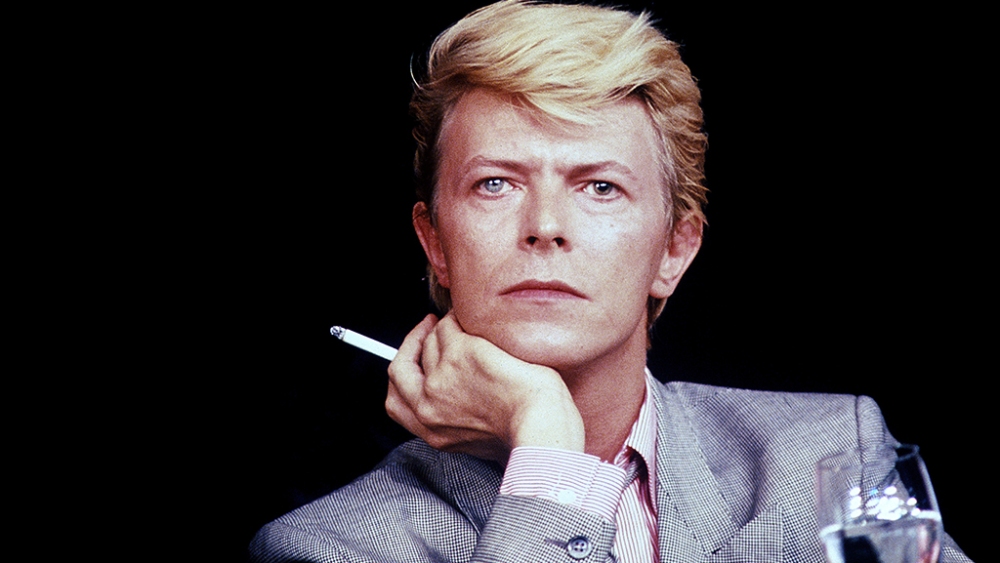
David Bowie was a rock musician active from the 1970s until shortly before his death in 2016.From the glam rock of the 1970s, Bowie experimented and reformed his musical style many times and had a major impact on the rock scene in the second half of the 20th century. Many musicians have been influenced by Bowie, including Robert Smith of The Cure.
He is also famous for introducing deep philosophical reflection into rock songs, which until then often had rather simple lyrics.
David Bowie Overview
David Bowie is a rock musician, composer, singer-songwriter and actor who worked for nearly half a century from the 1960s until his death in 2016.
With his first hit in 1969, Space Oddity, he produced a number of hit albums and repeatedly innovated his music style like a chameleon. His career is divided into several periods. He is literally one of the leading musicians in the late 20th century rock scene.
His unique voice, fashion style, and profound intellectual insight influenced many later musicians, including The Cure's Robert Smith, and had a profound influence on popular culture.
Until then, the lyrics of rock music had contained relatively simple contents such as dissatisfaction with society and love, but Bowie included deep philosophical consideration.
As an actor, he was a member of Lindsay Kemp's theater group, appeared in musicals and numerous movies, and was acclaimed for films such as "The Man Who Fell to Earth" by Nikolas Rogue, "Just a Gigolo" by David Hemmings, "Hunger" by Tony Scott, "Merry Christmas to the Battlefield" by Nagisa Oshima, and "Labyrinth" by Jim Henson.
David Bowie's Career
From birth to debut
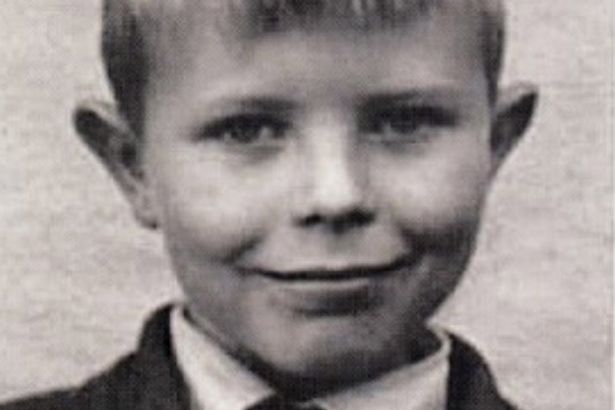
David Robert Jones (David Robert Jones, David Bowie's real name) was born in Brixton, south of London, in 1947. His father was an advertising director for a nonprofit organization and his mother was a movie theater waitress.
When he was in elementary school, his teacher recognized his singing voice as suitable for chorus and his recorder as an age-inappropriate skill. In a newly introduced class on body movement to music, he was told that his dance was surprisingly creative and sharply artistic given his age.
After listening to his father's 45-year collection of American music, which he brought home, Bowie became interested in music. In particular, he listened to Elvis Presley's "Tutti Frutti" and later said, "I listened to the' Voices of God.'" Around this time, he began learning ukulele and piano.
After graduating from primary school, Bowie enrolled at Bromley Technical High School. This is different from the English school tradition of the time by respecting personality rather than knowledge. Bowie studies art, music and design here.
Influenced by her half-brother Terry, she became interested in jazz, and at the age of 14, when her mother gave her a plastic saxophone, she began taking music classes with local musicians.
He is then diagnosed with schizophrenia and placed in an institution.
Around this time, he had a fistfight with his friend, George Underwood, over a girl, and was hospitalized for four months with a serious injury to his left eye. After several surgeries, he stopped losing his sight, but he did not recover completely. As a result, his left pupil remained open and his right and left eyes started to look different colors.
Although she had a big fight with George Underwood, she kept dating him after that.
From debut to 1969
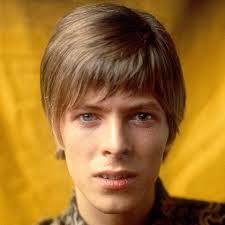
In 1962, when he was about 15 years old, he formed the first band, "Con Lads", together with George Underwood and others. He told his parents that he wanted to become a pop star, but his mother probably didn't think that he could become a star soon, so she found a job as an assistant electrician, and he worked there for a while.
He then moved on to a number of bands, but with less success than he had expected. Around that time, he changed his stage name from Jim Bowie, the creator of Bowie Knife, to David Bowie for fear of being confused with David Jones in "The The Monkees."
It was around this time that he became acquainted with Lindsay Kemp, a choreographer. Enthralled by Kemp, he joined the troupe and studied avant-garde (a series of avant-garde art, in this case avant-garde this case avant-garde theater), mime (a play that uses no words but expressions and body movements), and commedia delarte (a play formed in Italy around the 16th century that uses pantomime and acrobatics), which greatly influenced his image later on. 1960
At that time, Kemp recalls, "Rather than teaching Punt Mime, I taught him to take out what was already inside Bowie. With this, he unleashed the angels and demons that were inside him."
At this time, Bowie was dedicated to creating his own profile for the world to see.
1969: "Space Oddity"
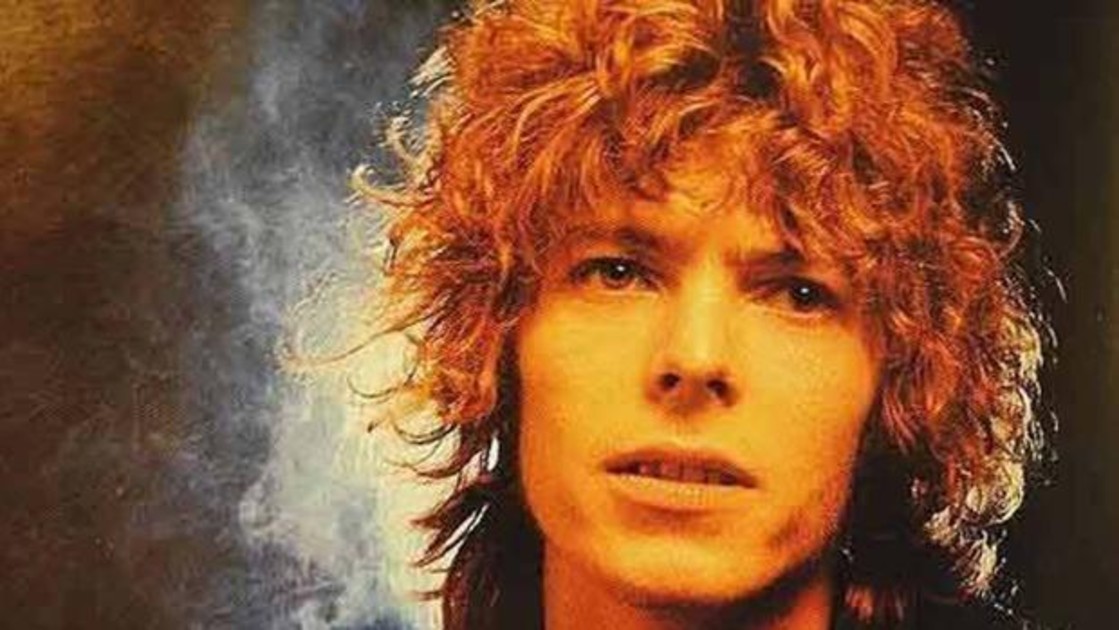
Until 1969, without much success, Bowie worked as a commercial extra, and at that time, director Kenneth Pitt directed the recording of Bowie's music video "Love You'Til Tuesday," which was to be released in 1984, and Bowie said he had created a song that suited the film. This was his first hit, "スペースオディティ."
According to Bowie himself, he was inspired by Stanley Kubrick's film "2001: A Space Odyssey." "I happened to see" 2001: A Space Odyssey "and was really shocked. I was especially overwhelmed by the scene of Trip," he said later. Using the sounds of an acoustic guitar and an organ, and retaining the style of a psychedelic fork, the song was released in 1969, five days before Apollo 11 landed on the moon.
Thanks to the theme of space travel, it was used as the theme song for the Apollo 11 moon landing special in the United Kingdom, where it was already ranked in the top five on the British Singles Chart.
He later released an album of the same name that included "Space Oddity," but despite the praise of several critics, it didn't resonate much in England or America.
Ziggy Stardust
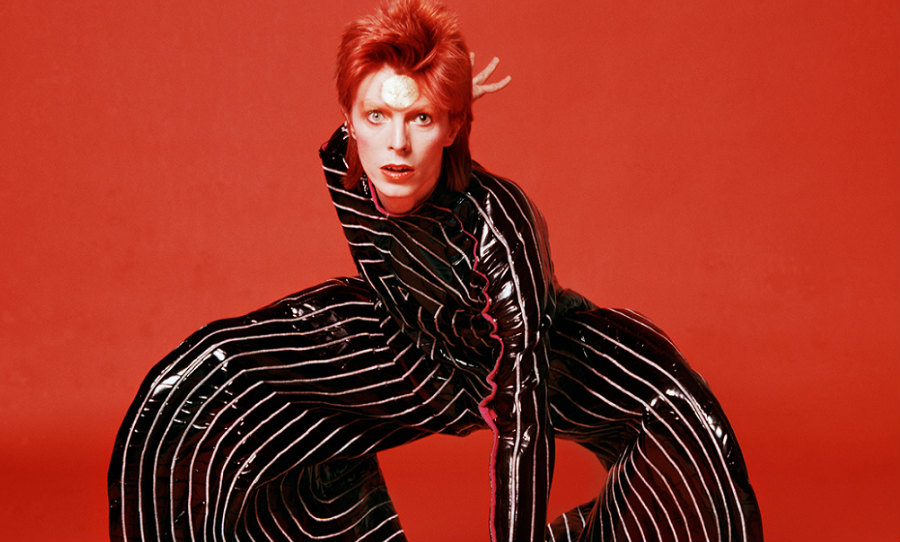
Then, in 1970, he released "The Man Who Sold the World." The sound of the hard rock marks a junction with the psychedelic fork of "Space Oddity."
In 1971, Mercury Records conducted an interview tour of Bowie in the US for promotion.
On the cover of his original album in England, Bowie took advantage of its neutral appearance with a picture of him wearing a dress. Bowie appeared in the interview wearing the dress and became popular. During this time, he studied the trend of music in America and formed his own image of the next album, Ziggy Stardust.
Ziggy Stardust combined the music of Iggy Pop (a rock cigar and punk rock godfather who is also a friend of Bowie's) and Lou Reed (a 1965 Velvet Underground vocalist who represents alternative rock), a crazy pop star who seemed to have descended from Mars.
In 1972, Bowie released the album "The Rise and Fall of Ziggy Stardust and Spiders from Mars." Bowie became a unique pop star that broke the rules of the game. The album name literally means "The Rise and Fall of Refracting Stardust and Spiders from Mars," but Spiders from Mars is back-band, and Ziggy Stardust is the creation of David Bowie, a rock star who comes from space and drowns in fame to save the dying planet.
Bowie appeared at the concert as Ziggy during this time. Bowie's Al-Tah ego (making up and becoming another artist as another self) was followed by Aladdin Thain and White Duke. The sound was a mix of the hard rock of "The Man Who Sold Earth" and the pop sound of the next album "Honky Dory", and especially "Starman" was a big hit as a single.
Bowie was also interviewed as Ziggy during this period, but in 1973, in the midst of fame, Ziggy announced his retirement.
Skinny White Devil
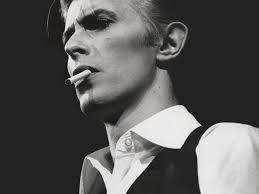
He emigrated to the United States after the Ziggy Stardust era, and Bowie's music became heavily influenced by Solutfunk. He aimed to stage George Orwell's "1984" and released the album "Diamond Dog" for the music. He did not stage 1984, but "Diamond Dog" reached No. 1 on the British album chart and No. 5 on the U.S. Billboard chart.
He later released Young Americans, an album that included a single with John Lennon called "Fame." The album, which Bowie called "Plastic Soul," was heavily criticized by critics at the time, but with it Bowie bid farewell to Gramrock of the Ziggy Stardust era. Young Americans was later named by NME (New Musical Express) as number 175 in the list of 500 best albums in the world in 2013.
He released his album "Station Station" in 1976. Here, Bowie creates another persona, "White Duke," which clearly images the protagonist of the film "The Man Who Fell on Earth," which he starred in the same year.
Since then, Bowie has been physically and mentally ill due to addiction to drugs, especially cocaine. He has been criticized by the media for encouraging Nazism. Later, Bowie blamed his behavior on drug addiction and the White Duke character's involvement in mythology and La Légende du roi Arthur.
Berliner trilogy
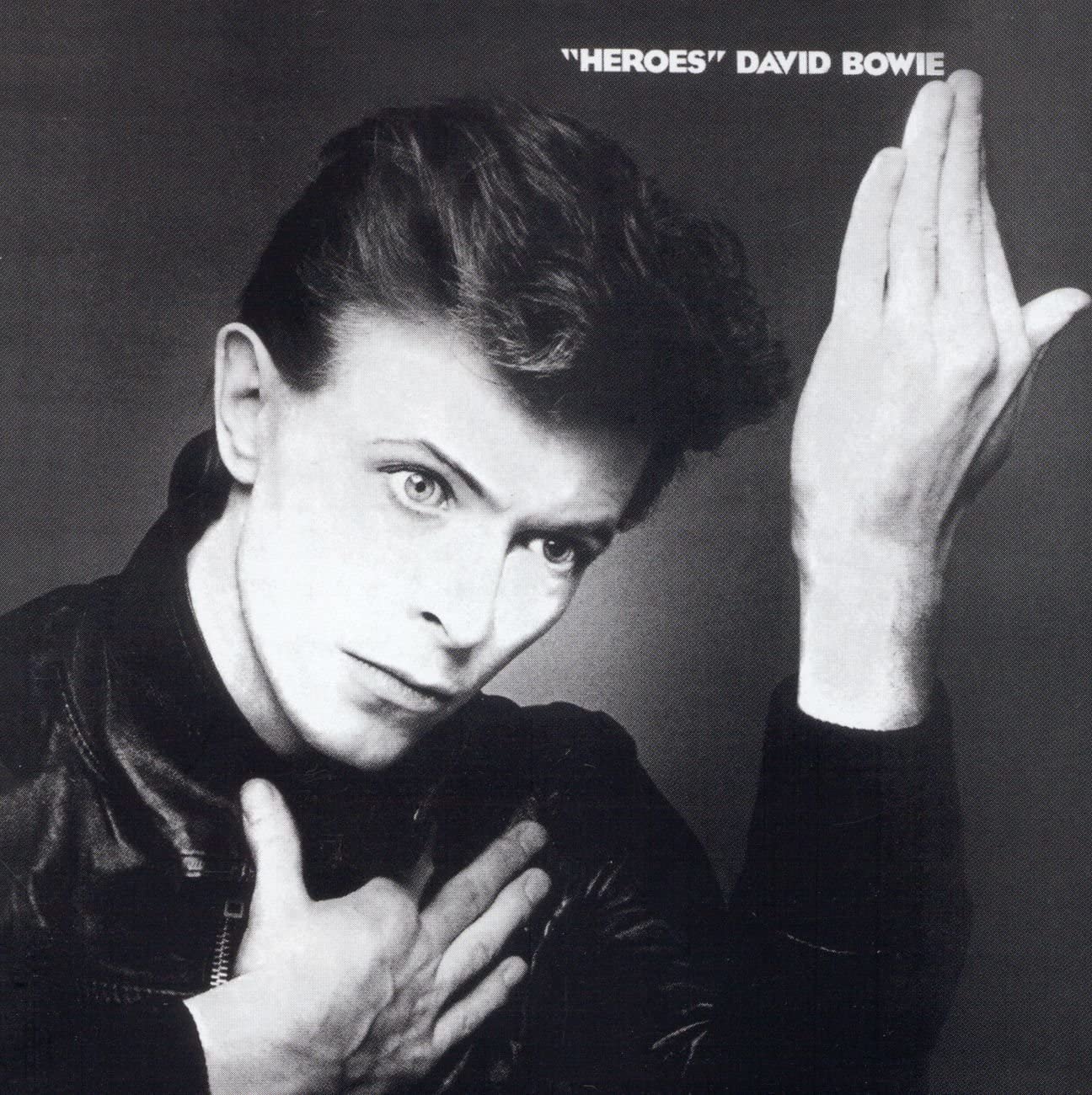
In order to overcome his drug addiction at the end of 1976, Bowie moves to West Berlin with his friend Iggy Pop, where he changes his style again, working with Brian Eno to release a largely minimalist, ambient "Law" that, along with the later releases of "Heroes" and "Roger," is later called Berliner trilogy.
Symbolic music, which was more of an expressionist alternative to traditional narrative music, confounded critics, but sold more than "Station Station."
The next album, Heroes, uses minimal and ambient sound, but has a bit of a pop rock tendency.
"Rodgers" has moved away from minimalism and has become a new wave with elements of Eastern music. It is also an album that says goodbye to cooperation with ィーノ.
"Ashes to Ashes" and "ashes to Ashes and Let's Dance
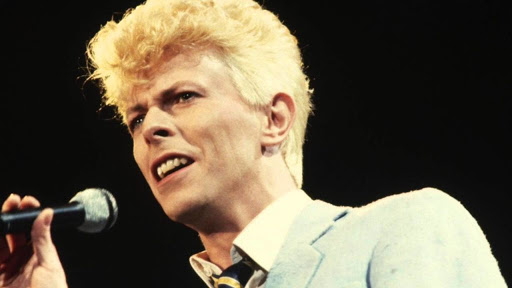
The 80s was another time of change.
First, in 1980, Bowie released the album The Skerry Monsters, which is heavily hard-rock. In "Ashes to Ashes," Bowie calls Space Oddity's Major Tom a drug addict. Bowie denies his former self and declares that he is different now.
In 1981, he released "Under Pressure" with Queen.
Around this time, Bowie was also an actor, appearing for three months in the Broadway musical Elephant Man and appearing on the TV version of Brecht's Bar.
In 1983, "Let's Dance" reached Platinum Records in both Britain and the United States. The single "Let's Dance," which has a strong pop element of dansable, reached No. 1 in both Britain and the United States, and the provocative "China Girl" entered No. 2 in Britain.
Boy has transformed from a cult star to a big rock star in a commercial sense.

Related Articles
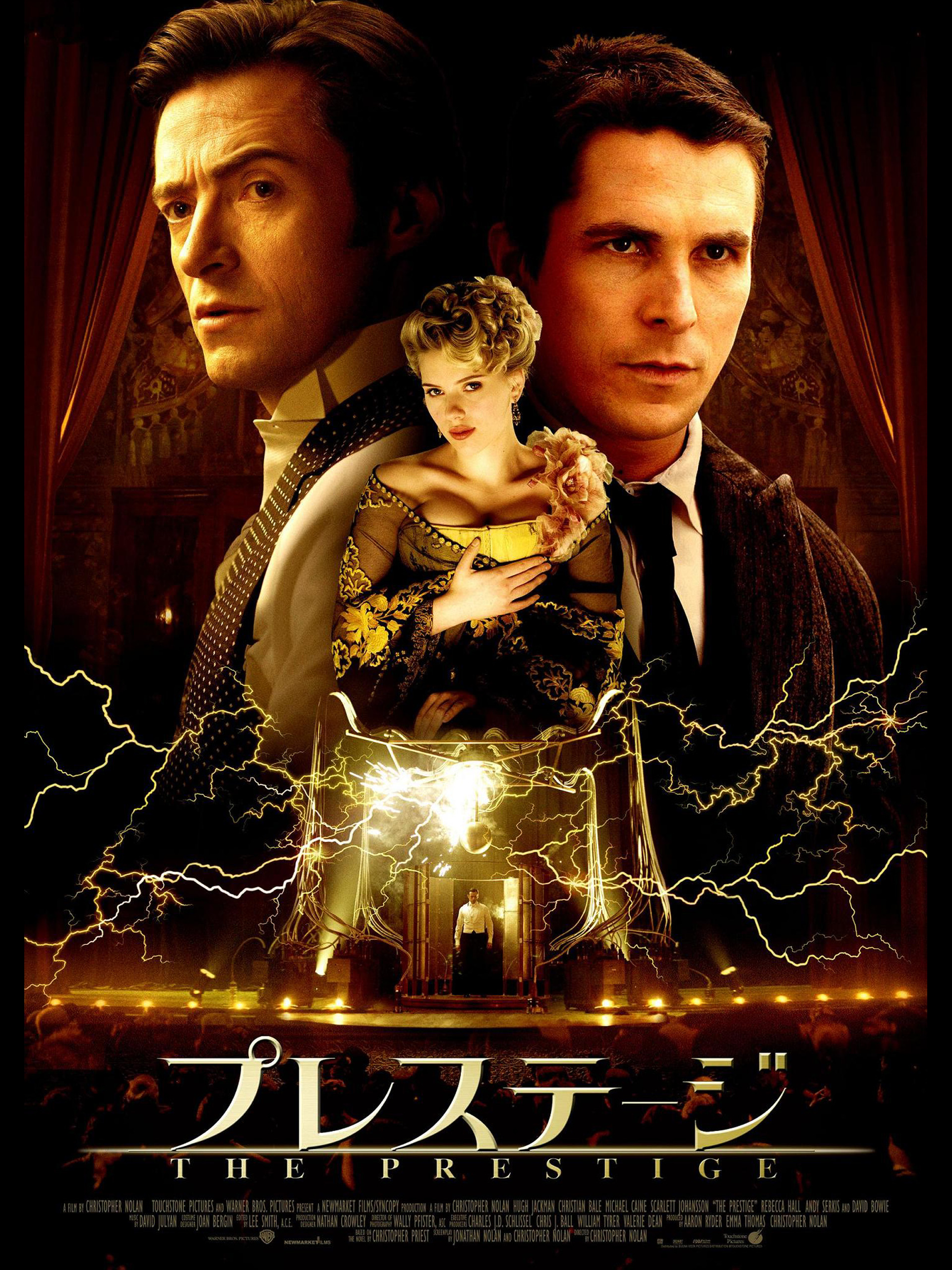
プレステージ(映画)のネタバレ解説・考察まとめ
『プレステージ』とは2006年に公開されたアメリカの映画である。監督はクリストファー・ノーラン。主演をヒュー・ジャックマンとクリスチャン・ベールが務める。第79回アカデミー賞において撮影賞と美術賞にノミネートされた。1995年に発売されたクリストファー・プリースト作の小説『奇術師』が原作となっており、2人の奇術師による因縁の戦いが描かれている。彼らのショーの舞台裏で起きていることを観客は知らない。映画には様々な仕掛けが施されており、人知を超えた世界へと誘われていく。
Read Article

Summary of entertainers and celebrities who died in 2016 [David Bowie].
Here we have compiled a list of celebrities and entertainers who were reported to have passed away in 2016. The list includes well-known deceased people both in Japan and abroad, such as the British musician David Bowie and the great broadcaster Rokusuke Ei.
Read Article
Tags
Contents
- David Bowie Overview
- David Bowie's Career
- From birth to debut
- From debut to 1969
- 1969: "Space Oddity"
- Ziggy Stardust
- Skinny White Devil
- Berliner trilogy
- "Ashes to Ashes" and "ashes to Ashes and Let's Dance
- Tin Machine
- Activity and sudden death in the 2000s
- 突然の復活と死
- David Bowie's profile and personality
- David Bowie discography
- スタジオ・アルバム
- 『David Bowie』
- 『スペース・オディティ』
- 『世界を売った男』
- 『Hunky Dory』
- 『The Rise and Fall of Ziggy Stardust and the Spiders from Mars』
- 『Aladdin Sane』
- 『Pin Ups』
- 『Diamond Dogs』
- 『Young Americans』
- 『Station to Station』
- 『Low』
- 『"Heroes"』
- 『Lodger』
- 『Scary Monsters (and Super Creeps)』
- 『Let's Dance』
- 『Tonight』
- 『Never Let Me Down』
- 『Tin Machine』
- 『Tin Machine II』
- 『Black Tie White Noise』
- 『1.Outside』
- 『Earthling』
- 『Hours...』
- 『Heathen』
- 『Reality』
- 『The Next Day』
- 『★』
- Song by David Bowie
- Space Oddity
- Ziggy Stardust
- Heroes
- Let's Dance
- Eyed Lazer Be High
- Lazarus
- David Bowie's music video (MV/PV)
- 「Absolute Beginners」
- David Bowie Quotes
- As I get older, I have only a few things to think about. How much time do I have left? What should I do with the time left?
- It's better not to believe in yourself. Don't be misled by belief. True knowledge comes from the release of death.
- I was trying to put out the fire with gasoline.
- There is nothing to learn from success. Learning is always when you fail.
- Sometimes an interesting person gains fame, but later mediocrity comes to rest on them.
- I learned a lot about myself and life with drugs. But I don't recommend anyone to use drugs. But you know what? I don't want to behave like an adult, but whatever you say, young people keep using drugs to experiment with life. It depends on how adventurous you want to be. I was at the bottom of the hole, but I know how hard it is to climb out of it.
- A few years ago, I realized that I shouldn't over-explain what I think about various things. But my music expresses it. It really does.
- Anyone can be a hero for one day.
- David Bowie's Inside Stories, Trivia, Small Stories / Episodes and Anecdotes
- The color of the left eye was different from that of the right eye.
- Major Thom's end will be revealed in the Blackstar video.
- 2016年1月10日、デビッド・ボウイの死去に際しDAVID BOWIE FACEBOOKがコメントを発表