
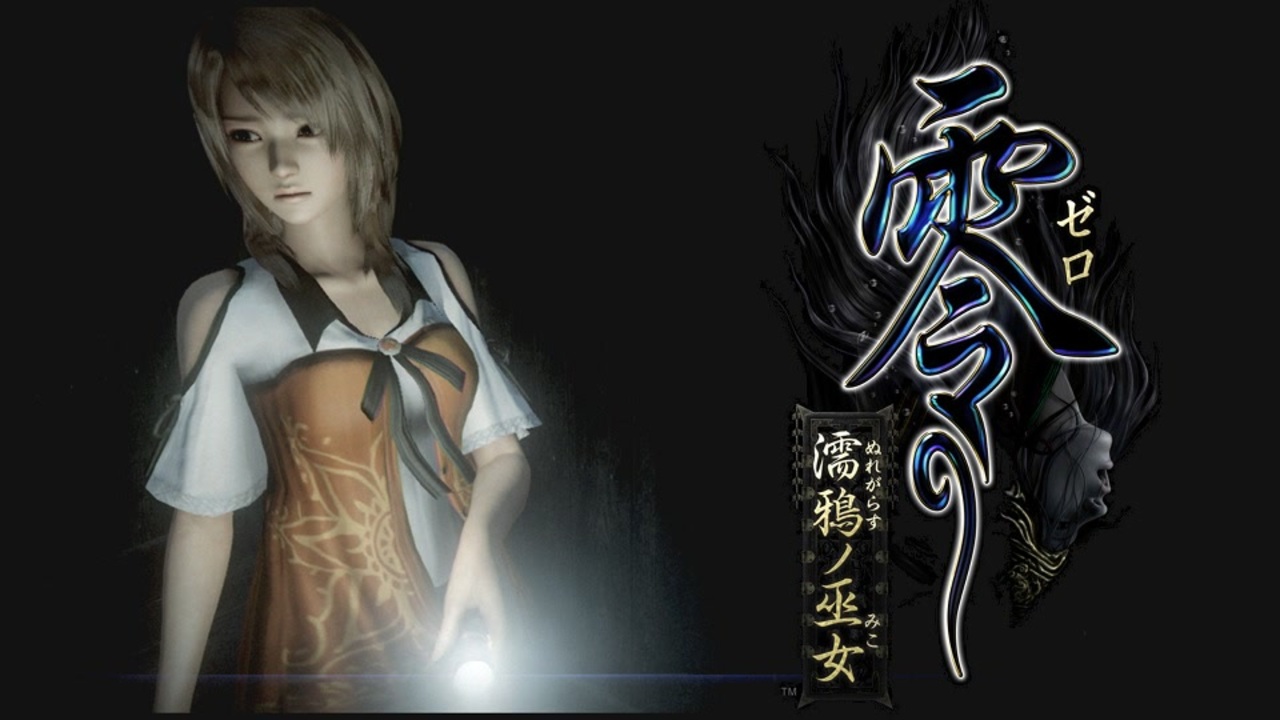
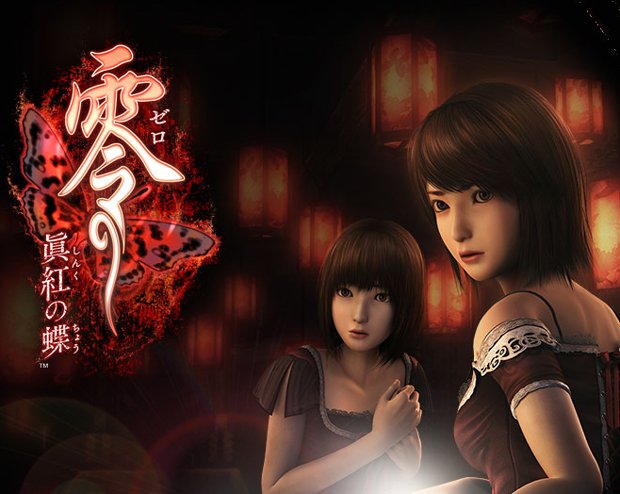
Zero: Nurekasunomiko" is the sixth title (ninth in total) in the "Zero" series of Japanese horror games released by Nintendo. The catchphrase of the game is "Mountains of death, ghostly weddings, and godforsakenness, all connected by water." . The three characters are Yuri Furikata, Fukaha Hinasaki, and Ren Housho. The story takes place on Mount Nikkoue, a sacred mountain where water is worshipped as a deity. Yuri is in pursuit of a missing benefactor or client, Fukahane is in pursuit of her mother, and Ren is in pursuit of mourning photos of the dead. The beautiful graphics and gloomy atmosphere of the film have attracted fans.
A glowing white figure seen when shadow watching is performed. We search for the missing person by following this trail.
Young shrine maiden
The custom on Mt. Yōhyo around Mt. Nikagami to take a girl up to seven years of age as a miko (maiden). At that time, the infant mortality rate was still high, and children were considered to have unstable souls at the boundary between this world and the astral world. In this work, Shirakiku falls under this category.
a marriage of two or more people who have been married for a long time
It is also called "posthumous marriage" or "marriage after death. It is a ceremony to pray for the repose of the souls of those who were unable to find a partner in life, such as those who passed away at a young age, by providing them with a companion after death. There are differences depending on the region, such as dedicating an ema (votive tablet) with a scene of the wedding drawn on it, or holding a wedding ceremony using a doll or a photograph as a partner. On Mt. Nikkoue, a Malevito from outside the mountain is invited to perform the marriage ceremony to appease the miko who is suffering in solitude in a hearse as a perpetual flower. Men who are rejected by the miko, or who have rejected her, become vengeful spirits like Watakai and Sakaki.
joy-bringing spirit from the divine realms
In this work, it refers to a person outside the mountain, especially a man who is invited to be a companion for the Nurekasuno miko's yuwari.
condolence photograph
Also known as postmortem photography or postmortem photography, this was a popular custom in the West at the dawn of the camera era. The deceased was dressed and made up before decomposition, thus preserving a beautiful image of the deceased.
Kunihiko Aso, who was working on a prototype projector, became obsessed with photographing the deceased and visited various places.
Perpetual flowers
A priestess submerged in a black bandit, or human pillar. The miko is submerged in a black bandit, or hearse, and her body melts into the night spring as she approaches death, but she retains her original form as long as she remains conscious. During this time, the miko does not age, and is said to hover between life and death forever. The name "Eikyuhana" refers to the wish to remain as beautiful as the flowers that continue to bloom forever in the night spring.
Nuregarasunomiko (wet crow priestess)
The shrine maidens, who were responsible for inviting those who entered the mountain to die, were slaughtered by an old man and turned into vengeful spirits. They continue to fulfill their role, and are drawn to death when they see the eyes of the vengeful spirits. In the faith of Mt. Nikkoue, it was believed that their power was further strengthened by getting wet, so they were soaked all over, hence the name "wet miko" (wet raven maiden). Some of the priestesses who escaped the old man's slaughter went down to their villages and spread the power of kagemi. Their descendants are believed to be Mikika, Yuri, and Fukaha.
Magatsuhi
The eternal sunset between this world and the ethereal world. It continues to illuminate the surface of the water in Kurokisawa at the boundary of the everlasting world of night. Visible only to those who have been lured to death, people are entranced by the bewitchingly beautiful sunset and go to the otherworldly world. Underneath the ravishing sunset, the lured souls stand like shadows and continue to look up at the ravishing sunset. Chunhe saw this during a failed suicide attempt in high school, and became captivated by the temptation to die.
End-of-life care (Mitori)
A power even higher than kagemi. It can reveal a person's memories, thoughts, and secrets, not to mention their thoughts. Only a small percentage of the shadow body can use this ability, and in most cases it only vaguely conveys the emotions of the person it comes into contact with.
tinea capitis
This is a folklore from Tono Monogatari (Tales of Tono). A girl lost on a mountain road discovers a wealthy mansion deep in the mountains. When she enters the house to ask for help, she finds it empty, but a dinner has been prepared as if the family had been enjoying themselves until just now. The frightened girl runs away without taking anything, and later a bowl of scales comes down from the upper reaches of the river, and when rice is weighed with it, it never runs out. In this film, the Watarai residence, which is shrouded in deep fog and haunted by the gods, is so called.
(Ongyo)
A forbidden technique performed by a mysterious old woman on Ayane, the protagonist of the Gaiden story, which is opened after the main story is completed. By enduring intense pain and wearing the Hidden Gyokomon, Ayane becomes aware of the presence of a vengeful spirit and is able to erase her own presence, instead of dying.
Purple thread
Ayane gave Spinning a mysterious thread. Ayane followed this thread to track down Spin, as if it was a kunoichi's trick.
Famous quotes, lines/scenes, and scenes from "Zero: Nurekasunomiko

Related Articles
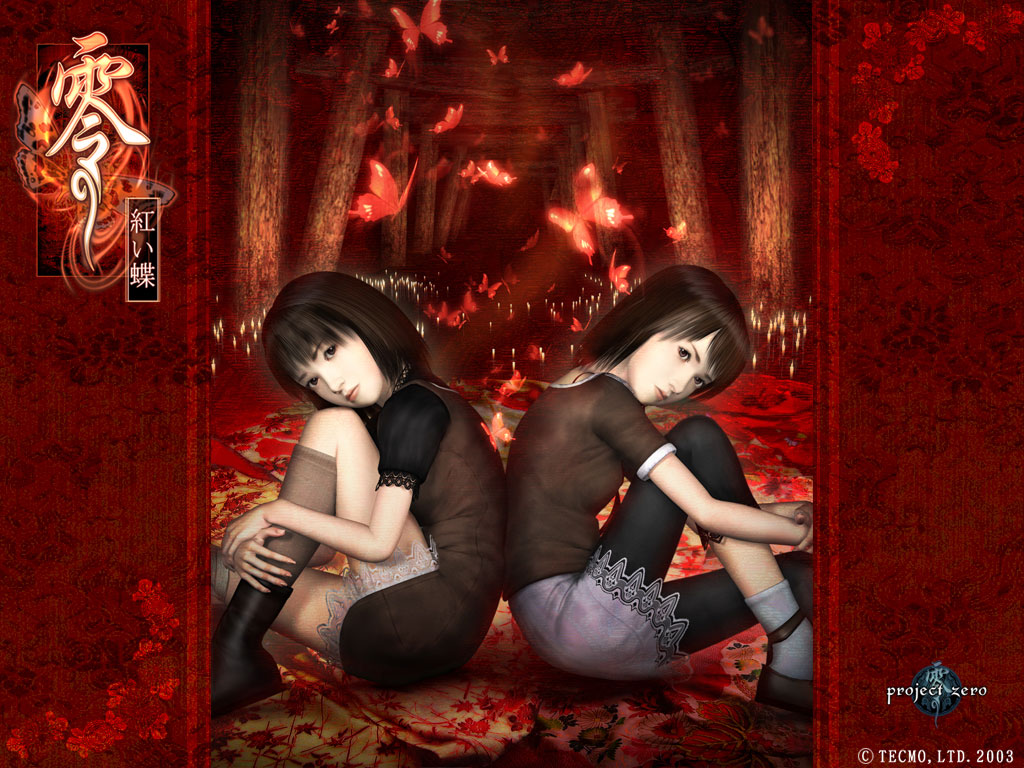
Zero - Red Butterfly and Zero - True Red Butterfly (Fatal Frame II) Spoilers and Discussion Summary
Zero - Red Butterfly" is the second title in the "Zero" series, a Japanese horror game released by Tecmo in 2003 for the PlayStation 2. While the game utilizes the strengths of the previous title "Zero", such as the ability to repel spirits by projecting them onto a projector and solving mysteries from a folkloric perspective, the setting has been changed from a single mansion to a single abandoned village, giving the player a wider scope for action. Many of the characters have ties to the previous work, and the setting of the previous work, which is revealed in this work, is also a highlight of the game.
Read Article
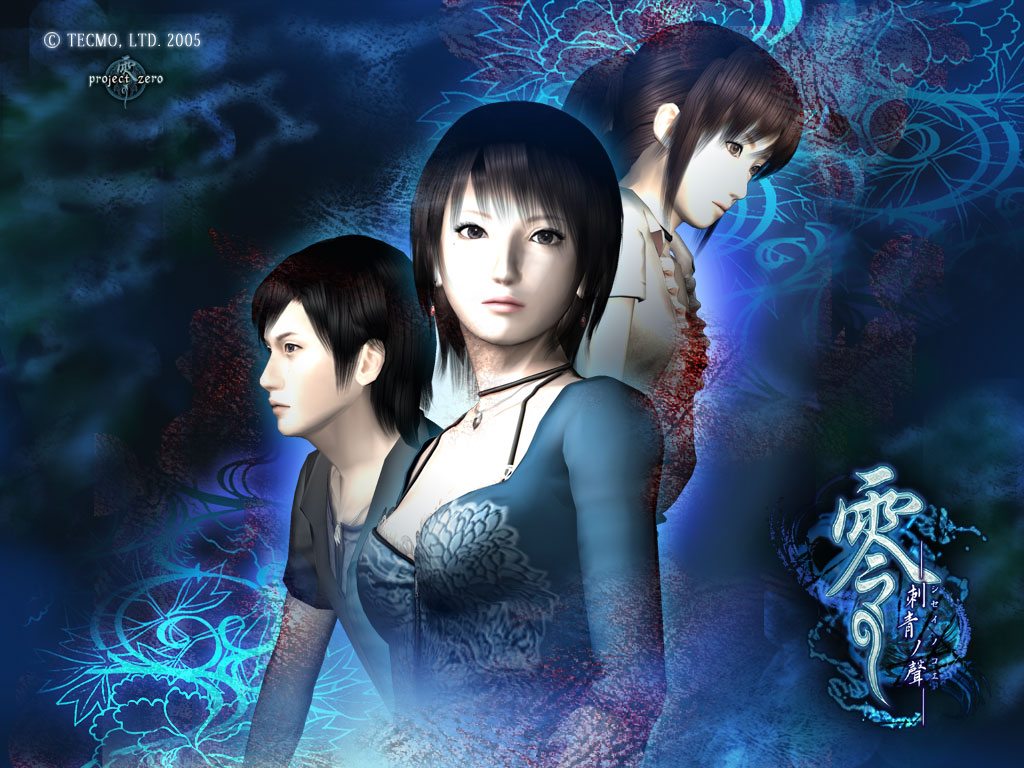
Zero - The Tattoo (Fatal Frame III) Spoiler Commentary and Discussion Summary
Zero: Shisei no Shouhou" is the third title in the "Zero" series, a Japanese horror game released by Tecmo in 2005 for the PlayStation 2. In this game, the player must use a "projector," a camera with spirit-removal capabilities, to solve the mystery of a curse that gradually prevents the player from waking up from sleep, while traveling between the real world and a haunted house in a dream. The main characters from the first and second films in the series also make appearances in the film, and the film is a highlight of the film as we learn what happened to them afterwards.
Read Article
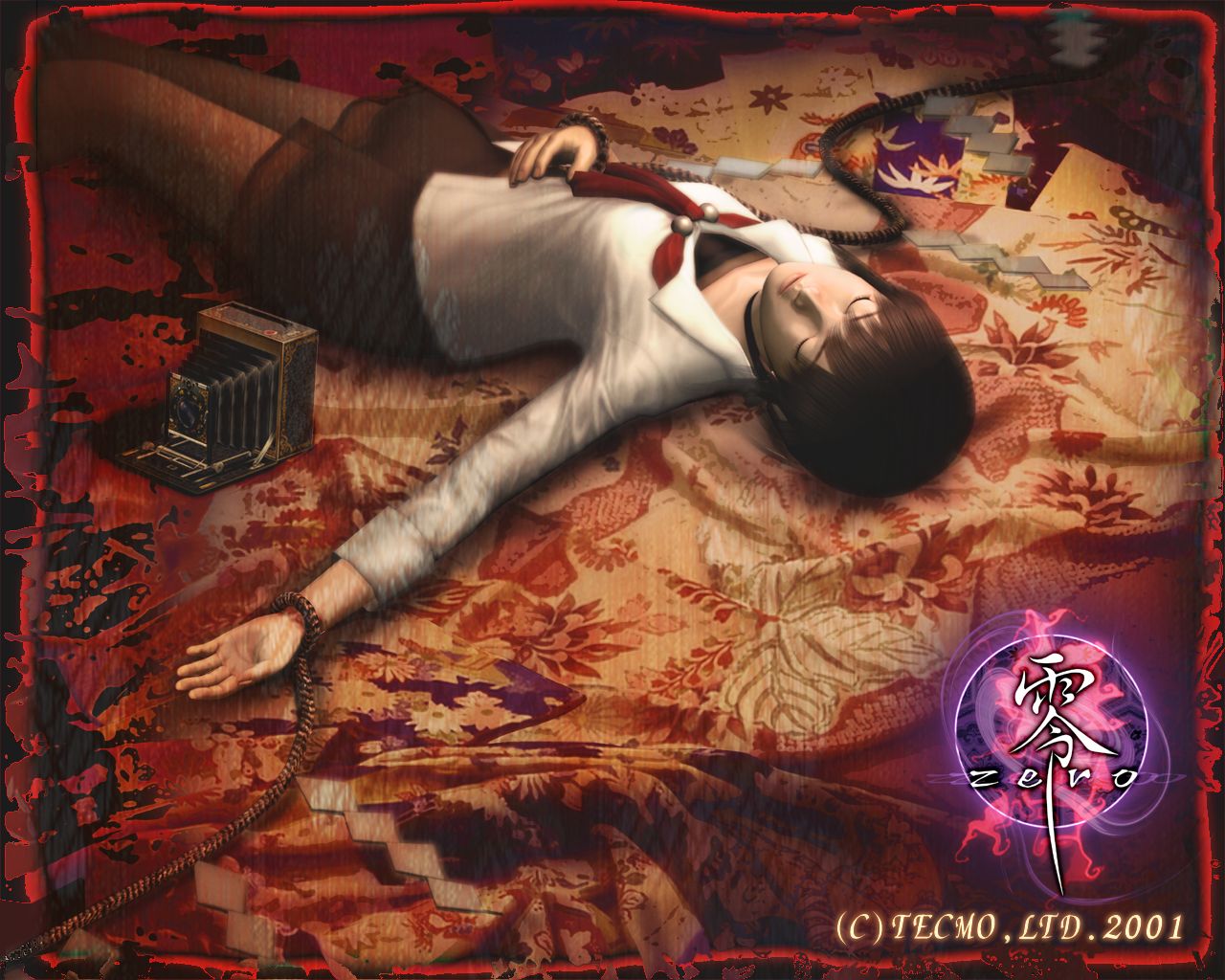
Zero - ZERO (Fatal Frame / Project Zero) Spoiler Commentary and Discussion Summary
Zero" (Fatal Frame / Project Zero) is the first title in the "Zero" series, a Japanese horror game released by Tecmo in 2001 for the PlayStation 2. The game gained popularity due to its game system in which the player must face the object of his/her fear, and enemies, who are spirits, can be repelled by projecting them onto a "projector," which has a special ability. The game's detailed setting is also one of its charms, with mysteries to be solved from an ethnographic point of view, and each enemy's spirit is carefully crafted.
Read Article
Zero - Mask of the Lunar Eclipse (Fatal Frame IV) Spoilers and Discussion Summary
Zero: Mask of the Moon" is the fourth installment in the "Zero" series of Japanese horror games. The game's catchphrase is "Experience the horror. is the catch copy. The game takes place in Japan in the 1980s. The game consists of 12 chapters and is played from the viewpoints of four characters: Ryuka Minazuki, Umisaki Aso, Enka Tsukimori, and Choshiro Kirishima. The setting is a remote island called Oborozukijima. The main focus is on exploration of a decaying, abandoned hospital and a Japanese-style mansion, as well as battles with ghosts.
Read Article
Zero - Murasaki's Diary (Psychic Camera - Possessed Notebook) Spoiler Commentary and Discussion Summary
Zero - Murasaki no Nikki (Diary of Murasaki)" is a game software for 3DS released by Nintendo in 2012. The game is based on an urban legend that anyone who has seen the impossible words in a "purple diary" will be found dead with their face shaved off. The game uses the 3DS as a projector and the AR notebook as the purple diary, blurring the boundary between the real world and the game and allowing the player to experience the invasion of fear.
Read Article
![ZERO series] Images of beautiful and pretty characters [FATAL FRAME, PROJECT ZERO].](https://renote.net/files/blobs/proxy/eyJfcmFpbHMiOnsiZGF0YSI6NTQwMjY0LCJwdXIiOiJibG9iX2lkIn19--84ef9f54b1baedb89020578c35416c662b8f16be/zero6-23-5.jpg)
ZERO series] Images of beautiful and pretty characters [FATAL FRAME, PROJECT ZERO].
The "Zero series" is a survival horror action-adventure game that has continued since the first game "Zero zero". The "Zero" series is characterized by a system in which the player can see and hear the past and expel spirits by shooting them with a projector, a camera that can capture impossible objects. In the "Zero" series, the main character is often a young girl, and we can see the dainty girls boldly stand up against the ghosts of their past.
Read Article
Internal Affairs or Warfare? Summary of recommended titles of "Nobunaga's Ambition" by gamer type [Event or character-oriented?
A popular work that has appeared in several titles, "Nobunaga's Ambition" has various characteristics for each title. This summary divides gamers' tastes into four categories: those who want to play internal politics, those who want to fight wars, those who focus on events, and those who focus on characters, and introduces titles that can be recommended for each type.
Read Article
A selection of recommended horror games to enjoy slowly
A variety of horror games available for play in Japan. They are all wonderful. Among them, we would like to introduce mainly horror games with action elements.
Read Article
Selected horror games compilation! Includes masterpieces such as the ZERO series, SIREN, Ao-oni, and more!
Here we have compiled a list of selected masterpiece horror games & free horror games. We have introduced only the best of the best, such as "Zero" series, "Siren" series, and "P.T.", which are well known as masterpieces of horror games, and "Aoki" and "Ib" from free horror games distributed on the Internet.
Read Article
Contents
- Outline of "Zero - Nurekasuno Miko
- Synopsis and story of "Zero - Nurekasuno Miko
- Introduction: Mizukago (operating character: Fukaha Hinasaki)
- Ichinoshizuku Aftershadow (operating character: Yuri Furikata)
- Ninoshizuku Hinokamiyama (operating character: Yuri Furukata)
- Sanoshizuku Condolence Photo (Operation Character: Housho Ren)
- Kagemi, Manoshizuku (operating character: Yuri Furikata)
- YONOSHIZUKU KAMIGAKU SHI (Control character: Yuri Furikata)
- Gonoshizuku Mayoiga (operating character: Houhou Ren)
- Rokunoshizuku Perpetual Flower (operating character: Yuri Furikata)
- Nananoshizuku Aiyo (operating character: Yuri Furikata)
- Hachinoshizuku Great Disaster Time (operating character: Housho Ren)
- KUNOSHIZUKU Hearse Cage (operating character: Fukaha Hinasaki)
- Tenoshizuku Yugi (Control character: Housou Ren)
- Eleven Shizuku Yaizumiko (operating character: Fukaha Hinasaki)
- Twelve Shizuku Higanbune (Operation Character: Yuri Furikata)
- Jusanoshizuku Misuzu Yo (operating character: Housou Ren)
- Shizuku Yozen-no-Bride (operating characters: Yuri Furikata, Ren Housho, Fukaha Hinasaki)
- Housouren Arc End
- posthumous love
- lonely box
- inside of a box
- chilly spring weather
- Hinasaki Fukaha Arc End
- night fountain
- passageway to dream
- Yuri Irakata Psalm End
- Night Fountain Bride
- holding in one's arms
- Ayane Arc
- Aya Iino Aya Ame-no Rare Person
- Ninoyaku purple thread
- Sancho Aya Yunomiya
- Aya of the End Flower Rafts
- Game System of "Zero - Nurekasunomiko
- basic system
- Elements appearing for the first time in the series
- wet meter
- Yomizunure (wet in the evening)
- end-of-life care
- Shadow viewing
- Yosegami
- Remaining Shadow
- Finder Mode
- Shooting Point
- FATAL FRAME
- CloseShot
- MaxShot
- ZeroShot
- BoostShot
- DoubleShot
- TripleShot
- SurpriseShot
- JustKill
- OverKill
- SpecialKill
- DoubleKill
- TripleKill
- ShutterChance
- FatalTimeKill
- Toughened Lens
- "Pressure."
- "Perish."
- "Suck it."
- "Late."
- "Shoot."
- "Gain."
- "Binding."
- "Zero."
- Butterfly.
- "看"
- "Unamplified."
- "Moon."
- Enhanced device
- "Nothing."
- "Festival."
- Items from "Zero - Nurekasunomiko
- Manyoushuu Maru
- water for washing or moistening one's hands
- purifying fire
- mirror foundry
- film
- ○○7 style (of wrestling)
- type 1 (in philosophy)
- six sense organs (eyes, ears, nose, tongue, body, and mind)
- type 90 (blood, influenza, hepatitis, etc.)
- zero expression
- Characters in "Zero: Nurekasunomiko
- key people
- Yuri Kozukata
- Miu Hinasaki
- lotus leaf
- minor characters
- Progressive Kagamiya
- HISOKA KUROSAWA
- Fuyuyo Himino
- Haruka Momose
- white chrysanthemum
- Kazuya Sakaki
- Keiji Watarai
- Kyozo Kururugi
- Katashina Tsumugi
- Ose Kurosawa
- Kunihiko Aso
- Miku Hinasaki
- elder sister
- Terms for "Zero - Nurekasunomiko
- Rei shrapnel (a piece of wood with a small diameter, used as a base for the construction of a house)
- Fatal Frame
- filament
- film
- Projector
- photo opportunity
- Reiseito (stone lantern)
- ghost hand
- flashlight
- cassette tape
- tape recorder
- ghost rock radio
- video tape
- Hikamiyama (Mt.)
- Ningyotami
- human pillar
- bandit
- Yomiko
- Yomizun wet
- Night Fountain (Yomiuri)
- Kurokisawa
- Yosegami
- Shadow viewing
- Remaining Shadow
- Young shrine maiden
- a marriage of two or more people who have been married for a long time
- joy-bringing spirit from the divine realms
- condolence photograph
- Perpetual flowers
- Nuregarasunomiko (wet crow priestess)
- Magatsuhi
- End-of-life care (Mitori)
- tinea capitis
- (Ongyo)
- Purple thread
- Famous quotes, lines/scenes, and scenes from "Zero: Nurekasunomiko
- Sometimes life is just a matter of how warm a cup of coffee is."
- Slowly, slowly die!"
- It was a pleasure meeting you."
- Back stories, trivia, small stories/episodes, and anecdotes about "Zero: Nurekasunomiko
- Mt. Hikamiyama is modeled after Mt. Osorezan in Aomori
- CМ features Ayami Nakajo and Aoi Morikawa, stars of the theatrical version of "Zero: The Curse Only Girls Can Apply".
- Theme song and insert song for "Zero: Nurekasunomiko
- Ending song: AnJu "HIGANBANA
- Ending song: "Torigago-in this cage-" by Tsuki Amano