
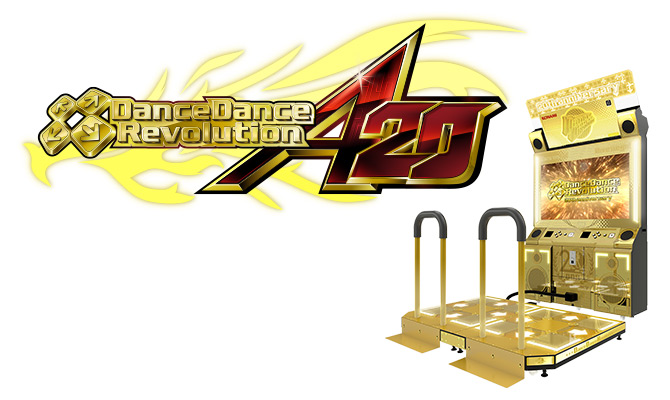
DanceDanceRevolution is an arcade music simulation game manufactured by Konami (now Konami Amusement) that began operation in 1998. It was the third installment in Konami's BEMANI series of music games. The game allows players to enjoy dancing as if they were actually dancing by stepping on the four panels at their feet, and "DanceDanceRevolution A20 (Ace2O)," the 16th title in the series, is currently in operation in Japan and other parts of the world. It is popularly known by the abbreviated names "DanRevo" and "DDR.
Result Type
Detailed Results (blue)
The maximum number of combos (how long you could step on it without MISS), the number of each judgment (NG is integrated into Miss), and the EX score (MARVELOUS, OK=3 points, PERFECT=2 points, GREAT=1 point) are displayed.
The number of times the user steps on MARVELOUS early and late can also be displayed if the settings are made on the official website.
In some events such as competitions, the display of EX score and normal score may be reversed.
Rivalry Comparison (green)
Tabs that allow comparison with the top national, top prefectural, top enclosure, your high score excluding this play, and (if set up on the official site) your competitor's high score.
Calories burned (pink)
A tab that displays the approximate calories consumed during that play if you are not using an e-amusement PASS, or for the day when logged in with an e-amusement PASS.
Illustrations of foods are displayed according to the calories consumed, so you can see which foods you consumed and how much you consumed.
Other
e-amusement PASS
IC cards used to save data in Konami arcade games. By using this card, you can save your high score for each song and play hidden songs. If you are planning to continue playing, you should definitely make use of it.
You can also use a transportation IC card such as Suica, or an electronic wallet built into your cell phone such as Mobile Suica or Apple pay, which sell for about 300-400 yen.
PASELI
Electronic money that can be used in Konami arcade games by recharging the e-amusement PASS.
Many Konami arcade games offer a mode in which you can pay more than usual using PASELI, and Danrebo also has this feature.
If you select the mode in which you pay more than usual, you will receive benefits such as not getting game over even if you fail to clear the game, being able to play the fourth song when certain conditions are met, and being able to set more detailed options.
Some stores also offer lower prices (e.g., 80 yen) than playing with cash.
Backstories, trivia, small stories/anecdotes, and episodes of DanceDanceRevolution
Differences by enclosure
DanceDanceRevolution is available in a wide variety of chassis. Let's take a look at the differences between them.
Please note that, with the exception of the "20th Anniversary Model," the names of the different models are unofficial names commonly used among users.
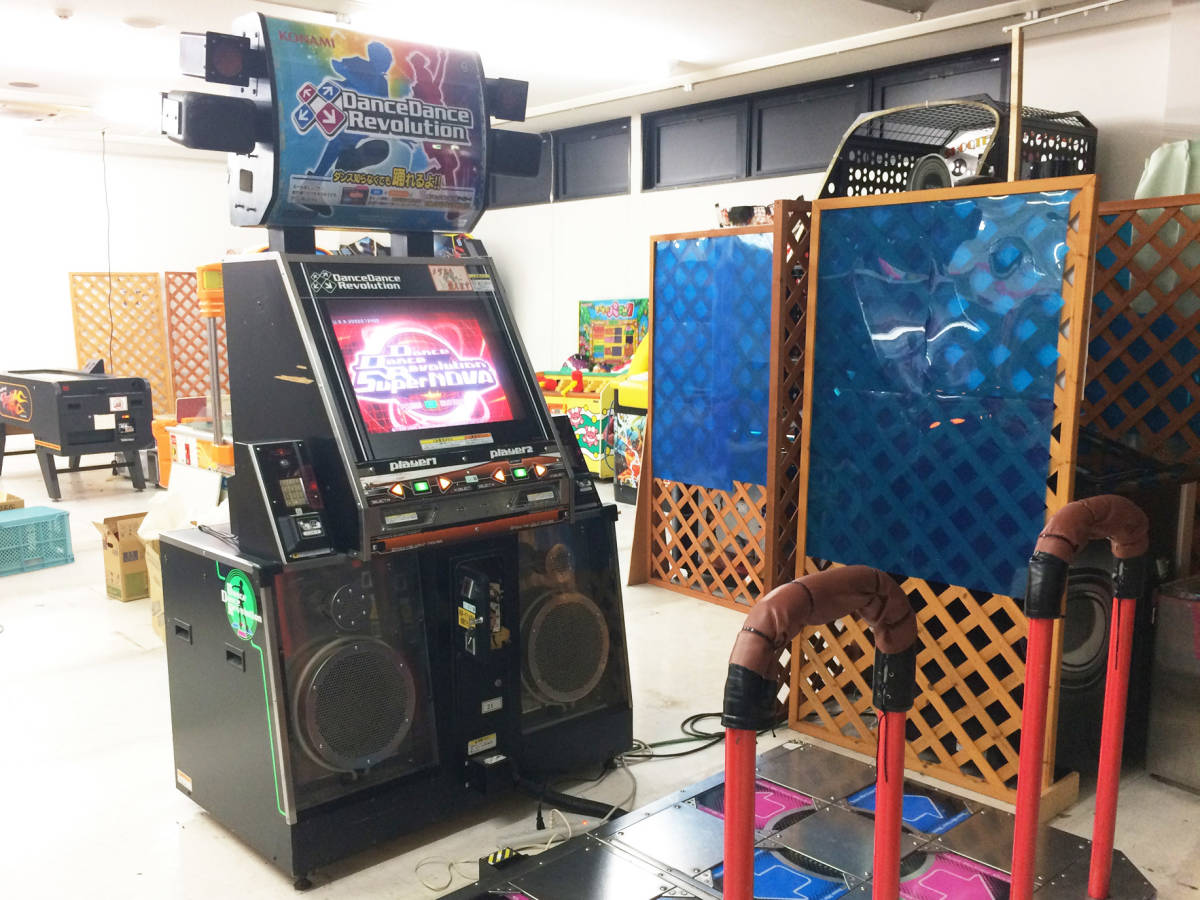
Cathode-ray tube enclosure (old, black, and red enclosures)
Source: aucfree.com
A cathode-ray tube screen. When Danrebo was a social phenomenon, this was the only type of cabinet that existed, so many people may think of this type of cabinet when they think of Danrebo.
Strictly speaking, there are two types of Danrebo: a black one with a black exterior and a red one with a red exterior, but there is no major difference between the two. These two types are called "old chassis" together.
The screen size is smaller than others because it is a CRT, and it has the limitation that the "SUDDEN+" and "HIDDEN+" adjustment described in the Options section cannot be performed because there are no up and down keys.
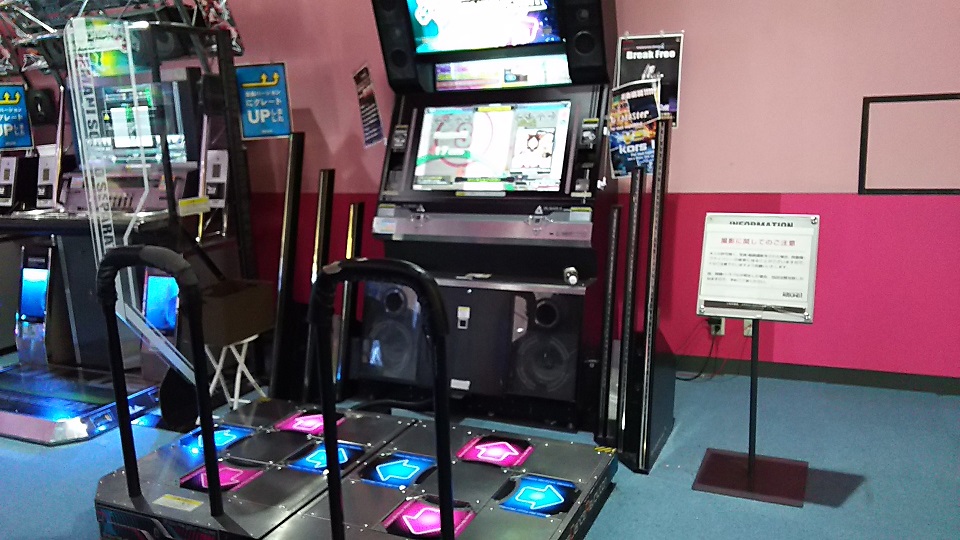
Black LCD enclosure (X enclosure)
Source: www.ddr-navi.jp
This is an LCD screen cabinet that first appeared in DanceDanceRevolution X. It is mainly placed in large amusement arcades, mainly Round One. It is mainly placed in large amusement arcades, mainly Round One.
Compared to the previous model, the size of the cabinet is larger, and the electric decorations on both sides are particularly conspicuous. (However, some stores do not have the decorations.) In addition to the screen and the decorations on both sides, other major differences from the old cabinet include the up/down keys, the e-amusement pass unit, the change in the structure of the numeric keypad, and the installation of a luggage rack.
This is the only case that is called the "X case," perhaps because it is indistinguishable from the "black case," but users refer to it not by its color but by the "X" of the version in which it was introduced.
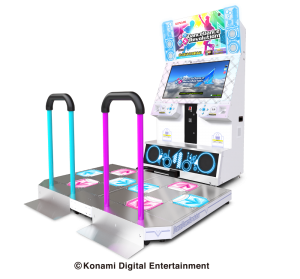
White LCD housing (white housing)
Source: www.tsc-acnet.com
The LCD chassis was introduced in DanceDanceRevolution (DDR2013), and although the size of the chassis itself is smaller than the X chassis due to the removal of the lights on both sides, the luggage space and screen size are rather larger. In addition, unlike the other chassis, the panel does not light up when the user steps on it.
This type is also installed in relatively large stores, and is often installed in stores that have recently opened.
The white chassis is the one that is mainly distributed in foreign countries.

Related Articles
Spoiler commentary and discussion of SILENT HILL 2 (SILENT HILL 2)
SILENT HILL 2" is a horror adventure game developed by Konami Digital Entertainment. It was originally released for the PlayStation 2, followed by the full version "Silent Hill 2: The Last Poem" with additional elements. The main character, James, heads to Silent Hill, a retreat, after receiving a letter from his wife, who is supposed to be dead. Before he knows it, he finds himself lost in a world of fog and iron rust, fighting strange enemies. A surprise ending awaits the player in this masterpiece among horror games.
Read Article
Spoiler commentary and discussion of Gensuikoden II (Gensuikoden II)
Gensuikoden II" is a PlayStation RPG released by Konami on December 17, 1998. Abbreviated as "Gensuikoden II," it is the second title in the "Gensuikoden" series. The story follows a group of 108 unique characters, including the main character, as they battle against the Kingdom of Highland. There are also many challenging elements such as side stories and mini-games. The catchphrase is "With that strength, I thought I could protect everything. This line is the thought of the main characters and is also the basis of the embittered story.
Read Article
Spoiler commentary and discussion of Gensuikoden (Gensui)
Gensuikoden" is a role-playing game released by Konami in December 1995 for the PlayStation. It is part of a series of 13 games. The story takes place in the Red Moon Empire, where the emperor has established an oppressive regime. The protagonist, the son of an imperial general, has inherited one of the 27 true emblems of the empire, the "Soul Eater," and is targeted for his life, so he leaves the empire. He eventually becomes the leader of the Liberation Army, which opposes the Imperial Army, and throws himself into battle along with his 107 comrades. The game has many challenging elements such as collecting friends and events.
Read Article
METAL GEAR Spoiler Commentary and Discussion Summary
Metal Gear" is a stealth action game for the MSX2 released by Konami in 1987. Set in Outer Heaven, an armed fortress nation deep in South Africa in 1995, the story follows Solid Snake, the protagonist of the game, on a mission to infiltrate the enemy territory of Outer Heaven alone, with only a radio in hand, and destroy the Metal Gear, a deadly weapon. This is the story of Solid Snake's mission to destroy the Metal Gear, a deadly weapon. This is a memorable work that established the "stealth action" genre by introducing the revolutionary "hide-and-seek" system.
Read Article
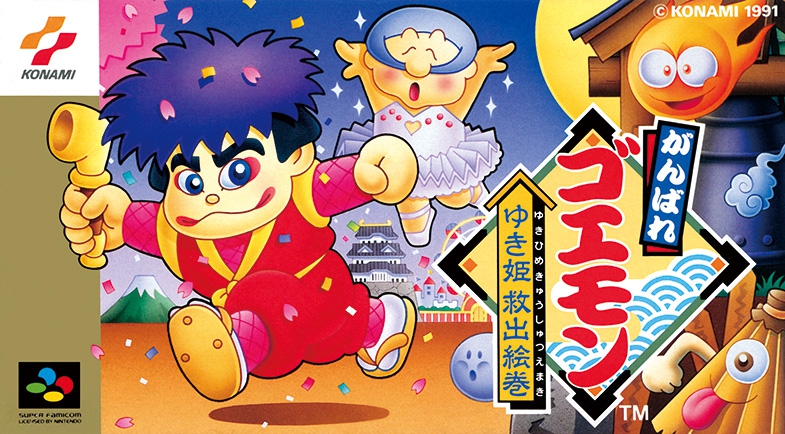
Gambare Goemon - Yukihime Rescue Scroll (Game) Spoiler Commentary and Discussion Summary
Gambare Goemon: Yukihime Rescue Scroll" is an action game that was released by Konami Corporation in 1991 exclusively for the Super Nintendo Entertainment System (SNES). It is the first game in the Ganbare Goemon series developed exclusively for the Super Nintendo Entertainment System (SNES). Goemon, a righteous bandit, travels around Japan with Ebisumaru, kicking the crap out of Okakkomi gangs that try to capture him. Characteristic landscapes such as Edo Castle, ninja residences, and Shuri Castle, as well as local specialties, are represented in the game. The ending of the game is reached when all nine stages have been conquered.
Read Article
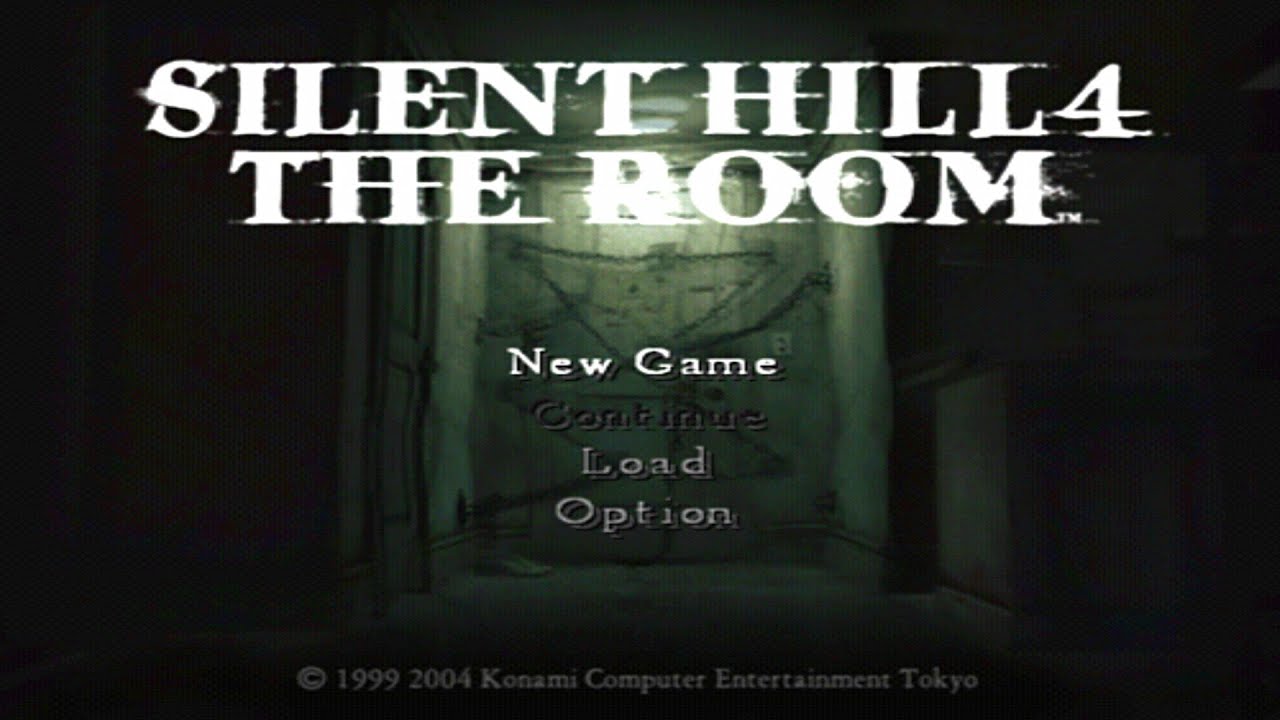
Spoiler description and discussion of SILENT HILL 4: THE ROOM
Silent Hill 4 The Room" is the fourth installment in the "Silent Hill" series of horror adventure games released by Konami in June 2004. It is compatible with PlayStation 2 and PlayStation 3. Unlike the previous titles in the series, the player does not walk through the city of Silent Hill to defeat the creatures, but rather, the main character's apartment, Room 302, becomes his base of operations. From Room 302, the protagonist moves between six different worlds: the subway world, the forest world, the water prison world, the building chaos world, the hospital world, and the apartment world.
Read Article
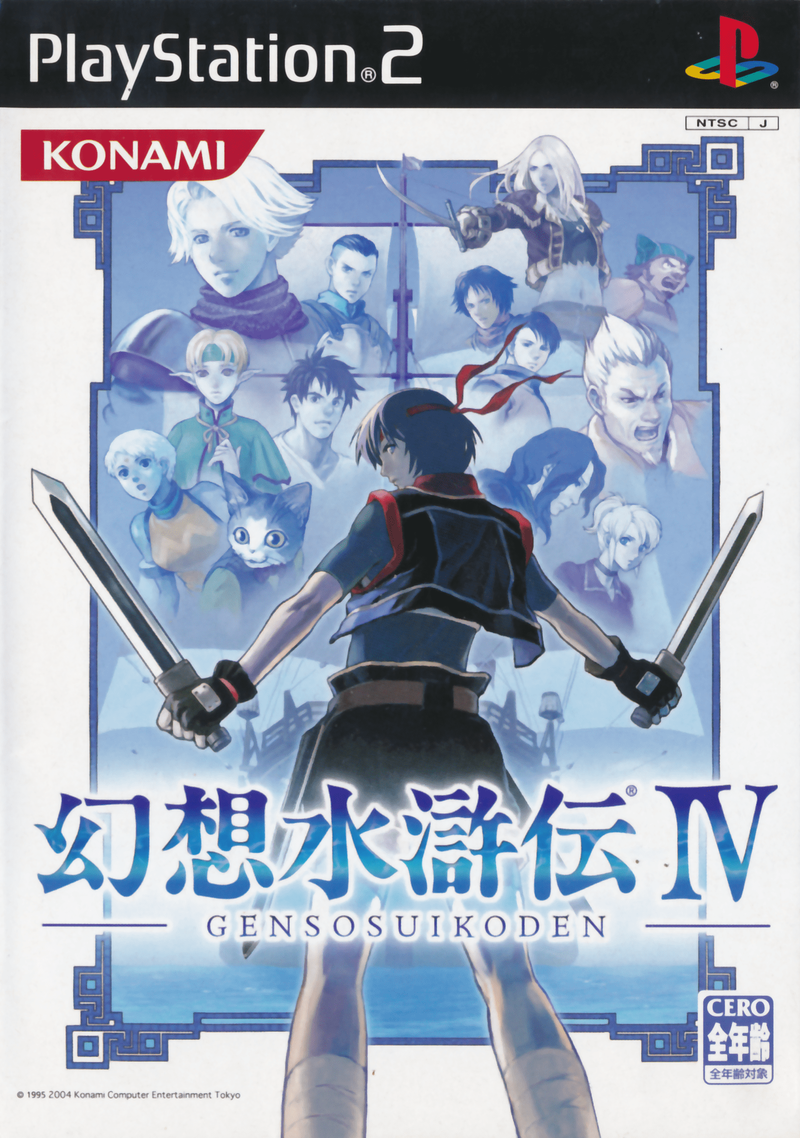
幻想水滸伝IV(幻水IV)のネタバレ解説・考察まとめ
『幻想水滸伝IV』は、コナミより2004年に発売されたロールプレイングゲームだ。 PlayStation 2用のソフトであり、『幻想水滸伝シリーズ』の4作品目のナンバリングタイトルである。 キャッチコピーは「108人の待つ海へ。それは、冒険か。出会いか。」となっている。 物語の舞台は1作目の『幻想水滸伝』の150年前となっており、他のシリーズ作品と比べて旧作のキャラクターはあまり登場しない。 “罰の紋章”を継承した主人公を中心に群島諸国とクールーク皇国の戦いを描く。
Read Article
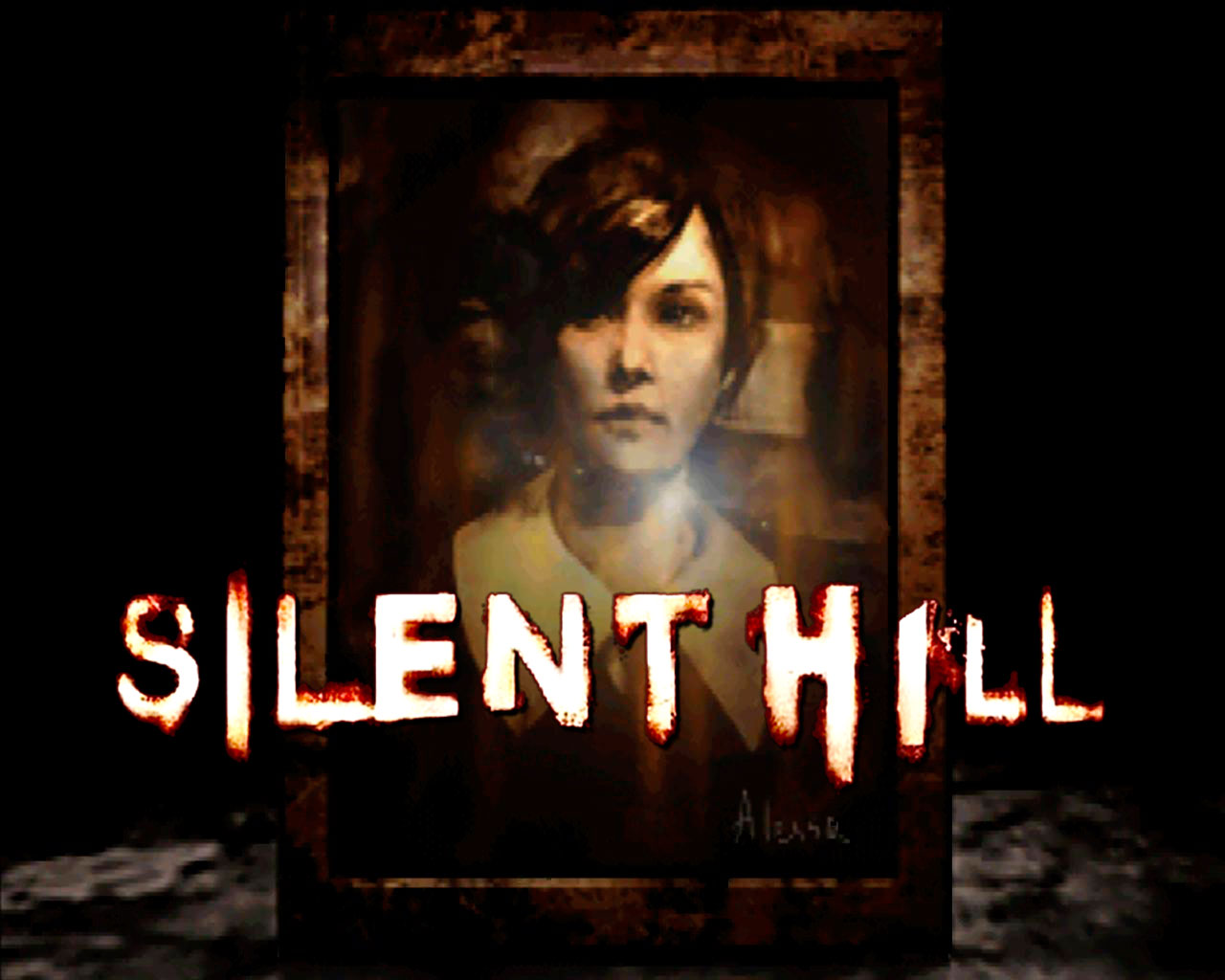
サイレントヒル(SILENT HILL)のネタバレ解説・考察まとめ
『サイレントヒル』は、コナミが1999年に発売したサバイバルホラーゲームだ。主人公ハリーは養女シェリルとの休暇で観光地サイレントヒルを訪れるが、事故で娘を見失う。霧に覆われた不気味な町で娘を探すうち、悪夢のような裏世界を行き来することになる。奇怪な生物との戦いや謎解きを通じ、町の秘密と娘の運命に迫る。心理的恐怖を重視した独特の世界観で、後のホラーゲームに多大な影響を与えた作品である。
Read Article
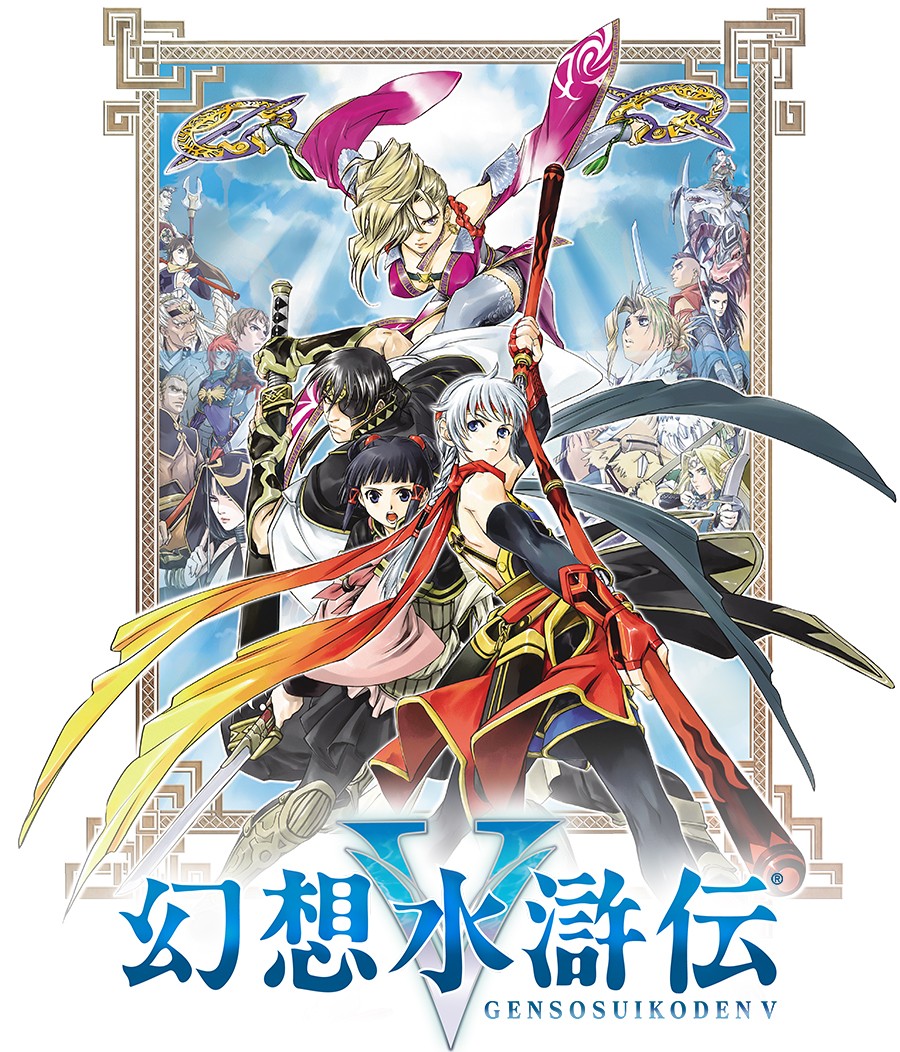
幻想水滸伝V(幻水V)のネタバレ解説・考察まとめ
『幻想水滸伝V』(幻水V)とは、コナミが制作した「幻想水滸伝シリーズ」の一作品で、2006年に発売されたロールプレイングゲームである。略称は「幻水V」。これまでの作品と同様に中国の『水滸伝』をモチーフとし、宿星を持つ108人の仲間を集めて戦う物語となっている。女王国の王子である主人公が、国から追い出され反逆者のレッテルを貼られながらも、多くの試練を乗り越えて成長する姿が描かれる。シリーズ原点に立ち戻ったドラマティックなストーリーが魅力。対応するプラットフォームはPlayStation 2。
Read Article
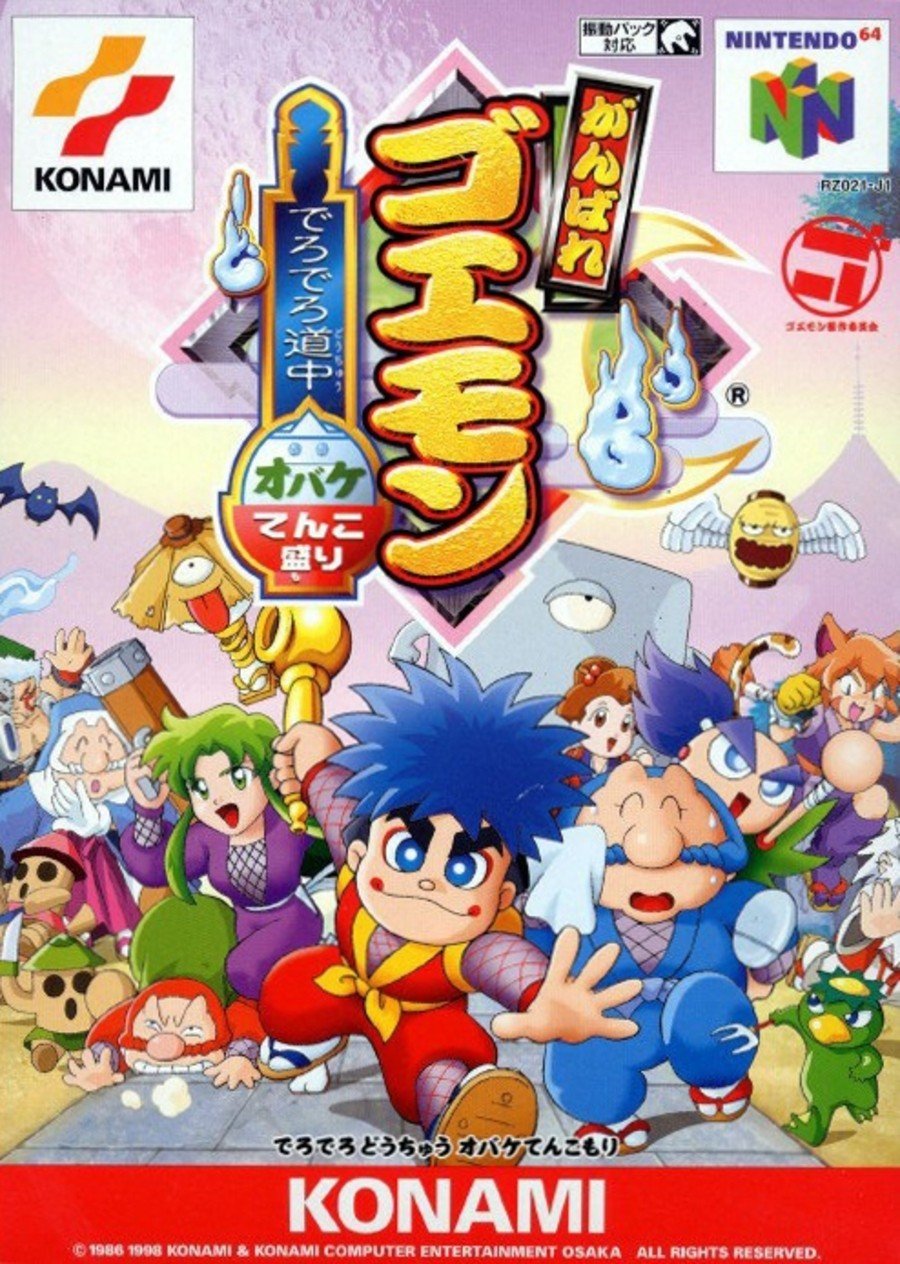
Ganbare Goemon - Deroderodo-Michiju Obake Tenkomari (Game) Spoiler Commentary and Discussion Summary
Gambare Goemon - Derodero Douchu Obake Tenkomari" is a side-scrolling action game released by KONAMI for the Nintendo 64 in 1998, and is the second title in the "Gambare Goemon" series for the Nintendo 64. Goemon and his friends stop Sister Bismar from doing evil and save the world. This game supports 2 players and allows cooperative play. The opening song was sung by Hironobu Kageyama, and the insert song was sung by Ichiro Mizuki, both famous anime song singers.
Read Article
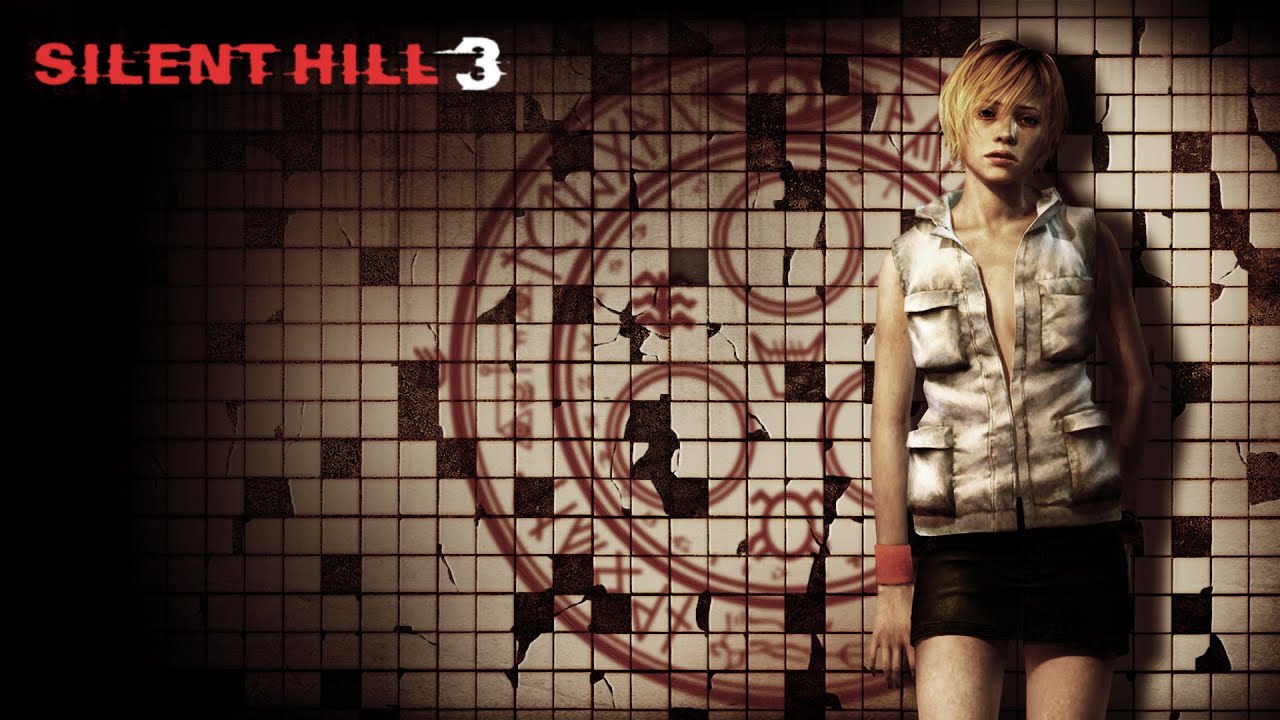
サイレントヒル3(SILENT HILL 3)のネタバレ解説・考察まとめ
『サイレントヒル3』は、2003年にコナミからリリースされたサバイバルホラーゲームで、『サイレントヒル』シリーズの第3作目にあたる。プレイヤーは主人公ヘザー・メイソンを操作し、異常な世界での冒険を通じて、彼女の過去と向き合う物語が描かれる。本作は、シリーズ初作と直接リンクしており、深遠で不気味な世界観と心理的恐怖が特徴。グラフィックや音響が緊張感を生み出し、ストーリー性やキャラクター描写の丁寧さが高く評価されている。
Read Article
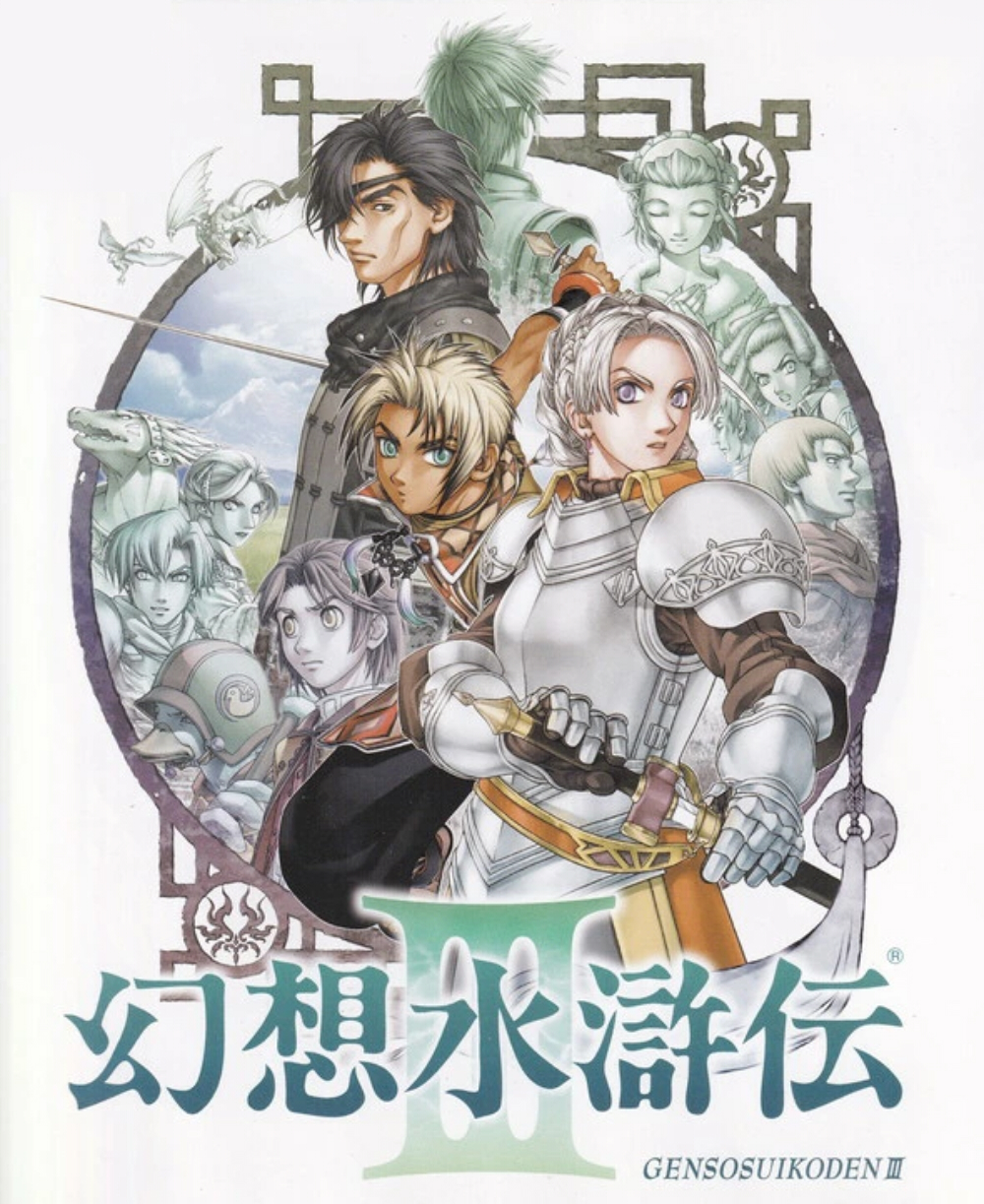
幻想水滸伝III(幻水III)のネタバレ解説・考察まとめ
『幻想水滸伝III(幻水III)』とは、コナミが制作する「幻想水滸伝シリーズ」の一作品で、2002年に発売されたロールプレイングゲームである。略称は「幻水III」で、宿星を持つ108人の仲間を集めて戦うところは中国の『水滸伝』をモチーフにしている。個性豊かなキャラクターたちが織り成す人間関係と、ドラマティックなストーリーが魅力。幻水IIIはシリーズ内で唯一、複数の主人公が登場する点や、初採用となった3Dポリゴンのグラフィックでも注目された。対応するプラットフォームはPlayStation 2。
Read Article
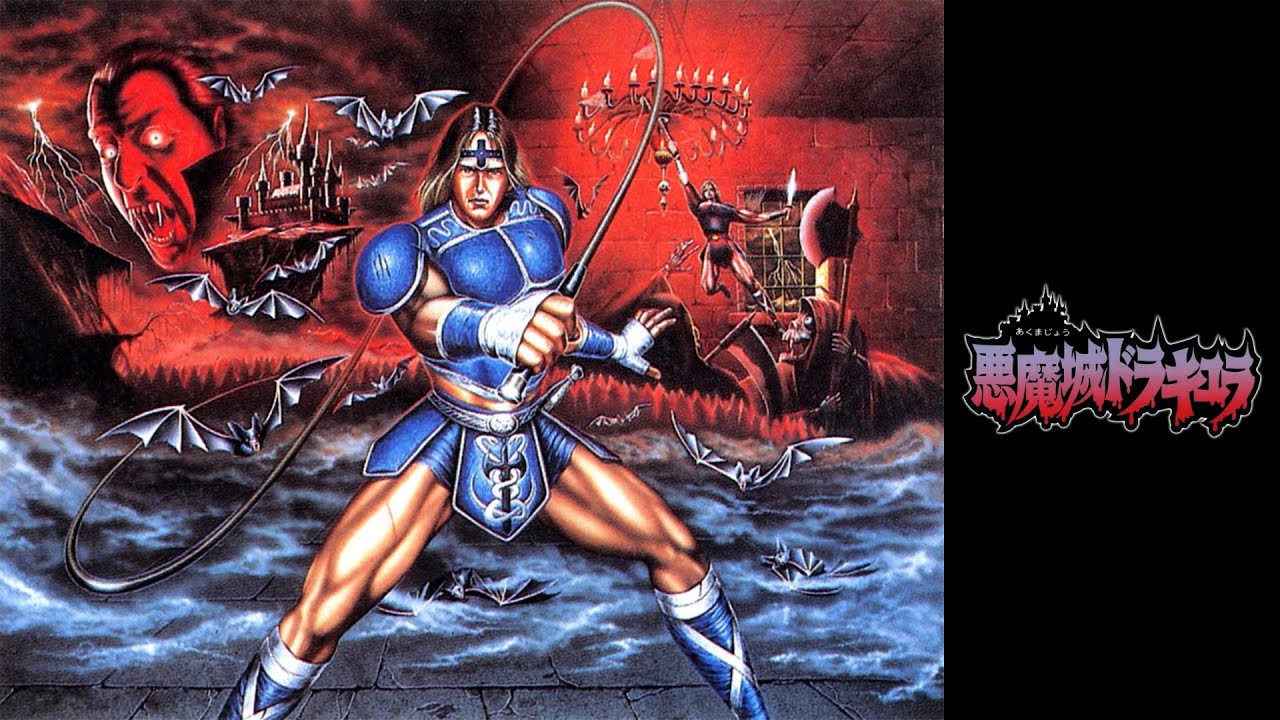
Castlevania (Super Nintendo Entertainment System version) spoiler commentary and discussion.
Castlevania" is a horror action game released by Konami on October 31, 1991, exclusively for the Super Nintendo Entertainment System (SNES). It was the first title in the popular Castlevania series for the Super Nintendo Entertainment System (SNES), and it featured significantly improved graphics and operability compared to its predecessor. The story takes place in medieval Europe, 100 years after the Demon King, who once attempted world domination, was banished from the human world. A single bolt of lightning brings back the Demon King, who had been sealed away, and he returns to the human world. Simon, a young man of the Belmondo clan, the protagonist of the film, picks up his ancestral whip and heads for the Devil's Castle.
Read Article
がんばれゴエモン〜ネオ桃山幕府のおどり〜(ゲーム)のネタバレ解説・考察まとめ
『がんばれゴエモン〜ネオ桃山幕府のおどり〜』は、コナミが1997年8月7日に発売したNINTENDO64用ゲーム。日本中をステージに変えようと企むネオ桃山幕府の陰謀を止める為に義賊のゴエモンと忍者のエビス丸が仲間と協力し日本中を救うストーリー。『がんばれゴエモン』シリーズの中で初めて3Dのアクションゲームとなっている。主題歌は影山ヒロノブ、挿入歌は水木一郎というアニソン界の大御所が担当、更に挿入歌をオペラ歌手が担当し楽曲にかなり力を入れている。
Read Article
Yu-Gi-Oh Duel Monsters 8: The Great Evil God of Doom (game) spoiler commentary and discussion.
Yu-Gi-Oh Duel Monsters 8: The Great Evil God of Doom" is the eighth game based on "Yu-Gi-Oh Official Card Game: Duel Monsters", released by Konami for the Game Boy Advance. It is a completely original story that takes place after the Battle City version of the original "Yu-Gi-Oh! The rules are different from those of the OCG (Official Card Game), making it an extremely challenging game.
Read Article
Why Yu-Gi-Oh games are now called "extra cards"
There is a term for Yu-Gi-Oh games: "extra cards". This is due to the fact that the Yu-Gi-Oh games that were once released were ridiculously good.
Read Article
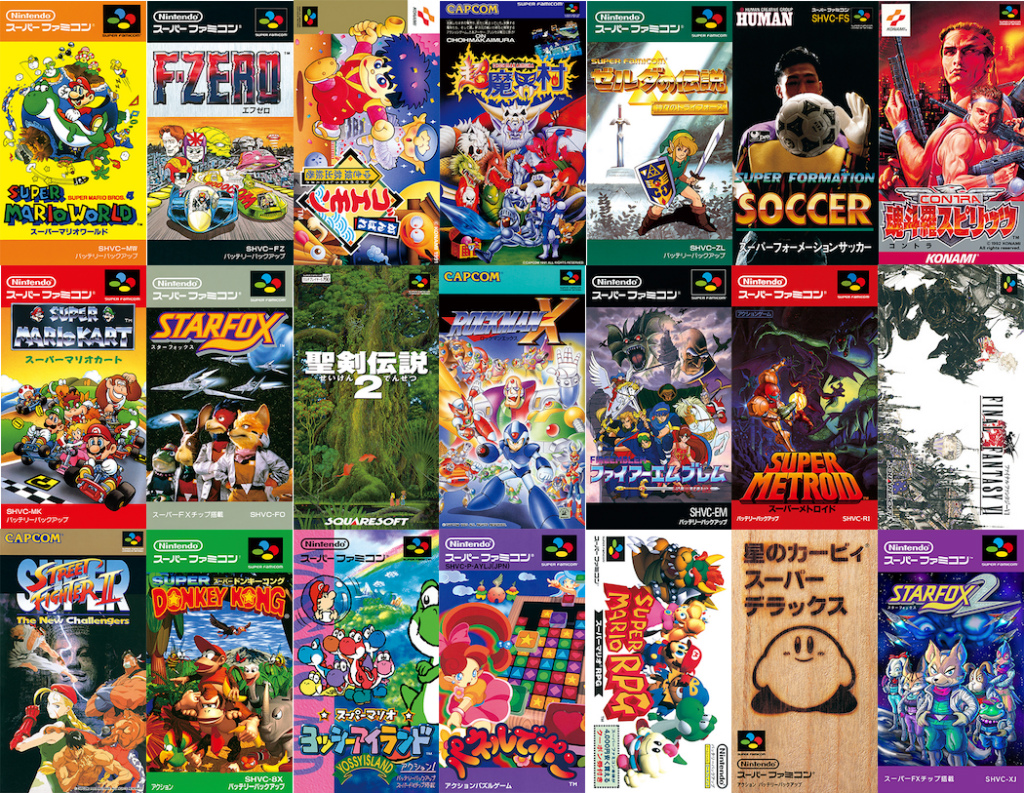
A compilation of recommended Super Nintendo Entertainment System (SNES) software classics.
We will compile a list of the most interesting and highly rated SFC classic software in the series by genre. The SNES is still colorful even if you play it now. Some of them have appeared on the Virtual Console.
Read Article
![Horror Games] A collection of horror games where the only way out is to run away.](https://renote.net/files/blobs/proxy/eyJfcmFpbHMiOnsiZGF0YSI6MTUwNDksInB1ciI6ImJsb2JfaWQifX0=--ae737bb82b451f2c708234d3abd8004b75d85c3d/4b0687c4.jpg)
Horror Games] A collection of horror games where the only way out is to run away.
Even if you want to fight, you can't fight, you can never defeat them, and no matter how many times you fight them off, they will reappear and attack you again. ...... This is a collection of horror games where such enemies appear and you can enjoy the "fear that you have no choice but to run away". Escape Games
Read Article
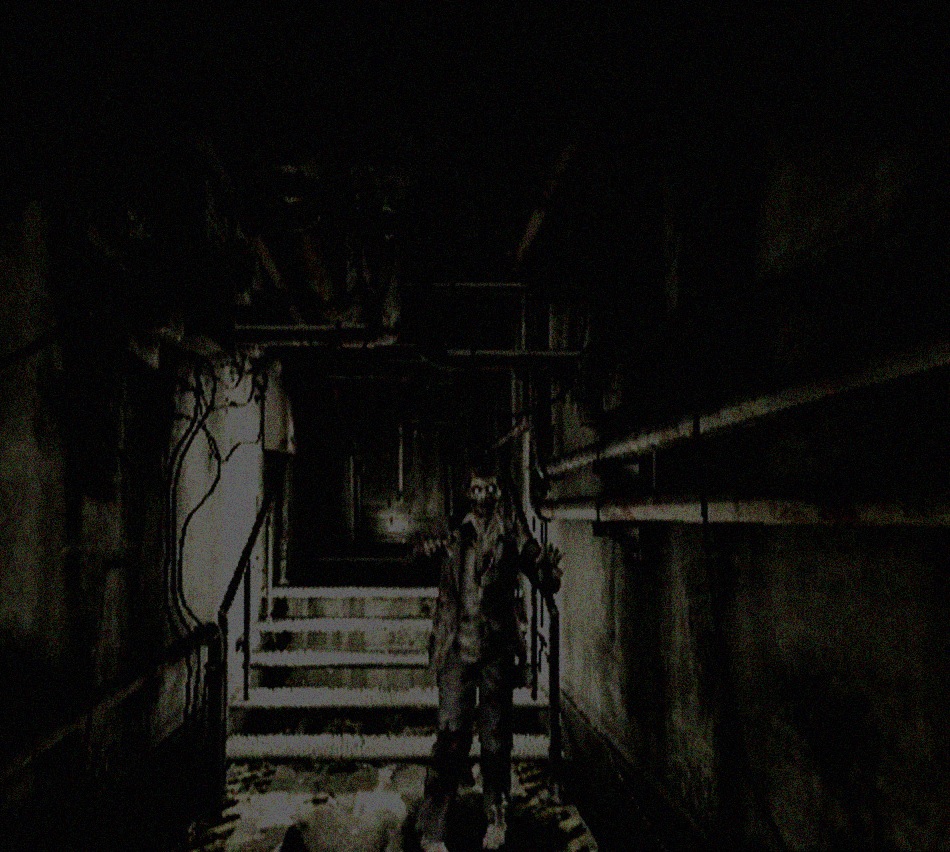
A selection of recommended horror games to enjoy slowly
A variety of horror games available for play in Japan. They are all wonderful. Among them, we would like to introduce mainly horror games with action elements.
Read Article
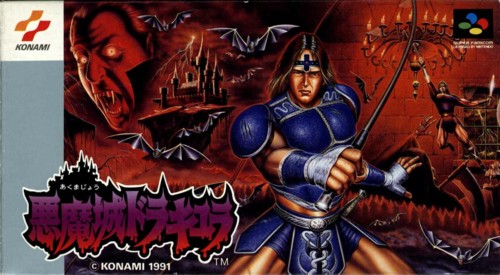
Super Nintendo Soft! Introducing Castlevania.
Just the name Castlevania sounds scary, but it was released on the Super Nintendo Entertainment System (SNES). Now, what kind of game is it?
Read Article
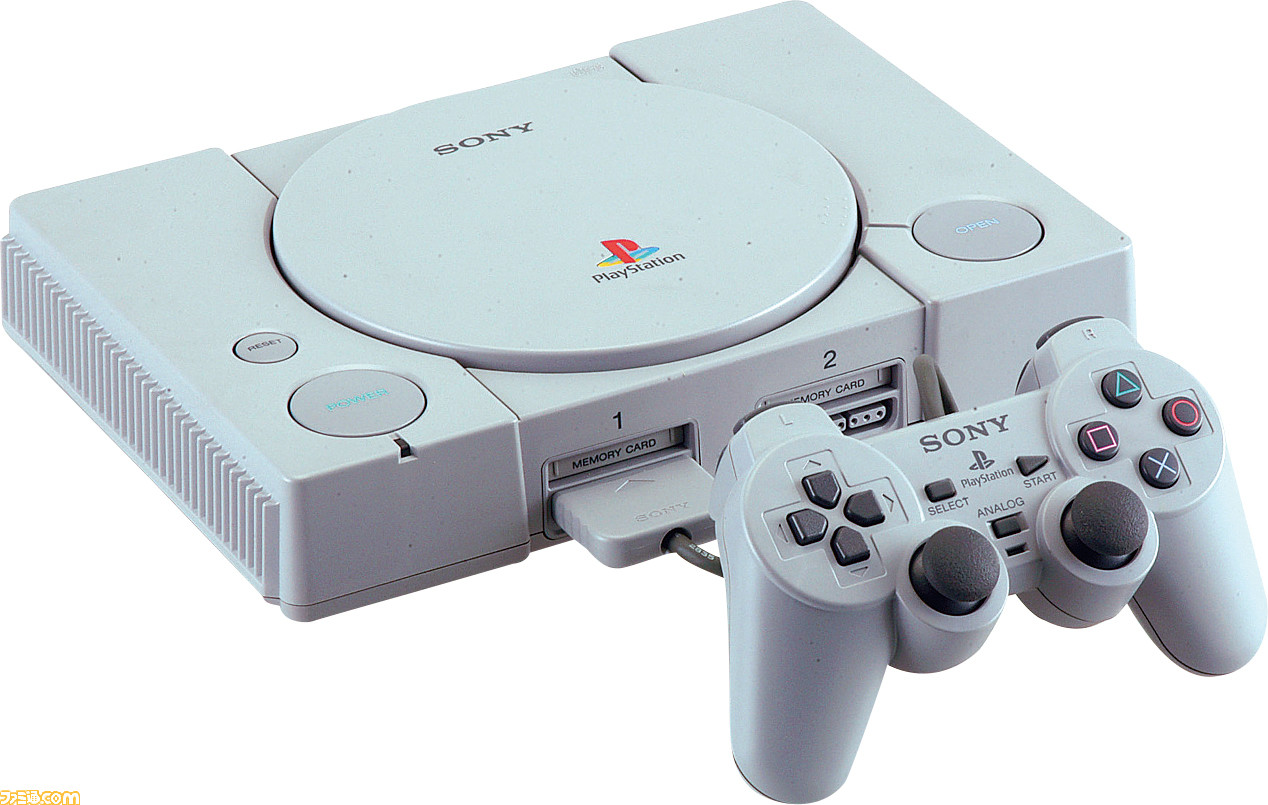
Special feature: recommended game software for the original PS! A selection of masterpieces including "Ridge Racer" and more!
Launched in 1994, the PlayStation served as a platform for many classic games, and with its innovative features and performance for its time, it was a great machine that determined the breakthrough of the PlayStation series that followed. In this article, we have collected information on software titles that have been especially well-received as "masterpieces.
Read Article
A Rare History of Silent Hill! Haunted house conversion and mystery-solving games? Shizuoka Prefecture renamed Silent Hill Prefecture?
Silent Hill" is renowned as one of the most terrifying horror games ever made. Silent Hill" seems to have a number of unusual histories, which we have summarized in this article. For example, Shizuoka Prefecture was renamed "Silent Hill Prefecture," and the "Silent Hill Song" has lyrics that are too morbid. There are many more, so if you have played the game, you may find it an interesting read.
Read Article
Contents
- DanceDanceRevolution Overview
- DanceDanceRevolution Game System
- Putting money in the enclosure
- Select Language
- Hold up your e-amusement PASS
- Play Style Selection
- single play
- double play
- Versus play
- tutorial
- Select a song
- DDR SELECTION
- Select a level of difficulty
- Actually play
- Evaluation of Judgment
- result
- Option Setting
- Arrow Speed
- How the arrow moves
- Arrow visibility
- revolution
- step zone
- Arrow Scroll
- Arrow color
- Cut by timing
- Freeze Arrow, Simultaneous Steps
- gauge
- DanceDanceRevolution Terms
- Type of Arrow
- freeze arrow
- shock arrow
- Result Type
- Detailed Results (blue)
- Rivalry Comparison (green)
- Calories burned (pink)
- Other
- e-amusement PASS
- PASELI
- Backstories, trivia, small stories/anecdotes, and episodes of DanceDanceRevolution
- Differences by enclosure
- Cathode-ray tube enclosure (old, black, and red enclosures)
- Black LCD enclosure (X enclosure)
- White LCD housing (white housing)
- Gold color LCD housing (Gold Housing, 20th Anniversary Model)
- Songs to play in DanceDanceRevolution.