
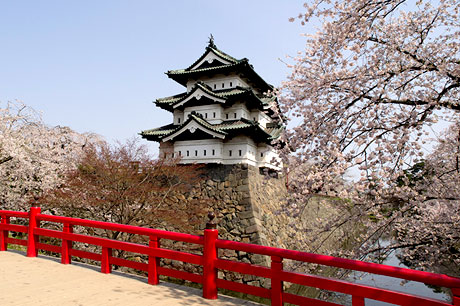
We have carefully selected castles with a castle tower surviving from among the 100 best castles in Japan.
We have selected 5 recommended castles from the Chugoku, Shikoku and Kyushu regions.
Why don't you reconfirm the beautiful Japanese architecture and historical value of these castles?
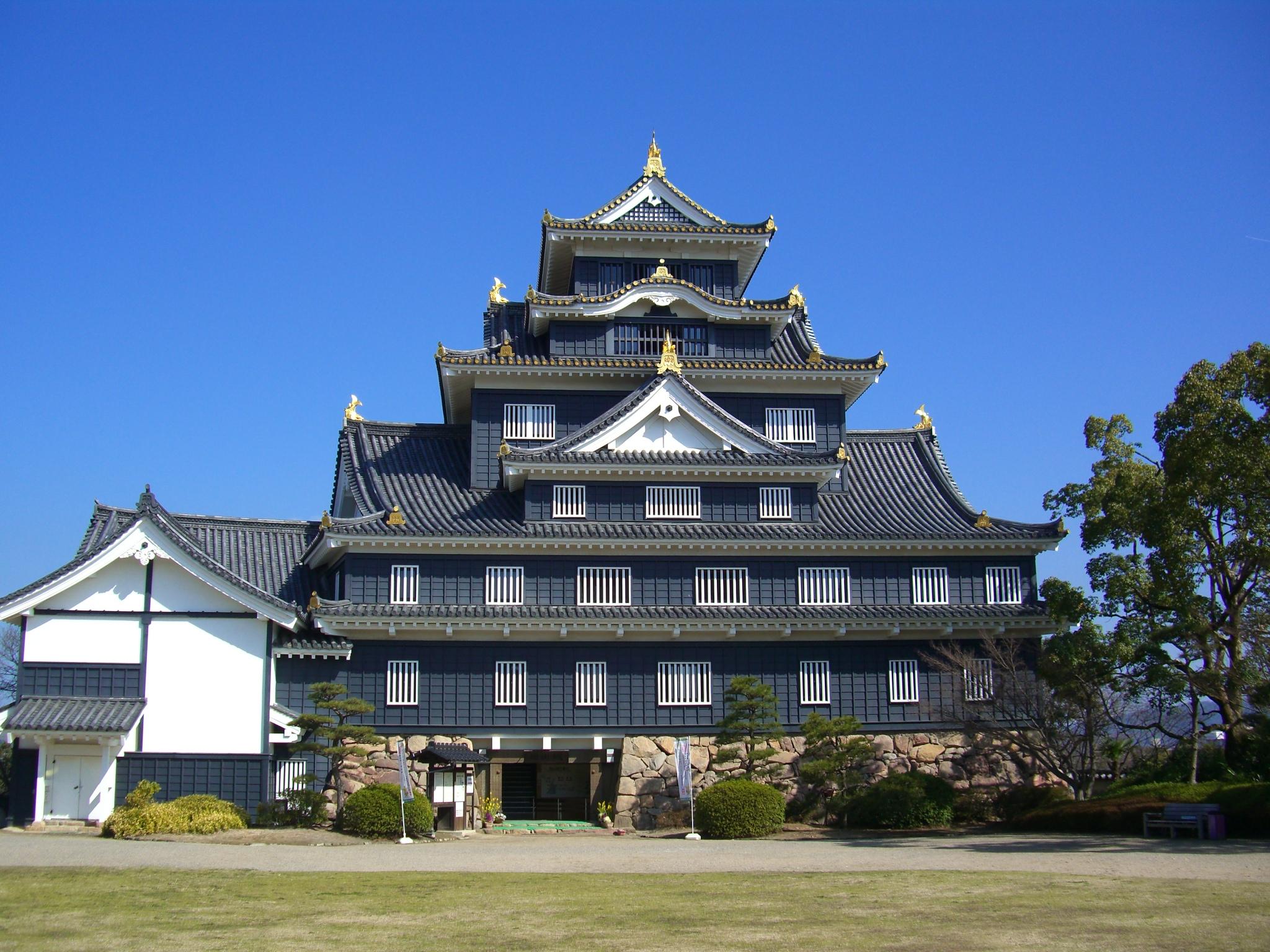
The castle was built by Ukita Hideie, who became a feudal lord after being treated by Toyotomi Hideyoshi, who became the ruler of Japan, as if he were a relative of Hideyoshi. Because the castle faced west, the Asahikawa River was modified to flow behind the east side of the castle and used as a natural outer moat. The castle is also called "Karasu Castle" in later periods because of its black exterior, a characteristic of this period when black lacquered clapboards were installed on the walls of the castle tower. Hidesuke used this castle not only as a facility for warfare, but also as a place to gather merchants and craftsmen from within his domain to govern the area, and to develop the castle town.
Source: okayama-kanko.net
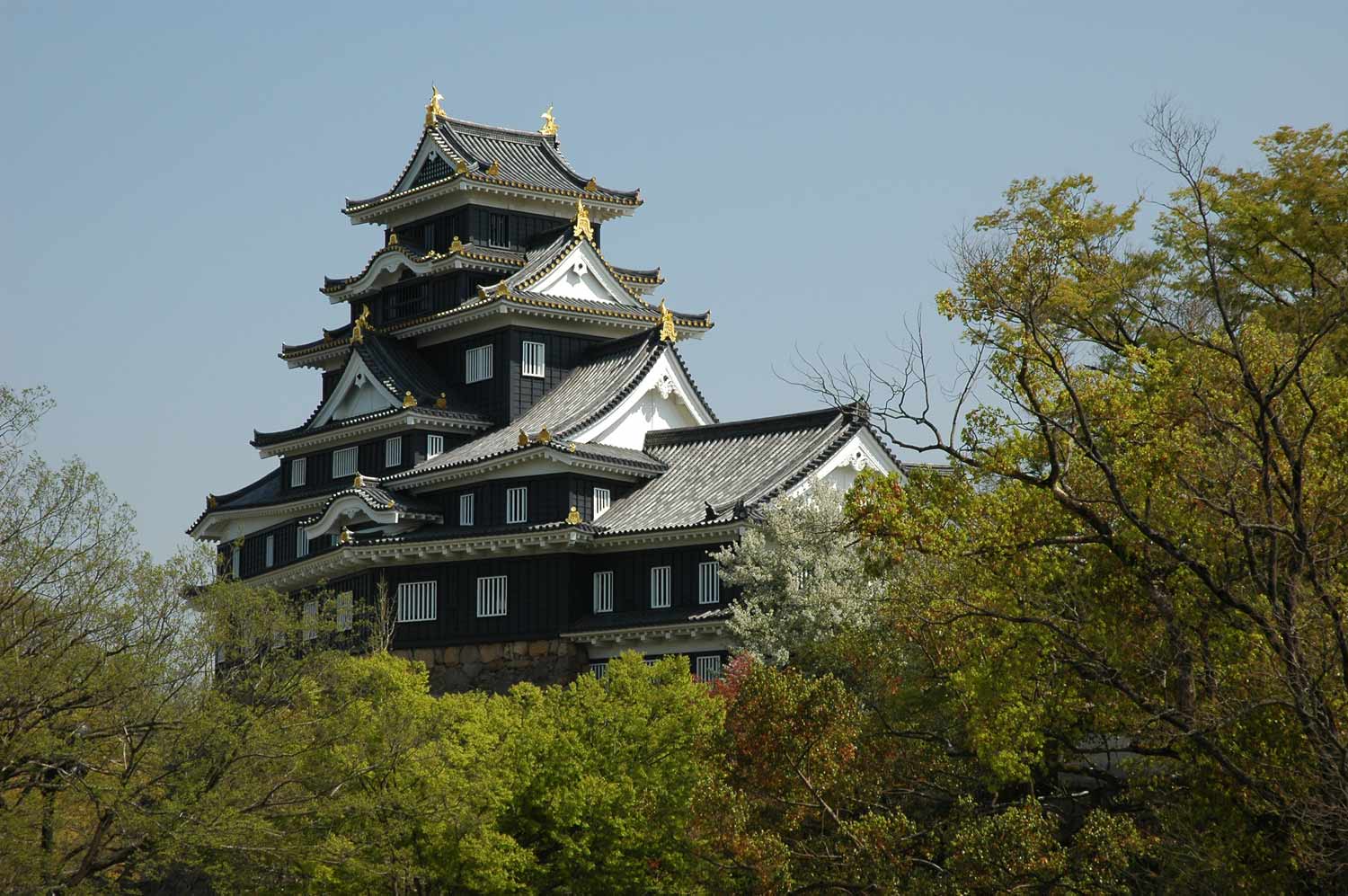
Most of the palace, turrets, and gates were demolished during the Meiji period. Most of the moats were filled in, except for a part of the inner moat, but many of the streets have largely retained their Edo period locations. Furthermore, during World War II, the castle tower and Ishiyama-mon Gate were destroyed by fire due to air raids. Two turrets, a stone wall near the main circle, and the inner moat remain to this day, and the castle tower, the unknown gate, the corridor gate, the 61st goose gate, and part of the wall were reconstructed after the war. The existing Tsukimi-yagura and Nishinomaru-nishite-yagura are designated as National Important Cultural Properties, and are also designated as historical sites as "Ruins of Okayama Castle. In addition, the Kyobashi Gate was moved to Kogushi, Minami-ku, Okayama City, and still exists. The ruins of the castle are maintained as Karasu Castle Park, and public institutions such as Sanyo Broadcasting System, Hayashibara Museum of Art, and Okayama Civic Hall are located in the Ninomaru site, and Okayama Prefectural Government Office and Okayama Prefectural Library are located in the Sanomaru site. In recent years, reconstruction of the Honmaru Palace has been considered, but as of fiscal 2008, there is still no prospect for its reconstruction.
Source: ja.wikipedia.org
Shuri Castle, Okinawa
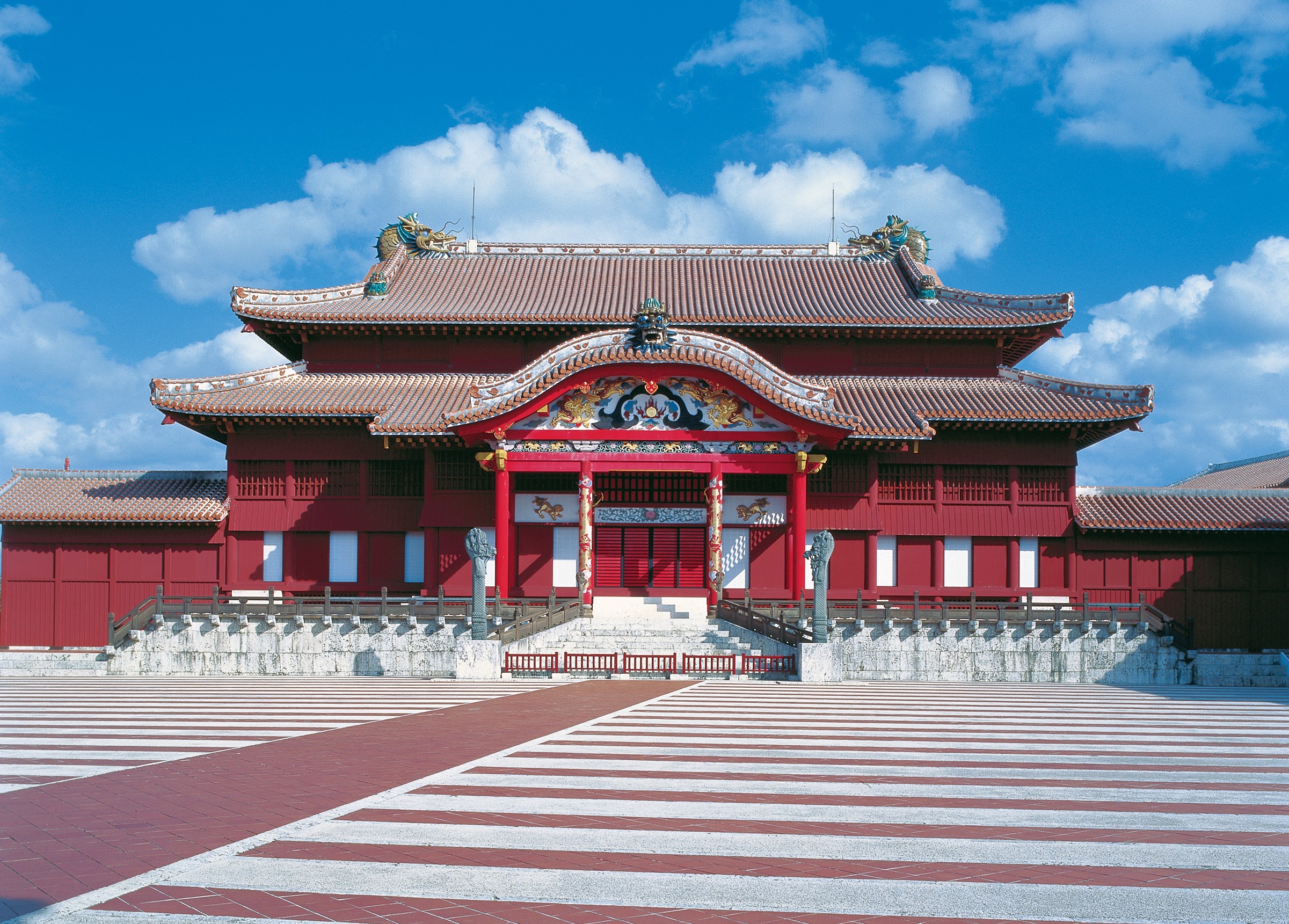
It was the royal castle of the Ryukyu Dynasty and the largest castle (gusuku) in Okinawa Prefecture. The main hall and other buildings were national treasures before the war, but were completely destroyed during the Battle of Okinawa in 1945 and the construction of the University of the Ryukyus after the war; only a few parts of the walls and building foundations remain. In 1992 (Heisei 1992), the main hall and other structures were restored by filling in the remains of the old buildings.
Source: ja.wikipedia.org
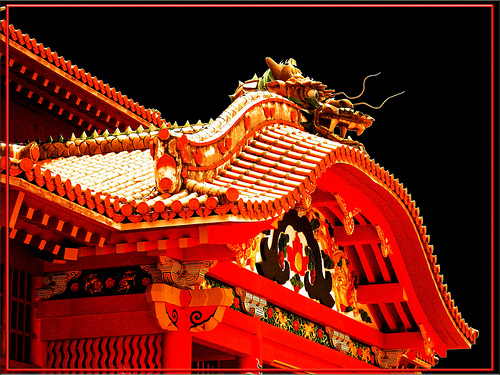
Shuri Castle, the largest wooden structure in Okinawa Prefecture, is located on a hill with a great view of Shuri, Naha City. It is a unique Ryukyuan architectural structure that mixes architectural styles from China and Japan with those suited to Okinawa's climate. The exact date of its construction is not known, but excavations and other research have led to the belief that it existed between the late 13th and 14th centuries.
It has been repeatedly rebuilt and reconstructed due to repeated disasters and fires, and during the Battle of Okinawa in World War II, the entire area was burnt to the ground. In 1992, Shurijo Castle was restored to its original state, fulfilling a long-held wish of the people of the prefecture, and in December 2000, it was registered as a World Heritage site as "Gusuku and Related Properties of the Kingdom of Ryukyu," becoming one of Okinawa's most popular tourist attractions.
Source: www.okitour.net
Summary of this issue
In this issue, we have introduced famous castles in the Kyushu, Chugoku, and Shikoku regions whose castle towers have survived.
However, Matsuyama Castle is the only castle that still has its original keep.
The others were destroyed by fire during the war and were restored in the Showa period.
Although not strictly speaking an architectural structure of the time, the value of preserving the form of the original castle is still there.
The restored castles may also be important for Japan.

Contents
- 100 Best Castles in Japan
- Recommended Famous Castles, Part 1: Kumamoto Castle
- Recommended Famous Castle #2: Shimabara Castle
- Recommended Famous Castles Part 3: Hiroshima Castle
- Recommended Famous Castles Part 4: Matsuyama Castle
- Recommended Famous Castle #5: Okayama Castle
- Shuri Castle, Okinawa
- Summary of this issue