
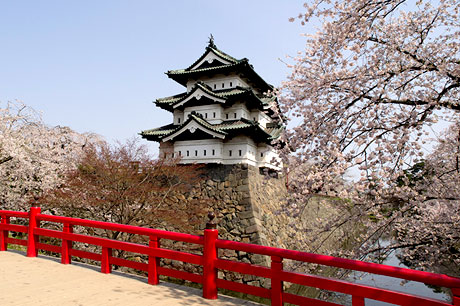
We have carefully selected castles with a castle tower surviving from among the 100 best castles in Japan.
We have selected 5 recommended castles from the Chugoku, Shikoku and Kyushu regions.
Why don't you reconfirm the beautiful Japanese architecture and historical value of these castles?
100 Best Castles in Japan
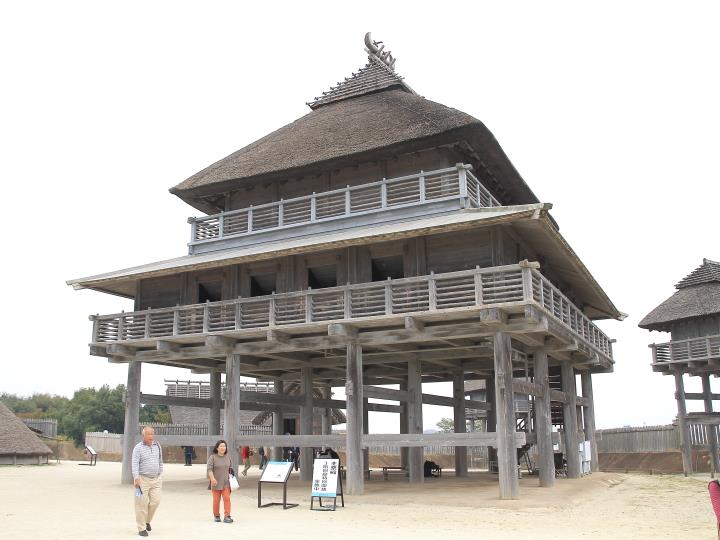
Yoshinogari Ruins, although not a castle, have high historical value.
It is an important building in terms of tracing the roots of Japanese architecture.
The Japan Castle Foundation had been working on the selection of the "100 Great Castles of Japan" as a clue to exploring castles throughout Japan,
After nominations from castle enthusiasts and a selection meeting of experts, the Japan 100 Great Castles were finalized and announced on February 13, 2006.
The castles selected were selected from prominent castles of the modern period with towering tenshukaku (castle towers), including Himeji Castle, a World Heritage Site, and Hikone Castle and Matsumoto Castle, both national treasures,
The selected castles include the World Heritage Site Himeji Castle, the national treasures Hikone Castle and Matsumoto Castle, and other famous castles from the modern period with towering towers, as well as the moated settlement Yoshinogari (Saga Prefecture), where castles are said to have begun, and the ancient Onino Castle (Okayama Prefecture),
The Ashikaga clan's medieval castle in Tochigi Prefecture and Ichijodani Castle in Fukui Prefecture, the Ryukyu Kingdom's Shuri Castle in Okinawa Prefecture, Nobunaga's Azuchi Castle in Shiga Prefecture, and the Western-style Goryo Castle in Hokkaido,
The castles are famous for their variety of styles, representing their time periods and regions.
These castles were given certificates of recognition on Castle Day, April 6, 2006, and in June 2007, they became the first 100 castles in Japan to receive this certification,
In June 2007, a stamp rally to explore the 100 best castles in Japan was launched.
Source: www.oshirobu.com
Recommended Famous Castles, Part 1: Kumamoto Castle
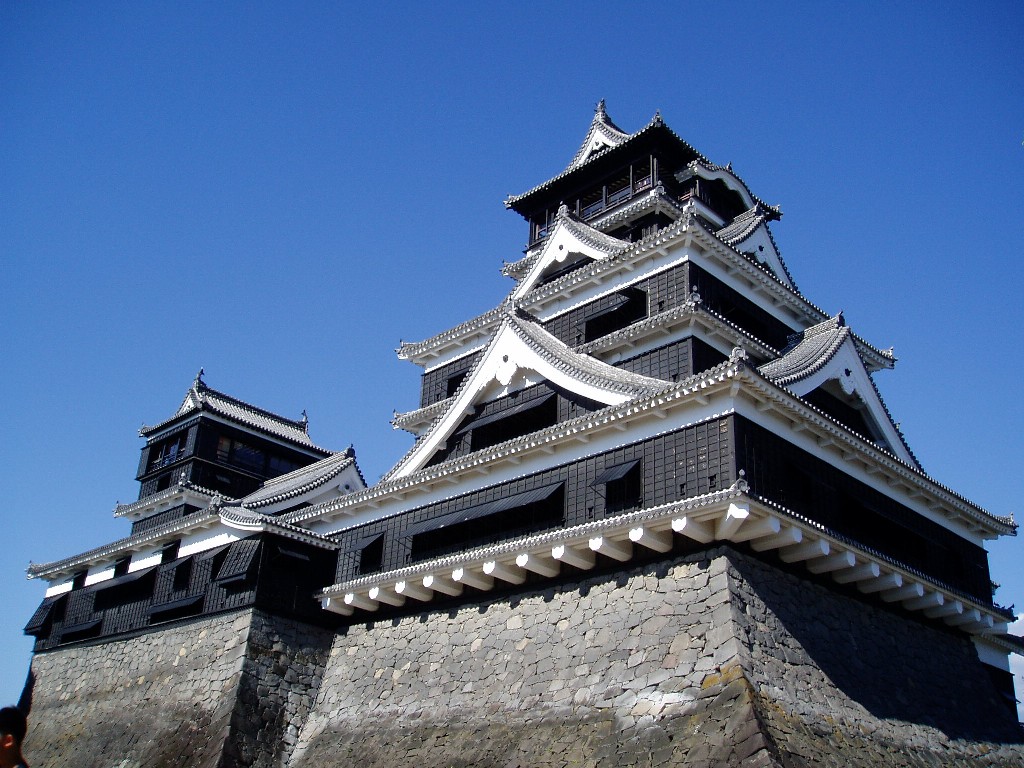
It is one of the three most famous castles in Japan.
It became the present Kumamoto Castle after Kiyomasa Kato, a master castle builder, became the lord of the castle.
The castle tower was destroyed by fire during the Civil War in 1877, and the current tower was restored in 1960.
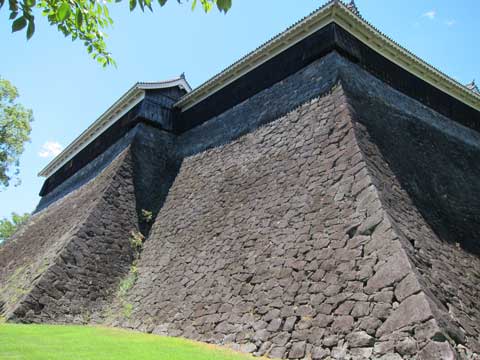
The stonewalls of Kumamoto Castle were built by the "Anou-shu," a group of stonemasons with special skills led by Kiyomasa Kato from Omi Province.
The stonewalls of Kumamoto Castle are unique in that the slope is gentle near the ground and becomes steeper as you go up, and are called "musha-gaeshi" or "Kiyomasa-style stonework. The lower part of the stone wall is quite gentle, about 30 degrees, but the upper part is an almost vertical precipice.
Source: castle.link-hp.net
Recommended Famous Castle #2: Shimabara Castle
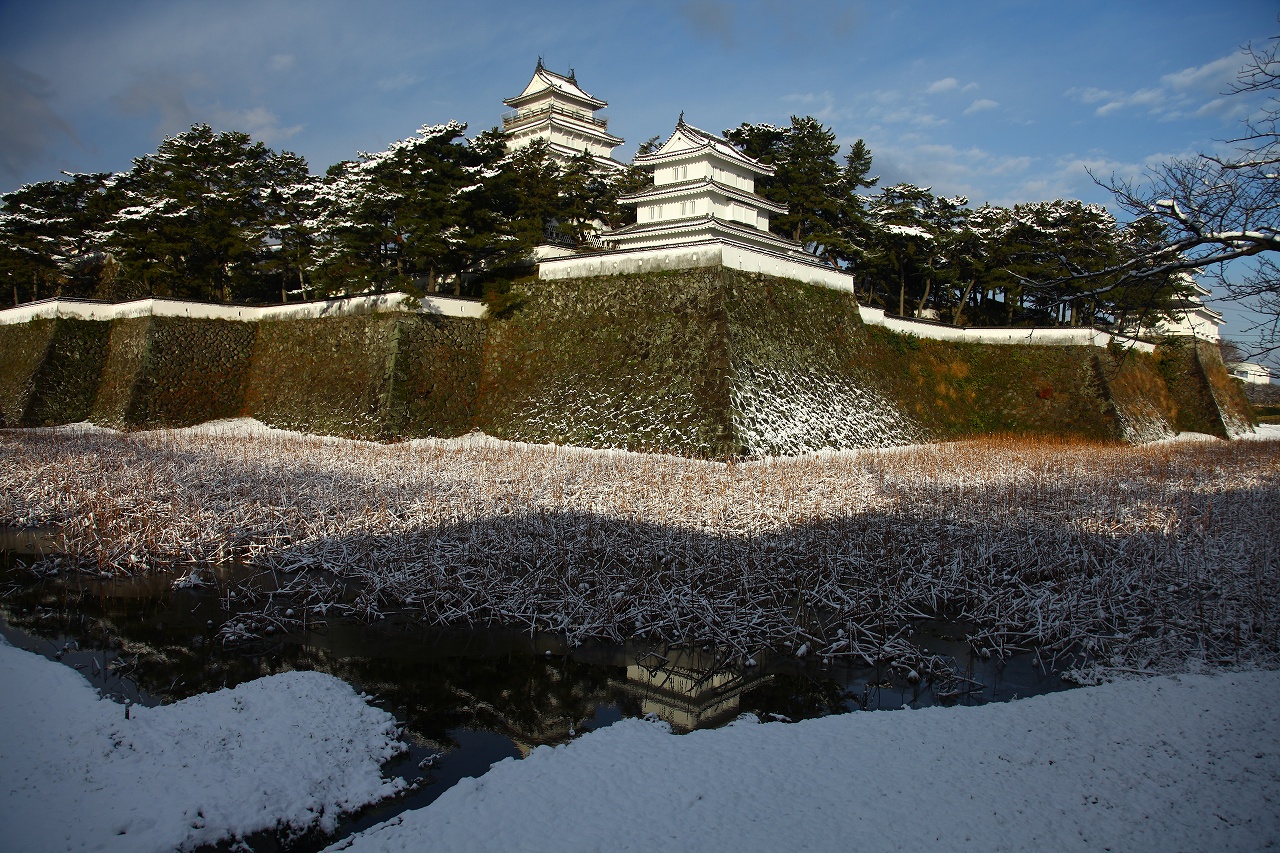
In 1616, Matsukura Bungo-mamoru Shigemasa moved from Gojo in Yamato (Nara Prefecture) to Shimabara, and built Shimabara Castle over a period of seven years from 1618.
The castle was built on a small hill called "Shikabeyama" or "Moridake" in the old days, so it is also called Moridake Castle. The castle was a rectangular castle with a perimeter of approximately 4 km, surrounded by walls, with 7 gates and 33 flat turrets.
Source: www.nagasaki-tabinet.com
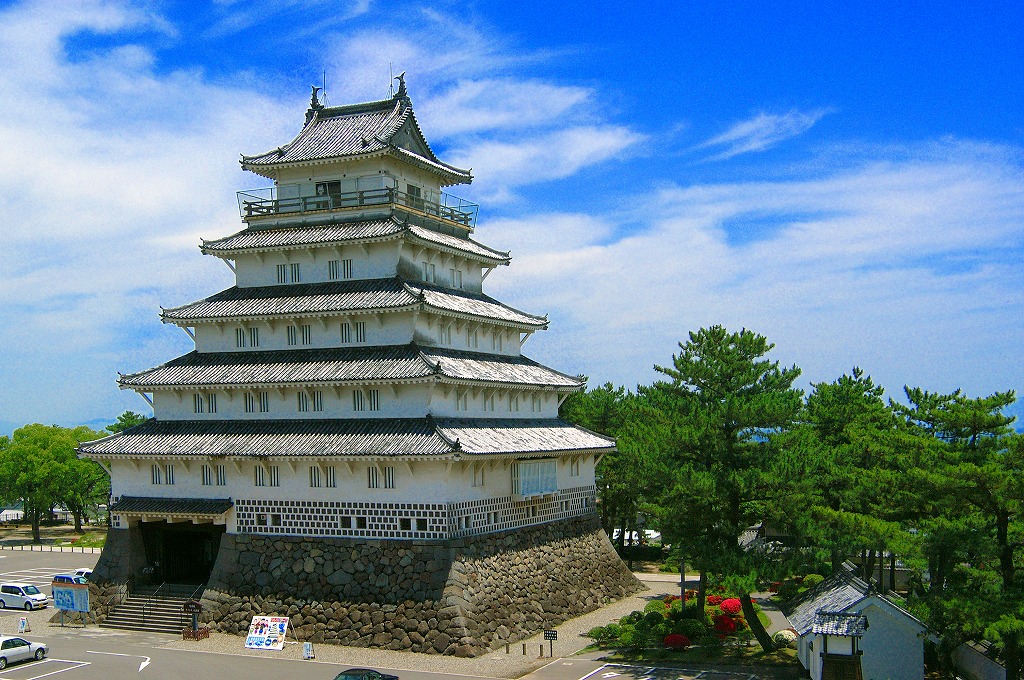
The castle was the residence of the Matsukura, Takanori, Matsudaira, Toda, and Matsudaira clans for 19 generations (253 years), but was abandoned in 1874 and sold to the private sector. The castle was abandoned in 1874 and sold to the private sector. Since then, it has literally been a wasteland, but in 1964 the castle tower was restored and the turrets were also rebuilt, gradually restoring the castle to its former glory.
Source: www.city.shimabara.lg.jp
Recommended Famous Castles Part 3: Hiroshima Castle
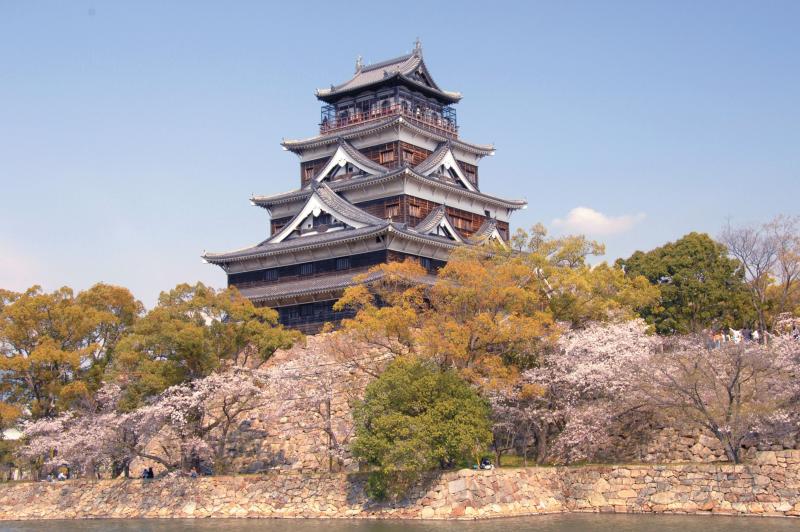
Hiroshima Castle was built in 1589 by Terumoto Mori, a feudal lord who owned most of the Chugoku region, on the delta of the Ota River. At the same time, construction of the castle town was underway. After the Battle of Sekigahara, Masanori Fukushima, who replaced the Mori clan, further improved Hiroshima Castle and expanded the castle town by bringing the Saigoku Kaido road into the merchant town. However, the Fukushima clan was criticized for inadequate notification of the castle's renovation, and in 1619, the Fukushima clan was exiled and replaced by Nagasheng Asano from Wakayama Prefecture. The Asano clan served as the lord of the castle for 12 generations.
Source: www.hiroshima-navi.or.jp
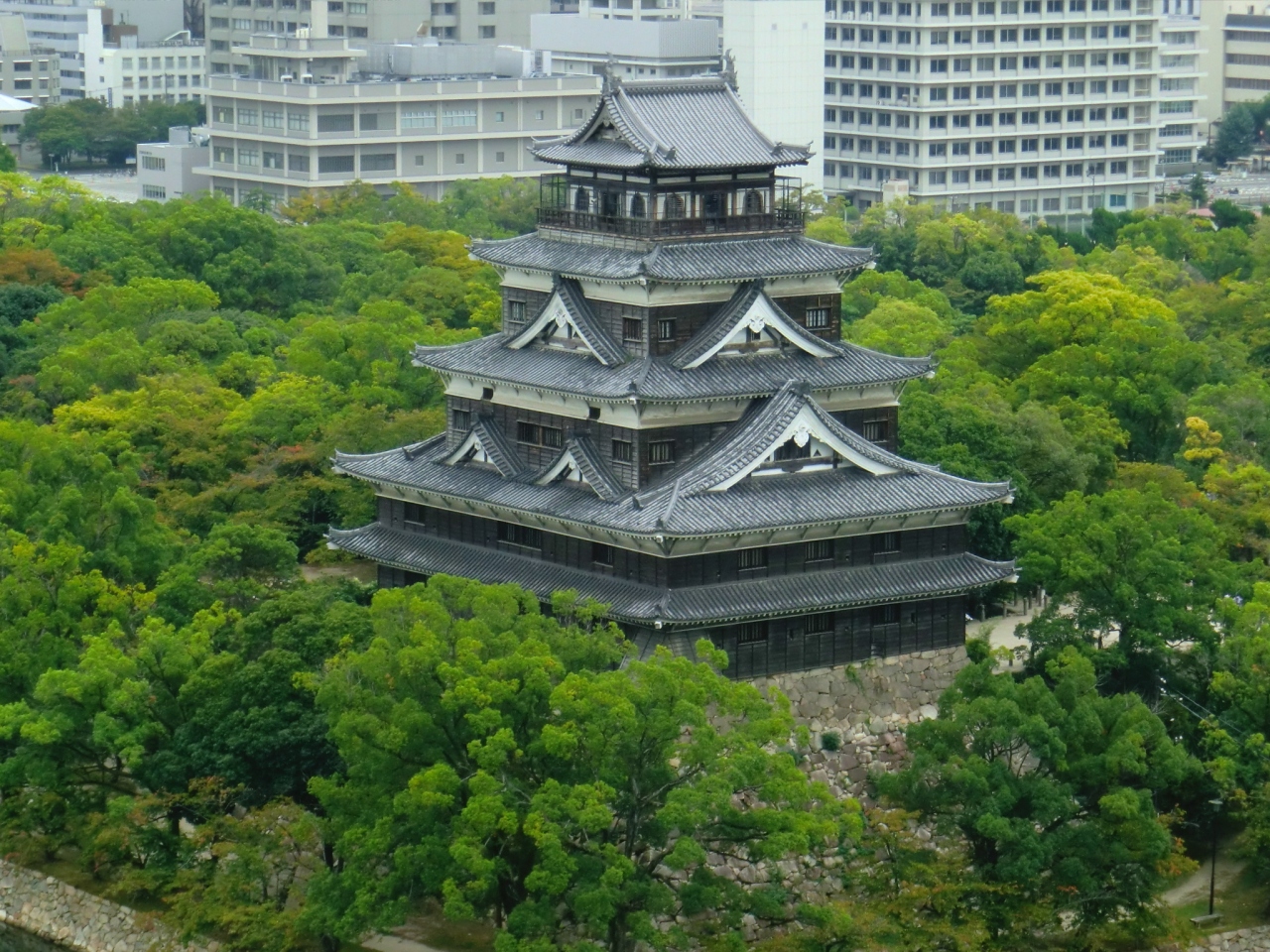
After the abolition of feudal Japan, army facilities were placed within the castle, and the buildings within the castle were gradually lost, but the castle tower, several gates, and a group of turrets in the Ninomaru area remained. However, these buildings were destroyed by the atomic bombing of August 6, 1945. The current castle tower was reconstructed from the exterior in 1958, and the interior is used as a history museum that mainly introduces the samurai culture.
Source: www.hiroshima-navi.or.jp
Recommended Famous Castles Part 4: Matsuyama Castle
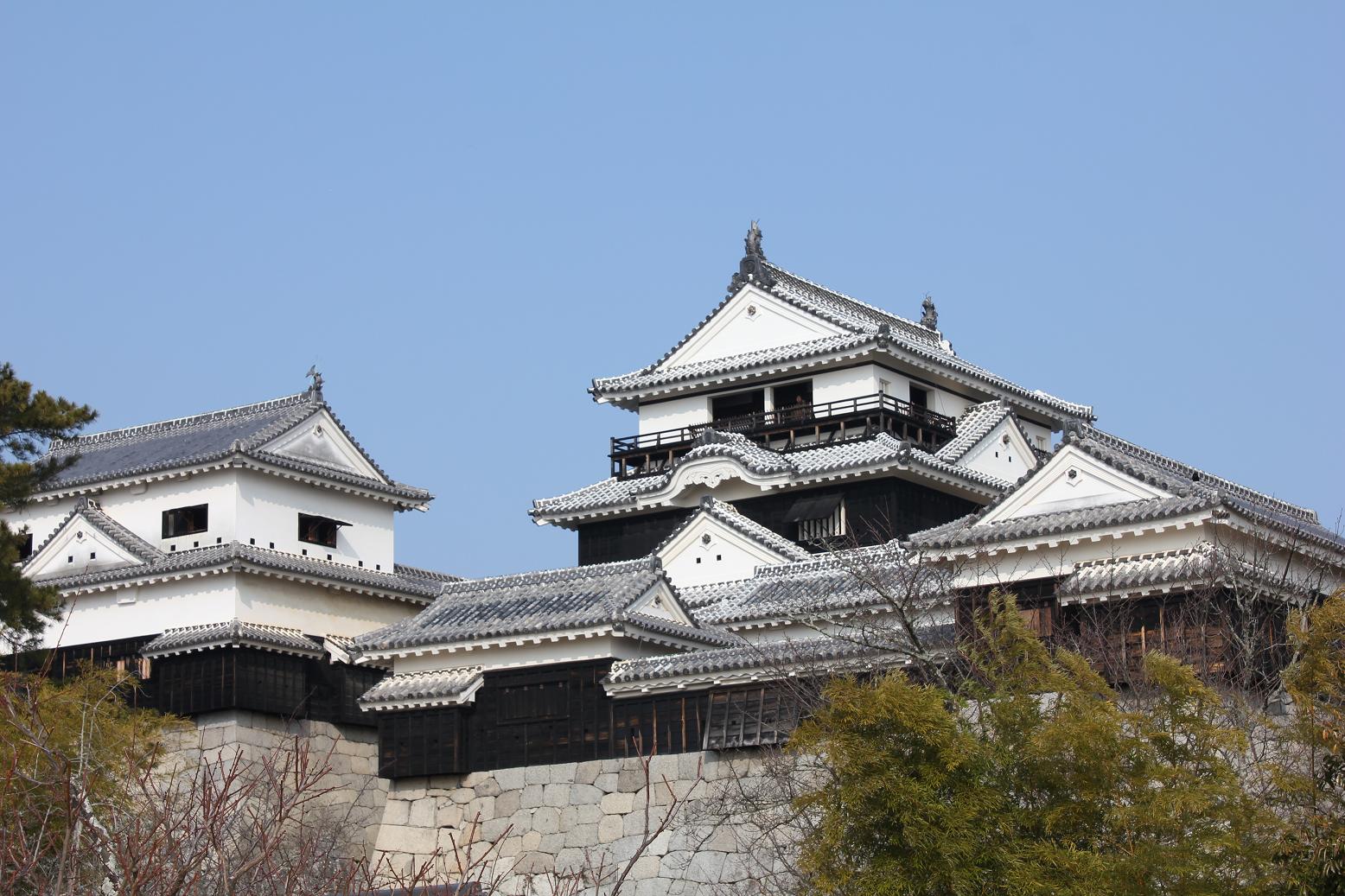
Matsuyama Castle is a vast flat mountain castle with the Honmaru located at the top of the 132-meter-high Shiroyama (Mt. Katsuyama), the center of Matsuyama City, and the Ninomaru (Ninomaru Historic Site Garden) and the Minomaru (Horinouchi) at the foot of the mountain.
Construction of the castle began in 1602 by Prince Yoshiaki Kato and took the longest time (a quarter of a century) to complete in the history of castle building in Japan. It is the largest castle in Shikoku, and among the "12 existing castle towers," it has the same interconnecting tower as Himeji Castle. Before the castle was completed, the Kato clan was transferred to the Aizu domain, and through the Gamo clan, the castle became the residence of the Matsudaira family, a feudal lord who was a parent clan for 235 years from 1635 to the Meiji Restoration.
The top floor of the main keep, said to be the last complete castle structure in Japan, offers a 360-degree view of the Matsuyama Plain and the Seto Inland Sea.
Source: www.city.matsuyama.ehime.jp
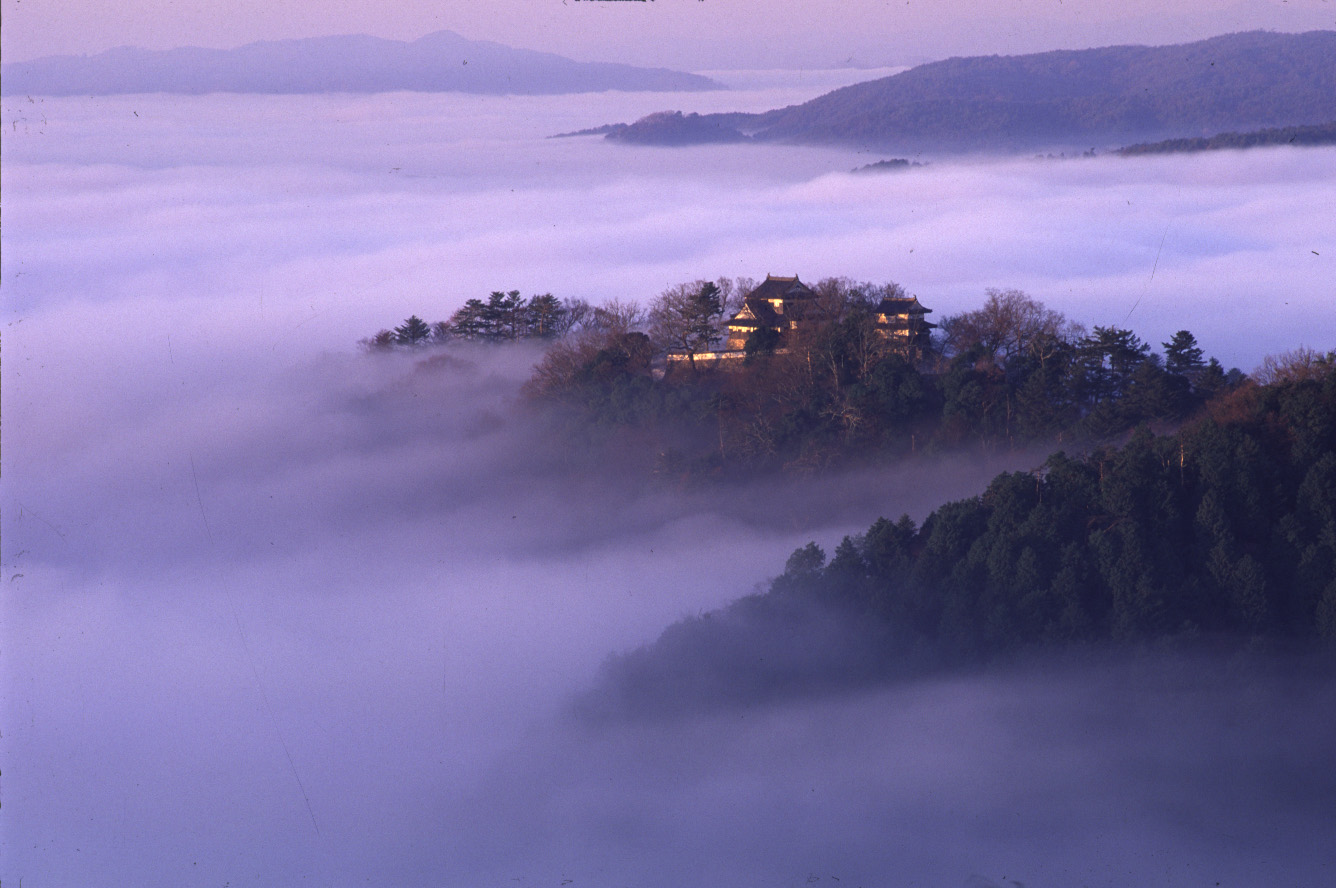
However, many castles were lost due to warfare from the end of the Edo period to the Meiji period (1868-1912), the Meiji government's decree to abolish castles, natural disasters, and World War II, and now there are only 12 castles in Japan with keepers built before the Edo period that still exist today. These are known as the "Twelve Existing Keeps. These are called the "12 existing castle keepers.
Source: www.matsuyamajo.jp
Recommended Famous Castle #5: Okayama Castle

Contents
- 100 Best Castles in Japan
- Recommended Famous Castles, Part 1: Kumamoto Castle
- Recommended Famous Castle #2: Shimabara Castle
- Recommended Famous Castles Part 3: Hiroshima Castle
- Recommended Famous Castles Part 4: Matsuyama Castle
- Recommended Famous Castle #5: Okayama Castle
- Shuri Castle, Okinawa
- Summary of this issue