
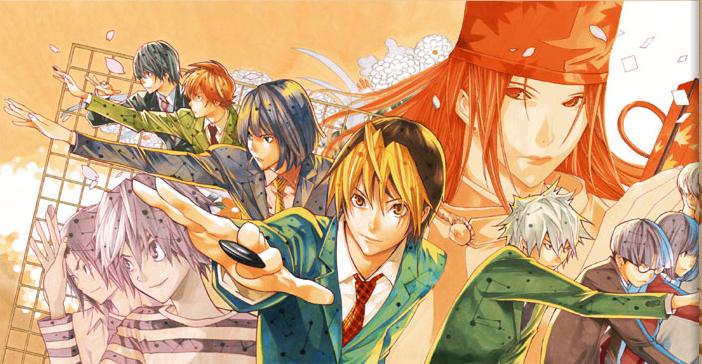
Hikaru no Go" is a Japanese boys' manga by Yumi Hota (original story) and Takeshi Obata (manga). It is a popular manga serialized in Shueisha's Weekly Shonen Jump magazine. It is based on the game of Go and created a Go boom, especially among elementary school students.
It has also been adapted into various forms of media mix, such as animated TV series, novels, and video games.
The story is about Hikaru Shindo, who is obsessed with Fujiwara no Satoshi, the greatest Go player of the Heian period (794-1185), and grows up with the people he meets through Go, aiming to make the divine move.
Famous quotes, lines, scenes, and scenes from Hikaru no Go
I haven't mastered God's move.
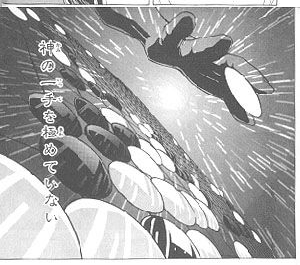
Fujiwara Same, a prodigious Heian-era Go player who resided on a Go board in Hikaru Shindo's grandfather's storehouse, met a child named Hikaru Shindo who could hear his voice, and became obsessed with Hikaru.
Hikaru, however, is an amateur Go player and has no interest in the game.
When Hikaru asked Satei why he possessed him, Satei told Hikaru the reason for his resurrection.
It was that he had not mastered the divine move.
This is a quote that expresses the strong feeling of Satame, who has been attached to this world for 1,000 years after his death, and wishes to continue playing Go in order to master the divine move.
Quote: Hikaru no Go, vol. 1
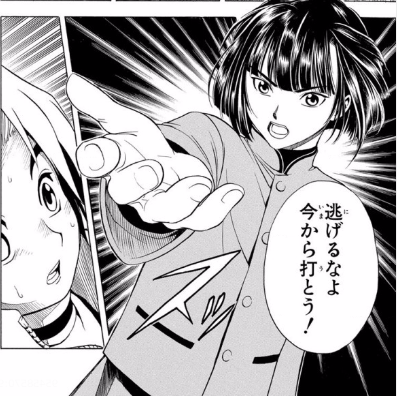
Don't run away. Let's hit it now!
Hikaru went to observe a children's Go tournament and was impressed to see how passionate the children were about Go.
Akira, who was defeated by Hikaru (Sate) at the Go Salon, wished to have a rematch with Hikaru. Akira heard from Ichikawa, the receptionist of the Go salon, that Hikaru might have gone to see the children's Go tournament, so he came to the nearest station to look for Hikaru. Akira was lucky enough to find Hikaru, but when he heard that Hikaru was impressed by the children who took the Go tournament seriously, he asked if Hikaru had never taken it seriously.
He laughed off Akira's question, "...are you going to be a pro?" Akira laughed off Hikaru's question and said he would become a pro. When Akira told Hikaru about the prize money for a professional title match, Hikaru ranted, "It wouldn't be a bad idea to become a pro and win a title or two every now and then..."
Akira, angered by Hikaru's words, felt insulted by the insult to those who train earnestly to become professionals and to professionals who are still working hard to become professionals, and challenged Hikaru to a match.
At that time, Hikaru had no knowledge of Go and little interest in the game, but his view of the game was changing just a little. However, the words he uttered out of ignorance provoked Akira's anger.
His words of wisdom convey Akira's passion and seriousness toward Go.
Quote: Hikaru no Go, vol. 1
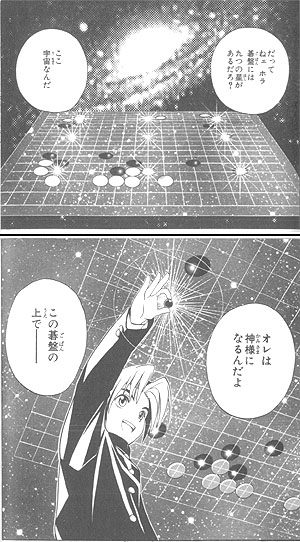
I'm going to be a god on this board.
At the request of Kaga and Tsutsui, sixth grader Hikaru participated in a junior high school Go tournament.
In the second round (semifinal) against Sawara Junior High School, Hikaru played spontaneously without the help of Sawori. Hikaru's stones were interesting, but his subsequent moves were still inexperienced. Kaga, who was expecting to see the ability that Hikaru showed at the Hase Junior High School festival, talked to Hikaru, asking if he was motivated or just playing. Kaga was surprised to hear Hikaru happily say that he was playing.
Hikaru said that he was going to place stones on the Go board as if it were the universe and create the universe as if he were adding stars one by one. Both Kaga and Satame were surprised at Hikaru's free thinking: "I'm going to become a god on this Go board.
These are the wise words of Hikaru, who truly enjoys playing Go.
Quote: Hikaru's Go vol. 2
The three generals of the Sea King are me.
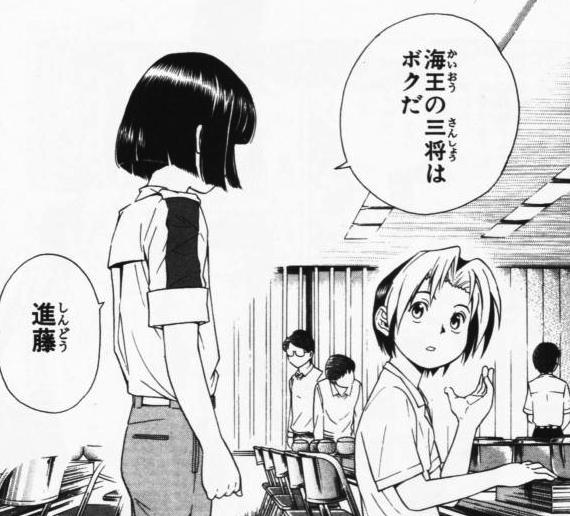
When Hikaru entered Hase Junior High School, he started a Go club with Tsutsui. He learned the fun and excitement of team competition at a Go tournament he entered under false pretenses of age when he was in the 6th grade, and struggled to beat Kaiou Junior High in the Go tournament.
Akira Touya, who had watched the Go tournament Hikaru participated in when he was in the 6th grade, learned anew about Hikaru's (Satame) ability, and after entering junior high school, he wanted to have friendly competition with Hikaru at the Go salon run by his father. However, Hikaru's answer was a rejection: "I won't play with you.
When he heard that Hikaru was going to participate in a tournament in the Go club, Akira, who is too good to participate in a tournament for junior high school students, did not want to participate in the tournament.
Akira, who would normally be the captain of the club, has been given the position of the three generals on the condition that he withdraws from the club after the tournament in order to compete against Hikaru.
This is the line that Akira said when he appeared in front of Hikaru, who was looking forward to seeing who the three generals of Kaiō would be.
It is a quote that expresses the determination and persistence of Akira, who strongly desires to fight against Hikaru.
Quote: Hikaru no Go vol. 3
You laughed. Don't laugh until the end.
When Hikaru was in his first year of junior high school, he played against Iwana Junior High School in the first round of a junior high school Go tournament. Hikaru was participating as the third general.
In the middle of the game, the Iwana Junior High School general, who was advancing favorably, was confident of victory and said with a smile, "Hehe, we've won. Hikaru responded to his words.
Hikaru's furious pursuit led him to a come-from-behind victory.
Hikaru was so sure of his victory that his opponent let his guard down, but Hikaru held on until the very end to win the match.
Hikaru's spirited words.
Hikaru's Go vol. 2
You can't see it unless you hit it yourself! I want to know the difference between him and me!
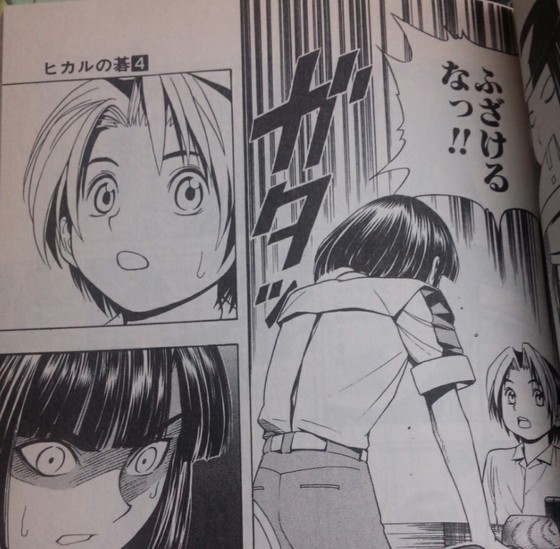
Hikaru and Akira were in the second round of a Go tournament in their first year of junior high school. Akira's wish came true and he and Hikaru began to play against each other.
During the lunch break, Hikaru heard about Kishimoto and Hidaka of Kaiō, and learned that Akira had been pushing hard without hesitation to play against Satame.
Thinking of Akira's persistence, Hikaru, who had intended to play the game himself, entrusted the game to Satake, saying, "You play.
Early in the game, when Sade was thinking long and hard, Hikaru could not read Sade's thoughts and wanted to play the move he had thought of. Just as Akira chased after Sasame, Hikaru also chased after Akira. He wondered how close he had come to Akira, and he could not tell the difference between Akira and himself unless he played the move himself.
Hikaru's move was an interesting one. It might have been an effective move if he had the ability to follow it up, but the still inexperienced Hikaru could not connect with it.
Akira, who was looking for the overwhelming strength of Satoshi, played a few moves, feeling puzzled by the sudden change of moves, but he finally could not stand Hikaru's poor Go, who played a different game than before and shouted angrily, "Screw you! He was furious.
Akira, disappointed by the disappointment of the overwhelmingly strong Hikaru, whom he had been chasing, stopped chasing Hikaru and quit club activities after this tournament to become a professional.
Hikaru realized the difference between his and Akira's abilities and started chasing after Akira.
In this game, the positions of the chaser and the pursued were reversed. One word expressing Hikaru's strong will that led to this reversal.
Hikaru's Go vol. 4
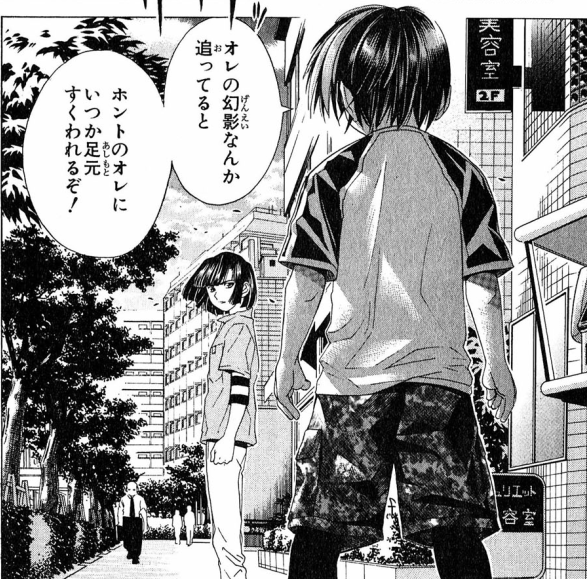
If you keep chasing after my illusion, the real me will catch you someday!
After Akira and sai's Internet Go game was over, Akira showed up at the Go salon and heard from a salon regular that Hikaru was at the Internet cafe.
During the game, the thought that it might be Hikaru passed through the corner of his mind, but he concluded that it was not Hikaru because of his overwhelming strength. However, Akira, who still could not let go of the idea that it might be Hikaru, hurried to the Internet cafe that Hirose, a regular, had told him about.
There, Akira found Hikaru, grabbed him by the shoulders, and looked into the screen. However, Hikaru's computer was open to a website of a boys' magazine.
When Akira asked Hikaru if he had ever played Internet Go, Hikaru did his best to cover it up. Convinced by his conversation with Hikaru that sai was not Hikaru, Akira tried to cut ties with Hikaru, saying, "I will never appear in front of you again.
When Akira walked away, Hikaru stopped him and said, "Hey, you, if you keep chasing after my phantom, the real me will catch you someday! He said to him, "Don't say someday.
Akira replied, "Don't say 'someday,' but how about now?" He had nothing to say, so he just left without saying a word.
He then walked away without saying a word.
Quote: Hikaru no Go vol. 5
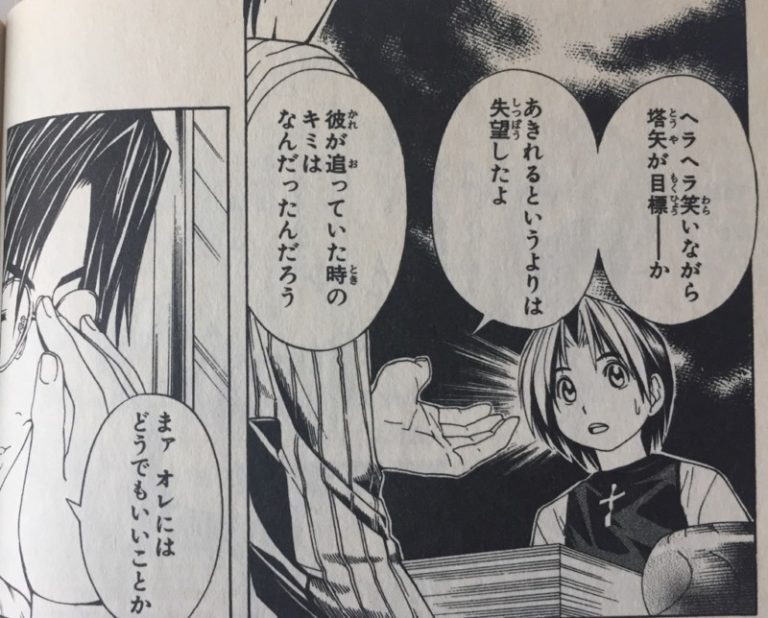
I'm not talking about the difference in strength. I'm talking about the enthusiasm for the goal.
Hikaru started playing with Satame at home, and has also been practicing in the Go club. He has improved his skills to the point where he can beat Tsutsui by two stones and can beat Mitani in an even game.
Hikaru's rapid progress astonished Shirakawa at the Go class he used to attend.
One day, Hikaru bumped into Kishimoto, the captain of Kaiou Junior High School's Go club, and Kishimoto stopped him and invited him to the Go club to see how good he is.
After playing a game with Hikaru, Kishimoto, who found Hikaru's ability to be at the level of vice general of Kaiou, said that he did not understand why Akira was so obsessed with Hikaru and pursuing him.
Kishimoto was taken aback when Hikaru said that he would catch up with Akira someday with a smile on his face and told him that Akira had already started as a professional.
Kishimoto, who had taught Hikaru about Akira's behavior at Kaiō, pointed out the difference in enthusiasm between Hikaru and Akira, and how lenient Hikaru was.
'No, I'm not talking about the difference in power, I'm talking about the difference in enthusiasm toward one's goal.'
Kishimoto's words made Hikaru realize how laid-back he had been, and he too began to move to close the gap that was only opening with Akira.
Hikaru's words made him realize that he is a professional.
Hikaru's Go vol. 5

Related Articles
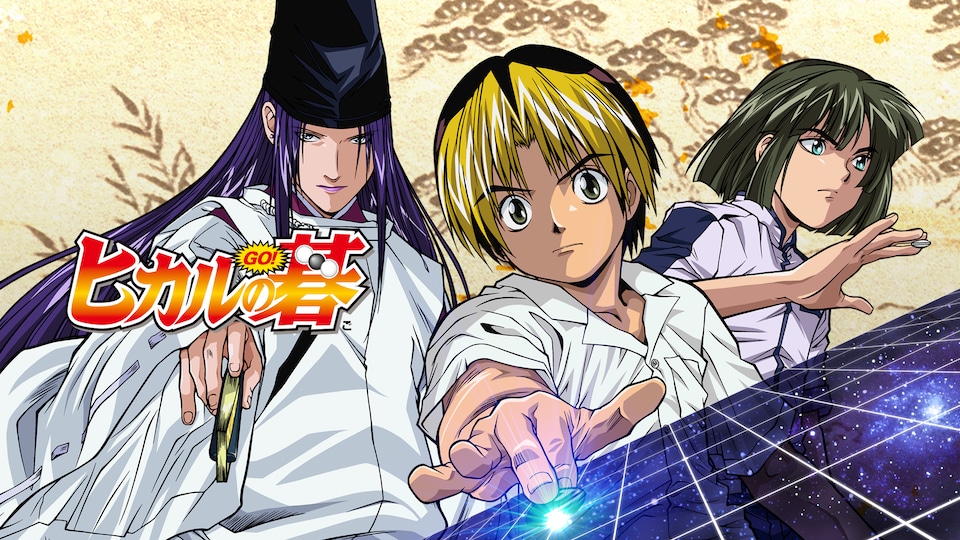
Summary of Hikaru no Go title holders
Hikaru no Go" is a boys' manga about the game of Go. It is written by Yumi Hota and drawn by Takeshi Obata. It was first serialized in Shueisha's Weekly Shonen Jump in 1999 and ended in 2003, and is a popular work that has been developed into a TV anime, novel, game, and other media mix. The main character, Hikaru Shindo, was an ordinary elementary school student. One day, he is possessed by the spirit of Fujiwara no Satoki, a genius Go player in the Heian period (794-1185), which leads him to enter the world of Go. Professional Go players also appear in the work, and many of them hold titles.
Read Article
Summary of Jump's past heroines
Weekly Shonen Jump, the most widely circulated manga magazine in Japan, is at the pinnacle of manga culture in terms of popularity and name recognition, and has produced many masterpieces. As a shōnen manga magazine, most of the main characters are male, but the heroines who support them are also fascinating characters. Some are adults, some are children, some are just protectors, some are sidekicks who fight alongside the hero, some are heroines who have kicked out the regular heroines and are united with the hero, and some are heroines and female protagonists that go beyond the norm of "shōnen manga. Here we introduce some of the heroines who have graced the pages of JUMP.
Read Article
About Tetsuo Kaga, the man behind "Hikaru no Go
Shonen Jump" created a soccer boom with "Captain Tsubasa" and a basketball boom with "Slam Dunk. Its influence also extended to the cultural sport of Go. There are rivals and growth. Hikaru no Go" depicts such a royal road with beautiful illustrations and an unusual subject, Go.
Read Article
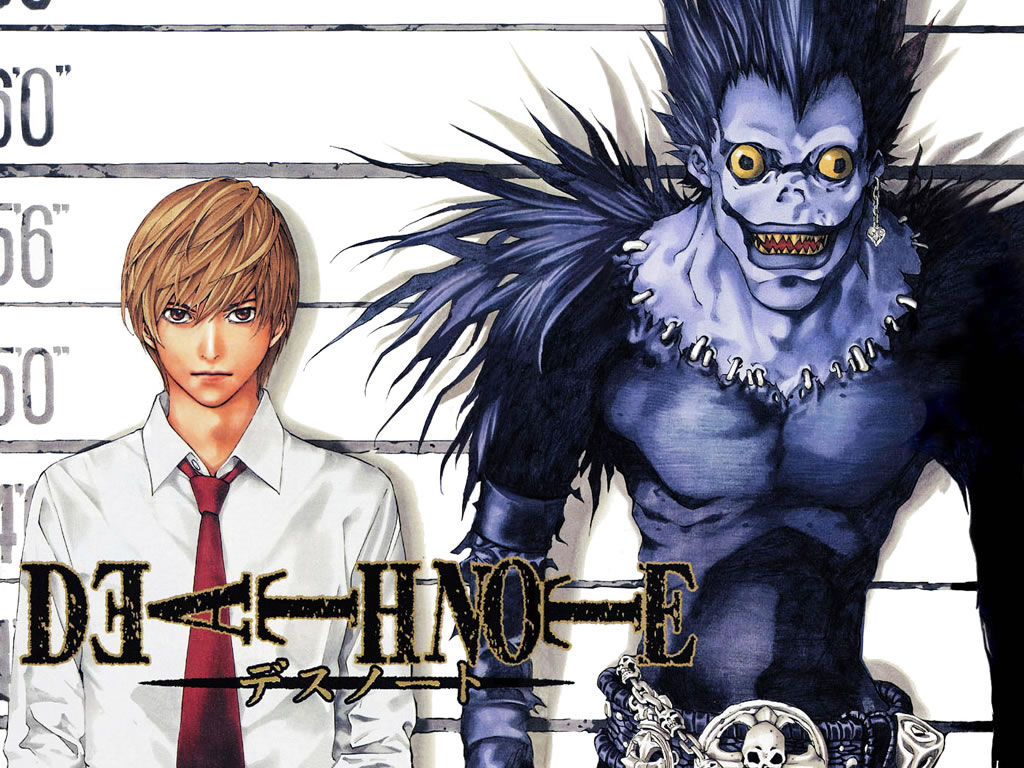
Summary of DEATH NOTE spoilers and discussion
DEATH NOTE" is a Japanese shōnen manga series written by Tsugumi Ohba and drawn by Takeshi Obata. It was serialized in Weekly Shonen Jump from December 2003 to May 2006. It depicts a battle of wits between the world's greatest detective, L, and his team as they attempt to create an ideal world by eliminating criminals using the Death Note, a notebook of the god of death that can kill anyone whose name is written in it.
Read Article
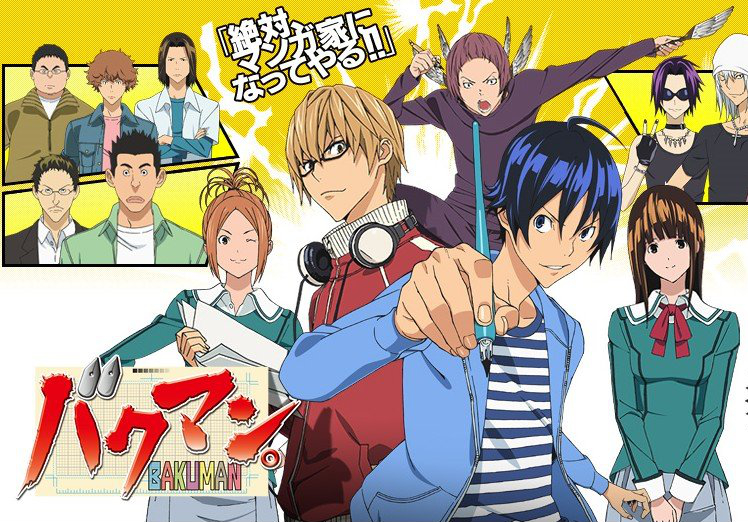
Bakuman. (Manga and Anime) Spoiler Commentary and Discussion Summary
Bakuman. is an anime work based on the manga by Tsugumi Ohba and Takeshi Obata. The first three series, totaling 75 episodes, were broadcast on NHK Educational channel from 2010. The main characters are "Mashiro Supreme," a highly skilled artist, and "Takagi Akito," a gifted writer and a brilliant thinker, and the two boys team up to become manga artists. The work is oriented toward realism, with many manga-related proper nouns used with real names.
Read Article
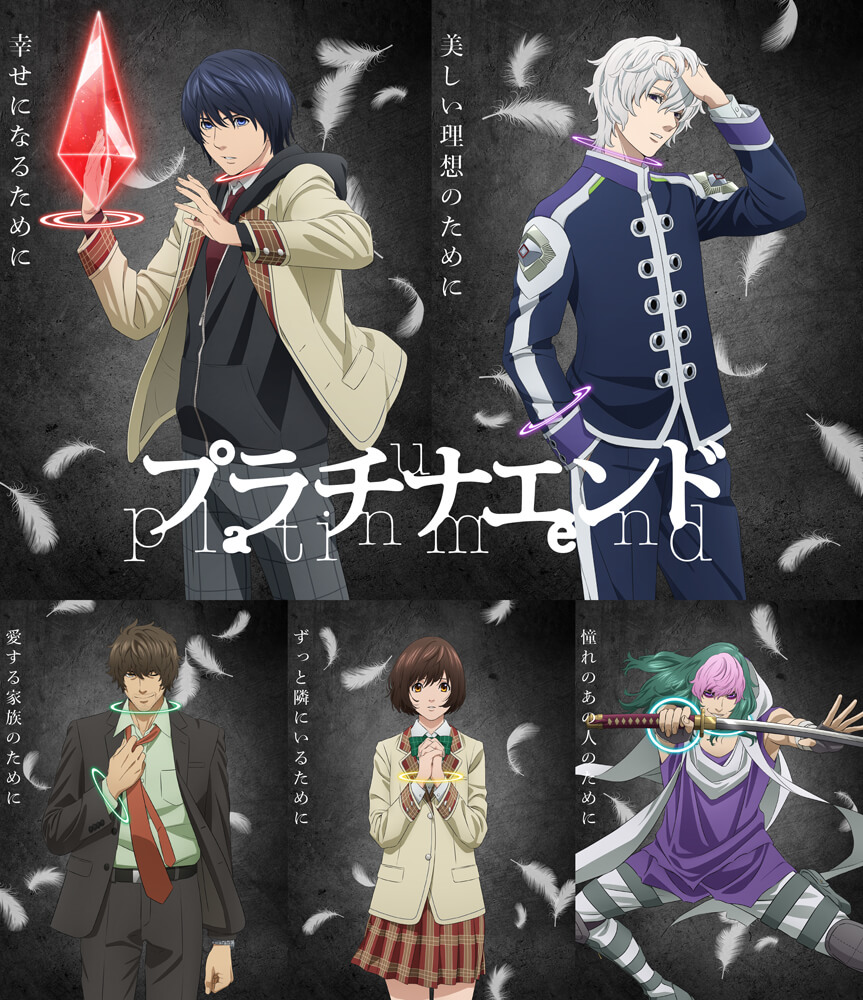
Spoiler commentary and discussion of Platinum End (manga and anime)
Platinum End" is a Japanese manga/anime work written by Tsugumi Ohba (original story) and Ken Obata (manga). The main character, Kikahashi Tomorrow, is given the power of an angel by the angel Nasse and throws himself into a struggle with other candidates as a candidate for God. The elaborate worldview and setting, as well as Ken Obata's high level of artistic ability, have been well received. It features battle elements that make full use of angel wings and arrows, as well as brain and psychological battles between the candidates. The theme of the story is "what happiness is," and it depicts the struggle of tomorrow, who has despaired of her life, to fulfill her dream of becoming happy.
Read Article
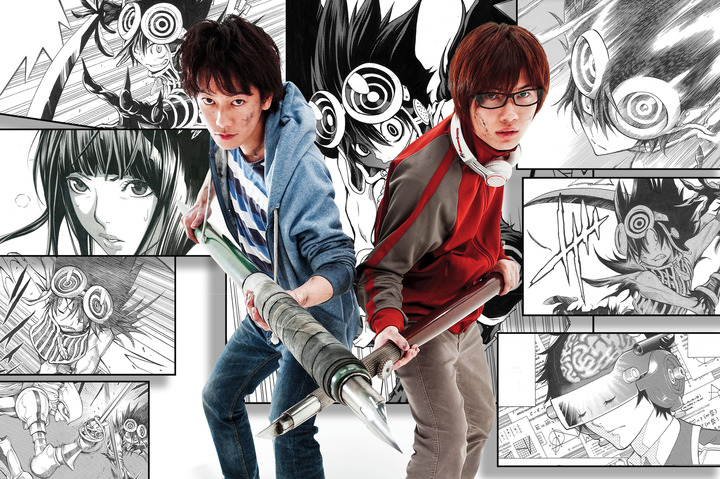
Bakuman. (Live Action Film) Spoiler Commentary and Discussion Summary
A live-action adaptation of the hit comic series that ran in Weekly Shonen Jump from 2008 to 2012, written by Tsugumi Ohba and drawn by Takeshi Obata, the duo behind "DEATH NOTE". Directed by Hitoshi Daikon, with music by Sakanaction. The film is directed by Hitoshi Daikon and features music by Sakanaction.
Read Article
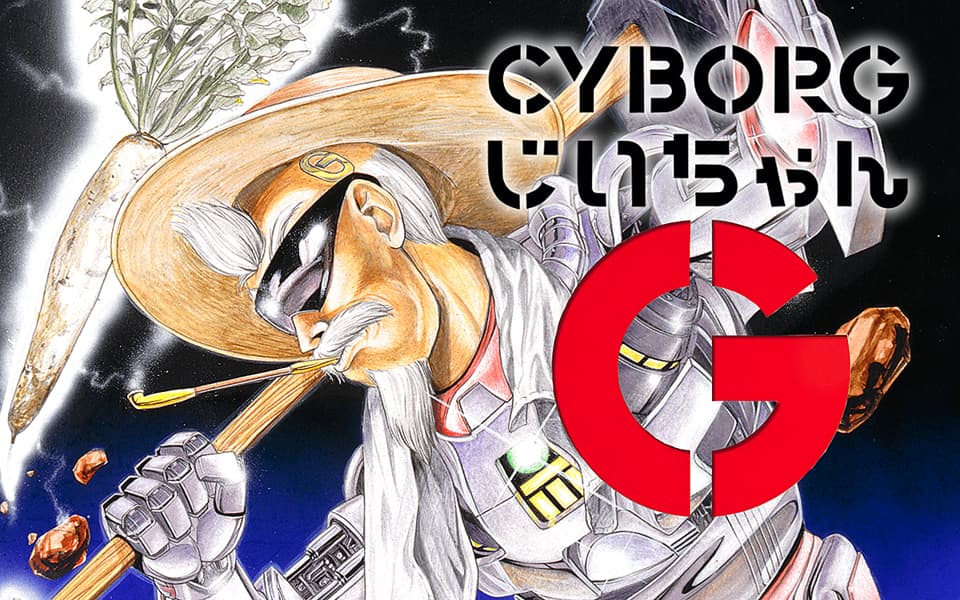
CYBORG Grandpa G (G-Chan) Spoiler Commentary and Discussion Summary
CYBORG Grandpa G" is a 31-episode Japanese gag manga by Shigeru Hijikata (Ken Obata). It was serialized in Shueisha's Shukan Shonen Jump magazine in 1989, after being published as a read-only series in 1987 and 1988. It comically depicts a genius scientist, Kaizo Tokijiro, who becomes a farming cyborg to help people in need and fight against a rival evil scientist, Sharekobe Todorou. Shigeru Hijikata was the pen name of future hit maker Ken Obata, and this was his first serialized work.
Read Article
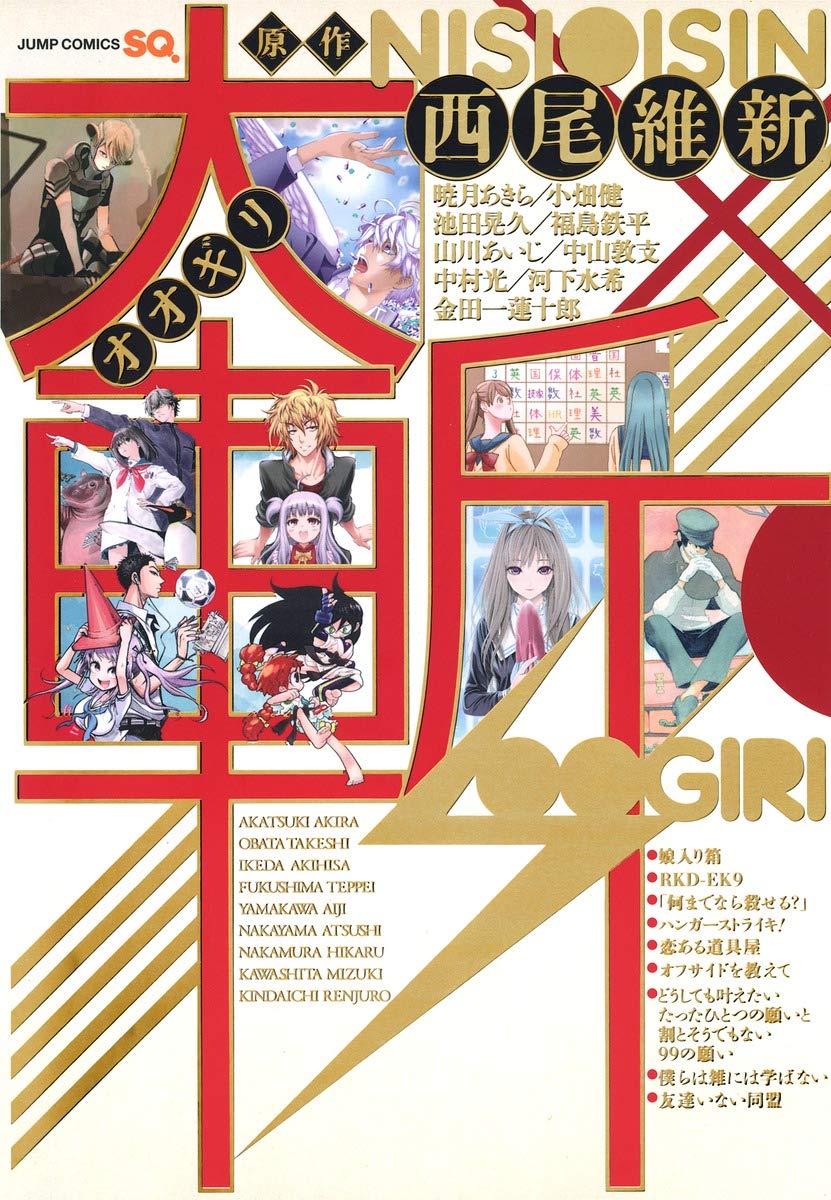
Spoiler commentary and discussion of O-Zan - O-Giri - (Ishin Nishio)
Oozan - Oogiri" is a manga that has been published across multiple Shueisha manga magazines since 2014. All nine stories are based on completely different themes and feature a wide range of genres, from action and mystery to romance and science fiction. The nine stories are characterized by their wide range of genres, from action to mystery, romance, and science fiction.
Read Article
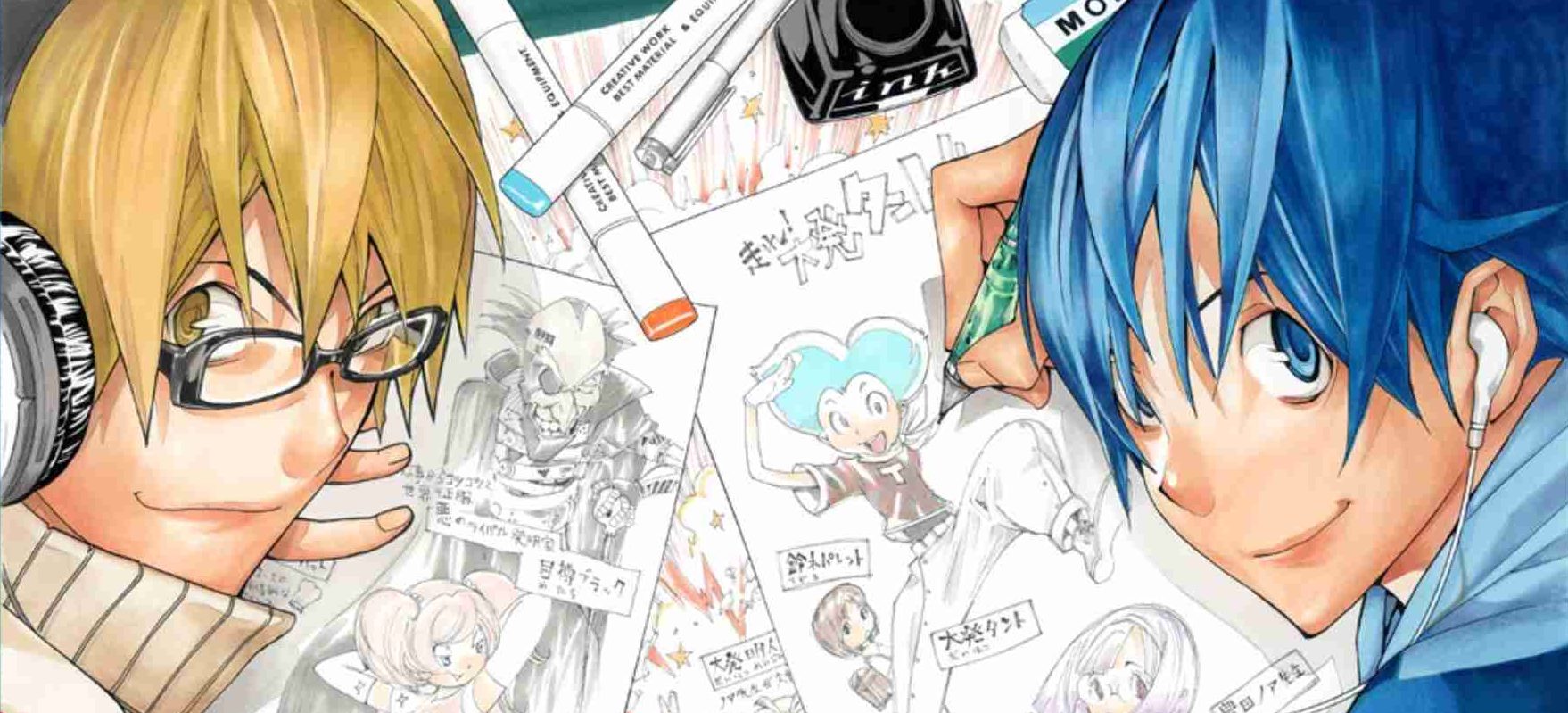
Bakuman. Summary of stories, works, plays, and serials appearing in
Bakuman. Bakuman" is a boys' manga series written by Tsugumi Ohba and drawn by Takeshi Obata, which was adapted into an anime on NHK Educational TV in 2010. It is a success story in which a talented artist named Mashiro Moritaka, aka Saiko, and a gifted writer named Takagi Akito, aka Shujin, team up to become successful manga artists in the Weekly Shonen Jump magazine. In addition to the manga drawn by the main characters, the story features a wide variety of manga created by their many rivals and friends.
Read Article
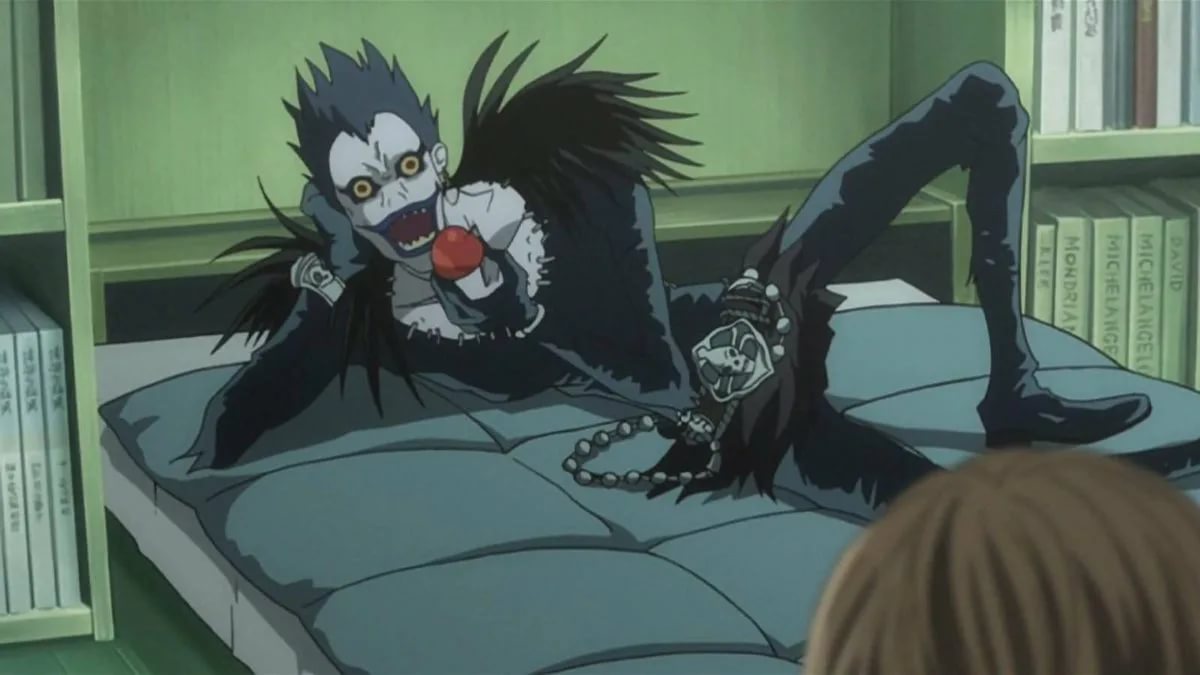
DEATH NOTE Cooking, Eating, Food, Sweets, and Drinks Summary
DEATH NOTE" is a manga written by Tsugumi Ohba and drawn by Takeshi Obata that has been serialized in "Weekly Shonen Jump" since 2003. It depicts a highly sophisticated battle of wits over the Death Note, a notebook of the god of death that can kill anyone whose name is written in it. The world's most famous detective, "L," who appears in this work, often consumes sweet dishes, meals, food, sweets, and drinks because he uses his brain more than others. In addition, Ryuk, the Grim Reaper, a character representing this work, is fond of apples, which are widely popular among fans as a symbolic food for him.
Read Article
DEATH NOTE(デスノート)の回収済み・未回収の伏線・謎まとめ
『DEATH NOTE(デスノート)』とは、大場つぐみ原作・小畑健作画による漫画作品で、その後アニメ化や実写ドラマ化、映画化など様々なメディアで展開された人気作品である。複雑かつ緻密な伏線と謎に満ちた展開は、原作から各メディアで高い評価を得ている。本記事では、回収済みおよび未回収の伏線・謎について詳しく分析し、それらが物語やキャラクターにどのような影響を与えたのかを考察していく。
Read Article
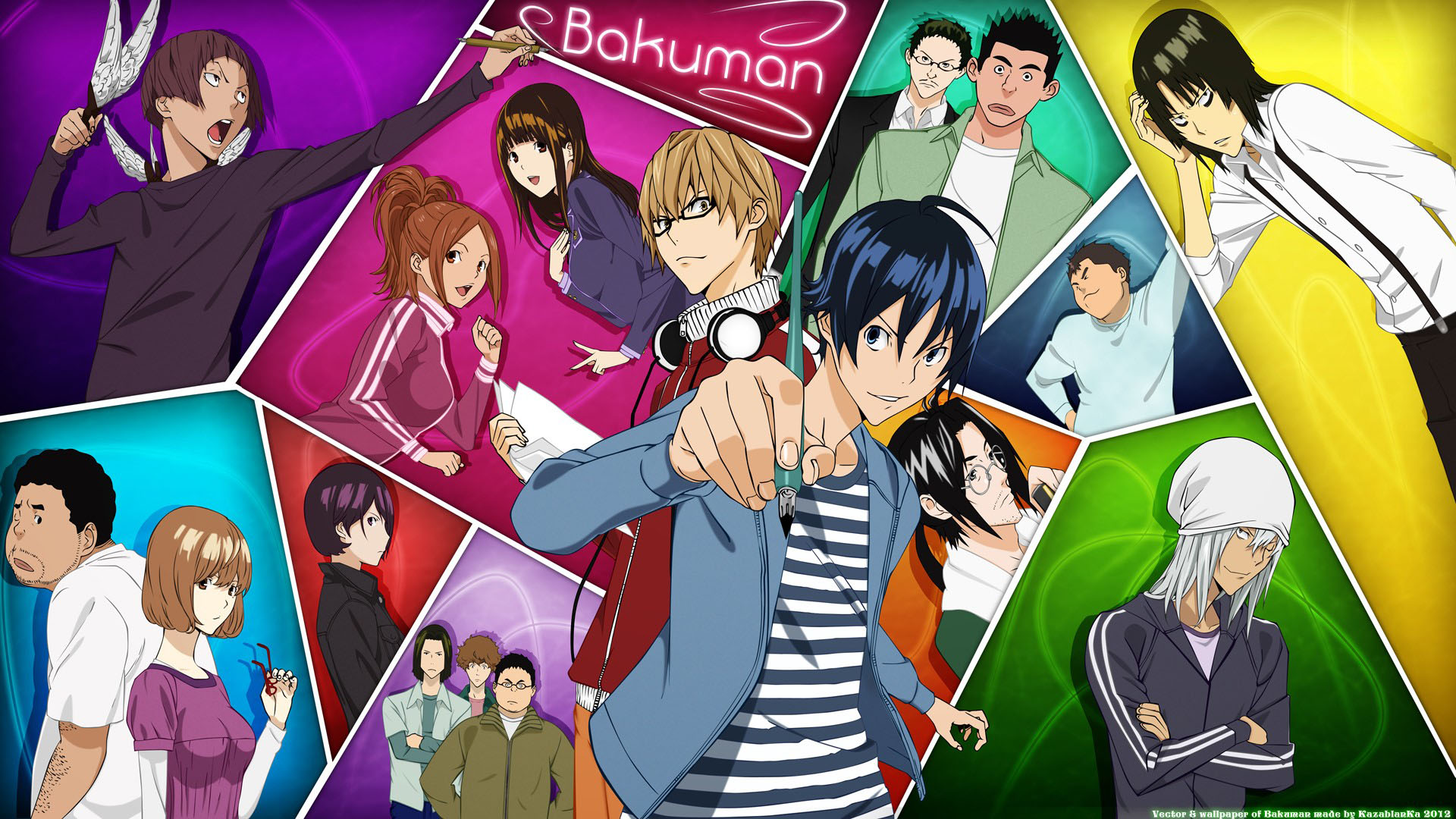
Bakuman. Summary of famous quotes, lines/scenes, and scenes from
Bakuman. (Bakuman.)" is a manga series that ran in Weekly Shonen Jump from 2008 to 2012. The heroine, Miho Amou, and Mashiro promise each other that the manga they draw will be made into an anime and that Amou will be the voice actress for the heroine. Numerous quotes about dreams, friendship, and adolescence continue to be an appealing aspect of the work even after the serialization has ended.
Read Article
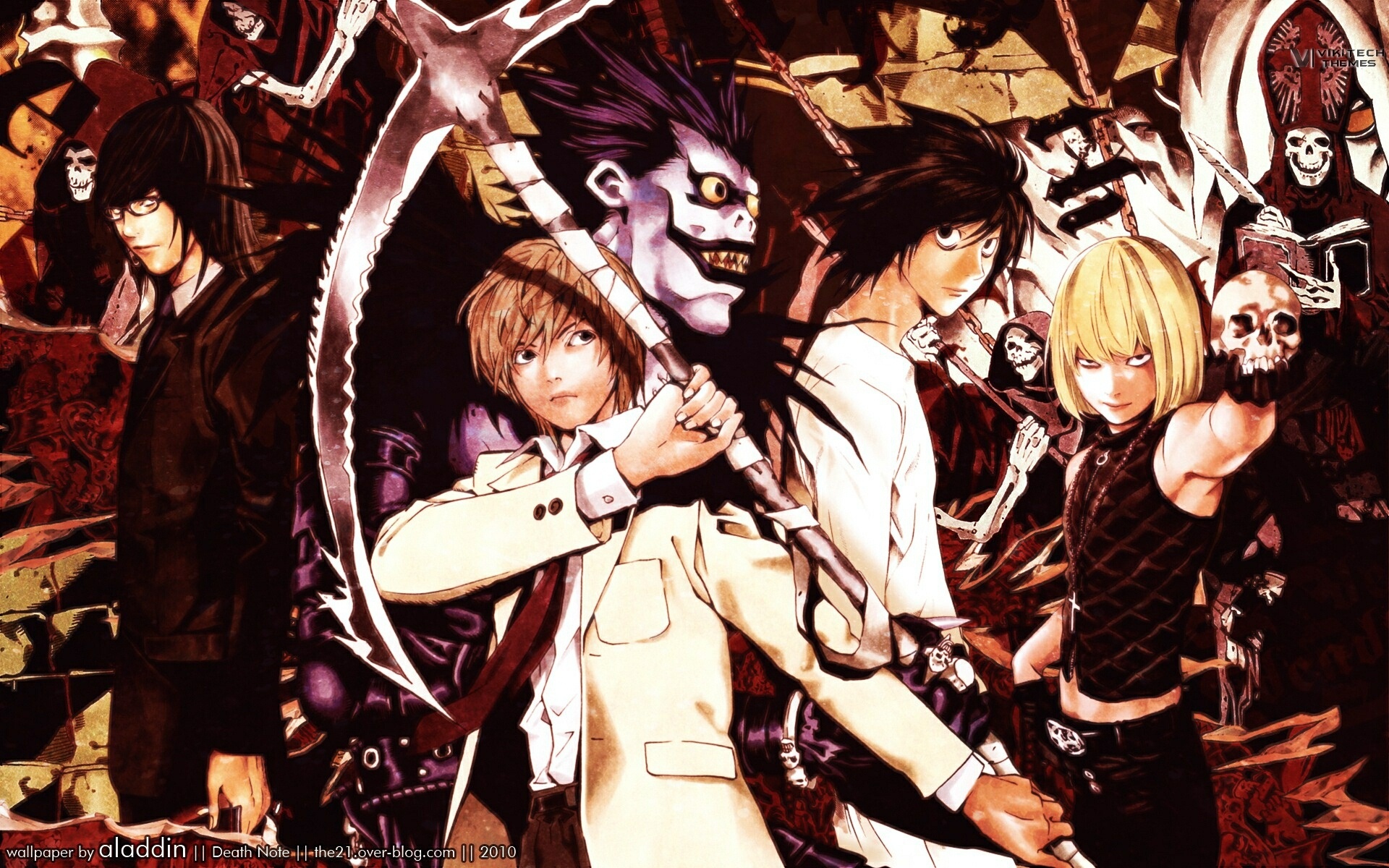
DEATH NOTE(デスノート)の名言・名セリフ/名シーン・名場面まとめ
『DEATH NOTE』(デスノート)は大場つぐみ原作、小畑健作画による少年漫画。死神リュークが落とした「デスノート」を拾った天才高校生・夜神月がその力を使って犯罪者を裁き、理想の世界を築こうとする物語だ。主人公の夜神月や探偵Lをはじめとする個性的なキャラクターによる深遠な哲学的対話と緊迫した心理戦が繰り広げられ、数々の名言や読者の印象に残るセリフが生まれる。これらの言葉は、正義、倫理、権力に関する重要なテーマを提起し、ファンや批評家から高い評価を得ており、しばしば熱い議論の火種となっている。
Read Article
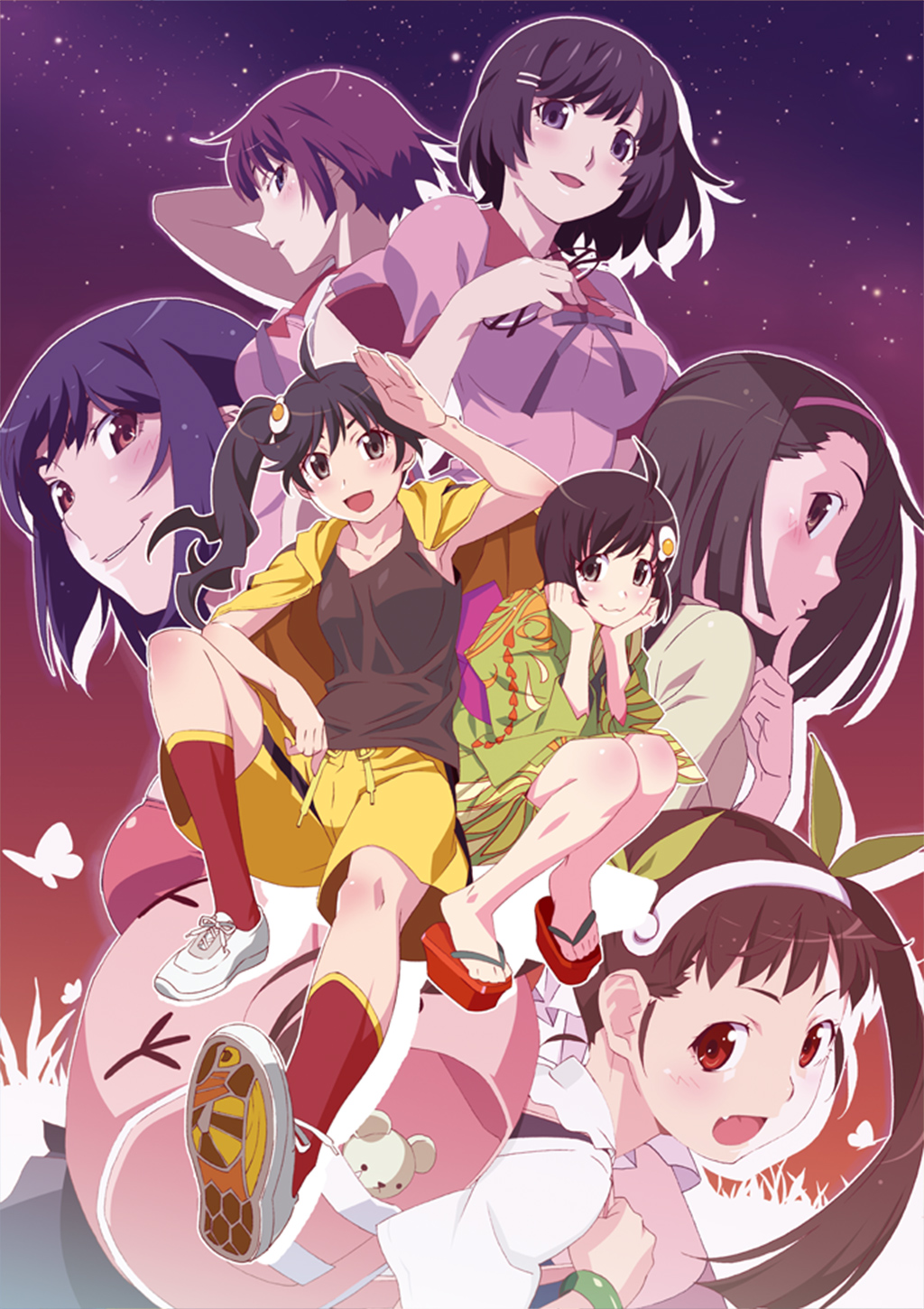
The most famous manga and anime that will move you to tears! All famous works! Hikaru no Go etc.
We will be updating quotes from manga and anime, both old and new, from the majors to new and old works! Let the quotes of the characters shake your heart. Whether you have read them before or not, there are many quotes here! Please read to the end, as they are all from famous works such as Nisemonogatari and Hikaru no Go!
Read Article
Hikaru no Go: Comparison images of manga and anime with character designs covered! Where have you seen this? [Spirited Away
While enjoying an anime or manga, have you ever thought, "Hey, I've seen this character somewhere before..."? Have you ever thought, "Hey, I've seen this character somewhere before..."? If it is drawn by the same author, but the character design is similar even though it is clearly by a different author, you may think, "Could it be a copycat...? This article will discuss the differences in character designs in manga. In this article, we have compiled a list of cartoons and animations with similar character designs. It is quite common to find cases where the characters really look alike by chance, but what should we think about cases where the characters look exactly the same from every angle...?
Read Article
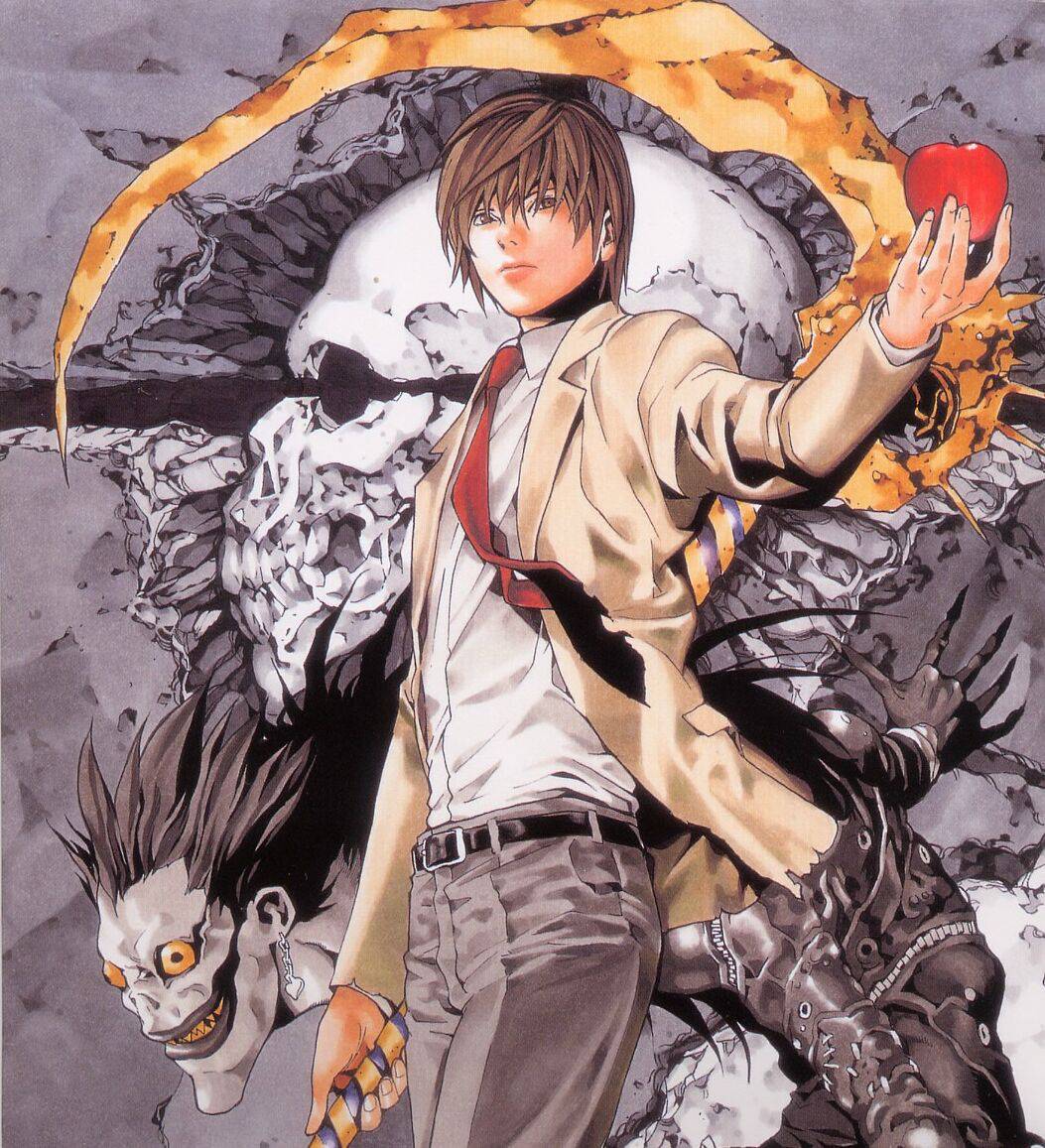
Interesting collage images of "DEATH NOTE"! A large collection of funny masterpieces!
Here is a collection of interesting collage images of the manga "DEATH NOTE" by Tsugumi Ohba and Takeshi Obata. DEATH NOTE" was serialized in "Weekly Shonen Jump" from 2003 to 2006, and even after the series ended, it was adapted into a live-action movie and a novel. Since there are so many famous scenes in the original work and the work has deep-rooted popularity, fans continue to create collage images of the manga. The collage images shown here are all excellent works, mainly those featuring the main character "Moon Yagami" and the god of death "Ryuk.
Read Article
Are all the Shinigami in "Death Note" surprisingly moe characters?
The hit manga "Death Note" has been adapted into an anime, a live-action movie, and a TV drama. The content and artwork were superb, but one of the most important elements was the "Shinigami" (god of death). The "Shinigami" is a horrifying looking being who kills people for his own sake, but he is also surprisingly moe....
Read Article
All about "Yagami Tsuki" who failed to become the "God of the New World".
Even now, about 10 years after "DEATH NOTE" was serialized, the main character, Moon Yagami, continues to be loved by his fans. How exactly is he worshipped? In this article, we will explore the whole picture through texts, images, and videos.
Read Article
![Popular Manga] Summary of Weekly Shonen Jump censored and terminated manga from 2007 to 2018!](https://renote.net/files/blobs/proxy/eyJfcmFpbHMiOnsiZGF0YSI6ODY0ODcxMCwicHVyIjoiYmxvYl9pZCJ9fQ==--e384d68667dd29080aaccf33e97192c229dfc521/m27539133936_1.jpg)
Popular Manga] Summary of Weekly Shonen Jump censored and terminated manga from 2007 to 2018!
This is a list of manga that were censored or ended in Weekly Shonen Jump between 2007 and 2018. The works are those that ended after the first issue of 2007. We will introduce not only representative manga of Jump such as "Gintama", "Bleach", "Naruto", and "Kochira Katsushika-ku Kameari Koen Mae Hashutsujo", but also works that were unfortunately censored and hidden good works that did not resonate with readers even though the content was not bad.
Read Article
Comparative images of manga/anime and live-action versions [DEATH NOTE and others].
Here we have compiled comparative images of characters from manga/anime and live-action versions. The images range from popular works that everyone knows, such as "DEATH NOTE," to "Alaska-chan," which portrays adult women in an unabashed manner, to the classic "Glass Mask," which is a classic from the past.
Read Article
![Werewolf] A different kind of gameplay! Summary of game adaptations of "DEATH NOTE" [Scotland Yard](https://renote.net/files/blobs/proxy/eyJfcmFpbHMiOnsiZGF0YSI6ODMzNywicHVyIjoiYmxvYl9pZCJ9fQ==--18f3fae2ed7e06afa6a39b7fb914a4e1e11dde9f/73daf078-s.jpg)
Werewolf] A different kind of gameplay! Summary of game adaptations of "DEATH NOTE" [Scotland Yard
DEATH NOTE" has gained popularity for its unique style as a Jump Manga, and the game titles are also unique in style. In this article, we will introduce some of the more unusual DEATH NOTE game titles.
Read Article
Improve your skills! A compilation of informative animations
In recent years, there are many anime that you can not only watch and enjoy, but also learn many things by watching them! From sports to art, culture, and other minor jobs to business, the scope is vast. In this issue, we have compiled a list of anime that you can learn from and benefit from.
Read Article
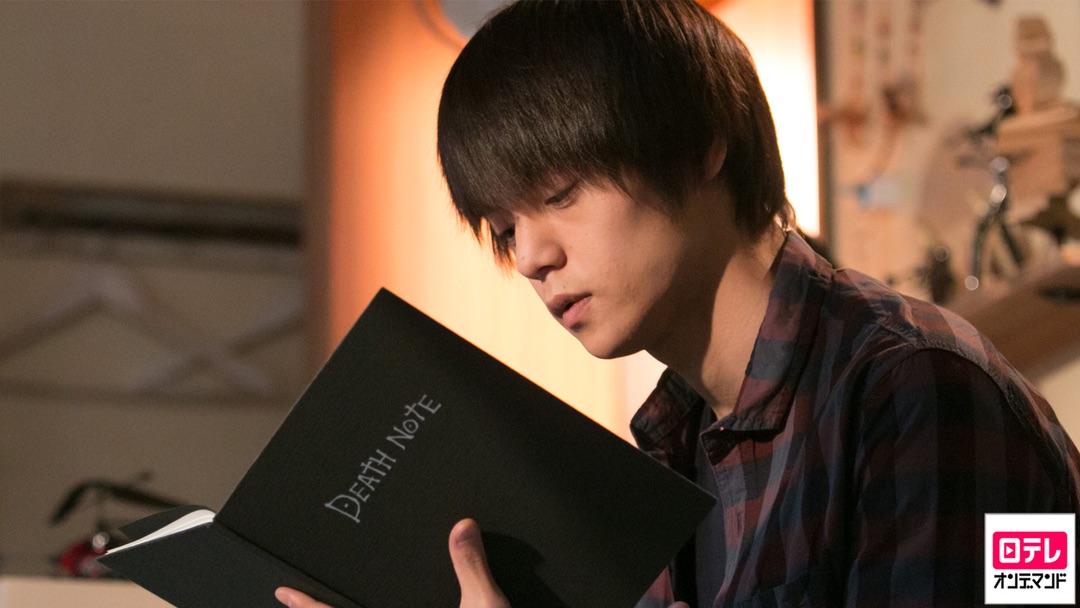
The destructive power is bad! Masataka Kubota's kiss from "head-banging" has fans in an uproar!
Masataka Kubota appeared in the drama "Death Note. In the preview for episode 5, his character, Moon Yagami, kisses Misa Misa, and at this point, the scene was already a topic of conversation. The kiss from Masataka Kubota's "head smack" in the preview was so destructive that it caused screams from some fans. What kind of reactions there were, I summarized in this article.
Read Article
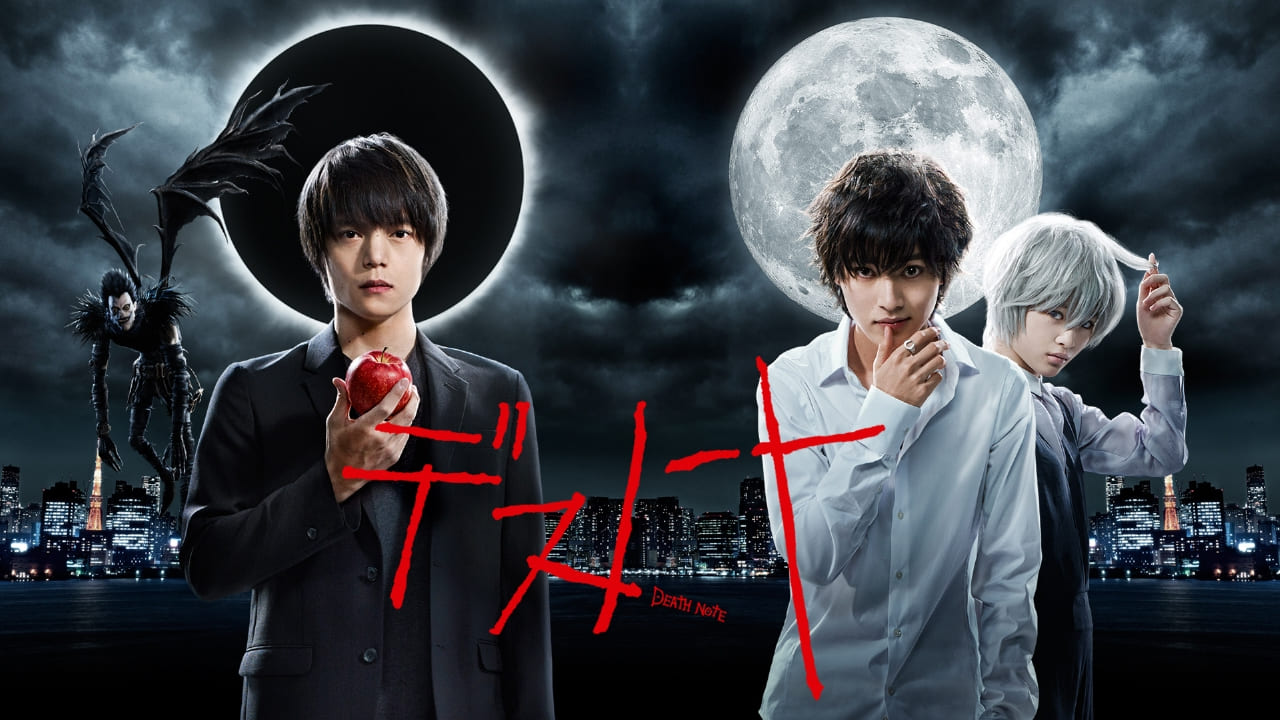
Moon Yagami, played by Masataka Kubota, has been talked about as "amazing! A brilliant transformation from otaku to psychopath! Death Note
The live-action version of "DEATH NOTE," in which the main character, Moon Yagami, played by Masataka Kubota, undergoes a spectacular transformation, has been attracting attention as "amazing. In the live-action version, Tsuki has gone from being a "studious otaku" to a "psychopathic murderer who makes the world shudder", which is simply overwhelming to watch. Here are some of the reactions to the film at the time.
Read Article
![DEATH NOTE] High Quality Anime Wallpapers for PC! ONE PIECE](https://renote.net/files/blobs/proxy/eyJfcmFpbHMiOnsiZGF0YSI6Njc1MDUzMCwicHVyIjoiYmxvYl9pZCJ9fQ==--7bad5870954620f7df1fd9add77c597ed1eca96b/26513-billina.jpg)
DEATH NOTE] High Quality Anime Wallpapers for PC! ONE PIECE
It would be exciting if the wallpaper on your PC were a picture of your favorite anime. In this article, we have collected a large number of wallpapers from all genres of anime, including of course the Jump series. If you find one you like, set it on your desktop! By the way, when I take another look at it like this, I am really impressed with the Japanese anime culture. There are so many to choose from, it's hard to choose just one.
Read Article
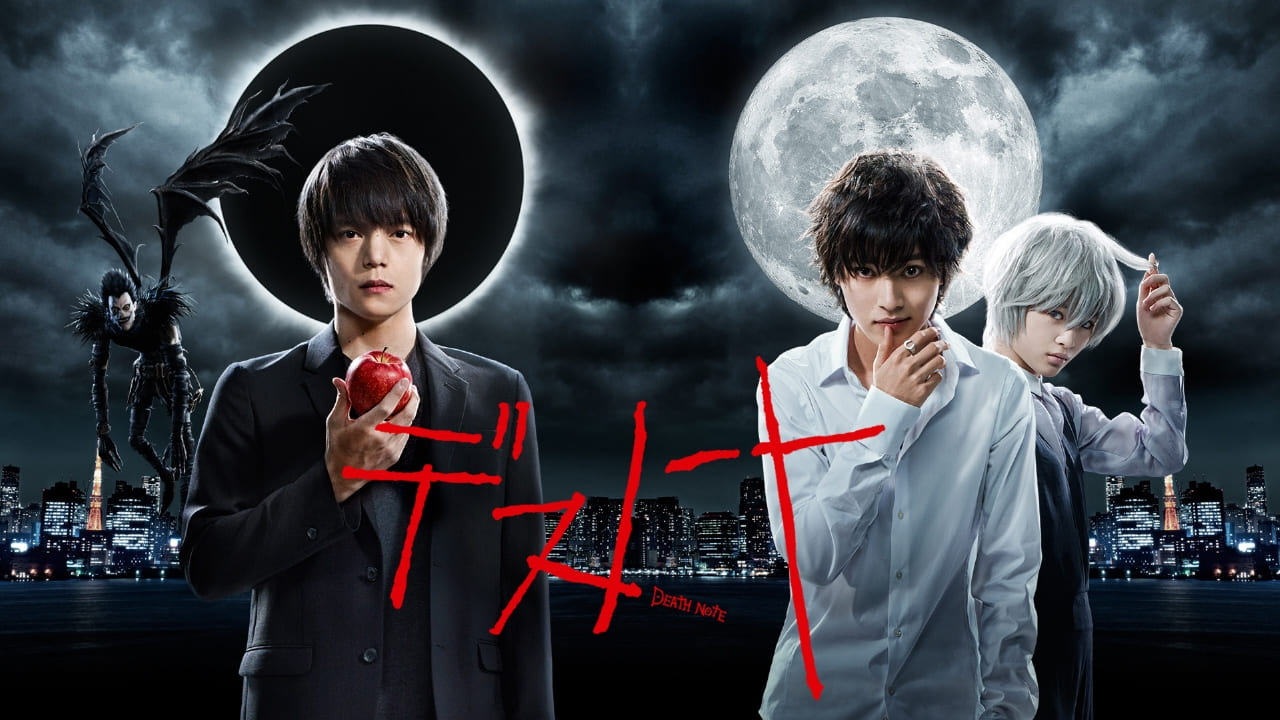
Summary of cast, synopsis, spoilers, and impressions of the drama Death Note! Starring Masataka Kubota, Kento Yamazaki, Mio Yuuki, Hinako Sano, and Koki Maeda
Here is a summary of the cast, synopsis, spoilers, and impressions of the drama "Death Note," based on the manga by Tsugumi Ohba. The movie version starring Tatsuya Fujiwara and Kenichi Matsuyama is also introduced. The drama version features popular actors such as Masataka Kubota, Kento Yamazaki, Mio Yuuki, Hinako Sano, and Koki Maeda.
Read Article
A compilation of Japanese masterpieces of film and animation recognized around the world! All masterpieces that have been remade in Hollywood!
Japanese anime and movies are highly acclaimed around the world. While there are core works that are favored by a few enthusiasts, Hollywood's live-action adaptations sometimes attract new fans; since the 2010s, major works such as "Godzilla" and "All You Need Is Kill" have been remade in Hollywood and have become the talk of the town. Here is a list of Japanese movies and manga remakes released in 2017.
Read Article
[Complete works] Summary of manga with amazing foreshadowing.
It is amazing to see a manga in which foreshadowing is neatly recovered. In particular, works in which foreshadowing lines are recovered in the final stages of the story are irresistible. Here, we have compiled a list of such manga that are great at recovering foreshadowing.
Read Article
Death Note Banned in Russia! A direct appeal from a parents' group
The manga "DEATH NOTE" is very popular not only in Japan but around the world. However, because of its harmful influence on children, Russia has appealed directly to President Vladimir Putin to ban the release of the work. In that country, a 15-year-old girl actually committed suicide after being influenced by the work, and this seems to have become an issue. This article summarizes the series of disturbances.
Read Article
Tags
Contents
- Outline of Hikaru no Go
- Synopsis and story of Hikaru no Go
- Encounter with Sadame
- Akira Touya, a man of exceptional talent
- Playing with Akira in the middle school Go club
- Mystery hitter "sai".
- Aiming to be a professional
- The game between Sadame and Gyoyo
- Hope for the Next Generation
- Holding the Hokuto Cup
- Battle of China (1944-1945)
- Korea (South Korea)
- From the distant past to the distant future
- extra (special) edition
- Akira Touya, ed.
- Tetsuo Kaga, ed.
- Asumi Nase, ed.
- Yuki Mitani, ed.
- Atsushi Kurata, ed.
- Fujiwara, Satame ed.
- Characters in Hikaru no Go
- key characters
- Hikaru Shindo
- Fujiwara Sasame
- Akira Touya
- Japanese Professional Players
- Gyokuyo Touya
- Seiji Ogata
- Hitoshi Kuwabara
- Atsushi Kurata
- Shigeo Morishita
- Zama
- Ichiryu
- Michio Shirakawa
- Shinoda
- Hiroyuki Ashihara
- Gokiso
- Hatanaka
- Serizawa
- Sasaki
- Koji Saeki
- Mitsuru Mashiba
- Tsuzuki (continued)
- Kakimoto
- Chieko Sakurano
- Shinichi Murakami
- Nogi
- Nakayama
- Tadao Tsujioka
- Funamura
- Yoshikawa
- Watanabe
- Masahiko Hagiwara
- Emi Nishikawa
- Ryoko Haruki
- Toshiyuki Matsunaga
- Hiroshi Kamimaezu
- Kawasaki
- Inagaki
- Akiyama
- Yamada
- Professional Successes after the Graduate Student Section
- Yoshitaka Waya
- Shinichiro Isumi
- Kosuke Ochi
- Kiyoharu Yashiro
- Tatsuhiko Kadowaki
- Toshinori Honda
- Korean professional players and officials of the Korean Go Association
- Suyoung Hong
- Yeonha Koh
- Tae-Seon Ahn
- Changwon Xu
- Il-Hwan Lim
- Kim Kang-il
- (Yu) at last
- Chinese professional players and officials of the Chinese Qi-Yuan
- Li
- Yang Hai
- Chao Shi
- Ru Li
- Shichen Wang
- Lheping
- Chen Xue Ming
- Wang Xing
- Yee Chang
- Liu An
- Junior High School Go Club Members and others (Hase Junior High School)
- Akari Fujisaki
- Kimihiro Tsutsui
- Tetsuo Kaga
- Yuki Mitani, Yuuki Mitani
- Masako Kaneko
- Natsume
- Hitoshi Koike
- Kumiko Tsuda
- Yabe
- Okamura
- Ueshima
- Tamako Sensei
- Junior High School Go Club Members and Related Personnel (Private Kaiou Junior High School)
- Kaoru Kishimoto
- Yuri Hidaka
- Okumura
- Ito (Ito)
- Kojima
- Aoki
- Kuno
- Miwa
- Yun.
- General Kaiochu at the Winter Games
- Vice General of Kaiou Junior High School at the Winter Tournament
- Three generals of Kaiōchū at the Winter Games
- Takada
- Members of junior high school Go clubs and related persons (other junior high schools)
- Moriyama
- Vice General of Kawahagi Junior High School at the Winter Games
- Kawahaginaka's three generals at the winter tournament
- Ikebashita
- Vice General of Sawayara Junior High School at the Winter Games
- General Sawara Chung San at the Winter Games
- Summer Go Tournament Iwana Junior High School General
- Vice General of Iwana Junior High School, Summer Go Tournament
- Summer Go Tournament Iwana Junior High School Sansho
- Graduate students and professional examiners
- Asumi Nase
- Yuta Fukui
- Ryo Iijima
- Eiji Komiya
- Toshiki Adachi
- Uchida
- Shoji
- Okay.
- Toshiro Tsubaki
- Kyohei Katagiri
- International Amateur Go Cup Contestants and Affiliates
- Li Lingxin
- frank
- Shimano
- Kim.
- Shuhei (Shuhei)
- Other Hikaru affiliates
- Heihachi Shindo
- Mitsuko Shindo
- Masao Shindo
- Master of Dogenzaka Go Club
- Kawai (cute)
- Doumoto
- Soga
- Wife of the master of "Dogenzaka" (Dogenzaka no Masta no Tsuma)
- Other Akira affiliates
- Akiko Touya
- Harumi Ichikawa
- Kitajima
- Hirose
- Kume (Kume)
- Nihon Ki-in and others in the Go industry
- Amano
- Kose Village
- Yoshikawa
- Sakamaki
- Persons in the Hokuto Cup Arc (list only those not listed above)
- Togari
- Aikawa
- People of the Past
- Honinbo Shusaku
- Akitada Sugawara
- Tendo Maru
- Other Persons
- Suezaburo Akota
- Shusan (Mr. Shu)
- Dake.
- Willow (L.)
- Jinguji Temple
- Dojo
- Shosuke Kurimoto
- Kurimoto's secretary
- Hideki Isobe
- Shigezo Nakamura
- Sister of Mitani
- Hikaru's Go" Terminology
- go-stone container
- legendary Tetragonocalamus quadrangularis (type of globeflower)
- comic
- winning hand containing two identical chows (i.e. same numbers and same suit)
- even game (esp. in Go)
- seize (power, etc.)
- (game) clock
- A dead fish causes a dead hand
- Blindfolded Go
- graduate student
- Go game resulting in tie or draw
- Go game resulting in tie or draw
- jose
- soil preparation
- winning by opponent's resignation (in the game of go)
- make-believe Go game
- women's bridal robe with trailing skirts worn over a kimono
- retro-commissioning
- diagonal move (in the game of go)
- responding to an opponent's move without proper thought
- ko (in Go, the arrangement that allows for easy access to the earth's surface)
- lesser gaymas
- megagamma
- arrangements
- a sealed move
- (Edo period) counter for hundreds of mon (obsolete unit of currency)
- negligence
- recipient of a fixed address
- new method
- estimate
- Go game resulting in tie or draw
- Korea Go Association
- laughingstock
- athetes
- screwing
- crucial contest
- defeat
- ancient Japanese court dress of small purification rites (held together by a bamboo skewer or string of sticks, etc.)
- winning hand containing two identical chows (i.e. same numbers and same suit)
- Beijing Team
- "Does a dog have six legs?" (classic Zen koan)
- Kansai Goiin
- Five of five.
- Samsung Fire Cup
- Famous quotes, lines, scenes, and scenes from Hikaru no Go
- I haven't mastered God's move.
- Don't run away. Let's hit it now!
- I'm going to be a god on this board.
- The three generals of the Sea King are me.
- You laughed. Don't laugh until the end.
- You can't see it unless you hit it yourself! I want to know the difference between him and me!
- If you keep chasing after my illusion, the real me will catch you someday!
- I'm not talking about the difference in strength. I'm talking about the enthusiasm for the goal.
- The scene where Kaga and Tsutsui push Hikaru to leave the club to become a graduate student.
- You have to discern and step in just in time.
- one thousand years
- The scene where Hidehide admits his defeat and cries in frustration.
- Shut up.
- Professional Exam: Hikaru and Waya's Game
- ...I would have loved to have hit it with no handicap whatsoever.
- The really scary ones for me come from below.
- Confrontation scene between Sadame and Gyoyo Touya
- This is my Go, the Meijin Touya Gyokoyo's. I will not relent. I will win and make a name for myself.
- Now I know, God made me linger a thousand years to show Hikaru this one game.
- Let me type sai again, just on the internet, and I won't ask you to give up your name.
- Let me hit it.
- You're looking all the way up. You don't know how scary some of them are down there.
- The 19-way board seems smaller than usual! It's a mystery. I don't feel like losing.
- If Torajiro existed for me, then I existed for Hikaru. Then Hikaru would also exist for someone else. That someone is also for someone else. A thousand years accumulate in this way. It is a long way to God's move. My role is over.
- The scene where Hikaru, who wants to return to Tokyo as soon as possible from Innoshima, plays a quick game against the No. 1 amateur.
- God! Please! Take me back to the beginning! Please take me back to the very beginning when I first met him!
- The moment when Ikaku's eyes were opened when he was told that emotional control is a skill that can be mastered.
- There he is... the Sadame I had not looked for anywhere... here he is... in a place like this...
- I'll never stop playing Orego.
- One genius alone cannot create a great game. There must be two equally gifted players, two equally talented players, who together can make a divine move.
- ...go after them!
- Life's not so bad on the detour.
- It's you. It's another you. There's another you. Hikaru Shindo when we met, he is sai. He played with me twice at the Go Club. He is sai. I know you better than anyone, only I know you. There is another person in you.
- The scene where Satame appears in a dream and entrusts Hikaru with a fan.
- I will go step by step. But I will not stop. I will master God's move.
- I agree.
- I will go to the top by making it clear who is stronger and who is weaker!
- Backstories, Trivia, and Small Stories/Episodes/Anecdotes of "Hikaru no Go
- The models for Sha Seishun were two professionals of the Kansai Ki-in.
- The Go board that Hikaru was trying to sell, which was inhabited by Satame, was actually very expensive.
- The Shibuya Go Club that Izumi, Waya, and Hikaru visited is real.
- Honinbo Shusaku, who appears in the work, set a great record of 19 wins in 19 fights, an undefeated record.
- Theory that there was Korean pressure
- Mystery Internet Professionals
- Theme and insert songs for Hikaru no Go
- OP: dream "Get Over" (Episodes 1-30, Road to the North Star Cup)
- OP: HΛL "I'll be the one" (Episodes 31-60)
- OP: Nana Katase "FANTASY" (episodes 61-75)
- ED: Kids Alive "Bokura no Bouken" (episodes 1-12)
- ED: Arisa Mizuki "Hitominochikara" (episodes 13-30)
- ED: dream "SINCERELY ~ever dream~" (episodes 31-46)
- ED: shela "Days" (episodes 47-63)
- ED: dream "MUSIC IS MY THING" (episodes 64-74)
- ED: dream "Get Over (Special Mix)" (Episode 75)
- ED: dream "Everlasting Snow" (Road to the North Star Cup)
- ED: Do As Infinity "The Last GAME" (Hikaru no Go selection)