ヒカルの碁 / ヒカ碁 / Hikaru no Go

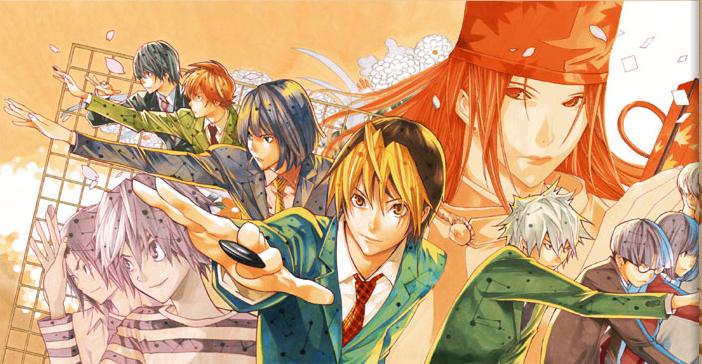
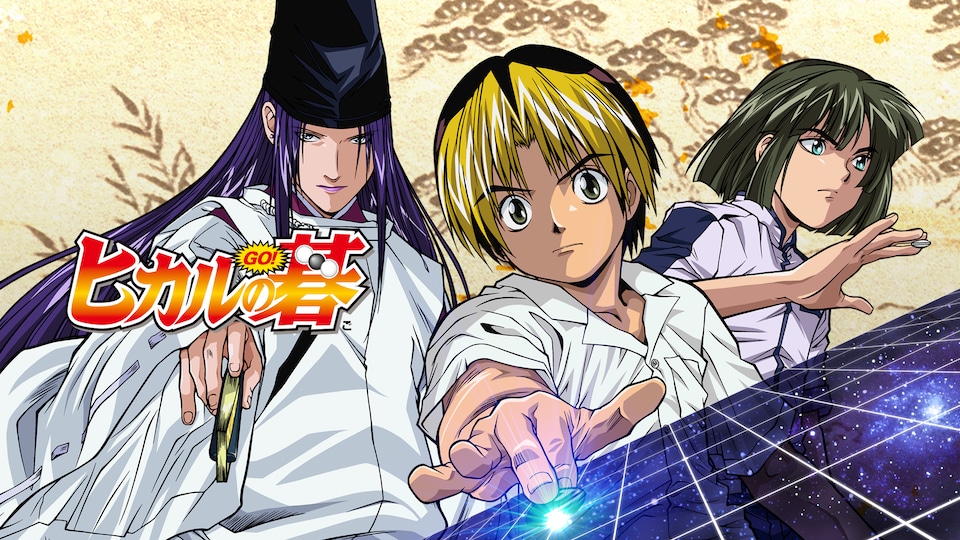
Hikaru no Go" (Hikaru's Go) is a boys' manga about Go written by Yumi Hota (original story) and drawn by Takeshi Obata (illustration). Yukari Umezawa, a female Go player affiliated with the Nihon Ki-in, supervised the production. It was serialized in Shueisha's Weekly Shonen Jump from the 2nd and 3rd issues in 1999 to the 33rd issue in 2003. Its abbreviated name is "Hika Go.
The main character, Hikaru Shindo, who is not good at studying but good at sports, gradually gets absorbed in the world of Go, which he had no interest in, when he meets a genius prodigy player from the Heian period, Fujiwara no Sai. The story is a success story in which the protagonist aims to become a pro by meeting various rivals, especially Akira Touya, the strongest player of his generation and a promising prospect, and grows not only in Go but also as a human being.
Although some Go terminology is used, the story is presented in a way that can be enjoyed even if one does not know the rules, and it has created a Go boom, especially among elementary and junior high school students.
An anime was broadcast on TV Tokyo from October 2001 (75 episodes). Yukari Umezawa, the supervisor, also appeared in a mini-corner after the main program.

Related Articles on ヒカルの碁 / ヒカ碁 / Hikaru no Go

Hikaru no Go (Hika Go) Spoiler Commentary and Discussion Summary

Hikaru no Go (Hika Go) Spoiler Commentary and Discussion Summary

Hikaru no Go" is a Japanese boys' manga by Yumi Hota (original story) and Takeshi Obata (manga). It is a popular manga serialized in Shueisha's Weekly Shonen Jump magazine. It is based on the game of Go and created a Go boom, especially among elementary school students. It has also been adapted into various forms of media mix, such as animated TV series, novels, and video games. The story is about Hikaru Shindo, who is obsessed with Fujiwara no Satoshi, the greatest Go player of the Heian period (794-1185), and grows up with the people he meets through Go, aiming to make the divine move.

Read Article
Summary of Hikaru no Go title holders

Summary of Hikaru no Go title holders

Hikaru no Go" is a boys' manga about the game of Go. It is written by Yumi Hota and drawn by Takeshi Obata. It was first serialized in Shueisha's Weekly Shonen Jump in 1999 and ended in 2003, and is a popular work that has been developed into a TV anime, novel, game, and other media mix. The main character, Hikaru Shindo, was an ordinary elementary school student. One day, he is possessed by the spirit of Fujiwara no Satoki, a genius Go player in the Heian period (794-1185), which leads him to enter the world of Go. Professional Go players also appear in the work, and many of them hold titles.

Read Article

Summary of Jump's past heroines

Summary of Jump's past heroines

Weekly Shonen Jump, the most widely circulated manga magazine in Japan, is at the pinnacle of manga culture in terms of popularity and name recognition, and has produced many masterpieces. As a shōnen manga magazine, most of the main characters are male, but the heroines who support them are also fascinating characters. Some are adults, some are children, some are just protectors, some are sidekicks who fight alongside the hero, some are heroines who have kicked out the regular heroines and are united with the hero, and some are heroines and female protagonists that go beyond the norm of "shōnen manga. Here we introduce some of the heroines who have graced the pages of JUMP.

Read Article

Bakuman. (Manga and Anime) Spoiler Commentary and Discussion Summary

Bakuman. (Manga and Anime) Spoiler Commentary and Discussion Summary

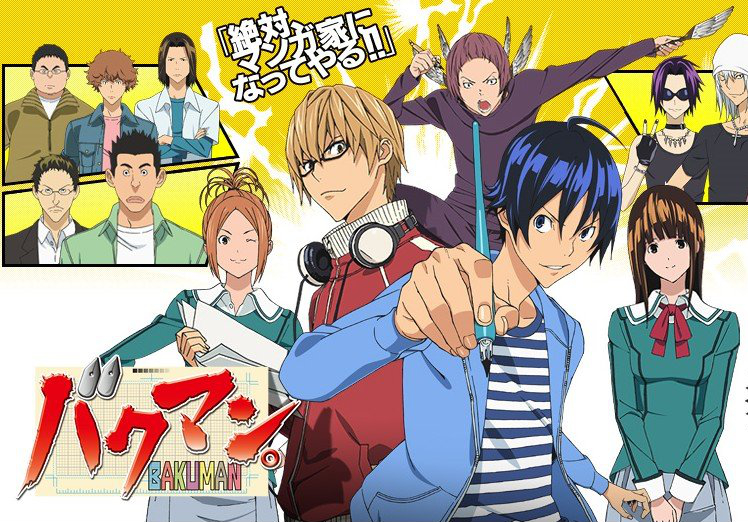
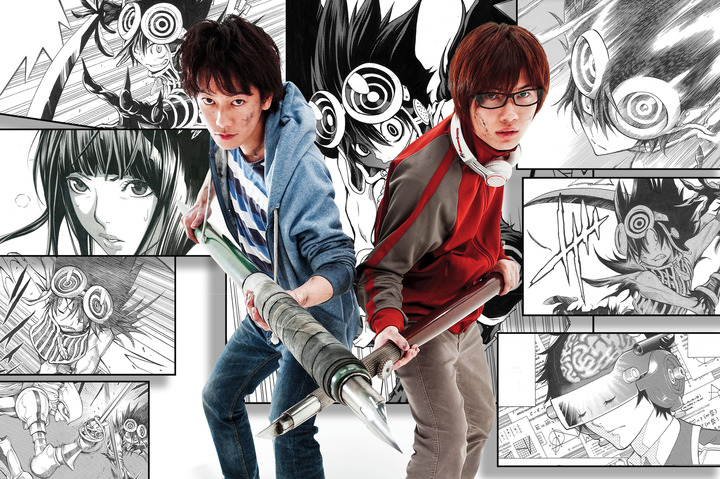
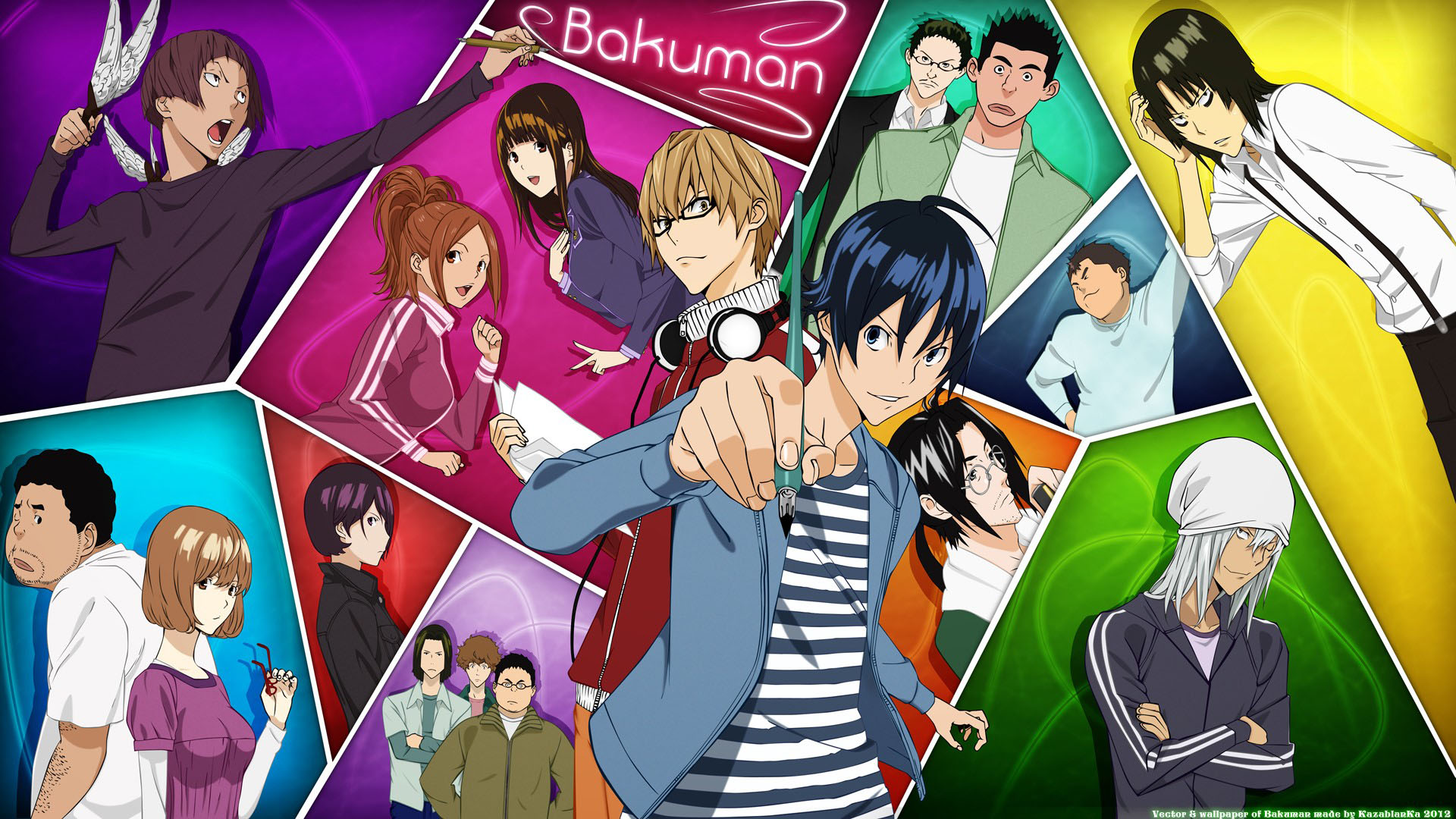
Bakuman. is an anime work based on the manga by Tsugumi Ohba and Takeshi Obata. The first three series, totaling 75 episodes, were broadcast on NHK Educational channel from 2010. The main characters are "Mashiro Supreme," a highly skilled artist, and "Takagi Akito," a gifted writer and a brilliant thinker, and the two boys team up to become manga artists. The work is oriented toward realism, with many manga-related proper nouns used with real names.

Read Article

Spoiler commentary and discussion of Platinum End (manga and anime)

Spoiler commentary and discussion of Platinum End (manga and anime)

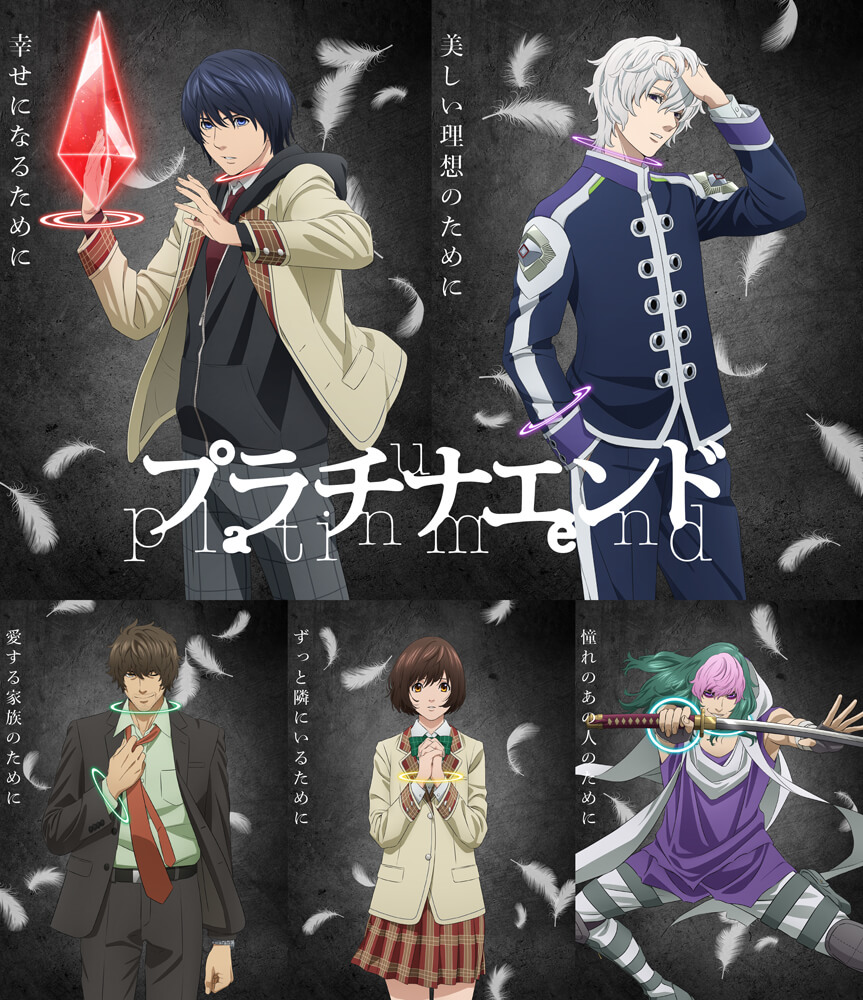
Platinum End" is a Japanese manga/anime work written by Tsugumi Ohba (original story) and Ken Obata (manga). The main character, Kikahashi Tomorrow, is given the power of an angel by the angel Nasse and throws himself into a struggle with other candidates as a candidate for God. The elaborate worldview and setting, as well as Ken Obata's high level of artistic ability, have been well received. It features battle elements that make full use of angel wings and arrows, as well as brain and psychological battles between the candidates. The theme of the story is "what happiness is," and it depicts the struggle of tomorrow, who has despaired of her life, to fulfill her dream of becoming happy.

Read Article

CYBORG Grandpa G (G-Chan) Spoiler Commentary and Discussion Summary

CYBORG Grandpa G (G-Chan) Spoiler Commentary and Discussion Summary

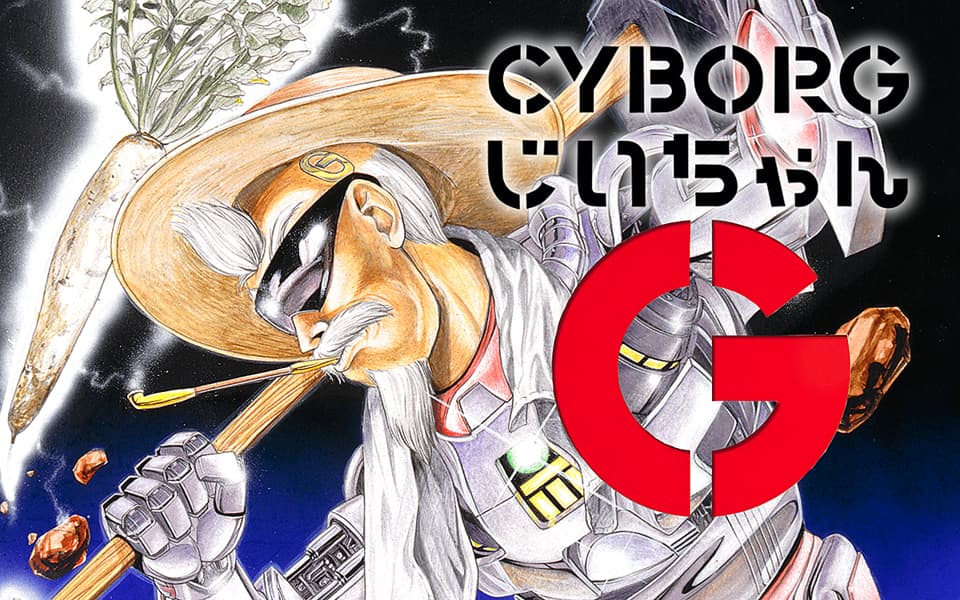
CYBORG Grandpa G" is a 31-episode Japanese gag manga by Shigeru Hijikata (Ken Obata). It was serialized in Shueisha's Shukan Shonen Jump magazine in 1989, after being published as a read-only series in 1987 and 1988. It comically depicts a genius scientist, Kaizo Tokijiro, who becomes a farming cyborg to help people in need and fight against a rival evil scientist, Sharekobe Todorou. Shigeru Hijikata was the pen name of future hit maker Ken Obata, and this was his first serialized work.

Read Article

Bakuman. Summary of stories, works, plays, and serials appearing in

Bakuman. Summary of stories, works, plays, and serials appearing in

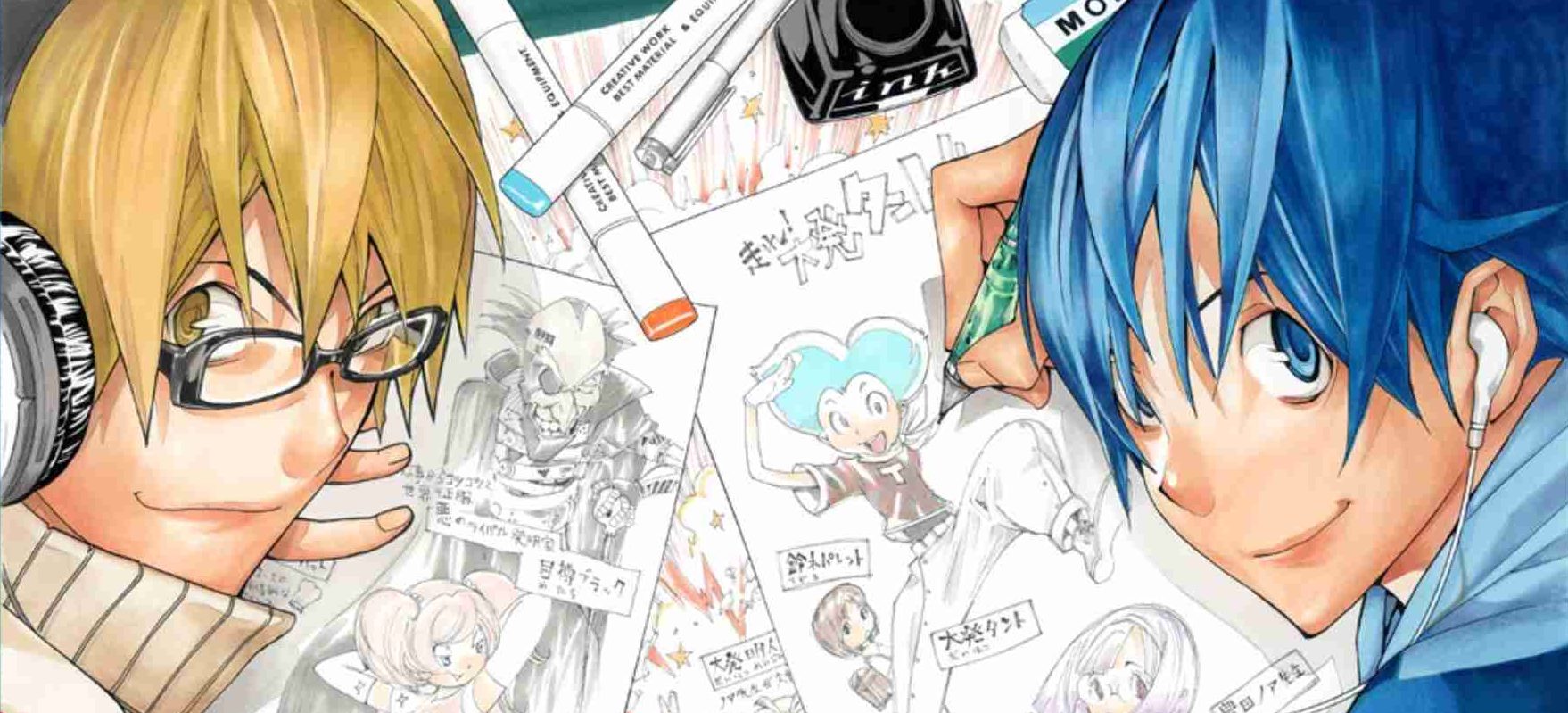
Bakuman. Bakuman" is a boys' manga series written by Tsugumi Ohba and drawn by Takeshi Obata, which was adapted into an anime on NHK Educational TV in 2010. It is a success story in which a talented artist named Mashiro Moritaka, aka Saiko, and a gifted writer named Takagi Akito, aka Shujin, team up to become successful manga artists in the Weekly Shonen Jump magazine. In addition to the manga drawn by the main characters, the story features a wide variety of manga created by their many rivals and friends.

Read Article

DEATH NOTE Cooking, Eating, Food, Sweets, and Drinks Summary

DEATH NOTE Cooking, Eating, Food, Sweets, and Drinks Summary

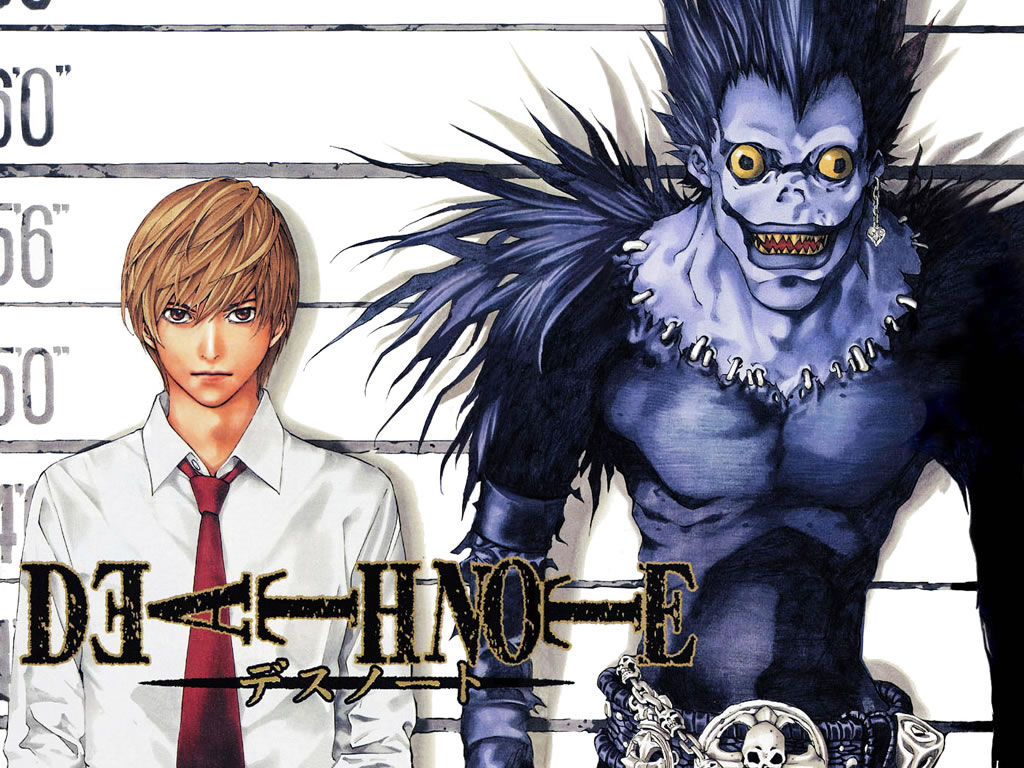
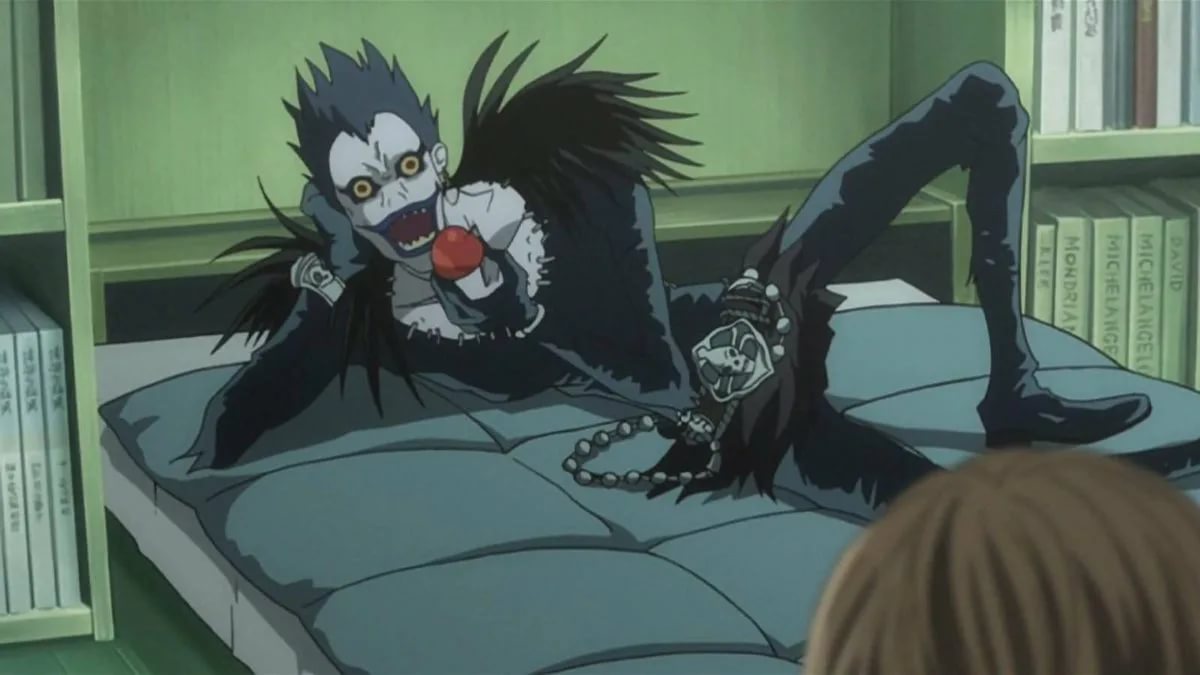
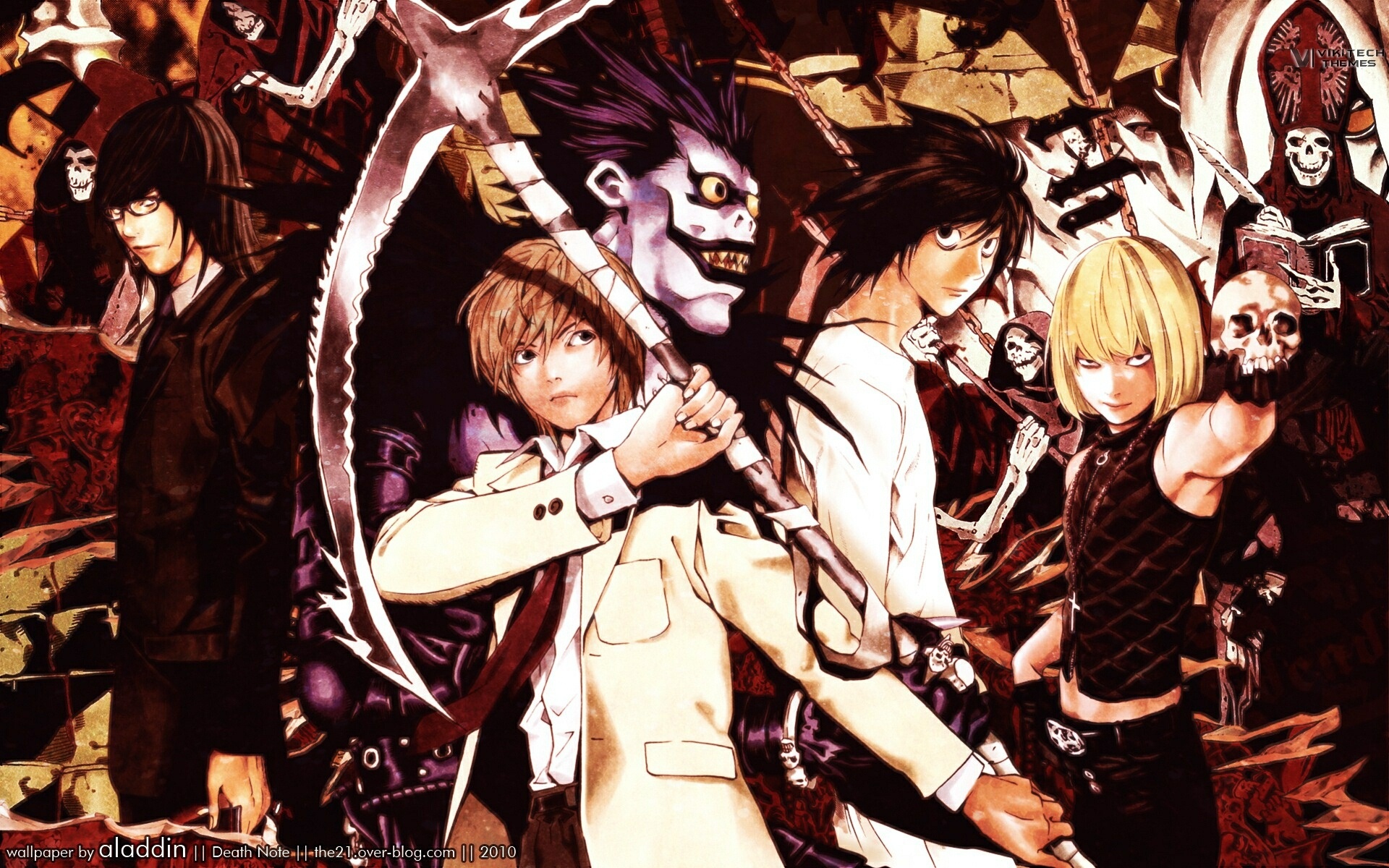
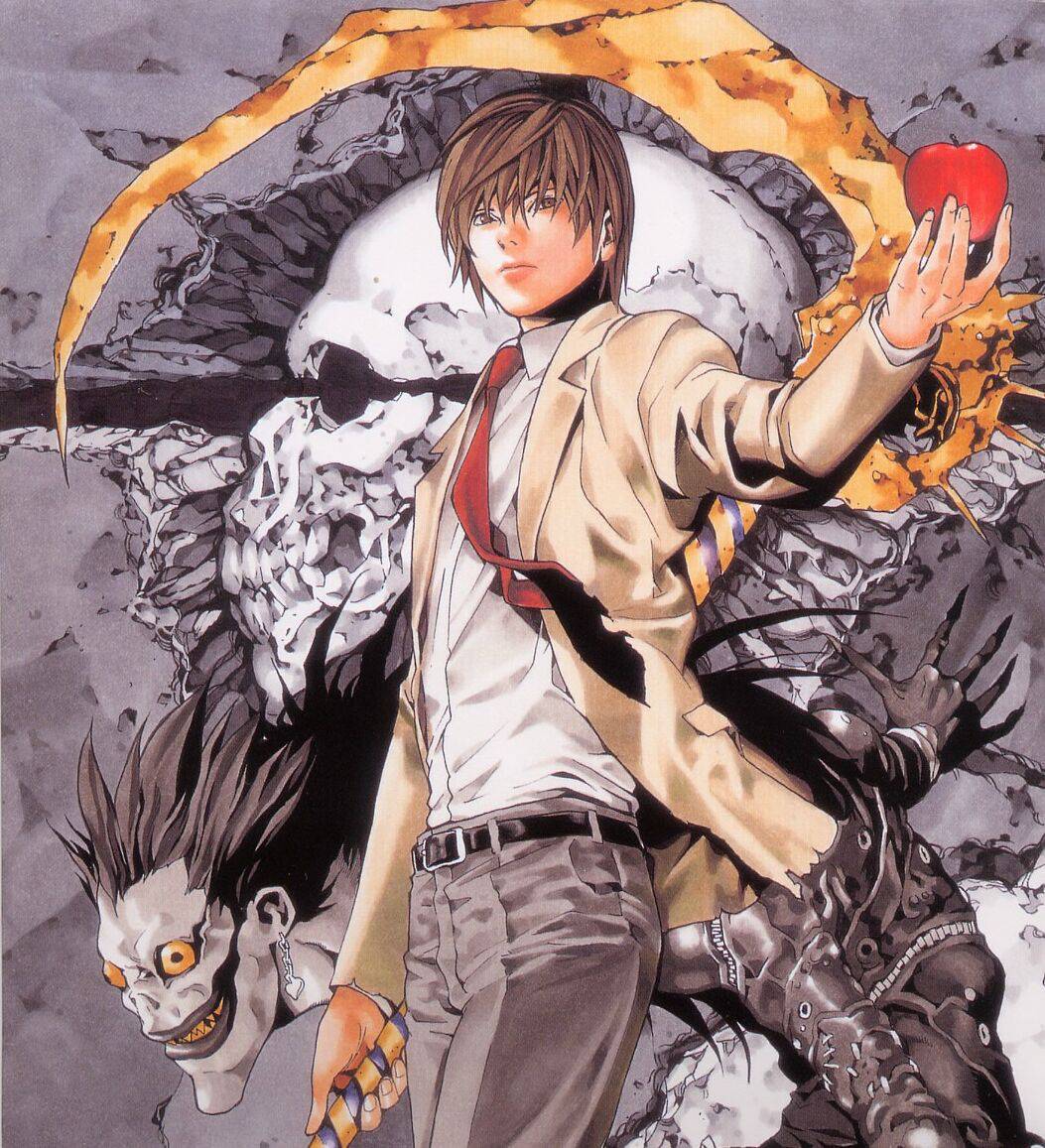
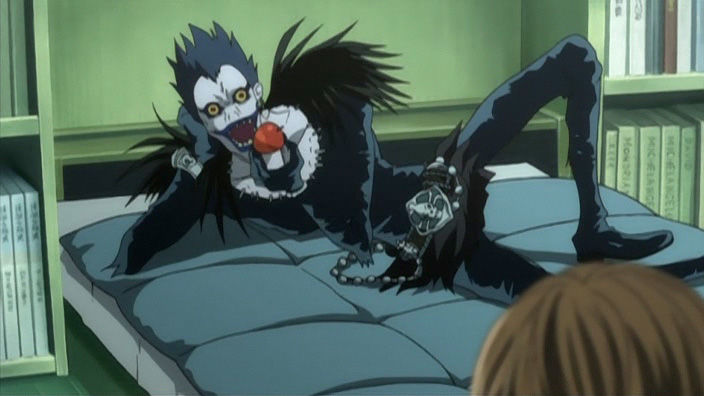
DEATH NOTE" is a manga written by Tsugumi Ohba and drawn by Takeshi Obata that has been serialized in "Weekly Shonen Jump" since 2003. It depicts a highly sophisticated battle of wits over the Death Note, a notebook of the god of death that can kill anyone whose name is written in it. The world's most famous detective, "L," who appears in this work, often consumes sweet dishes, meals, food, sweets, and drinks because he uses his brain more than others. In addition, Ryuk, the Grim Reaper, a character representing this work, is fond of apples, which are widely popular among fans as a symbolic food for him.

Read Article

DEATH NOTE(デスノート)の回収済み・未回収の伏線・謎まとめ

DEATH NOTE(デスノート)の回収済み・未回収の伏線・謎まとめ

『DEATH NOTE(デスノート)』とは、大場つぐみ原作・小畑健作画による漫画作品で、その後アニメ化や実写ドラマ化、映画化など様々なメディアで展開された人気作品である。複雑かつ緻密な伏線と謎に満ちた展開は、原作から各メディアで高い評価を得ている。本記事では、回収済みおよび未回収の伏線・謎について詳しく分析し、それらが物語やキャラクターにどのような影響を与えたのかを考察していく。

Read Article

DEATH NOTE(デスノート)の名言・名セリフ/名シーン・名場面まとめ

DEATH NOTE(デスノート)の名言・名セリフ/名シーン・名場面まとめ

『DEATH NOTE』(デスノート)は大場つぐみ原作、小畑健作画による少年漫画。死神リュークが落とした「デスノート」を拾った天才高校生・夜神月がその力を使って犯罪者を裁き、理想の世界を築こうとする物語だ。主人公の夜神月や探偵Lをはじめとする個性的なキャラクターによる深遠な哲学的対話と緊迫した心理戦が繰り広げられ、数々の名言や読者の印象に残るセリフが生まれる。これらの言葉は、正義、倫理、権力に関する重要なテーマを提起し、ファンや批評家から高い評価を得ており、しばしば熱い議論の火種となっている。

Read Article

Hikaru no Go: Comparison images of manga and anime with character designs covered! Where have you seen this? [Spirited Away

Hikaru no Go: Comparison images of manga and anime with character designs covered! Where have you seen this? [Spirited Away

While enjoying an anime or manga, have you ever thought, "Hey, I've seen this character somewhere before..."? Have you ever thought, "Hey, I've seen this character somewhere before..."? If it is drawn by the same author, but the character design is similar even though it is clearly by a different author, you may think, "Could it be a copycat...? This article will discuss the differences in character designs in manga. In this article, we have compiled a list of cartoons and animations with similar character designs. It is quite common to find cases where the characters really look alike by chance, but what should we think about cases where the characters look exactly the same from every angle...?

Read Article

Interesting collage images of "DEATH NOTE"! A large collection of funny masterpieces!

Interesting collage images of "DEATH NOTE"! A large collection of funny masterpieces!

Here is a collection of interesting collage images of the manga "DEATH NOTE" by Tsugumi Ohba and Takeshi Obata. DEATH NOTE" was serialized in "Weekly Shonen Jump" from 2003 to 2006, and even after the series ended, it was adapted into a live-action movie and a novel. Since there are so many famous scenes in the original work and the work has deep-rooted popularity, fans continue to create collage images of the manga. The collage images shown here are all excellent works, mainly those featuring the main character "Moon Yagami" and the god of death "Ryuk.

Read Article

Popular Manga] Summary of Weekly Shonen Jump censored and terminated manga from 2007 to 2018!

Popular Manga] Summary of Weekly Shonen Jump censored and terminated manga from 2007 to 2018!

This is a list of manga that were censored or ended in Weekly Shonen Jump between 2007 and 2018. The works are those that ended after the first issue of 2007. We will introduce not only representative manga of Jump such as "Gintama", "Bleach", "Naruto", and "Kochira Katsushika-ku Kameari Koen Mae Hashutsujo", but also works that were unfortunately censored and hidden good works that did not resonate with readers even though the content was not bad.

Read Article

Reviews, Ratings and Comments on ヒカルの碁 / ヒカ碁 / Hikaru no Go

ヒカルの碁 / ヒカ碁 / Hikaru no Go
9

A divine move that connects a thousand years of time. A story of Go spun by a boy and a prodigy player of the Heian period.

After reading it, I wanted to start playing Go.

The story begins when a boy named Hikaru meets the ghost of a prodigy Go player, Sadame, in his grandfather's barn.
Hikaru is asked to play Go in order to master the divine move, and at first he plays the game reluctantly, but gradually he realizes the fun of Go and becomes absorbed in the world of Go.

I was moved by the scene in which Sasame played Go on the PC as "sai" and attracted the attention of the whole world, and the scene in which Hikaru felt Sasame's presence through Go and shed tears after Sasame disappeared.
There are many other heart-warming scenes that cannot be described here.

The artwork for this work is by Obata-sensei, who is well known for his work on Death Note, and brings out the best in each character, including the hard-working Hikaru, the brilliant but sometimes childish Satake, and his rival Akira, the boy genius.

When you find out why Sasame came to Hikaru and what God's move is, you will definitely want to go back and read the book again from the beginning.
This work also has a deep meaning that technology is perfected by being passed on from the past to the present and from the present to the future, and there are many great scenes that will make you think about it, so if you are interested in this work, please read it.

ヒカルの碁 / ヒカ碁 / Hikaru no Go
10

Even if you don't know anything about Go, you won't be able to stop turning the pages as the game heats up!

Hikaru no Go is a boys' manga about the game of Go serialized in Weekly Shonen Jump.
It has been adapted into an anime, novel, game, and other media mixes, and the original manga has 23 volumes.
The main character, Hikaru Shindo, originally had no interest in Go and did not even know the rules.
One day, however, Hikaru becomes possessed by the Heian-era prodigy Fujiwara no Satame, and together they begin to play Go.
Hikaru, who was never good at using his head and had poor grades in school, had no intention of playing Go.
However, an encounter with Akira Touya, a professional Go player of the same age, changes his destiny.
At first, Hikaru played Go as instructed by Sawo without knowing anything about the game.
However, his skill at Go, which does not resemble that of an amateur, catches the attention of a professional Go player, and the process is exciting and keeps the viewers on the edge of their seats.
Hikaru gradually learns to play Go on his own without relying on Sadame, and the process of advancing in the Go world by his own power is pleasant to watch.
Sadame also wins overwhelmingly against any professional Go player of today, which is enjoyable and stress-free reading.
Although there are scenes in which the characters discuss Go techniques
The manga is very well written in that it can be enjoyed even if the reader does not know Go.
It is a manga that anyone can enjoy.
Although the subject is Go, the content is just like a battle manga. It is a masterpiece that keeps you on the edge of your seat and your hands on the page as the story continues to unfold.

ヒカルの碁 / ヒカ碁 / Hikaru no Go
9

A milestone in Go manga, with overwhelming drawing ability and carefully woven human characters!

Hikaru no Go, a Go-themed manga serialized in Weekly Shonen Jump, has no flashy special moves, no sexy scenes with cute girls, and no villain who must be defeated.
However, when asked "What is your favorite manga in Shonen Jump? Many people, however, mention this work when asked the question, "What is your favorite manga in Shonen Jump? Why is that?
First of all, the "psychological depiction" is very detailed. Since it is a Go manga, the story is centered around the game of Go.
The process of sitting down face to face and playing Go in turn is usually considered to be a rather simple one.
There is no change in movement, and above all, only a few people know exactly what the rules of Go are.
However, the psychological descriptions of each character, including the main character, are carefully drawn, so that the reader can feel the tension of the game realistically, and
Don't get bored, what are you going to think about next? How are we going to break out of this situation? How can we overcome this situation?
Because the story follows the emotions of the characters more carefully than the games themselves, even boys and girls who do not know Go can easily relate to the story.
I often hear people say that they don't understand the rules of Go even after reading the last volume, but I am sure that this means that the author's intention was well accepted.
And what I can say is the overwhelming power of the drawings.
The beautiful touch of Ken Obata, known for his work on "DETHNOTE" and "Bakuman," is used in this work, and the direction is simply amazing!
The scene where the main character, Hikaru, cries during a game is the result of Ken Obata's drawing ability.
Comparing the first volume with the final volume, the drawing style has changed considerably. The artwork of each period has its own charm, so it may be fun to find your own favorite style.

ヒカルの碁 / ヒカ碁 / Hikaru no Go
10

The best animation and games.

I have read all the original works and finished the anime in real time. While there are some works that "the original is good, but the anime is not" or "the anime is not interesting unless it is animated," I think this is a rare work in which both the original and the anime were a great success.
I think it is a rare work in which both the original work and the anime are very successful. I started watching the work at the level of "What is Go in the first place? I didn't know he had such a move left...! (although the story is complemented to a certain extent by the comics and the fiction), the character's lines, "I can't believe you left such a move...! Somehow, the player is swept up in the atmosphere of the game even though he or she does not understand the rules, which is a rare experience.
If it is a game between the main character Hikaru and his friends, you can tell by the facial expressions of the characters which one is superior or inferior, but in a high level game such as a title game between professionals, you cannot read the game situation just from the facial expressions of the characters. You feel as if you are the one who is watching over the game and reading out the game and keeping a game record.
It was also shocking to me that the months passed almost the same way as the real world time line. Even though the original was a weekly serialization, I don't think this is something that can be done very often.

ヒカルの碁 / ヒカ碁 / Hikaru no Go
10

Works popular across generations

This work has been in production for more than 10 years now.
However, DVDs of this work have remained as popular as ever.
The story begins with a young boy, Hikaru Shindo, who is possessed by Sate Fujiwara, a Heian-era Go player who was possessed by the Go master Honinbo Shusaku, and plays the game of Go.
Hikaru is not at all interested in Go at first, but as he plays Go with Sade, he begins to want to play Go himself.
His rival Akira Touya appears on the scene, and Hikaru plays Go as Sade asks him to.
Akira Touya was a professional player of the caliber of a professional.
Akira is defeated by Sade's power. Akira then pursues Hikaru, or more precisely, Sasu in Hikaru.
Then, Hikaru becomes a junior high school student and joins the Go club.
Akira learns of this and joins the Go club as well, and he goes on to play a humiliating game against Sasuke.
However, when Hikaru plays against Akira in the Go club's tournament as the third general while being harassed, Akira is furious when he plays his own way and does not listen to Satomi's instructions.
Akira is furious, and says that it is a detour and that he will go on to become a professional soon after the tournament is over.
When Hikaru learns of this, he follows Akira and becomes a graduate student.
I think the two main attractions of this work are the fact that Hikaru grows up with the help of Satame and the people around him, and the absolute power of Satame.
Sade's role is to help someone, mainly when he can't help himself but can't be defeated.
Where Hikaru grows up is where he shows his ability.
However, I am a little disappointed that there are surprisingly few places where Satomi plays an active role.
The part where Sadame is surprised at the progress of the modern age is a comforting part of the story.
I think this work is loved by all generations because it is a story of Go.
My father also loves Hikaru no Go.
I hope that this work will last for generations to come.

ヒカルの碁 / ヒカ碁 / Hikaru no Go
9

You'll want to try Go.

The game of Go has an old-fashioned image, but Hikaru no Go is a manga that has lost its old-fashioned charm.
The main character is Hikaru Shindo, an ordinary elementary school student. In an old storehouse in his house, he meets Same Fujiwara, a professional Go player who has come from far away in time. Through his encounter with Sate, Hikaru, who had no interest in Go, gradually becomes obsessed with the depth of the game and grows up.
The story focuses not only on the main characters, Hikaru and Sadame, but also on each of the other characters. The emotions of the people who appear around Hikaru are also carefully written, and you can feel the author's passion for his work.
I became addicted to the game of Go after watching this work, and I even felt that I wanted to learn Go in earnest. The great thing about this work is that even if you don't know the rules of Go, you can enjoy reading the manga until the end. I still don't understand Go, but I still think it is the most interesting manga I have ever read. It changed the image of the humble game of Go, and some people have become professional Go players after reading this work.
This manga was published in the very popular Weekly Shonen Jump magazine, and there are 23 volumes in total. The number of volumes is not unnecessarily long, so you can read it quickly without getting bored.

ヒカルの碁 / ヒカ碁 / Hikaru no Go
10

A masterpiece that should be read at least once.

Hikaru no Go," which has also been made into an anime, has been so influential that it triggered a Go boom among elementary school students, and in fact, there are many people who started playing Go and even became professionals. In fact, there are many people who started playing Go and even became professionals because of this work. Furthermore, even now, more than 10 years after the end of its serialization, this work boasts such strong popularity that it is regularly talked about on the Internet.

The story is about an ordinary elementary school boy who gets caught up in the world of Go when he is possessed by the spirit of a genius Go player, Fujiwara Satoshi, and aims for "God's move".
The story starts when the main character "Hikaru Shindo" is in the 6th grade of elementary school. At first, Hikaru was not interested in Go and played Go as Sade told him to, but gradually he grew up wanting to win by his own strength. Hikaru later became a professional Go player after gaining experience playing games in the junior high school Go club and as a graduate student. However, Hikaru, who had always been talented, grew up, and Sadame, having fulfilled her role, disappeared from the world. This scene was so sad that I cried.
Hikaru had some regrets about Sasame's disappearance and made a decision to quit Go, but when he found Sasame's Go in his own Go, he renewed his determination to play Go and started again as a professional.
This is an indomitable masterpiece that carefully describes the process of Hikaru's growth from an elementary school student to a true professional Go player.

ヒカルの碁 / ヒカ碁 / Hikaru no Go
9

To connect the distant past with the distant future...

The work I recommend is "Hikaru no Go" by Tsugumi Ohba. There are three reasons why I recommend this work.
First, it is complete in 23 volumes.
There are many super-long masterpiece manga these days, aren't there? It seems that they usually exceed about 60 volumes.
Frankly speaking, it is difficult for someone like me, who thinks "It looks interesting, but I don't have the time or energy to keep reading until the end", to get my hands on it.
However, "Hikaru no Go" is completed in 23 volumes. With this length, even I can finish reading it before I lose my concentration.
Also, the game scenes do not have that many characters, and the speedy drawing style is very helpful.
Second, the drawings are very beautiful.
This is a typical characteristic of Tsugumi Ohba's works such as "Death Note. In "Hikaru no Go," the drawings were not yet as well-developed as they are today, so in the early stages of the story, the drawings looked very primitive.
However, as the story progresses, the quality of the artwork improves, and by the time you finish reading the book, it has reached a level where you can even think it is beautiful.
Finally, the work itself is easy to understand.
Although it depicts the unfamiliar world of "Go," even I, a junior high school student who knew nothing about Go, was able to enjoy reading it without getting caught up in the story.
There are many more details to be mentioned, but this is a rough introduction.

If you are interested, please pick up a copy of "Hikaru no Go" and give it a try.

Parent Tags

Child Tags

Sibling Tags