
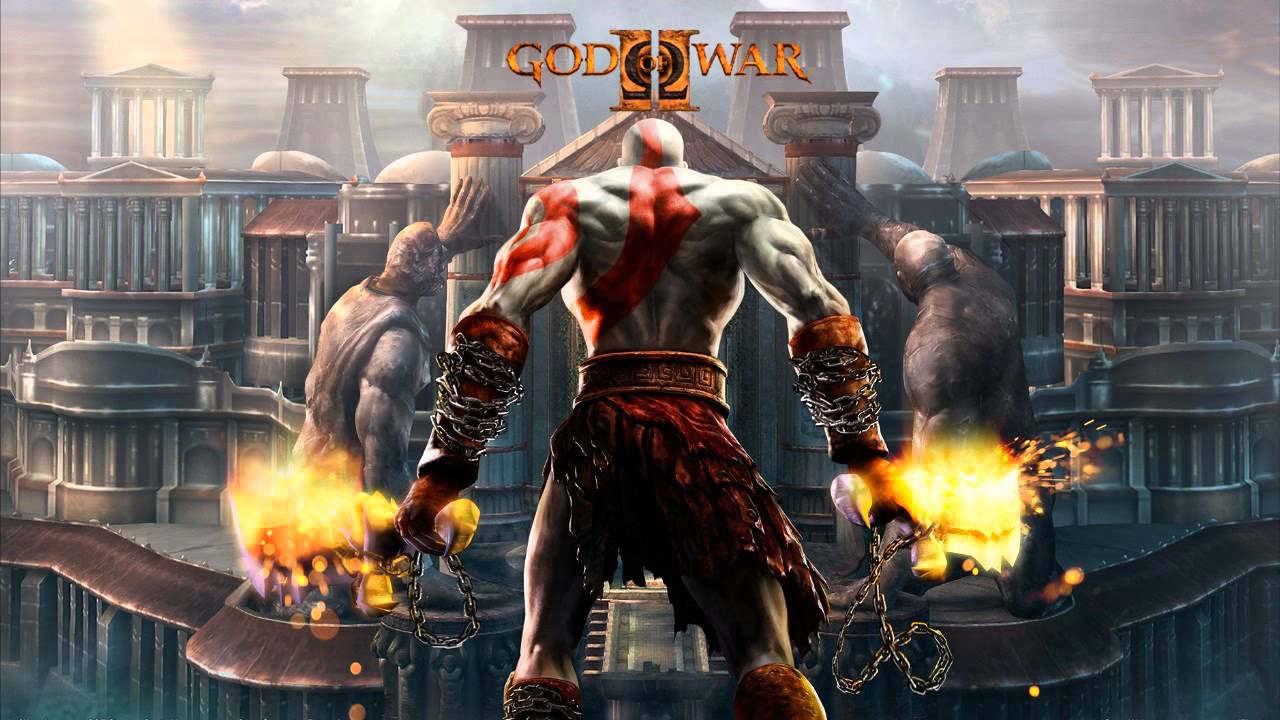
God of War II: Prelude to the End" is a sequel to God of Warl released by Sony Computer Entertainment SCE Santa Monica Studio on PlayStation2. It was released in Japan on October 25, 2005. Kratos defeated the god of war, Ares, and assumed the title of god of war. He grows to hate being forced to dance in the hands of the gods of Olympus, and vows to destroy them. To gain the power of the Titans, he once again embarks on a journey of revenge.
Overview of God of War II: Prelude to the End
God of War II: Prelude to the End" is the second installment in the God of War series. It was released on the PlayStation2, the same platform as the previous game. It was released in North America on March 13, 2007, and unlike the Japanese version, it was a two-disc set, with the first disc containing the main game and the second disc containing bonus videos. The reason for the different content is assumed to be that the game was not very well known in Japan at the time of its release.
The game's graphics were more beautiful than those of the first game, and the game's puzzle-solving elements, operability, and narrative volume were all superior to those of the first game. The number of weapons and gimmicks has also increased, making the game even more challenging to play. Of course, as in the first game, the exhilaration of defeating creatures has also been refined.
The story behind God of War II: Prelude to the End
opening
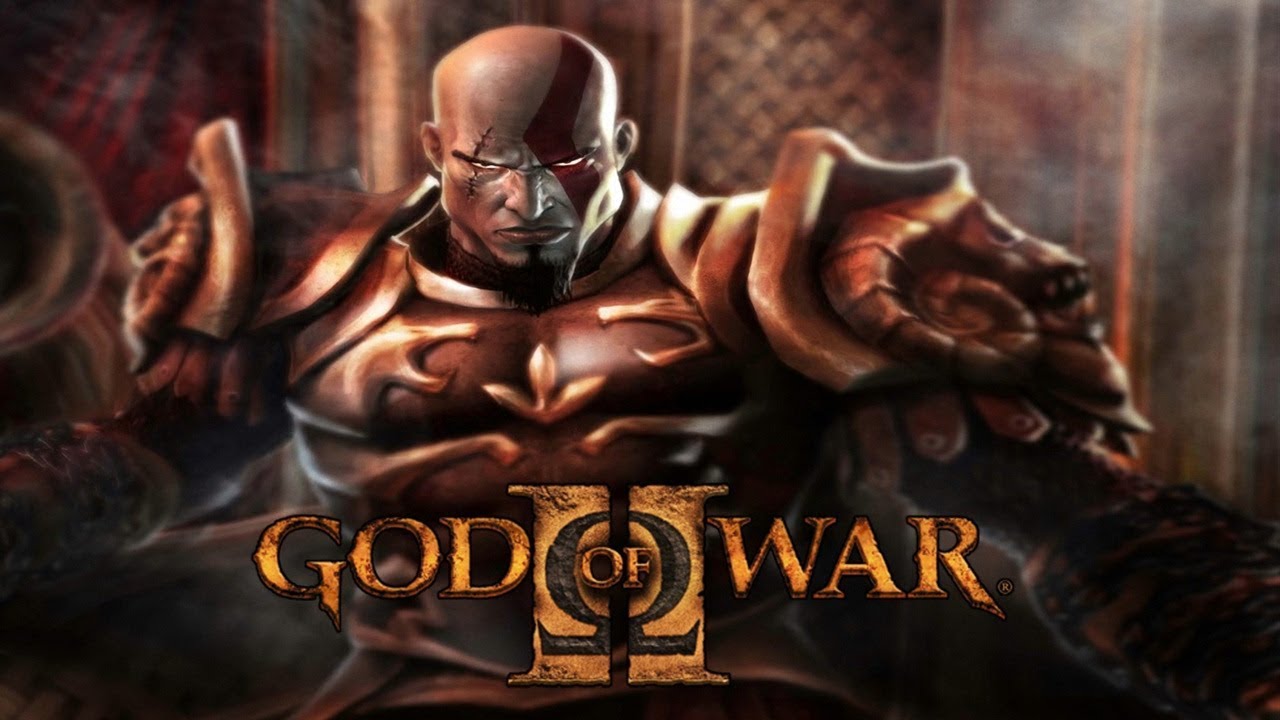
Kratos, tormented by the memory of having killed his wife and child with his own hands after defeating the god of war Ares, attempted to commit suicide, but the gods of Olympus did not let him die. They also put him on the throne of the god of war, which had been vacated by the defeat of Ares. Kratos was now completely in the hands of the gods of Olympus. His hatred for the gods grew day by day. This hatred transformed Kratos into a god more cruel than Ares, the god of war.
Kratos spends his days destroying one city after another on earth under the protection of the gods of Olympus. Under such circumstances, Kratos invades the island of Rhodes. The gods of Olympus, whose cities had been destroyed by Kratos, had reached the limit of their anger. Athena, the goddess of Olympus, seeing this, tries to persuade Kratos to stop, but Kratos does not accept her persuasion.
Athena, the goddess of Olympus, took away some of Kratos' divine power and empowered a colossal statue under construction to attack Kratos. Kratos struggles against her, but he is unable to fight against her because she has taken away his divine power, even if only a little. At that moment, a great sword flies from the sky. At the same time, the voice of Zeus, the supreme god of Olympus, is heard from the sky. He said, "Put all the power of the remaining gods into this great sword. Kratos, unable to compete with the colossal statue, did as he was commanded and poured his power into the great sword. The sword, which was filled with power, successfully defeats the colossus, but Kratos, caught off guard, is crushed by the palm of the fallen colossus.
Zeus, the supreme god of Olympus, appears in front of Kratos, who is now in a state of exhaustion. In front of Kratos, Zeus swings his great sword, which has absorbed Kratos' divine power, and kills Kratos. Once again, Kratos has been framed by Zeus' trickery. Kratos is filled with hatred and vows to kill all the gods of Olympus. Kratos' soul falls into the underworld.
As he was falling into the underworld, he heard a voice saying, "You must not die yet. The voice belonged to Gaia, the chief of the Titan tribe.
In a war that took place long ago between the gods of Olympus and the Titans, the Titans were defeated and Gaia was imprisoned by Zeus in the depths of the earth. Gaia also had a grudge against Zeus. Gaia promised Kratos that she would give him the power to destroy the Titans, using those who share her hatred for Zeus to destroy the Olympians and restore the glory of the Titans. To do this, he had to go to the four Titans and receive their power. She also needed to defeat the three goddesses of destiny who control the time of this world as a means to return to the time before Zeus killed Kratos. Gaia gave Pegasus to Kratos and made him escape from the underworld in order to liberate the Titans and defeat the Three Goddesses of Destiny.
Kratos' journey of revenge begins again.
Home of the Titans
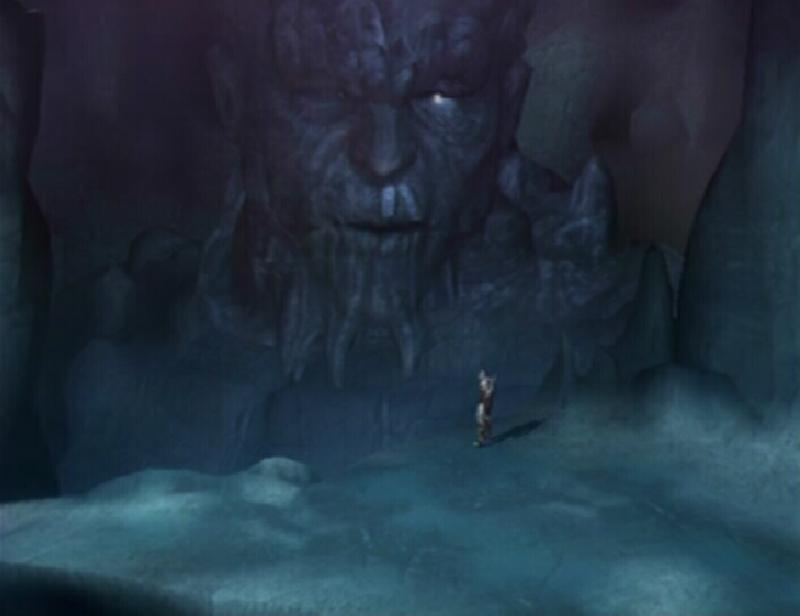
Kratos heads toward his destination, guided by Pegasus. On the way, as he was under the onslaught of enemies, he came across a large cavity covered with ice. The moment he entered the cavern, a huge hand appeared and Pegasus was caught in between, unable to move and unable to ride Pegasus any further.
In order to free Pegasus, Kratos proceeded to the back alone to gain the power of the Titan tribe. Then he saw a man bound by the other finger of the giant hand he had just seen. His name was Prometheus, and he was forever repeating the sentence of having his internal organs eaten by a monstrous bird while still alive. Once all of his internal organs were eaten, they would revive in an instant as if nothing had happened... The repetition of this process gave him a living hell.
Prometheus was originally one of the gods of Olympus, but he was punished in such a way because he had incurred the wrath of Zeus for giving the fire of Olympus to a mortal in need (teaching mortals to use fire).
Prometheus begs Kratos to release him from his never-ending suffering. When Prometheus is released from his restraints, he is hanged from the fingers of a giant. Prometheus was still alive, the fire of Olympus burning at his feet. Since there was nothing more that could be done at this point, Kratos decided to go deeper.
As he proceeded to the deepest part of the cavern, he saw the face of the Titan tribe, the Tupon. The Titans were not friendly toward Kratos and regarded all who entered as enemies. The Tupon blew his icy breath at him on the narrow scaffold. Tupon had the magic "Tupon Bane" embedded in his left eye. Kratos approached Tupon's face, passing through the ice breath. He pulled out the magic embedded in the left eye, and then cast the magic into Tupon's right eye. The attack caused Tupon to flinch, clearing the way. The large cavity was composed of Tupon's body.
Kratos returned to Prometheus again. He shot the magic "tupon vane" at the chains binding Prometheus, and the chains were broken successfully, and Prometheus fell into the flames of Olympus and was released from the living hell. Prometheus burned to ashes. The ashes clung to Kratos' body. As a thank you to Kratos for ending his suffering, Prometheus gave him a special move called "Rage of Titan".
While Tupon flinched, Kratos rescued Pegasus and headed to his next destination.
Temple of Lachesis
Guided by Pegasus, the next destination was the temple dedicated to Lachesis, one of the three goddesses of destiny.
In the temple of Lachesis, there is a relic called "War Horse of Time" that can change its own destiny. Kratos heads for the "War Horse of Time. Theseus stands in front of Kratos.
Theseus once accomplished such great deeds that he was called a "hero" on earth. His exploits caught the attention of Zeus, and he was given the role of a priest to manage the "Horses of Time. Theseus compares his own position as a servant of the gods with Kratos, who is still trying to fight against the gods even though he has no divine power, and mocks him. Theseus provokes Kratos, but Kratos turns the tables on him.
Kratos was able to successfully manipulate the "War Horse of Fate" and prepare to change his destiny.
Once again, Kratos proceeds through the temple. After destroying the statue of the goddess in the center of the temple, he moved to a place called the "Heart Chamber of Destiny.
In the "Heart of Destiny" was a swamp called the "Swamp of Oblivion" where his curse was revealed. As he approached the swamp, the Barbarian King, the chief of the barbarian tribe, who was supposed to have been defeated by Ares, the god of war, when he was a Spartan soldier, appeared. Kratos once again engages the Barbarian King in battle. After a fierce onslaught, he defeats the Barbarian King. With the defeat of the Barbarian King, the spell with the Barbarian King is released.
As he continues on his way, he sees the next temple after the ruins and the river.
Temple of Euryale
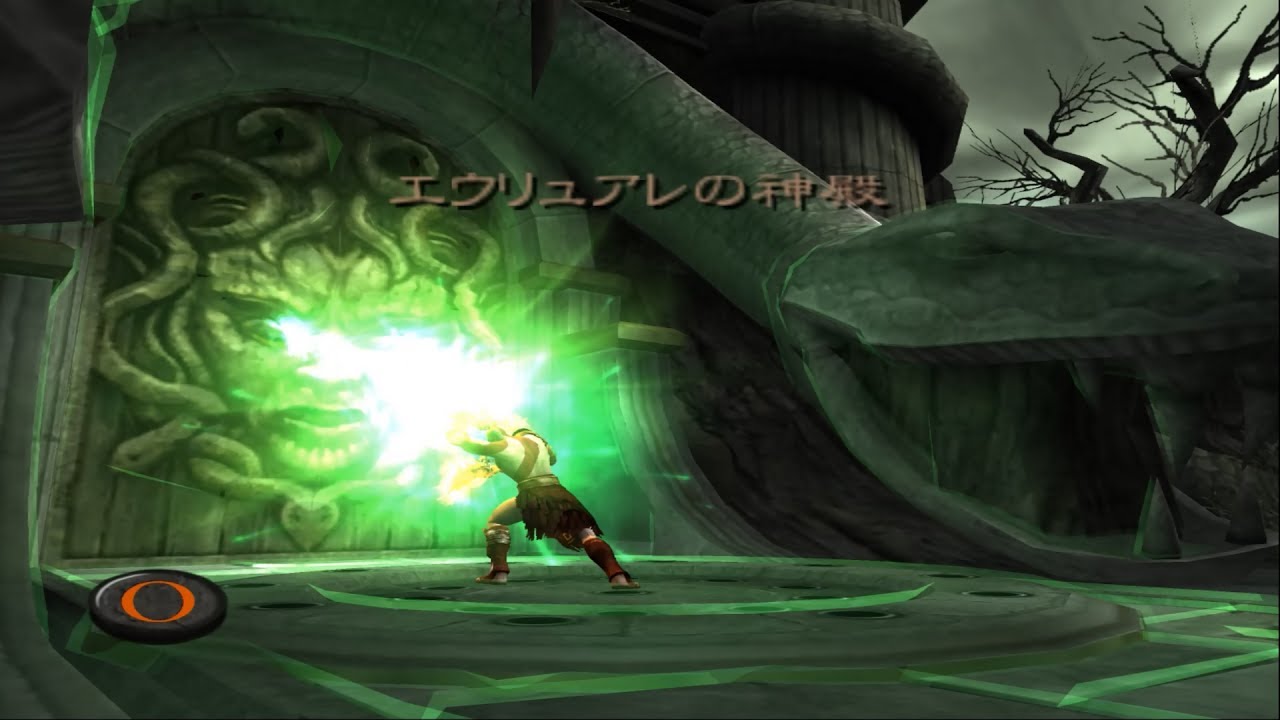
When we proceeded to the deepest part of the temple, Euryale, the mother of the Gorgons, was waiting for us. Euryale was the mother of Medusa, who had killed many of her children, and she harbored a deep hatred for Kratos. She was huge in comparison to the Medusas she had fought in the past, and her petrifying rays had a wide range. Despite the struggle, he manages to defeat Euryale and obtain its head. By using Euryale's head, petrification magic is activated.
Kratos, with his newfound strength, once again moves forward.
Temple of Atropos
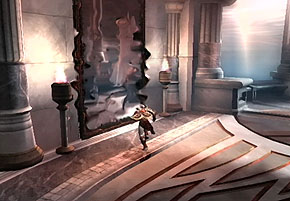
Kratos reaches the temple courtyard of the temple of Atropos. There, the high priestess of the goddess of destiny was waiting for him. While struggling against the high priestess who attacked him without a moment to catch his breath, he defeated the high priestess. As we proceeded through the courtyard, a door located in one corner of the temple appeared. Upon opening the door, they found themselves in a large bath. The moment the surface of the water shook, it was attacked by someone. It was Perseus, who was wearing a mask that contained magical power. Due to the magical power of the mask, Perseus' figure was invisible. The movement of the invisible Perseus was grasped by the ripples of the water, and somehow the mask was destroyed and Perseus was successfully defeated. After exiting the large baths, they return the way they came from and go back to the courtyard. By using the shield obtained in the battle with Perseus, a new path opens up and Kratos escapes the courtyard.
As he continued on his way, a rotting bridge crossed in front of him. Just as he was about to cross the bridge, a small man with wings on his back appeared from under the bridge. The little man's name was Icarus, and he was an assassin who wanted to block Kratos' path. Icarus held Kratos and tried to drop him into the crack under the bridge. While tangling in mid-air, Kratos manages to snatch a feather from Icarus. The feather is snatched from Icarus and he is slammed to the ground, dead. Kratos was able to glide through the air with the feathers he took from Icarus. Riding the air currents, he slowly fell into the air and found the dungeon where Atlas, a Titan, was being held captive.
The Dungeons of Titan
Source: www.famitsu.com
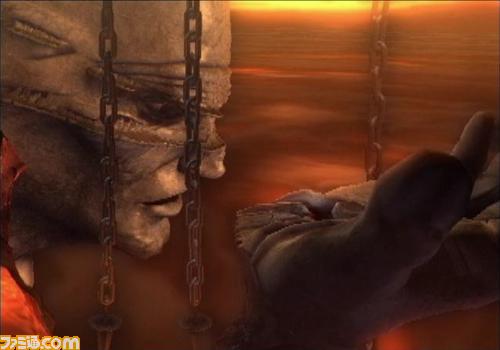
The dungeons were almost completely filled with the huge body of Atlas the Titan. Dozens of chains were embedded in Atlas' body, making it difficult for him to speak. Kratos broke free of Atlas' bonds and landed in front of Atlas. Atlas recognized Kratos as an enemy and tried to crush him with his fingers. Kratos pushes Atlas' fingers away and tries to talk with Atlas. As a result, Atlas promised to give Kratos power and gave him the magic "Atlas Quake". He even helped Kratos to return to the earth, and Kratos was able to resume his journey on the earth again.
palace of fate
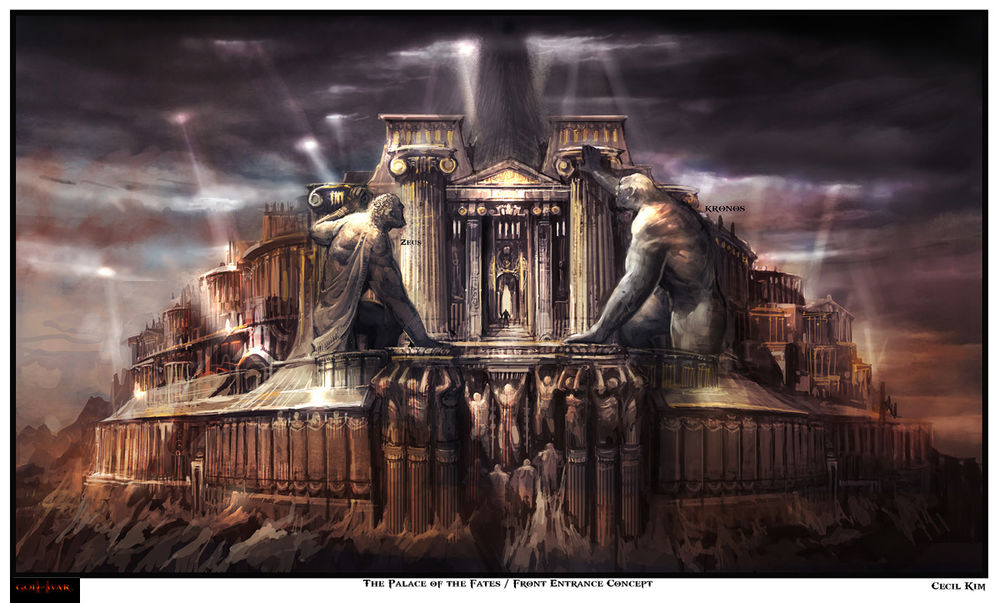
With the help of Atlas, Kratos arrives at the Temple of Destiny. Atlas tells him that in order to meet the three goddesses of destiny, he must swear an oath to two of them.
He went inside the Temple of Destiny and found a priestess. The priestess told him that in order to administer the oath to the goddess, he needed to read the book, and that he needed the blood of the priestess who had read the book, and that she was trembling in a corner of the room, not wanting to die. Kratos picked up the priest, who made no move, and headed for the room where the book was located. On the way to the room, he was attacked by enemies who prevented him from taking the oath, but he succeeded in defeating them while protecting the priest.
Although he makes it safely to the book, the priest refuses to read it. Numbed by the priest's refusal, Kratos dragged the priest to the book, held him down in front of the book, and forced him to read the book. In doing so, the priest's resistance did not cease. As a result, the priest's head was struck by Kratos on the pedestal of the book. Blood flowed little by little from the priest's head, and as soon as he read the last sentence, the priest's head was completely crushed by Kratos. The priest's blood trickles into a gutter on the floor of the room, and the oath to the first goddess is complete.
Further into the palace, we reached the gardens. There, Cerberus was waiting to block Kratos' progress. After a fierce battle, he defeated Cerberus. Immediately thereafter, Athena, the goddess of Olympus, appeared to persuade Kratos to destroy the gods, but Kratos, filled with hatred for the gods, refused to listen and continued on through the palace.
As he proceeded through the palace, a second priestess appeared before him. Moreover, the priest throws himself out of the window, saying that if he has to shed blood to take the oath, he would rather commit suicide. Since the priest is needed to administer the oath, the suicide of the priest must be prevented at all costs. There was a mirror inside the room, and when he entered, time rewound to just before the priest committed suicide. Apparently, the priest is not supposed to die except by taking an oath. At the moment the priest throws himself, Kratos holds the priest's body and drags him to the front of the oath book. Following the same procedure as the first priestess, he slams the priestess' head against the pedestal if she resists, and with his last sentence, he succeeds in completely crushing the priestess' head and offering her blood. This successfully completed the oath to the second goddess.
It seemed that everything was ready to go to the Temple of Doom, but according to the books in the palace, in order to cross over to the Temple of Doom, the ashes of the phoenix had to be found and the legendary phoenix revived.
Kratos managed to break through a room filled with thorns and obtain the phoenix's ashes. He put the phoenix's ashes into the fire and revived the phoenix. The revived phoenix soared to the top of the palace. Kratos followed the phoenix to the top of the palace, but his way was blocked again. The Kraken crawled up from under the palace. Kratos had to fight hard, but he was able to defeat the Kraken.
Riding on the back of the Phoenix, he left the Palace of Destiny and proceeded to his final destination, the Temple of Destiny.

Related Articles
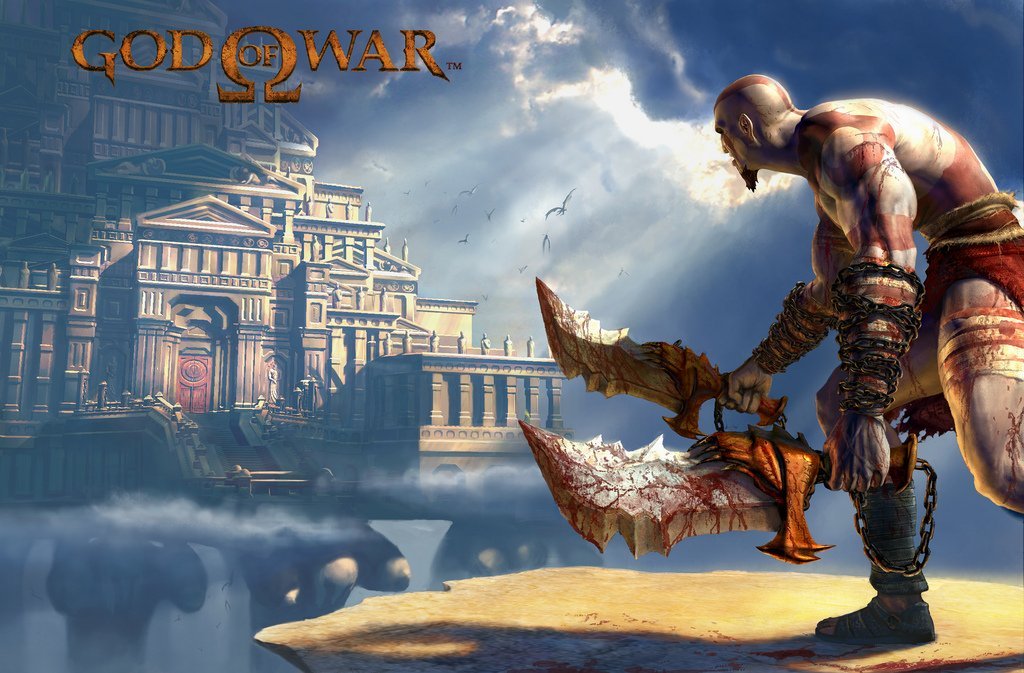
God of War (God of War) Spoiler Commentary and Discussion Summary
God of War is an action game that has sold more than 21 million copies worldwide since its release in March 2005 and has become a milestone in the action game genre. The game boasts a high level of game balance, including innovative and easy-to-see camera work that has never been seen in conventional action games, exhilaration that is the essence of action games, bold depictions of violence, and well-balanced puzzle-solving elements. The player takes on the role of "Kratos" and sets out on a journey to defeat the god of war, Ares.
Read Article
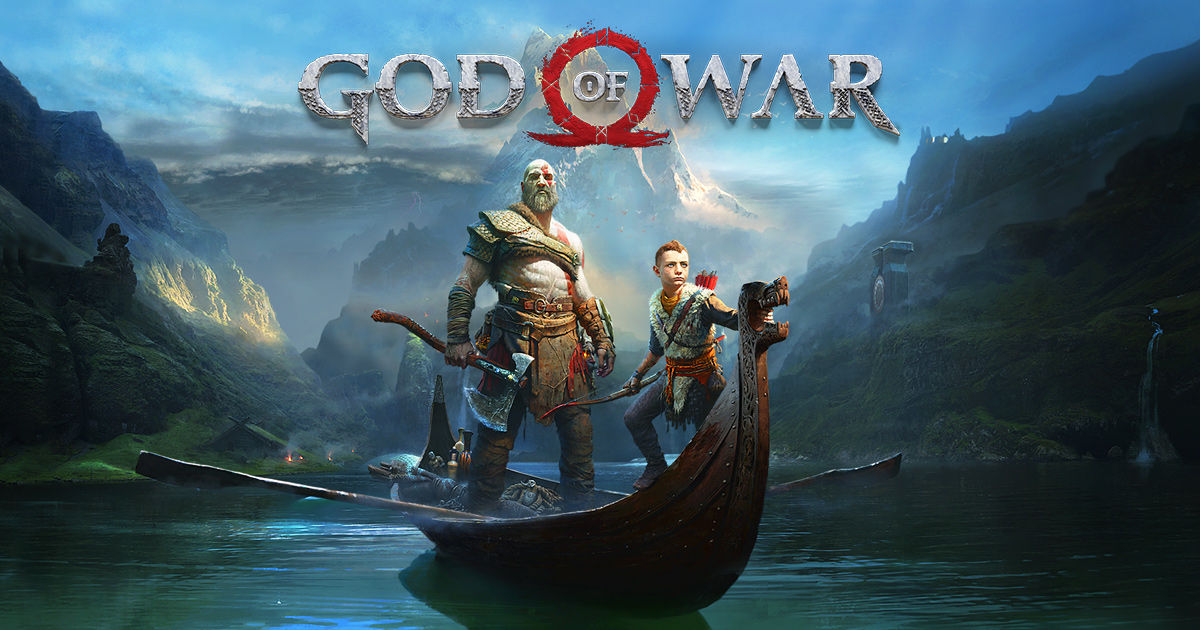
God of War 2018 (God of War 2018) Spoiler Commentary and Discussion Summary
God of War 2018 is a PS4 action game released by Sony Interactive Entertainment on April 20, 2018. It is the fourth installment in the "God of War" series, the first of which was released in 2005, and continues to receive high praise for its overwhelmingly beautiful graphics and exhilarating action. Kratos and his son Achilles travel across the world to sow the ashes of Kratos' wife, Faye. Along the way, they become embroiled in various incidents.
Read Article
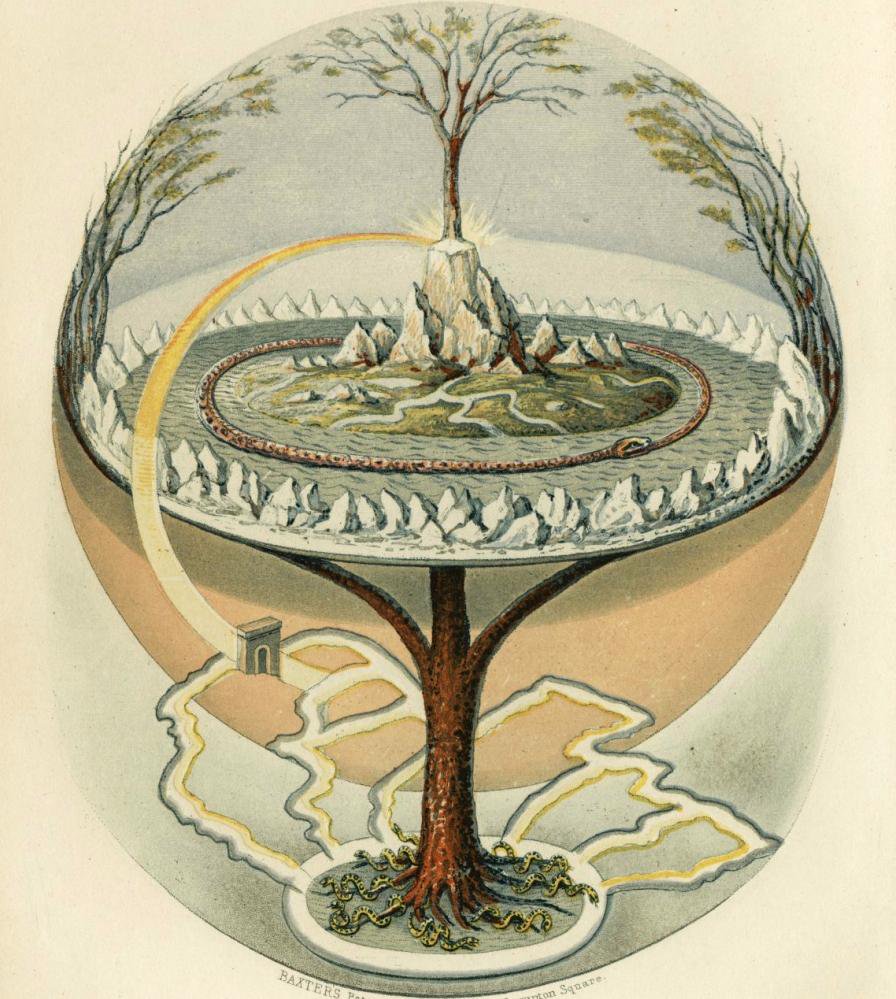
A thorough explanation and discussion of Norse mythology! Interesting and easy to understand!
Norse mythology is a mythological system that was believed by the Norse people before the spread of Christianity. It is also called Scandinavian mythology because the Norse had the Scandinavian Peninsula as their sphere of influence. The myths were passed down orally, but around the 13th century, the Icelandic poet Snorri Sturluson compiled them into a book titled Edda. The story depicts the rise and fall of gods whose "doom of destruction" has been decreed, and many of the episodes have a dark overall impression. The story as a whole is highly accomplished, and it is often used as a subject in modern creative works such as comic books.
Read Article
Contents
- Overview of God of War II: Prelude to the End
- The story behind God of War II: Prelude to the End
- opening
- Home of the Titans
- Temple of Lachesis
- Temple of Euryale
- Temple of Atropos
- The Dungeons of Titan
- palace of fate
- Temple of Destiny
- sanctum sanctorum
- Fighting Zeus
- ending
- Characters in God of War II: Prelude to the End
- Kratos (CV: Tetsuaki Genda)
- Olympians
- Zeus (CV: Toshihiko Kojima)
- Athena (CV: Wei Liangzi)
- Poseidon
- Hermes
- Hades
- Helios
- Titan (people)
- Gaia (CV: Reiko Suzuki)
- Tupon (CV: Masashi Kimura)
- Prometheus (CV: Naoki Kusumi)
- Atlas (CV: Naoki Kusumi)
- Kronos (CV: Hiroaki Ishikawa)
- The Three Goddesses of Destiny
- Lachesis (CV: Takako Honda)
- Atropos (CV: Hiroko Nishi)
- Kuroto (CV: Sayuri Sadaoka)
- key people
- Barbarian King (CV: Masashi Kimura)
- Theseus (CV: Hiroaki Ishikawa)
- Perseus (CV: Takuma Takewaka)
- Icarus (CV: Go Shimiya)
- Major Creatures
- Euryale (CV: Sayuri Sadaoka)
- Other
- earphone
- Priest (CV: Takuo Kawamura/Shojin Kashii)
- Spartan survivors.
- Game System of "God of War II: Prelude to the End
- basic operation
- CS (Context Sensitive) Attack
- arms
- Blades Of Athena
- Barbarian Hammer
- Spear of Destiny
- Blade of Olympus
- item
- green orb
- blue orb
- red orb
- gold orb
- magic
- Poseidon Rage
- Typhon's Bane
- Cronos Rage
- Head of Euryale
- Atlas Quake
- relic
- Poseidon's Spear
- Rage of Titan
- Amulet of the Fates
- Golden Fleece
- Icarus Wings
- Contents to be released after clearing "God of War II: Prelude to the End".
- The Trials of Titan
- Challenge l "Fear of Losing the Light"
- Challenge ll "Death in Heaven".
- Challenge lll "Gorgon's Graveyard"
- Challenge lV "Salvation for the Weak"
- Challenge V "A Deserved Reward"
- Challenge Vl, "The Law of Survival of the Fittest."
- Challenge VII "God-given Perfect Power"
- The arena of destiny
- Titan mode
- urn of divine power
- Bonus Costumes
- Hydra Armor
- God of Fish
- Dark Odyssey.
- Athena (Greek goddess)
- Hercules
- General Claits.
- god armor
- Watching movies