
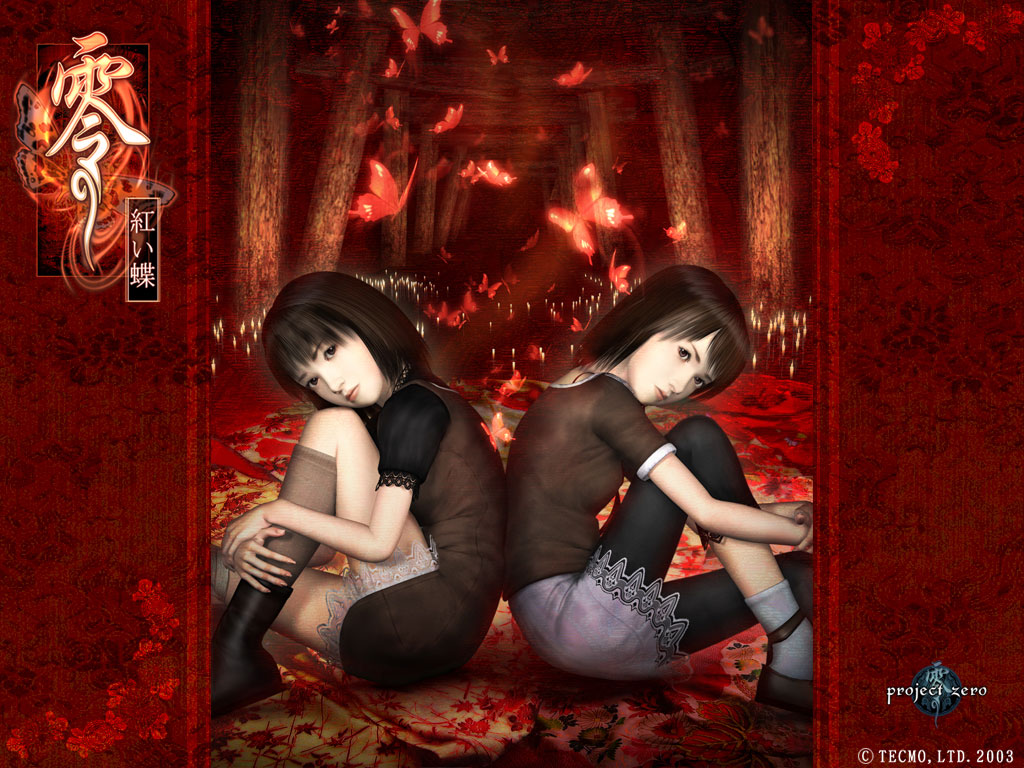
Zero - Red Butterfly" is the second title in the "Zero" series, a Japanese horror game released by Tecmo in 2003 for the PlayStation 2.
While the game utilizes the strengths of the previous title "Zero", such as the ability to repel spirits by projecting them onto a projector and solving mysteries from a folkloric perspective, the setting has been changed from a single mansion to a single abandoned village, giving the player a wider scope for action. Many of the characters have ties to the previous work, and the setting of the previous work, which is revealed in this work, is also a highlight of the game.
FATAL FRAME II CRIMSON BUTTERFLY DIRECTOR'S CUT
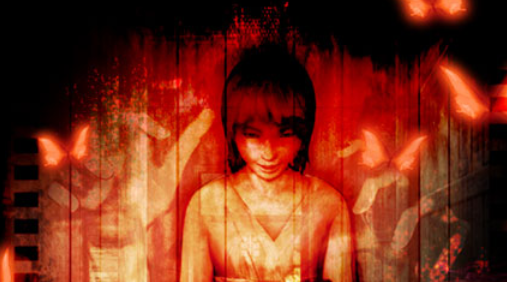
FATAL FRAME II CRIMSON BUTTERFLY DIRECTOR'S CUT" is a remake of "Zero - Red Butterfly" released for the Xbox in 2004.
Several modes and endings were added to the remake.
FPS mode: This mode is called First Person Shooter, in which the game is always played from the first person perspective. Although the player can freely look around, the screen area is narrower and there are more blind spots.
Survival Mode: In this mode, the player is tested by a different flow of the game than in the main game, and the game is over when the player is touched by a spirit.
Additional Feature: An extra element that allows players to purchase costumes and accessories for Mio and Mayu, or items and settings that will help them conquer the game, using the points used to enhance the camera.
New ending "Yakusoku": This is a happy ending in which both Mio and Mayu are saved, which was added because the PS2 version had only two endings, "Red Butterfly" and "Emptiness," which were not happy endings for the main character Mio.
Zero - Minken no Butterfly
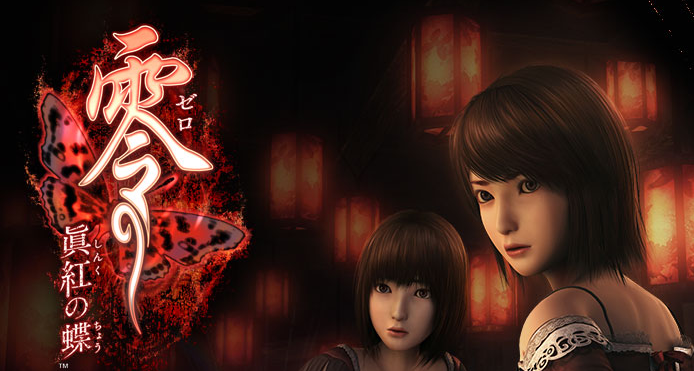
Zero: The Red Butterfly" is the second remake of "Zero: The Red Butterfly," which was released in 2012 for the Wii.
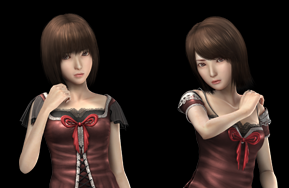
The performance of the Wii, which is more powerful than the PS2, is utilized, and the graphics and character movements are more beautiful in every respect. Also, the ages of the main characters, Mio and Mayu, were raised by 2 years.
Perspective: The PS2 and Xbox versions of the game mainly featured a bird's eye view of the character from a single perspective, but this has been changed to a view over the main character Mio's shoulder.
Controls: The game inherits the system of "Zero: Wet Crow Priestess," the previous title of Mako no Butterfly, and the controller is unique to the Wii.
Haunted House: A mode that allows players to easily experience fear through simple controls.
Night Shop: An extra feature that allows players to purchase items and costumes for Mio and her friends, similar to the Xbox version's "Additional Future" feature.
Additional endings: Two endings, "Frozen Butterfly" and "Yin Matsuri," were added to the game, following the Xbox version. Both endings carry on the atmosphere of "Zero: Red Butterfly" and are not happy for the main character Mio. Of course, "The Promise" added in the Xbox version is still there.
Backstory, Trivia, Subplots/Episodes, Anecdotes of "Zero - Red Butterfly
Red Butterfly model is director's dream
Regarding the fact that Red Butterfly has a stronger storyline than its predecessor, director Shibata said that his dream was the model for the film.
It was a scary but beautiful dream in which twin sisters and a red butterfly appeared, from which the characters and settings were born.
The difference between the two inspirations
At first, the main sisters were supposed to always work together, moving Mio, who has a weak psychic sense, to work with Mayu, who has a strong psychic sense, so that she can see visions of the past and spirits. However, they realized that the fear would be reduced to half if they were always together, so they made a lot of time when they were not together.
When Mio first stepped into the mansion, she had a vision when she touched the frightened cocoon, which is said to be a remnant of this.
The Phantom Preface
At the beginning of the first part, the two heroic sisters entered the forest together, and then they were described as climbing a cliff together while being chased by the spirits of the villagers. When Mio tried to pull up the limp cocoon, she had a vision of the hanged cocoon, and the prologue overlapped with Sae who was hanged to perform the ritual alone.
Theme song and insert song for "Zero - Red Butterfly
Starting with this work, the Zero series has added a theme song that is played at the end of the game. Throughout the series, the song is performed by "Tsukiko Amano.
The song was recommended by director Mr. Shibata, who felt that it resembled the atmosphere of Zero from the moment he heard her debut song "Hakoniwa," and he went through the procedure of creating the song from the game's story and setting. Therefore, while it has the worldview of Tsukiko Amano, it also expresses the worldview of Zero.
In addition, a new theme song called "Kurenai" was prepared for Makeno no Butterfly.
Tsukiko Amano, "Butterfly
Tsukiko Amano, "Kurenai

Related Articles
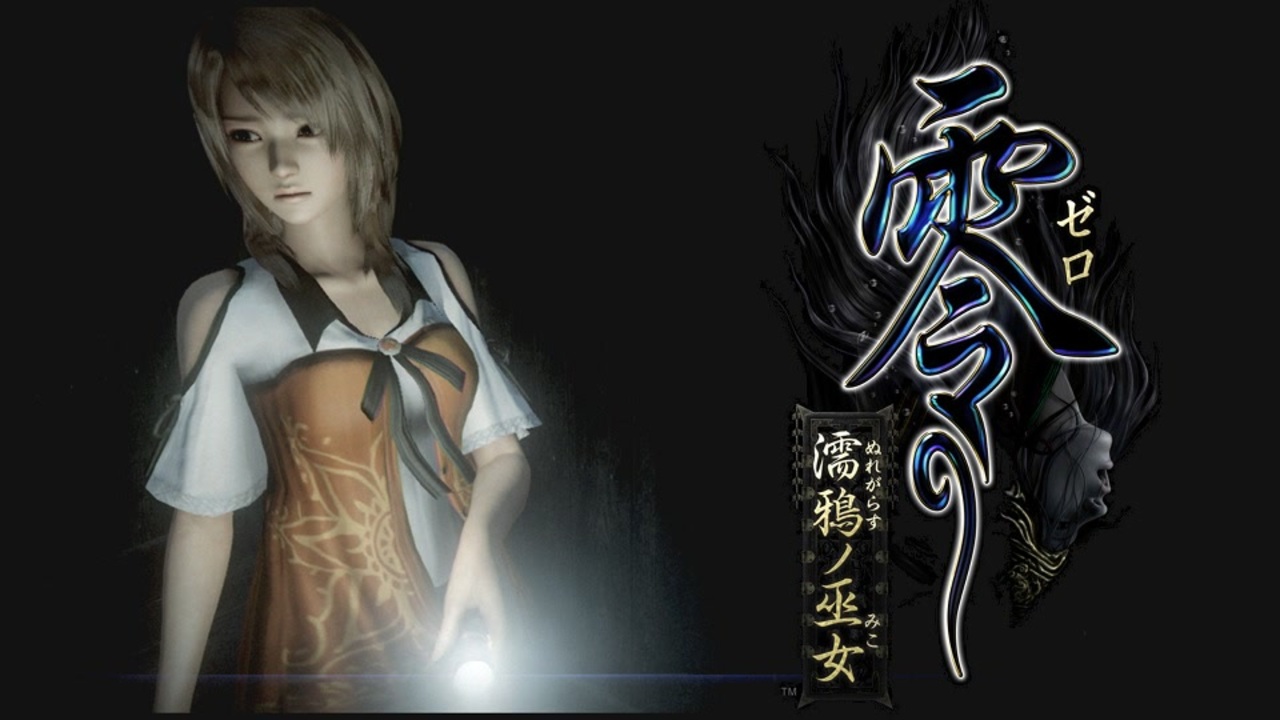
Zero - Nurekasuno Miko (Fatal Frame V) Spoiler Commentary and Discussion Summary
Zero: Nurekasunomiko" is the sixth title (ninth in total) in the "Zero" series of Japanese horror games released by Nintendo. The catchphrase of the game is "Mountains of death, ghostly weddings, and godforsakenness, all connected by water." . The three characters are Yuri Furikata, Fukaha Hinasaki, and Ren Housho. The story takes place on Mount Nikkoue, a sacred mountain where water is worshipped as a deity. Yuri is in pursuit of a missing benefactor or client, Fukahane is in pursuit of her mother, and Ren is in pursuit of mourning photos of the dead. The beautiful graphics and gloomy atmosphere of the film have attracted fans.
Read Article
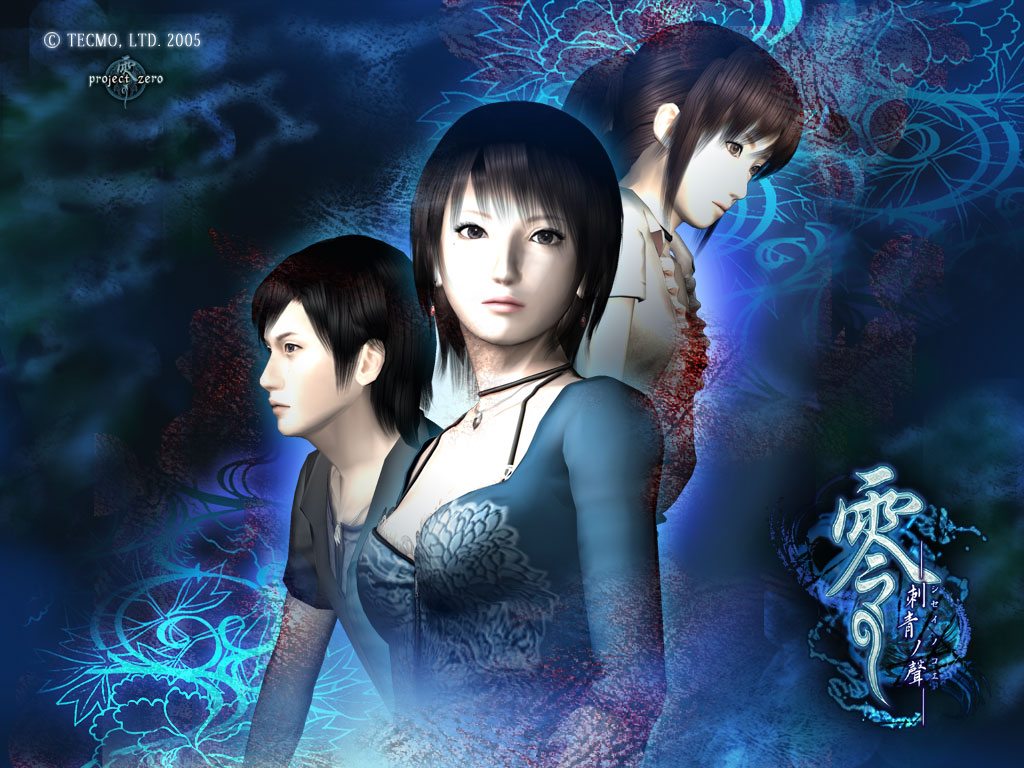
Zero - The Tattoo (Fatal Frame III) Spoiler Commentary and Discussion Summary
Zero: Shisei no Shouhou" is the third title in the "Zero" series, a Japanese horror game released by Tecmo in 2005 for the PlayStation 2. In this game, the player must use a "projector," a camera with spirit-removal capabilities, to solve the mystery of a curse that gradually prevents the player from waking up from sleep, while traveling between the real world and a haunted house in a dream. The main characters from the first and second films in the series also make appearances in the film, and the film is a highlight of the film as we learn what happened to them afterwards.
Read Article
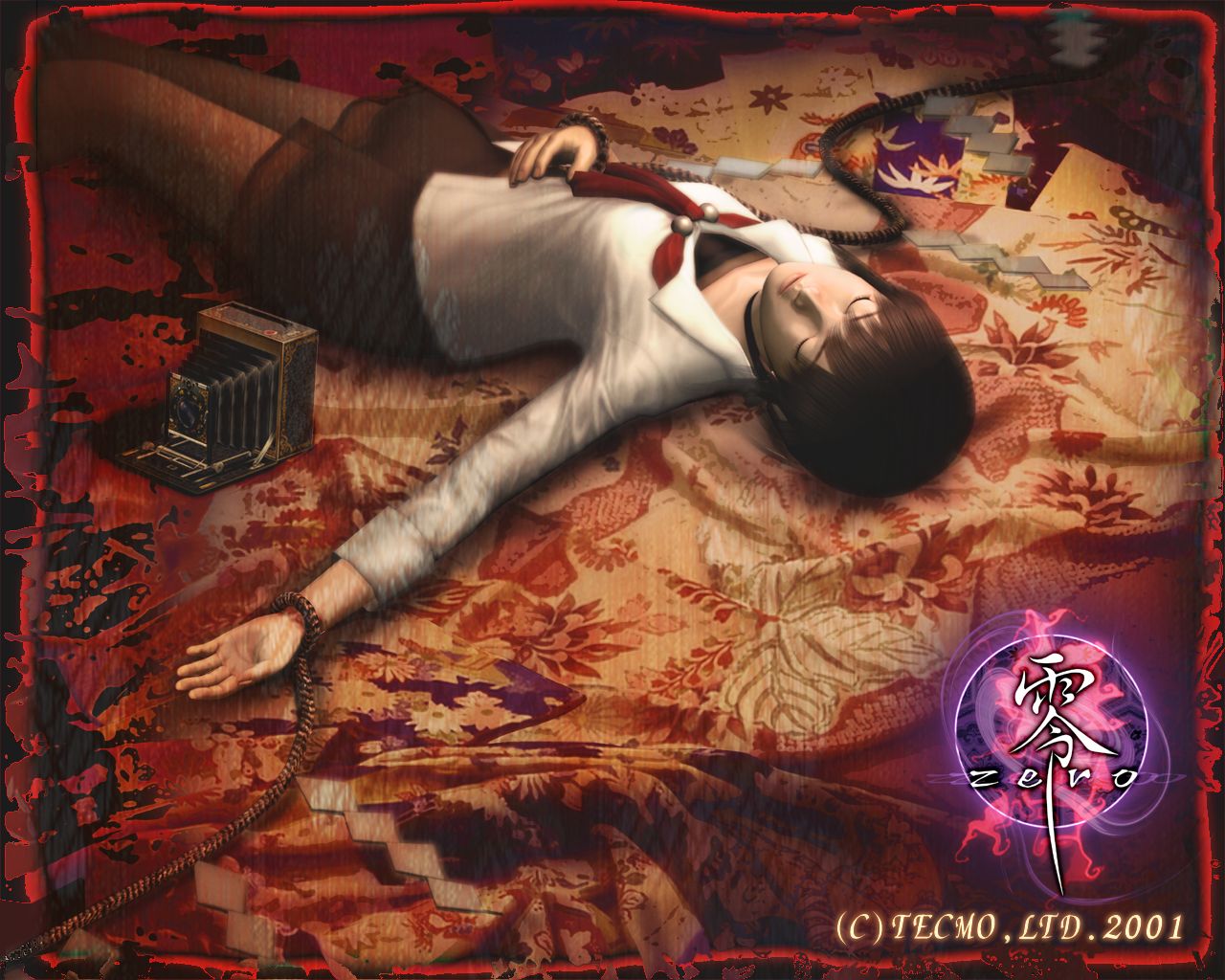
Zero - ZERO (Fatal Frame / Project Zero) Spoiler Commentary and Discussion Summary
Zero" (Fatal Frame / Project Zero) is the first title in the "Zero" series, a Japanese horror game released by Tecmo in 2001 for the PlayStation 2. The game gained popularity due to its game system in which the player must face the object of his/her fear, and enemies, who are spirits, can be repelled by projecting them onto a "projector," which has a special ability. The game's detailed setting is also one of its charms, with mysteries to be solved from an ethnographic point of view, and each enemy's spirit is carefully crafted.
Read Article
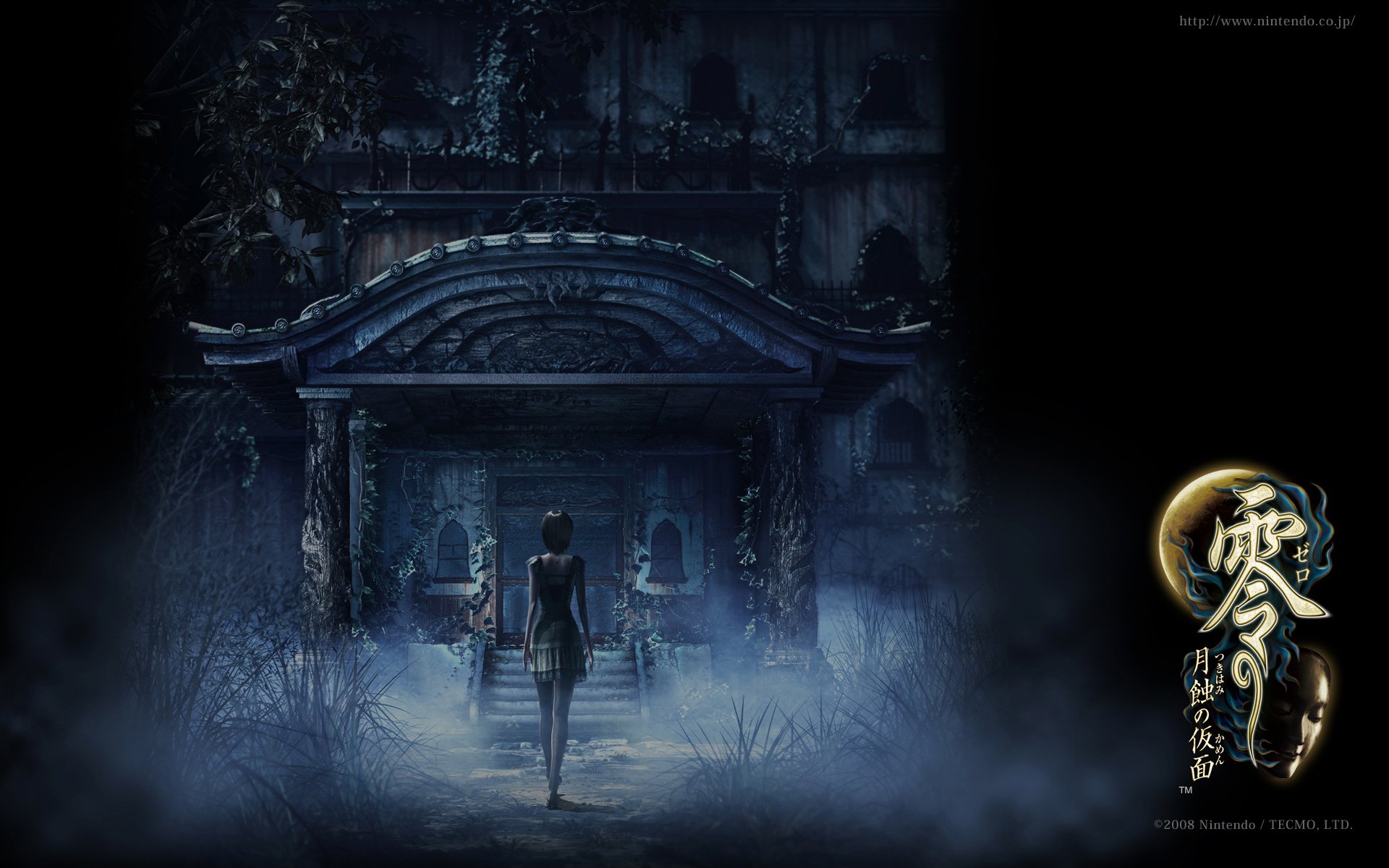
Zero - Mask of the Lunar Eclipse (Fatal Frame IV) Spoilers and Discussion Summary
Zero: Mask of the Moon" is the fourth installment in the "Zero" series of Japanese horror games. The game's catchphrase is "Experience the horror. is the catch copy. The game takes place in Japan in the 1980s. The game consists of 12 chapters and is played from the viewpoints of four characters: Ryuka Minazuki, Umisaki Aso, Enka Tsukimori, and Choshiro Kirishima. The setting is a remote island called Oborozukijima. The main focus is on exploration of a decaying, abandoned hospital and a Japanese-style mansion, as well as battles with ghosts.
Read Article
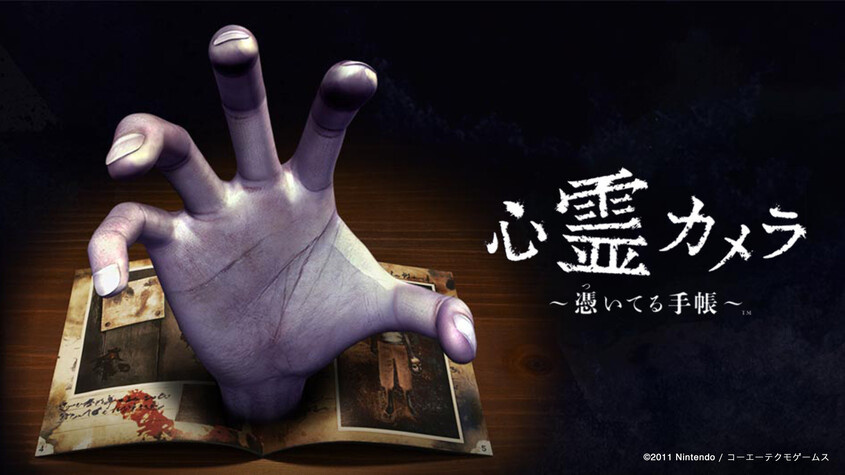
Zero - Murasaki's Diary (Psychic Camera - Possessed Notebook) Spoiler Commentary and Discussion Summary
Zero - Murasaki no Nikki (Diary of Murasaki)" is a game software for 3DS released by Nintendo in 2012. The game is based on an urban legend that anyone who has seen the impossible words in a "purple diary" will be found dead with their face shaved off. The game uses the 3DS as a projector and the AR notebook as the purple diary, blurring the boundary between the real world and the game and allowing the player to experience the invasion of fear.
Read Article
![ZERO series] Images of beautiful and pretty characters [FATAL FRAME, PROJECT ZERO].](https://renote.net/files/blobs/proxy/eyJfcmFpbHMiOnsiZGF0YSI6NTQwMjY0LCJwdXIiOiJibG9iX2lkIn19--84ef9f54b1baedb89020578c35416c662b8f16be/zero6-23-5.jpg)
ZERO series] Images of beautiful and pretty characters [FATAL FRAME, PROJECT ZERO].
The "Zero series" is a survival horror action-adventure game that has continued since the first game "Zero zero". The "Zero" series is characterized by a system in which the player can see and hear the past and expel spirits by shooting them with a projector, a camera that can capture impossible objects. In the "Zero" series, the main character is often a young girl, and we can see the dainty girls boldly stand up against the ghosts of their past.
Read Article
Internal Affairs or Warfare? Summary of recommended titles of "Nobunaga's Ambition" by gamer type [Event or character-oriented?
A popular work that has appeared in several titles, "Nobunaga's Ambition" has various characteristics for each title. This summary divides gamers' tastes into four categories: those who want to play internal politics, those who want to fight wars, those who focus on events, and those who focus on characters, and introduces titles that can be recommended for each type.
Read Article
A selection of recommended horror games to enjoy slowly
A variety of horror games available for play in Japan. They are all wonderful. Among them, we would like to introduce mainly horror games with action elements.
Read Article
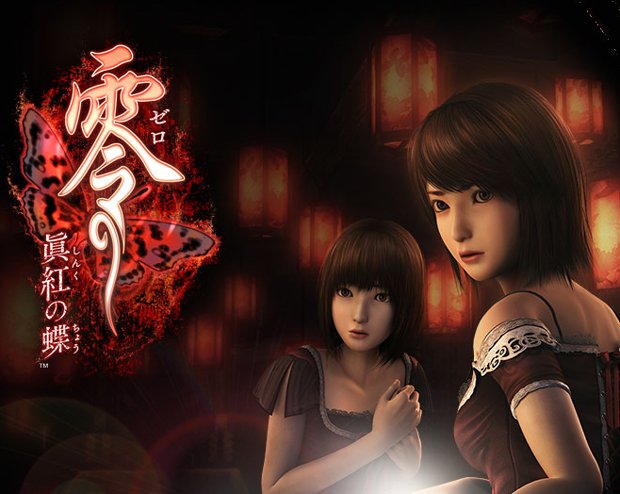
Selected horror games compilation! Includes masterpieces such as the ZERO series, SIREN, Ao-oni, and more!
Here we have compiled a list of selected masterpiece horror games & free horror games. We have introduced only the best of the best, such as "Zero" series, "Siren" series, and "P.T.", which are well known as masterpieces of horror games, and "Aoki" and "Ib" from free horror games distributed on the Internet.
Read Article
Tags
Contents
- Overview of "Zero - Red Butterfly
- Synopsis and story of "Zero - Red Butterfly
- Introduction "Mayoiga"
- One No. 1, "The Village That Went Off the Map."
- Ni-no-koku, "Twin Priestesses."
- Three minutes "Great Redemption".
- The Fourth Hour "Secret Festival
- The Fifth Hour "Sacrifice"
- Sixth hour "Demon ship"
- Seven Nocturnes "Saju".
- Eighth Hour "Katawarire Tsuki
- End of time "Red Butterfly
- Bad end "Mayoiga"
- True End "Red Butterfly"
- Hard mode ending "Emptiness
- Ending "Promise" added in the Xbox version
- Ending 1 "Yin Festival" added at Minko no Butterfly
- Ending 2 "Frozen Butterfly" added at Makeno Butterfly
- Game System of "Zero - Red Butterfly
- basic system
- Finder Mode
- shoot (in basketball)
- Characters in "Zero - Red Butterfly
- Mio Amakura
- Amakura cocoon
- Yae Kurosawa
- Sae Kurosawa
- Miyako Sudo
- Masumi Makimura
- Ryokan Kurosawa
- Seijiro Makabe
- Munakata Ryozo
- Itsuki Tachibana
- Mutsuki Tachibana
- Chitose Tachibana
- Akane Kiryu
- Cirsium paulifera (Cirsium paulifera)
- Yoshitatsu Kiryu
- Kunihiko Aso
- Misao Amakura
- Shizuka Amakura
- Dusk feathers
- Terms for "Zero - Red Butterfly
- Minakami Village
- offering of the year's new rice harvest (imperial festival, October 17)
- bigeye tuna (edible fish, Thunnus obesus)
- rotten wood
- mourner
- minor festival (held when there is no regular festival)
- wedge
- sky
- reparation
- red butterfly
- body
- projector
- ghost rock radio
- spirit
- apparition
- wandering ghost
- ghost bound to a specific physical location (usu. where death occurred)
- sealing spirit
- FATAL FRAME II CRIMSON BUTTERFLY DIRECTOR'S CUT
- Zero - Minken no Butterfly
- Backstory, Trivia, Subplots/Episodes, Anecdotes of "Zero - Red Butterfly
- Red Butterfly model is director's dream
- The difference between the two inspirations
- The Phantom Preface
- Theme song and insert song for "Zero - Red Butterfly
- Tsukiko Amano, "Butterfly
- Tsukiko Amano, "Kurenai