
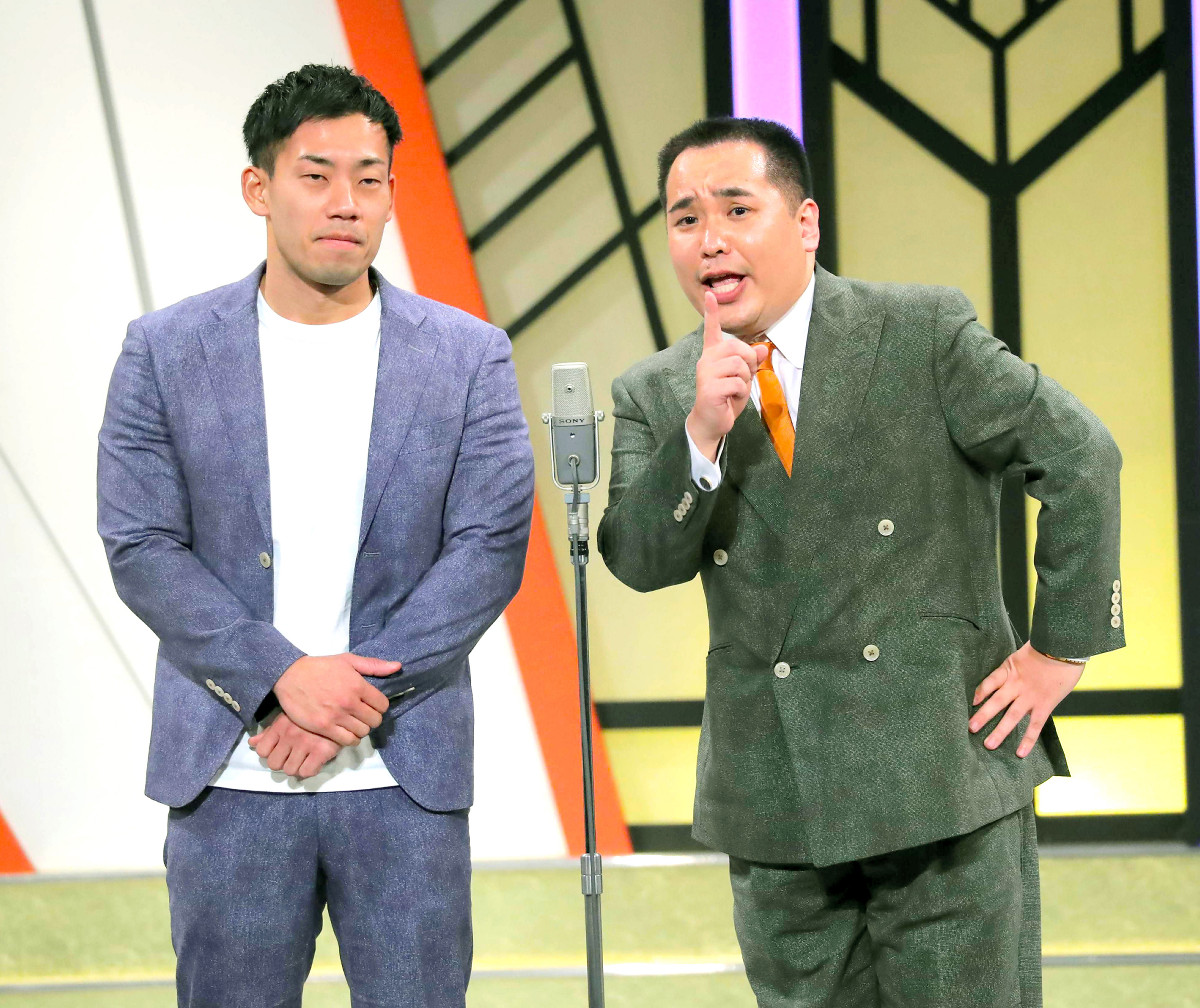
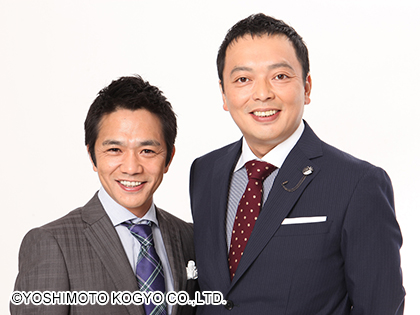
We have compiled a list of comedians, celebrities, singers, and animals who have made their mark in the entertainment industry! We have compiled many of them, including Peko Pa and Milk Boy, so please be sure to read to the end! Milk Boy is a Japanese comedy duo consisting of Takashi Utsumi and Takashi Komaba from the Osaka branch of Yoshimoto Kogyo, formed in July 2007, and are classmates of the 27th and 10th NSC students in Osaka and Tokyo, respectively. They are the champions of M-1 Grand Prix 2019.
Source: nenza.net
Hideyuki Kanaya
Popularity: ★☆☆
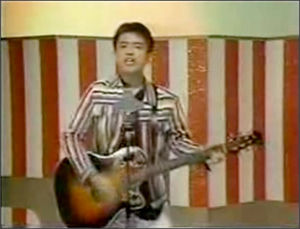
He was a comedian, musician and voice actor. At the time he was an entertainer, he did not appear in many programs other than "Bobabula Tengoku." The performance style of this program was to sing a variation of a song about others (mainly the performers of Bobabula Tengoku) while playing the guitar. On the other hand, he also presented his original song at the live concert.
Source: livedoor.blogimg.jp
Folk Dance DE Narikozaka
Popularity: ★☆☆
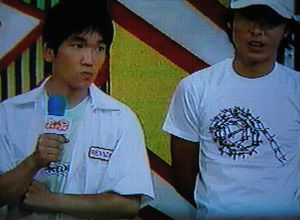
A comedy duo made up of Keitaro Okeda and Nagisa Murata. They were part of the fourth generation of comedians. They are characterized by their surreal performance style, which is like doing something but not doing anything, as well as Okeda's unique remarks and Murata's sharp tsukkomi.
So Far -
Bobabula Tengoku Geinin
Source: livedoor.4.blogimg.jp
Tokyo Pudding
1997 works
Popularity: ★☆☆
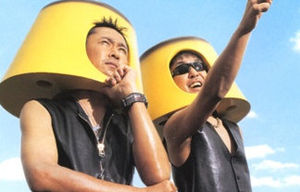
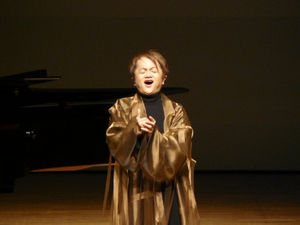
A group of two singers, Yosuke Ito (right) and Takashi Makino (left). They are always dressed in an unusual fashion with a pudding cover, sunglasses, a suit and a tie. They have released many comic songs to the world, including their debut song, "Utsushika", which became a hit in 1997. Makino, also known as Hidari Purin, died at the age of 49 from respiratory failure due to lung cancer at 0:30 am on February 7, 2014.
Source: callhiro.up.seesaa.net
Yoshikazu Mera
1997 to 1998
Popularity: ★ ★ ☆
The singer was used to sing the theme song of the animation film "PRINCESS MONONOKE" (Studio Ghibli, Tokuma Shoten) directed by Hayao MIYAZAKI, and along with the hit of the film, the countertenor of Mera became known to the Japanese public.
Source: atsites.jp
Eccentric boy bowie
1997 works
* This is a project, so it doesn't have the nuance of a one-hit wonder.
Popularity: ★☆☆
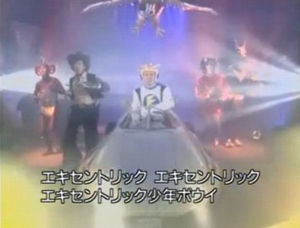
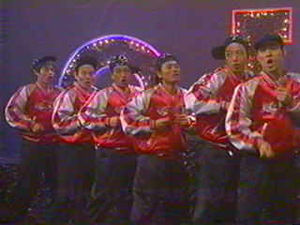
This (one shot) unit was born from the Fuji TV series "Downtown no Gottsuee-eshi", which is a parody of a hero anime or special effects program, along with its characters, lyrics and melody line.
Source: orange.zero.jp
オジャパメン
1996 works
* This is a project, so it doesn't have the nuance of a one-hit wonder.
Popularity: ★☆☆
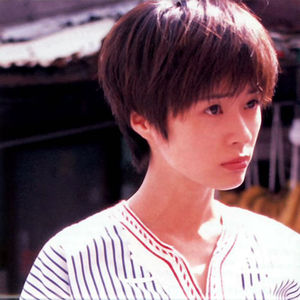
The song "オジェパメ Iyagi" was released in 1987 by Sobangcha, a South Korean idol group, and was featured in Korean in 1996.
Source: s-bellkochan.com
Makoto Kawamoto
Between 1996 and 1998
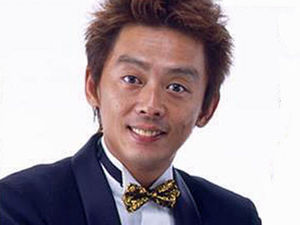
Singer songwriter Kawamoto Kazuyo made her major debut in 1996 with her single "The Talent of Love." Her major songs include "1/2", "DNA" and "Cherry Blossom." Her first album "Makoto Kawamoto", released in 1997, sold over 1 million albums and won the "Best Album" award at the 39th Japanese Record Awards.
Source: j-town.net
Zenjiro
Around 1995
Popularity: ★☆☆
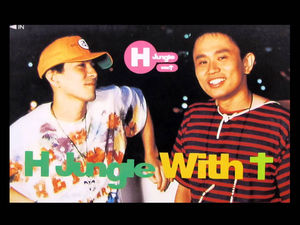
He is a comedian belonging to Yoshimoto Kogyo. His real name is Zenjiro KANAYA (also known as Zenjiro). In terms of teacher-student relationships, he is regarded as a disciple of Ryutaro Kamioka. In 1992, he gained popularity throughout the Kansai region, and in 1995, he moved to the national constituency. However, since there was originally a big gap between what Tokyoites wanted and Zenjiro's qualities, all the programs he had in Tokyo were discontinued. In 1998, he moved his activities overseas. He returned to Japan around 2001 and started working overseas. He seems to be working from Japan.
Source: i.ytimg.com
H Jungle with t
1995 works
Popularity: ★ ★ ★
A music unit by Masatoshi Hamada (downtown) and Tetsuya Komuro. It was formed in 1995 when Hamada and Komuro met at the joint performance of Fuji TV's music program "HEY! HEY! MUSIC CHAMP" and Hamada said in the program, "Please produce a hit song for me, too." Her debut single "WOW WAR TONIGHT - Woki-woki-woshi-yo Movement" recorded over 2 million hits and appeared in the "46th NHK Red and White Singing Contest".
Source: livedoor.blogimg.jp
President Miyaji
Mid 1990s
Popularity: ★ ★ ☆
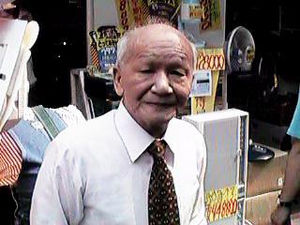
Businessman. The founder of Shinko Electric Co., Ltd., who runs the electronics retail store "Jonan Electric Co., Ltd." In addition to his small stature of 154 cm and his unique voice, he is also a bright character. He has appeared on many TV programs. In his later years, he spent his days working as both president and TV personality. On May 5, 1998 (1998), he was urgently hospitalized for pneumonia at Tokyo Medical University Hospital in Shinjuku Ward, Tokyo Prefecture. He died on May 9 at the age of 69.

Source: up.gc-img.net
East End X Yuri
1994 to 1995
Popularity: ★ ★ ☆
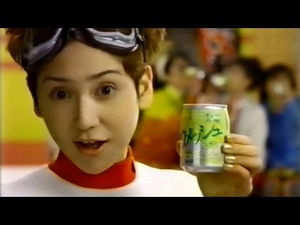
A Japanese hip-hop unit that was active in the 1990s. In August 1994, a single cut of the 1st single "DA. YO. NE" was made by the major (Sony). Sales were poor at first, but it gradually gained popularity and finally became a million hit (the highest 3rd place). In February 1995, the 2nd single "MAICCA - Maika -" was released as a unit. It was the 3rd place for the first appearance. It was charted in the top 10 along with "DA. YO. NE" and both were nominated for the New Word and Popular Word Grand Prize. It was the first hip-hop group to participate in the NHK Red and White Singing Contest.
Source: img.youtube.com
Ranran Suzuki
1993 - Mid-March
Popularity: ★ ★ ☆
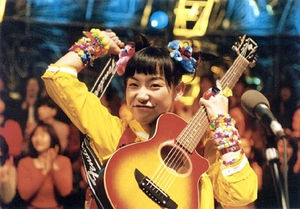
Her real name was Tomoko Suzuki. She was a TV personality, actress and singer. She appeared in dramas and variety programs from around 1993 (1993). From 1994 (1994), she appeared in the children's TV program "Ponki-Keys" run by Fuji TV as a combination Sister Rabbits with Namie Amuro, and she suddenly attracted attention. After that, she was active as a so-called variety idol, gaining popularity with her boyish short hair and bright characters.
Source: livedoor.blogimg.jp
Tomoe Shinohara
Late 1990s
Popularity: ★ ★ ★
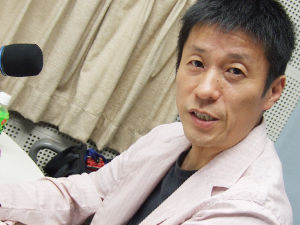
Singer and talent. FUJI TV "HEY! HEY! HEY!"'s quick-witted indifference to downtown, and the regular appearance of "LOVE LOVE AITEIRU"'s guest backstage raiding corner "Tomoe Shinohara no Pri-Pri-Pri-Pri-Pri-Pri-Pri-Pri-Pri-Pri-Pri-Pri-Pri-Pri-Pri-Pri-Pri-Pri-Pri-Pri-Pri-Pri-Pri-Pri-Pri-Pri-Pri-Pri-Pri-Pri-Pri-Pri-Pri-Pri-Pri-Pri-Pri-Pri-Pri-Pri 1990 high tension
Source: blog.jorf.co.jp
Masato Yamada
1990s
Popularity: ★☆☆
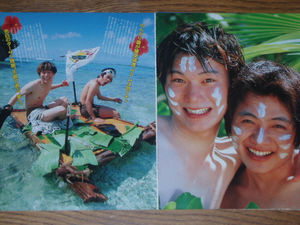
Entertainer, actor. In 1984, he passed the "First Shochiku Entertainment Talent Audition" along with Kenji Moriwaki and others. He became a member of the Shochiku Entertainment Company and became a professional. He loves horse racing and is a big fan of Tenpoint in particular. He shows various episodes on TV programs and other media. He is also a big fan of the Hanshin Tigers and worships Masayuki Kakefu in particular. I have seen it on the main stage before I knew it.
Source: blogs.c.yimg.jp
Great Chicken Powers
1994 to 1995
Popularity: ★ ★ ☆
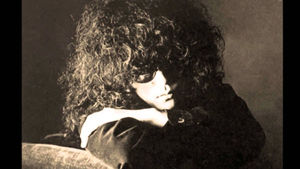
Japanese comedy duo Masaki Kitahara and WATANABE Kei, also known as "グレチキ." Disbanded in 2005. They were classmates at Osaka Prefectural Minoo High School. When they were in their second year of high school, they formed a duo called "K-KiD's." After performing on the streets, they appeared in the National Owarai Koshien Competition for "Takeshi the Genius: Genki wo Yoru TV!" and received the Excellence Award. (The highest award was given to a high school male and female high school duo from Kyoto.) In 1994, they made their debut in the entertainment world. They were treated more like idols than entertainers.
Source: i.ytimg.com
Doji Morita
1993 works
Popularity: ★☆☆
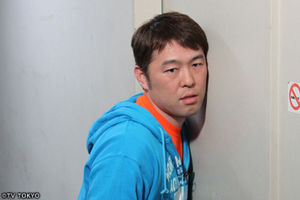
SINGER SONGWRITER, REAL NAME UNKNOWN (Doji Morita IS HER STAGE NAME) it gained charismatic popularity in some quarters, Morita's fans were few nationwide, and partly because Morita himself did not want it to become a major, his work was not publicly introduced in the mass media, but in 1993,' Bokutachi no Tsuma' (Our Failure) was used as the theme song of the TV drama' High School Teacher' and became a topic of conversation.
Source: www.tv-tokyo.co.jp
Shiro Tsubuyaki
Popularity: ★ ★ ☆
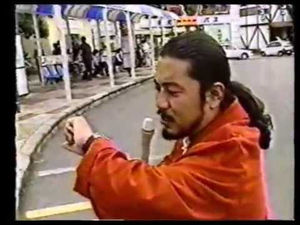
In the late' 90s, he suddenly appeared in the "Bobabula Tengoku" (Bobabula Heaven) (Fuji TV) series and became a popular actor. However, after the boom was over, he was temporarily forgotten and even rumored to have died. Today, he is said to be' a representative of one-hit wonder performers.'
Source: i.ytimg.com
Hyota Echizen'ya
Popularity: ★☆☆
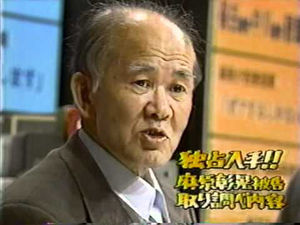
His real name was Masanori TANI. He was a former comedian and calligrapher. In 1981, he made his national debut when he appeared in "Waratte Tensai Desu Yo!" (When You Are Laughing) (Fuji Television). After that, he appeared in "All Night Nippon" (Nippon Broadcasting System), "OH! Takeshi" (Nippon Television Network), "Sekai / Fushigi Hakken!" (Discover Fushigi in the World) (Tokyo Broadcasting System), and also appeared in "TV-JACK" TV-JACK "and" Detective Night Scoop "(Asahi Broadcasting System) when he was the director of Ryutaro Kamioka. In particular, he appeared in Night Scoop as the first detective and gained tremendous popularity with his" Kensatsu Kudasai "series, which drew out strong and unique opinions on audience rating surveys and abstract themes from ordinary people. He stopped performing in 2003.
Source: img.youtube.com
Lawyer Yokoyama
1995 works
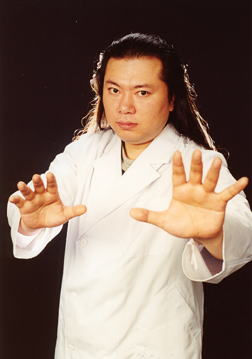
His real name was Shoji Koyama. He was a public prosecutor and an attorney. He died in 2007. The exact date and the cause of death are unknown. He became famous as a lawyer for Matsumoto after he was arrested for the Aum Shinrikyo Incident in 1995. He became a privately appointed lawyer for Matsumoto. After he was expelled from the Osaka Bar Association in 1996 and closed the bar, he spent the rest of his life studying history (mainly world history).
Source: www.anet-web.com
Takeshi Kawakami
Somewhere in the 1990s
Popularity: ★☆☆
A Qigong Master. As a child, after undergoing strict training, he is said to have opened his eyes to qigong hypnosis under the supervision of his father, the first Qigong Master. He often appeared on NTV "Tunnels no Nama de Dara Dara Ikusete."
IT'S UP TO YOU TO BELIEVE OR NOT?

Source: i.ytimg.com
Fumie Hosokawa
1990s
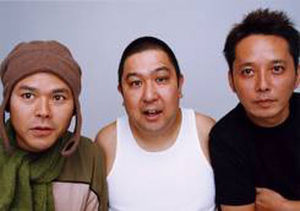
In 1990, she was chosen as the Miss Magazine Grand Prix of Kodansha and made her debut in the entertainment industry. With her 90 cm F Cup bust (at that time) as her weapon, she was active as a "pioneer of big-breasted gravure idols." Since her debut, she had belonged to the Yellow Cab, of which Yoshiharu Noda was the president, but in June 2000 she established her own office, Wellmaid, and became independent.
Source: dev.newtou.info
Tama
1990 works
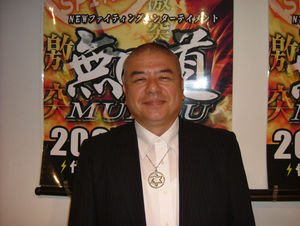
Music band. While the main character of the band was Fourclock, it was very original and distinctive. It was formed in 1984, made its major debut in 1990, and disbanded in 2003. In the public image,' Tama no Vocals' often refers to Yanagiwara and Tomohisa, but in reality, everyone writes and composes songs and vocals evenly. The 1990 major debut single, "Sayonara Ningen" (Goodbye Mankind), sold 589000 copies and even participated in the NHK Red and White Singing Contest.
Source: broadcasting-bar.up.seesaa.net
Mudo Oda
Late 1980s to 1990s
A descendant of self-proclaimed Nobunaga ODA. The 49th chief priest of En-ji Kozenji Temple of the Kenchoji School of the Rinzai Sect. At one time, he frequently appeared on TV as a "psychic," and he recalls that time as "too much." On September 11, 2002, he was arrested on the charge of false entries in the original notarized documents and the use of the notarized documents for the purpose of hijacking a religious corporation and false registration. Oda himself claimed his innocence, but was sentenced to two years and six months in prison, suspended for four years.

Related Articles

M-1グランプリのネタバレ解説・考察まとめ
『M-1グランプリ』とは、漫才師の日本一を決める大会のことを指す。2001年から2010年までは出場資格としてコンビ歴10年以下であったが、復活した2015年からはコンビ歴15年まで引き上げられた。歴代優勝者に中川家、ますだおかだ、フットボールアワー、アンタッチャブル、ブラックマヨネーズ、チュートリアル、サンドウィッチマン、NONSTYLE、パンクブーブー、笑い飯、トレンディエンジェル、銀シャリ、とろサーモン、霜降り明星、ミルクボーイ、マジカルラブリー、錦鯉、ウエストランド、令和ロマンがいる。
Read Article
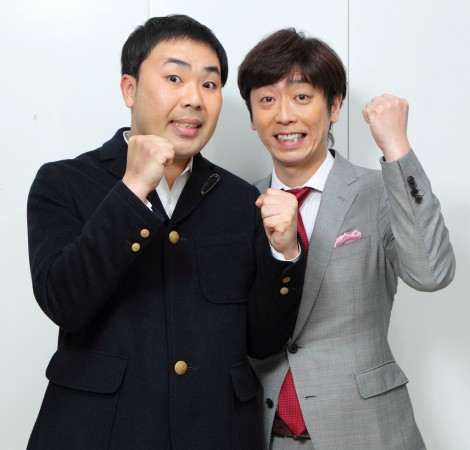
M-1 Grand Prix 2003 - Football Hour's third appearance as M-1 champion...
Football Hour became the M-1 champion for the third time at the 2003 M-1 Grand Prix. This year was also the year when the three-way battle between Football Hour, Laughing Rice, and Untouchable, who made it to the finals from the loser's bracket, took place. In this issue, we will be focusing on Football Hour, who became the M-1 Grand Prix Champion, and explain the battle. Enjoy....
Read Article
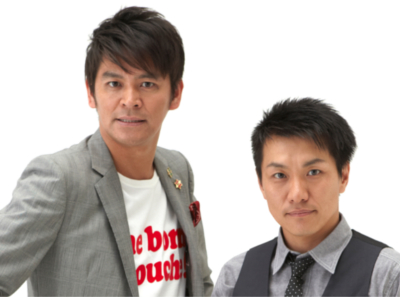
M-1 Grand Prix 2002...Masuda Okada's thoughts on the M-1 Grand Prix...
The "M-1 Grand Prix" successive champions series has been started as a serial series since the last issue. In this second installment of the series, we will introduce you to the M-1 Grand Prix 2002 champion, Masuda Okada. We will introduce the human aspects of the M-1 Grand Prix in 2002 and the path to the championship. Enjoy!
Read Article
Back after 5 years! Charm of "M-1 Grand Prix Reigning Champion" -The Nakagawa Family, the First Champion
The "M-1 Grand Prix" has returned after a five-year absence. The M-1 Grand Prix is a "combat sport of manzai" for manzai performers. So, starting from this issue, I will be writing a series of articles on the appeal of the "successive champions of the M-1 Grand Prix" in my own way. I will talk about the charms of the "successive champions of the M-1 Grand Prix" in my own way. The first installment will be about the Nakagawa Family, the first champions. Enjoy....
Read Article
Contents
- One-hit wonder entertainer, one-hit wonder celebrity, one-hit wonder singer.
- 2019 works
- 2018
- 2017 works
- 2016 works
- 2015 works
- 2014 works
- 2013 works
- 2012 works
- 2011 works
- 2010 works
- 2009 works
- 2008 works
- 2007 works
- 2006 works
- 2005 works
- 2004 works
- 2003 works
- 2003 works
- 2001 works
- 2000 works
- 1999 works