
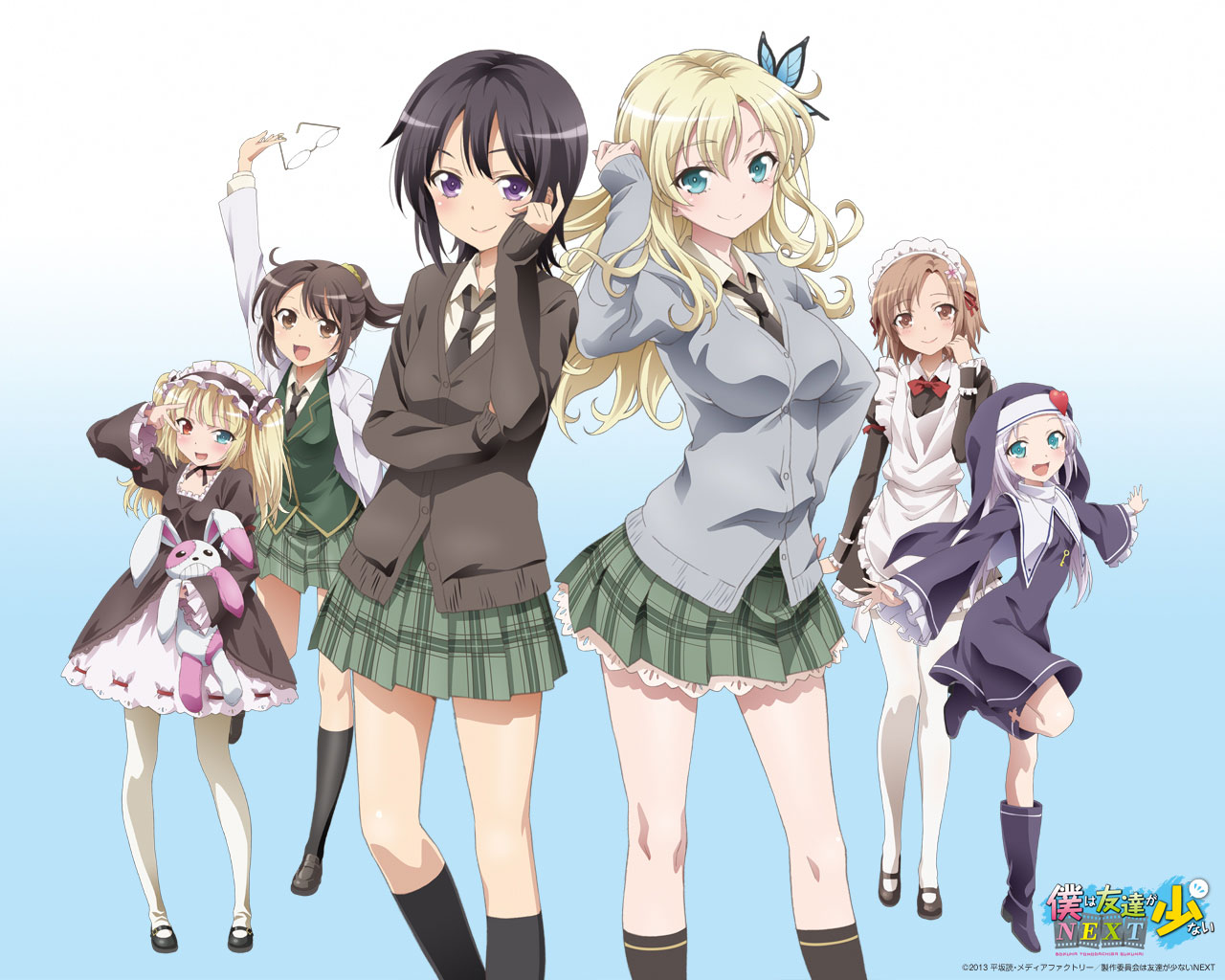
Here we have compiled a list of popular daily life harem anime. The most famous are "Boku wa Tomodachi ga Sukunai," "Bokutachi wa Shugaku ga Dekinai," "Eromanga Sensei," "Monster Musume no iru Nichijo," and "Ajita-chan ga Natteiritai.
Source: www.amazon.co.jp
Basics of Daily Life Harlem?
A 14-year-old boy, Tohoin Gyonin, who ran away from home after fighting with his parents, accidentally fell off a passenger boat. The island of Ai Ranshima, which he reached after being caught in a storm and swallowed up by a big wave, was an island full of women and unable to escape? It depicts the days of a happy and shameful island life of unique girls and Gyonin.
Source: ja.wikipedia.org
Others by Genre
Battle Harlem Anime Roundup - RENOTE [リノート]
renote.net
The main character is a boy, all the other characters are girls, and they all like the main character. This situation is called "harem." For men in this world, this composition can be said to be an eternal dream. In this article, I collected harem cartoons from past works to relatively new ones. Please use it for escapism.
Deep World View! Anime Series on Killers and Assassins [Angel Heart and Others] - RENOTE [リノート]
renote.net
In fact, there are a lot of anime featuring these assassins as the main characters. They use guns and dark weapons to kill their targets. There are many assassins who live in harmony with everyday life, but they have deep darkness in their hearts, and the gap between them and their usual facial expressions is irresistible. In this article, we introduce a series of anime about "Hitman" and "Assassin."
A collection of anime featuring vampires! BLOOD+", "Seraph of the End" and other popular works! - RENOTE
renote.net
Vampires are immortal monsters that feed on blood. They are often used as the subject matter in anime due to their popularity and their powers that humans do not possess, such as immortality and the ability to transform.
Here we have compiled a list of anime works featuring vampires, both friend and foe.
Keion! (1st season) Spoiler Commentary and Discussion Summary - RENOTE
renote.net
K-ON! is an anime based on a four-panel manga by Kakifly that was serialized in Manga Time Kirara.
It is a heartwarming but sometimes sad story about a band of adolescent high school students, Hirasawa Yui and her unique friends, who have no musical experience at all.
Combined with the high quality of the music of "Houkago Tea Time," the band formed by the characters in the show, it became a social phenomenon.

Related Articles
Boku wa Tomodachi ga Sukunai (I Have Few Friends) Spoiler Commentary and Discussion Summary
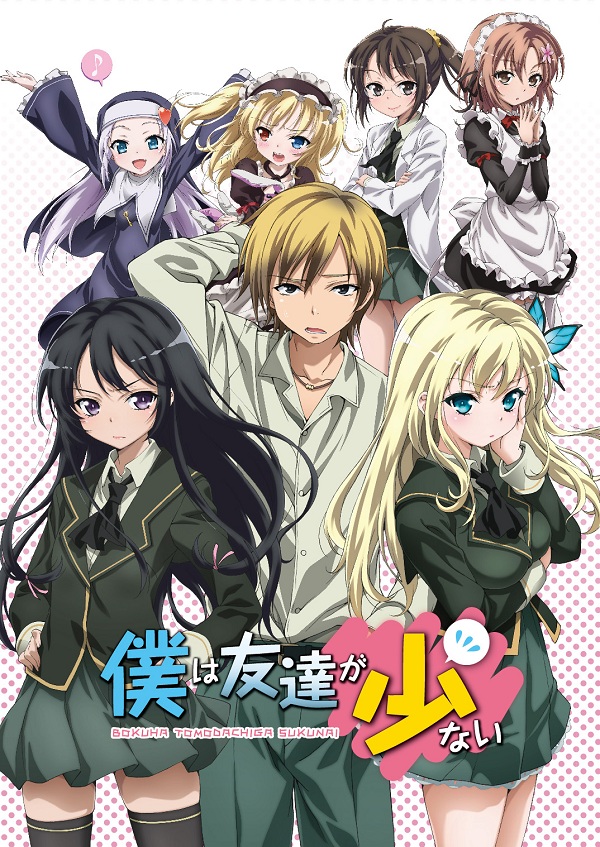
Boku wa Tomodachi ga Sukunai" is an anime work based on the Japanese light novel by Yomi Hirasaka. The catchphrase of this work is "Shame-kei Seishun Romantic Comedy," and it is different from other romantic comedy works in that the characters are a bit disappointing, but not hateful. The main character, Hasegawa Kotaka, is a normal guy on the inside, but his yankee-like appearance scares people away, and he is unable to make friends. Then he meets Mikaduki Yozora, a girl who is also unable to make friends because she always seems to be in a bad mood. They decide to form a club called "Neighborhood Club," which aims to make friends. Will they be able to make true friends?
Read Article
If Only I Had a Younger Sister. (Ranobe/Anime) Spoiler Commentary and Discussion Summary
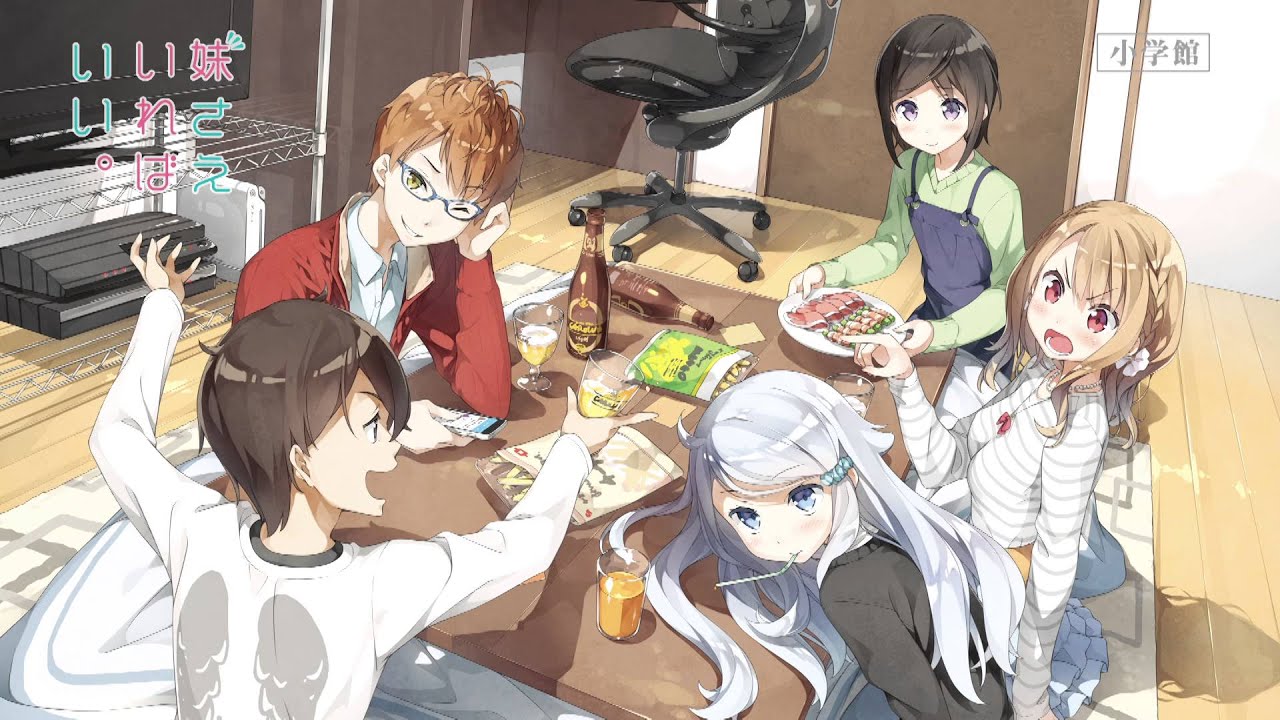
Imouto ga shirubareba ita desu ka" ("All I Need Is a Little Sister") is an adolescent love comedy light novel by Yomi Hirasaka and an anime work based on it. It is a coming-of-age romantic comedy work that revolves around the novelist "Hashima Izuki," who loves her younger sister very much, and other unique characters in the light novel industry of today's most popular authors.
Read Article
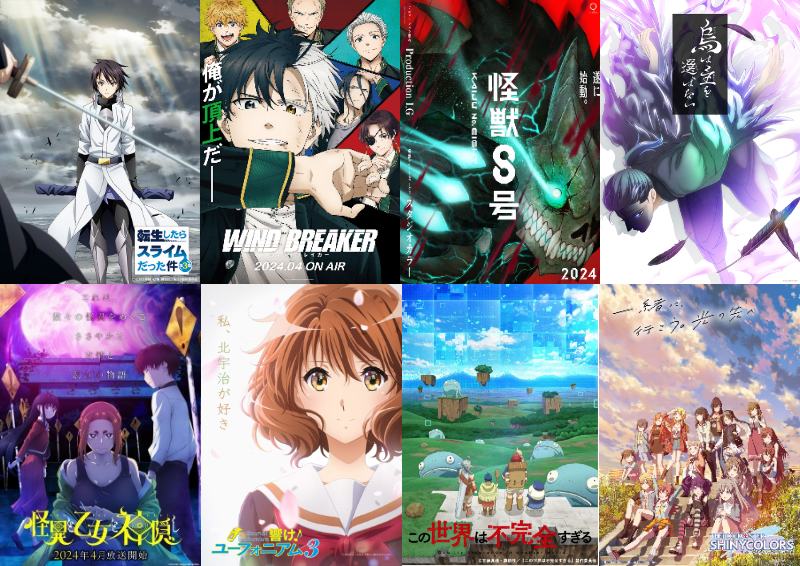
April 2024 Spring Anime (First Semester Anime) Summary
This is an alphabetical list of spring anime that will start airing in April 2024.The April 2024 spring anime lineup includes many hot new anime and sequels to popular series. Information such as anime titles, broadcast information, cast voice actors and staffs are compiled in an easy-to-understand format.
Read Article
![Moe] Man's Romance! Recommended Harem Anime Summary [Bishojo](https://renote.net/files/blobs/proxy/eyJfcmFpbHMiOnsiZGF0YSI6NjU0ODk1MCwicHVyIjoiYmxvYl9pZCJ9fQ==--ddd3c4bc724f0409d2f3ba911035f2450d929ae9/K2_1024x768.jpg)
Moe] Man's Romance! Recommended Harem Anime Summary [Bishojo
Harem anime is a true male romance in which the main character is attracted to a lot of beautiful girls. Here is a list of recommended harem anime in various genres from daily life to science fiction and fantasy, along with synopsis, ratings, number of main heroines, and voice actors.
Read Article
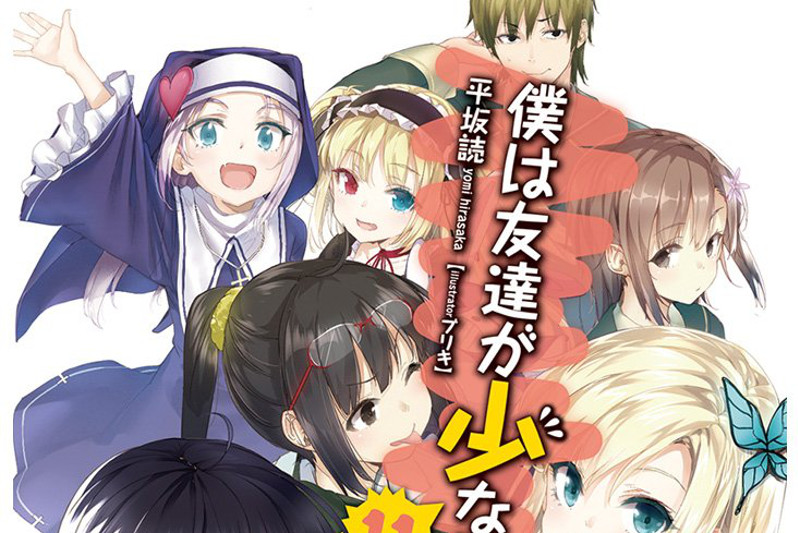
What is the "poison" that the writer put into "Boku wa Tomodachi ga Sukunai"?
The popular light novel "Boku wa Tomodachi ga Sukunai" (also known as "Haganai") recently released its final volume. Although the ending of the story is controversial among readers of light novels, as the author, Yomi Hirasaka, says, "This is the most fitting ending for a coming-of-age story. In the last scene, the main character looks back on his high school life and concludes, "It was a good youth," but was it enough to say so?
Read Article

Title fraud? Yet three interesting novels!
Have you ever bought a novel based on the cover and title alone, only to find that it's not what you expected? Having had this experience many times over, I would like to recommend three novels with interesting fraudulent (?) titles. I would like to introduce three novels that I recommend.
Read Article
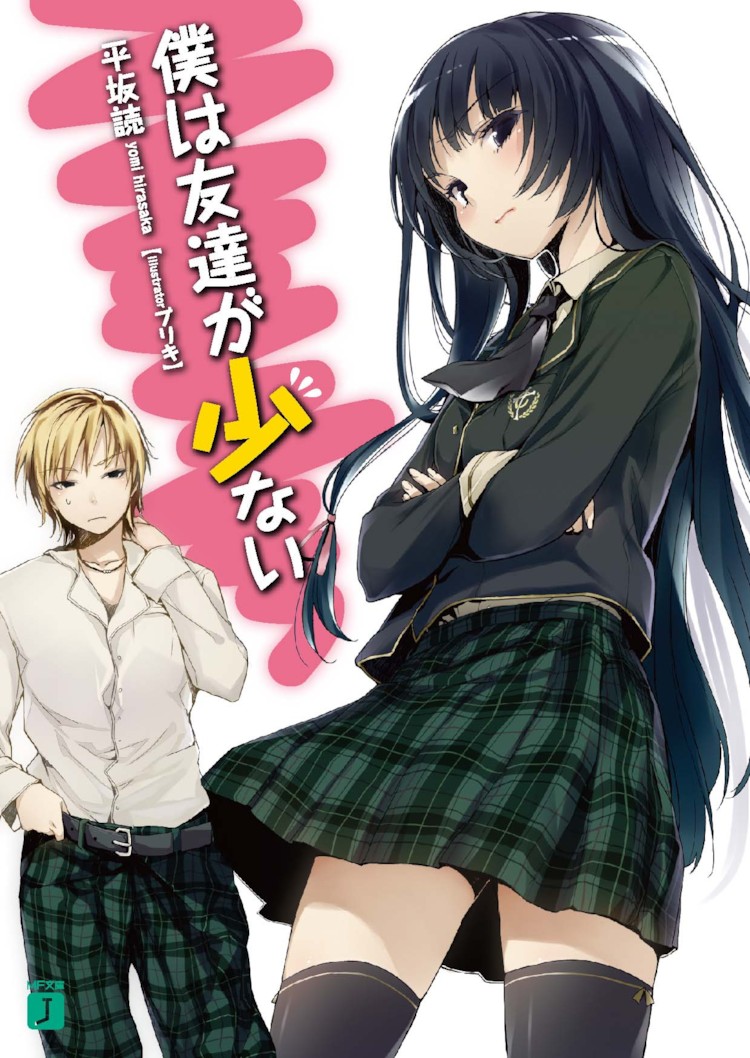
Title Fraud Novel Summary! Interesting content that belies the title of the work!
We have compiled a list of novels whose titles and contents are at odds with each other. They are what we call "title frauds," but that does not mean they are boring. Even if you think the title is not what it seems after reading a few of them, we hope you will read them all the way through.
Read Article
Contents
- Haganai
- We cannot study
- Mr. Eromanga.
- MONSTER MUSUME
- Hataage! Kemomimichi
- Ajin-chan wants to talk.
- THE FACT THAT I WAS GIVEN A GETTY-OUT AS A "SAMPLE FOR THE COMMON PEOPLE" AT THE
- Saekano: How to Raise a Boring Girlfriend
- Saekano: How to Raise a Boring Girlfriend flat
- Did you think that the wife of a nettle wasn't a girl?
- Bride of five parts
- If they are cute, do like them?
- MAYOI NEKO OVERRUN!
- The COMIC ARTIST & His Assistants
- BAKEMONOGATARI
- Yamada-kun and the Seven Witches
- INVADERS OF THE ROKUJOUMA!?
- Yuragi-so-no Yuna-san
- A Good Librarian Like a Good Shepherd
- When Supernatural Battles Became Commonplace
- My girl and my childhood friend are in too much trouble.
- Student Council's Discretion
- GJ part
- D-FRAG!
- MY BRAIN'S CHOICES ARE GETTING IN THE WAY OF THE SCHOOL LOVE RICE.
- Mayo Chiki!
- THE "HENTAI" Prince and the Stony Cat.
- Oh, no!
- NISEKOI: False Love
- Photo Kano
- IT'S YOUR BROTHER, BUT AS LONG AS YOU HAVE LOVE, IT DOES N'T MATTER.
- There's one sister in here!
- Outbreak Company
- Congratulations on this wonderful world!
- Congratulations on this wonderful world! 2
- LADIES VERSUS BUTLERS
- If she had a flag
- SHUFFLE!
- Princess Rubber
- Love Tyrant
- NAGASARETE AIRANTOU
- Others by Genre