
We have compiled a list of novels whose titles and contents are at odds with each other. They are what we call "title frauds," but that does not mean they are boring. Even if you think the title is not what it seems after reading a few of them, we hope you will read them all the way through.
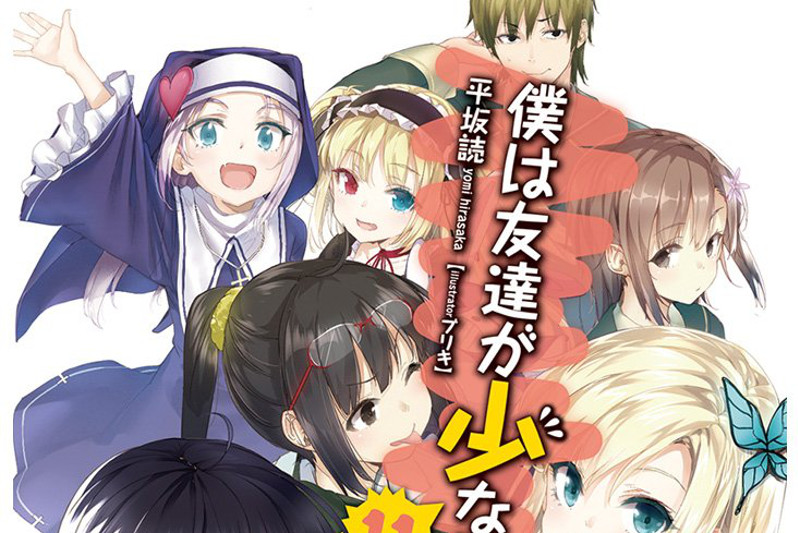
Boku wa Tomodachi ga Sukunai" Yomi Hirasaka
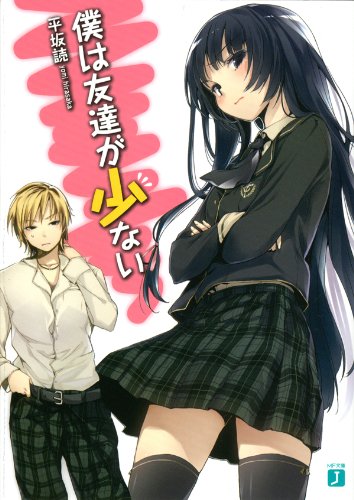
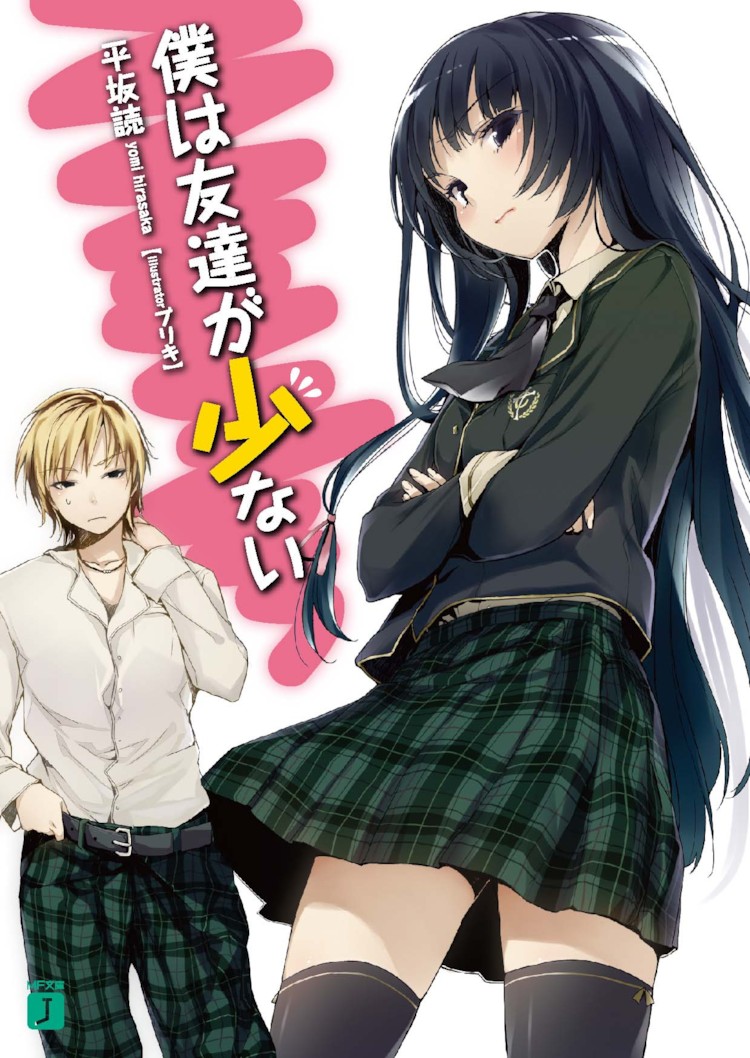
Let's start with a famous light novel. Boku wa Tomodachi ga Sukunai" ("I have few friends"). The author is Yomi Hirasaka.
The author is Yomi Hirasaka. It is so betrayed that it is almost refreshing.
To briefly explain the content, it is a romantic comedy novel about a group of people who, for various reasons, do not have many, or rather none, of friends, who by some chance start club activities and have a lot of fun together. Even with such a short description, some of you may understand why this novel is a title fraud.
You guys are already friends. You are not alone. But the characters all insist that they are not friends.
The title of this novel is a big betrayal from the very first volume, so if you are interested in this novel, please read it.
The Sorcerer's Apprentices" Yumeto Inoue
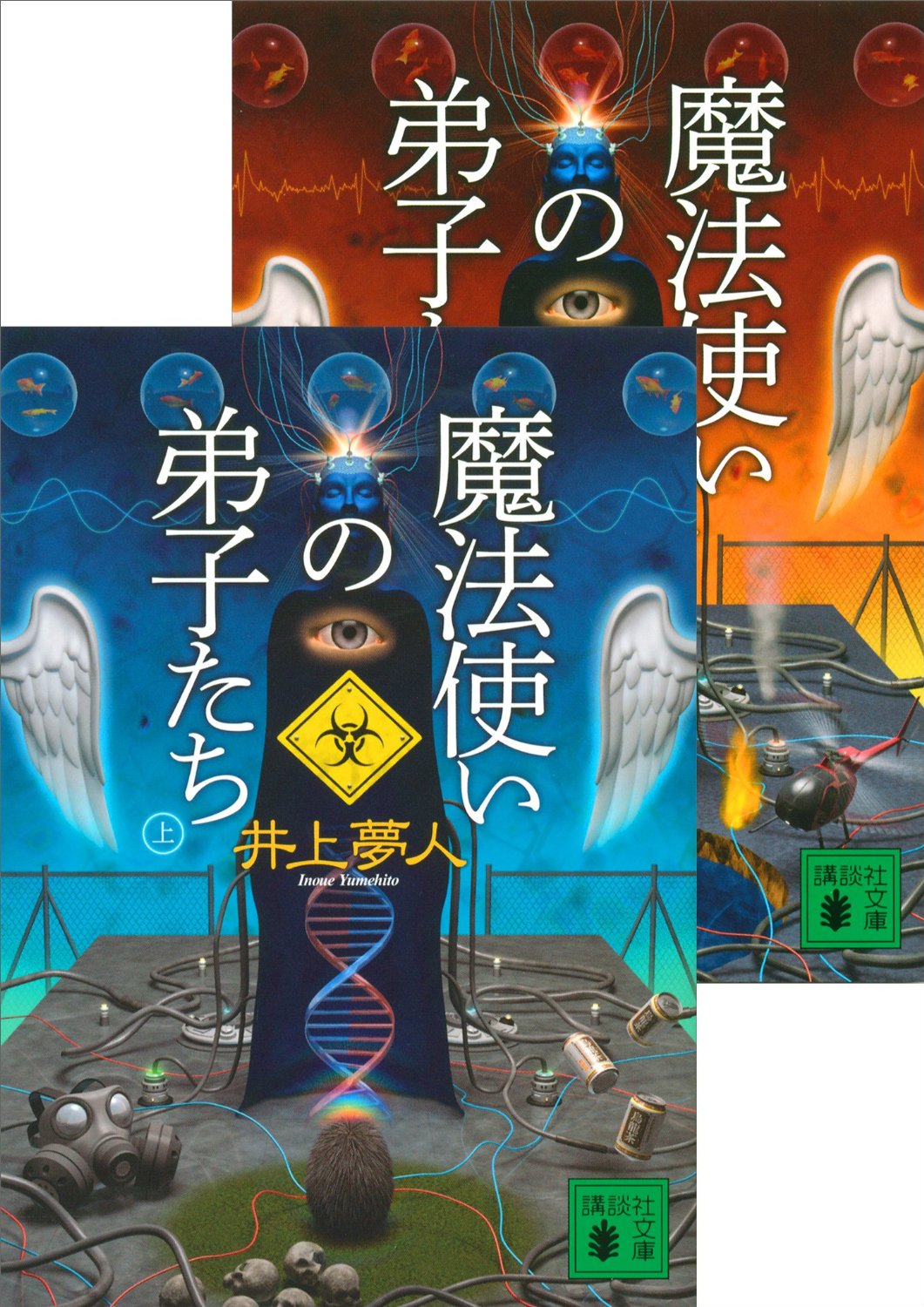
From the title, one might guess that this is a fantasy story, but it is a normal real world story. Moreover, there is suddenly an outbreak of an infectious disease at the beginning of the story.
Certainly, special abilities such as psychic powers and prediction of the future appear in the story, but the way they are handled is also quite realistic. It is not a story about saving someone with special abilities, but rather an extension of the real world and what would happen if special abilities appeared in this world, which is depicted in both the upper and lower volumes.
But as expected of a veteran writer, the story develops quickly and interestingly. Frankly speaking, I appreciate the title. If it were not for this title, I might not have picked up this book.
The Scissors Man" Masayuki Shunoh
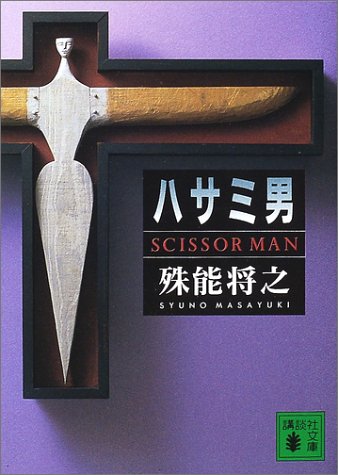
I won't go into depth on this one. Please read it.
If you have already read it, you will be convinced. If you are shown such a brilliant betrayal, you have no choice but to applaud.
If you want to be fooled by the title, please read it. After reading this book, you will be able to understand what I mean.
summary
How was it?
I am sure there are many other title fraud novels out there. However, I believe that this is one form of encounter.
I know I say "title fraud," but I hope you will consider it a compliment. I believe that a writer's job is to "betray the expectations of us readers. In that respect, I can say that I fell for the writer's ploy beautifully. As a reader, I could not be happier.
Why don't you also try to find a book with a fraudulent title?

Related Articles
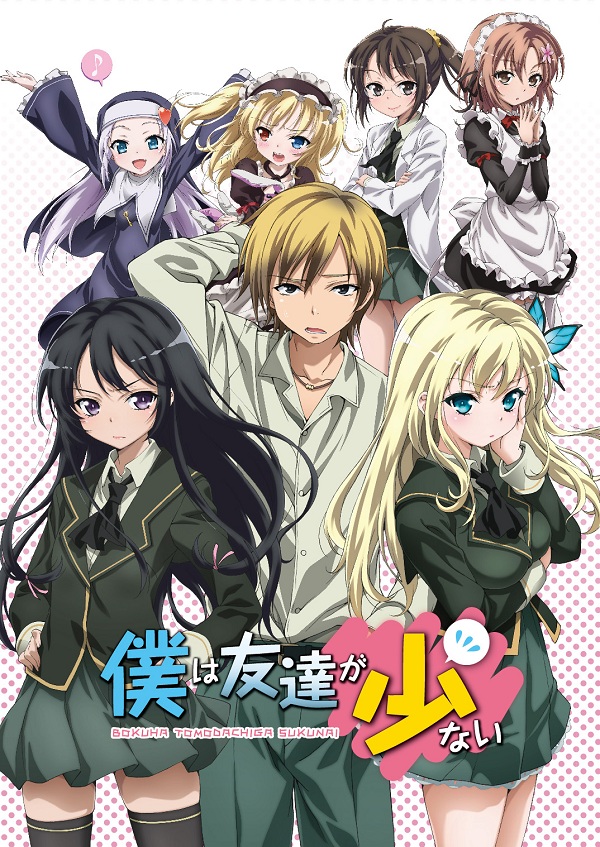
Boku wa Tomodachi ga Sukunai (I Have Few Friends) Spoiler Commentary and Discussion Summary
Boku wa Tomodachi ga Sukunai" is an anime work based on the Japanese light novel by Yomi Hirasaka. The catchphrase of this work is "Shame-kei Seishun Romantic Comedy," and it is different from other romantic comedy works in that the characters are a bit disappointing, but not hateful. The main character, Hasegawa Kotaka, is a normal guy on the inside, but his yankee-like appearance scares people away, and he is unable to make friends. Then he meets Mikaduki Yozora, a girl who is also unable to make friends because she always seems to be in a bad mood. They decide to form a club called "Neighborhood Club," which aims to make friends. Will they be able to make true friends?
Read Article
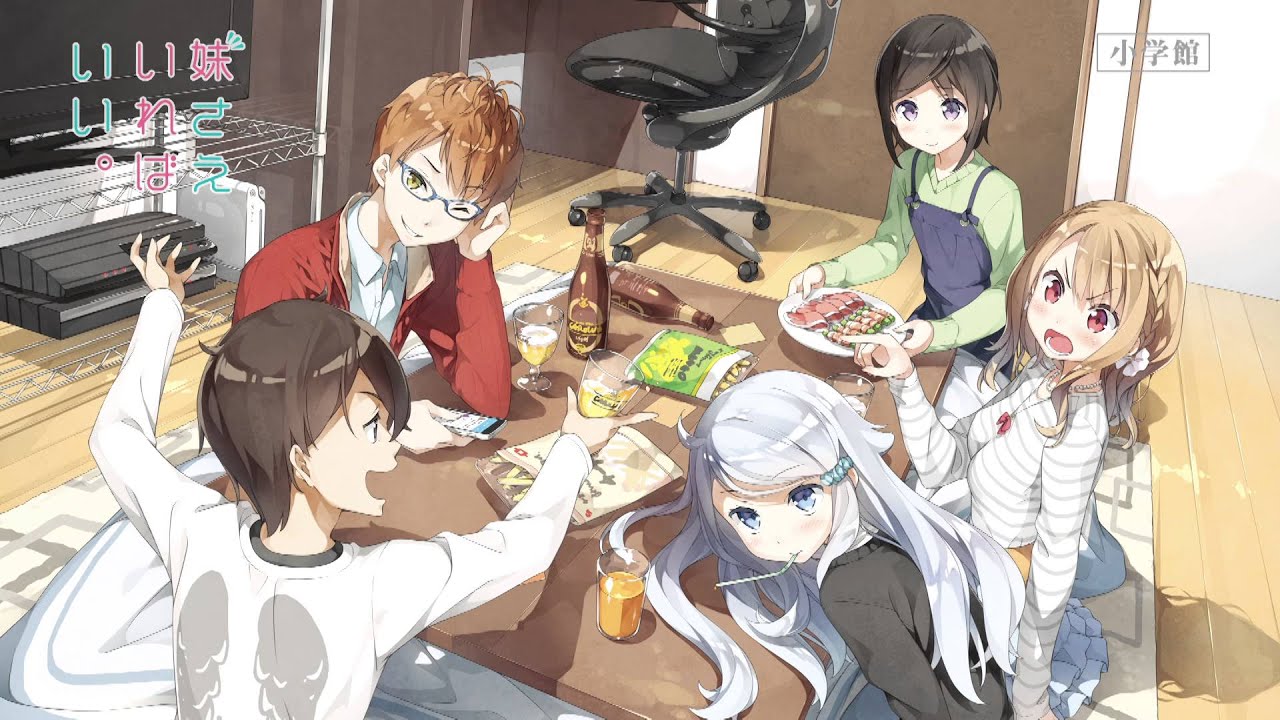
If Only I Had a Younger Sister. (Ranobe/Anime) Spoiler Commentary and Discussion Summary
Imouto ga shirubareba ita desu ka" ("All I Need Is a Little Sister") is an adolescent love comedy light novel by Yomi Hirasaka and an anime work based on it. It is a coming-of-age romantic comedy work that revolves around the novelist "Hashima Izuki," who loves her younger sister very much, and other unique characters in the light novel industry of today's most popular authors.
Read Article
April 2024 Spring Anime (First Semester Anime) Summary
This is an alphabetical list of spring anime that will start airing in April 2024.The April 2024 spring anime lineup includes many hot new anime and sequels to popular series. Information such as anime titles, broadcast information, cast voice actors and staffs are compiled in an easy-to-understand format.
Read Article
![Moe] Man's Romance! Recommended Harem Anime Summary [Bishojo](https://renote.net/files/blobs/proxy/eyJfcmFpbHMiOnsiZGF0YSI6NjU0ODk1MCwicHVyIjoiYmxvYl9pZCJ9fQ==--ddd3c4bc724f0409d2f3ba911035f2450d929ae9/K2_1024x768.jpg)
Moe] Man's Romance! Recommended Harem Anime Summary [Bishojo
Harem anime is a true male romance in which the main character is attracted to a lot of beautiful girls. Here is a list of recommended harem anime in various genres from daily life to science fiction and fantasy, along with synopsis, ratings, number of main heroines, and voice actors.
Read Article
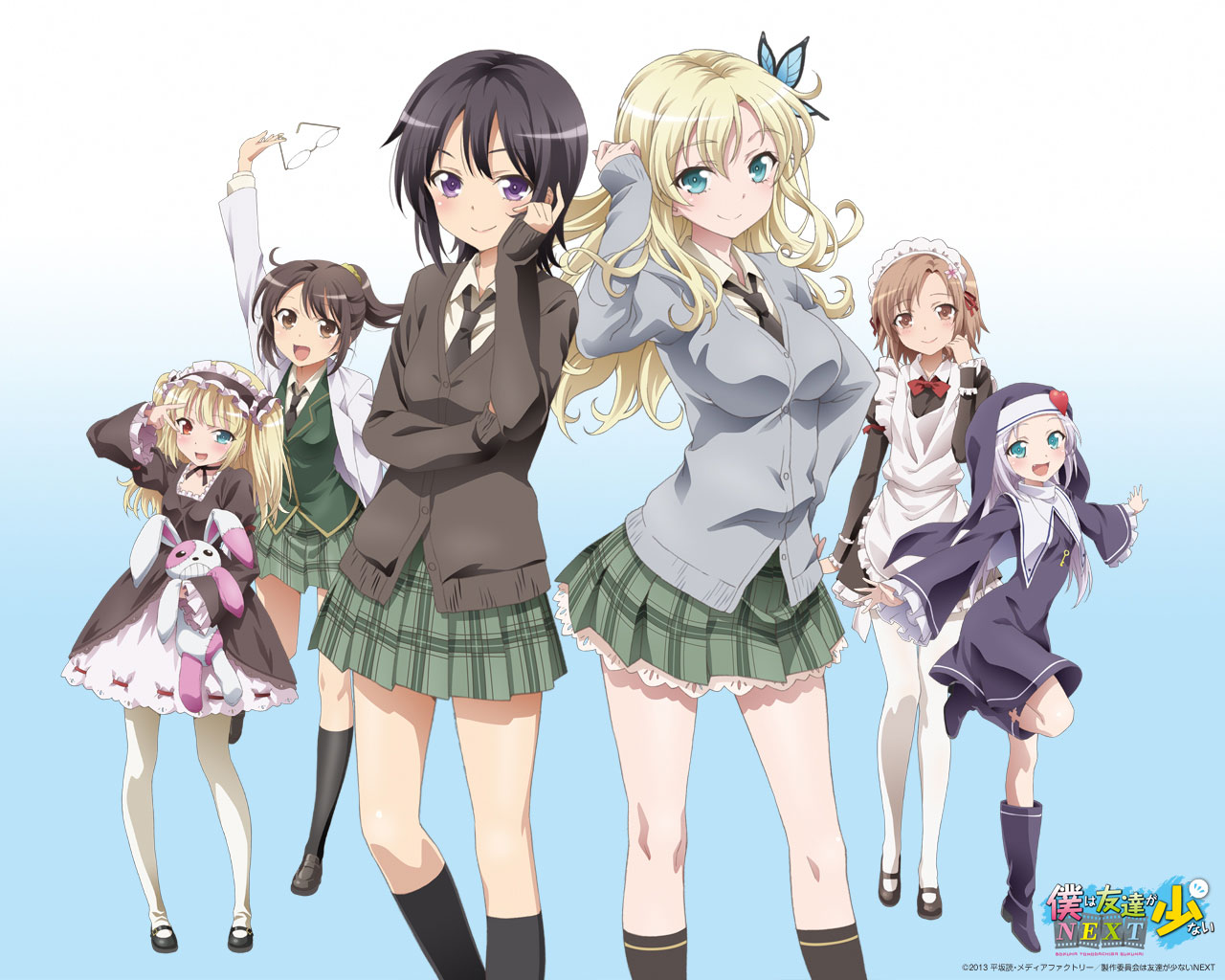
Nichijokei Harem Anime Summary [Boku wa Tomodachi ga Sukunai etc.
Here we have compiled a list of popular daily life harem anime. The most famous are "Boku wa Tomodachi ga Sukunai," "Bokutachi wa Shugaku ga Dekinai," "Eromanga Sensei," "Monster Musume no iru Nichijo," and "Ajita-chan ga Natteiritai.
Read Article
What is the "poison" that the writer put into "Boku wa Tomodachi ga Sukunai"?
The popular light novel "Boku wa Tomodachi ga Sukunai" (also known as "Haganai") recently released its final volume. Although the ending of the story is controversial among readers of light novels, as the author, Yomi Hirasaka, says, "This is the most fitting ending for a coming-of-age story. In the last scene, the main character looks back on his high school life and concludes, "It was a good youth," but was it enough to say so?
Read Article

Title fraud? Yet three interesting novels!
Have you ever bought a novel based on the cover and title alone, only to find that it's not what you expected? Having had this experience many times over, I would like to recommend three novels with interesting fraudulent (?) titles. I would like to introduce three novels that I recommend.
Read Article