
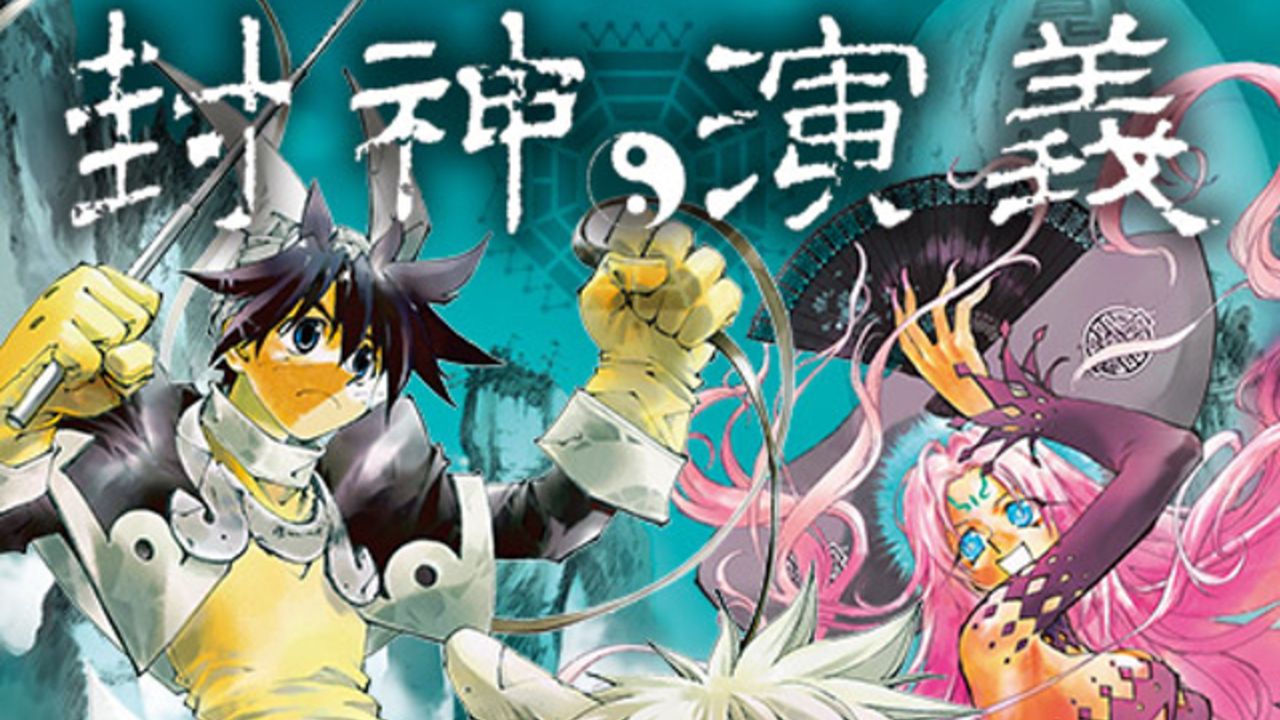
The "Paopaea" is a weapon that appears in Ryu Fujisaki's manga "Fei Shen Yanyi". The hermit Taigongwang is ordered by his master, Yuan Huang Tianzun, to carry out the "Seishin Project" to seal the evil hermits, including the nymph Peki, in the divine world. As the story progresses, the existence of Nyoka, who manipulates history behind the scenes, and the true purpose of the sealing plan are revealed. Set during the transition of the Chinese dynasty from Shang to Zhou, the story is modeled on the novel of the same title, which is intertwined with the world of hermits, and the development, some characters, and the design of the treasure shells are arranged in the style of a boys' manga. This section summarizes the weapons and shells used by the hermits on both sides.
Fire Crow Jar
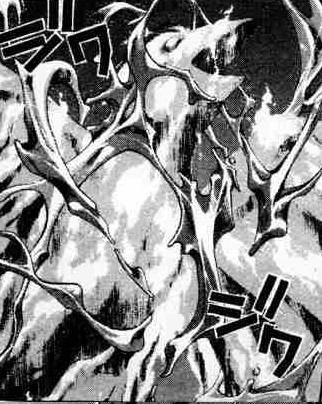
Fire Crow Pot defeated by the Foggy Dew Qiankun Net.
Liu Huan's treasure shell.
It is in the shape of a firebird composed of lava.
all wheeled vehicles (all-terrain vehicles)
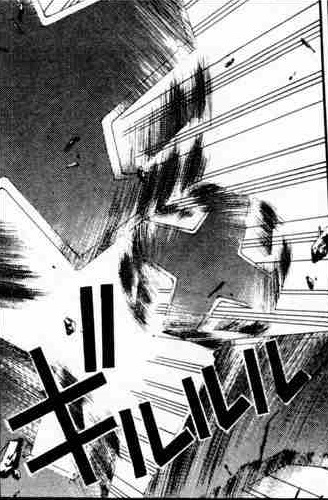
Yoka's treasure shell.
It is in the shape of a sword and flies a disk-shaped flying projectile.
Kaketsu Shinto
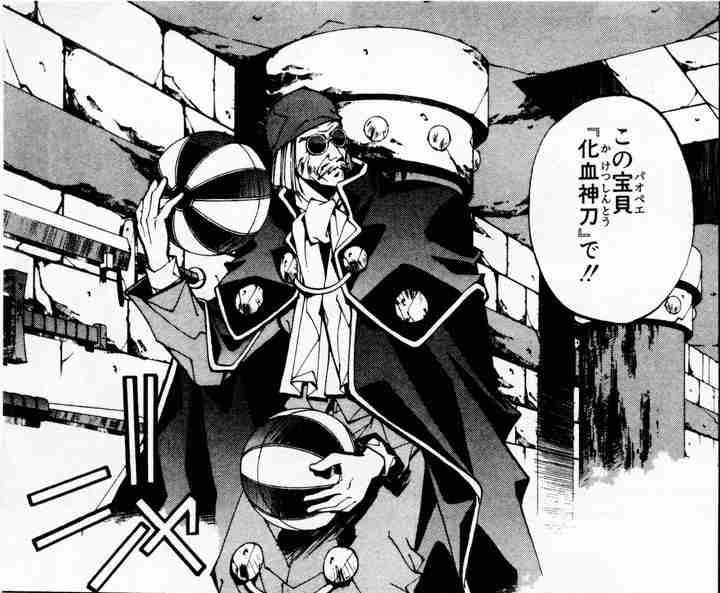
A treasure shell of leisure time.
It looks like a beach ball, but when thrown, it spins and emits a blade to attack the enemy. It is filled with paralyzing poison, and wounds inflicted by the sword will never heal.
Red Pearl Liquid
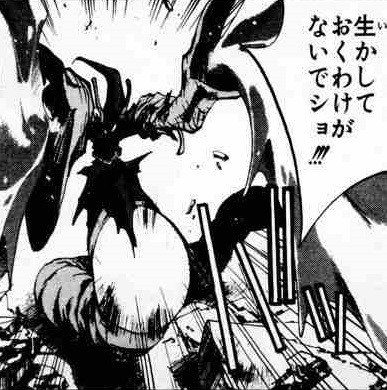
A treasure shell of Kyu-Yin, a subordinate of Zhao Gong-Ming.
It is a strong acidic liquid spit out by a giant worm, which has the power to dissolve even bones.
Earthen Dragon Claw
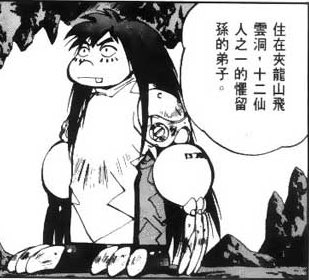
Dohyo-son (土行孫) treasure shell. A treasure shell in the shape of a claw. It can dig through the soil. It is also possible to attack by sending only the claw like a missile.
Gokoseki
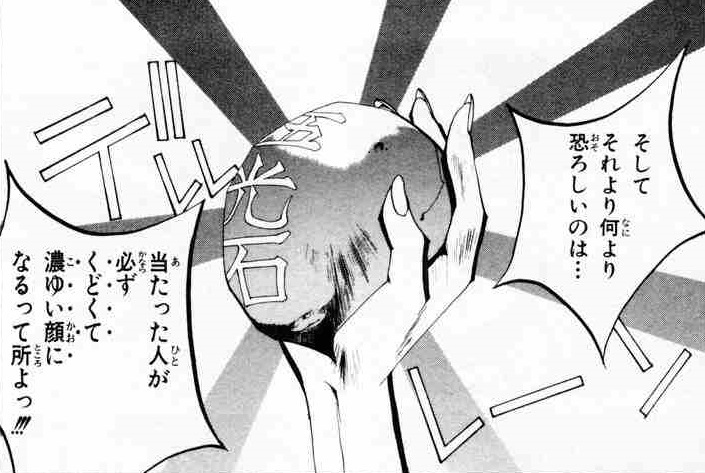
A stone-shaped shell used by Deng Senggyuk, which is thrown. Even if one avoids it, it always hits the target, and the person hit will always have a "thick, dark face. The shell had a limiter that reduced its power to one-fifth of its original level, but the limiter was removed by Taiotsu Shinjin after Semitama himself said he didn't need it. After the limiter was removed, he was able to throw an alter-ego magic ball, but it would suck out five times as much power as before.
Reirotou
A treasure shell of Li Jing (李靖), the father of Nezamu (哪吒吒).
It can curse others with Li Jing's grudge power.
Red water camp
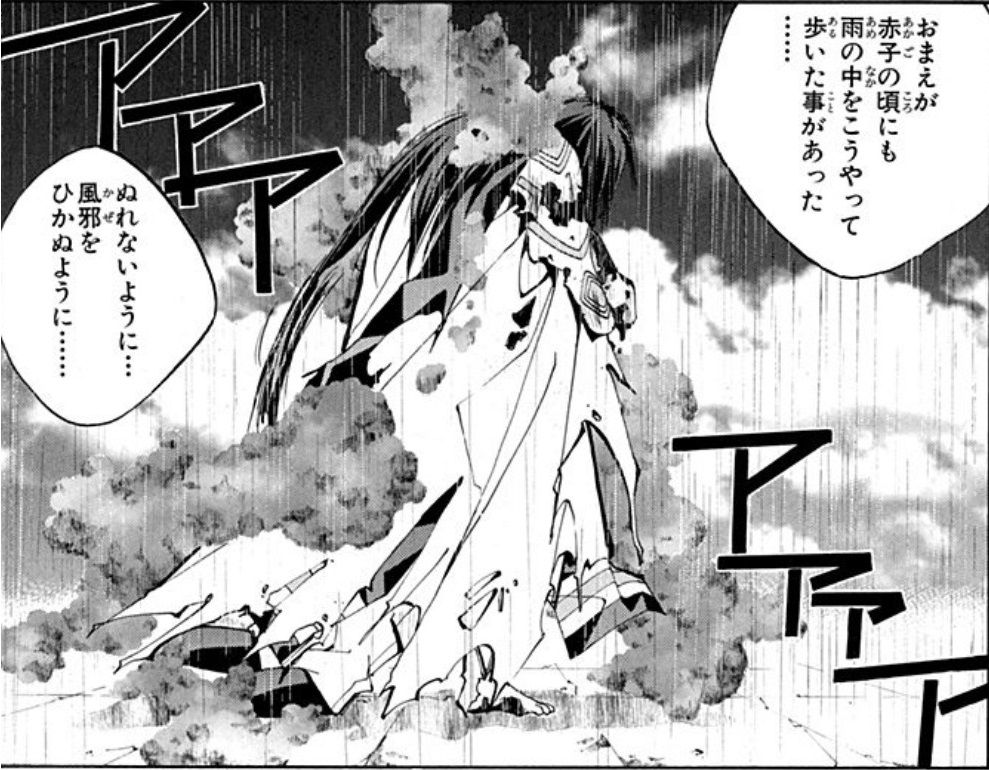
Jade Ding Shinjin shelters Yang Zhen from the acid rain of the Red Water Formation.
Spatial shells are created in ordinary space by the leader of the Ten Heavenly Kings, Outenkun. The Ten Heavenly Kings have a spatial conch called "Jin.
Using Wang Tian-kun's blood, a powerful rain of acid falls inside the red water formation (it can also be turned from a mist to rain). It is not possible to enter from the outside, but it is possible to exit from inside. The acid is strong enough to dissolve the human body, and even hermits cannot escape. This is also the camp that made Jade Ding Shinjin become a sealed god.
mite

Related Articles
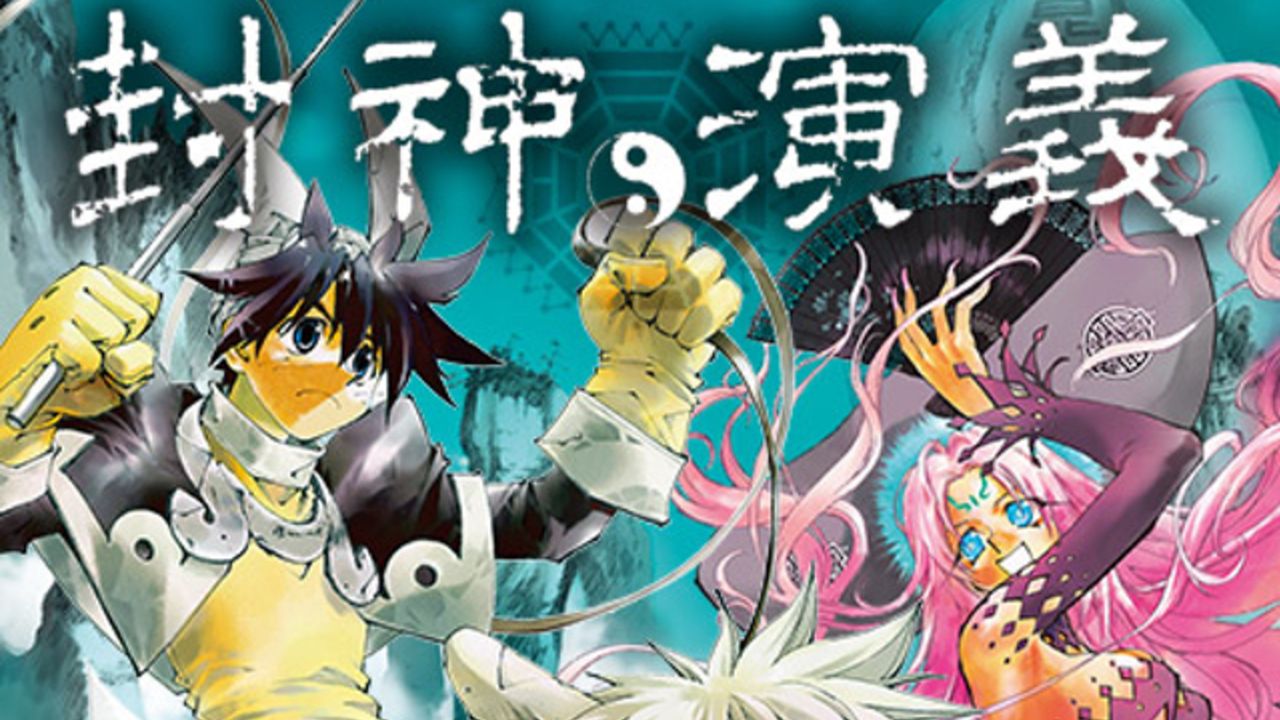
Spoiler commentary and discussion of Fushin Engi (manga and anime)
FUJISHIN ENKI" is a science fiction battle manga serialized in "Weekly Shonen Jump" from 1996 to 2000, and an anime work based on the manga. The author is Ryu Fujisaki. Shang, the oldest dynasty in China. The king was a great ruler, but he was seduced by a nymph, Tsukiami, and the country was ruled by an evil hermit. The Hermit Realm, seeing the situation of the helpless humans, decides to launch the "Seishin Project" to seal off the evil hermits. Entrusted with this grand plan to "create a true human world without hermits," Taikobo, a Taoist monk, and his companions fight a grueling battle.
Read Article
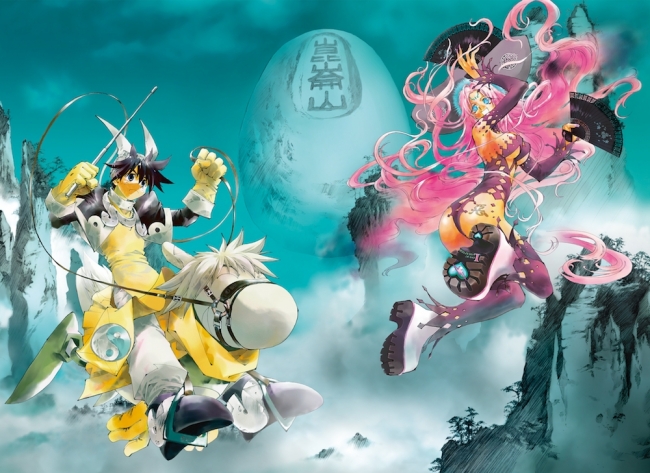
Spoiler commentary and discussion of Haikyuu Seishin Engi (anime)
Haikyuu: Sealed God Enki" is an anime work based on the manga "Sealed God Enki" by Ryu Fujisaki. Based on the bizarre novel "Fenshin Engi" written in the Ming Dynasty of China, the work incorporates elements of comedy and homage. This is the second anime based on the same work, but there is no connection with the first one, and the work focuses on the "Immortal World War" in the middle of the story. Ancient China. A hermit, Taigongmou, is assigned by his master to carry out the "Seishin Plan," a plan to seal off the evil hermits who are destroying the human world. With various humans and hermits as his allies, he aims to overthrow the evil hermit, Qi Ji, who threatens the human world.
Read Article
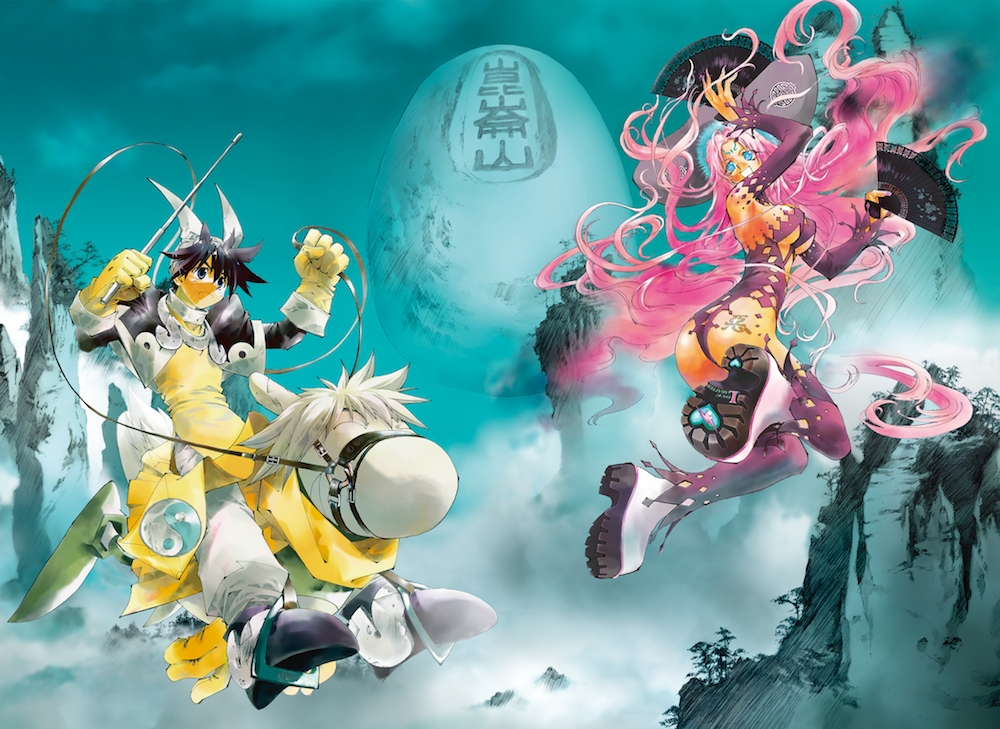
Summary of collected and uncollected foreshadowing and mysteries of the Fushin Enki
Houshin Engi" is a fantasy battle manga by Japanese manga artist Ryu Fujisaki. It is inspired by the Chinese classic "Fushin Engi". In addition to the battle, gag, and comedy elements that are the mainstay of shōnen manga, the work is full of original elements such as super-ancient prehistoric civilizations and the theory of ancient astronauts, and there are many mysteries and foreshadowing hidden within the story. By the end of the serialization, most of the mysteries and foreshadowing have been resolved, and readers have praised the work, saying that the serialization ended smoothly.
Read Article
Spoiler commentary and discussion of Shikon (novel, manga, and anime).
Shikishi Oni" is a horror novel, manga, and anime work based on the novel by Mayumi Ono. The comic version by Ryu Fujisaki was serialized in "JUMP SQUARE". The anime aired for 22 episodes from July to December 2010. A small village with a population of 1,300, "Sotoba Village" is isolated from its surroundings, and the custom of burial still remains. One day, three bodies were found in the Yamairi area, but the villagers decided that there was nothing unusual about the deaths, and they were treated as ordinary deaths. However, villagers continue to die one after another, and the anomalies accelerate.
Read Article
Summary of "special eye" abilities in manga and anime! Sharan-gan, Shiran-gan, etc.
Here we have compiled a list of "special eye" abilities that appear in manga and anime. It includes the globally popular "Sharan Gan" and "Shiran Gan" from "NARUTO," the "Secret Stone Eye" from "Nangoku Shonen Papu Wakuen," the "Vision Eye" from "BLACK CAT," and the "Clairvoyant Eye" from "Fushin Engi" among others.
Read Article
Tags
Contents
- Overview of "Fengshin Yanyi"
- What is Paopaea?
- Summary of the treasure shells in "Fengshin Yanyi".
- Dashin Ben
- Anzu Yellow Flag
- Chusenjin
- Bansenjin
- Reiju
- Kuen Kuen Circle
- Wind and fire ring
- mixed heavenly twill
- Golden brick
- spear with a pointed spear
- Kyuryu Shin Kashitsu (Nine Dragon Gods Fire Shroud)
- Kyuryu shinka shinshu II (Nine Dragon Gods Fire Shroud II)
- Three-pointed sword
- Howler Dog
- Five Fires, Seven Fowls, and a Fan
- Golden Haze Cap
- Ryoi Hagoromo
- Purple Ribbon Hagoromo
- Flying sword (Hito)
- Bakuya no Houken (The Treasured Sword of Mojaku)
- Bakuya no Houken II (The Treasure Sword of Mojaku II)
- 鑚心釘(san shin ningle)
- Fire dragon
- Wings of Heavenly Disturbance
- yaku-mei-kon (a cudgel)
- Red Pearl
- Flying chair
- Chiryo-gakuen (clairvoyance)
- Hoshin-dai
- Muro kenkun net
- Hienken
- Zansen Sword
- Taijiji Fuyin (Taiji Seal)
- Bannou Bouchou
- Fallen soul bell
- Unpacking Sennau
- Rurihei
- pestle and mortar
- Fuguryu Camellia (Camellia japonica)
- Wu Hua Sword
- Kongenju
- Pearl in the cleavage (Hekichiju)
- Bankouju
- Kaitenju
- Seiunken
- Konyu Umbrella
- black biwa (Japanese lute)
- Flower fox marten (Kakoten)
- Bakuryu-zaku (Baku-ryu-zaku)
- Konyuen Kinto
- mysterious veil
- The Invisible Hand of God
- Umbrellas (瘟㾮傘)
- Banri Ki Yun Yin
- Fire Crow Jar
- all wheeled vehicles (all-terrain vehicles)
- Kaketsu Shinto
- Red Pearl Liquid
- Earthen Dragon Claw
- Gokoseki
- Reirotou
- Red water camp
- mite
- Red sand camp
- bloodshed
- Wind howling camp
- KANPYOJIN
- earthquakes and volcanic eruptions
- Heaven's final battle
- Retsuenjin (Flame of Fire)
- Rakkonjin
- Kinkoujin
- Bantenin
- Onmyoukyou Mirror
- Sun needle
- prodigal pestle
- super-low turban (species of turban shell, Turbo petholatus)
- Whip
- Tilting Genji
- prohibited whip (i.e., the whip that is not allowed to be used)
- Tai Chi Chart
- Rikkomban (six souls banner)
- Golden bite shear
- Bankohan
- Forbidden to enter
- その他始祖の宝貝
- 山河社稷図(さんがしゃしょくず)
- 四宝剣(しほうけん)
- Earth Destruction Paopaea
- Big Bang Generation Paopaea