
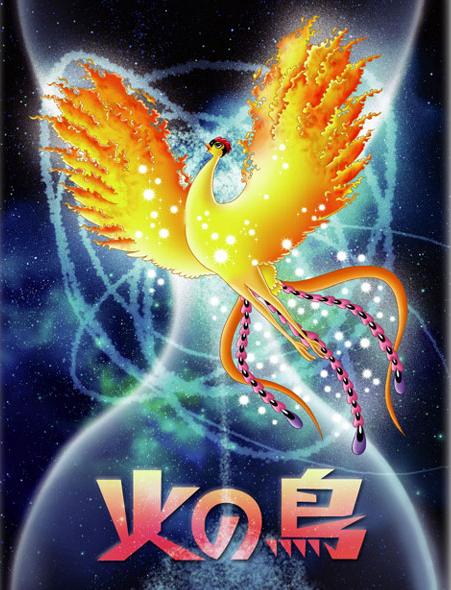
The Firebird" is a manga work by Osamu Tezuka, a master of the manga world. The "Fire Bird" is a legendary bird whose blood, when drunk, gives eternal life. The story revolves around this legendary bird, from ancient times to the future, from the future to ancient times, from the micro to the macro, and from the macro to the imaginary. The world is also transformed on an unimaginable scale, from micro to macro, and from macro to micro. The evolution and decline of civilization, the crimes of science, the evolution of life, the human mind, and the "Firebird" as a rhapsody, Tezuka Osamu spins all these elements into the "ultimate story" for his readers.
radio
Hi-no-Tori: The Bird of Fire, Reimei-hen" radio serial (NHK Radio No.1, March 21 - 28, 1977)
Hi-no-Tori: Mirai-hen" (NHK Radio No.1, Mar. 29-Apr. 2, 1977)
(NHK Radio 1, Jan. 4 - 15, 1978) Serial radio novel Hi-no-Tori Houou-hen
(NHK Radio No.1, Mar. 3 - Mar. 21, 1980) "Hi-no-Tori: The Bird of Fire, Ransei-hen" (NHK Radio No.1, Mar. 3 - Mar. 21, 1980)
(Nippon Broadcasting System, Japan, Jan. 1, 1987, mini-drama in Osamu Tezuka's All Night Nippon Special)
Audio drama "Firebird: Eternal Life" (Nippon Cultural Broadcasting, October 1999 - March 2000)
live action film
The Firebird" (1978)
A live-action film of The Firebird.
Director: Kon Ichikawa
Produced by Toho and Firebird Productions. Distributor: Toho, Eastman Color, VistaVision. Running time: 137 min.
A live-action adaptation of the Reimei version (COM version).
An image song written by Shuntaro Tanikawa was composed, but ended up not being used in the film.

Related Articles
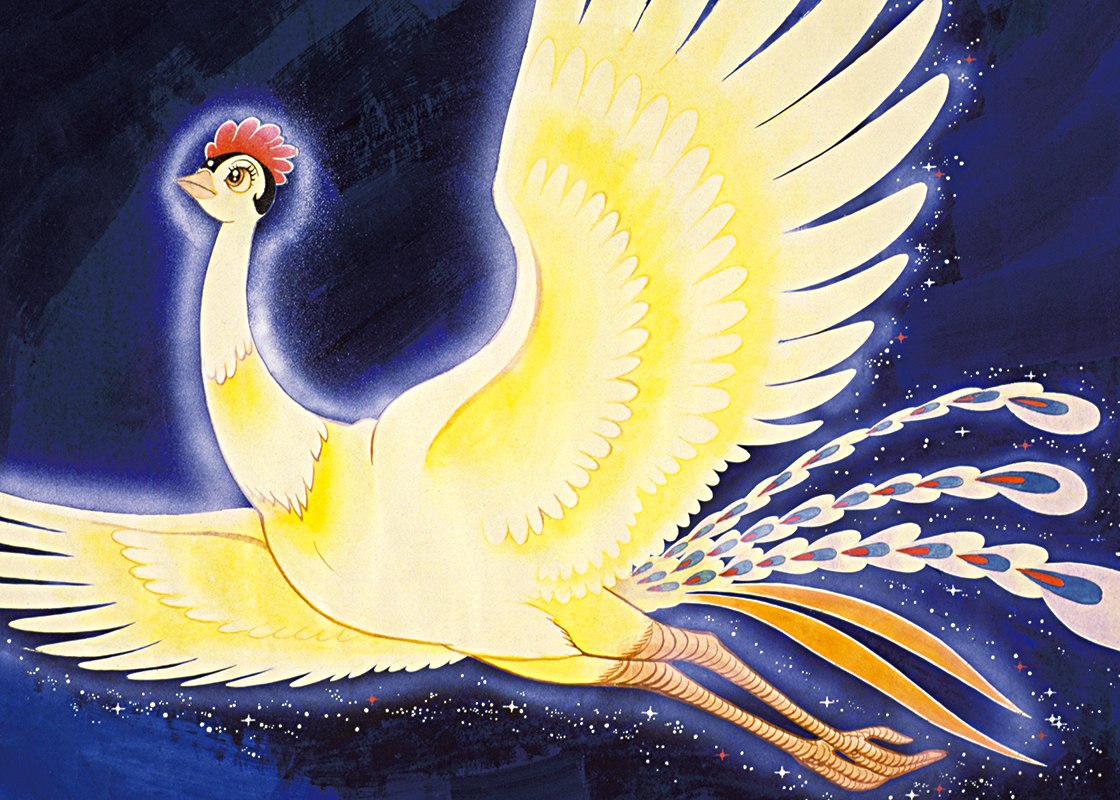
Summary of famous quotes and lines/scenes/scenes from The Firebird
The Firebird" is a full-length manga based on "The Firebird (Phoenix)" by Osamu Tezuka, the master of the manga world who created "Astro Boy". It is one of the most representative works of Japanese manga culture. It is an epic story centered on the Buddhist concept of "Rikudo Rin-ne (the six ways of reincarnation)," with "death and rebirth" as its main theme. The unique structure of the story, in which 12 independent stories are set in the past and future, and the fusion of religious thought and manga were groundbreaking at the time, and continue to influence numerous works to this day. This article introduces a number of famous lines from "The Firebird," which seem to preach the essence of life and human karma.
Read Article
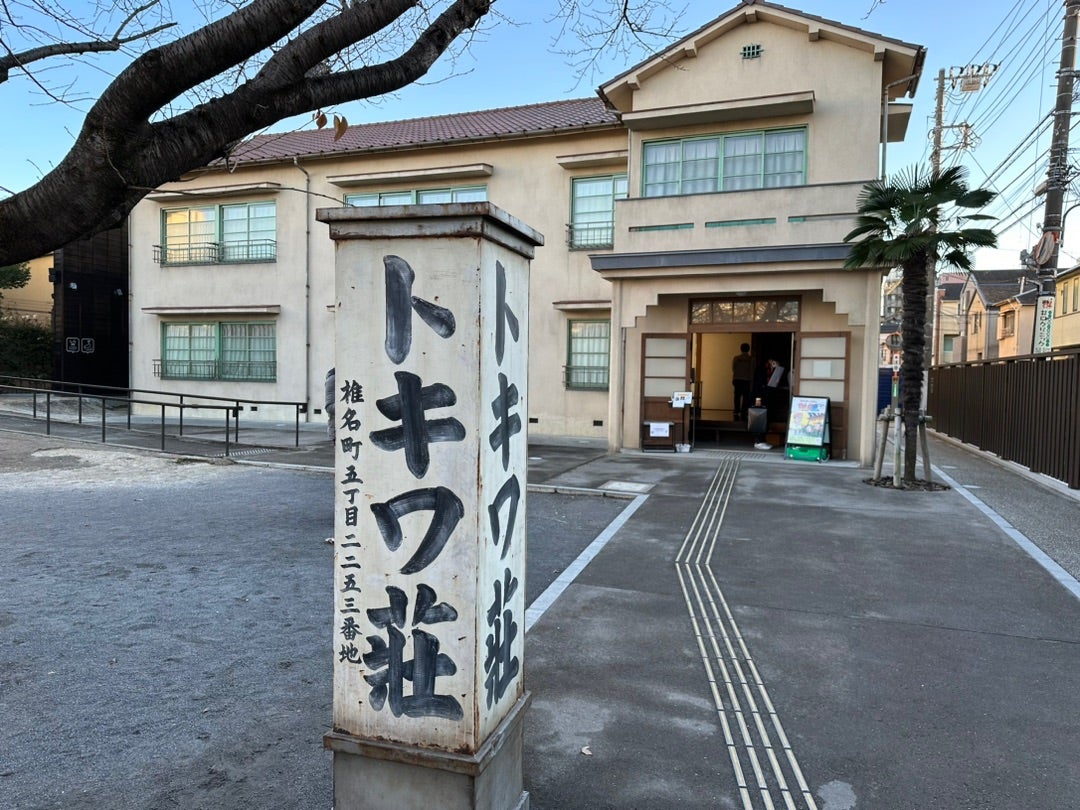
What is Tokiwasou? History, anecdotes, trivia, cartoonists who lived there, members, and where it is located!
Tokiwa-so is a two-story wooden apartment building in Minami-Nagasaki 3-chome, Toshima-ku, Tokyo. Although the building was demolished in 1982 due to aging, it is still very well known as a "sacred place for manga. Even today, the Tokiwa-so Manga Museum and the Tokiwa-so Project have left their mark on the manga world. This article provides information about Tokiwa-so and the manga artists who lived there.
Read Article
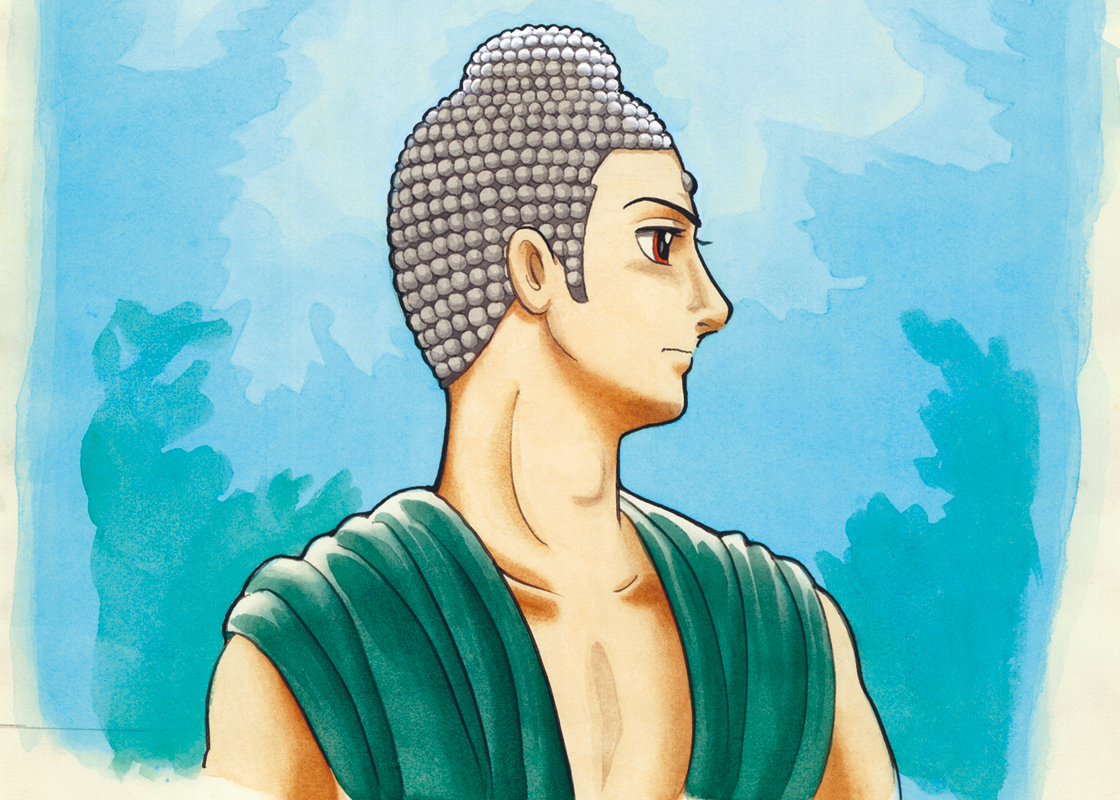
Spoiler commentary and discussion of Buddha (Osamu Tezuka)
Buddha" is a manga by manga artist Osamu Tezuka about the story of Buddha, the creator of Buddhism. It was serialized in the boys' manga magazine "Kibo no Tomo" (Friends of Hope) (published by Tide Publications) from 1972 to 1982. It depicts how the main character "Gautama Siddhartha," who later became the Buddha, realized Buddhism while suffering. Although the characters are a mixture of real people and those created by Tezuka Osamu himself, the work has sold more than 20 million copies and is highly acclaimed.
Read Article
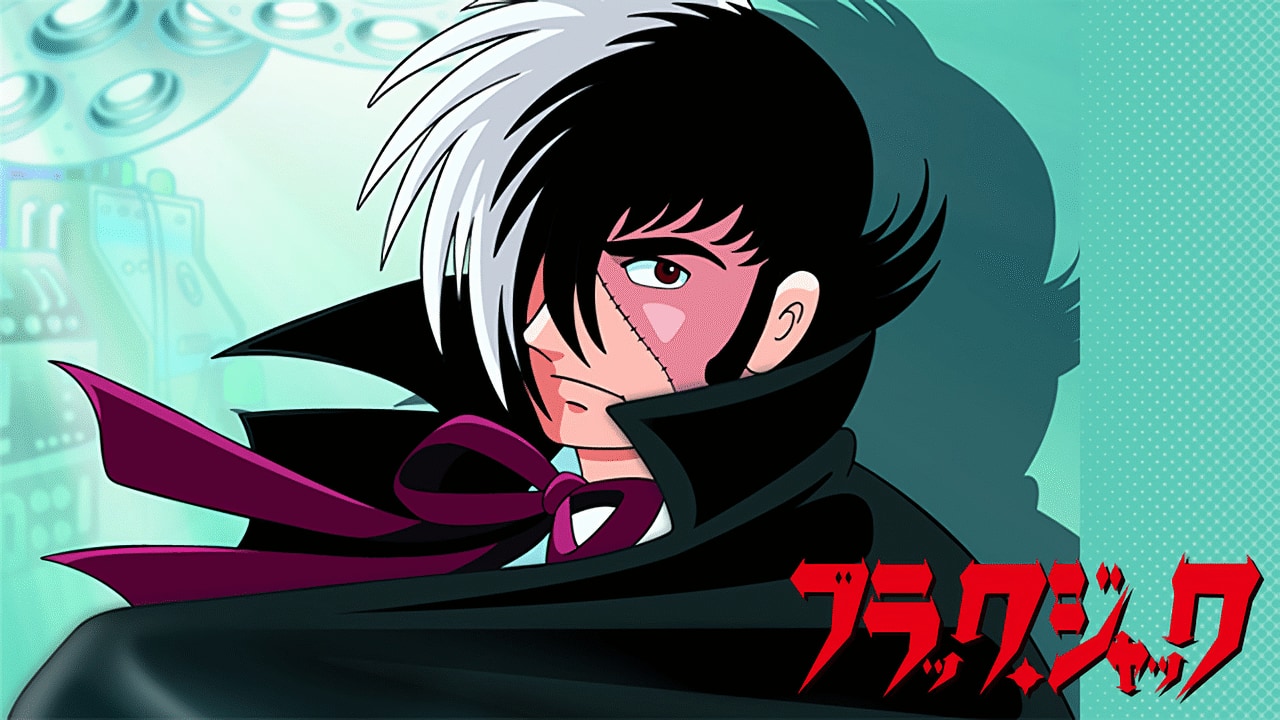
BLACK JACK Spoilers and Discussion Summary
BLACK JACK" is one of Osamu Tezuka's representative manga works, a human drama in which a genius unlicensed doctor cures many injuries and incurable diseases in exchange for exorbitant medical fees. After the serialization ended, a series of short stories continued to be published in the magazine. It is considered a pioneer and a milestone in medical manga, with many works written by other manga artists. The manga has been adapted into various forms, including movies, OVAs, live-action TV dramas, and animations.
Read Article
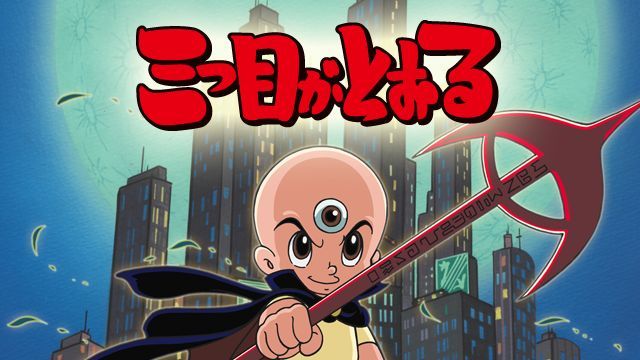
Spoiler commentary and discussion of Three Eyes Through (Osamu Tezuka)
Mitsume ga Toru" is a manga by Osamu Tezuka and an anime based on it. Sharaku Hosuke, an innocent junior high school student, is the last survivor of an ancient race, the Mitsume. When the bandage on his forehead is removed, a ruthless personality with super intelligence and psychic powers appears along with a third eye, transforming him into a demon prince. While Sharaku plans to conquer the world, he sometimes gets involved in conspiracies involving ancient ruins with his classmate Kazuto-san and others. The manga gained popularity during the occult boom and won the first Kodansha Manga Award. It is also the first animated work after the death of the creator, who was called the god of manga.
Read Article
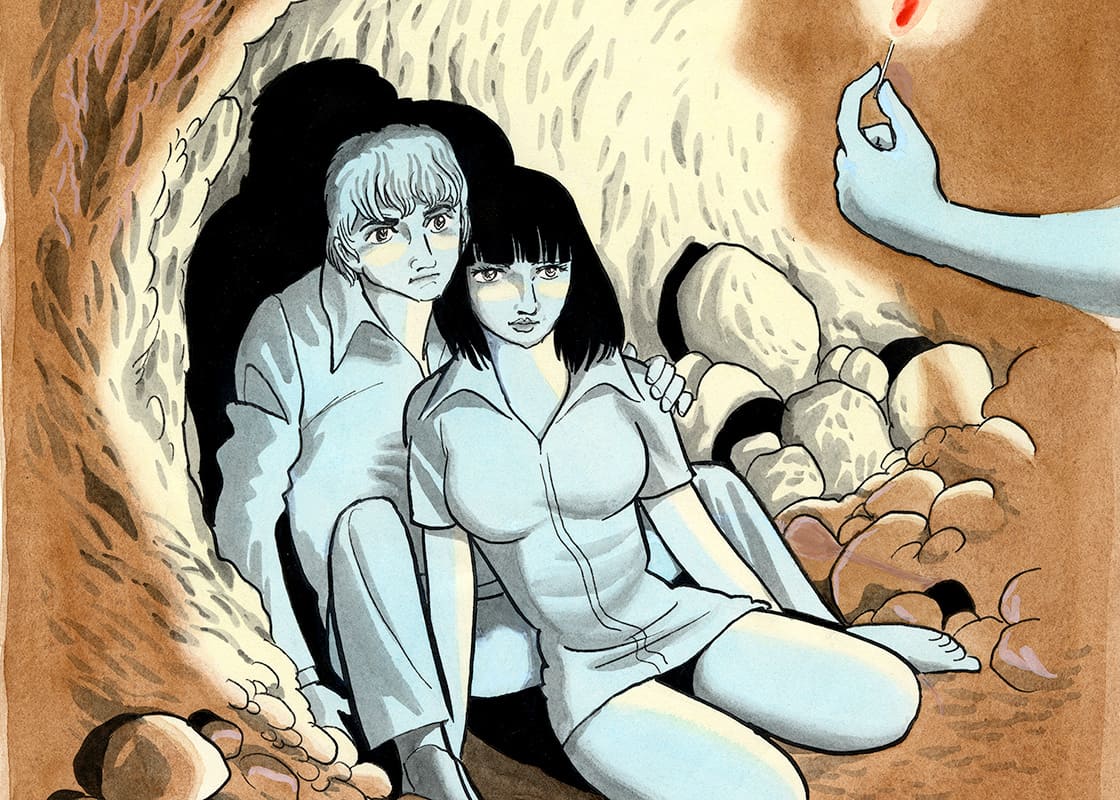
Spoiler commentary and discussion of Odd Child (Osamu Tezuka)
Kiko" is a manga work by Osamu Tezuka, serialized in Shogakukan's "Big Comic" from January 25, 1972 to June 25, 1973. The story is based on the Shimokawa Incident, which was regarded as the darkest incident in postwar history, and is intertwined with the love-hate drama of an old family. Just after World War II, when Jiro Tengai was demobilized from overseas, his youngest sister, Ayako, was added to his family. She is actually the illegitimate daughter of Jiro's sister-in-law and his father, and her presence creates tension in the family. Meanwhile, Jinro has become a spy for GHQ, and under orders from headquarters, he engages in a variety of dirty jobs and espionage activities.
Read Article
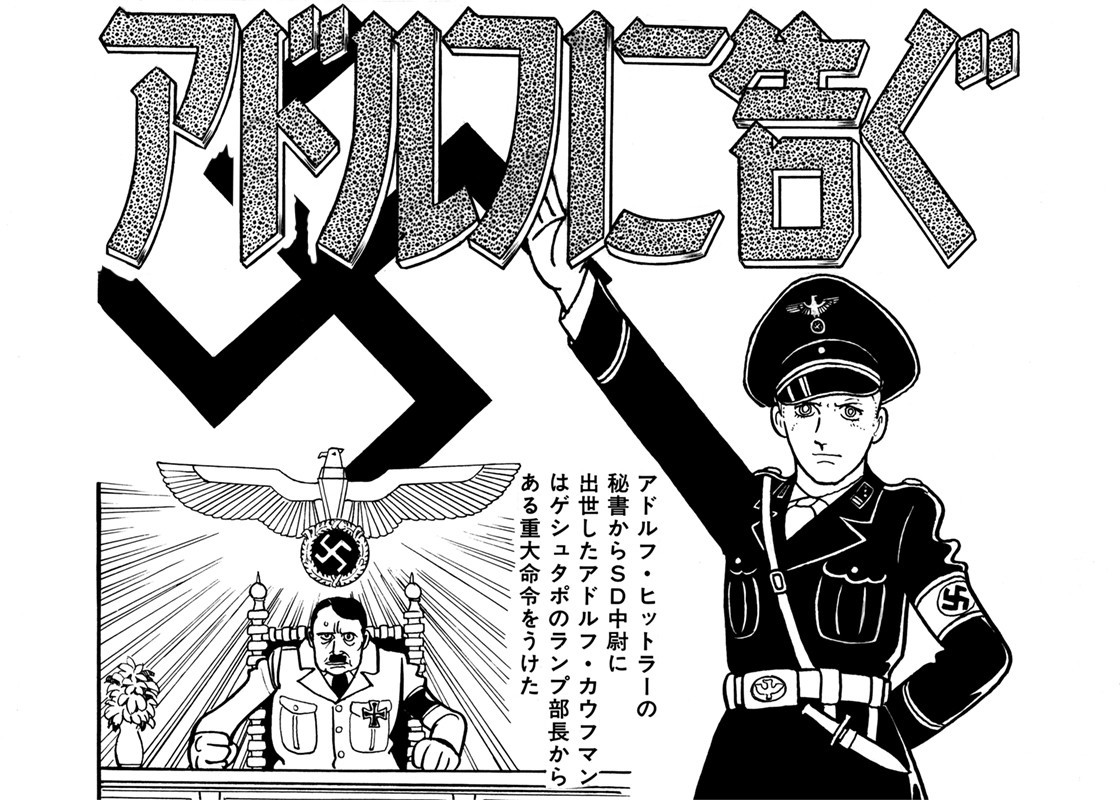
Spoiler commentary and discussion of Tell Adolf (Osamu Tezuka).
Adolf in the Dark" is a manga by manga artist Osamu Tezuka about Germany, Japan, and the three Adolfs during World War II. It was serialized in Shukan Bunshun from January 6, 1983 to May 30, 1985. It won the 10th Kodansha Manga Award in the general category in 1986, and is one of Osamu Tezuka's best works.
Read Article
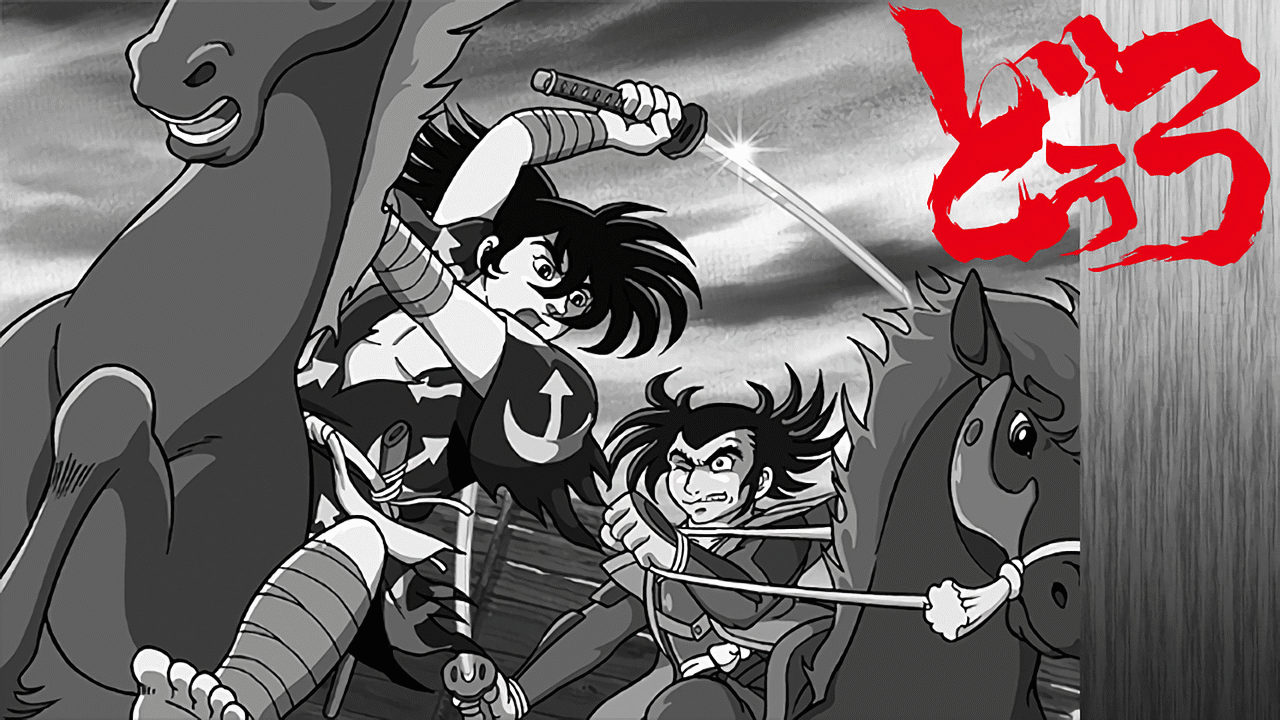
Summary of spoilers and discussion of Dororo (Osamu Tezuka)
Dororo" is a historical manga by Osamu Tezuka about the journey of Hyakkimaru, a young thief, and Dororo, a boy who chases 48 demons to recover his stolen body in the Warring States period. Hyakkimaru was born with his body stolen by 48 yokai (monsters) as a result of his father's ambition. After being rescued by a doctor, Jukai, he continues his journey to exterminate yokai in order to regain his body, when he meets a thieving boy named Dororo. Many of Tezuka's original yokai are depicted in this work, and it has a cult following.
Read Article
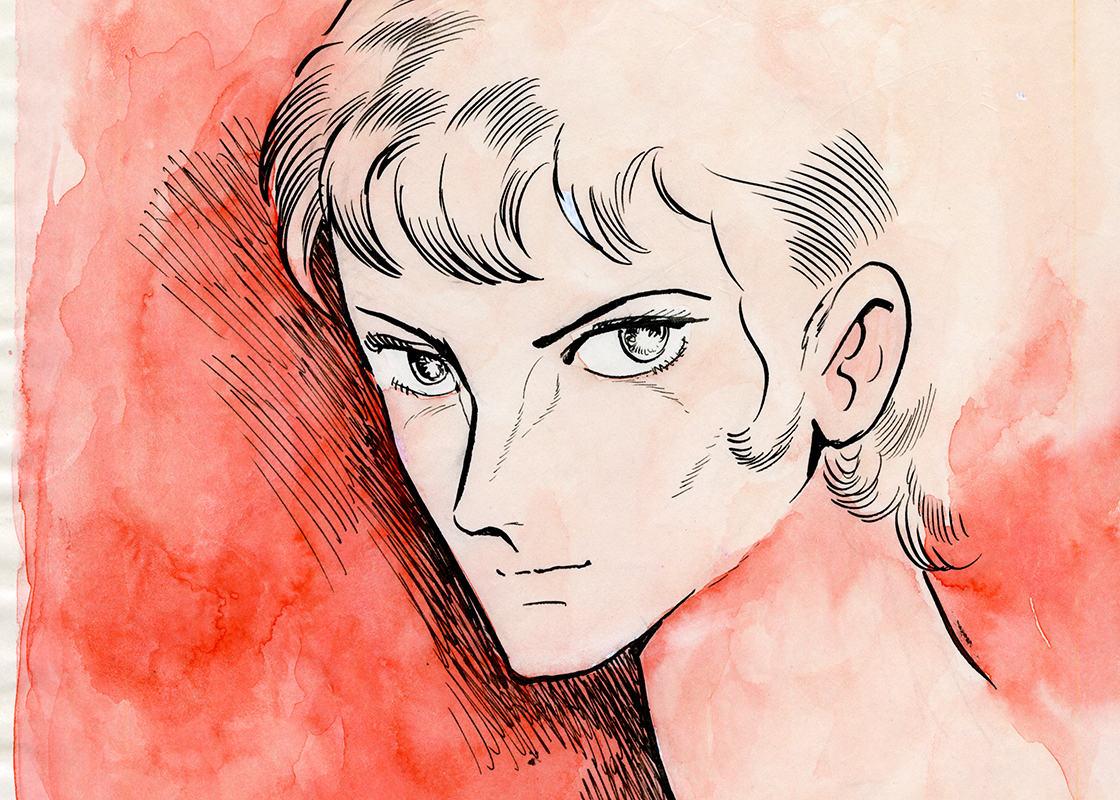
MW(手塚治虫)のネタバレ解説・考察まとめ
『MW(ムウ)』とは、手塚治虫による漫画作品。『ビッグコミック』誌上にて、1976年から1978年まで連載された。2009年には、玉木宏と山田孝之のダブル主演で実写映画版が公開されている。手塚治虫は1970年代の商業青年誌において、「同性愛」と「猟奇殺人」そして「個人VS国」や「善悪とは何か?」というタブー的な要素に取り組んだ。それらの要素が渾然一体となって作り出すドラマが作品の魅力である。南西諸島のとある小島で起きた事件で、人生を大きく狂わされた2人の青年を描いたピカレスクロマン作品である。
Read Article
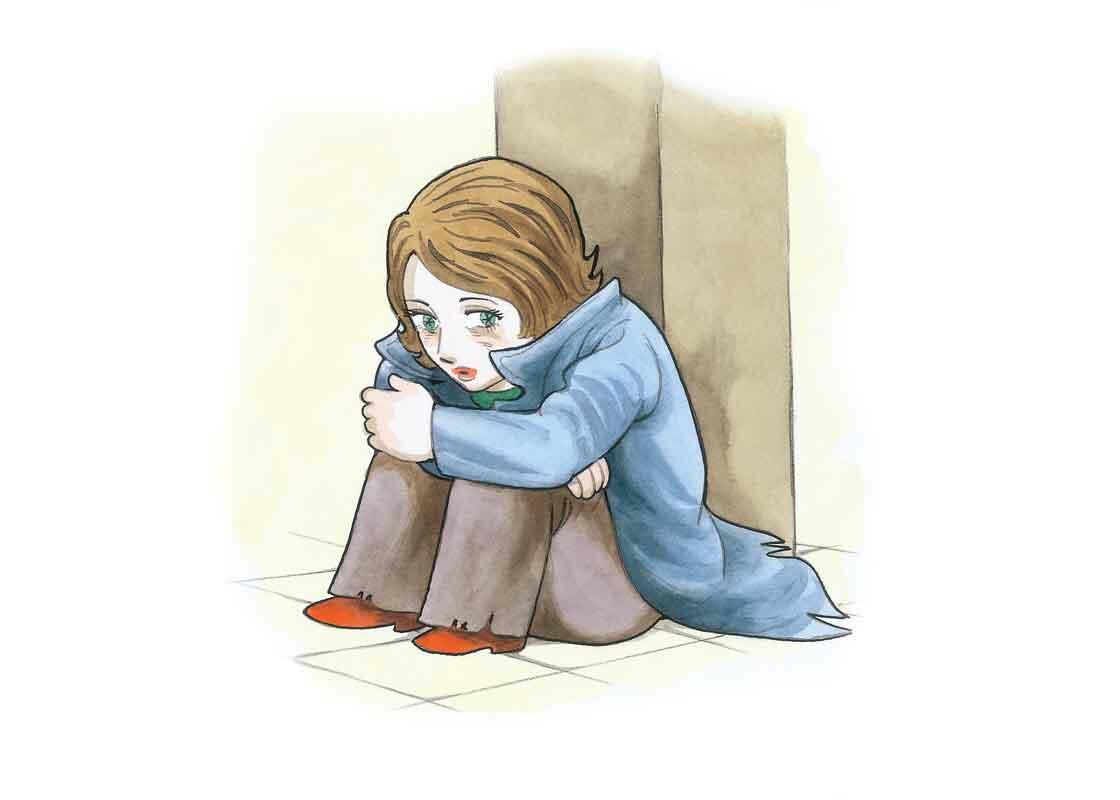
Summary of spoiler commentary and discussion of Barubora (Osamu Tezuka)
Barubora" is an adult-oriented manga about art serialized in "Big Comic" by Osamu Tezuka. It depicts a novelist called an "aesthetic genius" who reaches his peak as an artist when he meets an alcoholic hootenanny named Barbora, and then falls. It is one of the so-called "black Tezuka" works, full of underground elements such as abnormal sexual desire, black magic, and drugs, as well as male-female sexuality. In 2020, the film adaptation starring Goro Inagaki and Fumi Nikaido made headlines.
Read Article
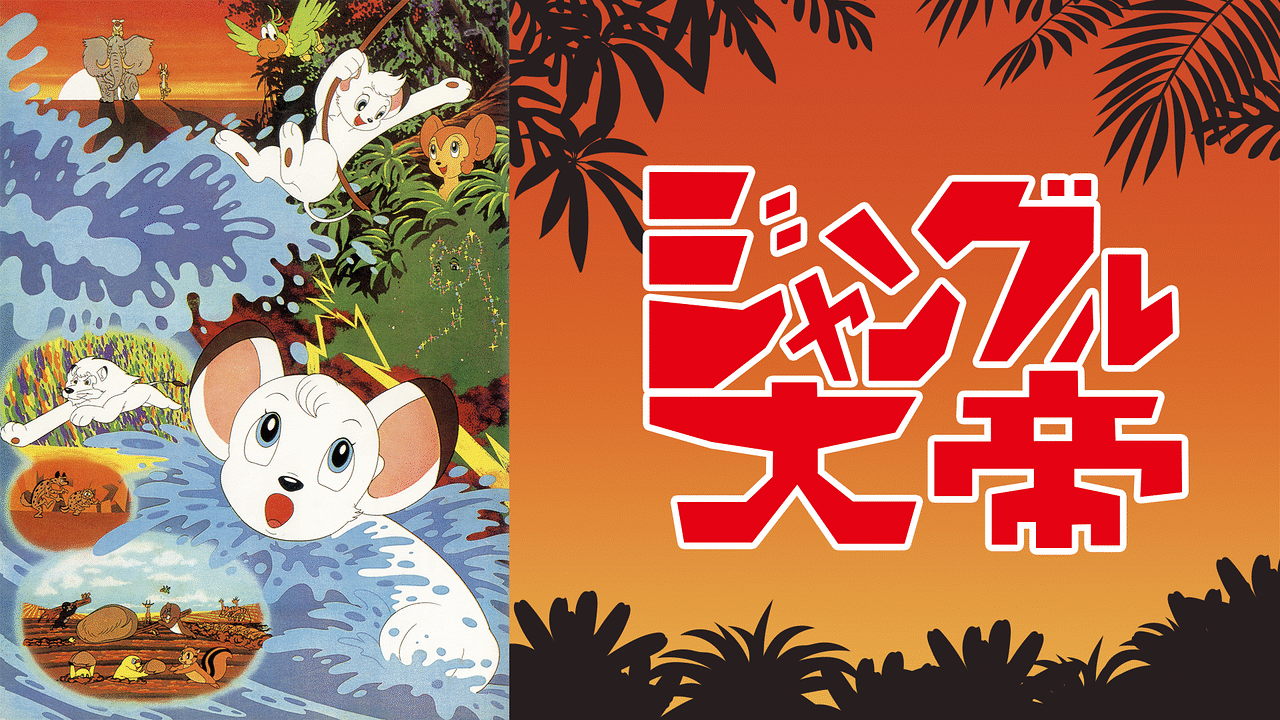
Spoiler commentary and discussion of Jungle Emperor (Osamu Tezuka)
Jungle Empire" is a Japanese manga by Osamu Tezuka and an animated film based on it. Set in a magnificent natural environment, the story centers on the main character Leo, in which we learn about the weak and strong animals, human desires, and the threats and wonders of nature. It was serialized in Gakudosha's monthly manga magazine "Manga Shonen" from the November 1950 issue to the April 1954 issue. An animated film was also produced, and it is a representative work of Osamu Tezuka's early years as well as the foundation of modern animation.
Read Article
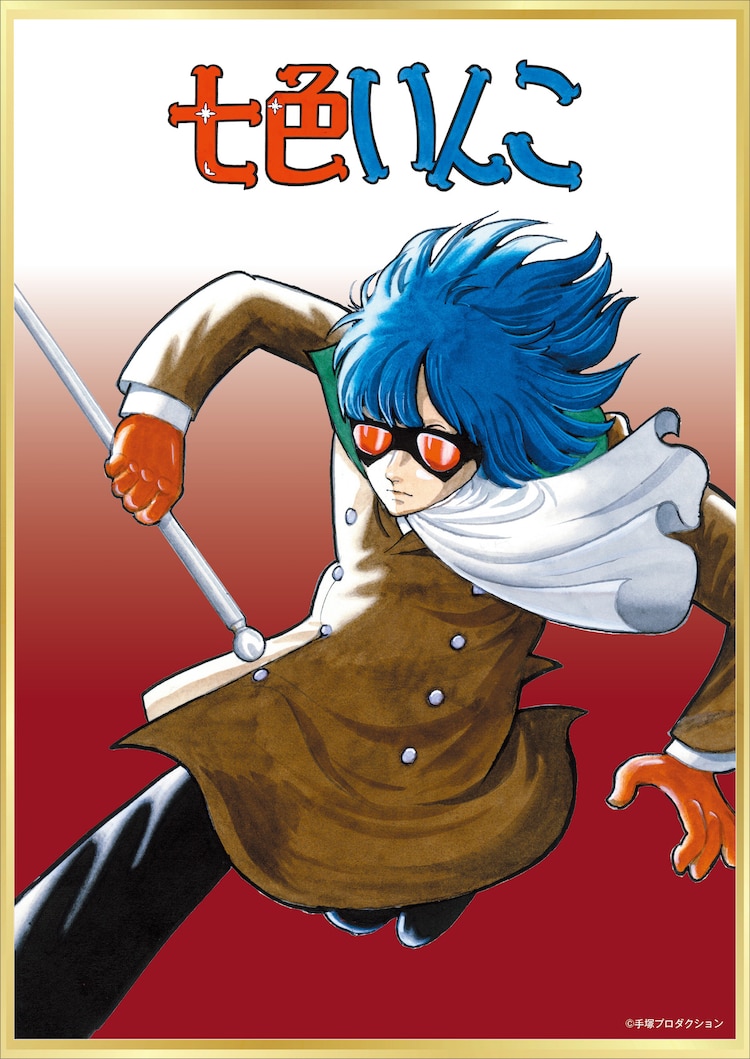
Spoiler commentary and discussion of Shichiiroinko (Osamu Tezuka)
Shichiiroinko" is a manga serialized by Osamu Tezuka in "Weekly Shonen Champion" from 1981, and a stage production based on the manga. It is a complete crime drama based on real-life plays, from foreign classics such as Shakespeare to modern plays. Shichiro Inko is a genius actor who specializes in understudies. While he charms the audience with his makeup that looks just like him and sometimes even better than him, he is also a thief who skillfully steals money and goods from the rich people in the theater. Mariko Senri, a detective sent by the police who excels in marksmanship and fighting, gradually develops a liking for Inko as she pursues him.
Read Article
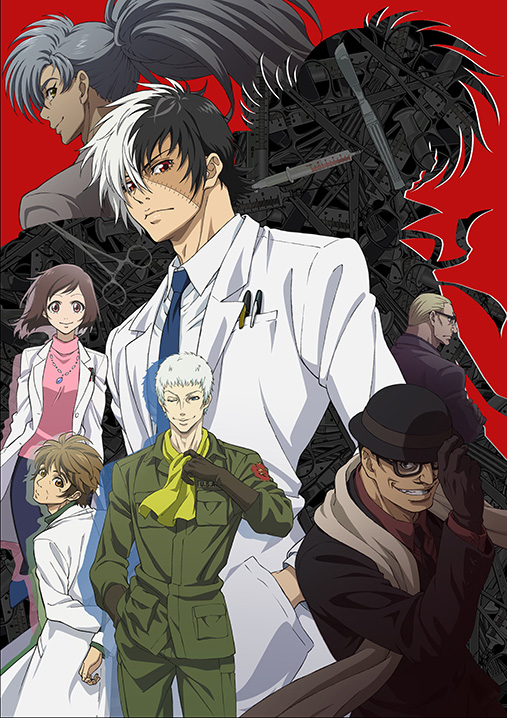
Blackjack, the man with God's hands, is back with an evolution!
Young Black Jack" began its anime broadcast in October. The story depicts the process of Black Jack becoming a black market doctor, who, despite his skill, demands an unthinkably high surgical fee. The story focuses on Black Jack as a medical student, whose tone of voice remains the same, but with a slight purity of character!
Read Article
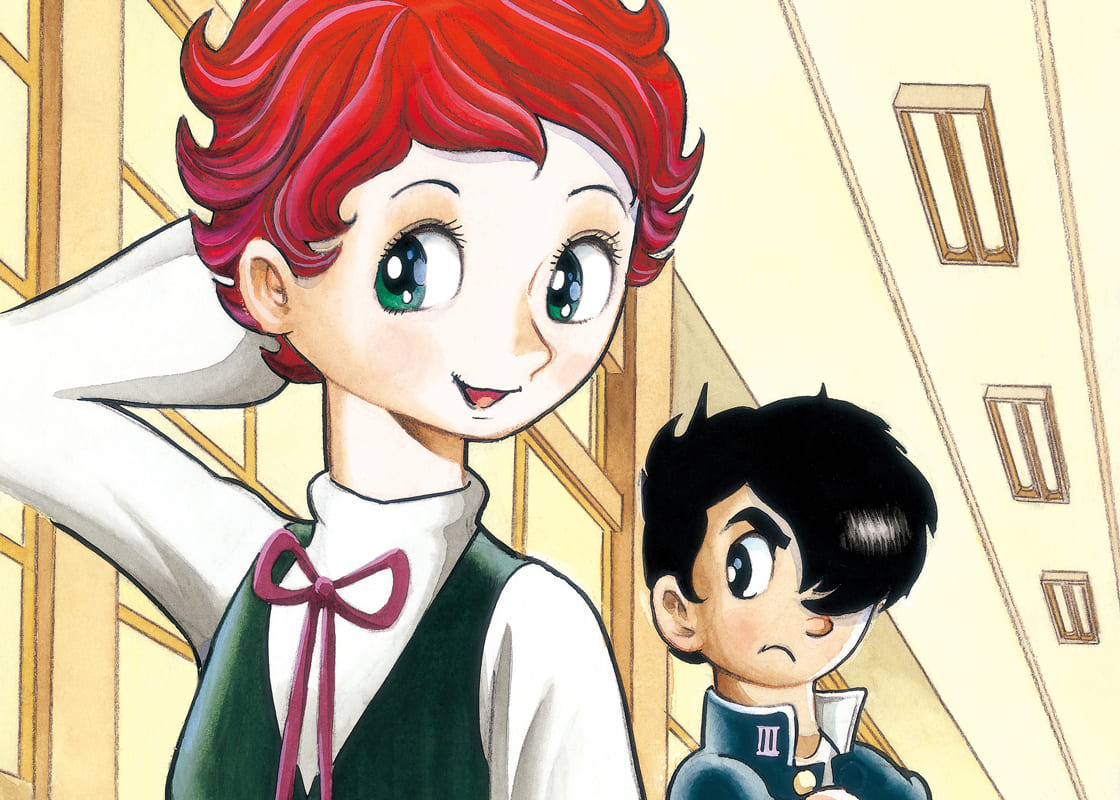
That girl I'm interested in is a Dutch wife, "Maria the Burnt".
Osamu Tezuka depicted adolescence and sexuality through the interaction of human and doll souls in "Yakezuki no Maria. This work is famous for receiving complaints from the PTA, which was sensitive to sexual expression in manga at the time.
Read Article
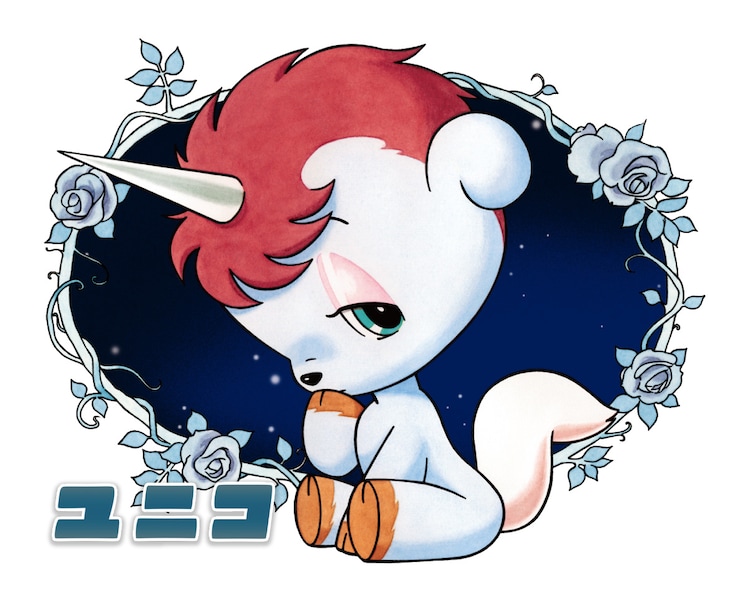
Spoilers and discussion of Unico (Osamu Tezuka)
Unico" is a fantasy manga for children serialized by Osamu Tezuka in "Lirica" published by Sanrio from November 1976 to March 1979, and in "Shogakukan" from May 1980 to July 1983. In 1983, it was made into a movie under the title "Yuniko Magical Island". Yuniko, a unicorn child, is cast out of the Land of the Gods by the evil Venus, and is transported by the spirit of the West Wind to travel through various time-spaces. Unico, who can use mysterious magic, interacts with various people in the places she visits, and brings them love and friendship.
Read Article
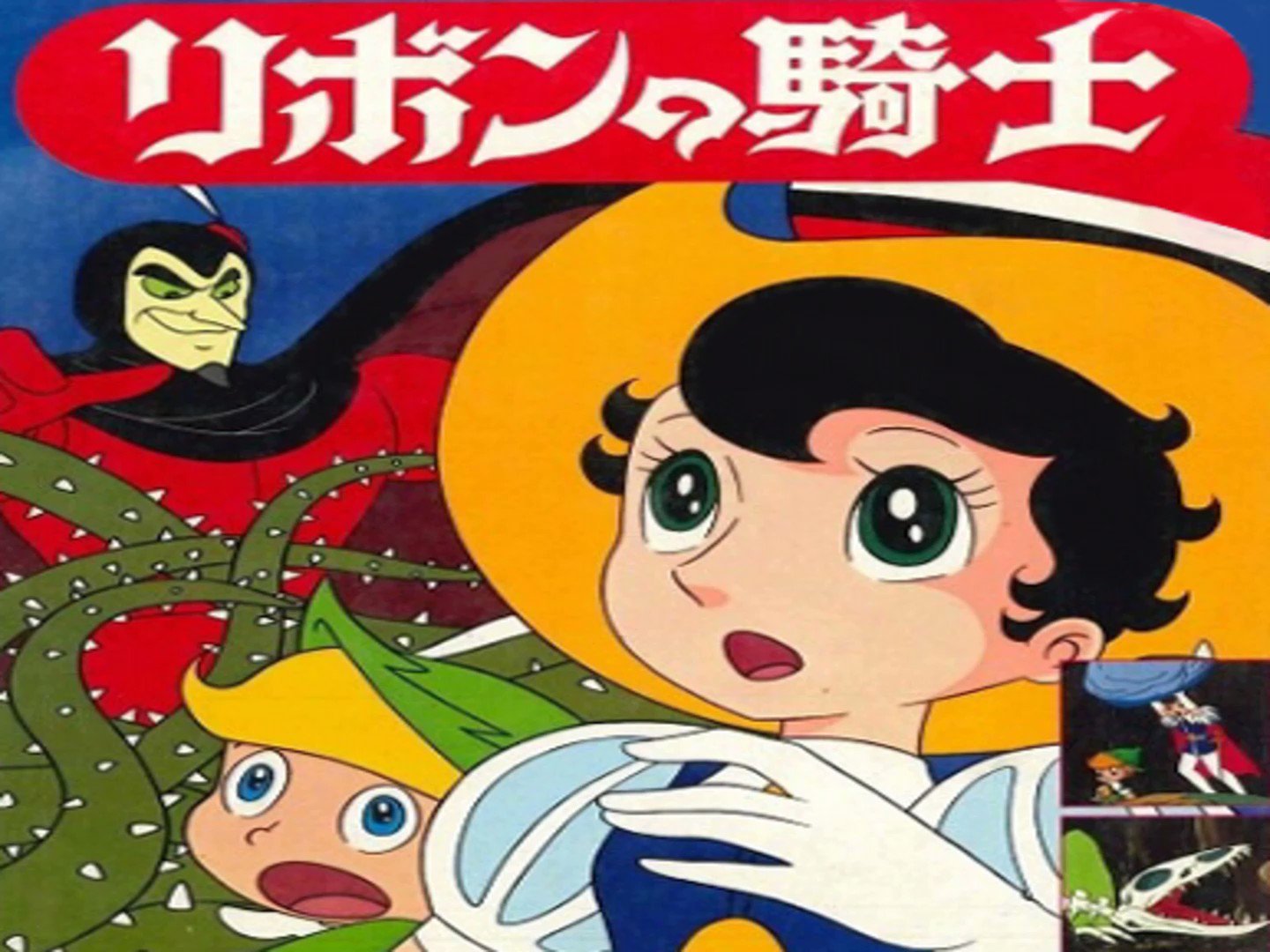
Spoiler commentary and discussion of Knight of the Ribbon (Osamu Tezuka).
Ribbon Knight" is a girls' manga by Osamu Tezuka and a media mix of anime and stage productions based on the manga. There are three versions. Set in a different world, it fantastically depicts the story of the main character Sapphire, who has the hearts of a man and a woman, and fights against evil people. It is known as a pioneer of story manga for girls, and has had a great influence on subsequent works.
Read Article
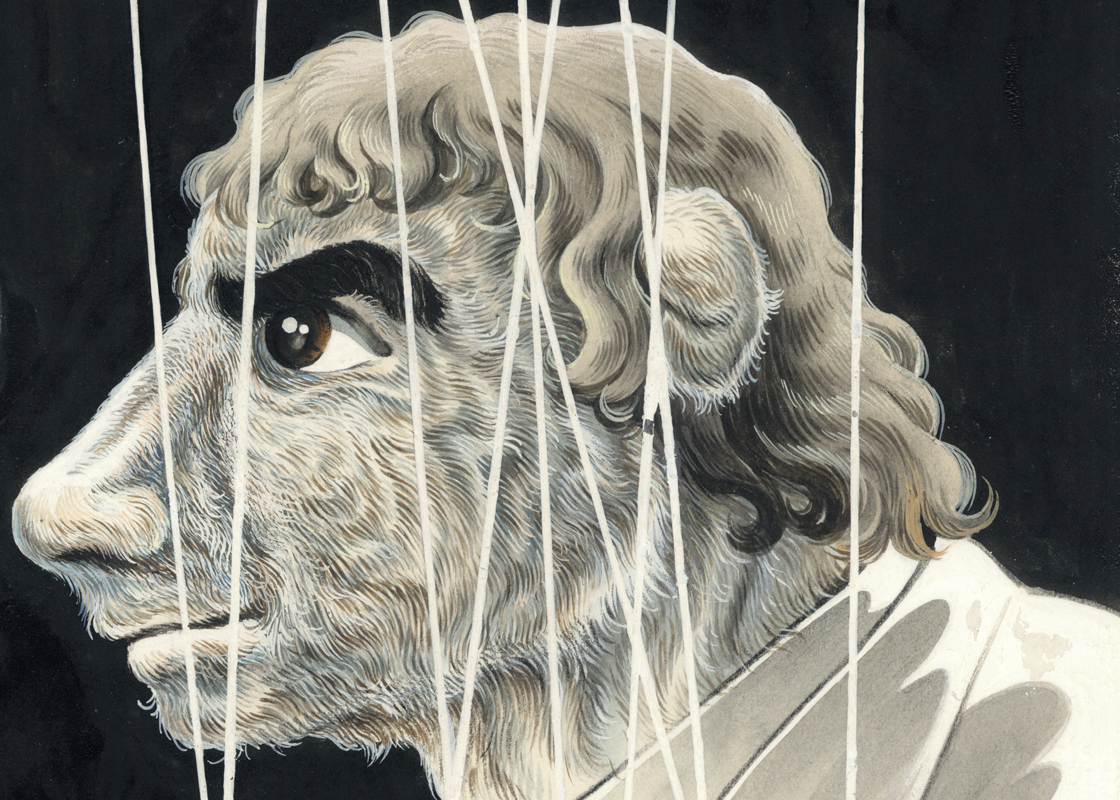
きりひと讃歌(手塚治虫)のネタバレ解説・考察まとめ
『きりひと讃歌』とは、手塚治虫原作の医療・社会派漫画。『ビッグコミック』誌上にて、1970年から1971年まで連載された。手塚初の本格的長編医療ドラマとして知られており、後の代表作『ブラック・ジャック』や『陽だまりの樹』のプロトタイプ的作品でもある。また、手塚治虫を医療漫画のパイオニアへと押し上げた作品として高評価された。同作品は、モンモウ病という奇病に罹患して外見が犬のように変化した主人公の医師が、様々な差別や社会的圧力に見舞われながらも病気の真相を究明していく医療長編漫画である。
Read Article
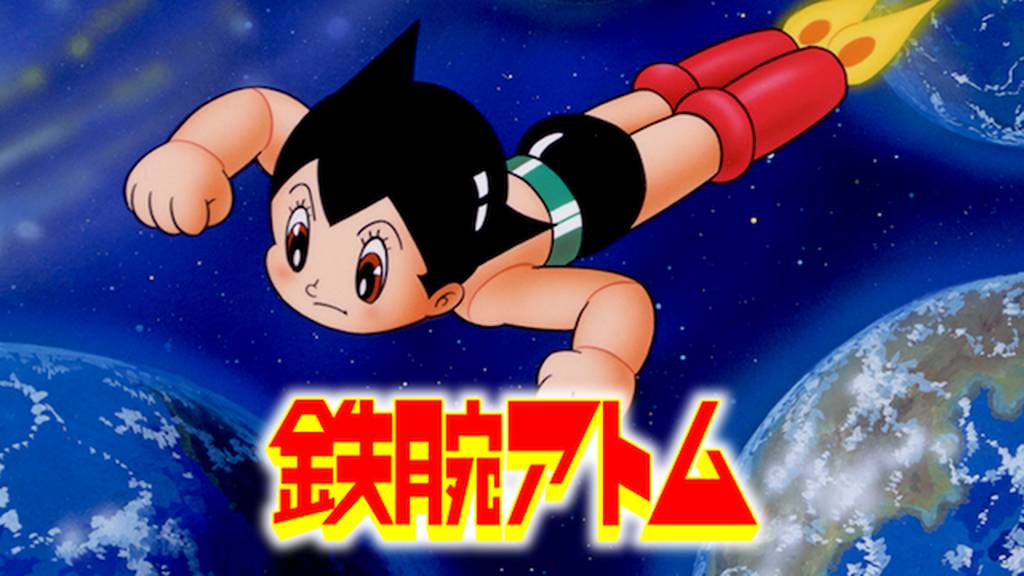
鉄腕アトム(手塚治虫)のネタバレ解説・考察まとめ
『鉄腕アトム』とは、手塚治虫による漫画作品。テレビアニメ版や実写版など様々なメディアミックスが行われていることでも有名であり、手塚治虫の代表作の1つに挙げられている。『鉄腕アトム』の原作漫画は、光文社の月刊漫画雑誌『少年』にて1952年から1968年まで連載された。コミックスは、『講談社手塚治虫全集』全18巻をはじめ様々なバージョンが存在する。人間に似た心を持つ少年型ロボットアトムが、人間とロボットとの関係の狭間で地球の平和のために数々の難事件や敵に挑む姿を描いたSF作品である。
Read Article
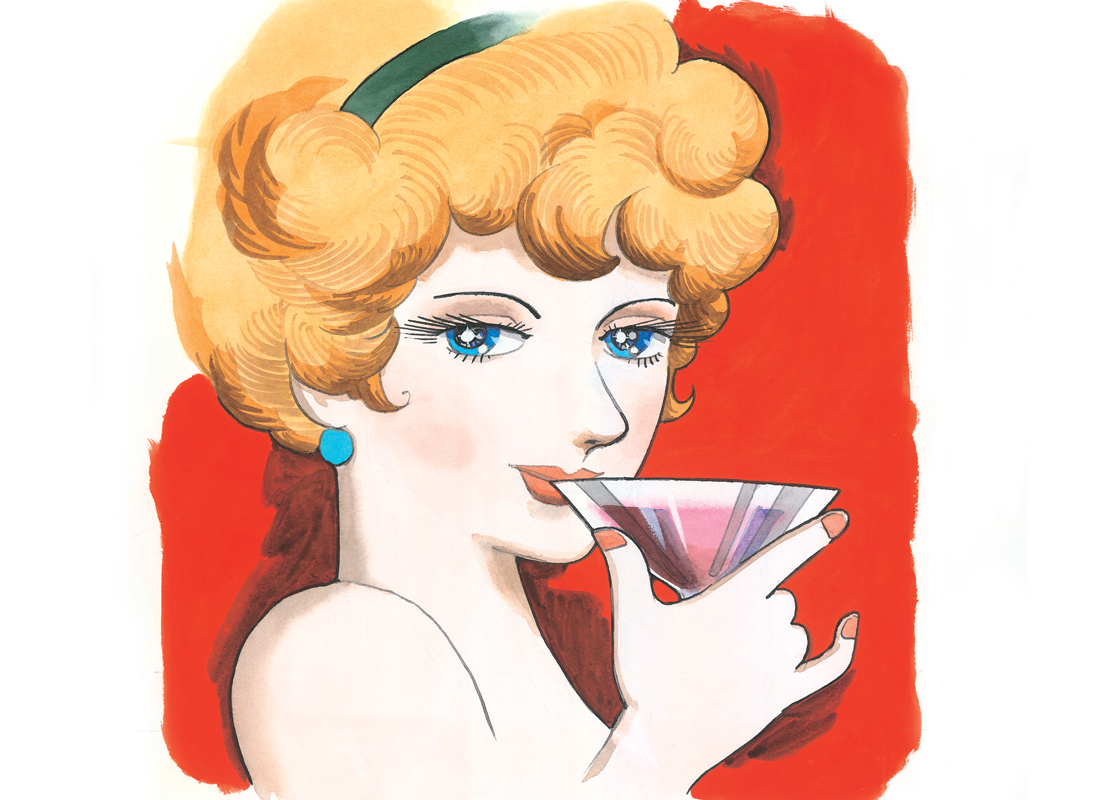
地球を呑む(手塚治虫)のネタバレ解説・考察まとめ
『地球を呑む』とは、手塚治虫原作のサスペンス漫画。『ビッグコミック』誌上にて1968年から1969年まで連載された。長編漫画でありながら、随所にアナザーストーリーとしての短編が挿入された作風は後の漫画作品に多大な影響を与えた。また、所謂青年漫画のはしりとしても知られている。『地球を呑む』は、男性たちを翻弄して世界を滅ぼさんとする「ゼフィルス」という名前の絶世の美女、そして唯一ゼフィルスに惑わされない主人公の青年との人間ドラマを通して、世界の変容を描いたサスペンス大河漫画である。
Read Article
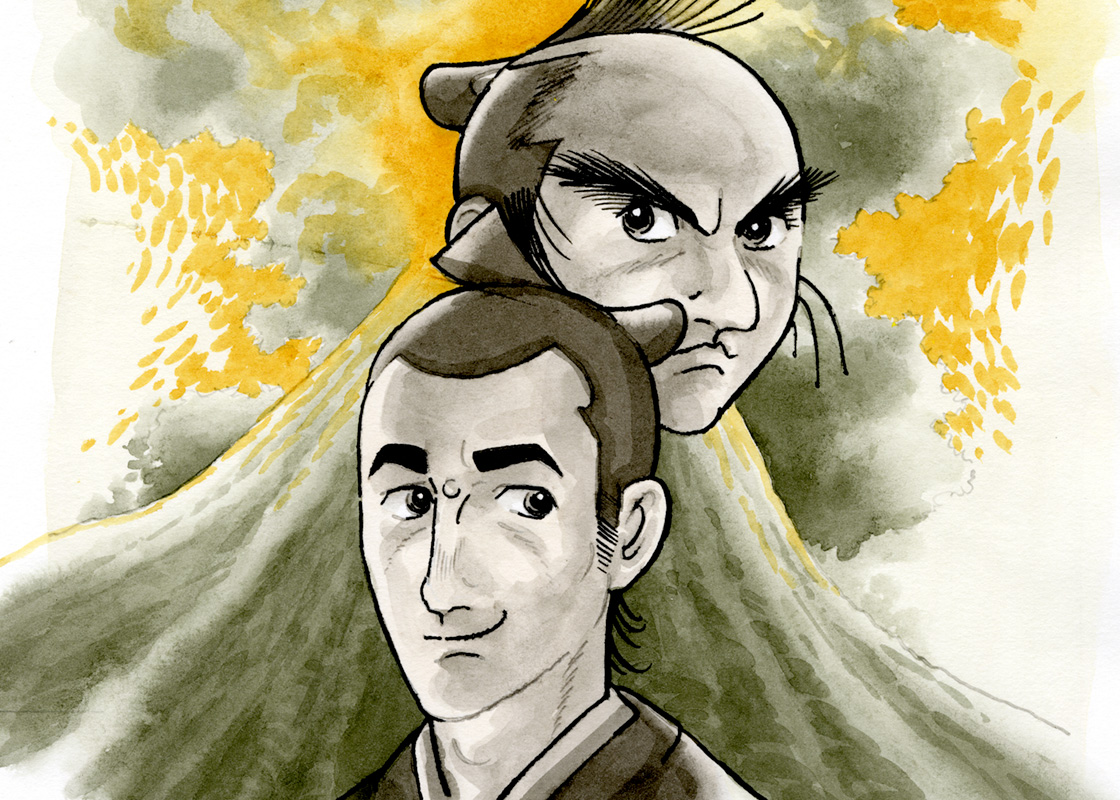
陽だまりの樹(手塚治虫)のネタバレ解説・考察まとめ
『陽だまりの樹』とは、手塚治虫原作の長編歴史漫画、及びそれを基にしたテレビアニメ・テレビドラマ。原作漫画は、1981年から1986年まで『ビッグコミック』誌上にて連載された。テレビアニメ版は2000年、テレビドラマ版は2012年に放映された。同作品は手塚治虫の曽祖父手塚良仙と彼と同世代の架空の武士伊武谷万二郎を狂言回しにして、開国と倒幕という激動の時代となった江戸末期を描いた壮大な歴史大河ドラマ作品である。
Read Article
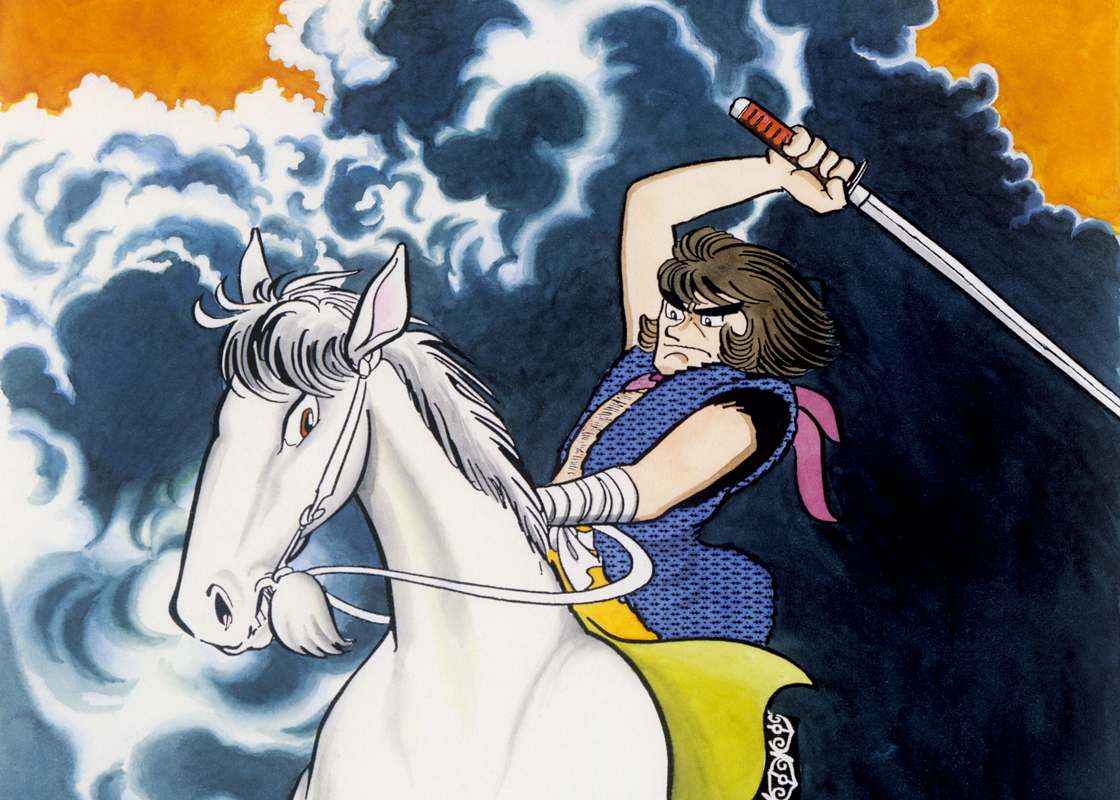
シュマリ(手塚治虫)のネタバレ解説・考察まとめ
『シュマリ』とは、手塚治虫による明治時代初頭の北海道を舞台にした歴史漫画作品。『ビッグコミック』誌上にて、1974年から1976年まで連載された。手塚作品の中でメディアミックスされていないが、ファン人気の高い作品として知られている。骨太の主人公を中心に激動だった明治初期の北海道を描き切った大河ドラマ的作風は、手塚漫画の魅力をさらに広げたとも評されている。主人公の元旗本は、自分から逃げた妻と間男を追って北海道へやって来た。そこでアイヌの人々と文化に魅せられて「シュマリ」と名を変え生きていく。
Read Article
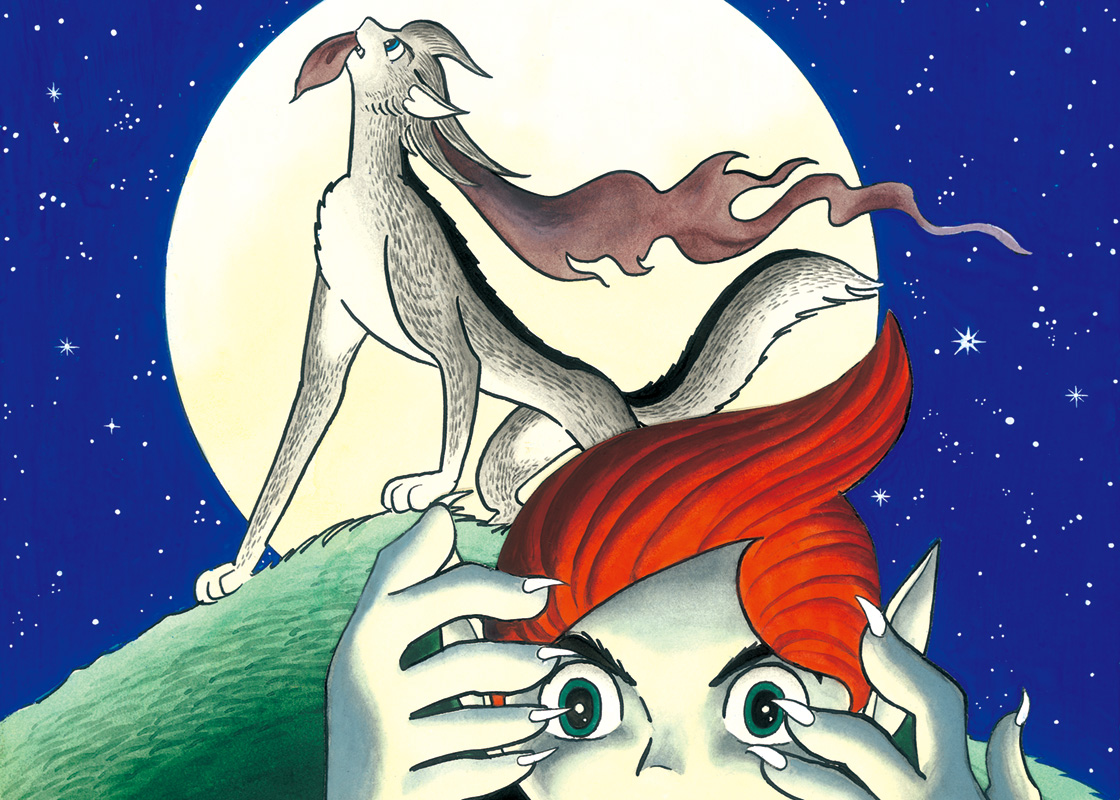
バンパイヤ(手塚治虫)のネタバレ解説・考察まとめ
『バンパイヤ』とは、手塚治虫原作の長編SF漫画。第1部が1966年から1967年まで『週刊少年サンデー』に、第2部が1968年から1969年まで『少年ブック』に連載された。同作品はテレビドラマ化されており、水谷豊の主演デビュー作として知られている。『バンパイヤ』は、狼に変身する少年と世界征服を目論む少年を2人を中心に物語が展開されるSFサスペンス漫画である。シェイクスピアの『マクベス』をモチーフにして展開されるストーリーは、悪の魅力を湛えたピカレスクロマンの様相を呈していて人気を博した。
Read Article
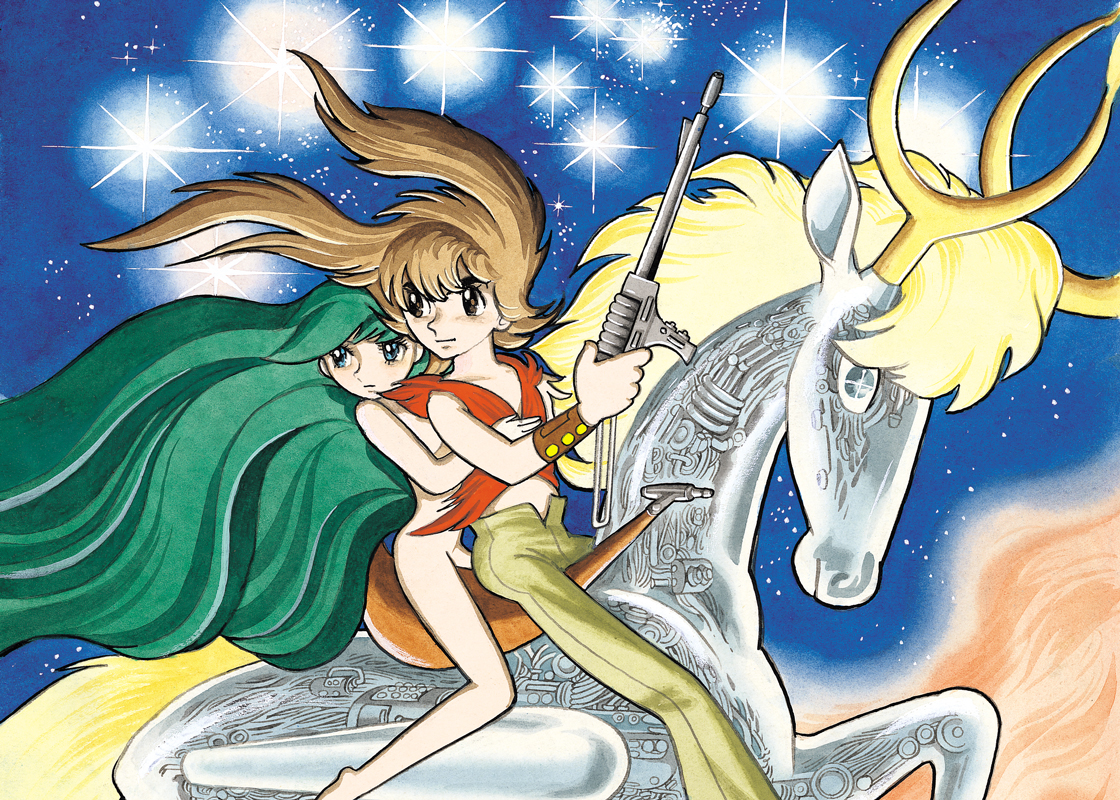
未来人カオス(手塚治虫)のネタバレ解説・考察まとめ
『未来人カオス』とは、手塚治虫原作のSF漫画。『週刊少年マガジン』にて、1978年に連載された。連載当時一大ブームを巻き起こしたSF映画『スターウォーズ』の影響が濃い作品と評されており、SFに友情の要素を絡めたストーリーテリングや個性的な異星人キャラクターなどが描かれて多くのファンを魅了した。主人公の青年、須波光二(すなみこうじ)が無二の親友大郷錠(だいごうじょう)に裏切られて宇宙に捨てられた後、名前をカオスと改めて生き延び異星人との邂逅を果たして友情を育んでいくという大河SF作品である。
Read Article
Spoiler commentary and discussion of Dilettante Up to Down (Osamu Tezuka).
Jiretta to Ue wo Shimpo e no Jiretta" is a black humor manga by Osamu Tezuka depicting the commotion surrounding "Jiretta," a virtual reality-like delusional world. It tells the story of Ichiro Monzen, a talented and ambitious producer, who tries to satisfy his lust for honor by taking advantage of Kimiko Echigo, who has a peculiar constitution that allows her to become an immensely beautiful woman only while hungry, and her lover, Otohiko Yamabe, in a seven-fold attempt. Although not as well known as some of Tezuka's works, the story was adapted for the stage in 2017 under the title of delusional song drama "Jiretta to Ue wo Shita e no Jiretta," with Yutaka Yokoyama in the lead role.
Read Article
Young Black Jack End Card Summary
The anime "Young Black Jack," which chronicles BJ's journey to becoming a black market doctor, has just finished airing! In this issue, we will look back at all the end cards from episode 01 to 12 (the final episode).
Read Article
The Man with God's Hand: A Summary of Discussion of Black Jack's Life and Mysteries
Osamu Tezuka's manga "Black Jack. Osamu Tezuka was undoubtedly a genius in his ability to depict the perfect human drama in a single complete story. For those who have never read the manga, and even for those who have, Black Jack is a man of mystery. In this issue, we will look into the true nature of Black Jack, how the black man in between became the legendary unlicensed doctor Black Jack, and who the hell Black Jack is.
Read Article

Summary of the magazine's past heroines
Shonen Magazine" is one of the longest running weekly shonen manga magazines in Japan. Over its long history, the magazine has produced numerous masterpieces and supported Japanese manga culture. Because of the "shōnen manga" (boys' manga) concept, most of the main characters are boys, but the heroines who support them are also an integral part of the story, and are depicted in an attractive manner. The heroines are childhood friends, students, outsiders, and people from other worlds, and their relationships range from lovers to friends to rivals. Here we introduce some of the heroines who have graced the pages of the magazine.
Read Article
Sin or Healing? Excerpts of female characters from various editions of The Firebird
Osamu Tezuka's unfinished magnum opus, The Firebird. Eternal life, love, and honor. In this story, in which various desires are intertwined, we have compiled a list of women who color the story as well as the firebird.
Read Article

[I might have seen this character somewhere!] Summary of manga with star system
When you are reading manga, you get excited when you see a character you care about in a different work by the same author, don't you? We have compiled a list of works in which the "star system" is used.
Read Article
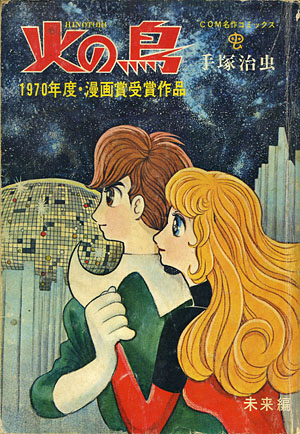
Is it the distant past or the near future? Summary of "The Bird of Fire: The Future
The "Firebird" is frequently mentioned as a representative of Osamu Tezuka's works. Among the many stories from different eras in each series, we have compiled a summary of the future version, which can be placed at both the beginning and the end of the series, and is in an unusual position.
Read Article
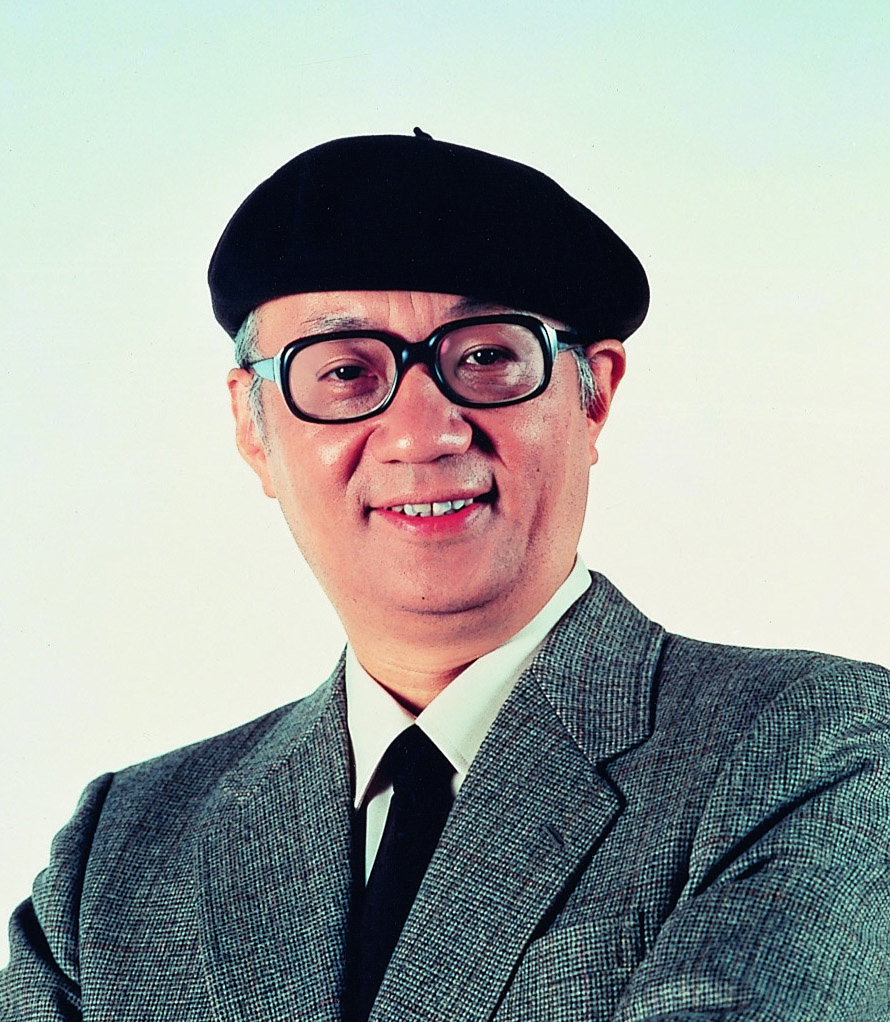
A compilation of Osamu Tezuka's jealousy legends! Introducing some of his outrageous rants!
Although Tezuka Osamu was known as the "God of Manga," he was actually famous as a "jealous devil. He was said to have been in constant trouble with popular cartoonists, such as Shigeru Mizuki and Shotaro Ishinomori, for his unsparing criticism of them. Here are some of his jealous comments toward famous cartoonists.
Read Article
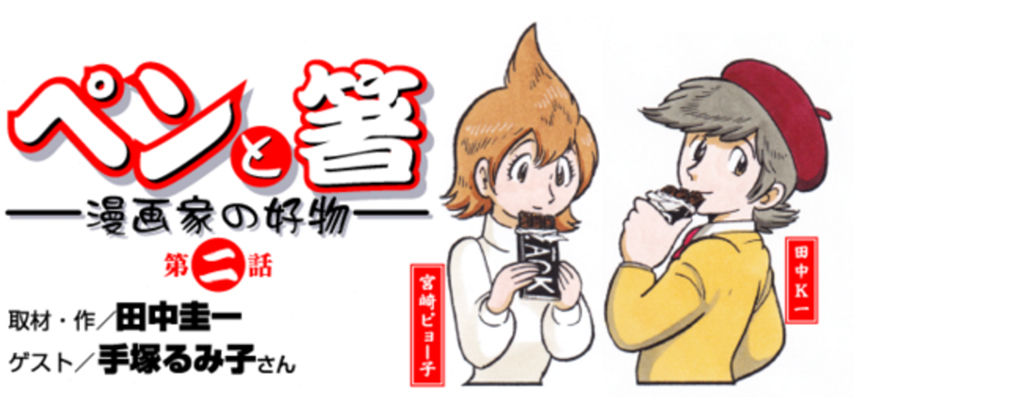
Do you know the essay manga [Keiichi Tanaka's Pen and Chopsticks - Manga Artist's Favorite Food -] serialized in Gurunavi?
Mr. Keiichi Tanaka is a pioneer in establishing a gag style of undertones in the style of Osamu Tezuka, a master of the manga world. Mr. Tanaka is currently writing a series of essay cartoons on the website "Gurunavi" focusing on "food" related to the manga artist and his family, and they are very interesting! We would like to introduce his family, who are also active as cartoonists and in other fields, through his works.
Read Article
A unique interpretation of the musical genius Beethoven...!
Beethoven is a well-known musical genius. The following is an introduction to the film "Ludwig B.," which depicts his life intertwined with the strange fate of a certain man.
Read Article
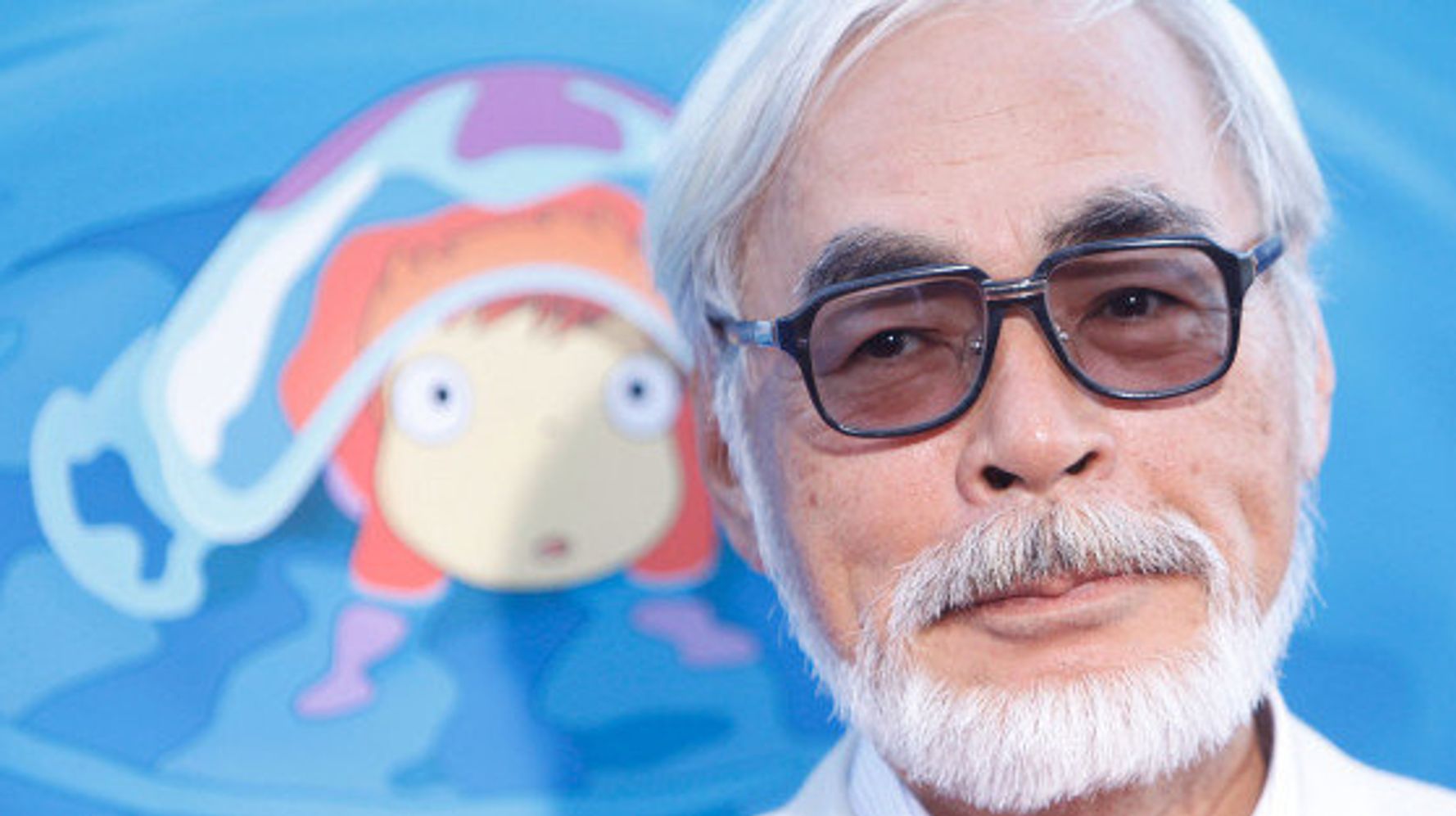
Animation fans are arguing over who is better, Hayao Miyazaki or Walt Disney! Some say they should be compared to Osamu Tezuka.
Hayao Miyazaki and Walt Disney have produced numerous masterpieces. We have compiled a list of opinions from animation fans on who is more amazing. Some say that both are too great to compare, and others give their reasons for supporting each. Some said that Osamu Tezuka and Walt Disney should be compared, not Hayao Miyazaki. Tweets from fans and reactions from Hayao Miyazaki are also featured.
Read Article
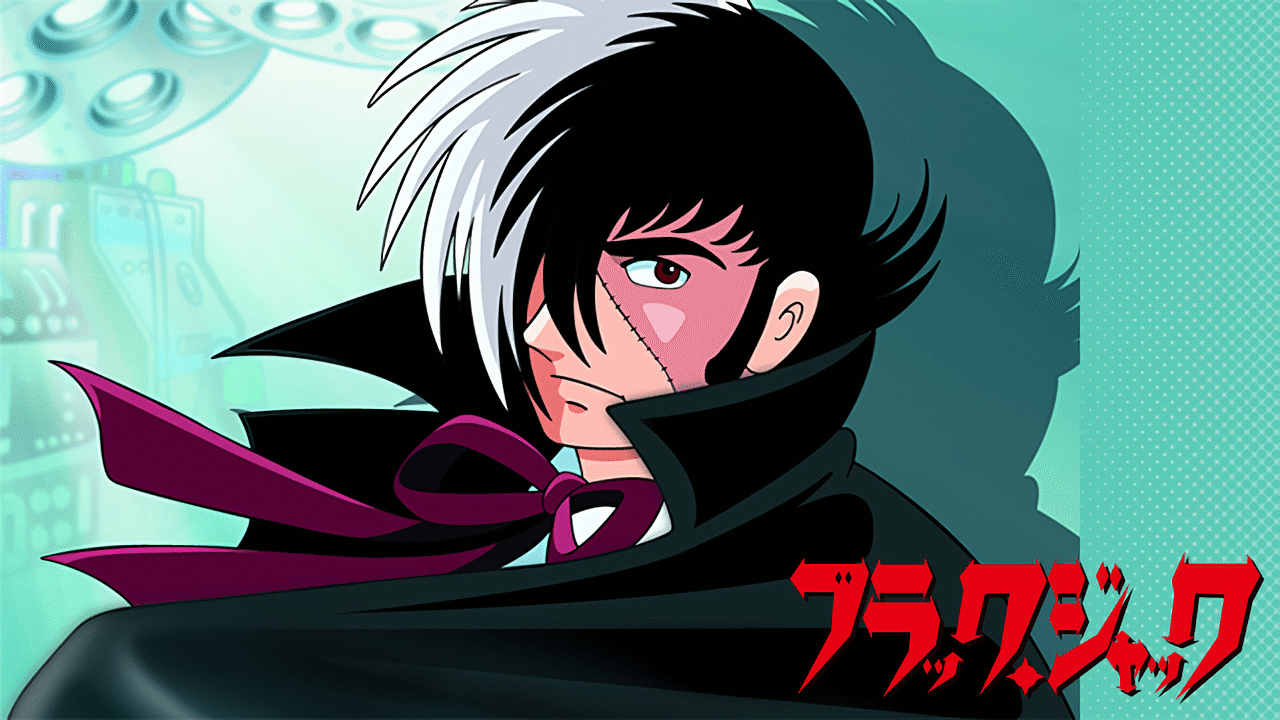
Black Jack Quotes and Lines of Wisdom [That's what I wanted to hear].
Here we introduce some quotes and lines from "Black Jack," one of Osamu Tezuka's manga masterpieces. In addition to Black Jack's lines, we have also compiled lines that reveal Tezuka Osamu's philosophy, such as his mentor's "Don't you think it's absurd that human beings should be free to live and die as they wish?
Read Article
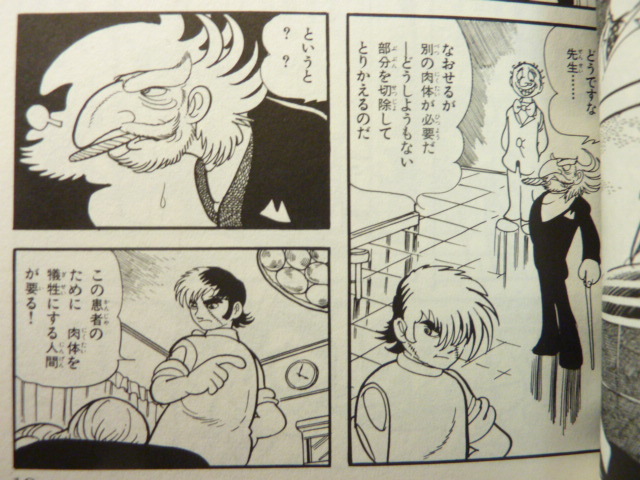
Spoilers and Comments for "Black Jack" Episode 1: "Where's the Doctor!" Spoilers and Thoughts on
Osamu Tezuka created such masterpieces as "Astro Boy," "The Bird of Fire," and "Jungle Emperor. Among his works, "Black Jack" is considered a "masterpiece of medical manga" and is still highly popular today. In this issue, we will summarize the stories included in the first volume, taking into account the features of the new edition released in 2004. (*No reference images)
Read Article
Contents
- Summary of "The Bird of Fire
- Synopsis and story of "The Bird of Fire
- The first film Dawn (1954, 1967)
- Manga Shonen" edition (1954)
- COM" edition (1967)
- Second film: The Future (1967)
- The third Yamato version (1968)
- The fourth film Space (1962)
- Fifth film: The Phoenix Arc (1969)
- The sixth film: Resurrection (1970)
- The seventh film Hagoromo (1971)
- Eighth film: The Desired Home (1971, 1976)
- Magazine "COM" edition (1971)
- Magazine "Manga Shonen" edition (1976)
- The "single volume" edition (1980)
- Kadokawa" edition (1986)
- Ninth film, Ransei (1973, 1978)
- Magazine "COM" edition (1973)
- Magazine "Manga Shonen" edition (1978)
- The 10th Life (1980)
- The 11th film, The Variant (1981)
- The 12th film: The Sun (1986)
- Break INTERMISSION (1971)
- The Bird of Fire" published in the magazine Shojo Club, Egypt, Greece, and Rome (1957)
- Earth version (conception only)
- Regeneration (conception only)
- Thirteenth work, complete and modern (conception only)
- Narrative Structure of The Firebird
- Characters and Characters in The Firebird
- Firebird (phoenix, phoenix, phoenix, firebird, flaming bird)
- Saruta (Sarutahiko, Dr. Saruta, Gao, Kurama Tengu, Oyaji, Hachigi Iemasa)
- nagi (species of conifer, Nageia nagi)
- Takeru (first generation, upstream)
- Prince Oguna (Yamatotakeru)
- Masato Yamanobe
- Rock (Rock Home)
- lobby
- Moopy (Tamami)
- Makimura (Goro Makimura)
- madder and marbled rockfish (Sebastiscus marmoratus)
- Chihiro (No. 2545, 61289)
- blue-green algae (esp. Microcystis spp.)
- Yaakonbiyouni (Sakonosuke)
- Famous Scenes from "The Firebird
- It's a world" (the first film, Dawn)
- Saruta receives a curse as punishment (2nd work, Space)
- Yamatotakeru and the Sword of Kusanagi (3rd work, Yamato-hen)
- Songs from Beneath the Grave (3rd film, Yamato version)
- Two people reunite after 3 billion years (second film, future version)
- Beautiful World (5th Phoenix version)
- The Last of Saruta=Gaio=Kurama Tengu and the Firebird (9th work, Ransei)
- I Don't Need the Blood of a Firebird (12th Film, The Sun)
- Backstories, trivia, and small stories/episodes/anecdotes about "The Firebird".
- At the time of its planning, the Tezuka manga "Buddha" was the Oriental version of "The Bird of Fire.
- Manga artist Katsuhiro Otomo, known for "Akira" and other works, is a fan of "The Firebird.
- Manga artists Shigeru Mizuki and Fujio Akatsuka have appeared.
- Osamu Tezuka's death was attended by 10,000 people, and the media reported that "Tezuka Osamu is now the eternal 'firebird' of the world.
- Media mix works of "The Firebird
- cartoon
- The Firebird" (2004)
- The Firebird" (2004) OP "The Firebird
- The Firebird" (2004) ED "The Firebird
- animated film released direct-to-video
- The Firebird" (unproduced)
- Firebird 2772: Cosmozone of Love (1980)
- The Bird of Fire: The Phoenix Arc" (1986)
- Hi-no-Tori: The Phoenix Arc" OP "Hi-no-Tori" (Firebird)
- ED "Hi-no-Tori: The Bird of Fire, Phoenix Arc" "Hi-no-Tori" (The Bird of Fire)
- animated film released direct-to-video
- Animation for planetarium facilities
- The Bird of Fire -Kizuna-" (2012)
- game
- novel
- stage (theater, theater)
- radio
- live action film
- The Firebird" (1978)