
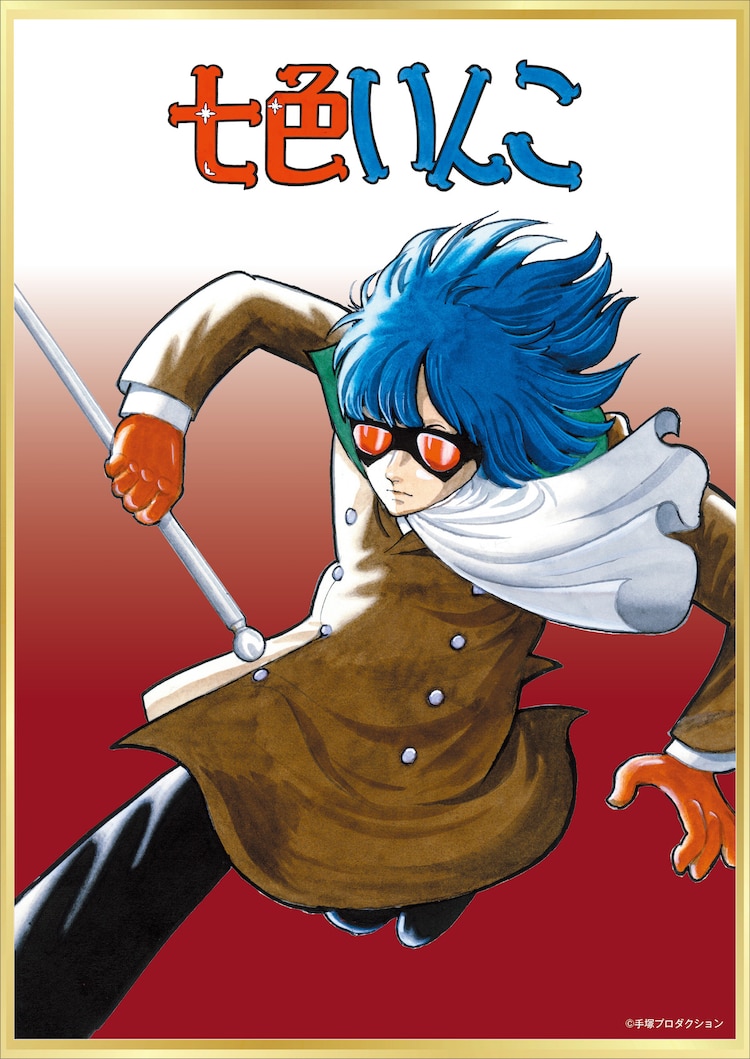
Shichiiroinko" is a manga serialized by Osamu Tezuka in "Weekly Shonen Champion" from 1981, and a stage production based on the manga. It is a complete crime drama based on real-life plays, from foreign classics such as Shakespeare to modern plays.
Shichiro Inko is a genius actor who specializes in understudies. While he charms the audience with his makeup that looks just like him and sometimes even better than him, he is also a thief who skillfully steals money and goods from the rich people in the theater. Mariko Senri, a detective sent by the police who excels in marksmanship and fighting, gradually develops a liking for Inko as she pursues him.
Overview of NANAIRO INKO
"NANAIRO INKO" is a comic strip serialized in "Weekly Shonen Champion" by Osamu Tezuka since 1981, and a stage drama based on it. It is a one episode crime play based on real plays from foreign classics such as Shakespeare to modern plays.
The main character, NANAIRO INKO, is not only a stage actor, but also a gifted actor who takes on various roles, including the role of the late Prime Minister. In return for not receiving a performance fee, the one condition given to the client was "to close your eyes no matter what happens in the theater." NANAIRO INKO was actually a thief who skillfully stole money and goods from the rich audience. Since he left no evidence, he could not be arrested even though he had suffered a large amount of damage. Therefore, the police sent Mariko Senri, a detective who excelled in shooting and fighting, to NANAIRO INKO. At first, Mariko, who had been working hard every day as a VIP guard, was not enthusiastic, but as she became involved with NANAIRO INKO and pursued him, she began to have feelings of love.
Outline and story of "NANAIRO INKO"
NANAIRO INKO is a genius actor who specializes in acting as a stand-in. He does not pay any performance fee. Instead, he does his stand-in perfectly in exchange for "closing your eyes no matter what happens during the performance." NANAIRO INKO is a detective who is convinced that he is a thief who steals from the audience, but he is always one step away from being outwitted by NANAIRO INKO. This is a one episode crime play based on a real theater.
"Hamlet,"
Hamlet is a tragedy by the 16th century English playwright William Shakespeare. It is the story of Hamlet, a Danish prince who takes revenge on his uncle who poisoned his father, the king, to take the throne and his mother as his queen.
The day after tomorrow, the first lecture of "Hamlet," a new interpretation of the play by director Hijikata, was approaching. In the midst of the final stage rehearsals, the lead actor Otegami is informed that he has been arrested by the FBI in the United States as a drug courier. Otegami's understudy until his return from the U.S. is also injured in an accident. Hijikata is faced with a situation in which he has no choice but to accept an offer from an actor specializing in understudies, Inko Shichiro. While the advance tickets were sold out, an old man came to the theater on the day before the lecture as Shichiro Inko. However, when he was shown into the dressing room, the old man turned out to be Inko in disguise. When the old man let him through to the dressing room, it turned out that the disguise was the disguise of the old man. His acting ability was so great that Hijikata recognized him at a glance. In exchange for not charging a performance fee, Shichiroinko offered Hijikata to turn a blind eye to whatever happened at the theater. Hijikata, who was already aware of the fact that Inko was a thief, decided to have Shichiro Inko play the role of the understudy.
Inspector Senri calls his daughter, Mariko Senri, who has been training hard, and orders her to seize the scene of the crime. Despite the damage caused by the seven-colored insect, the police have yet to catch its tail, and despite her protests, Mariko, who has been training to protect VIPs, accompanies Odawara, who is in charge of the seven-colored insect in the Investigation Section 2. At the crime scene, Mariko, in a frenzy of blood, jumps on the seven-colored parakeet, but his pet parakeet makes a bird strike her. However, she develops urticaria caused by a bird allergy to his pet parakeet. She has no choice but to retreat and wait for the show to begin.
The bell rings an hour before the opening of the first day, and the invited celebrities enter one after another. Among them were Ryusuke Kuwagata, a tycoon of the financial world, and his mistress, Inako Kogawai. Inako is dressed in sparkling jewelry, and the theater staff asks her to leave her valuables with them, but she refuses, saying that there are guards on duty and that there is no problem. Shichiro Inako disguises herself as Hijikata, the director, and approaches Inako. He succeeds in knocking Inako unconscious with an anesthetic he has planted in a pamphlet. The guards approach to protect Inako, but are knocked down by Mariko, who mistakenly believes that the guards are disguised as Inko Nanashiki. Inako then fainted and had to be rushed to the emergency room.
The curtain opens and, contrary to Hijikata's concern about the performance of the understudy, Inako Nanashiki, the first act is met with a standing ovation from the entire audience. The second act also proceeded smoothly, but for some reason, Shichiro Inko changed some of his lines as if he was yelling at someone in the audience. The audience looks over to see Ryusuke Huwagata leaving the stage in a cold sweat.
After the first day of the play, Mariko visits Inako Shichiro relaxing in a coffee shop and tells her that Inako's necklace has been replaced with a fake one. Mariko asks Nanashiki if Inako disguised herself as Hijikata, the stage director, and switched Inako's necklace on the pretense that she was taking care of Inako. Shichiro Inko bluffs that she has no proof, and Mariko, unable to argue back, backs down. As Shichiro leaves the coffee shop, Mariko asks if Ryusuke Huwagata is Shichiro's father. As Mariko tries to pursue the matter further, Shichiroko unleashes her pet parrot. The pet parrot is released by the Nanashiki Inko, leaving a frustrated Mariko with a small urticarial rash caused by her bird allergy.
"The Bottom of the Earth"
Takumi Kusumoto is living hand-to-hand by working with 800 Cho in a car-hunting business. One day, Takumi pretends to bump into a car driven by a NANAIRO INKO, and the NANAIRO INKO overlooks his acting and points out that he was in the theater company Toko. Takumi recalls old times and drinks sake. There comes a young Mayumi who lives in the same apartment and is forced to play match-fixing as a flower vendor girl. Takumi comforts her heart by singing with Mayumi the song in the play of "Donsoko," the original work of Gorky, but Mayumi is beaten for skipping match-fixing and forced to play flower vendor.
On the other hand, Toko Theater Company had a man who had come to cover Takumi Kusumoto. The director of the theater company, An 松隆, who had met him, praised Takumi's acting skills, but told him that he had quit the theater company three years ago. Takumi was strict about his acting, and he was worried that he could not play the role of the thief Pepel in "Donbo" unless he lived a really poor life. So he went to the slum and never came back. A man who came to cover the theater company, which was reluctant to perform Takumi's genius, suggested that if he performed "Donbo", Takumi would return. The man introduced the substitute actor, NANAIRO INKO, to the director of Yasumatsu, who was reluctant to perform the role of the thief Pepel outside of Takumi.
At a later date, Takumi found out that "Dokonbo" (The Bottom of the Earth) by the theater company Toko was going to be performed all over town. In the newspaper, it was reported that a newcomer with acting skills higher than Takumi, whom Yasumatsu had endorsed, would play the role of Pepel, and Takumi became impatient. On the first day of the performance, Takumi hesitated to go to see the performance, but he went out, pushing aside the match-fixing that he would lose money if he went. Mayumi, who realized that Takumi was going to see the performance, followed Takumi to sing the song of "Dokonbo."
At that time, the staff of the theater company was wondering if Takumi would come to the theater. When the curtain rose, Yasumatsu told NANAIRO INKO that whether or not Takumi would return to the theater depended on the performance of NANAIRO INKO. When the curtain closed, Takumi appeared behind the stage with Mayumi to tell her that she wanted to bet on the role of Pepel again while the loud cheers did not stop. When Yasumatsu visited the dressing room to introduce NANAIRO INKO, there was only a letter left. In the letter, it was written that Takumi who had tasted the true bottom after the first day was suitable for the role of Pepel.
Outside the theatre, a match-fixing man was chasing Takumi in his Light truck. A NANAIRO INKO came out of the theatre telling him that Takumi had already left, and the impatient match-fixing man ran over NANAIRO INKO with his Light truck. To NANAIRO INKO, who was seriously injured, the match-fixing man offered a diamond in exchange for consolation money. Then NANAIRO INKO stood up and took all his money and ran away with his Light truck. NANAIRO INKO told the stunned match-fixing man that this was the way to go with Takumi.
Intermission (1)
NANAIRO INKO, who wanted to make money for the Fudatsuki-gumi, was forced to make a mistake during the robbery. While the hunting dogs of the organization were closely following the smell of NANAIRO INKO, suddenly a bottle of hair tonic fell from the roof and hit the hunting dogs. The dogs' noses were no longer affected by the strong smell, and the organization withdrew. NANAIRO INKO got out of trouble. NANAIRO INKO, who was watching from the window, found another dog different from the hunting dogs of the organization that winked at him.
NANAIRO INKO decided to hide for a while, believing that the Fudtsuki Gumi would be looking for him for the time being. The place where he escaped was one of NANAIRO INKO's hideouts, where he had saved food and other supplies for the time being just in case. Then the dog came to visit NANAIRO INKO. When the rejecting NANAIRO INKO kicked the dog out, the dog fell down the steps. NANAIRO INKO saw the bloody dog through the window and hurriedly recovered the dog and treated it. What appeared to be blood, however, was red magic. The dog, who was kicked out again, continued to use all possible means to enter NANAIRO INKO's hideout. The appearance of the dog staying outside even when it began to rain reminded NANAIRO INKO of the demon dog in Faust.
When NANAIRO INKO looked at the dog from the window again, he saw the dog bending its head. NANAIRO INKO, who was desperate and rushed out to save the dog in the heavy rain, saw in the heavy rain, saw a dog sitting with a dog-shaped doll hanging from it. NANAIRO INKO was gradually bound by a dog that carelessly nursed NANAIRO INKO who had been shaken by the heavy rain and had caught colds. Even after the cold was completely cured, NANAIRO INKO threatened the dog by telling him that he was a thief and showed him the money and goods he had actually stolen.
NANAIRO INKO found that he had been keeping only one or two or two pieces of jewelry without knowing it. When the dog's hair was left in the safe, NANAIRO INKO decided to follow the dog that had escaped from the hideout at night. While following the dog that had skillfully taken out the jewelry, NANAIRO INKO arrived at Ushizawa, once called the god of theater, who was ill. Ushizawa had been forced to collect debts and was hiding. Ushizawa apologized for letting the dog steal NANAIRO INKO's hideout, which was rumored to be a thief, on the pretext that there was something valuable in it. Ushizawa passed away after leaving the dog, Tama-saburo (Tamasaburau), whom he had raised from birth like a son, with NANAIRO INKO. After Ushizawa's funeral, NANAIRO INKO asked Tama-saburo what he had done with the stolen jewelry. Tama-saburo swallowed the jewelry and revealed that he had hidden it inside his body. It was a NANAIRO INKO that refused to be received by Tama-saburo, who was trying to wash and return the jewelry taken out of the feces.
"Pygmalion."
When Princess Lara Marguerite, Friendly Bon Petite Flower, who is said to be the modern Mona Lisa, came to Japan, Mariko was removed from the role of NANAIRO INKO and appointed to guard the princess. Mamol ODANI was asked by Mariko's father to train Mariko to be a lady for three months until the princess came to Japan. Mariko dressed up and became able to behave like a woman, she went to the coffee shop where NANAIRO INKO frequented in order to show the fruits to NANAIRO INKO, but she couldn't see him after all. She was depressed, and Mamol ODANI pointed out to Mariko that she was in love with NANAIRO INKO, and Mariko was upset.
The princess comes to Japan, and Mariko immediately guards her. The princess is restless as if looking for someone. Mariko is told by another SP that there is a possibility that terrorists are targeting the royal family. In the midst of tension, Mariko, who finished the first day, is told by Detective Senri that there is a possibility that NANAIRO INKO is hiding in the members of the play for the next day's performance.
On that day, while taking a break from watching the play, Mariko was guarding the princess and saw NANAIRO INKO in the crowd. She could not leave the princess's side and looked for NANAIRO INKO with her eyes. She noticed that the cameraman on the second floor was holding the camera unnaturally high. It was an assassin who was trying to kill the princess. Thanks to Mariko's success, the terrorists were secured. She closed her eyes when NANAIRO INKO took out the Tetrist's wallet in the confusion. The princess was impressed by Mariko's wonderful work. She had heard that there were female detectives like James Bond in Japan in Japan, and she was looking for a chance to see him.
The princess returned to Japan. After completing her duties, Mariko returned from her dress as a lady to her usual Chinese dress and was facing NANAIRO INKO in a coffee shop. NANAIRO INKO told Mariko, who was exhausted, that she was glad she had become a little more feminine. Mariko tried to swear at NANAIRO INKO as usual, but she ended up using polite words. Surprised by this, Mariko left the shop.
"The Death of a Salesman"
As NANAIRO INKO make-up in the dressing room for the opening of the stage, a mysterious creature family named Honne comes to him. NANAIRO INKO calls the staff to the Honnes who are raging in the dressing room and tells them to kick them out, but to the staff, Honne looks like nothing but a rag.
Even when the performance started, Honne and the others started a picnic on the stage and made a big fuss. NANAIRO INKO shouted at Honne even though it was in the middle of a line when Honne and the others were shouting freely on the stage. However, the audience, let alone other performers, could not see Honne, so NANAIRO INKO made a mess of the stage.
NANAIRO INKO underwent a thorough examination at the hospital and was diagnosed with neurosis. The cause of his illness was the frustration of not being able to tell his true feelings by living as a different person 24 hours a day. NANAIRO INKO was prescribed a powerful sedative in order to continue the play. The doctor suggested the possibility of side effects.
Every day, the story of the stand-in for "Death of a Salesman" came to NANAIRO INKO, whose stage had been ruined and dried up by Hon Ne. "The Death of a Salesman" is the work of American playwright Arthur Asher Miller, who tells the story of the elderly 63-year-old salesman Willy Roman and her family. NANAIRO INKO, the last chance, decided to take the part. On the day of the performance, NANAIRO INKO was relieved that Hon Ne and her friends were gone thanks to the prescribed sedative, but he suddenly felt an intense itch on the stage. The side effects of the medicine had come out. The NANAIRO INKO kept scratching on the stage, but the audience did not doubt that it was staged and it ended with a good reputation. In the backstage after the final play, Hon Ne came to be seen again on the NANAIRO INKO after the effects of the medicine had worn off. Hon Ne told her that the fans would rush out of the backstage and ask for her autograph, but NANAIRO INKO was so worn out that she couldn't stand up. Hon Ne told her that it was bad for the fans and handed it to the fans as "the of a salesman." NANAIRO INKO
"The Six Characters Who Search for the Author"
On the first day of "Caligula," NANAIRO INKO's hands suddenly stopped moving. The stage became a mess, and the audience laughed at him. The theater officials who asked him to act as his substitute complained, and the substitute was dismissed the next day or later. NANAIRO INKO went to see a doctor, but a thorough examination didn't tell him anything. The doctor thought he was probably suffering from a psychosomatic disorder and told NANAIRO INKO that he should use hypnotherapy to find out the cause of his stress. NANAIRO INKO left the hospital for fear that his identity would be revealed.
At a regular coffee shop, Mariko calls out to NANAIRO INKO, who is depressed after checking the newspaper for comments on the first day of "Caligula." She sees NANAIRO INKO's blunder on the stage when she is trying to get hold of the scene of the theft. Mariko uses this as an opportunity to persuade NANAIRO INKO, who says she has been diagnosed with a psychosomatic disorder by a doctor. In defiance of Mariko's persuasion, NANAIRO INKO insists that she will continue to earn money the way she wants. Mariko gets angry and leaves. Tama-saburo comes to NANAIRO INKO, who is drinking sake, and asks for sake. Tama-saburo, who asks for another drink, says, "One, more." So NANAIRO INKO decides to try again. Then, the manager of the Katamomi-Gekijo asks for a substitute for "The Six Characters Who Search for the Author," which is scheduled to be performed tomorrow. From the title, NANAIRO INKO comes up with the idea of searching for the author. NANAIRO INKO returns to the hospital again and insists that she will meet the author in person instead of her identity through hypnotherapy. When she does it anyway, NANAIRO INKO falls asleep through hypnotherapy. When she wakes up, NANAIRO INKO escapes from the frame and sits on the genko yoshi (writing paper) of the author, Osamu Tezuka. In a fit of anger, NANAIRO INKO attacks her for having a psychosomatic disorder on her own. Osamu Tezuka explains that she makes the story more interesting by making the story more psychosomatic because readers have asked her to make the main character's character more dramatic. It is not her fault that the story is not interesting, and if she pours ink over the entire manuscript if she doesn't get her psychosomatic disorder cured, threatens her. She wakes up by making Osamu Tezuka promise to cure her psychosomatic disorder when she is in a hurry to miss the deadline. Her psychosomatic disorder has been completely cured. When the doctor asks her what she is going to do from now on, she answers, "It's a blank sheet. The author is Tezuka, so it's a piece of cake," and she leaves the hospital quickly for tomorrow's performance. NANAIRO INKO NANAIRO INKO NANAIRO INKO NANAIRO INKO
Finale
Yosuke Kuwagata's mother, Kayuko, died of illness when he was very young. Yosuke's father, who was full of verbal gibberish, exaggerated his grief in the hospital, but was also a theatrical man who quickly decided on his next wife. Yosuke was lonely, unable to adjust to his indifferent stepmother and school, but he comforted himself by secretly disguising himself as a complete stranger in an empty house and acting the part.
When Yosuke entered junior high school, he found a kindred spirit in Momoko Asaka, the daughter of a newspaper reporter who sat next to him. Momoko was an expert on plays, and Yosuke devoured the books she lent him on theater.
One day, Yosuke is summoned by Momoko's father. He asks Yosuke to stop seeing his daughter because he plans to write an article exposing Ryusuke Huwagata's wrongdoings, but Yosuke refuses. The exposé is published, and an enraged Yosuke's father, Ryusuke, releases assassins. The Asaka family flees by car, but the attack causes them to fall overboard. Yosuke learns of the accident on the news and pursues his father, but he is sent away in the name of studying in America for a couple of years to cool off.
Upon landing in the U.S., Yosuke steals the attention of his chaperone and flees. With no one to back him up and no job, Yosuke is on the verge of freezing to death when he is saved by Tommy the clown. Yosuke fell in love with the genius of Tommy, who made his living as a mime in a small theater, and volunteered to be his apprentice. As Tommy's partner, Yosuke began to perform on stage while receiving acting instruction from Tommy.
After a year and a half, Tommy received an offer from a major Chicago theater for the first time, after having continuously turned down offers from any other theaters until then. Just before the opening of the play, the seven-colored inkpad was told by Tommy that he would take revenge on the billionaire Mr. Birmingham "the actor's way. Onstage, Tommy expresses in mime alone that the Birmingham Company made a devious profit during the Vietnam War, and that the new weapons the company made allowed Tommy to kill all the women and children, incurring the wrath of the local bereaved families. Because of this war, Tommy had to live his life after the war without showing his true face for fear of revenge from a Vietnamese organization that had secretly entered the U.S.
After the play, the two men began to flee by car, avoiding train stations and airports. However, Birmingham's minions made them fall into the sea with their car. At that time, the seven-colored boy saw Tommy's true face for the first time. The two escape again in a rented car and learn from the radio that Mr. Birmingham has been murdered. However, Tommy, who also revealed his true face, was hunted down by the Vietnamese organization and finally shot dead. Inko Nanashiki then follows in Tommy's footsteps and lives his life's purpose: to expose the evil of his own father, Ryusuke Huwagata.
Years later, Shichiro Inko learns that Momoko Asaka is the sole survivor of the family, and secretly returns to Japan to begin searching for her. She discovers that Momoko, who has regained consciousness but has amnesia, has been left in the care of a distant relative. Inko Nanashiki meets Momoko's adoptive father as Mamoru Otani, and is told that Momoko has changed her name, completely changed her personality, and become desperate. Despite the disapproval of her adoptive father, Inko Nanashiki disguises herself as Momoko's father and goes to see her. Momoko, who is attending high school three years late, is the leader of a delinquent group, and although she momentarily reacts to the face of her father, she does not recall him. Momoko is in a bad mood and tries to get Mamoru Otani/Shichiro Inko to attack her friends, but Shichiro Inko takes advantage of the fact that Momoko was informed beforehand that "the rejection caused by the car falling into the sea after being attacked by a flying kite causes urticaria and shrinks her body to the size it was when the incident occurred." The film takes advantage of the fact that Momoko "shrinks into the body she was in at the time of the incident. The seven-colored parrot released her pet parrot and left the scene. Yes, Momoko had changed her name to Senri Mariko and was still alive.
Later, when Mariko found out everything at Nanashiki Inko's hideout, she denied it and arrested Nanashiki Inko. However, during the car ride with her, she regains her earlier memories. Shichiro Inko returns to the real Yosuke, and the two rejoice in their reunion, vowing to avenge Momoko's parents at the same time.
Later that day, a newspaper announces that Shichiro Inko will hold an exposé of Ryusuke Huwagata. Ryusuke Huwagata learns of this and orders his subordinates to prevent the performance at all costs. On the day of the performance, Shichiro Inko scatters the money he has earned through his thievery business and fills the theater to capacity. He tells Mariko that he will deploy plainclothes policemen throughout the theater and ask them for help if anything should happen. Shichiro Inko heads to the stage to ask the late Tommy to watch over her performance.
List of NANAIRO INKO characters
Key person
NANAIRO INKO / Yosuke Kuwagata
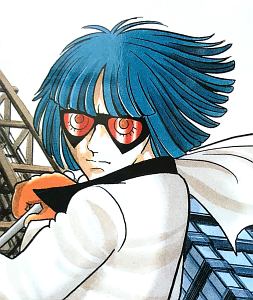
NANAIRO INKO
Stage performer:
Goro Inagaki (2000 in "NANAIRO INKO")
Junna Ito ("NANAIRO INKO", set in 2018)
He is an actor specializing in acting as a substitute, and he is also a thief who steals money from the rich in the theater in return for not receiving a performance fee. He always wears a green Okaba wig and hides his eyes with sunglasses with red lenses, so he does not show his true face. He is a genius actor who excites what he sees, but he is basically an imitation and has no originality.
Mariko Senri / Momoko Asaka

Related Articles
What is Tokiwasou? History, anecdotes, trivia, cartoonists who lived there, members, and where it is located!
Tokiwa-so is a two-story wooden apartment building in Minami-Nagasaki 3-chome, Toshima-ku, Tokyo. Although the building was demolished in 1982 due to aging, it is still very well known as a "sacred place for manga. Even today, the Tokiwa-so Manga Museum and the Tokiwa-so Project have left their mark on the manga world. This article provides information about Tokiwa-so and the manga artists who lived there.
Read Article
Spoiler commentary and discussion of The Bird of Fire (Osamu Tezuka)
The Firebird" is a manga work by Osamu Tezuka, a master of the manga world. The "Fire Bird" is a legendary bird whose blood, when drunk, gives eternal life. The story revolves around this legendary bird, from ancient times to the future, from the future to ancient times, from the micro to the macro, and from the macro to the imaginary. The world is also transformed on an unimaginable scale, from micro to macro, and from macro to micro. The evolution and decline of civilization, the crimes of science, the evolution of life, the human mind, and the "Firebird" as a rhapsody, Tezuka Osamu spins all these elements into the "ultimate story" for his readers.
Read Article
Spoiler commentary and discussion of Buddha (Osamu Tezuka)
Buddha" is a manga by manga artist Osamu Tezuka about the story of Buddha, the creator of Buddhism. It was serialized in the boys' manga magazine "Kibo no Tomo" (Friends of Hope) (published by Tide Publications) from 1972 to 1982. It depicts how the main character "Gautama Siddhartha," who later became the Buddha, realized Buddhism while suffering. Although the characters are a mixture of real people and those created by Tezuka Osamu himself, the work has sold more than 20 million copies and is highly acclaimed.
Read Article
BLACK JACK Spoilers and Discussion Summary
BLACK JACK" is one of Osamu Tezuka's representative manga works, a human drama in which a genius unlicensed doctor cures many injuries and incurable diseases in exchange for exorbitant medical fees. After the serialization ended, a series of short stories continued to be published in the magazine. It is considered a pioneer and a milestone in medical manga, with many works written by other manga artists. The manga has been adapted into various forms, including movies, OVAs, live-action TV dramas, and animations.
Read Article
Spoiler commentary and discussion of Three Eyes Through (Osamu Tezuka)
Mitsume ga Toru" is a manga by Osamu Tezuka and an anime based on it. Sharaku Hosuke, an innocent junior high school student, is the last survivor of an ancient race, the Mitsume. When the bandage on his forehead is removed, a ruthless personality with super intelligence and psychic powers appears along with a third eye, transforming him into a demon prince. While Sharaku plans to conquer the world, he sometimes gets involved in conspiracies involving ancient ruins with his classmate Kazuto-san and others. The manga gained popularity during the occult boom and won the first Kodansha Manga Award. It is also the first animated work after the death of the creator, who was called the god of manga.
Read Article
Spoiler commentary and discussion of Odd Child (Osamu Tezuka)
Kiko" is a manga work by Osamu Tezuka, serialized in Shogakukan's "Big Comic" from January 25, 1972 to June 25, 1973. The story is based on the Shimokawa Incident, which was regarded as the darkest incident in postwar history, and is intertwined with the love-hate drama of an old family. Just after World War II, when Jiro Tengai was demobilized from overseas, his youngest sister, Ayako, was added to his family. She is actually the illegitimate daughter of Jiro's sister-in-law and his father, and her presence creates tension in the family. Meanwhile, Jinro has become a spy for GHQ, and under orders from headquarters, he engages in a variety of dirty jobs and espionage activities.
Read Article
Spoiler commentary and discussion of Tell Adolf (Osamu Tezuka).
Adolf in the Dark" is a manga by manga artist Osamu Tezuka about Germany, Japan, and the three Adolfs during World War II. It was serialized in Shukan Bunshun from January 6, 1983 to May 30, 1985. It won the 10th Kodansha Manga Award in the general category in 1986, and is one of Osamu Tezuka's best works.
Read Article
Summary of spoilers and discussion of Dororo (Osamu Tezuka)
Dororo" is a historical manga by Osamu Tezuka about the journey of Hyakkimaru, a young thief, and Dororo, a boy who chases 48 demons to recover his stolen body in the Warring States period. Hyakkimaru was born with his body stolen by 48 yokai (monsters) as a result of his father's ambition. After being rescued by a doctor, Jukai, he continues his journey to exterminate yokai in order to regain his body, when he meets a thieving boy named Dororo. Many of Tezuka's original yokai are depicted in this work, and it has a cult following.
Read Article
MW(手塚治虫)のネタバレ解説・考察まとめ
『MW(ムウ)』とは、手塚治虫による漫画作品。『ビッグコミック』誌上にて、1976年から1978年まで連載された。2009年には、玉木宏と山田孝之のダブル主演で実写映画版が公開されている。手塚治虫は1970年代の商業青年誌において、「同性愛」と「猟奇殺人」そして「個人VS国」や「善悪とは何か?」というタブー的な要素に取り組んだ。それらの要素が渾然一体となって作り出すドラマが作品の魅力である。南西諸島のとある小島で起きた事件で、人生を大きく狂わされた2人の青年を描いたピカレスクロマン作品である。
Read Article
Summary of spoiler commentary and discussion of Barubora (Osamu Tezuka)
Barubora" is an adult-oriented manga about art serialized in "Big Comic" by Osamu Tezuka. It depicts a novelist called an "aesthetic genius" who reaches his peak as an artist when he meets an alcoholic hootenanny named Barbora, and then falls. It is one of the so-called "black Tezuka" works, full of underground elements such as abnormal sexual desire, black magic, and drugs, as well as male-female sexuality. In 2020, the film adaptation starring Goro Inagaki and Fumi Nikaido made headlines.
Read Article
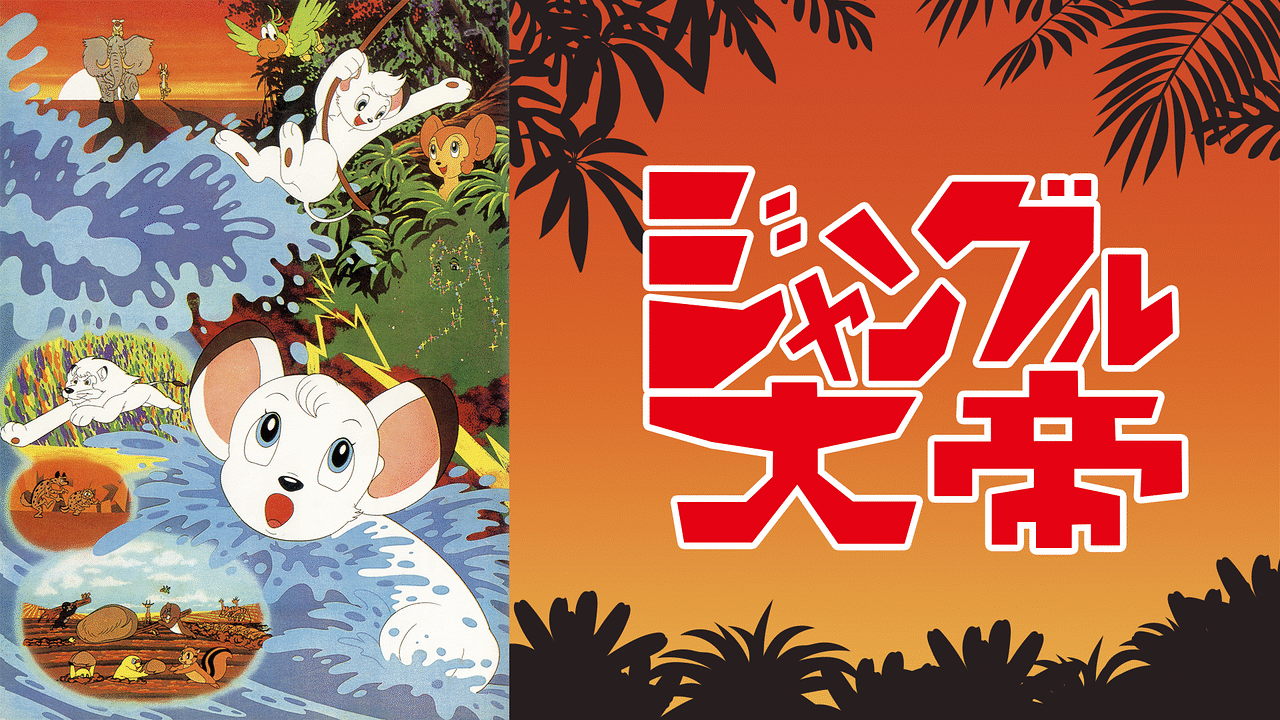
Spoiler commentary and discussion of Jungle Emperor (Osamu Tezuka)
Jungle Empire" is a Japanese manga by Osamu Tezuka and an animated film based on it. Set in a magnificent natural environment, the story centers on the main character Leo, in which we learn about the weak and strong animals, human desires, and the threats and wonders of nature. It was serialized in Gakudosha's monthly manga magazine "Manga Shonen" from the November 1950 issue to the April 1954 issue. An animated film was also produced, and it is a representative work of Osamu Tezuka's early years as well as the foundation of modern animation.
Read Article
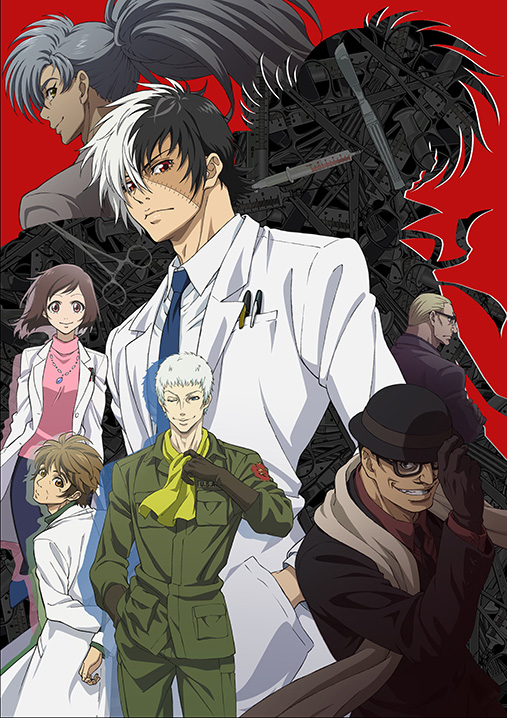
Blackjack, the man with God's hands, is back with an evolution!
Young Black Jack" began its anime broadcast in October. The story depicts the process of Black Jack becoming a black market doctor, who, despite his skill, demands an unthinkably high surgical fee. The story focuses on Black Jack as a medical student, whose tone of voice remains the same, but with a slight purity of character!
Read Article
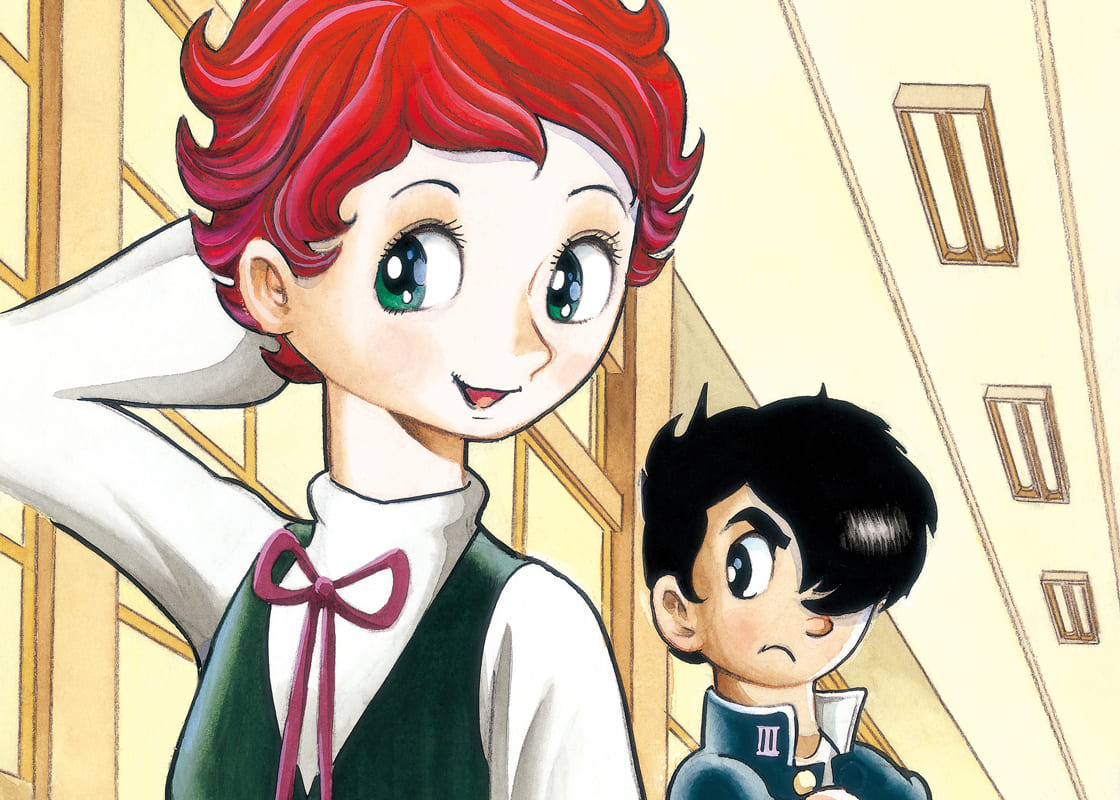
That girl I'm interested in is a Dutch wife, "Maria the Burnt".
Osamu Tezuka depicted adolescence and sexuality through the interaction of human and doll souls in "Yakezuki no Maria. This work is famous for receiving complaints from the PTA, which was sensitive to sexual expression in manga at the time.
Read Article
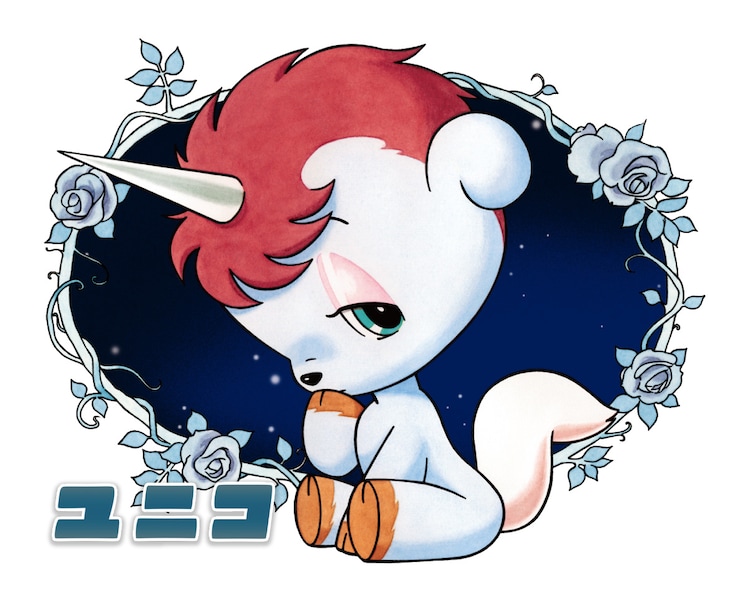
Spoilers and discussion of Unico (Osamu Tezuka)
Unico" is a fantasy manga for children serialized by Osamu Tezuka in "Lirica" published by Sanrio from November 1976 to March 1979, and in "Shogakukan" from May 1980 to July 1983. In 1983, it was made into a movie under the title "Yuniko Magical Island". Yuniko, a unicorn child, is cast out of the Land of the Gods by the evil Venus, and is transported by the spirit of the West Wind to travel through various time-spaces. Unico, who can use mysterious magic, interacts with various people in the places she visits, and brings them love and friendship.
Read Article
Spoiler commentary and discussion of Knight of the Ribbon (Osamu Tezuka).
Ribbon Knight" is a girls' manga by Osamu Tezuka and a media mix of anime and stage productions based on the manga. There are three versions. Set in a different world, it fantastically depicts the story of the main character Sapphire, who has the hearts of a man and a woman, and fights against evil people. It is known as a pioneer of story manga for girls, and has had a great influence on subsequent works.
Read Article
きりひと讃歌(手塚治虫)のネタバレ解説・考察まとめ
『きりひと讃歌』とは、手塚治虫原作の医療・社会派漫画。『ビッグコミック』誌上にて、1970年から1971年まで連載された。手塚初の本格的長編医療ドラマとして知られており、後の代表作『ブラック・ジャック』や『陽だまりの樹』のプロトタイプ的作品でもある。また、手塚治虫を医療漫画のパイオニアへと押し上げた作品として高評価された。同作品は、モンモウ病という奇病に罹患して外見が犬のように変化した主人公の医師が、様々な差別や社会的圧力に見舞われながらも病気の真相を究明していく医療長編漫画である。
Read Article
鉄腕アトム(手塚治虫)のネタバレ解説・考察まとめ
『鉄腕アトム』とは、手塚治虫による漫画作品。テレビアニメ版や実写版など様々なメディアミックスが行われていることでも有名であり、手塚治虫の代表作の1つに挙げられている。『鉄腕アトム』の原作漫画は、光文社の月刊漫画雑誌『少年』にて1952年から1968年まで連載された。コミックスは、『講談社手塚治虫全集』全18巻をはじめ様々なバージョンが存在する。人間に似た心を持つ少年型ロボットアトムが、人間とロボットとの関係の狭間で地球の平和のために数々の難事件や敵に挑む姿を描いたSF作品である。
Read Article
地球を呑む(手塚治虫)のネタバレ解説・考察まとめ
『地球を呑む』とは、手塚治虫原作のサスペンス漫画。『ビッグコミック』誌上にて1968年から1969年まで連載された。長編漫画でありながら、随所にアナザーストーリーとしての短編が挿入された作風は後の漫画作品に多大な影響を与えた。また、所謂青年漫画のはしりとしても知られている。『地球を呑む』は、男性たちを翻弄して世界を滅ぼさんとする「ゼフィルス」という名前の絶世の美女、そして唯一ゼフィルスに惑わされない主人公の青年との人間ドラマを通して、世界の変容を描いたサスペンス大河漫画である。
Read Article
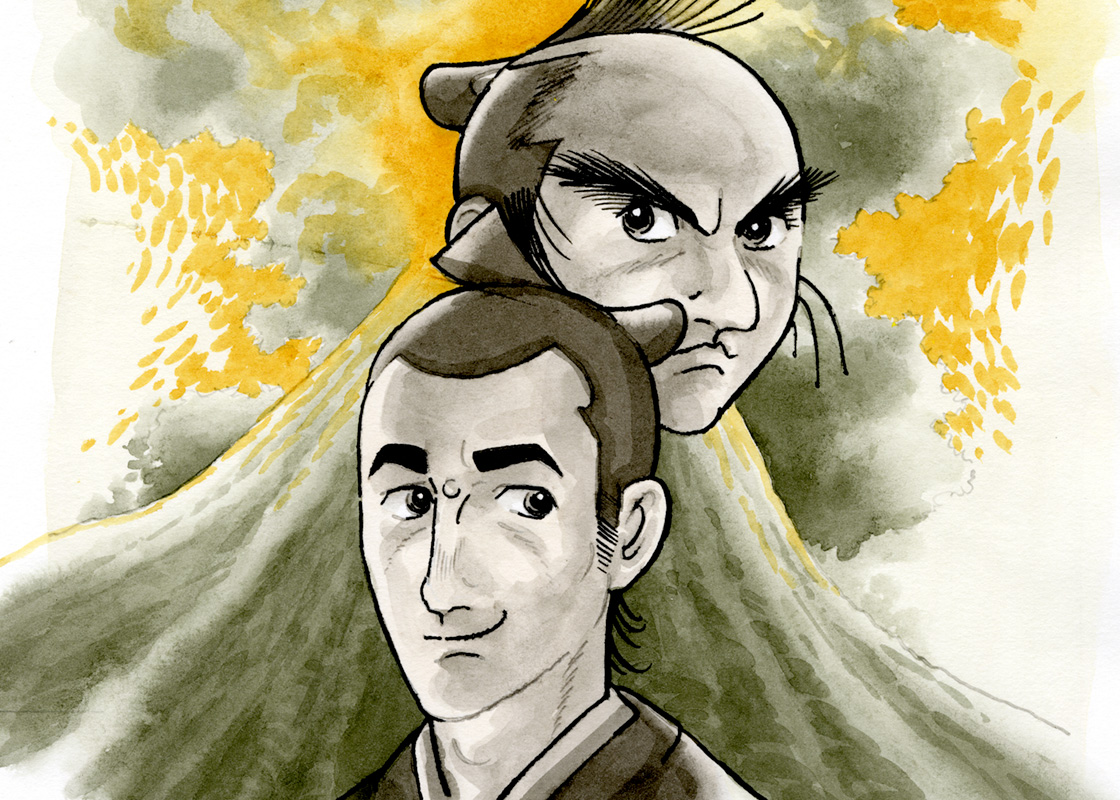
陽だまりの樹(手塚治虫)のネタバレ解説・考察まとめ
『陽だまりの樹』とは、手塚治虫原作の長編歴史漫画、及びそれを基にしたテレビアニメ・テレビドラマ。原作漫画は、1981年から1986年まで『ビッグコミック』誌上にて連載された。テレビアニメ版は2000年、テレビドラマ版は2012年に放映された。同作品は手塚治虫の曽祖父手塚良仙と彼と同世代の架空の武士伊武谷万二郎を狂言回しにして、開国と倒幕という激動の時代となった江戸末期を描いた壮大な歴史大河ドラマ作品である。
Read Article
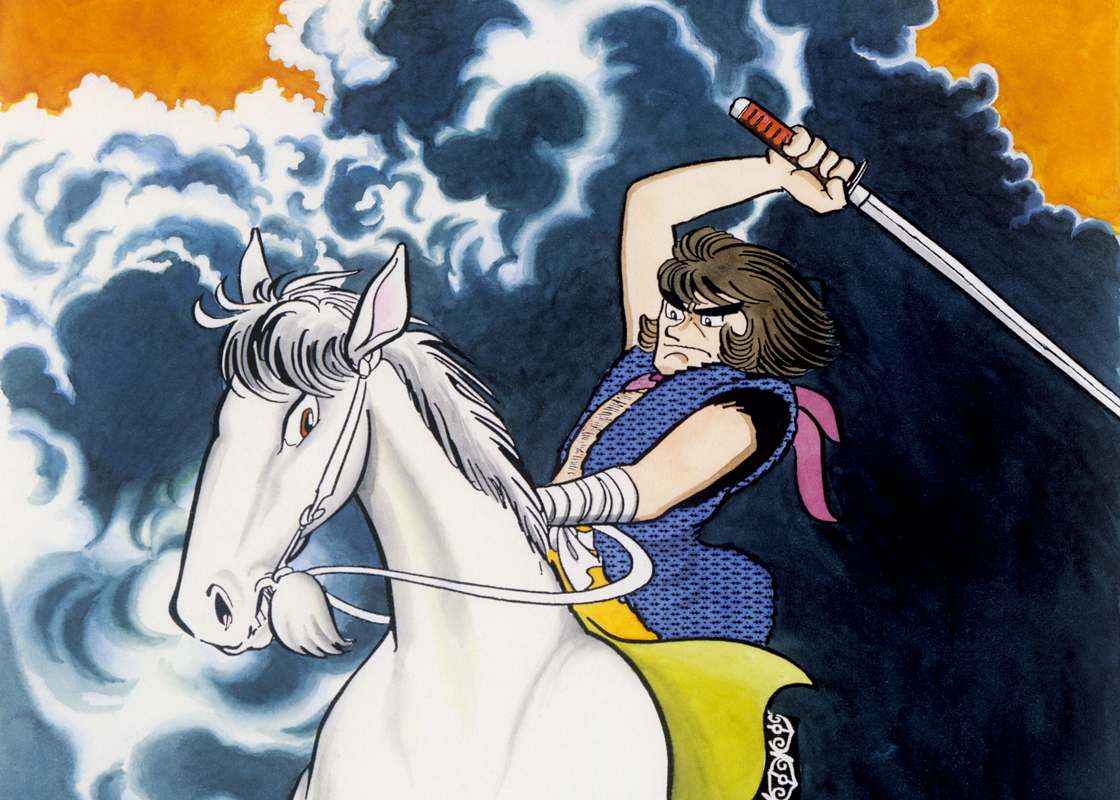
シュマリ(手塚治虫)のネタバレ解説・考察まとめ
『シュマリ』とは、手塚治虫による明治時代初頭の北海道を舞台にした歴史漫画作品。『ビッグコミック』誌上にて、1974年から1976年まで連載された。手塚作品の中でメディアミックスされていないが、ファン人気の高い作品として知られている。骨太の主人公を中心に激動だった明治初期の北海道を描き切った大河ドラマ的作風は、手塚漫画の魅力をさらに広げたとも評されている。主人公の元旗本は、自分から逃げた妻と間男を追って北海道へやって来た。そこでアイヌの人々と文化に魅せられて「シュマリ」と名を変え生きていく。
Read Article
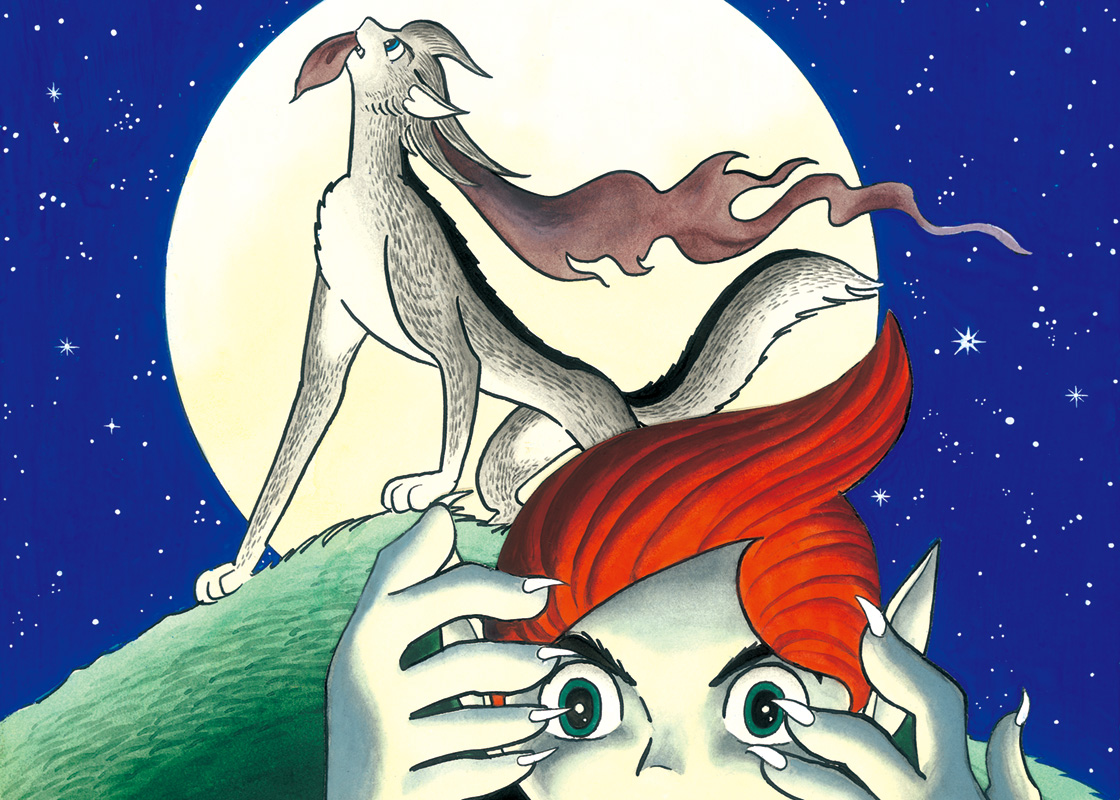
バンパイヤ(手塚治虫)のネタバレ解説・考察まとめ
『バンパイヤ』とは、手塚治虫原作の長編SF漫画。第1部が1966年から1967年まで『週刊少年サンデー』に、第2部が1968年から1969年まで『少年ブック』に連載された。同作品はテレビドラマ化されており、水谷豊の主演デビュー作として知られている。『バンパイヤ』は、狼に変身する少年と世界征服を目論む少年を2人を中心に物語が展開されるSFサスペンス漫画である。シェイクスピアの『マクベス』をモチーフにして展開されるストーリーは、悪の魅力を湛えたピカレスクロマンの様相を呈していて人気を博した。
Read Article
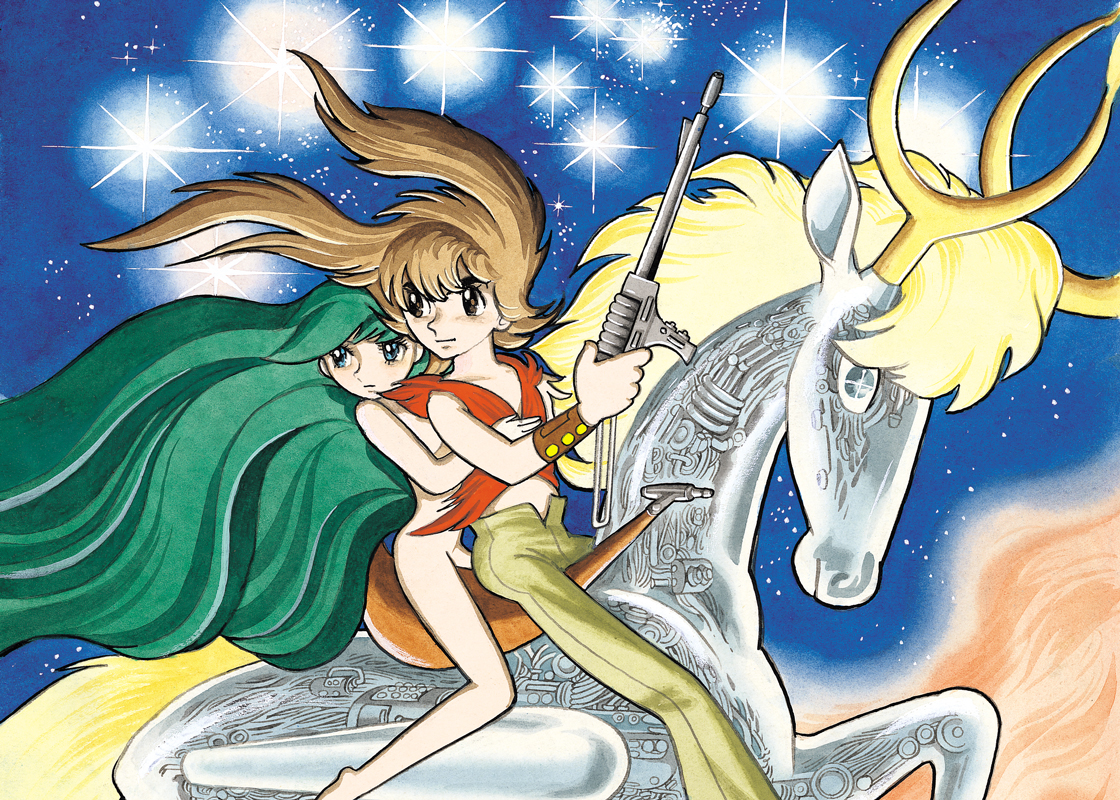
未来人カオス(手塚治虫)のネタバレ解説・考察まとめ
『未来人カオス』とは、手塚治虫原作のSF漫画。『週刊少年マガジン』にて、1978年に連載された。連載当時一大ブームを巻き起こしたSF映画『スターウォーズ』の影響が濃い作品と評されており、SFに友情の要素を絡めたストーリーテリングや個性的な異星人キャラクターなどが描かれて多くのファンを魅了した。主人公の青年、須波光二(すなみこうじ)が無二の親友大郷錠(だいごうじょう)に裏切られて宇宙に捨てられた後、名前をカオスと改めて生き延び異星人との邂逅を果たして友情を育んでいくという大河SF作品である。
Read Article
Spoiler commentary and discussion of Dilettante Up to Down (Osamu Tezuka).
Jiretta to Ue wo Shimpo e no Jiretta" is a black humor manga by Osamu Tezuka depicting the commotion surrounding "Jiretta," a virtual reality-like delusional world. It tells the story of Ichiro Monzen, a talented and ambitious producer, who tries to satisfy his lust for honor by taking advantage of Kimiko Echigo, who has a peculiar constitution that allows her to become an immensely beautiful woman only while hungry, and her lover, Otohiko Yamabe, in a seven-fold attempt. Although not as well known as some of Tezuka's works, the story was adapted for the stage in 2017 under the title of delusional song drama "Jiretta to Ue wo Shita e no Jiretta," with Yutaka Yokoyama in the lead role.
Read Article
Young Black Jack End Card Summary
The anime "Young Black Jack," which chronicles BJ's journey to becoming a black market doctor, has just finished airing! In this issue, we will look back at all the end cards from episode 01 to 12 (the final episode).
Read Article
The Man with God's Hand: A Summary of Discussion of Black Jack's Life and Mysteries
Osamu Tezuka's manga "Black Jack. Osamu Tezuka was undoubtedly a genius in his ability to depict the perfect human drama in a single complete story. For those who have never read the manga, and even for those who have, Black Jack is a man of mystery. In this issue, we will look into the true nature of Black Jack, how the black man in between became the legendary unlicensed doctor Black Jack, and who the hell Black Jack is.
Read Article

Summary of the magazine's past heroines
Shonen Magazine" is one of the longest running weekly shonen manga magazines in Japan. Over its long history, the magazine has produced numerous masterpieces and supported Japanese manga culture. Because of the "shōnen manga" (boys' manga) concept, most of the main characters are boys, but the heroines who support them are also an integral part of the story, and are depicted in an attractive manner. The heroines are childhood friends, students, outsiders, and people from other worlds, and their relationships range from lovers to friends to rivals. Here we introduce some of the heroines who have graced the pages of the magazine.
Read Article
Summary of famous quotes and lines/scenes/scenes from The Firebird
The Firebird" is a full-length manga based on "The Firebird (Phoenix)" by Osamu Tezuka, the master of the manga world who created "Astro Boy". It is one of the most representative works of Japanese manga culture. It is an epic story centered on the Buddhist concept of "Rikudo Rin-ne (the six ways of reincarnation)," with "death and rebirth" as its main theme. The unique structure of the story, in which 12 independent stories are set in the past and future, and the fusion of religious thought and manga were groundbreaking at the time, and continue to influence numerous works to this day. This article introduces a number of famous lines from "The Firebird," which seem to preach the essence of life and human karma.
Read Article
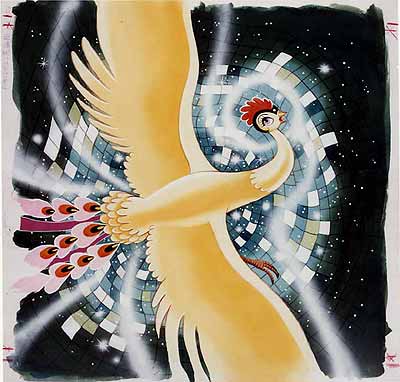
Sin or Healing? Excerpts of female characters from various editions of The Firebird
Osamu Tezuka's unfinished magnum opus, The Firebird. Eternal life, love, and honor. In this story, in which various desires are intertwined, we have compiled a list of women who color the story as well as the firebird.
Read Article
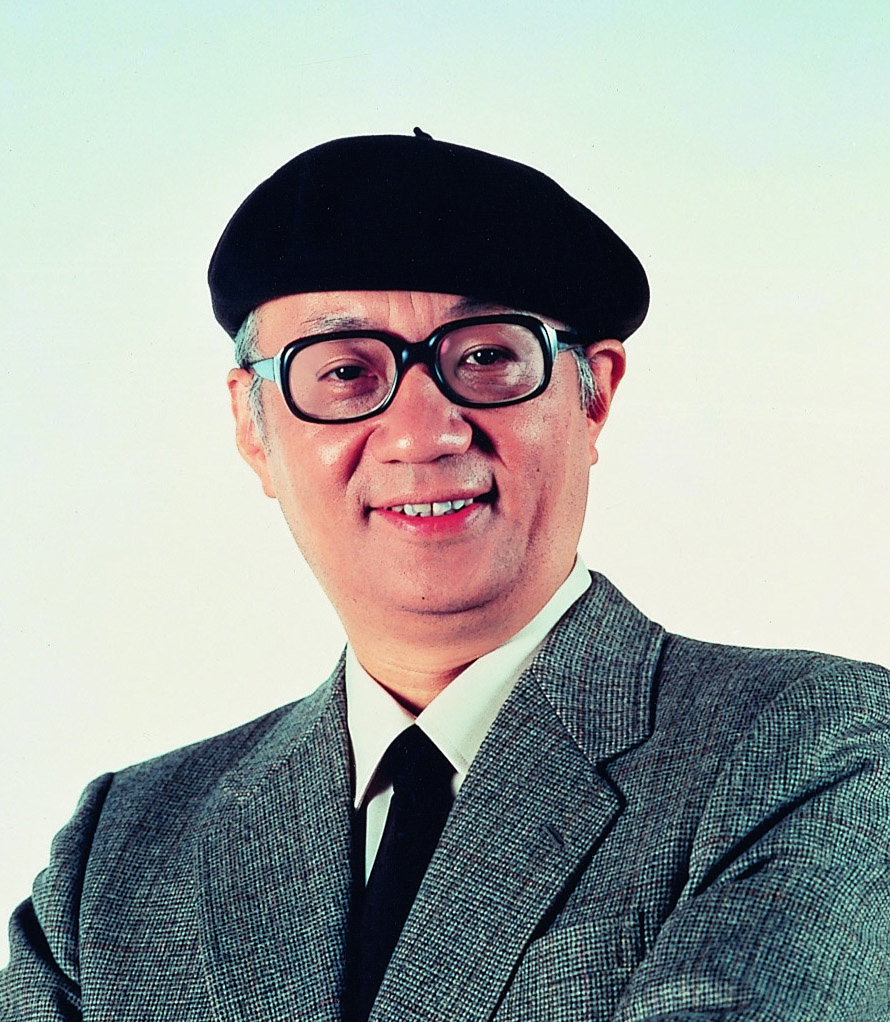
A compilation of Osamu Tezuka's jealousy legends! Introducing some of his outrageous rants!
Although Tezuka Osamu was known as the "God of Manga," he was actually famous as a "jealous devil. He was said to have been in constant trouble with popular cartoonists, such as Shigeru Mizuki and Shotaro Ishinomori, for his unsparing criticism of them. Here are some of his jealous comments toward famous cartoonists.
Read Article
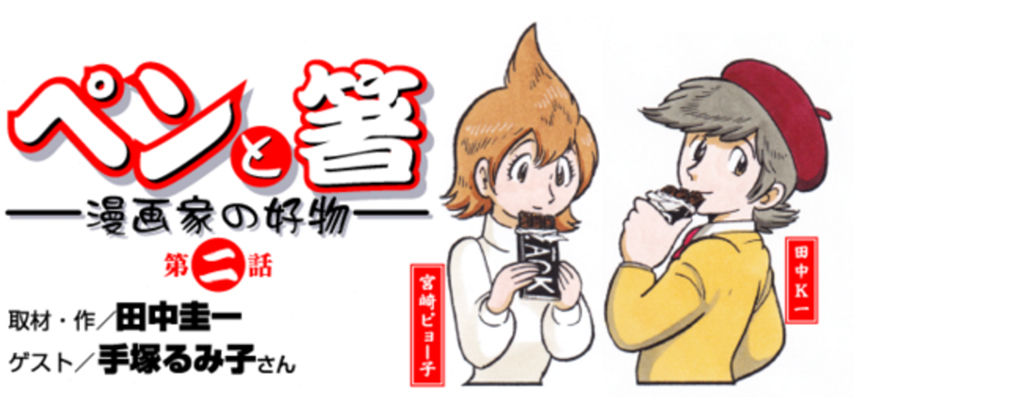
Do you know the essay manga [Keiichi Tanaka's Pen and Chopsticks - Manga Artist's Favorite Food -] serialized in Gurunavi?
Mr. Keiichi Tanaka is a pioneer in establishing a gag style of undertones in the style of Osamu Tezuka, a master of the manga world. Mr. Tanaka is currently writing a series of essay cartoons on the website "Gurunavi" focusing on "food" related to the manga artist and his family, and they are very interesting! We would like to introduce his family, who are also active as cartoonists and in other fields, through his works.
Read Article
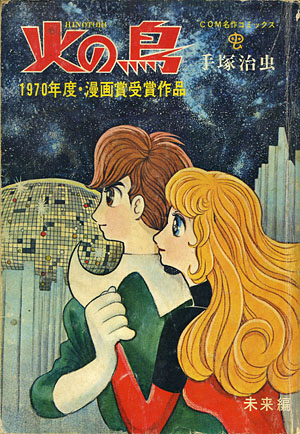
Is it the distant past or the near future? Summary of "The Bird of Fire: The Future
The "Firebird" is frequently mentioned as a representative of Osamu Tezuka's works. Among the many stories from different eras in each series, we have compiled a summary of the future version, which can be placed at both the beginning and the end of the series, and is in an unusual position.
Read Article
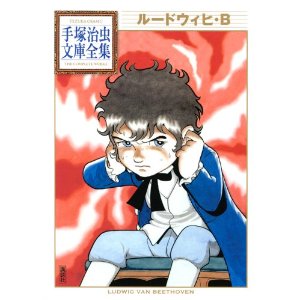
A unique interpretation of the musical genius Beethoven...!
Beethoven is a well-known musical genius. The following is an introduction to the film "Ludwig B.," which depicts his life intertwined with the strange fate of a certain man.
Read Article
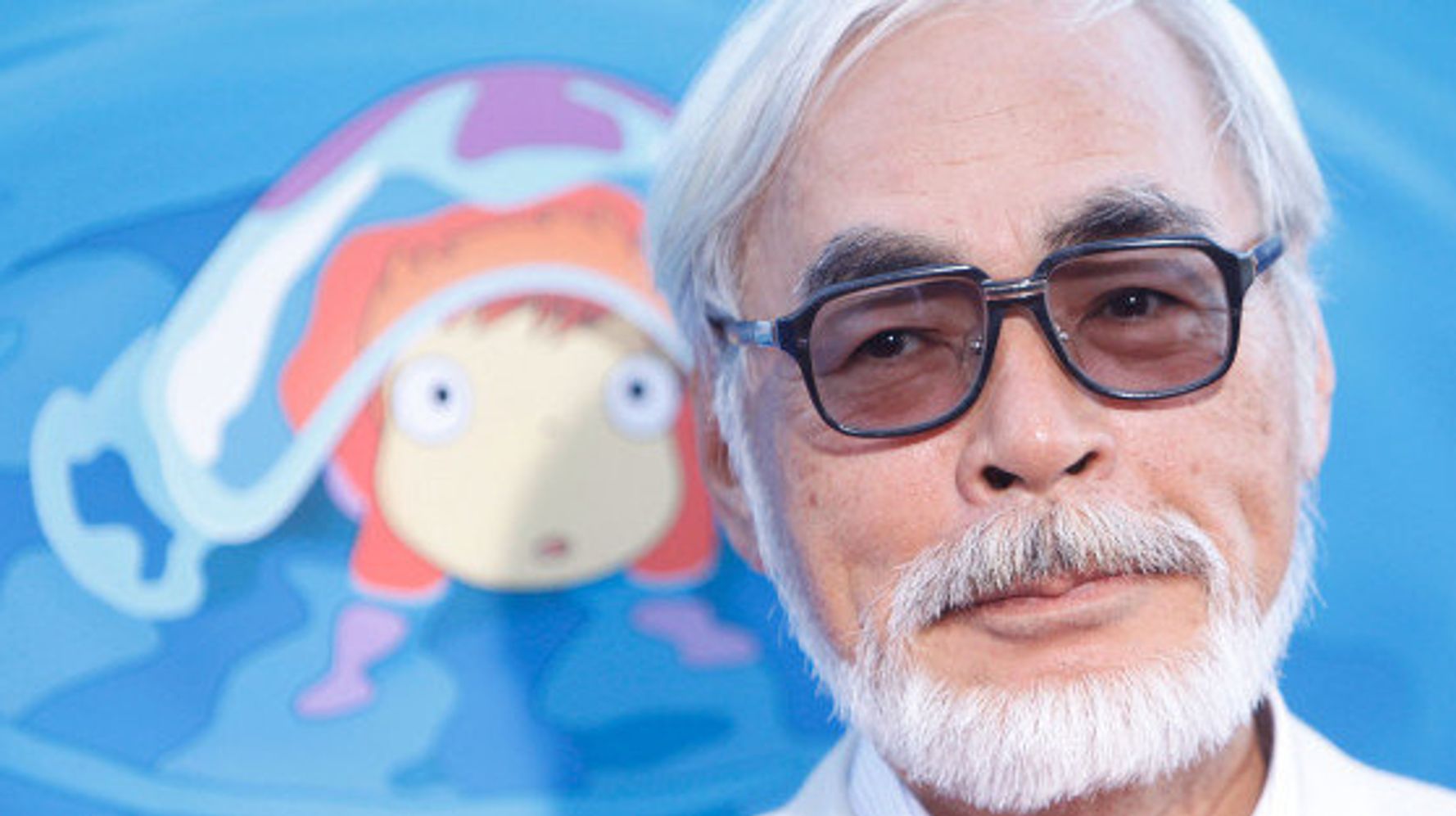
Animation fans are arguing over who is better, Hayao Miyazaki or Walt Disney! Some say they should be compared to Osamu Tezuka.
Hayao Miyazaki and Walt Disney have produced numerous masterpieces. We have compiled a list of opinions from animation fans on who is more amazing. Some say that both are too great to compare, and others give their reasons for supporting each. Some said that Osamu Tezuka and Walt Disney should be compared, not Hayao Miyazaki. Tweets from fans and reactions from Hayao Miyazaki are also featured.
Read Article
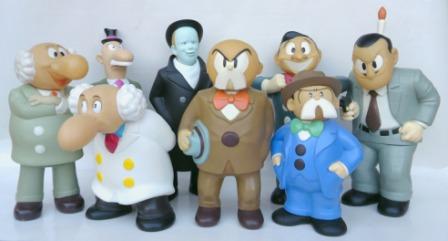
[I might have seen this character somewhere!] Summary of manga with star system
When you are reading manga, you get excited when you see a character you care about in a different work by the same author, don't you? We have compiled a list of works in which the "star system" is used.
Read Article
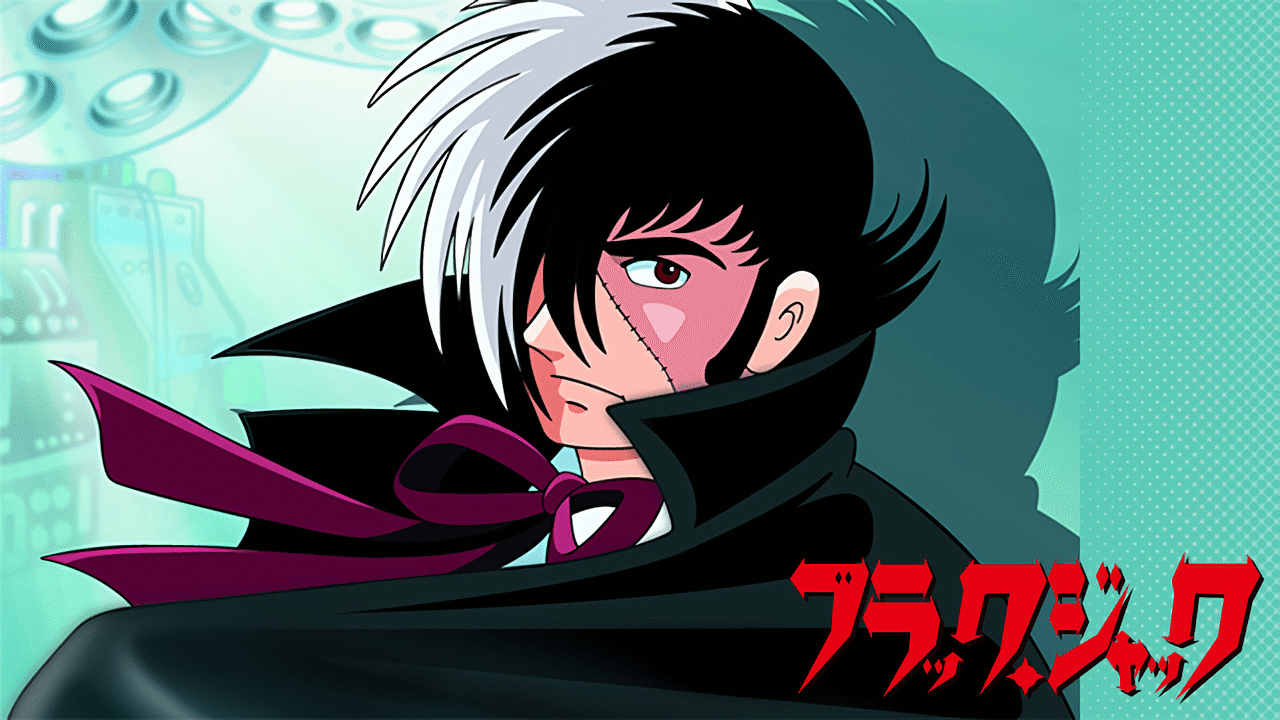
Black Jack Quotes and Lines of Wisdom [That's what I wanted to hear].
Here we introduce some quotes and lines from "Black Jack," one of Osamu Tezuka's manga masterpieces. In addition to Black Jack's lines, we have also compiled lines that reveal Tezuka Osamu's philosophy, such as his mentor's "Don't you think it's absurd that human beings should be free to live and die as they wish?
Read Article
Spoilers and Comments for "Black Jack" Episode 1: "Where's the Doctor!" Spoilers and Thoughts on
Osamu Tezuka created such masterpieces as "Astro Boy," "The Bird of Fire," and "Jungle Emperor. Among his works, "Black Jack" is considered a "masterpiece of medical manga" and is still highly popular today. In this issue, we will summarize the stories included in the first volume, taking into account the features of the new edition released in 2004. (*No reference images)
Read Article
Tags
Contents
- Overview of NANAIRO INKO
- Outline and story of "NANAIRO INKO"
- "Hamlet,"
- "The Bottom of the Earth"
- Intermission (1)
- "Pygmalion."
- "The Death of a Salesman"
- "The Six Characters Who Search for the Author"
- Finale
- List of NANAIRO INKO characters
- Key person
- NANAIRO INKO / Yosuke Kuwagata
- Mariko Senri / Momoko Asaka
- Tamasaburau
- Police official
- Senri Keibu
- Odawara Chochin
- Other characters
- Mamoru Odani
- Tommy.
- Ryusuke 鍬潟
- Kuwaga 潟果 Yūko
- Terms of the NANAIRO INKO
- Bird allergy
- Honne
- Osamu Tezuka
- Words, lines, scenes from "NANAIRO INKO"
- NANAIRO INKO AND MARIKO MEET FOR THE FIRST TIME.
- NANAIRO INKO's real face
- Behind the Scenes, Trivia, Small Stories / Episodes and Anecdotes of "NANAIRO INKO"
- Origin of the title "NANAIRO INKO"