
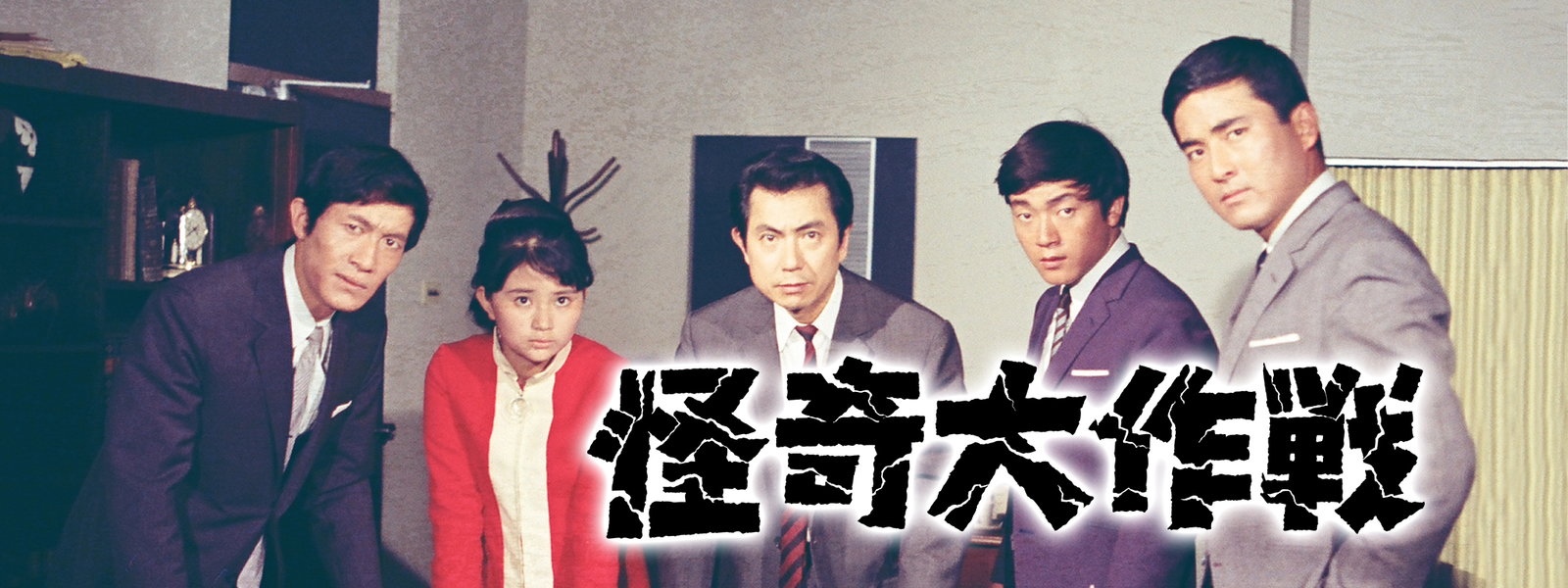
Kai-Kai Daisakusen" is a tokusatsu TV program that aired on TBS from September 1968 to March 1969.
It was produced by Tsuburaya Productions. Total of 26 episodes.
It depicts the activities of the Scientific Research Institute "SRI," which takes on the challenge of scientific crimes that occur in modern society.
In the 21st century, three remakes of this popular work have been produced.
This episode is currently considered absent. The following is a summary of this episode and its known history.
Synopsis/Story
A number of murders were committed by persons who were mentally insane. Based on Article 39.1 of the Penal Code, which does not punish the acts of insane persons, the perpetrators of these cases were admitted to mental hospitals without being charged with a crime, and were discharged after recovering at an inconceivably rapid rate.
The SRI inferred that the murderers were temporarily insane by some means, and began investigating.
A woman, one of the murderers applicable to this case, committed a murder again after being discharged from the hospital and was arrested. She pretended to be mentally deranged, but this time a psychiatric evaluation determines that she is responsible. She states that she committed the first murder by using a "brain wave modulator" of Saeko Mikawa, who is known as a "madman," to temporarily put herself in a mentally deranged state. Saeko's family was killed by an insane person who had a history of murder, but there is a past case in which the killer was not brought to justice because he was found to be insane even in regard to the case in which his family was killed. Saeko, despairing of a society that does not judge the insane, created a brain wave modulator based on the research of her late husband, a brain scientist, and put the person she wanted to kill in a state of insanity, thereby taking revenge on the society.
A sting operation is launched by Maki, but Saeko, who had already detected Maki's true identity, pretends to have been tricked into the sting operation and puts Maki under the brainwave modulator. Maki becomes a madman and shoots a gun wildly, but is subdued by the police and does not commit the murder. Saeko is also cornered, but she narrowly evades her pursuers and escapes to her car. Saeko, who has activated her brain wave modulator to its maximum output, becomes completely insane and is placed in an isolation ward.
Background to date
The details of how this story became a missing episode are not known. The reason is that it did not cause a major problem like Ultra Seven episode 12, "From Planet Earth with Love," so it was not publicly announced as a missing episode, and its exposure gradually decreased, and it became a missing episode.
In the late 1970s, the portrayal of the mentally ill and insane on television became a major social issue. The use of prohibited broadcast terms and depictions of psychiatric hospitals (today's psychiatric hospitals) that did not match the reality were often seen, and were found to have a negative impact on the recovery of the mentally ill who watched them.
In view of these points, "The Mad Demon Man" became a problematic work, and there were many cases of "The Mad Demon Man" being removed from the lineups of reruns after that period. However, this was only a measure based on the broadcasting codes that were changed daily by each broadcaster, and there were cases of "Kyouki Ningen" being rerun on TV even into the 1980s. The last confirmed broadcast was a rerun on Okayama Broadcasting in 1984. On that occasion, a portion of the program was cut off.
On the jacket of the videocassette released in 1983, it is written "Broadcasting code and other reasons make it impossible to broadcast the program, so it is only available on video," and the treatment of "Kyokionin Ningen" is described as "Not suitable for TV broadcasting, but other mediums are available. In 1991, a selection disc "Horror Man Special" was released on laserdisc, which included "Kyouki Ningen," and the jacket read, "You may never get this again. From this point on, the treatment of "Kyouki Ningen" gradually shifted to a more untouchable direction. This selection was released one after another, and all 26 episodes were released on laserdisc, but there is no evidence of any re-release of "Fear Man Special" alone. The number of copies distributed was therefore small, and inevitably, the works included in "Terror Man Special" remained difficult to obtain, leading to heightened expectations for the release of a laserdisc box containing all the episodes.
In response to these expectations, the "Kaidai Daisakusen Perfect Collection" containing all the episodes was released in 1995. The advertisements sang that it would include all the episodes, reservations were well received, and the product was shipped to stores. However, the situation changed drastically on the eve of the release. Suddenly, the decision was made to cancel the release of the product and recall it. The stores were notified immediately after dawn on the day of the launch, and since the products had already been shipped and delivered to each store, some stores sold out in a flying sale, sold the products ignoring the recall order, sold only the pre-ordered quantity (since customers who had paid in advance or made a deposit would have to be refunded that amount), and other cases where the products were not collected. ), etc., and there were many cases of no collections. The reason for the recalls was later attributed to "defective audio," but no problems have been confirmed with the audio of the "Operation Kai-Kai Perfect Collection" that is still available today.
After this, "Kyouki Ningen" was never mentioned in most of the media. The synopsis in the official book was avoided, interviews did not mention "Kyouki Ningen," it was not included in the VHS released in 1996, and it was removed from the rerun list of CS broadcasts, which had more channels and a much looser broadcasting code than terrestrial broadcasting. Even though many other works were broadcast with the so-called "warning" label and after modifications, "The Mad Demon Man" stubbornly remained off the air.
However, it took even longer for the work to be declared as missing, and in the books published in the 2000s, it was finally noted that "episode 24 is missing". However, there are many official products that do not have the same statement, and unlike other missing works, there are no active instructions from the production side to delete or replace the episode 24. The "Zenkaiju Kaibutsu Encyclopedia of Monsters and Monster Encyclopedias" was released in 2003, and although it has received permission and checks from Tsuburaya Productions and other companies for the use of stills, it still contains "Kyouki Ningen" (Crazy Demon Man). also went through editions from its 2003 release until the release of the new edition in 2012, without removing the entry on the subject of "The Mad Demon Man". In the case of other missing works, both of these items would have been replaced at the time of reprinting, but no such "clampdown" existed for "Kyouki ningen".
It became clear in 2006 that the treatment of this story within Tsuburaya Productions was very vague to call it "missing. From January to July of the same year, reruns of Operation Kaiyodo began on Tokyo MX TV. This was within the "Tsuburaya Gekijo" (Tsuburaya Theater) slot, which was a slot for Tsuburaya Productions' ongoing broadcasts of Tsuburaya Productions' works backed by Tsuburaya Productions, but in May, the rebroadcast of "The Crazy Demon Man" was announced. The situation came as a further surprise to fans at the end of May. The Tsuburaya Theatre's website was updated with a synopsis of "Kyouki Ningen" and a cut from the film. Since the cutaway shots were basically provided by the publisher or cut from footage borrowed for broadcast, it became clear at this point that the film was to be rebroadcast with the official approval of Tsuburaya Productions. The day after the update, all references to "Kyouki Ningen" were deleted from the website, and a different program was aired on the scheduled airing date, but this incident revealed that Tsuburaya Productions had not sealed "Kyouki Ningen," and fans began to pay attention to subsequent developments.
Although it is not currently included in a new book or offered on visual media, the one incident on MX TV in particular suggests that it is not sealed very tightly, despite the "missing" notation. It is a work that is not unlikely to appear in the world on disc media or in books on a regular basis.

Related Articles
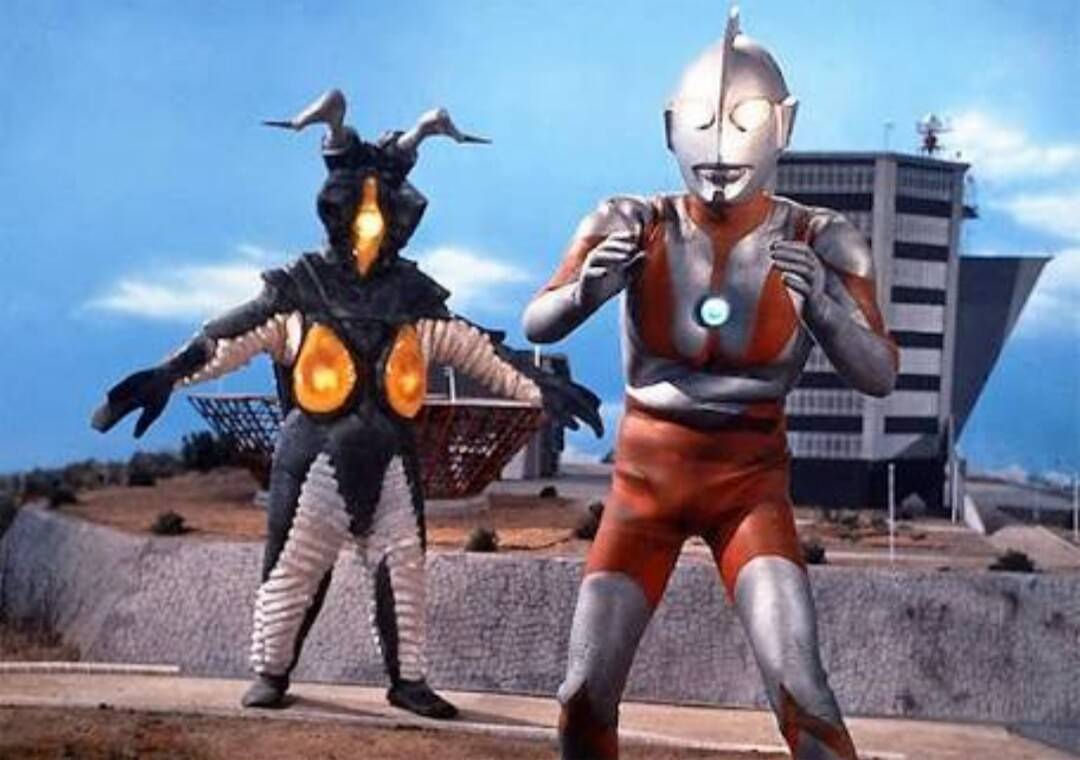
Monsters and aliens who defeated Ultraman!
Ultraman is admired by children and is the overwhelming national hero. Such Ultraman has actually been defeated quite a bit. Powerful monsters and aliens have appeared in the series, including Zetton, who defeated the first Ultraman and subsequently became the series' greatest enemy, and Hippolyto, an alien who is victorious even against four Ultramans. We have compiled a list of monsters and aliens that have defeated successive Ultraman and shocked viewers.
Read Article
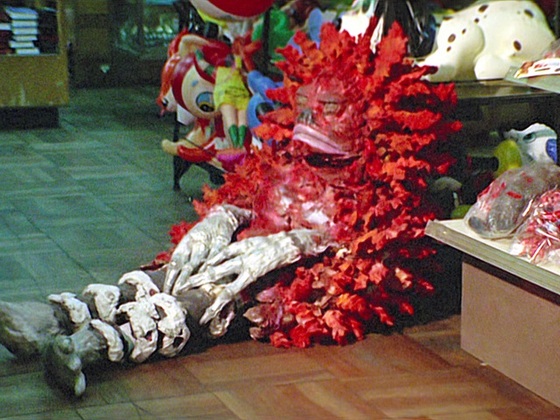
Monsters and Aliens with Sad Fates in the Ultraman Series
The general impression of Ultraman is that he fights monsters to protect the peace of the earth, but there are times in his works when he deviates from this. In such episodes, the monsters meet a heartbreaking end that makes us feel sorry for them. This section introduces some of the monsters and aliens that met heartbreaking ends, such as Jamilla and Pygmon.
Read Article
Ultraman (First Generation) Spoiler Commentary and Discussion Summary
Broadcast on TBS between July 17, 1966 (Showa 41) and April 9, 1967 (Showa 42). Ultraman" is the name of the giant transforming hero that appears in the film. It was produced by Tsuburaya Productions. The title of the video was "Ultraman: The Fantastic Special Effects Series. A total of 39 episodes were broadcast. Ultraman and an Earthman named Hayata become one and the same, and together with the Science Special Search Party, defeat monsters and invading aliens to protect the peace of the Earth.
Read Article
Ultraman Tiga (Tsuburaya Productions) Spoiler Commentary and Discussion Summary
Broadcast on TBS from September 7, 1996 (Heisei 8) to August 30, 1997 (Heisei 9). Ultraman Tiga" was produced by Tsuburaya Productions and Mainichi Broadcasting System. A total of 52 episodes were broadcast. In 1998, it was the first Japanese tokusatsu TV drama to win the 29th "Nebula Award" in the film theater and media categories. This work depicts the battle between Ultraman Tiga-Madoka Daigo, the "Giant of Light," and the GUTS members, and the oncoming "darkness.
Read Article
Spoiler commentary and discussion of Ultra Seven (Tsuburaya Productions)
It was broadcast on TBS between October 1, 1967 and September 8, 1968. Ultra Seven" is the name of the giant transforming hero that appears in the film. It was produced by Tsuburaya Productions. A total of 49 episodes were broadcast. The Ultra Guard protects the earth against aliens who are planning to invade the earth. The story depicts the activities of the hero Ultra Seven, who cooperates with the Guard and other earthlings.
Read Article
Spoiler commentary and discussion of Return of Ultraman (Ultraman Jack)
Broadcast on TBS between April 2, 1971 and March 31, 1972. Ultraman Returns" was produced by Tsuburaya Productions. A total of 51 episodes were broadcast. A series of crustal movements and abnormal weather occur in various parts of the world, awakening sleeping monsters. The story depicts the activities of the defense team MAT, which fights these monsters, and the giant hero Ultraman, who fights alongside them.
Read Article
Ultraman Tarou (Tsuburaya Productions) Spoiler Commentary and Discussion Summary
Broadcast on TBS from April 6, 1973 to April 5, 1974. Ultraman Tarou" was produced by TBS and Tsuburaya Productions. A total of 53 episodes were broadcast. After the previous Ultraman A, Ultraman Taro is assigned to the mission of Earth defense. While on Earth, he is active as Kotaro Higashi of the Space Science Guard ZAT, and the story depicts his battles with monsters and aliens that are more powerful than super-beasts.
Read Article
Ultraman A (Ace) Spoiler Commentary and Discussion Summary
Broadcast on TBS from April 7, 1972 to March 30, 1973. Ultraman A" was produced by TBS and Tsuburaya Productions. A total of 52 episodes were broadcast. A new enemy, the inter-dimensional human Yapur, plans to invade the earth. This work depicts the exploits of the TAC, a super-attack team of super-animals, and Ultraman A, a giant hero, who fight together against the super-animals, which are more powerful enemies than monsters, sent by Yapur.
Read Article
Ultraman Orb (Tsuburaya Productions) Spoiler Commentary and Discussion Summary
Ultraman Orb is a special effects TV drama of the Ultra series produced by Tsuburaya Productions and broadcast in 2016. It is the 50th anniversary production of the Ultra series. The main character, Kurenai Gai/Ultraman Orb, senses the resurrection of the Demon Beast during his journey and stops by a certain town. The film depicts the fateful encounters, battles, and Gai's own conflicts that occur there. The catchphrase is "The power of light, we will take it! Awaken, Warrior of Light. "For the first time in history! Transforms from a combined body! The catchphrases are "Awaken, Warrior of Light!
Read Article
Ultraman Gaia (Tsuburaya Productions) Spoiler Commentary and Discussion Summary
Broadcast on TBS from September 5, 1998 (Heisei 10) to August 28, 1999 (Heisei 11). Ultraman Gaia" was produced by Tsuburaya Productions and Mainichi Broadcasting System. A total of 51 episodes were broadcast. Takayama Gamu = Ultraman Gaia, XIG members, and Fujimiya Hiroya = Ultraman Aguru, each with their own thoughts and feelings, confront a fundamental doomsday invader that is about to attack them.
Read Article
Ultraman Leo (Tsuburaya Productions) Spoiler Commentary and Discussion Summary
Broadcast on TBS from April 12, 1974 to March 28, 1975. Ultraman Leo" was produced by TBS and Tsuburaya Productions. A total of 51 episodes were broadcast. Under the theme of "vividly expressing the harshness and sadness of life," the story follows the main character, Gen Otori (Ultraman Leo), as he is driven into a harsh situation by conflicts with powerful enemies and the people around him and grows while suffering.
Read Article
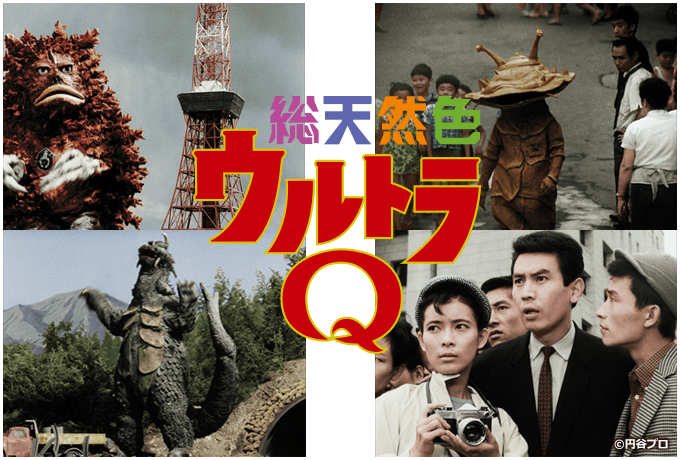
Spoiler commentary and discussion of Ultra Q (Tsuburaya Productions)
Television program aired on TBS from January 2 to July 3, 1966. It is a black-and-white work. The first in the Ultra series. Produced by Tsuburaya Productions. Total of 28 episodes. It depicts the mysterious incidents and monster appearances that occur in the "Unbalance Zone," where the world has lost its balance. Unlike later series, it is characterized by the absence of defense organizations and superheroes. In 2011, the series was colorized under the title "Sennenshoku Ultra Q."
Read Article
Ultraman Cosmos (Tsuburaya Productions) Spoiler Commentary and Discussion Summary
Broadcast on TBS from July 6, 2001 (Heisei 13) to September 27, 2002 (Heisei 14). Ultraman Cosmos" was produced by Tsuburaya Productions. A total of 65 episodes were broadcast. This work depicts Musashi Haruno (Ultraman Cosmos) wishing for the coexistence of monsters and humans, and daring to stand up against evil enemies without killing them unnecessarily.
Read Article
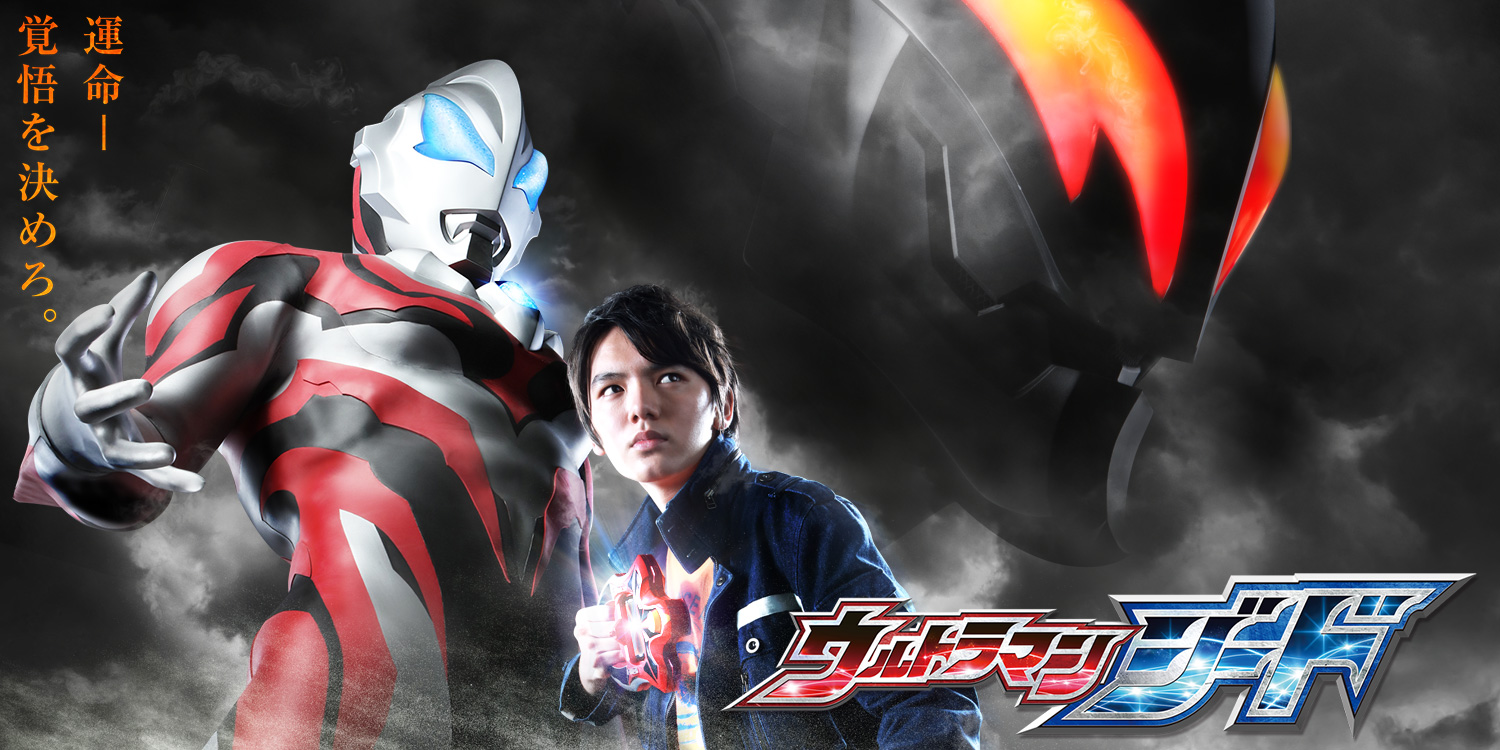
Spoiler commentary and discussion of Ultraman Jeeed (Tsuburaya Productions)
Ultraman Jeeed is the title of an Ultra series work that aired every Saturday morning at 9:00 a.m. on the TV Tokyo network from July 8 to December 23, 2017, and the name of the hero transformed by the main character in the work. The work depicts the hero Asakura Riku/Ultraman Jeeed, who has the genes of Ultraman Belial, the evil Ultraman, meeting irreplaceable friends and growing up during his battle against fate. The catch copy is "Fate - Be Prepared."
Read Article
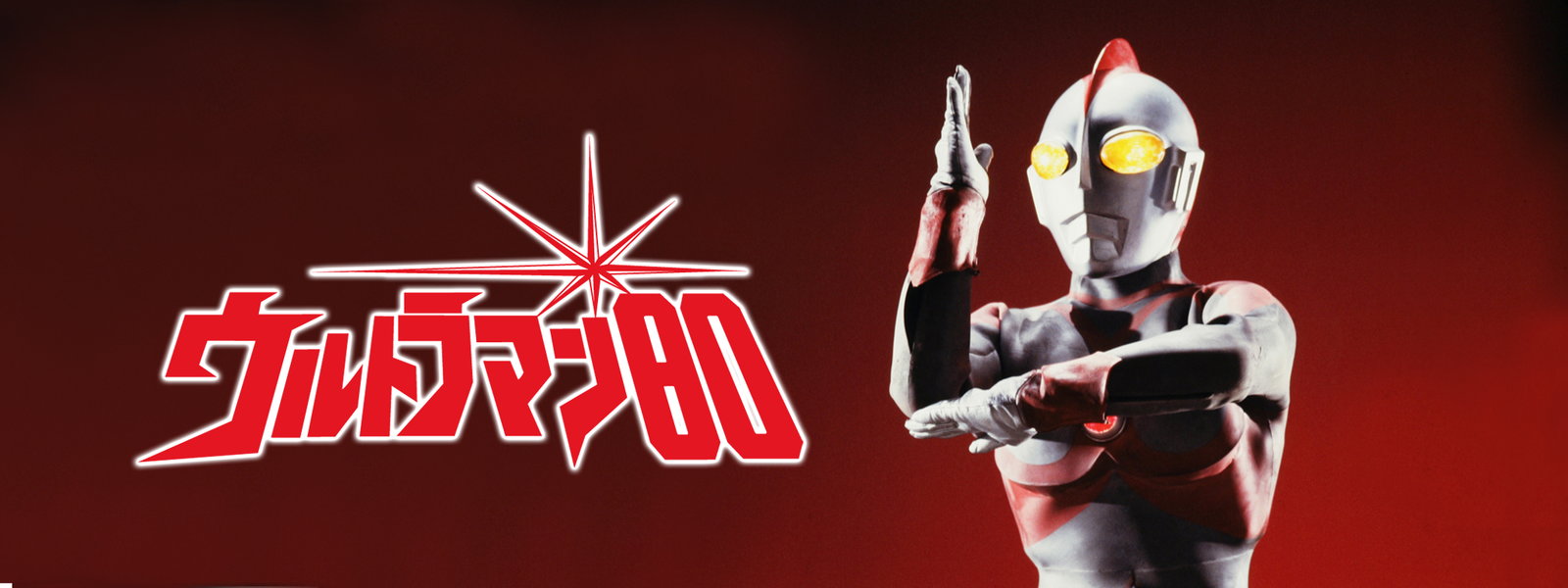
Ultraman 80 (Eighty) Spoiler Commentary and Discussion Summary
Broadcast on TBS from April 2, 1980 to March 25, 1981. Ultraman 80" was produced by TBS and Tsuburaya Productions. A total of 50 episodes were broadcast. The story depicts the days of Ultraman 80 = Takeru Yagata, who came to Earth from the M78 nebula, the Land of Light, and realized that human negative emotions and negative energy create monsters, and became a new teacher to break the root of the problem, and his days as an active member of the UGM team.
Read Article
Ultraman Dyna (Tsuburaya Productions) Spoiler Commentary and Discussion Summary
Broadcast on TBS from September 6, 1997 (Heisei 9) to August 29, 1998 (Heisei 10). Ultraman Dyna" was produced by Tsuburaya Productions and Mainichi Broadcasting System. A total of 51 episodes were broadcast. The year is 2017, seven years after the previous work "Ultraman Tiga" defeated the forces of darkness and restored light to the world. The work depicts the battle between Asuka Shin-Ultraman Dyna, the members of Super GUTS, and the mysterious life form Sphere.
Read Article
Ultraman Blazer (Tsuburaya Productions) Spoiler Commentary and Discussion Summary
Ultraman Blazer" is a special effects film about a defense force captain who gains the ability to transform into Ultraman, a giant of light, and fights giant monsters and evil aliens. The theme of the film is "communication," depicting the clashes and reconciliations between people from different backgrounds. One day, Hilma Ghent, the leader of the GGF, a special unit that protects the Earth from monsters and extraterrestrial threats, gains the power to transform into Ultraman Blazer. Ghent is transferred to SKaRD, a special monster response detachment, and uses her courage and the power of Ultraman to protect people.
Read Article
A direct hit of the specium ray of laughter! Ultra Monster Kattobi-Land," a nostalgic manga that was so destructive
Numerous Ultramans have been active in both the Showa and Heisei versions. Did you know that there was once a gag manga featuring the Showa Ultraman? And Gundam wasn't the only SD manga that used Ultraman as the main character.
Read Article
What is Astekaiser (Tsuburaya Productions), the star of professional wrestling?
Pro Wrestling Star Astekaiser" is a special effects drama produced by Tsuburaya Productions and written by Go Nagai and Ken Ishikawa that was broadcast from October 1976 to March 1977. It depicts the exploits of the righteous warrior Astekaiser, who stands up against the Black Mist, an evil fighting force that is trying to conquer the world of professional wrestling. It is famous for the fact that New Japan Pro-Wrestling fully backed the series, and for its "dramamation," in which live-action is replaced by animation during the climactic battle scenes.
Read Article
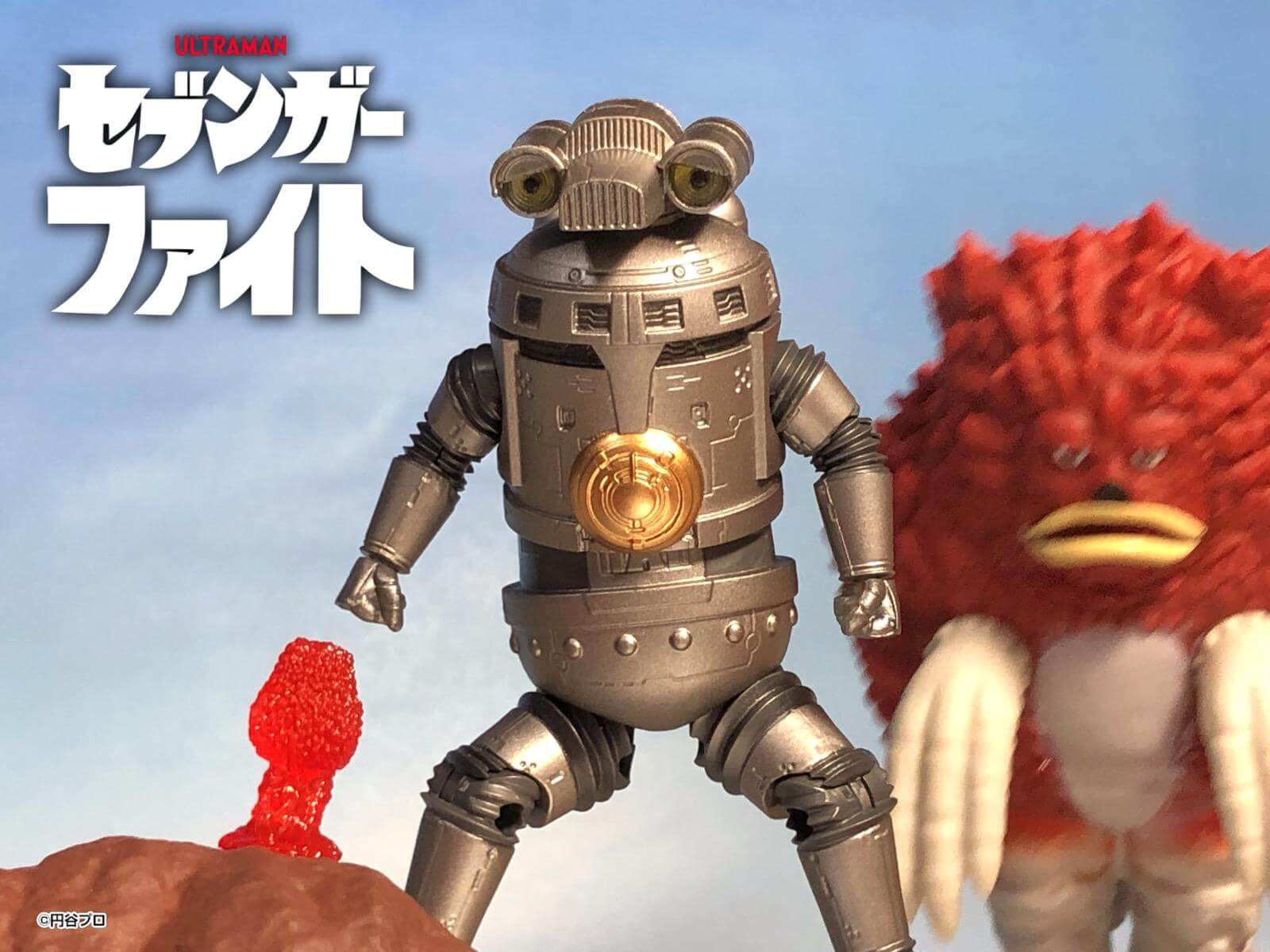
セブンガーファイト(円谷プロ)のネタバレ解説・考察まとめ
『セブンガーファイト』とは円谷プロの作品見放題サブスク「TSUBURAYA IMAGINATION」の中で配信された『ウルトラマンZ』のスピンオフ作品である。対怪獣特殊空挺機、通称「特空機1号セブンガー」によるテレビ本編では描かれなかった裏側の戦いにフォーカスを当てている。ハルキ操縦のセブンガーにヨウコ、ユカ、ヘビクラが怪獣分析や戦術指示をしながらウルトラマンZが参戦していないストレイジ本来の任務を赤裸々に描いている。
Read Article
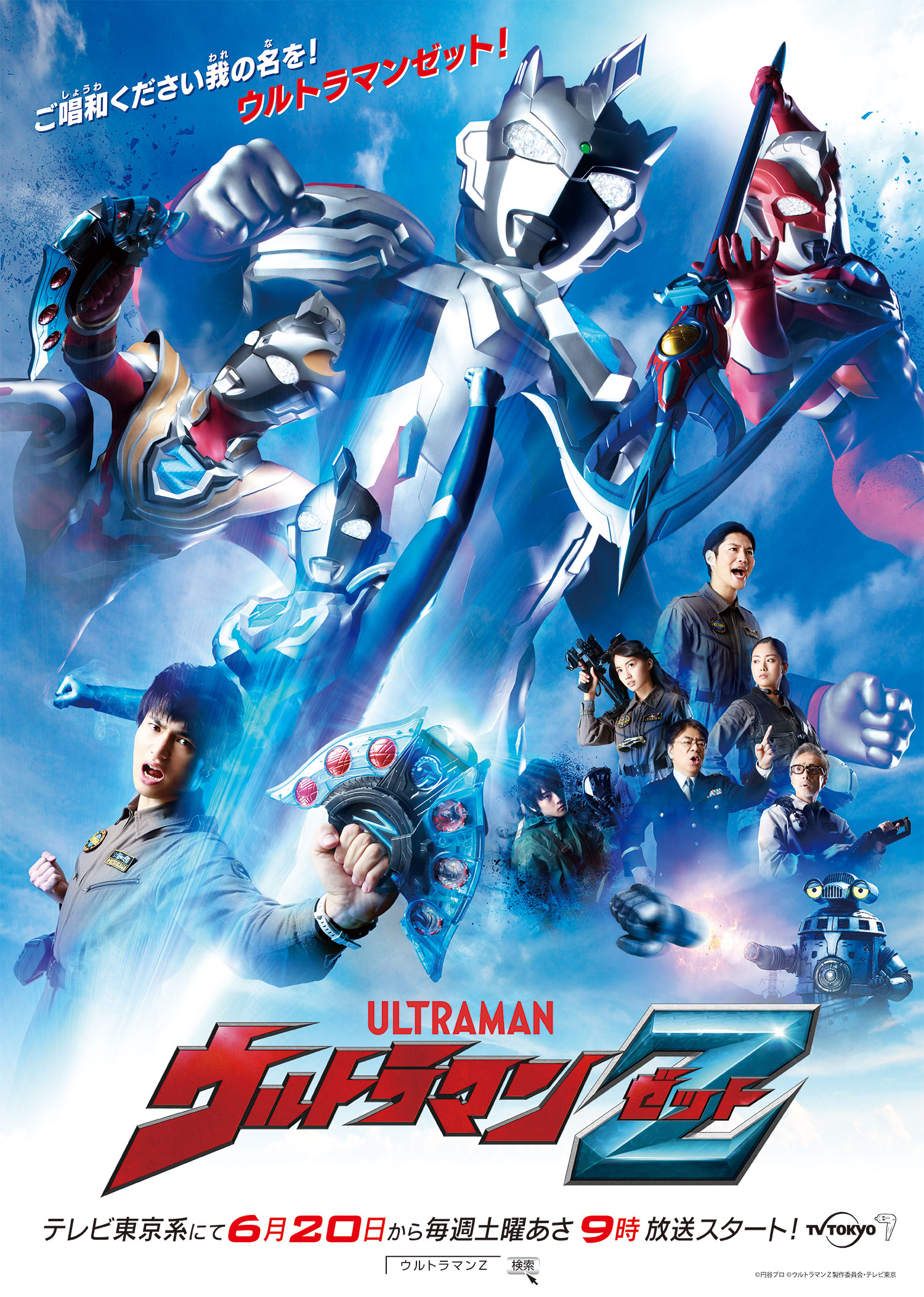
Ultraman Z (Tsuburaya Productions) Spoiler Commentary and Discussion Summary
Ultraman Z" is a special effects TV drama of the "Ultraman Series" produced by Tsuburaya Productions and broadcast in 2020, and is the second in the 2021 Ultraman series. The catchphrase is "Please chant my name! Ultraman Zed! The series is based on the popular "Ultraman Zed" series. The main character, Haruki Natsukawa, who belongs to the anti-monster robot unit Strage, has a fateful encounter with the young Ultraman Zetto during a battle against the monsters that have come to Earth. This work depicts the battle of the giant robot "Tokku Kuki" and the activities of the hot-blooded duo of Haruki and Zetto, who boldly stand up against the shadows that lurk behind the battle.
Read Article
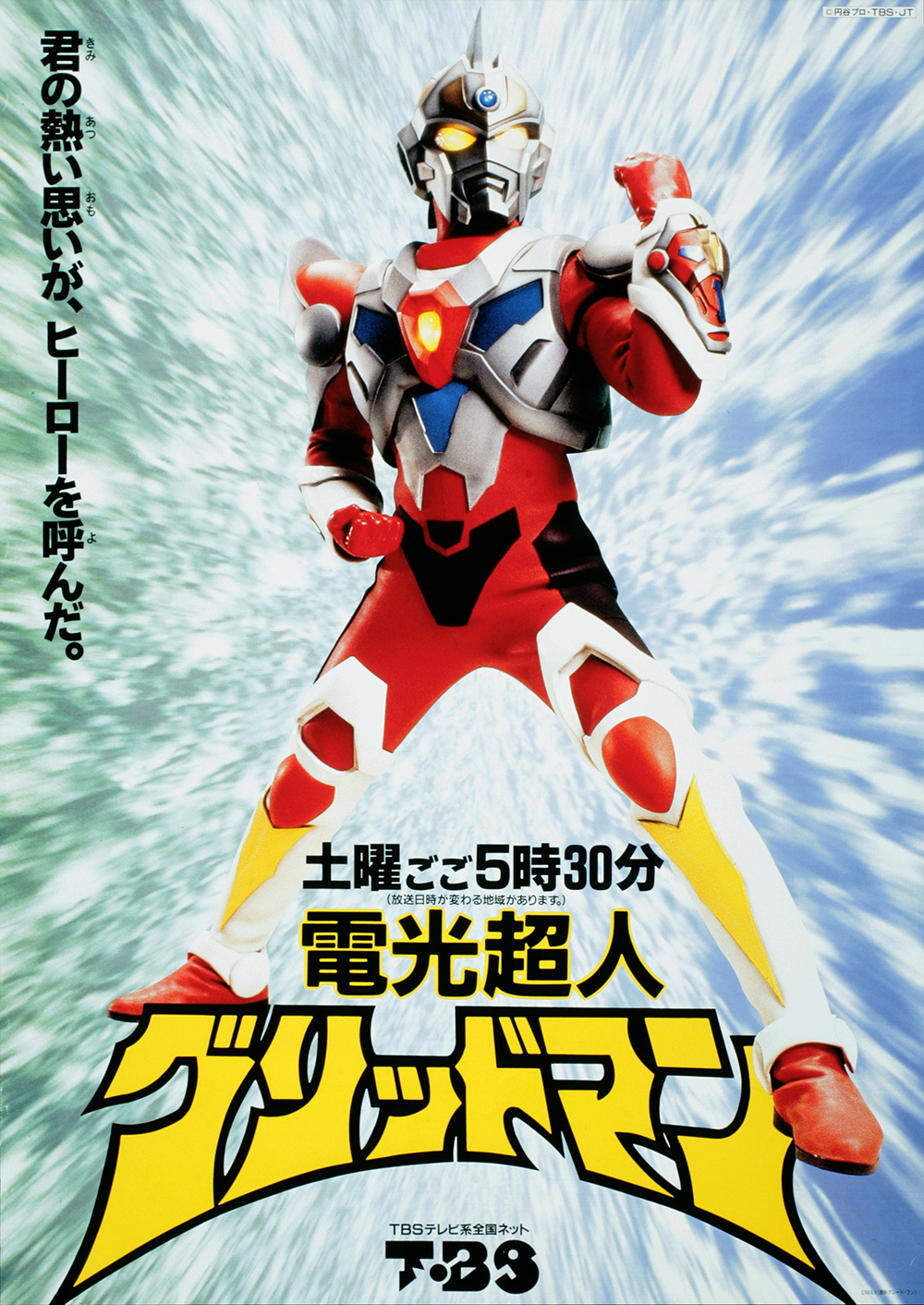
Spoiler commentary and discussion of Electric Light Superhero Gridman (Tsuburaya Productions)
Electric Superhero Gridman" is a special effects work commemorating the 30th anniversary of Tsuburaya Productions. It depicts a junior high school boy and girl who, together with a hero, confront a demon king who is active in the cyber world. Known for its innovative style based on the Internet, it was later adapted into a series of animated works such as "SSSS. Junior high school students Sho Naoto, Baba Ippei, and Inoue Yuka are saved by the mysterious hero "Gridman" when they are attacked by an unusual phenomenon in the city one day. Naoto and his friends learn that the abnormal phenomenon is caused by the dimensional criminal Khan Digifer, and they decide to protect the city together with Gridman.
Read Article
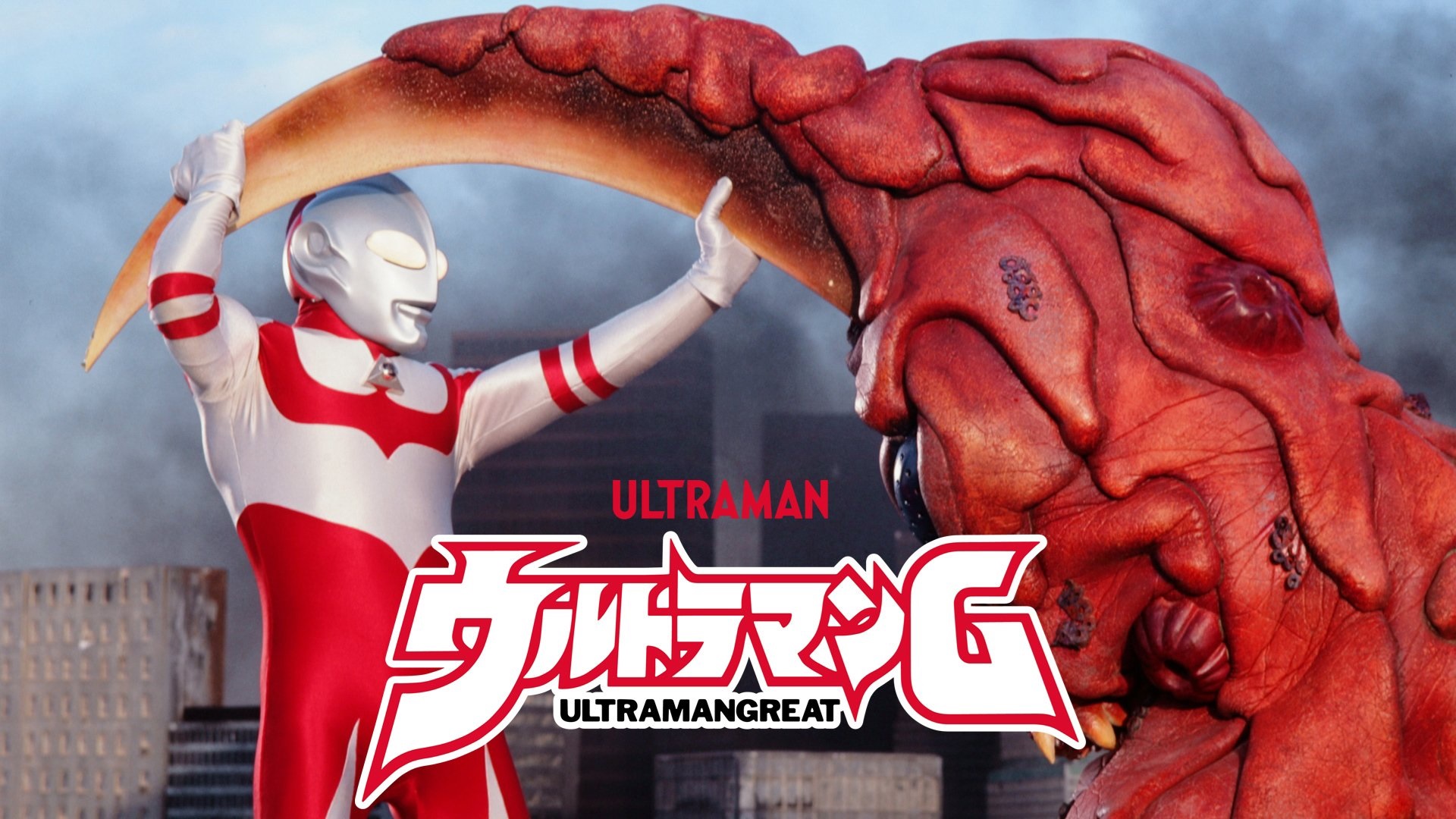
Ultraman G (Great) Spoiler Commentary and Discussion Summary
Ultraman G" is a special effects work by Tsuburaya Productions. It was the first "Ultra Series" made in the Heisei era, and was filmed in Australia. It is said to be a work that connects the "Ultra Series" of the Showa and Heisei eras, as it actively incorporates new visual effects while using actors who have worked on special effects films of the past as voice actors for the Japanese version. It is often abbreviated as "Great. Ultraman Great comes to Earth to defeat the evil life form GODES, and fuses with earthling Jack Shindo; the two join forces to fight GODES.
Read Article
Summary of monsters and aliens in Ultraman Blazer
In "Ultraman Blazer," which depicts the activities of a defense force fighting enemies that threaten humanity and the Earth, and the giants of light who assist them, monsters and aliens of different shapes and abilities appear in each episode. The rampage of giant monsters is a highlight of the "Ultraman" series, Japan's most famous special effects work, and has long fascinated fans with its overwhelming sense of scale. Here we introduce the monsters and aliens of "Ultraman Blazer," who sometimes wreak vicious havoc, sometimes extend their evil invasion clutches, and sometimes try to be friendly with each other, but their differences lead to tragedy.
Read Article
Ultraman for adults? A collection of memorable episodes of Ultraseven
Ultra Seven protects our happiness in the name of Moroboshi Dan. This crimson hero attracts not only the children of those days but also the adults of today. Why does he capture the hearts of not only children but also adults? It is not only because he is cool, but also because he has many episodes rich in deep issues. This article introduces some of the most memorable episodes of Ultra Seven.
Read Article
Showa Version: Ultraman's Special Moves!
Ultraman is a very popular hero who saves the earth in 3 minutes. How many special moves does Ultraman have? If you think you only know the Specium Ray, this article will definitely help you learn more! In this article, we will introduce the special moves of the Ultraman brothers.
Read Article
50th Anniversary! Let's look back at all Ultraman - Showa Ultraman Part 1
Finally, our Ultraman celebrated its 50th anniversary in 2016. I would like to introduce the Ultraman in order of how many Ultraman have existed in the past 50 years and the Ultraman that have appeared in our works. In this article, we will introduce from the first generation to Ultraman Ace.
Read Article
![Showa] A compilation of Ultraman's main characters!](https://renote.net/files/blobs/proxy/eyJfcmFpbHMiOnsiZGF0YSI6Mjc3ODIsInB1ciI6ImJsb2JfaWQifX0=--dbfd800c62dee65777db43bf2dd4547f29ec1af4/1.jpg)
Showa] A compilation of Ultraman's main characters!
We all know that Ultraman is a hero, but what the heck kind of person transforms into him? Have you ever wondered that? If you get to know the person inside before he transforms, you will surely find him even more attractive. In this article, we will introduce the heroes of the Showa series Ultraman.
Read Article
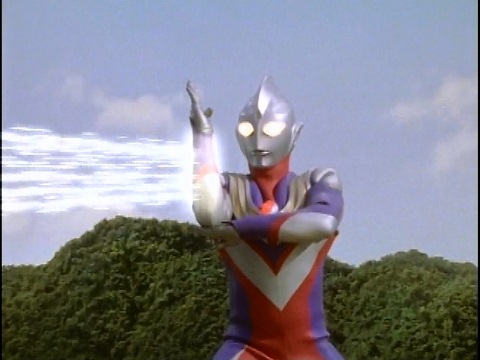
Heisei Version: Ultraman's Special Moves!
Ultraman is a very popular hero who saves the earth in 3 minutes. How many special moves does Ultraman have? If you think you only know the Specium Ray, this article will definitely help you learn more! In this article, we will introduce the special moves of the Heisei Ultraman series.
Read Article
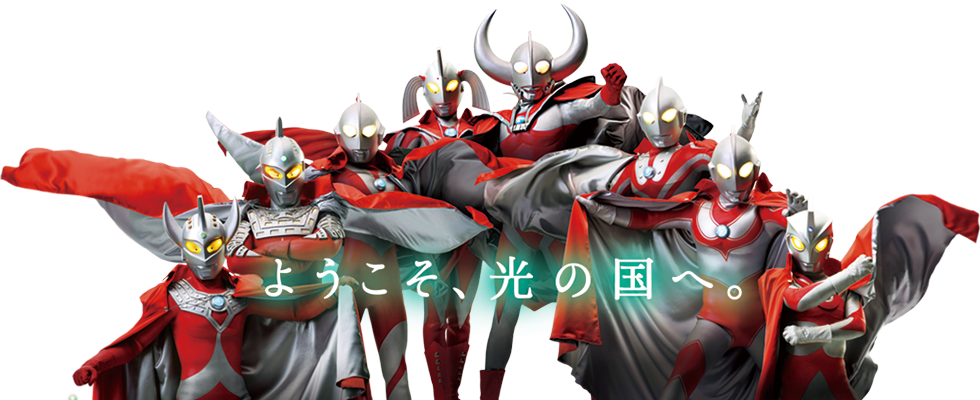
50th Anniversary! Let's look back at all Ultraman - Showa Ultraman Part 2
Finally, our Ultraman celebrated its 50th anniversary in 2016. I would like to introduce the Ultraman who appear in our works in order of how many Ultraman there have been in these 50 years. In this article, I would like to introduce the Ultraman who appeared from Taro to 80.
Read Article
Ultraman's Special Moves!
Ultraman is a very popular hero who saves the earth in 3 minutes. How many special moves does Ultraman have? If you think you only know the Specium Ray, this article will surely help you learn more! In this article, we will introduce some of the sharpest ultraman special moves.
Read Article
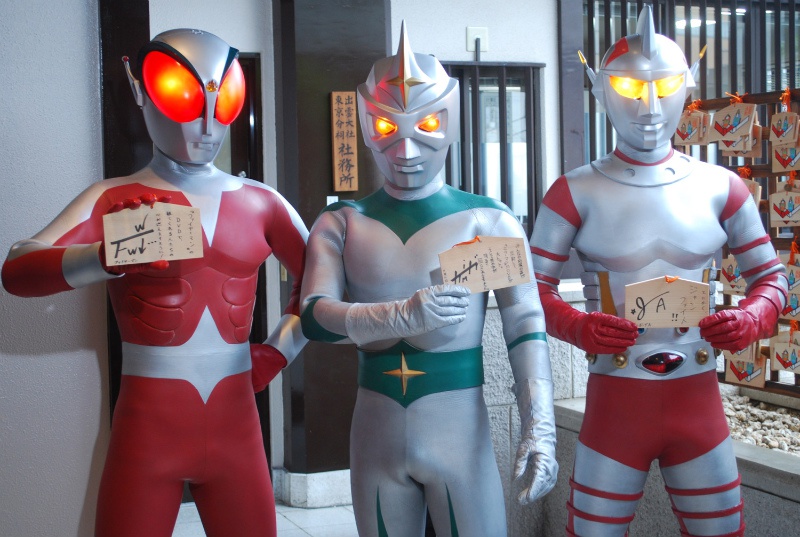
Not Just Ultraman! Tsuburaya Heroes Roundup!
While Ultraman is celebrating its 50th anniversary, there have been many other heroes in Tsuburaya's special effects. In this article, we would like to introduce such Tsuburaya heroes.
Read Article
Ultra Monsters Introduced at My Own Prejudice [Mephilus Aliens].
Have you ever heard of Ultra Monsters? When you hear the word "monster," you may think, "They all look alike, don't they?" But actually, that's not the case! This time, we will introduce you to the unique Heisei Ultra Monster (Alien) "Mephilus Alien".
Read Article
The World of Toru Narita's Designs, including Ultraman
The Ultraman series was born in 1966 and continues to be produced to this day. The sculptor Toru Narita supported the early Ultraman series by designing Ultraman and other characters. Not only Ultraman, but also monsters, mechanics, costumes, and more, Toru Narita's design work never gets old. We would like to introduce such designs by Toru Narita.
Read Article
[Heisei Version] Summary of Ultraman's main characters!
We all know that Ultraman is a hero, but what the heck kind of person transforms into him? Have you ever wondered that? If you get to know the person inside before he transforms, you will surely find him even more attractive. In this article, we will introduce the heroes of the Heisei series Ultraman.
Read Article
Ultra Monsters Introduced at My Own Prejudice [Capsule Monsters].
Have you ever heard of Ultra Monsters? When you hear the word "monster," you may think, "They all look alike, don't they?" But actually, that's not true! In this article, we will introduce you to the capsule monsters that are Ultraman's allies.
Read Article
Tags
Contents
- Overview of "Operation Kai-Kai
- Terminology for "Operation Kai-Kai
- SRI
- Introduction of characters and characters from "Operation Kai-Kai
- Shiro Maki (played by Mori Kishida)
- Tadashi Matoya (played by Yasumi Hara)
- Kyosuke Misawa (played by Takashi Katsuro)
- Hiroshi Nomura (played by Shoji Matsuyama)
- Saori Ogawa (played by Reiko Kobashi)
- Daizo Machida (played by Shoji Kobayashi)
- Jiro (played by Hiroshi Nakajima)
- SRI Equipment
- SRI Jacket
- chemical mace
- Tortoise
- Impressive times
- blockhead
- cut caused by whirlwind
- kill circuit
- I'll buy Kyoto.
- Backstory, Trivia, and Small Stories/Episodes and Anecdotes from "Operation Kaiju
- A flood of complaints! The best special effects images are born from mistakes.
- About Episode 24, "The Mad Demon Man
- Synopsis/Story
- Background to date