
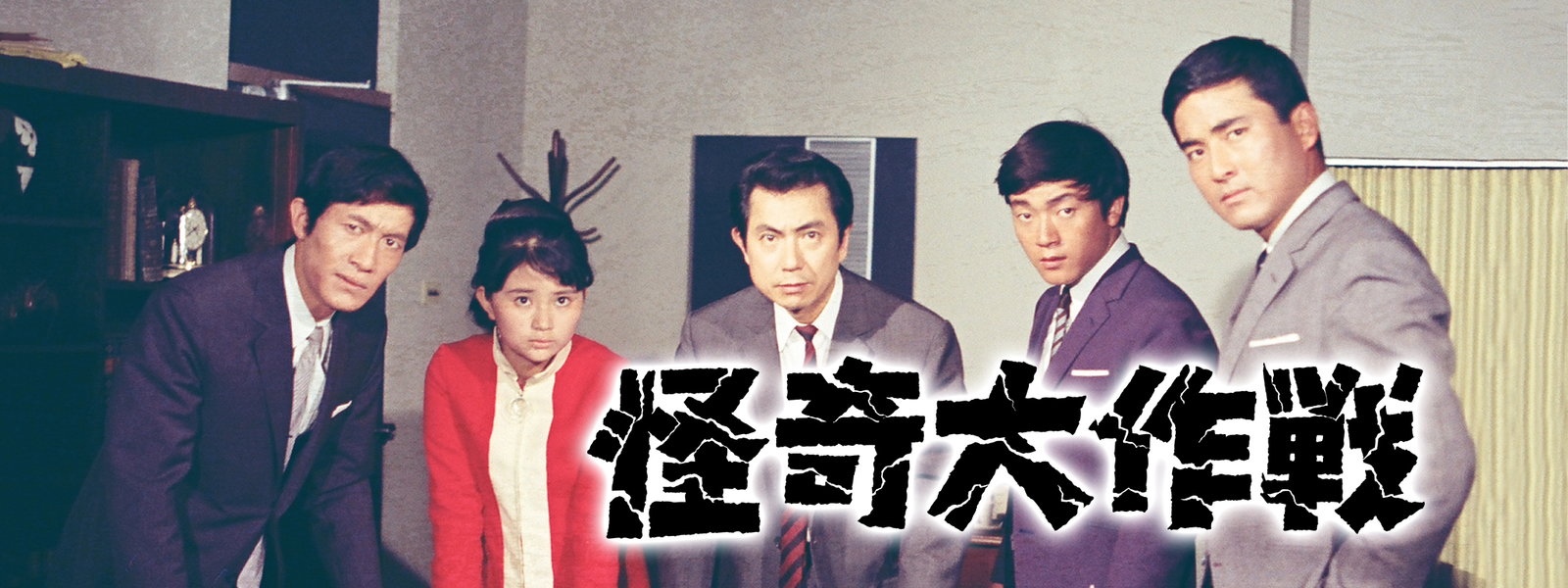
Kai-Kai Daisakusen" is a tokusatsu TV program that aired on TBS from September 1968 to March 1969.
It was produced by Tsuburaya Productions. Total of 26 episodes.
It depicts the activities of the Scientific Research Institute "SRI," which takes on the challenge of scientific crimes that occur in modern society.
In the 21st century, three remakes of this popular work have been produced.
Jiro (played by Hiroshi Nakajima)
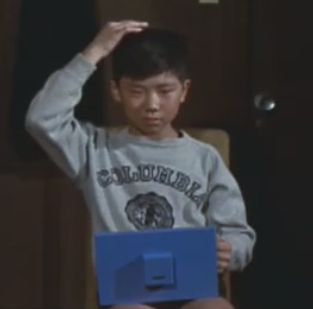
A boy who works as an assistant at SRI. He often works together with Nomura. Perhaps the combination of a violent crime and a boy was not a good match, he only appeared in episodes 1 through 3 as a regular. After that, he appeared in episode 11.
SRI Equipment
SRI Jacket
Protective clothing made of special fiber. In addition to being bulletproof, it is also heat and cold resistant. It is highly portable and is usually stored in a case that fits in a pocket. It has a beige base with brown quilting. It is worn mainly in scenes where the criminal is being chased. This costume is similar to the uniform of the defense organization in the Ultra series, but it is not used as often.
chemical mace
A pistol-shaped spray that sprays chemicals. There were plans to use it extensively in the preparation stage, and it was heavily promoted in magazine articles at the time of the broadcast, but it did not appear in the play. The only filmed scene in which it was used was cut from the broadcast.
Tortoise
A small vehicle fully loaded with special equipment. It is robust, but its small size limits its capacity to two people. In "Endless Runaway," it was stolen and ended up causing a hit-and-run accident.
Impressive times
blockhead
Episode 1. broadcast September 15, 1968.
King Aladdin, a thief who causes a stir in the world, issues a notice to a certain temple. King Aladdin sneaks into the temple and steals a Buddha statue, but is discovered by the police when he tries to escape. Cornered, King Aladdin releases a puff of smoke and slips inside the wall, and with a high laugh, he succeeds in escaping. King Aladdin then sends out a notice to steal jewelry, and disappears into the ground to show Inspector Machida and the others that he is still alive, and succeeds in escaping again.
SRI, aided by Inspector Machida, begins to investigate, and, despite seeking the advice of a magician for his sleight of hand, is unable to make any headway. Meanwhile, King Aladdin comes forward with a new warning letter. He claims to steal the Onitama, a hidden treasure with a market value of 150 million that is used in the Kabuki theater.
King Aladdin steals the devil's ball on behalf of the actor, and disappears into the wall three times. King Aladdin tries to escape by taking the Cessna, bumping into people on the road, but he is never seen again. A large number of pigeons fly out of the Cessna, and King Aladdin attempts to escape while SRI and Inspector Machida are distracted by them. However, Maki of SRI filmed the scene, and his face is revealed, revealing the culprit to be the rare magician Harumitsu Hitotsuki. The trick at the time of the crime was also detected by Maki. King Aladdin had disappeared by dispersing a gaseous fiber that polarized the surrounding light like a mirror. The wall-breaking itself was a performance to distract the viewer from the trick.
When the police raided the house, Harumitsu's wife Shino revealed the crime to the police, and Harumitsu sprayed the special fiber, but SRI had developed a spectral disruptor to counter the special fiber. Harumitsu, deciding it was too late, fled to the lakeside, where he entered an escape magic box, dived into the lake, and attempted to escape. Escape magic was his specialty, but it was also the magic that caused him to fail and disappear from the stage ten years earlier.
The rope connecting the boxes broke, and the boxes fell to the bottom of the sea. It cracked and was crushed by the water pressure. King Aladdin, or Harumitsu Ittetsu Saito, lost his life here.
While depicting Tsuburaya's signature special effects of "wall-piercing" using optical synthesis as a "wall-piercing trick with polarized light," the film also uses a physical trick called "special fiber" to depict the "misuse of science," which is the main theme of the film, as well as a trick that draws attention to the wall-piercing but does not actually allow the box to pass through the wall. This is a gem of a film that also draws you in with its mystery solving that combines psychological tricks with an emphasis on misdirection, the appearance of a spectral destroyer that proves the scientific power of SRI, and the drama of grief caused by the change in celebrity fame.
cut caused by whirlwind
Episode 16. broadcast December 29, 1968.
A woman is murdered by dismemberment. Machida thinks it was a body dumping because no screams were heard and there was little bleeding, while Maki thinks it was done at the scene of the crime. Maki, on the other hand, thinks that the crime was committed at the scene of the crime, because there were traces of face powder on the floor at the scene, which had been picked up. Maki finds a young man smiling slightly among the onlookers.
That night, another dismemberment murder takes place at the same location. The crime was committed right in front of the policemen. The woman was not attacked by anyone, but was dismembered in front of the policeman.
Based on the conditions at the scene and the officer's testimony, SRI deduces that the murder weapon is an application of the principle of laceration caused by a vacuum, known as a Kamaitachi. The investigation proceeds. Matoya recalls his own encounter with a Kamaitachi, and Saori says that there is nothing she can do if she is suddenly caught in the middle of one.
As the police make a list of people who might be involved in the crime, a young man named Matsuo Ono comes up on the SRI's line of investigation. From his picture taken at the crime scene, Maki senses something unspeakable.
Matsuo was a well-behaved young man who worked at a factory near the site. He tended to leave his circle of friends during breaks. He was quiet and reserved, but serious about his work. The factory president says he is a good young man who has taken a correspondence course and is eager to learn. Maki sees Matsuo's diary, but the day of the incident is blank.
On a holiday, Matsuo enjoys laughing with his friends from his hometown. However, as soon as he sees an arowana eating a goldfish at a restaurant, he suddenly goes away. The same night, SRI successfully conducted an experiment. The conclusion is reached that the crime could have been committed in a vacuum, but at the same time a third incident occurs. The woman's dog is found dismembered. Maki feels a sense of unease with the lack of evidence and motive, and is struck by a premonition of further incidents, so SRI begins a sting operation using Saori to prevent any further damage.
A man wearing a balaclava hat aims at Saori as she walks down the street at night. Saori is replaced on the way by a mechanical fishing doll. The doll is attacked by Kamaitachi, and falls apart. Maki and the others, realizing the crime, find the man and seize him. The man under the hat is Matsuo. Nomura, who had not been told about the decoy operation, is outraged, but Matsuo says nothing.
Matsuo is silent during the interrogation. The story closes with a monologue by Maki, who watches him and is puzzled by the murder for which no reason can be found.
This is a monstrous work that gains more and more recognition as time goes by. In a word, it is a work that depicts "murder without a reason," which would later attract public attention. However, the impression of this story is strengthened by the atmosphere that pervades the entire work, which cannot be simply put away in one word.
Matsuo is alone in the crowd, and he exudes a sense of discomfort. Maki senses something inexpressible about Matsuo, and continues to pursue him based solely on intuition. Unlike the police, SRI has expanded the scope of its investigation to include people unrelated to the crime, and continues to search for suspects, even covering the entire floor of the office with photographs. Unlike previous cases, the police remain optimistic and maintain their attitude that they can find the culprit through reason.
In the 1960s, the government's plan to double incomes led to a shift to nuclear families and single-person households, and the isolation of individuals and the thinning of connections between people became a reality in urban areas. Against the backdrop of such a society, a young man named Matsuo is depicted. Numerous questions about the connection between motives appear in the film, but none of them can be answered concretely in this story. The story ends without going into the inner life of Matsuo. Therefore, this story is very different from the "murders with no real reason" that have appeared in many dramas, and the viewer is reminded that the possibility of a motive is left until the end of the story.
Something that cannot be told simply by writing out a synopsis dominates the entire work. It is a work like a sensationalist private novel that can be understood very differently depending on the viewer.
kill circuit
Episode 20. broadcast January 26, 1969.
Kamiya Shoji has installed a state-of-the-art computer. This computer was an advanced one that could talk to humans using a voice-activated device.
An argument breaks out between Seigoro, the president of Kamiya Shoji, and his son, Seiichiro, the company's managing director. Seiichiro has arbitrarily cut a contract with an affiliated subsidiary. Seiichiro claims that the reason was computer calculations.
Kiyoichiro drives Seiichiro away and Kiyo-goro checks the results of the computer calculations. The computer says that Hayashi Bussan will go bankrupt in the near future. While Kiichiro assures Kiichiro that he will never let Hayashi Bussan go bankrupt, the computer says that Kiichiro only has 30 seconds left to live.
Diana emerges from the painting of Diana behind the astonished Kiogoro. Diana holds up a bow and arrow, just as described in the painting. Kiigoro holds his chest as if he had been shot, and dies.
Matoya's classmate Daisuke Ito calls SRI. Ito, a candidate for an executive position at Kamiya Corporation, had been ordered to be reassigned by Seiichiro, who had succeeded Seigoro. However, the purpose of his call was not to complain about that. He had seen a woman resembling a painting of Diana in the president's office disappear on the seventh day of Seigoro's death. There is no indication of any neurological abnormality on Ito's part. Combined with the president's sudden death, it was not enough to be called a mysterious incident, but Matoya begins to investigate.
Seiichiro had been working on a computer-based purge plan using a programmer named Oka. The computer calculates out Seiichiro's enemies, and Oka creates a program to eliminate them from the company. A woman resembling a painting of Diana was the product of this "murder circuit," a program that kills people.
Matoya and Maki, in the course of their investigation, encounter the moment when Seiichiro tries to make the program kill Oka to keep him from talking, and they try to save him and talk to him. However, the woman who chased after them slips past Matoya and the others and aims at Oka, taking his life.
Matoya discerns from the slip-through phenomenon that the woman is a hologram. A CRT display used by computers to display images. This is what gave birth to the hologram of the woman.
One morning, the woman suddenly starts targeting Seiichiro. Who gave her the order? When Seiichiro asks, the woman answers that it was the computer. She wants to bury Oka and Seiichiro, who knows what happened in this case, and keep the truth in the dark. Matoya and Maki appear before Seiichiro, who is horrified and admits his guilt; SRI obtained the blueprints for the CRT display delivered to Kamiya Shoji and rewrote the circuitry at night, turning it into a weapon to extract a confession.
Matoya and Ito, having uncovered the truth of the case, laugh amiably at each other.
The case involved the use of a computer, which was still a rarity at the time. The appeal of this story lies in its drama, which is stripped down to the bare essentials.
The use of a CRT display as a holography generator and the absence of a specific means of killing, which is crucial, may be considered amusing, but this was done to keep the film to 30 minutes. The plot is a further development of the theme of "Operation Kai-Kai" of crimes made more sophisticated by cutting-edge science and technology until the end of the film, where the killer is attacked by a program that has become too advanced for him to control, a plot that can be seen as ironic in relation to science and technology. The contrast of humans emotionally unable to accept the mechanical decisions of a computer is depicted throughout the film, and the viewer who accepts this literary plot, as in "2001: A Space Odyssey," is treated to a further twist in a multi-layered story that is a first-class science fiction suspense film rarely seen in the cinema. The high degree of perfection with which this story is presented in a 30-minute film will never fade away.
I'll buy Kyoto.
Episode 25. broadcast March 2, 1969.
SRI goes to Kyoto to investigate the disappearance of Buddhist statues one after another, and Maki asks Professor Fujimori, who studies Buddhist statues. Professor Fujimori says that Kyoto today has changed so much that it is no longer a safe place for Buddhist statues to live.
Professor Fujimori's assistant, Miyako, is fascinated by the statues. Maki, who had no choice but to come to the disco with Saori, sees Miyako collecting pledges from young people to sell Kyoto. When Maki asks what she is doing, Miyako replies that it proves that no one loves Kyoto.
The two look out at the city of Kyoto together, and then enter a coffee shop where Maki and Miyako continue their conversation. They are drawn to each other, feeling both an understanding and a rift.
The disappearance of Buddhist statues occurs again, and Misawa investigates the scene and discovers a strange machine. Matoya discovers that it is a machine that generates cadmium rays. The cadmium ray is a technology that breaks down matter and transmits it. The temple where the Buddha statue disappeared was always visited by Miyako. Although there is no proof, the possibility that Miyako is the culprit has emerged.
Maki realizes that Miyako has planted a machine in the room where the Buddha statue is located. Maki proposes a plan to remove the machine and locate the receiver.
That night, the Buddha statue is transferred to Miyako and Professor Fujimori. Professor Fujimori is saddened to see the pile of pledges, and Miyako says she is going to build a town of Buddha statues.
Then the police and Maki raid the place. The professor is arrested without resistance and pities the fact that the Buddha statues will be exposed to noise, smog, and tourists.
In contrast, Miyako says she was wrong to try to believe in anything other than Buddha images and flees into the night.
Maki walks alone through the streets of Kyoto, where he and Miyako had toured together, and meets Miyako, who has become a nun, at a temple. Miyako tells Maki and Maki to forget about each other. Maki turns around to leave, but instead of seeing Miyako, he sees a statue of a Buddha shedding tears. Maki can't take it anymore and runs away from the place.
The budget of the film was limited because it was after the broadcast of "Operation Kaiyodo" had ended, and the rare master director Akio Sanejoji, who began showing his skills in live dramas on TBS, created many followers with his strong direction of "Ultraman" and "Ultra Seven," and later won the Grand Prix at the Locarno International Film Festival, the only Japanese film to win this prize, was unable to make the film. This is one of the films shot on location in Kyoto, Japan. Akio Jissoji's direction clearly depicted the changes and hustle and bustle of the city of Kyoto, creating images that speak for the heart of Miyako. The only romance in "Operation Kai-Kai" is also carefully depicted, but it is not just a love story, and the characters and the drama are excellent in that they do not lose their "Operation Kai-Kai" character.
In addition to being an interesting drama, the special effects in which the Buddha statue disappears are also highly acclaimed. This footage was shot by actually moving the Buddha image. The video was shot by taking the usual footage and the footage after moving the Buddha image, and when these two images are stitched together, the Buddha image disappears. This scene, which was shot with the full cooperation of the temple, astonished many viewers and other people who thought that it was impossible to actually move the Buddha image.
Backstory, Trivia, and Small Stories/Episodes and Anecdotes from "Operation Kaiju
A flood of complaints! The best special effects images are born from mistakes.
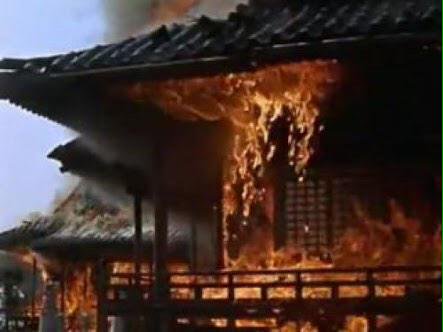
Unlike its predecessors "Ultra Seven," "Captain Ultra," and "Ultraman," this film has almost no flashy special effects scenes. The only special effects scene that can be considered flashy is the climax of "The Cursed Pot".
This story is one of the most highly acclaimed works not only in this film but also in the history of special effects. The story itself, however, is serious but not remarkable, and the direction of Akio Jissoji, who directed this story in parallel with "Kyoto Buy It", is so solid and settled that it can be said to be in contrast to "Kyoto Buy It". However, the climax of the film wipes away all these shortcomings and becomes a big special effects picture scroll that is so big that it receives high praise.
I would like to introduce some of the highlights as follows.
The murder weapon used in the incident, a lute substance that emits lute rays that produce heat when exposed to sunlight, is scattered throughout the temple.
The temple's main hall is set ablaze by the lute rays and burns down in front of Maki and Machida's eyes.
That is all. It is a mere fire that lasts less than a minute, but the fact that it is a mere fire is what makes it so interesting.
No matter how many times you look at it, it really looks like a temple on fire. You can even see each and every tile crumbling under the flames. It is an image almost identical to a real fire, with a degree of perfection never before seen in a movie.
Akio Jissoji, who directed the film, later declared that this scene was "the only special effect that I think I have succeeded in working on. He later went on to work on general films, and even though he worked on a number of special effects films with budgets that were incomparable to those of television, this is what he said. Was it his persistence that produced these images?
Or was it the skill of Jun Ohki (a different person from comedian Bibiru Ohki), who was in charge of special effects and later became the film's director? Or were the two, who would later work together on the smash hit "Teito Taisen" (1988, Toho), in perfect sync at this point?
This is a must-see scene that makes one wonder if they had something to do with the perfection of the film, but in fact, this scene was born out of a simple mistake.
As mentioned earlier, "Operation Kai-Kai" hardly used flashy special effects. In this story, a miniature set was constructed to depict the temple fire scene at the climax, and this was the only real miniature special effects.
In "Ultraman" and "Ultra Seven," the miniatures were basically built in 1/20 scale to match the height of the giant heroes. If a 2-meter tall person, including Tappa, were to stand inside a 1/20 scale miniature, a 40-meter tall giant hero would be completed. Since there was no comparison to be made on the screen this time, the scale could be freely decided.
The budget for "Operation Kaiyodo" was not very large due to the small number of special effects scenes. Therefore, the staff was able to order miniatures as they wished in terms of money.
The staff decided to spend their budget to create an elaborate 1/9 scale miniature of the temple. The roof tiles would be reproduced, and the wooden structure would be reproduced well. With the cooperation of the temple, a detailed drawing was made, which was scaled down and ordered with lumber and roof tiles.
However, the film crew received a very large tile. Due to a miscalculation, the order was three times larger than it should have been, in other words, one-third the size of the original order.
Fortunately, it turned out that a set of this size could be built for the special effects stage, and the crew had no choice but to shoot the film in this size. Wood can be used for other purposes, but not roof tiles. However, there was no budget to reorder tiles at 1/9th the size. The price of the roof tiles was higher than the other parts.
Thus, the temple burning scene was shot in 1/3 scale miniature. It should only look like the real thing is burning. After all, even though it is a miniature, it is about the size of an ordinary one-story building that is being burned. Moreover, the contents of the miniature are no different from the real thing. It is no wonder that it looks so real.
If you have a chance to see "The Cursed Vase" from "Operation Kai-Kai" on DVD rental or online video distribution, please watch this scene alone. The spectacular scene, which is so powerful that it could be mistaken for the real thing, is sure to shock even those who do not like special effects.
Now, the scene with a high degree of perfection was completed due to an ordering error, but this did not make it a happily-ever-after .......
Viewers who saw the TV broadcast called TBS to protest, believing that they had really burned down the temple. Apparently, there were more than one or two such cases. The temple that served as the model received numerous calls from parishioners expressing their concern.
The film was so highly finished that even later it became a source of trouble if it appeared as if the temple was really being burned, so some reruns had to be rebroadcast with a flip-flop after the broadcast, stating that it was an image of burning miniatures. Even in the 21st century, the heyday of high-definition television, a similar flip was used during reruns on NHKBS high-definition. While this is a testament to a level of perfection that does not lose its reality even as television evolves, it is a bottleneck that requires a unique response that is different from other stories and other works.
This episode is a good example of how high perfection can also be a good or bad thing.
About Episode 24, "The Mad Demon Man

Related Articles
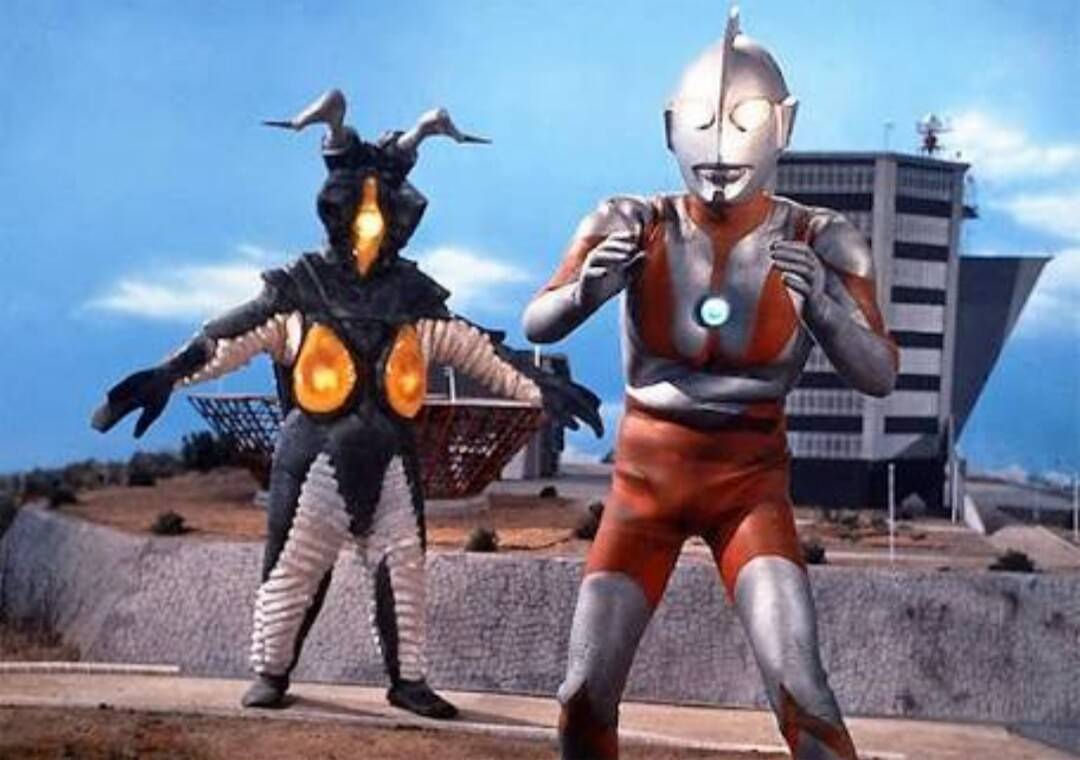
Monsters and aliens who defeated Ultraman!
Ultraman is admired by children and is the overwhelming national hero. Such Ultraman has actually been defeated quite a bit. Powerful monsters and aliens have appeared in the series, including Zetton, who defeated the first Ultraman and subsequently became the series' greatest enemy, and Hippolyto, an alien who is victorious even against four Ultramans. We have compiled a list of monsters and aliens that have defeated successive Ultraman and shocked viewers.
Read Article
Monsters and Aliens with Sad Fates in the Ultraman Series
The general impression of Ultraman is that he fights monsters to protect the peace of the earth, but there are times in his works when he deviates from this. In such episodes, the monsters meet a heartbreaking end that makes us feel sorry for them. This section introduces some of the monsters and aliens that met heartbreaking ends, such as Jamilla and Pygmon.
Read Article
Ultraman (First Generation) Spoiler Commentary and Discussion Summary
Broadcast on TBS between July 17, 1966 (Showa 41) and April 9, 1967 (Showa 42). Ultraman" is the name of the giant transforming hero that appears in the film. It was produced by Tsuburaya Productions. The title of the video was "Ultraman: The Fantastic Special Effects Series. A total of 39 episodes were broadcast. Ultraman and an Earthman named Hayata become one and the same, and together with the Science Special Search Party, defeat monsters and invading aliens to protect the peace of the Earth.
Read Article
Ultraman Tiga (Tsuburaya Productions) Spoiler Commentary and Discussion Summary
Broadcast on TBS from September 7, 1996 (Heisei 8) to August 30, 1997 (Heisei 9). Ultraman Tiga" was produced by Tsuburaya Productions and Mainichi Broadcasting System. A total of 52 episodes were broadcast. In 1998, it was the first Japanese tokusatsu TV drama to win the 29th "Nebula Award" in the film theater and media categories. This work depicts the battle between Ultraman Tiga-Madoka Daigo, the "Giant of Light," and the GUTS members, and the oncoming "darkness.
Read Article
Spoiler commentary and discussion of Ultra Seven (Tsuburaya Productions)
It was broadcast on TBS between October 1, 1967 and September 8, 1968. Ultra Seven" is the name of the giant transforming hero that appears in the film. It was produced by Tsuburaya Productions. A total of 49 episodes were broadcast. The Ultra Guard protects the earth against aliens who are planning to invade the earth. The story depicts the activities of the hero Ultra Seven, who cooperates with the Guard and other earthlings.
Read Article
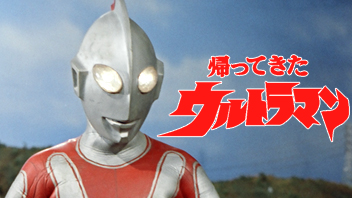
Spoiler commentary and discussion of Return of Ultraman (Ultraman Jack)
Broadcast on TBS between April 2, 1971 and March 31, 1972. Ultraman Returns" was produced by Tsuburaya Productions. A total of 51 episodes were broadcast. A series of crustal movements and abnormal weather occur in various parts of the world, awakening sleeping monsters. The story depicts the activities of the defense team MAT, which fights these monsters, and the giant hero Ultraman, who fights alongside them.
Read Article
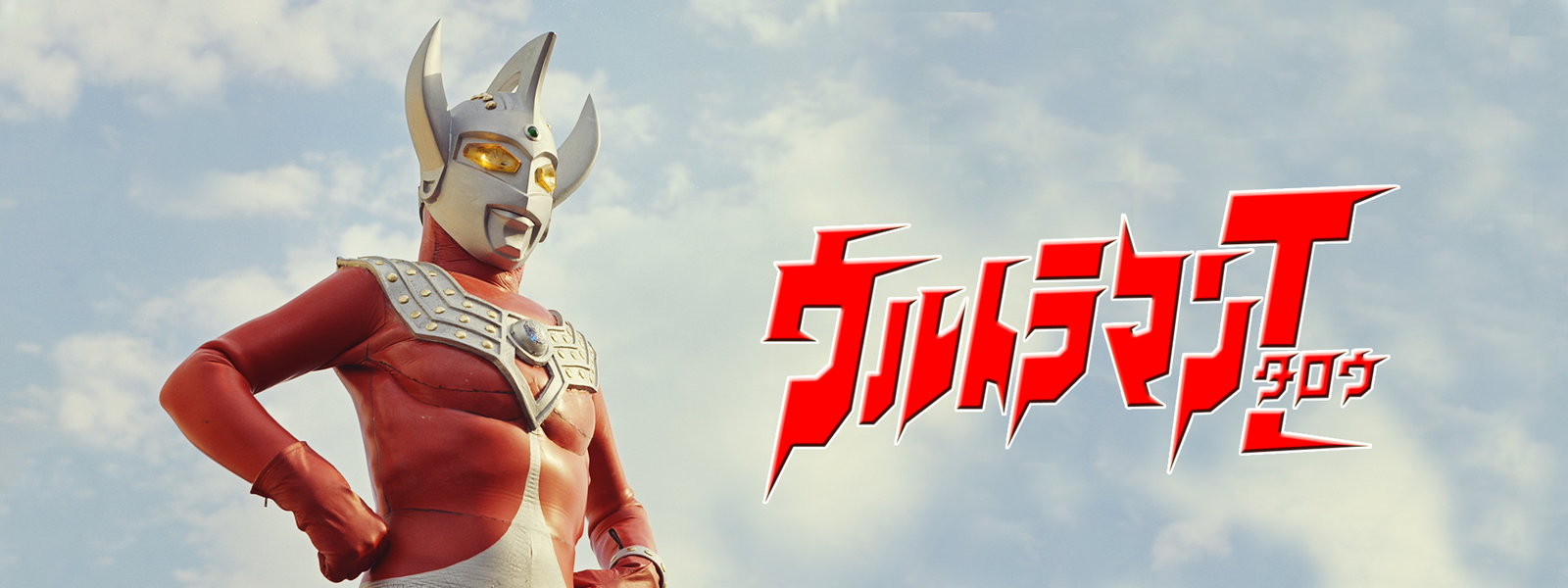
Ultraman Tarou (Tsuburaya Productions) Spoiler Commentary and Discussion Summary
Broadcast on TBS from April 6, 1973 to April 5, 1974. Ultraman Tarou" was produced by TBS and Tsuburaya Productions. A total of 53 episodes were broadcast. After the previous Ultraman A, Ultraman Taro is assigned to the mission of Earth defense. While on Earth, he is active as Kotaro Higashi of the Space Science Guard ZAT, and the story depicts his battles with monsters and aliens that are more powerful than super-beasts.
Read Article
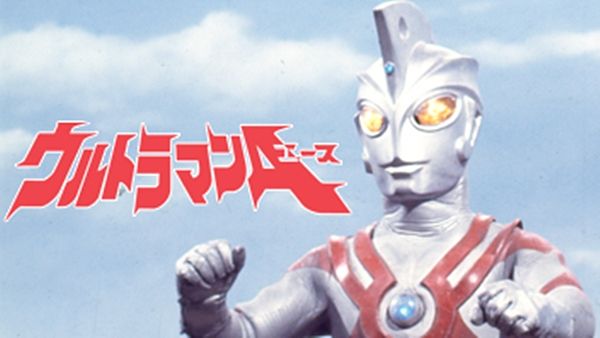
Ultraman A (Ace) Spoiler Commentary and Discussion Summary
Broadcast on TBS from April 7, 1972 to March 30, 1973. Ultraman A" was produced by TBS and Tsuburaya Productions. A total of 52 episodes were broadcast. A new enemy, the inter-dimensional human Yapur, plans to invade the earth. This work depicts the exploits of the TAC, a super-attack team of super-animals, and Ultraman A, a giant hero, who fight together against the super-animals, which are more powerful enemies than monsters, sent by Yapur.
Read Article
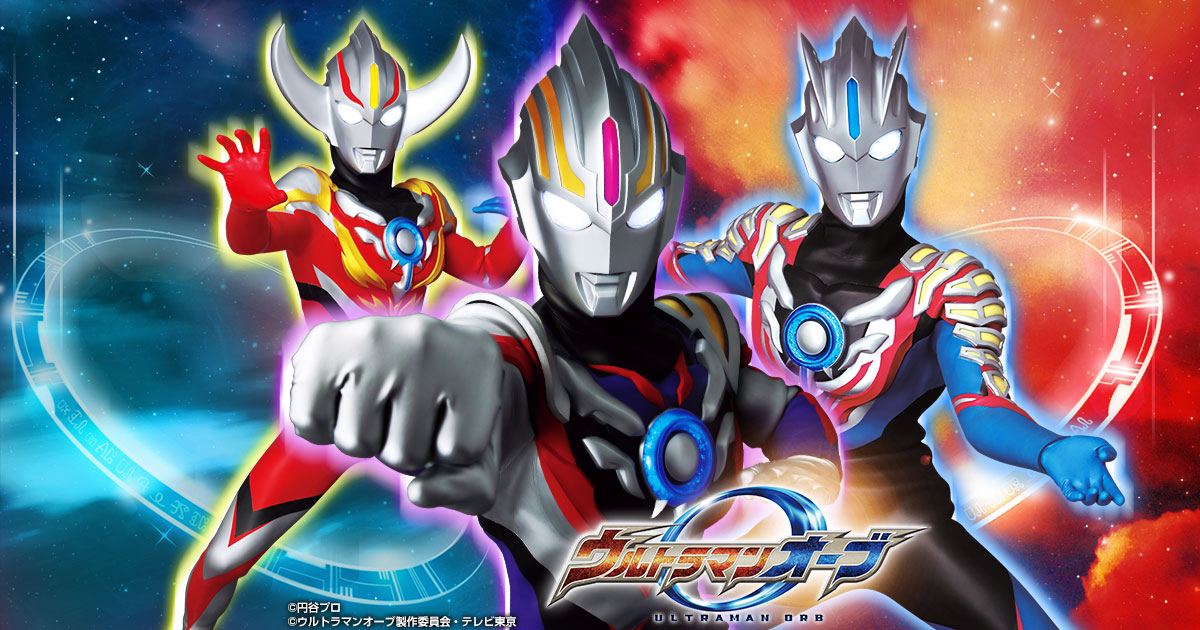
Ultraman Orb (Tsuburaya Productions) Spoiler Commentary and Discussion Summary
Ultraman Orb is a special effects TV drama of the Ultra series produced by Tsuburaya Productions and broadcast in 2016. It is the 50th anniversary production of the Ultra series. The main character, Kurenai Gai/Ultraman Orb, senses the resurrection of the Demon Beast during his journey and stops by a certain town. The film depicts the fateful encounters, battles, and Gai's own conflicts that occur there. The catchphrase is "The power of light, we will take it! Awaken, Warrior of Light. "For the first time in history! Transforms from a combined body! The catchphrases are "Awaken, Warrior of Light!
Read Article
Ultraman Gaia (Tsuburaya Productions) Spoiler Commentary and Discussion Summary
Broadcast on TBS from September 5, 1998 (Heisei 10) to August 28, 1999 (Heisei 11). Ultraman Gaia" was produced by Tsuburaya Productions and Mainichi Broadcasting System. A total of 51 episodes were broadcast. Takayama Gamu = Ultraman Gaia, XIG members, and Fujimiya Hiroya = Ultraman Aguru, each with their own thoughts and feelings, confront a fundamental doomsday invader that is about to attack them.
Read Article
Ultraman Leo (Tsuburaya Productions) Spoiler Commentary and Discussion Summary
Broadcast on TBS from April 12, 1974 to March 28, 1975. Ultraman Leo" was produced by TBS and Tsuburaya Productions. A total of 51 episodes were broadcast. Under the theme of "vividly expressing the harshness and sadness of life," the story follows the main character, Gen Otori (Ultraman Leo), as he is driven into a harsh situation by conflicts with powerful enemies and the people around him and grows while suffering.
Read Article
Spoiler commentary and discussion of Ultra Q (Tsuburaya Productions)
Television program aired on TBS from January 2 to July 3, 1966. It is a black-and-white work. The first in the Ultra series. Produced by Tsuburaya Productions. Total of 28 episodes. It depicts the mysterious incidents and monster appearances that occur in the "Unbalance Zone," where the world has lost its balance. Unlike later series, it is characterized by the absence of defense organizations and superheroes. In 2011, the series was colorized under the title "Sennenshoku Ultra Q."
Read Article
Ultraman Cosmos (Tsuburaya Productions) Spoiler Commentary and Discussion Summary
Broadcast on TBS from July 6, 2001 (Heisei 13) to September 27, 2002 (Heisei 14). Ultraman Cosmos" was produced by Tsuburaya Productions. A total of 65 episodes were broadcast. This work depicts Musashi Haruno (Ultraman Cosmos) wishing for the coexistence of monsters and humans, and daring to stand up against evil enemies without killing them unnecessarily.
Read Article
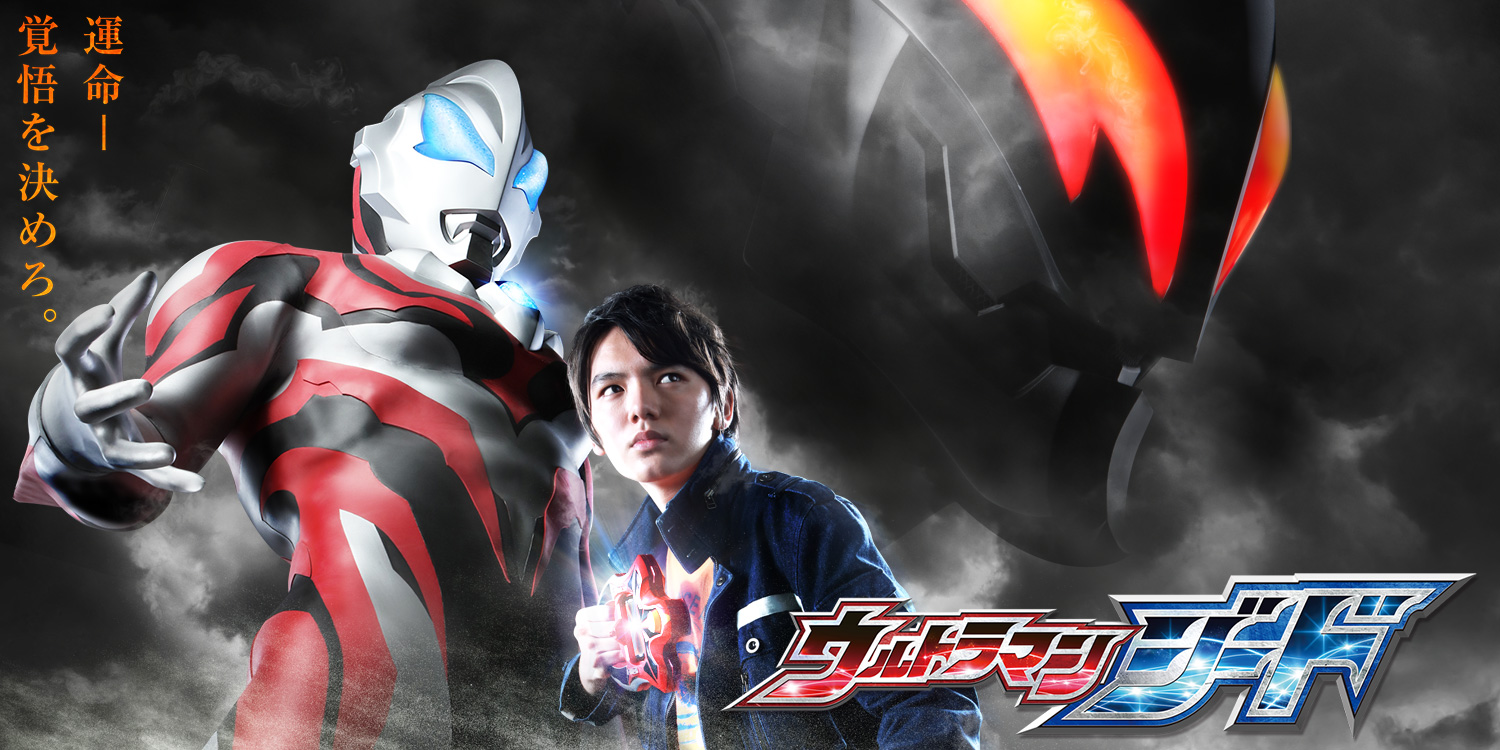
Spoiler commentary and discussion of Ultraman Jeeed (Tsuburaya Productions)
Ultraman Jeeed is the title of an Ultra series work that aired every Saturday morning at 9:00 a.m. on the TV Tokyo network from July 8 to December 23, 2017, and the name of the hero transformed by the main character in the work. The work depicts the hero Asakura Riku/Ultraman Jeeed, who has the genes of Ultraman Belial, the evil Ultraman, meeting irreplaceable friends and growing up during his battle against fate. The catch copy is "Fate - Be Prepared."
Read Article
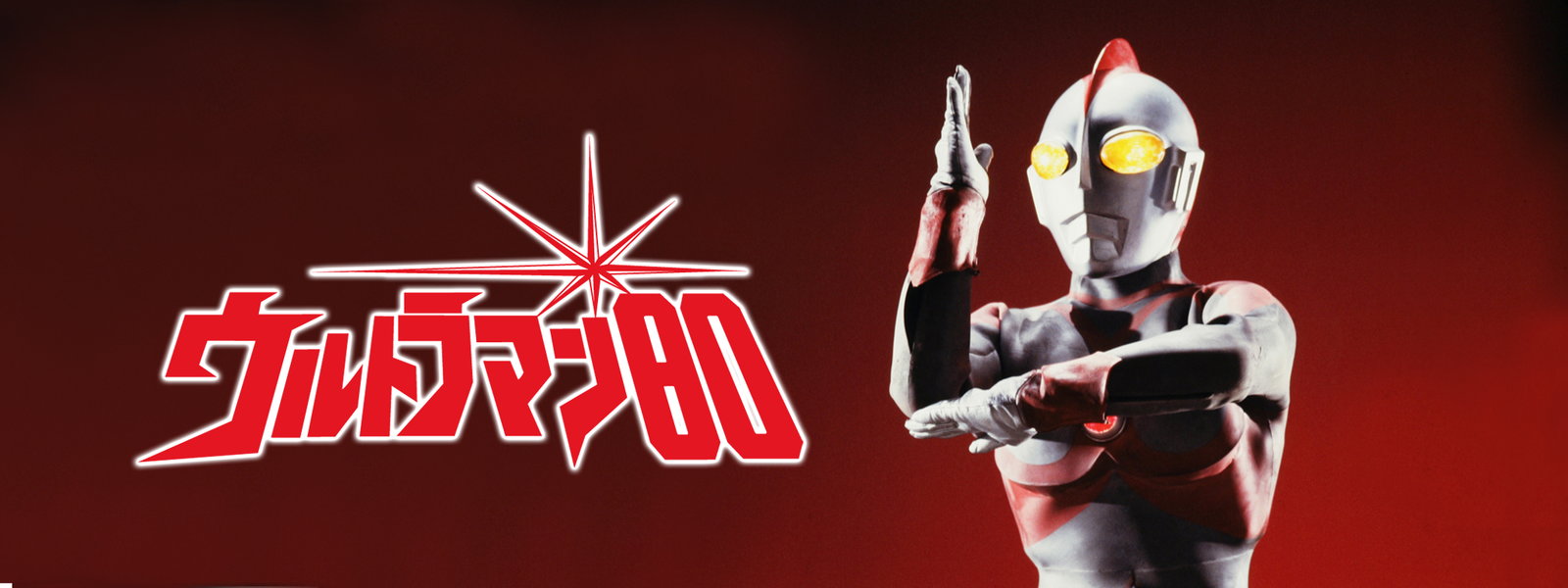
Ultraman 80 (Eighty) Spoiler Commentary and Discussion Summary
Broadcast on TBS from April 2, 1980 to March 25, 1981. Ultraman 80" was produced by TBS and Tsuburaya Productions. A total of 50 episodes were broadcast. The story depicts the days of Ultraman 80 = Takeru Yagata, who came to Earth from the M78 nebula, the Land of Light, and realized that human negative emotions and negative energy create monsters, and became a new teacher to break the root of the problem, and his days as an active member of the UGM team.
Read Article
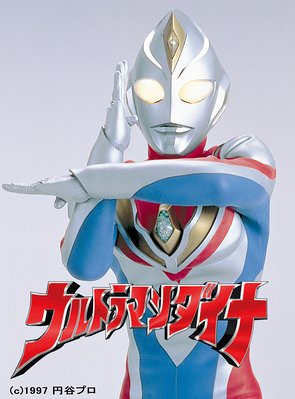
Ultraman Dyna (Tsuburaya Productions) Spoiler Commentary and Discussion Summary
Broadcast on TBS from September 6, 1997 (Heisei 9) to August 29, 1998 (Heisei 10). Ultraman Dyna" was produced by Tsuburaya Productions and Mainichi Broadcasting System. A total of 51 episodes were broadcast. The year is 2017, seven years after the previous work "Ultraman Tiga" defeated the forces of darkness and restored light to the world. The work depicts the battle between Asuka Shin-Ultraman Dyna, the members of Super GUTS, and the mysterious life form Sphere.
Read Article
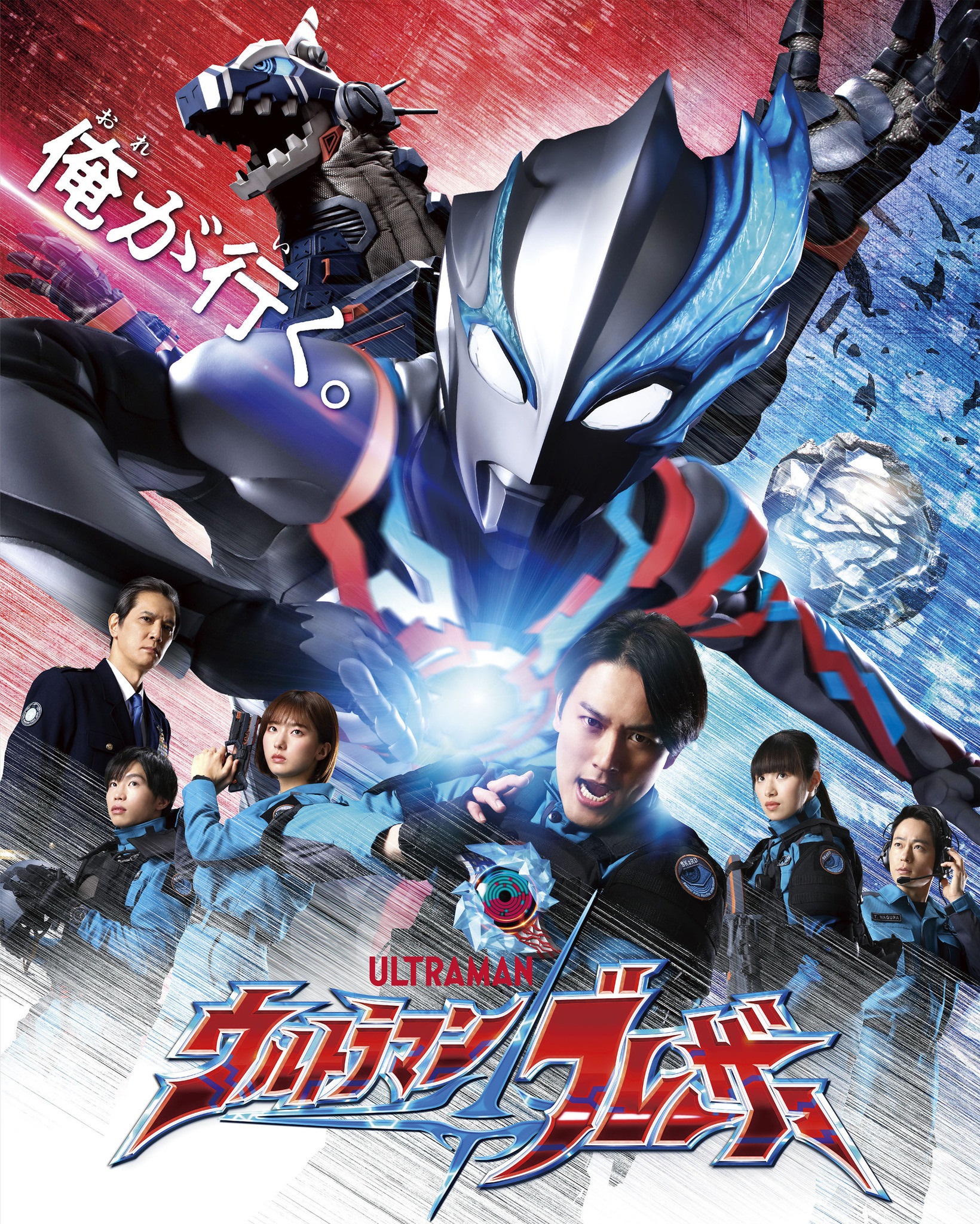
Ultraman Blazer (Tsuburaya Productions) Spoiler Commentary and Discussion Summary
Ultraman Blazer" is a special effects film about a defense force captain who gains the ability to transform into Ultraman, a giant of light, and fights giant monsters and evil aliens. The theme of the film is "communication," depicting the clashes and reconciliations between people from different backgrounds. One day, Hilma Ghent, the leader of the GGF, a special unit that protects the Earth from monsters and extraterrestrial threats, gains the power to transform into Ultraman Blazer. Ghent is transferred to SKaRD, a special monster response detachment, and uses her courage and the power of Ultraman to protect people.
Read Article
A direct hit of the specium ray of laughter! Ultra Monster Kattobi-Land," a nostalgic manga that was so destructive
Numerous Ultramans have been active in both the Showa and Heisei versions. Did you know that there was once a gag manga featuring the Showa Ultraman? And Gundam wasn't the only SD manga that used Ultraman as the main character.
Read Article
What is Astekaiser (Tsuburaya Productions), the star of professional wrestling?
Pro Wrestling Star Astekaiser" is a special effects drama produced by Tsuburaya Productions and written by Go Nagai and Ken Ishikawa that was broadcast from October 1976 to March 1977. It depicts the exploits of the righteous warrior Astekaiser, who stands up against the Black Mist, an evil fighting force that is trying to conquer the world of professional wrestling. It is famous for the fact that New Japan Pro-Wrestling fully backed the series, and for its "dramamation," in which live-action is replaced by animation during the climactic battle scenes.
Read Article
セブンガーファイト(円谷プロ)のネタバレ解説・考察まとめ
『セブンガーファイト』とは円谷プロの作品見放題サブスク「TSUBURAYA IMAGINATION」の中で配信された『ウルトラマンZ』のスピンオフ作品である。対怪獣特殊空挺機、通称「特空機1号セブンガー」によるテレビ本編では描かれなかった裏側の戦いにフォーカスを当てている。ハルキ操縦のセブンガーにヨウコ、ユカ、ヘビクラが怪獣分析や戦術指示をしながらウルトラマンZが参戦していないストレイジ本来の任務を赤裸々に描いている。
Read Article
Ultraman Z (Tsuburaya Productions) Spoiler Commentary and Discussion Summary
Ultraman Z" is a special effects TV drama of the "Ultraman Series" produced by Tsuburaya Productions and broadcast in 2020, and is the second in the 2021 Ultraman series. The catchphrase is "Please chant my name! Ultraman Zed! The series is based on the popular "Ultraman Zed" series. The main character, Haruki Natsukawa, who belongs to the anti-monster robot unit Strage, has a fateful encounter with the young Ultraman Zetto during a battle against the monsters that have come to Earth. This work depicts the battle of the giant robot "Tokku Kuki" and the activities of the hot-blooded duo of Haruki and Zetto, who boldly stand up against the shadows that lurk behind the battle.
Read Article
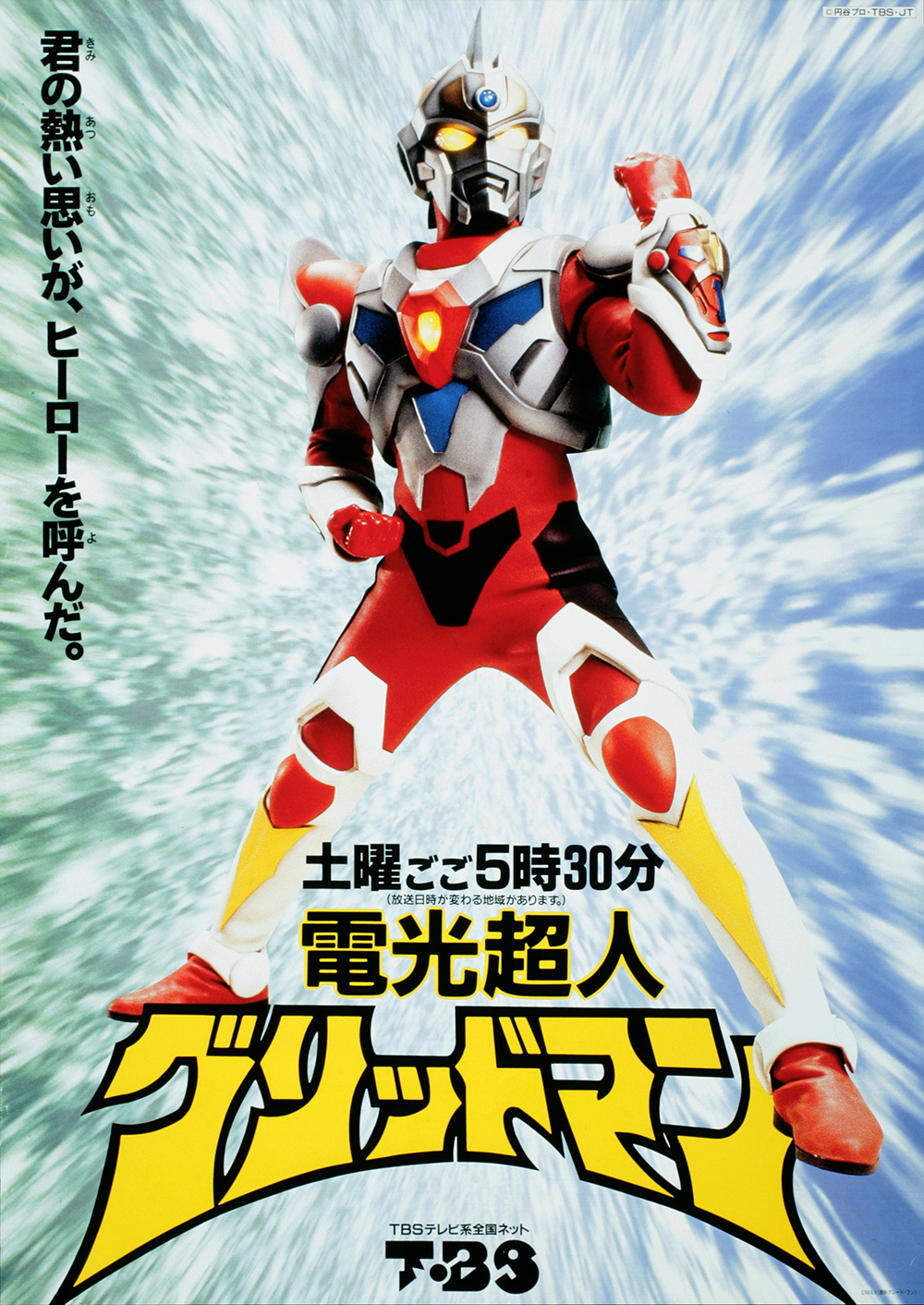
Spoiler commentary and discussion of Electric Light Superhero Gridman (Tsuburaya Productions)
Electric Superhero Gridman" is a special effects work commemorating the 30th anniversary of Tsuburaya Productions. It depicts a junior high school boy and girl who, together with a hero, confront a demon king who is active in the cyber world. Known for its innovative style based on the Internet, it was later adapted into a series of animated works such as "SSSS. Junior high school students Sho Naoto, Baba Ippei, and Inoue Yuka are saved by the mysterious hero "Gridman" when they are attacked by an unusual phenomenon in the city one day. Naoto and his friends learn that the abnormal phenomenon is caused by the dimensional criminal Khan Digifer, and they decide to protect the city together with Gridman.
Read Article
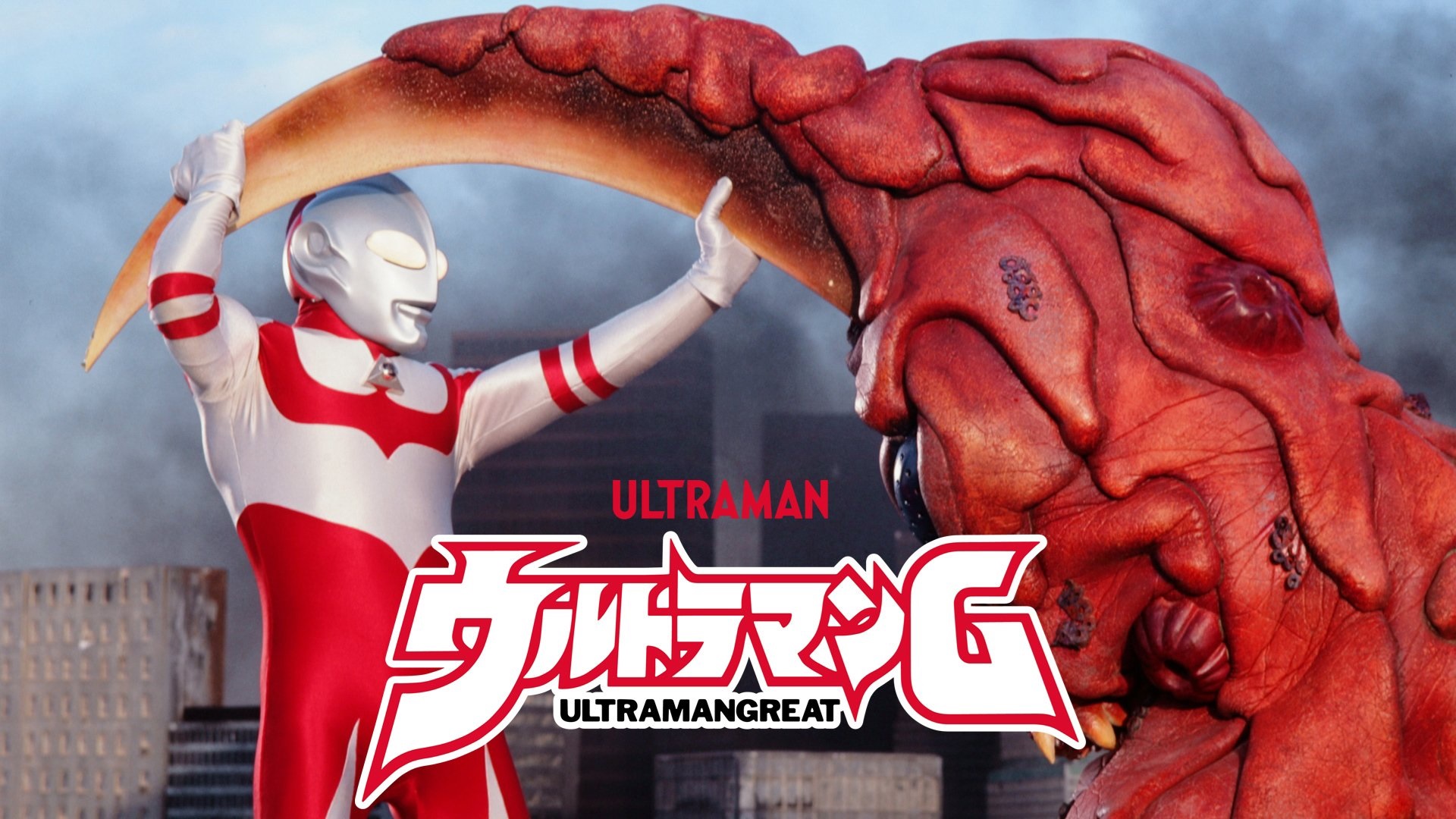
Ultraman G (Great) Spoiler Commentary and Discussion Summary
Ultraman G" is a special effects work by Tsuburaya Productions. It was the first "Ultra Series" made in the Heisei era, and was filmed in Australia. It is said to be a work that connects the "Ultra Series" of the Showa and Heisei eras, as it actively incorporates new visual effects while using actors who have worked on special effects films of the past as voice actors for the Japanese version. It is often abbreviated as "Great. Ultraman Great comes to Earth to defeat the evil life form GODES, and fuses with earthling Jack Shindo; the two join forces to fight GODES.
Read Article
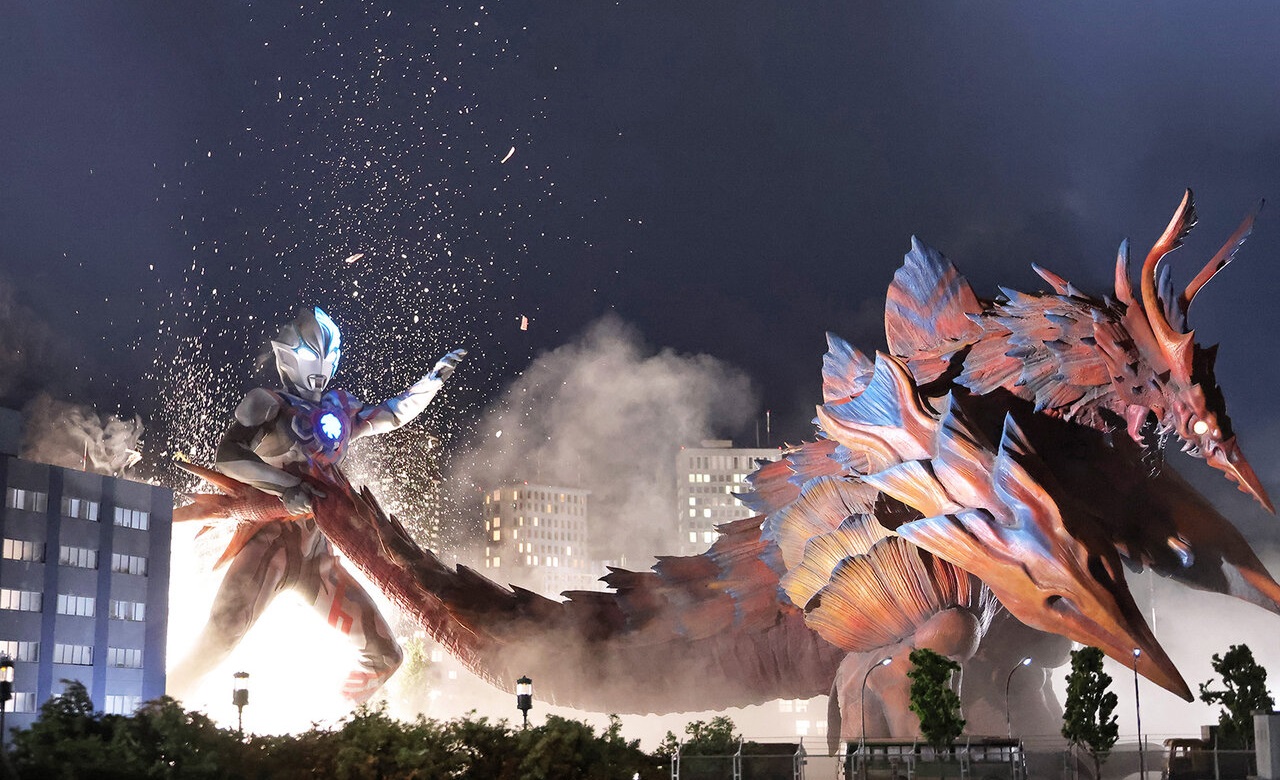
Summary of monsters and aliens in Ultraman Blazer
In "Ultraman Blazer," which depicts the activities of a defense force fighting enemies that threaten humanity and the Earth, and the giants of light who assist them, monsters and aliens of different shapes and abilities appear in each episode. The rampage of giant monsters is a highlight of the "Ultraman" series, Japan's most famous special effects work, and has long fascinated fans with its overwhelming sense of scale. Here we introduce the monsters and aliens of "Ultraman Blazer," who sometimes wreak vicious havoc, sometimes extend their evil invasion clutches, and sometimes try to be friendly with each other, but their differences lead to tragedy.
Read Article
Ultraman for adults? A collection of memorable episodes of Ultraseven
Ultra Seven protects our happiness in the name of Moroboshi Dan. This crimson hero attracts not only the children of those days but also the adults of today. Why does he capture the hearts of not only children but also adults? It is not only because he is cool, but also because he has many episodes rich in deep issues. This article introduces some of the most memorable episodes of Ultra Seven.
Read Article
Showa Version: Ultraman's Special Moves!
Ultraman is a very popular hero who saves the earth in 3 minutes. How many special moves does Ultraman have? If you think you only know the Specium Ray, this article will definitely help you learn more! In this article, we will introduce the special moves of the Ultraman brothers.
Read Article
50th Anniversary! Let's look back at all Ultraman - Showa Ultraman Part 1
Finally, our Ultraman celebrated its 50th anniversary in 2016. I would like to introduce the Ultraman in order of how many Ultraman have existed in the past 50 years and the Ultraman that have appeared in our works. In this article, we will introduce from the first generation to Ultraman Ace.
Read Article
![Showa] A compilation of Ultraman's main characters!](https://renote.net/files/blobs/proxy/eyJfcmFpbHMiOnsiZGF0YSI6Mjc3ODIsInB1ciI6ImJsb2JfaWQifX0=--dbfd800c62dee65777db43bf2dd4547f29ec1af4/1.jpg)
Showa] A compilation of Ultraman's main characters!
We all know that Ultraman is a hero, but what the heck kind of person transforms into him? Have you ever wondered that? If you get to know the person inside before he transforms, you will surely find him even more attractive. In this article, we will introduce the heroes of the Showa series Ultraman.
Read Article
Heisei Version: Ultraman's Special Moves!
Ultraman is a very popular hero who saves the earth in 3 minutes. How many special moves does Ultraman have? If you think you only know the Specium Ray, this article will definitely help you learn more! In this article, we will introduce the special moves of the Heisei Ultraman series.
Read Article
50th Anniversary! Let's look back at all Ultraman - Showa Ultraman Part 2
Finally, our Ultraman celebrated its 50th anniversary in 2016. I would like to introduce the Ultraman who appear in our works in order of how many Ultraman there have been in these 50 years. In this article, I would like to introduce the Ultraman who appeared from Taro to 80.
Read Article
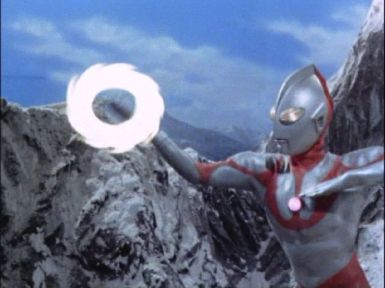
Ultraman's Special Moves!
Ultraman is a very popular hero who saves the earth in 3 minutes. How many special moves does Ultraman have? If you think you only know the Specium Ray, this article will surely help you learn more! In this article, we will introduce some of the sharpest ultraman special moves.
Read Article
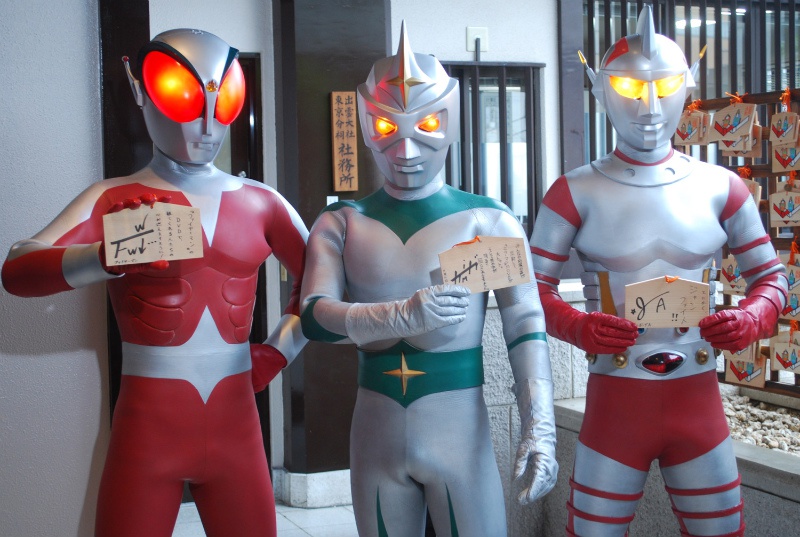
Not Just Ultraman! Tsuburaya Heroes Roundup!
While Ultraman is celebrating its 50th anniversary, there have been many other heroes in Tsuburaya's special effects. In this article, we would like to introduce such Tsuburaya heroes.
Read Article
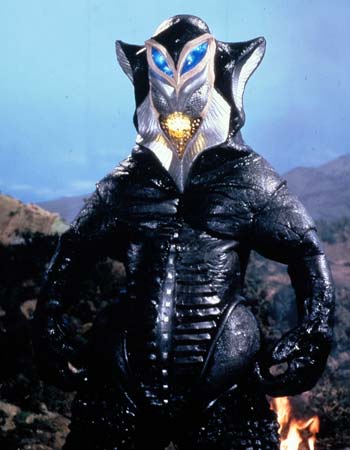
Ultra Monsters Introduced at My Own Prejudice [Mephilus Aliens].
Have you ever heard of Ultra Monsters? When you hear the word "monster," you may think, "They all look alike, don't they?" But actually, that's not the case! This time, we will introduce you to the unique Heisei Ultra Monster (Alien) "Mephilus Alien".
Read Article
The World of Toru Narita's Designs, including Ultraman
The Ultraman series was born in 1966 and continues to be produced to this day. The sculptor Toru Narita supported the early Ultraman series by designing Ultraman and other characters. Not only Ultraman, but also monsters, mechanics, costumes, and more, Toru Narita's design work never gets old. We would like to introduce such designs by Toru Narita.
Read Article
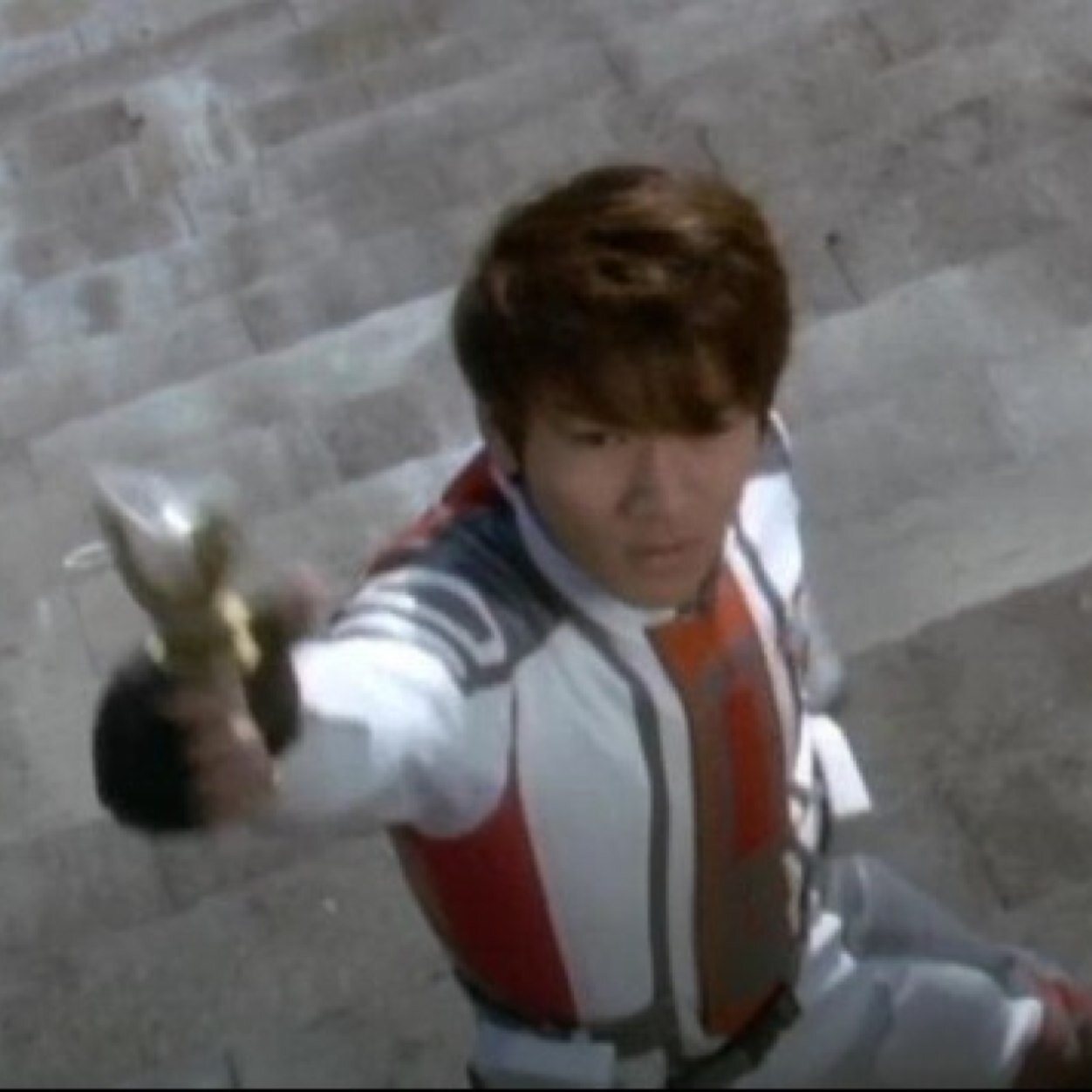
[Heisei Version] Summary of Ultraman's main characters!
We all know that Ultraman is a hero, but what the heck kind of person transforms into him? Have you ever wondered that? If you get to know the person inside before he transforms, you will surely find him even more attractive. In this article, we will introduce the heroes of the Heisei series Ultraman.
Read Article
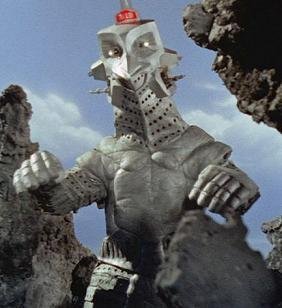
Ultra Monsters Introduced at My Own Prejudice [Capsule Monsters].
Have you ever heard of Ultra Monsters? When you hear the word "monster," you may think, "They all look alike, don't they?" But actually, that's not true! In this article, we will introduce you to the capsule monsters that are Ultraman's allies.
Read Article
Tags
Contents
- Overview of "Operation Kai-Kai
- Terminology for "Operation Kai-Kai
- SRI
- Introduction of characters and characters from "Operation Kai-Kai
- Shiro Maki (played by Mori Kishida)
- Tadashi Matoya (played by Yasumi Hara)
- Kyosuke Misawa (played by Takashi Katsuro)
- Hiroshi Nomura (played by Shoji Matsuyama)
- Saori Ogawa (played by Reiko Kobashi)
- Daizo Machida (played by Shoji Kobayashi)
- Jiro (played by Hiroshi Nakajima)
- SRI Equipment
- SRI Jacket
- chemical mace
- Tortoise
- Impressive times
- blockhead
- cut caused by whirlwind
- kill circuit
- I'll buy Kyoto.
- Backstory, Trivia, and Small Stories/Episodes and Anecdotes from "Operation Kaiju
- A flood of complaints! The best special effects images are born from mistakes.
- About Episode 24, "The Mad Demon Man
- Synopsis/Story
- Background to date