浜田省吾 / 浜省 / ハマショー

浜田省吾 / 浜省 / ハマショー

浜田省吾とは、1952年広島県出身のシンガーソングライター。愛称は「浜省」「ハマショー」。
1975年、ロックバンド「愛奴」のメンバーとしてデビューし、1976年にシングル「路地裏の少年」アルバム『生まれたところを遠く離れて』でソロデビューした。
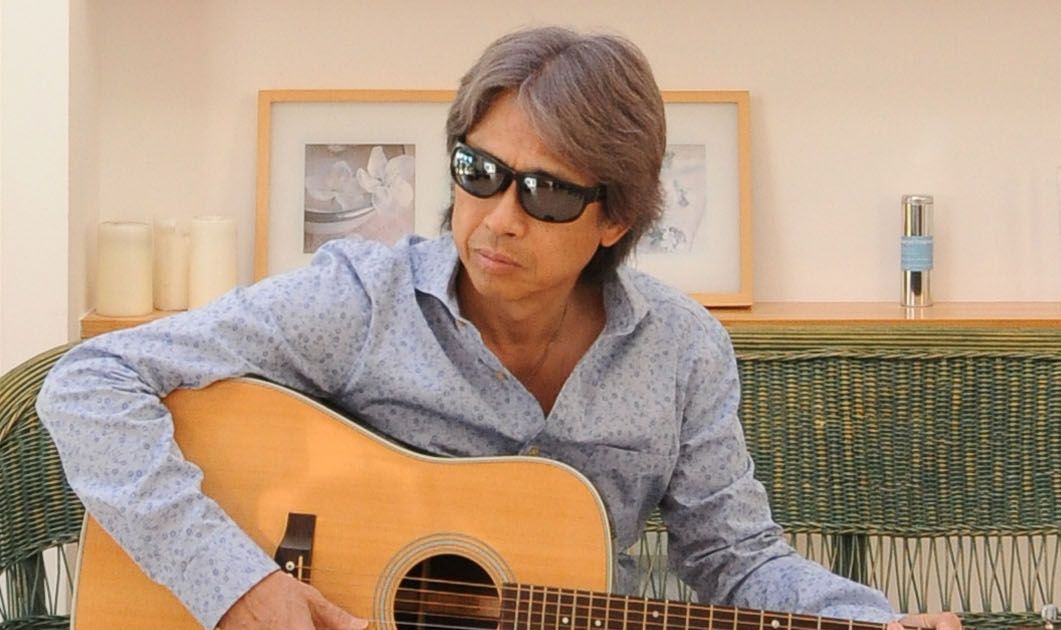
サングラスがトレードマーク。アーティストはライブやCDで成立しなければならないというこだわりを持っており、メディア露出は少ない。日本語のロックにこだわった楽曲は以降のアーティストに大きな影響を与えた。彼の父親の被爆体験から、戦争を歌った楽曲も多い。

Reviews, Ratings and Comments on 浜田省吾 / 浜省 / ハマショー

浜田省吾 / 浜省 / ハマショー
10

Backstreet Little Boy

At 8:15:17 a.m. on August 6, 1945, an atomic bomb was dropped for the first time in human history.
The United States dropped the bomb at an altitude of 9,600 meters over the center of Hiroshima by a B-29 bomber (Elanogei) carrying the first successfully developed atomic bomb (Little Boy), in order to carry out the Manhattan Project.
Forty-three seconds later, the bomb exploded into a scorching fireball 600 meters above the ground.
The temperature at the center of the fireball exceeded 1 million degrees Celsius, and one second later, the fireball had a radius of 200 meters, and the temperature of the ground surface around the hypocenter reached 3,000 to 4,000 degrees Celsius.
At the time, the population of Hiroshima was estimated at 350,000, but this threat is said to have killed about 130,000 people.
On that day, Toshita Hamada was working as a police officer at the Kie Police Station of the Hiroshima Prefectural Police in Osakikamijima-cho, Toyota-gun, Hiroshima Prefecture.
Immediately after the atomic bombing, he entered the infernal city of Hiroshima as a member of a rescue team and was exposed to a second atomic bombing.
Toshita Hamada is the father of Shogo Hamada.
Seven years later, Shogo Hamada was born in Takehara City, Hiroshima Prefecture, on December 29, 1952, a second-generation A-bomb survivor.
Takehara City is the birthplace of Masataka Taketsuru, the founder of Nikka Whiskey, who was the subject of an NHK morning drama.
It is also a scenic tourist spot that has become famous in recent years.
Speaking of Shogo Hamada, he will hold a two-day concert titled "40th Anniversary On The Rodo 2022 at Budokan" on January 6 and 7, 2020.
He is a highly acclaimed musician who showed an overwhelming performance that belies his age (68 years old).

After an impressionable childhood, he made his professional debut in 1975 as a drummer in "Aiyu," the backing band for Takuro Yoshida, also from Hiroshima, but was not well received as a member of the band.
However, he never gave up his yearning to become a singer-songwriter, and released his first album "Far Away from Where I Was Born" on April 21, 1976.
He made his solo debut with the single cut "Alleyside Boy" from that album.
The song is a story about a boy's growth from boyhood to adolescence.
When Yoshihiro Kai, who is still a close friend of Yoshihiro Kai, first heard the song, he was astonished and said, "It is a wonderful song, a great guy has appeared.
A music critic said that he felt his talent as a melody maker.
One music critic said that he felt he had a talent as a melody maker, which is proven by the fact that many of his songs are masterpieces.
A great song may be a song that is strongly etched in a person's mind, regardless of genre.
There are many famous songs by Shogo Hamada, but I feel that the consistent theme is "despair" and its opposite, "hope.
Moreover, there are many deep and endless expressions of this despair.
This may be due to the reality of the atomic bomb being dropped on his hometown of Hiroshima for the first time in human history, as well as his father's personal experience of the bombing.
But still, he expresses and conveys the heart of a boy close to him and the sadness of a woman he has a crush on.
At times, he also shouts out the exact opposite world situation.
And the listener can naturally accept these thoughts and scenes.
Shogo Hamada did not become the musician he is today in a short period of time.
He was a Beatles admirer and struggled to become a singer-songwriter, but he was never accepted by the world and lived in deep despair for a long time.
He did not "succeed" like Eikichi Yazawa, who was also from Hiroshima, but "grew up" on his own.
In other words, he has spent more time living in despair than in his life as a musician.
Therefore, his songs are created from his life as a commoner.
Certainly, there are songs that appeal to hope, as mentioned above, but they are not "cheering songs" as is often the case.
He tells us that hope and despair are yin and yang.
Everyone hopes that happiness, filled with hope, will last forever.
But what is the reality?
Wars are going on, people are being manipulated by the mass media, and there are no dreams or hopes for the future.
In other words, although his songs are based on a large imagination that includes all of these elements, his world is rooted in a realism that encompasses reality.
And, no matter what time of year it is, his songs somehow refrain in the hearts of his fans when they are about to be crushed by reality.
His songs are so sad that they have a kind of "tranquilizer" effect on the hearts of his fans.
It is because his songs are "cries from the heart," created from his life experience of pursuing his dream and repeatedly sitting on the edge of his seat, that his fans can relate to and admire his songs.
And his songs are definitely alive.
No matter how the times change, no matter how people's minds change, they will never grow old, they will never die out, and they will live on forever.
Therefore, there is a wide age range of fans, with many fans spanning two generations, including parents and children.
Of course, the lineage will continue forever among the fans.

浜田省吾 / 浜省 / ハマショー
10

His voice is the best! Masculine lyrics and appealing melodies will always be loved.

Hamasyo's songs range from ballads to rock.
Well-known representative songs include "Last Show," "Monochrome Rainbow," "Money," and "In the Name of Love.
After all, his voice is so austere that it captivates his fans. He is a genuinely good singer. Another cool thing about him is that he looks good in a glass.
He is stoic and never makes a mistake in his live performances.

His lyrics often include romantic ballads, songs about family love, appeals to men's way of life, and other empowering content.
I am sure that many people have been helped by his songs. They remind us of something important that we have forgotten.
In love songs, some of the songs are a bit melancholy, and their humanness is also appealing.
The sexy eroticism of the songs is also irresistible.
Many of them, like "Last Scene," are breakup songs, but somehow they sparkle. It is touching to see the sadness between a man and a woman sung with a beautiful voice.

The melody is noticeable in the way it starts with minor chords and burns hotly in the chorus. The melody is easy to remember, so many people may find themselves humming along.
The calm atmosphere of the song has many older fans. In any case, I believe that he is a talented musician with an unshakable axis.
Her singing style and songs, which are a mixture of quietness and power, are as expected.

浜田省吾 / 浜省 / ハマショー
8

The Story of Shogo Hamada

I don't know much about today's singers and band vocalists, but in the case of folk singers and singer-songwriters of the past, the lyrics of their songs were often the very life of the singer. Shogo Hamada is one such singer.
He is very impressive as an ambitious person who is well suited for ballads. You can tell that he was poor and had a very hard time as a boy, and it oozes out in every song he sings, every song he sings, and every song he sings. His life as a singer begins with "Boy from the Back Alley," and just from this title alone, one can imagine the poverty of his boyhood, can't one?
However, he did not take his circumstances in stride. He pushed forward to achieve his ambition of attaining wealth. His debut song sold well to some extent, but it was "Feel the Wind", which became a commercial song for Cup Noodles, that caused an even bigger breakthrough. The song was about taking it easy and changing his image, but even in that song, his ambitions were apparent. He continued to maintain his popularity, but it was not until some time later that he rode the wave of another breakthrough. Money" and "Dance" became hits in rapid succession. Money" in particular is a work filled with his aforementioned ambitions. His ambition is still in its infancy. I hope that he will continue his activities forever until his dream comes true.

浜田省吾 / 浜省 / ハマショー
6

Hamasyo's roots are in "The Boy in the Alley.

Speaking of Shogo Hamada, he is a musician who was recognized for his overwhelming performance at the age of 68, holding a 2-day concert called 40thAnniversary ON THE RODO 2022 at Budokan on January 6 and 7, 2020.
Shogo Hamada was born in Takehara City, Hiroshima Prefecture, on December 29, 1952.
Takehara City is a scenic tourist destination that became famous as the birthplace of Masataka Taketsuru, the founder of Nikka Whiskey, which was featured in NHK's morning drama.

After an impressionable childhood, Hama Sho made his professional debut in 1975 as "Aiyu," the backing band for "Takuro Yoshida," also from Hiroshima, but was not well received.
Eventually, he could not give up his dream of becoming a singer-songwriter, and released the album "Far Away from Where I Was Born" on April 21, 1976.
The single cut from the album, "Alleyside Boy," marked his debut.
This song, "Alleyside Boy," consisted of a story about his feelings from his boyhood to adolescence, and was highly acclaimed by a certain segment of the audience.

When Yoshihiro Kai, with whom he is still close, first heard the song, he exclaimed, "Wonderful, a great guy has appeared.
A music critic praised his talent as a melody maker.

The appeal of Hamasyo's music is that it is a collection of songs that give people a little courage or push them forward when they are frustrated in love or in life.
The loneliness and emptiness of a lost love, the emptiness of a job that leaves you breathless, the eternal separation from a loved one....
The songs are so sad and full of tender expressions that they have a kind of "tranquilizer" effect on the hearts of his fans.
This is probably because his songs are based on his life experience in pursuit of his dreams.
If you want to know the roots of Hama's music, you should listen to "Alley Back Boy" first.
You will surely hear the cry of his heart. That is why fans will be moved and sympathize with him.

And the song is definitely alive.
They will live on even if the times and people's hearts change.
Even the albums from the time of their debut do not feel old, and they will live on in our hearts forever.
That is why there is a wide age range of fans, with some fans spanning two generations, parents and children.
Of course, this lineage will continue forever among the fans.

浜田省吾 / 浜省 / ハマショー
10

Hidden Compositional Talent and 80's Charm

The general image of Shogo Hamada is probably that he is great in thought and lyric writing, but I think the hidden charm of Shogo Hamada lies in his talent for songwriting. Not only the standard songs played on his national tour ON THE ROAD, but there are also many great songs that are not performed live. The song "what's the matter, baby?" from the album "FATHER'S SON" is so catchy that once you hear it, it won't leave your ears, and "SAME OLD ROCK'N'ROLL," which can only be heard at fan-only concerts, is wonderful, including the chorus work. I think many people who want to experience Shogo Hamada's music think that they should get his live works after 2000, but I would recommend them to see his live works in the 80's when Kunihiko Liang was a supporting member. But the 80's has a charm that can only be found in the live performances of the 80's. The piano solo in "Aria on the Borderline" and the dance scene with the band members in "DANCE" are some of the many things you should know about Shogo Hamada. He usually does fan club-only tours, so if you are interested in learning more about Shogo Hamada through YouTube and other media, I recommend becoming a fan club member.

浜田省吾 / 浜省 / ハマショー
10

A singer-songwriter whose voice gets better the older he gets.

Shogo Hamada is a singer-songwriter from Hiroshima Prefecture.
I am 28 years old and have been listening to Shogo's songs since I was a child under the influence of my mother. Even though he is 66 years old, he sings for less than 4 hours in one live performance, and I really respect his talent, effort, and humanity.
I really admire his talent, effort, and humanity.
His songs cover a variety of genres, including sweet love, sad love, family, war, orphans, and environmental issues. His voice when he was young was very lively and energetic, which was good, but now, at 66 years old, his voice is very bitter and nice. I think he is the No. 1 male singer! His major songs are "JBOY" and "Money," but my favorite song is "FATHER. FATHER" is a song about fathers, as the title suggests, but it is a song that cheers up all the fathers in the world. I can imagine the fathers who take it for granted that they go to work every day, but I can also imagine them going to work on a crowded train, or being angry and depressed at work, and I can feel "thank you" again. I think it is amazing that Shogo, who is married but has no children, is able to play this song, and I think its appeal comes from the perspective of the listener.

浜田省吾 / 浜省 / ハマショー
10

The one and only rock singer

Shogo Hamada, the one and only living legendary rocker.
He still rarely appears on TV, and his trademark black sunglasses make him a well-known figure among those in the know.
Some people say that his long career as a singer has made him a fan of both his parents and children.
Many fans know him from his first Oricon No. 1 album "J.BOY" or from "Sadness is Like Snow", the theme song of the 1992 TV drama "Ai to na na na de", but there are many great songs from his early days as well.
Songs such as "Katanagatari," "Last Show," and "Alley Back Boy" are melodious and the scenes of the lyrics float in your mind's eye.
He is a true singer-songwriter.
He also sings many songs about Hiroshima, the birthplace of Shogo Hamada and the site of the first atomic bombing of mankind, making him one of the first socially conscious artists in Japan.
My Hometown," "Money," and "Before the Generation of Love" are classic rock songs. They are also message songs.
He is also known to have had a great influence on the Japanese music scene, and many singers admire him.
His works include those of the late Yutaka Ozaki, Kazutoshi Sakurai of Mistill, Masaharu Fukuyama, and more recently, popular female vocalist Aimiyo.
Among Japanese singer-songwriters, many of them are lifelong Shogo Hamada fans because he has been steadily performing mainly in live concerts.

浜田省吾 / 浜省 / ハマショー
10

Shogo Hamada is the man of my eternal admiration!

When I was a small child, I was influenced by the CD album "Before the Generation of Love" that my parents listened to, and I fell in love with Shogo Hamada. The album includes "Before the Generation of Love," "Modern Girl," and his signature song, "Sadness is Like Snow," which has no arrangement, and is well worth listening to. Robert Brill on drums and Shigeru Okazawa on bass make a great combination. The vocals by Hamasyo are sexy and cool. This sexy voice is still alive and well from the past. Especially, his voice on the ballad collection "Hatsuaki" released in September 2003 is one of the best! It is one word. In particular, her voice in "Sadness on the Shore", "Glass Room", and "I Call Your Name" made my heart pound, even though I am of the same sex.
Then in 2005, he released the album "MY FIRST LOVE" and went on an arena tour, which I attended as an audience member! I remember the opening song, "One Fine Summer Afternoon," like it was yesterday. I remember he sang "I am a father", "Fireworks", "MONEY" and "J.BOY", which are his favorites, and I was very impressed. She is Blue" is also a sexy song. He is able to write this song because he is a man who understands women's hearts. Hama Sho is the man of my dreams.