9
The children teach us in Neverland about the importance of friends and life, and above all, that unreasonableness and ideals make people grow.
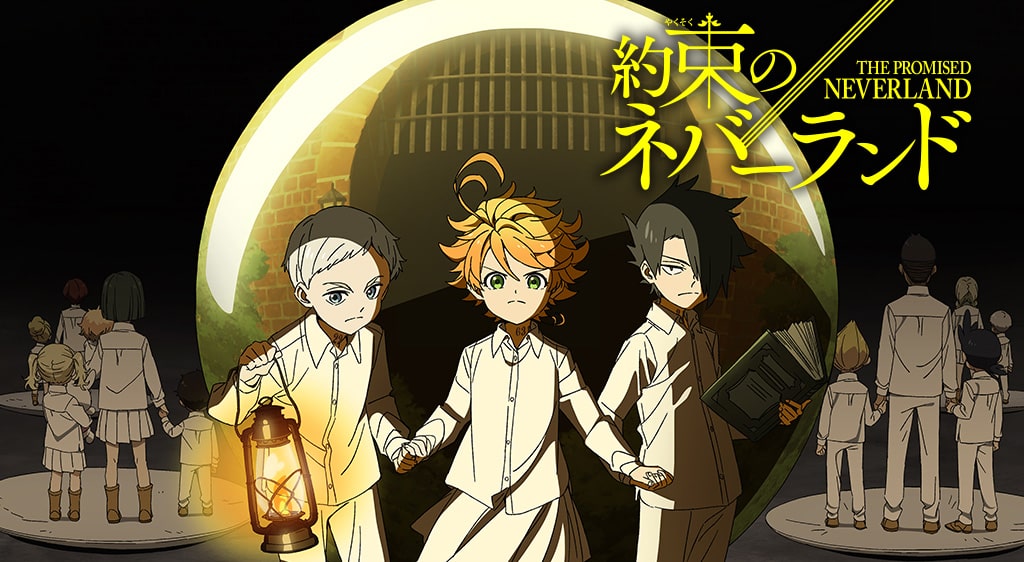
Neverland of Promises is a comic book written by Kaiu Shirai and Posuka Demizu. With a total worldwide circulation of more than 25 million copies, this popular comic has been adapted into an anime, a live-action movie, and a novel. What is its appeal? It seems to be a story for children under the age of 12, but why are adults so enthusiastic about it as well? Today, we will take a closer look at its appeal.
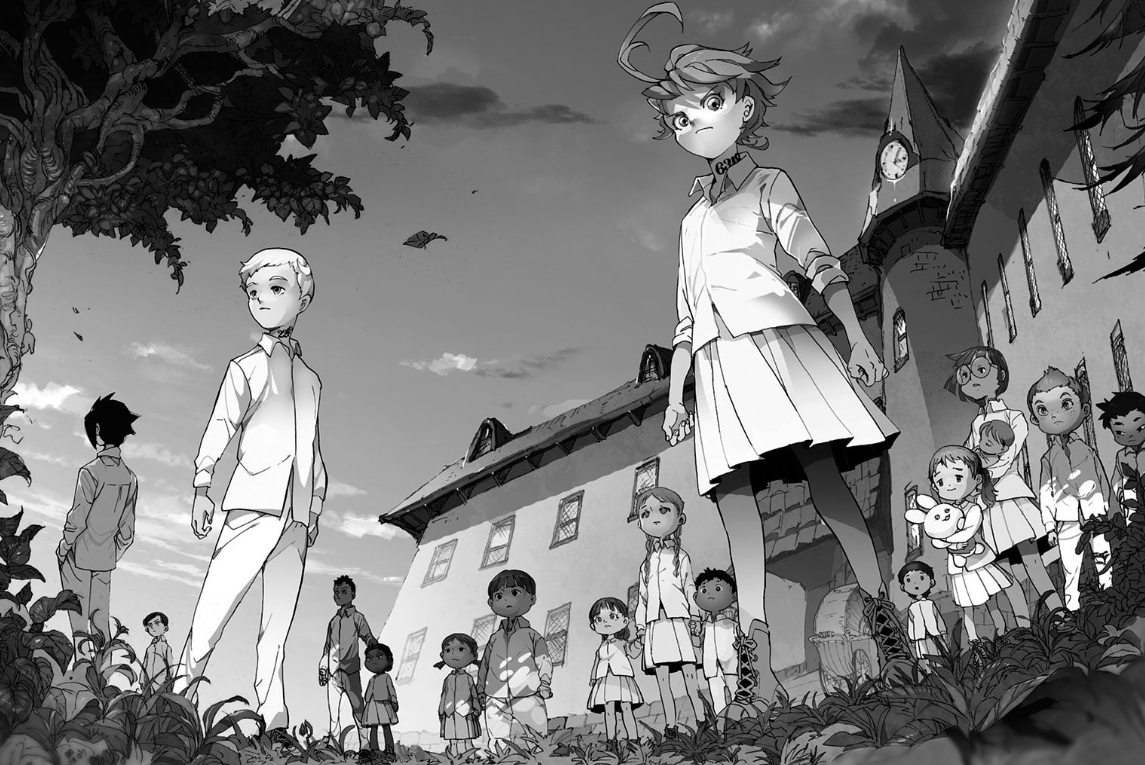
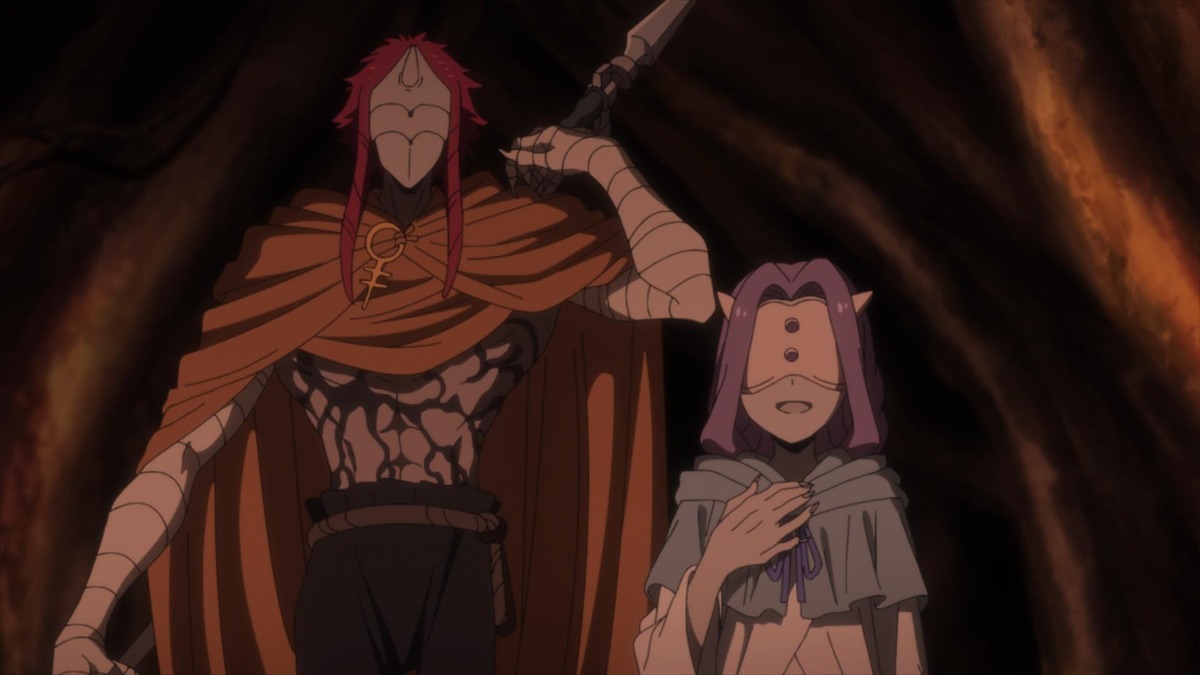
First of all, in this anime, there are not only humans, but also ogres that eat humans. However, it is not an easy composition of humans versus demons. The main characters, Emma, Norman, and Ray, boys and girls just before the age of 12, all grew up on a farm that grows food for ogres. But they were unaware of this, and thought they were living in a comfortable facility where they could play as much as they wanted on a spacious plot of land, eat as much as they wanted, and sleep in clean beds, all while being lovingly raised by a kind woman they called "Mama. It was Emma and Norman who learned that this was a stress-free measure to bring out the best in them as meat, when they saw their friends, who were regularly placed in foster homes, being killed by demons. Six-year-old Connie, whom they had loved like a little sister. The sweet Connie who left with a tearful smile and said, "I'll write you a letter. A cruel red flower was stabbed into her chest, and her lifeless face showed no sign of life. The surrounding demons treat Connie as "meat to be shipped. Yes, the comfortable facility was just a "farm for growing meat for ogres," a birdcage with no escape for those ogres who wanted to feed on the most delicious, developed brains and meat until they were 12 years old.
What do you think? It is not a simple composition of humans versus demons, but a story of humans who realize that they have to escape from the demon world. Sure enough, Emma and her friends plan to escape.
However, the date of their decision unexpectedly falls after Norman's 12th birthday and shipping date. Norman is usually shipped out when he is younger than 12 years old, which is said to be the limit for the ripeness of the flavor. Emma, Ray, and Norman were able to stay on the farm until they were 12 because they consistently scored full marks on periodic tests, which meant that they were not shipped until their brains were more developed and their meat was better. On his twelfth birthday, the deadline for his developmental limit, Norman entrusts Emma and Ray with his self-sacrificing escape plan. Naturally, they are unable to accept it. However, despite their resistance, the day arrived and Norman set out on the road to shipping.
The children, led by Emma and Ray, take over Norman's wishes and carry out the escape plan. Ray, who is calm and good at analyzing the current situation, insists that he and Emma should escape alone if they are to succeed. Of course, there are babies in the facility, and all the children don't understand what's going on. They were a liability. However, Emma, who is very honest and kind, insists that she wants to help them all, even the children on the other farms. The plan seemed unfeasible, but the escape was a success. When Ray climbs the wall to escape, he senses Norman laughing behind Emma.
However, even though the escape was successful, it was still a world of demons. There is no human world, or even if there are humans. If attacked by demons, can the children manage on their own? How will they prepare food? In order to survive, in order to prepare, we will have to take our own lives at some point. Children under the age of 12 learn firsthand the sadness of survival by taking a life.
The preciousness of this "Neverland of Promise" lies not only in the camaraderie among the children, but also in the process of growth in which, through the taking of life, the children learn not "victory" but "preciousness of life" from it, and are overcome by sad and sorrowful feelings. In the process, they meet Norman, a survivor, who, because of his genius, has become a human being who thinks differently than the other children and pretends to be someone he is not, and who simply repeats the slaughter of the ogres. During his travels, Emma learns that some demons are not enemies of humans and that there is a community of demons, and she wants to save even demons. She confronts Norman, who once understood Emma's impossible task and created an escape plan.
Is it justice for humans to survive? Is there a way for all living creatures to coexist? There is a human drama in "The Promised Neverland" in which children ask these questions. We invite you to see the ending with your own eyes.