10
A human drama where the characters are specters but applaudable
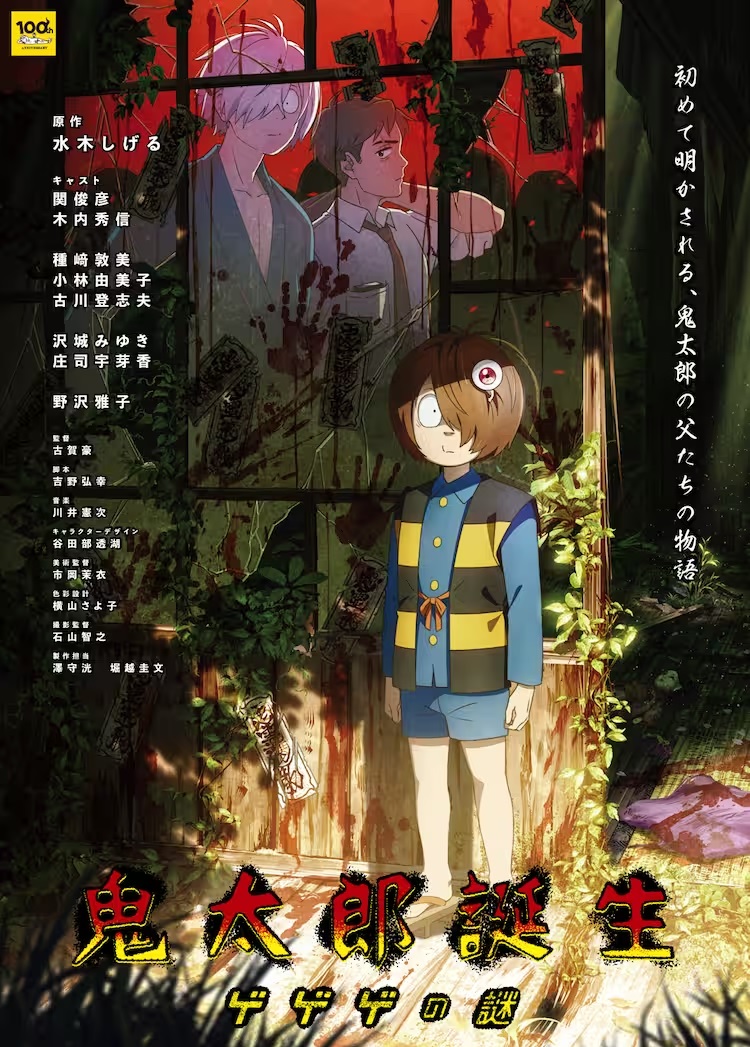
Although this work deals with yokai, I got the impression that it depicts human beings.
The ugliness, misery, and sadness of human beings are clearly conveyed.
Perhaps because the historical background is postwar Japan, the atmosphere is similar to that of the "Kindaichi Kosuke" series by Yokomizo Seishi.
In particular, the scene where Mizuki visits the Tatsuga family to offer condolences and the will is read out by the lawyer reminded me of "The Inugami Clan.
The presence of the portrait of Mr. Tokisada Ryuga's remains is also similar to that of Mr. Sahei of the Inugami family, which is shown here and there.
The closed countryside feel of "The Devil's Ballad" and the madness felt by the entire village could be likened to "Gokumonjima".
Anyway, I think fans of the Kosuke Kindaichi series will find many things that will make them giggle.
Among them, the character that impressed me more than any other was Gegero, Kitaro's father and once-mega-otaru father.
Gegero, a ghost tribe, is warmer than anyone else. The contradiction is that he, who is not human, is more humane than anyone else.
And it was Mizuki, the protagonist of this film, who vacillates between the two.
Through the war, Mizuki had despaired of ever learning about the human nature, but he gradually changed through his relationship with Geggero.
Then, Mizuki, who initially approached the Tatsuga clan for his own ambitions, kicked out Tokisada, who insisted that "status, honor, money, a nice house, nice clothes, and women" were everything in the world, calling her "boring!
This was the best feeling and really cool.
From that scene to the ending, I could not stop crying.