
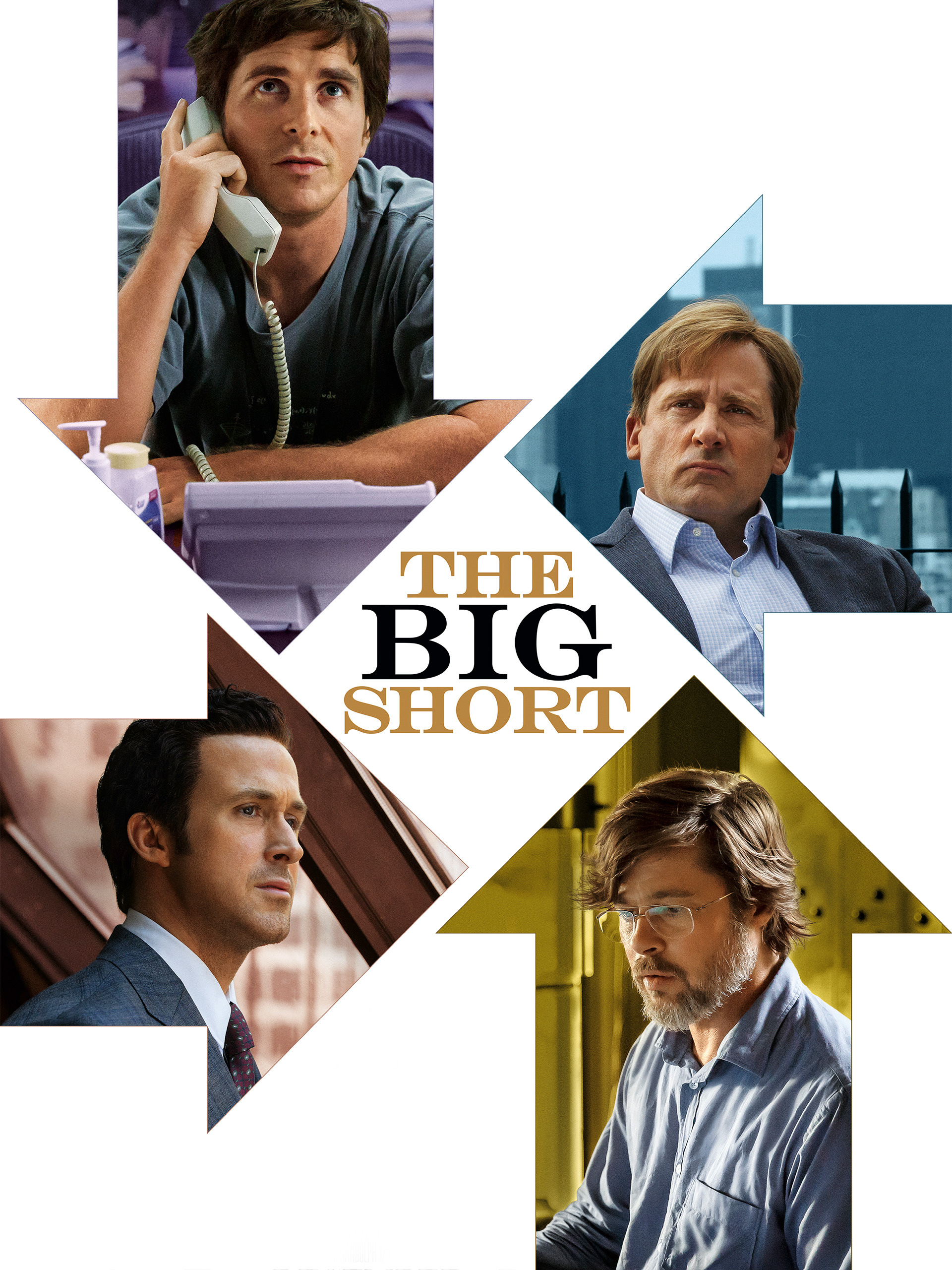

A handful of outsiders who saw the global economy collapse in the wake of the Lehman Brothers collapse and bet their cash reserves that the system would fail.
Above all, the script and the original story are interesting. First, in the U.S., where everyone was buoyed by the housing bubble, people were unwilling to believe the prospect of low-income mortgage bonds being turned into paper shreds by default or a significant drop in home prices. Even when fund managers embarked on their own field investigations after purchasing the bonds with large sums of money and became keenly aware of the portents of bankruptcy, major investment banks and major rating agencies such as S&P were still issuing official opinions of rising prices in Las Vegas. A trader played by Brad Pitt says to a buoyant young investor, "Don't get too carried away. We're betting on the U.S. economy collapsing, lots of people losing their jobs, a huge decline in U.S. assets, and the collapse of the big banks. This is a valuable comment from a well-meaning financial expert. The change in attitude of the people in charge of the major banks and credit rating agencies is astonishing. At first, they look down on the outsiders with bullishness and arrogance, believing that their own profits will increase, but as their own losses mount, they gradually become more and more bloodthirsty. They try to bring about joint and several liability, but in the end, they end up bailing out the outsiders with public funds, which is a taxpayer-funded bailout. I was reminded that what we can rely on is neither the state nor major financial institutions, but our own personal ability to see the economy through our own eyes. The main character's fund managers, who are warned not to sell their bonds but to pool them (i.e., not to sell them empty), finally dispose of the bonds and make billions of dollars in profit. After all, it is not a movie fiction but a true non-fiction story. I remember a movie hit maker commenting that the trick to making a box-office hit is to make a film that is as close to reality as possible. Fact is stranger than fiction.