
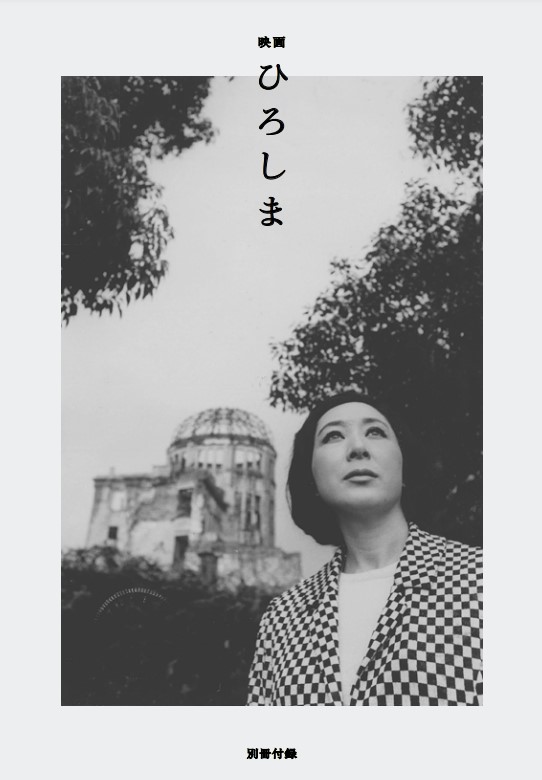

A must-see film for a generation that has never known war.
This shocking film features many people who were actually victims of the atomic bombing in Hiroshima.
The way the victims of the atomic bombing are recreated by the actual survivors with their best performances makes us believe that not only Japanese people but also people all over the world should see this film. I can feel the tragedy and sadness more when it is shown as a video than when it is read in a book. I can feel the true feelings of the people who were involved in making this film, and it makes my heart ache. I have actually been to the A-bomb Dome, and the graphic materials on display were heartbreaking, but this film makes me imagine that the graphic materials were what actually happened, and that the actual scene was many times more grotesque than what was shown in the materials.
After the war, this film was sealed for a long time (many movie theaters refused to show it) due to opposition from the Japan Education Association and other groups, but I hope as many people as possible will see it because the number of people who know about the war is decreasing rapidly.
Nowadays, A-bomb victims are the object of sympathy, but I was very shocked to learn that not a few people in the immediate postwar period considered A-bomb victims to be "just spoiled" or "people who are selling the fact that they are A-bomb victims".
I heard that there were more than 80,000 performers in the film, but I was also overwhelmed by the fact that they were all represented by human beings, not by computer graphics.