

To face the loss of life.
The story describes how a woman who lost her place in the world due to corporate bankruptcy caused by the Lehman Shock and separation from her husband becomes a "nomad" living in a camper.
The nomads in the story are people who are actually living as nomads, so the story conveys the reality of the nomadic lifestyle without pretense.
They are economically weak people, different from those in Japan, who have lost something in their lives and have strong hearts.
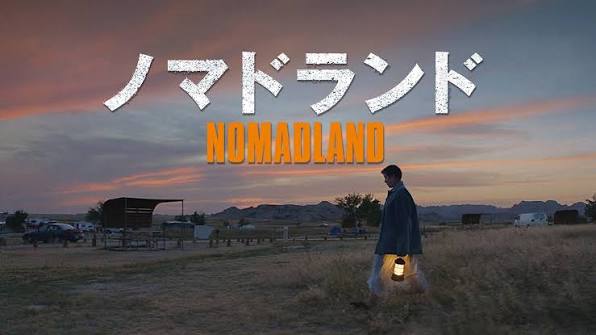
The landscapes and people of the lands they visit are wonderful, and they are far removed from the order and discipline of society, and they are creatures that live in harmony with nature.
The line, "Not homeless, but houseless," uttered by a real nomad, was very convincing.
Nomads repeatedly meet and part wherever they go, and when their friends die, they mourn in the midst of nature.
They are strong because they have experienced "loss," and their nomadic way of life is not romantic or escapist.
It makes me want to step back from my daily life, which tends to rely solely on convenience and cling to material things, to be with people I don't even want to be with.
Along with powerful visuals and sound that utilize real land and natural light, this film is neither a bad ending nor a happy ending, but a quiet look at the human way of life.