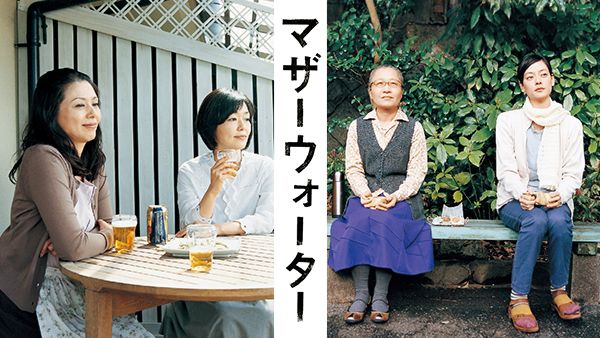
マザーウォーター

マザーウォーター

『マザーウォーター』は2010年公開の日本映画。監督は本作が長編デビューとなる松本佳奈。出演は小林聡美、小泉今日子ら。「かもめ食堂」「めがね」「プール」など、人と場所との関係をテーマに撮り続けてきたプロジェクト作品のひとつ。
豊かな水の流れを持つ京都を舞台に、そこで生きる女性たちの日常と人間ドラマを描いている。

Reviews, Ratings and Comments on マザーウォーター

マザーウォーター
7

A film about everyday life that allows you to feel the flow of time in a relaxed manner.

This film is an everyday film that takes place in the city of Kyoto. The storyline unfolds in such a way that the viewer can gradually see the ordinary daily life that goes on behind the scenes of a favorite store in the city.

The scenery of Kyoto overlaps with the scenery of the city as seen through the conversations with the neighbors, and I think the film conveys the Kyoto-like atmosphere in a good way.
A tofu shop exists in a corner of Kyoto. The process of gradually getting to know the managers of each of the cafes, public baths, and bars that are open at night is somehow very heartwarming.
There is a flow of life lessons in the story, but it does not seem to be overly heavy-handed, but just lets the time flow naturally, which seems to give the viewer a sense of security.
The film carefully depicts the food that the managers eat on a daily basis, the dishes served in the restaurant, and other essential elements of daily life that captivate the viewer.
Just by watching the images, the viewer seems to be able to smell the coffee, taste the food, and even feel the tipsy sensation of the drinks, making this an easy film to get emotionally involved in, as you can immediately feel yourself in the city where the characters live.
Watching the film from the perspective of how the city of Kyoto values human relationships, it seemed to convey the idea that such relationships may exist in "no-pressure relationships.

マザーウォーター
9

Recommendations for optimistic ephemeralism

The film depicts people who run a tofu shop, a bar, a coffee shop, and a public bathhouse, interacting and living with each other. There is no waste of dialogue or music. The sounds of water flowing, beans being washed, glasses being polished, sake being poured, bread being nibbled, and so on...... are all beautifully heard, and one feels one's senses gradually sharpened.
Every day is a different day, even if it is an ordinary day, with no special events happening. Just like the coffee Takako brews, there is something good about the fact that nothing will ever be the same again.
Life flows like water. There is no use in being obsessed with the past, analyzing the future, or being obsessive. We are reminded that it is okay to live more simply and honestly with our feelings. I felt that Makoto's frequent words, "You should be in a good mood today, too," also included such a meaning.
If it is my decision, it is interesting no matter what happens. People can evolve by being honest with their feelings. Just like babies, adults also have a future. But no one knows what the future holds. The present is enough. That is the very recommendation of optimistic ephemeralism. The poplar tree may be a symbol of this. Family, work, friends, there are many things that cause us trouble, but I feel that this film has helped me to feel better.