7
the Seven Deadly Sins
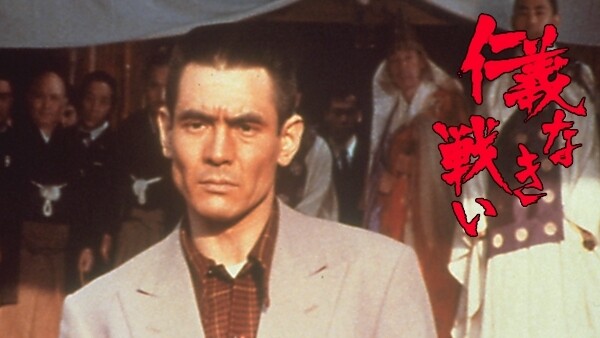
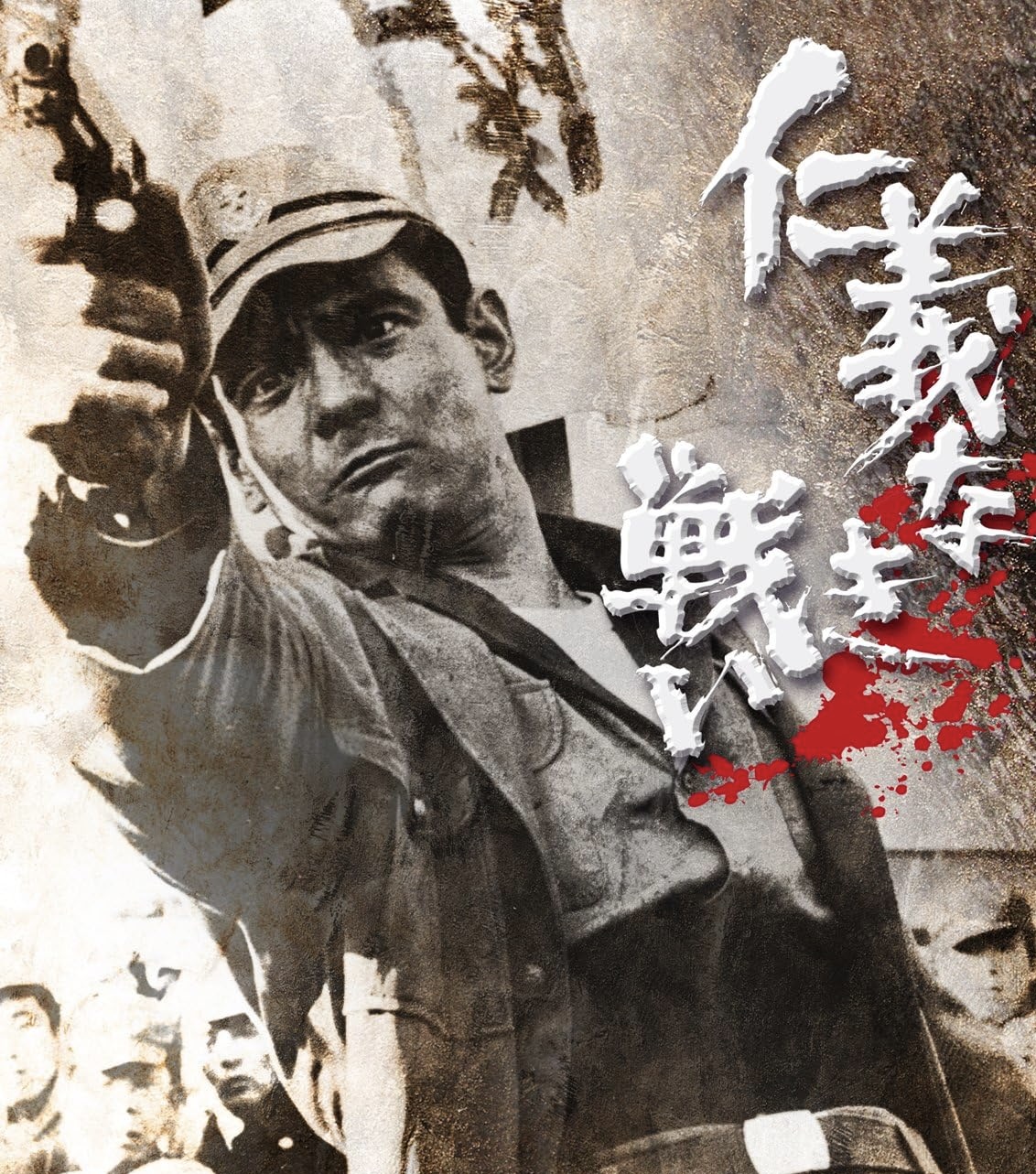
The final piece of the Yamamori Seven is Shozo Hirono, whom Wakasugi exchanged sake with in prison in place of Yamamori. Yamamori appears for the first time in the scene of his release from prison. The Yamamori Seven are all present. The six young men who come under the leadership of Yoshio Yamamori, not Kanpei, join the Yakuza gang and make their way into the Doi clan. It is like American Graffiti, but there is no love, and the amateurishness of the story is fresh, as they are unable to reconcile their differences of obligation and humanity, and end up in a dangerous friendship. After the members are assembled, the first half of the film depicts a war with the Doi clan centering on Hiroshi Wakasugi. Unlike Kanbei, Yamamori only has a head but no arms. He always procures arms from outside and disposes of them. First, Wakasugi is killed by this discarded arm. The first half of the film is lively, but the second half is a complete turndown. The latter half of the film is a blabbermouth. The story of the seven people, which was shown in American Graffiti with only photographs and a message, is told with a toned-down touch. The collapse of the Yamamori Seven is brutally depicted. The author's evaluation may differ depending on whether you consider this drastic change in tone to be the equivalent of two films in one or a waste of time, but I am inclined to go with the former. This is because Hatan shows that this film is more than a yakuza film, or even a movie, but a case in point. This first film already contains all the elements of the series. The last scene of this film is synonymous with the last scene of Operation Summit. The last scene of this film is synonymous with the last scene of Operation Summit. Just as the last scene of this film is followed by the aftermath of the Hiroshima Death Battle Arc, the last scene of Operation Summit is followed by the aftermath of the conclusion of the series, which is also a different type of aftermath. It is not like Seven Samurai, but three of them die, and the other four die. If the second half of this film were to be described in a message like American Graffiti, it would be as follows. Shozo Hirono. Yamamori and Shozo Hirono share the same base of operations. Shinichi Yamakata. Ponaka is shot dead and the woman is taken by Sakai. Masakichi Makihara. He is repeatedly rejected, but eventually stays with the Yamamori. Uichi Shinkai. He is killed by Sakai. Shuji Yano. He becomes a follower of Shinkai and is also killed by Sakai. Seiichi Kanbara. He is beaten by Wakasugi. Yoshio Yamamori. He is still alive. It is true that the story becomes dramatic like American Graffiti, but that is too clear-cut. It is the second half of the film that is too slow and lazy. Hiroki Matsukata changed so drastically in the first half and the second half that it is hard to believe that they are the same person. This film has a sense of concentration that foreshadows the entire series. If I had to choose one of the best in the series, it would have to be this one. Yamakata is especially sad. He is a typical good guy character. But he is beaten up by Ponchu, who has gone too far. In addition, he even gets the girl. Kanbara, Shinkai, and Yano also die. Kanbara is a neo character who quickly turns and is killed. Shinkai is a typical sarcastic cool character. He goes very close to being a good guy, but is still killed. Yano is a common character with a bad temper, but he has a good taste and the author is very fond of him. But he has a good taste, and I like him. Kanbara is the first of the Yamamori Seven to die in the line of duty. In a sense, Hirono Makihara, the surviving Yamamori, is a survivor because he has yet to make his character clear. Hiroshi Wakasugi. Toru Ueda. Tetsuya Sakai. The charm of the so-called "sport anime" rival characters such as Hiroshi Wakasugi, Toru Ueda, Tetsuya Sakai, etc., is also wonderful. Wakasugi is clearly Toru Rikiishi. Also, Ueda and Sakai, who were at first feuding with each other, have become great friends.