

Tokai Teio's Miraculous Revival
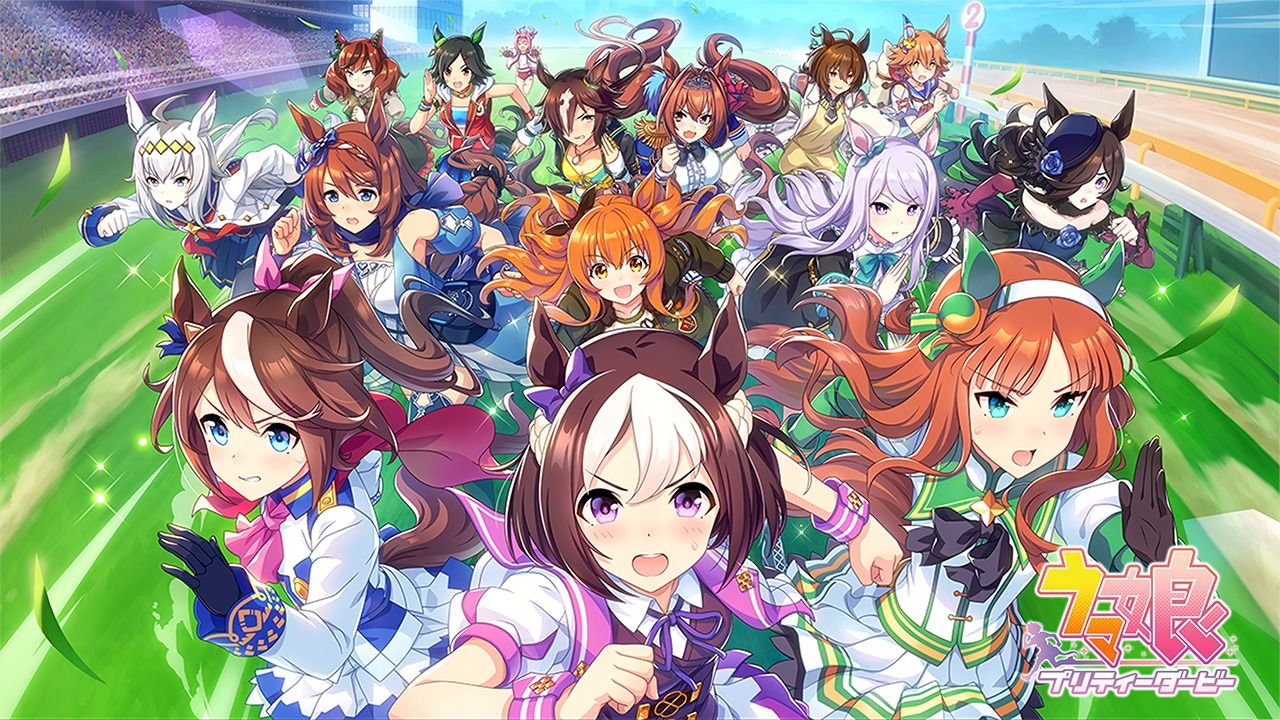
This is a review of Uma Musume Pretty Derby season 2.
It is more serious than the first season.
The main characters are Tokai Teio and Mejiro McQueen, and the motif is based on the historical horse racing in Japan around 1990-93. The main story is about Tokai Teio's dream of winning the Triple Crown (Satsuki-sho, Japan Derby, and Kikka-sho), which his father, Simbolildorf, won without defeat, and his setback; Rice Shower, who prevented Mihono Bourbon from winning the Triple Crown in the Kikka-sho, and prevented White White McQueen from winning the Tennou-sho and Spring Triple Crown in succession; Tokai Teio's setback and his miraculous revival. The main story of the race is the setback and miraculous resurrection of Tokai Teio.
Tokai Teio's dream of winning the undefeated Triple Crown was lost when he had to avoid the Kikka-sho due to a breakdown. After his return, he faced off against the reigning champion, White Queen, in the Tennou-sho Spring and lost, and Tokai Teio lost both his dreams of winning the Triple Crown and going undefeated. After that, he trained hard to defeat McQueen, but before the Takarazuka Kinen, in which he was scheduled to run with McQueen, he broke down again, and for a time there were whispers that he would retire from racing, but his teammates and fans encouraged him to come back to racing again. He was scheduled to face McQueen again in his own race, the Arimakinen, but McQueen developed ligamentosynovitis and was forced to withdraw from the race. By winning the Arimakinen, Tokai Teio's first race in 364 days, McQueen is encouraged that a miracle can happen to overcome the incurable ligamentum flavum, and the story ends with the realization of a showdown between the two.
Although the failure of White Mejiro McQueen and the resurrection of Tokai Teio are episodes that have no particular connection in history, the brilliant dialogue that can only be achieved through anthropomorphic animation adds depth to the fate of both men who colored the races in the early 1990s.
Episodes 8, 10, and 13 are quite tear-jerking, and even if you have not seen the first season, you will enjoy this work if you like horse racing or bishojo (beautiful girl) stories.