
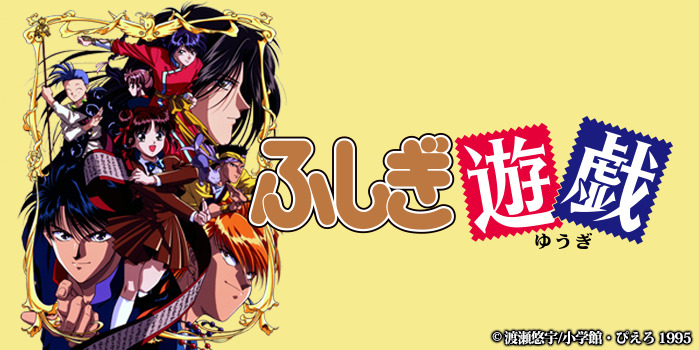

It is a great read, full of laughter and tears!
This is a girls' manga that began serialization in 1992, so the pictures are not a little dated, but the work is full of laughter and tears.
The main character, who is preparing for high school entrance exams, is sucked into the world of a book and becomes a character in the story.
The book is about a world similar to old China, in which the main character is involved in diplomatic relations between four separate countries.
In this story, he meets various characters, falls in love with them or is made in love with them, and becomes their friend or foe.
The most fascinating of all is that the characters in the story put their lives on the line to fight the enemy for the hero.
Some of the characters even die. Both allies and enemies.
Even the scenes where enemies die are thought-provoking. This is because the enemy has its own justice.
This manga depicts the growth of the main character while drawing that part of the story well.
It is a work that the reader can also sympathize with and think about.
Another appealing aspect is that the characters' personalities are well established and the dialogue between them is interesting.
There are many laugh-out-loud moments, and the manga is not overly serious, making it easy to read and get into.
In addition, the author's free space in between the comic strips is also well-developed.
It is used to write the author's thoughts about the work or to express a play on the story.
It is even more rewarding to read through such areas and enjoy the works more.