
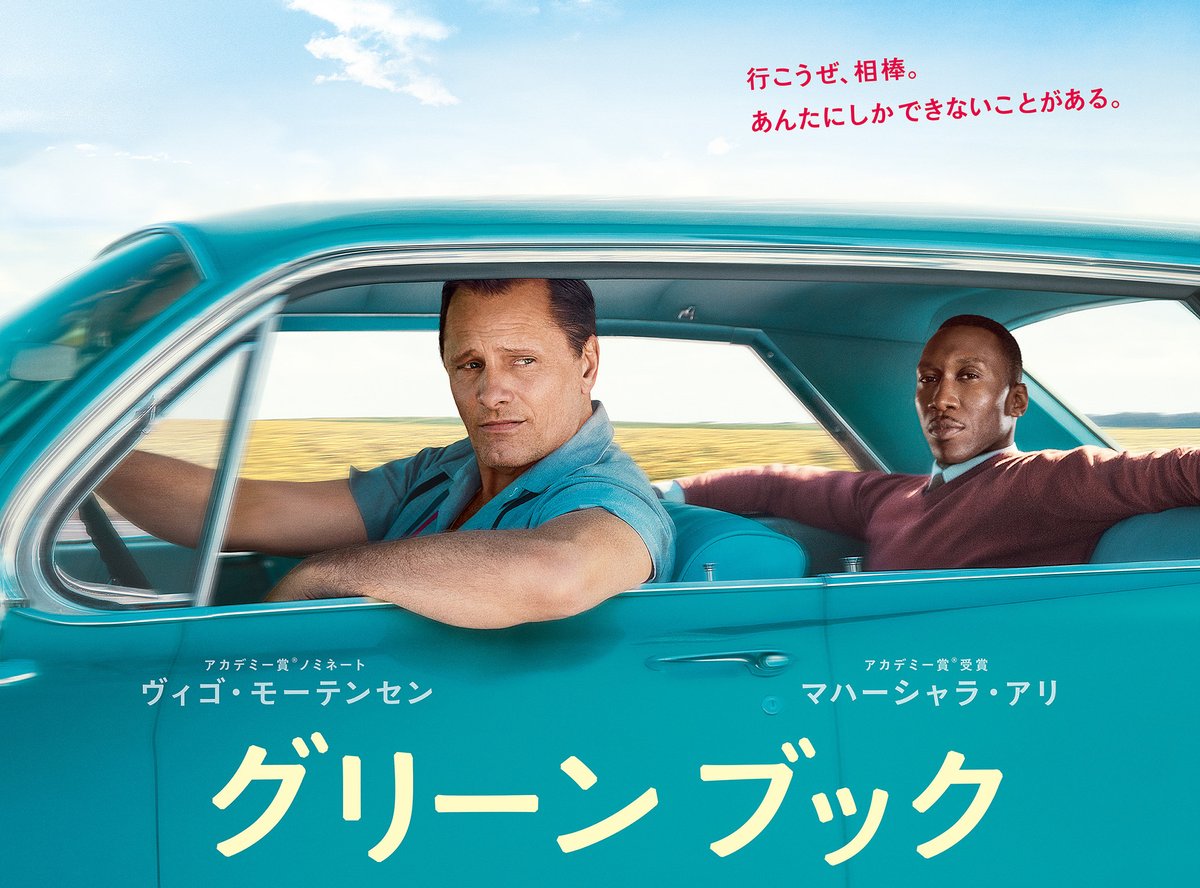

Depicts the emotional exchange between a black pianist who defied the times and an uneducated white bouncer.
The 1960s were still a time of strong discrimination against blacks. Even top musicians were no exception.
The protagonist of this film, Tony Lipp, an Italian-American, takes on the role of driver and negotiator for Don Shirley, a black pianist, in order to make a living.
A world of mixed admiration and contempt awaits Shirley and his group as they embark on a tour of a particularly discriminatory region of the South. The environment surrounding people of color at the time is entrusted to the title of this film, "The Green Book," which was carried by black travelers to ensure safe travel for African Americans.
Will they be able to make it back to New York City by Christmas, weathering the difficult situation with their own skill and resourcefulness?
The 1960s was a time when black people made a remarkable impact in the world of culture and the arts. Many blacks who appeared in the film, such as Little Richard and Aretha Franklin, also suffered from discrimination.
Personally, I was struck by what happened at the last stop of the tour. Dignity as a human being that should be protected even if the concert is abandoned. It is a heartbreaking scene.
Tony, an Italian-American, was also one of the ordinary white people who had discriminatory attitudes toward blacks, but he came to respect the erudite and talented Shirley.
I was moved by the way they transcended racial barriers, communicated with each other, and stood up against discrimination.