
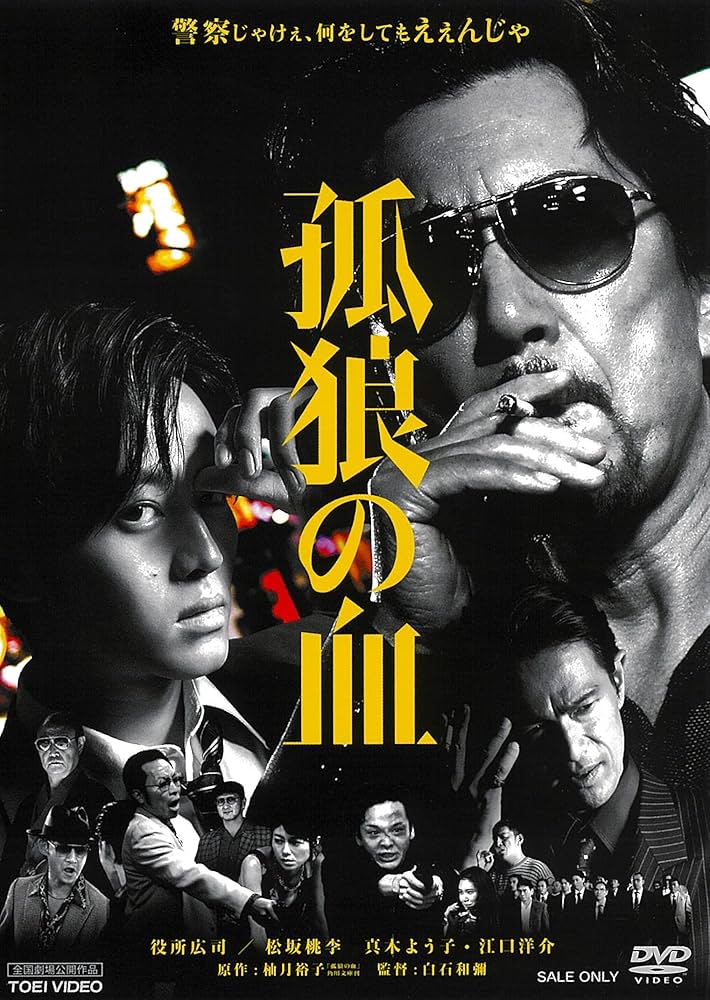

What is justice and popularity?
The contrast between police and gangsters, legal and illegal, ex-convicts and bachelor, and many other contrasts emerge clearly in this film. Especially from the middle of the film, the story unfolds in such a way as to agitate the viewer. In the midst of such clearly outlined events, I noticed something that I had overlooked towards the end of the film. It is neither the decisive evidence for an arrest nor the means to end a gang war. Only the warmth of socializing that we have all felt in our own hearts in the past, the compassion of the good old Showa period, the genuine love for those we love, and that is all that surged through my heart. Who do you think you are, hiding behind and relying on such shields as titles and the law? I felt as if I were being told. Okami did not dye himself as the police from the public's point of view, but only his personality self, his bare self, to say the least, and he faced it. He went straight to where he needed to go. I look people in the eye and talk to them openly. The lower ones, the ones who move according to what the higher ups say, were a scary existence for Ohgami because he could not understand them, and for them, he was a scary existence as well. Personally, I like the scene where Nagakawa smokes a cigarette like nothing else and throws the butt behind him. It's sexy, and Nagakawa's enthusiasm makes him look both cool and a little funny.