

Beyond the destination of your dreams
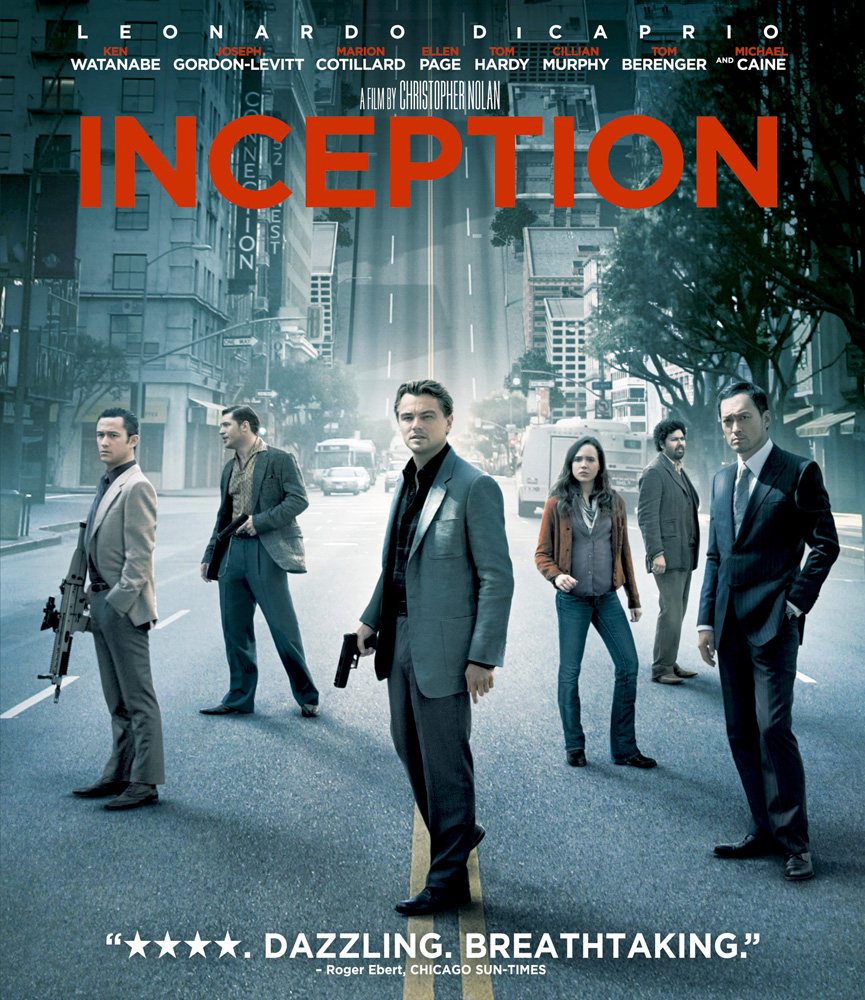
A film about dreams, also famous as a work inspired by and further developed from the Japanese anime "Paprika.
However, it differs slightly from Satoshi Kon's interpretation of dreams in the anime "Paprika. In "Paprika," dreams are made up of a person's personal memories and feelings, and everything that exists in a dream is formed by arranging something existing in the dream.
In "Inception," however, dreams are depicted as the source of ideas, and the link between dreams and emotions seems a little thin. (In "Inception," however, dreams are depicted as the source of ideas, and the link between dreams and emotions seems a bit tenuous (with the exception of the protagonist's dream, which was treated as an anomaly).
I think that's the part that's a bit of a puzzle when you compare it to Paprika. I believe that when we create something, our own memories will always have an influence.
As an action movie, the visual flair (the bending city, the explosions, the scene where they connect people floating in the air with cables, etc.) is satisfying and worth seeing.
(Maybe it's because I'm Japanese, but I think it's a shame that the film is set in Japan, a place that is a dreamlike blend of the ancient and the modern, the Japanese and the Western, and that it's just a sorry excuse for a film. (Maybe it's my imagination, but in the Shinkansen scene, they say they are getting off in Kyoto, but the scenery is all in Tokyo...)
About the last piece. I think this is the most powerful last piece, which is a trick that brings out the fun of the film through the various opinions of the audience and their own considerations.
In my personal opinion, I thought it might have something to do with the shooting incident that occurred during the previous "Dark Knight" film's release.
In order to prevent the audience from confusing reality with the movie, I thought that Nolan might have meant it as a warning to the audience, "The images you have seen so far are not real, just like your dreams.
By making the last part of the film questionable, I wondered if he was trying to prevent people from really trying to wake up from their dreams by committing suicide. I thought.
After thinking about it deeply and losing my mind, I came to the conclusion that "well, it's just a movie," and in a sense, I think they planned a chic ending in which the audience wakes up (with that music) from the dream (the world of creation).
The fact that I felt it was not enough is because the dream world is a stage where the rules are ambiguous. On the other hand, I think it is a wonderful work that generates enjoyable conversations about what I would have done.