

The main game is played by people who don't want anyone to be right.
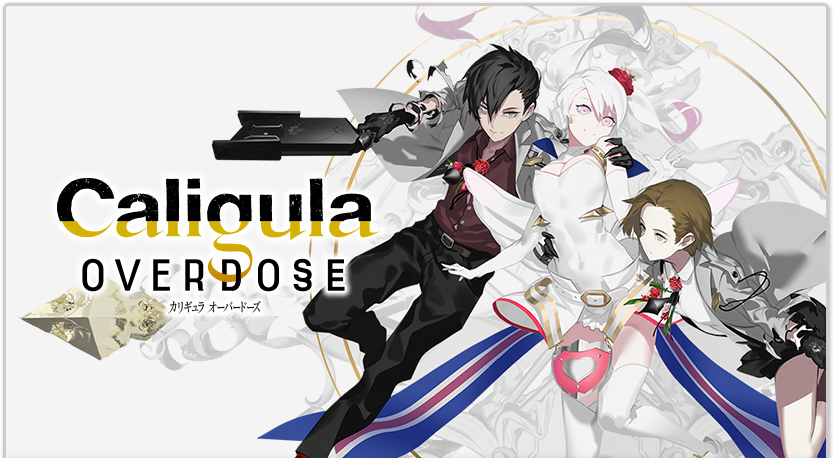
The characters all have a hard time in reality and fall into a virtual space created by a virtual idol called Mobius. The main characters, the homecoming party, are trying to escape from Mobius by going home to reality.
In the Switch version, there are three branches of the game: escape from the perspective of only the members of your side, escape after learning the enemy side's perspective, and turn to the enemy side. Since the protagonists are the ones who want to return to reality, the enemy side is a group of people who want to stay in Mobius, i.e., those who do not want to return to reality. As the game progresses, the protagonist learns why the characters want to return and why they do not want to return.
We will talk about a route in which we do not see the enemy's point of view at all. There is an episode of a character named Biwasaka that can only be seen in this route. I say this after having completed all the routes, but it seemed to me that this was still a good idea. I guess it is a reaction to the fact that the official version of the story depicts the route without Biwasaka as more like a happy ending. I couldn't accept the idea that everything would be resolved if he didn't return to reality, so I thought this route was also good.
Then we talk about the escape route, knowing the enemy's point of view. This route also allows Biwasaka to return to reality, but it has a worse aftertaste than the route without any viewpoint from the enemy side. He is blatantly disliked by his allies as well. They say it is fine because they don't have to see that guy's face even after they return to reality.
I have the impression that the route of turning over is just a branch made in the game. It is a bad ending. Both reality and Mobius collapse.