
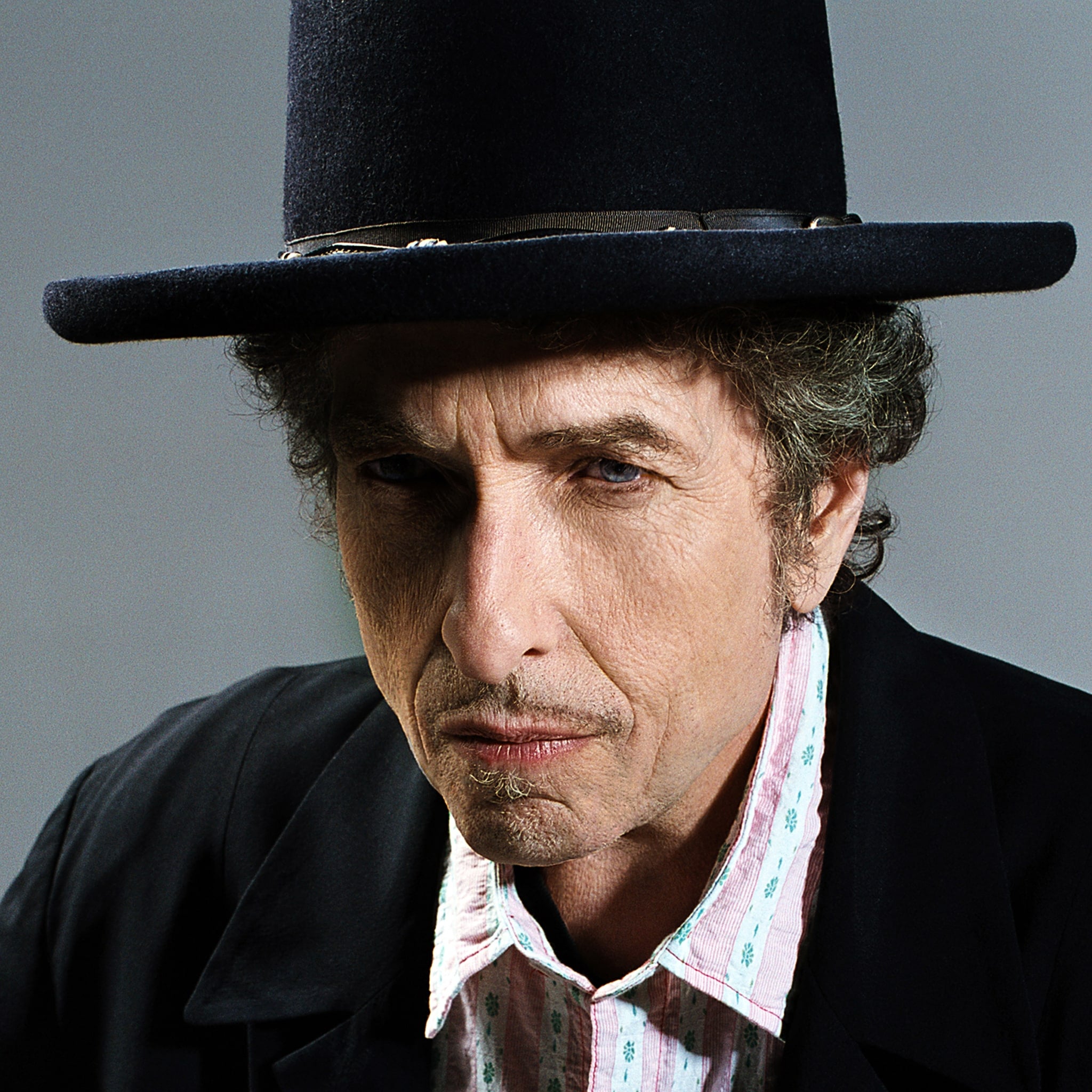
American singer-songwriter and guitarist, born May 24, 1941, has released many works and influenced many artists since his debut in 1962. He was awarded the Nobel Prize in Literature in 2016.
biography
Birth - Record Debut
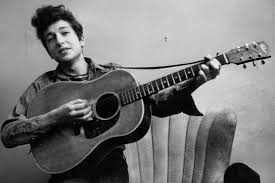
He was born on May 24, 1941 in Minnesota. His birth name was Robert Allen Zimmerman. He showed a strong interest in music from an early age and was recognized for his talent by others; around the age of 15, he formed a rock and roll band with his school friends and began performing in public at dances and other events.
After attending the University of Minnesota, he began his career as a folk singer. Around that time, he began calling himself "Bob Dylan," and in 1962, he legally changed his name to "Bob Dylan" as well.
While in college, Dylan's admiration for singer Woody Guthrie grew stronger, and he dropped out of college and headed for New York City, the base of Guthrie's activities. His popularity grew steadily.
In September of the same year, the New York Times published a review of Dylan in print, praising him highly, and in October he signed an official contract with Columbia Records.
From Folk Hero to Rock Star
His debut album for Columbia Records, Bob Dylan, was released in 1962 and was a complete sales failure.
The following year, 1963, Dylan released his second album, "The Freewheelin' Bob Dylan," which included his signature song "Blowin' In the Wind. In addition to "Blowin' In the Wind," Dylan skillfully expressed the realities of American society at the time in songs such as "Master of War" and "A Hard Rain's A-Gonna Fall," and his status as a socialist folk hero was firmly established.
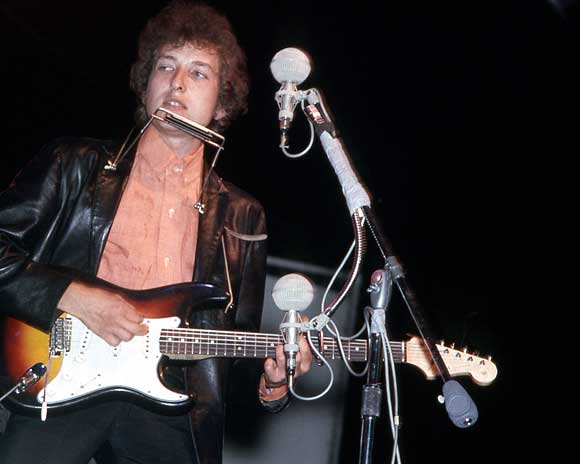
Sick of being treated as a socialist folk hero, Dylan decided to express himself through rock music after an encounter with the Beatles.
Dylan's attempts to make the transition to rock led to a series of masterpieces that would go down in rock history, including "Highway 61 Revisited" in 1965 and "Blonde On Blonde" in 1966, and he became a rock star alongside The Beatles and The Rolling Stones.
Motorcycle Accident - Resurrection
In July 1966, Dylan's seemingly successful career took a dark turn when he was involved in a motorcycle accident. Dylan's activities were suspended for more than a year.
During this period of inactivity, Dylan and his backing band, The Hawks (later The Band), worked together and recorded an extensive amount of material. During these sessions, Dylan again changed his musical direction. He incorporated elements of American roots music such as country, rockabilly, blues, and gospel to create a completely new style.
By 1968, many musicians had adopted Dylan's new style, and it became the dominant style of rock music from then on.
1970s - Working with The Band
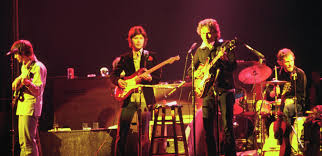
The Hawks debuted as The Band in 1968 and released a string of masterpieces through the first half of the 1970s, and had themselves secured a solid reputation in the rock world.
In 1974, Dylan released "Planet Waves" with The Band, who had become a big name. It became Dylan's first No. 1 album in the United States. The two toured North America in conjunction with the album's release, which was a huge success.
The Band held a major breakup concert, "Last Waltz," in 1976. The concert featured Eric Clapton, Neil Young, Ringo Starr, and others, and Dylan gave a wonderful performance of "Forever Young" and other songs.
Baptism - Various activities in the 1980s
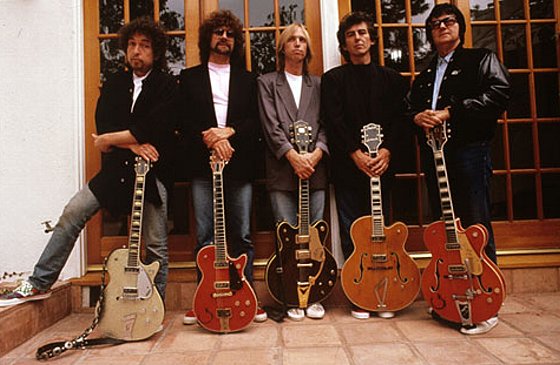
Traveling Wilbury's
After his world tour in 1978, Dylan was baptized into Christianity. The influence of Christianity was evident in his style, and he released "Slow Train Coming" (1979), "Saved" (1980), and "Shot of Love" (1981), a body of work that has been referred to as the "Christian Trilogy.
During his live tour at that time, he did not sing any of his own hit songs, but only gospel songs of his own composition based on his Christian faith, and the audience booed him violently.
In 1983, he released his first album in two years, "Infideis. The title meant "atheist," and the content was no longer strongly Christian.
Returning to mainstream rock, Dylan performed with well-known musicians, such as at Live Aid in 1985, where he played trio with Keith Richards and Ron Wood of the Rolling Stones, and in 1987, he jumped into a live performance by U2.
In 1988, he formed the Traveling Wilburys, a masked band made up of all the big names, George Harrison, Roy Orbinson, Jeff Lynne, and Tom Petty, and released two albums.
1990s - Beginning of the Never Ending Tour
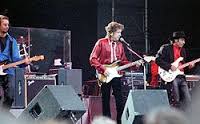
In 1988, the band began the "Never Ending Tour," which emphasizes improvisation with a small band. This tour continues to this day, with more than 100 performances a year on stage, each time with a different musical program.
In the 1990s, the band performed at many major events, including the inaugural concert of President Clinton and the inaugural concert of the Rock and Roll Hall of Fame. She also sang for Pope John Paul II and a crowd of over 200,000 people at the World Sacramental Celebration in Italy.
21st Century - Nobel Prize in Literature
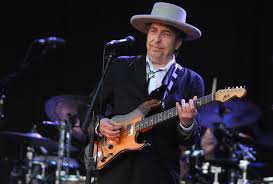
In the 21st century, the band has continued to tour and record energetically, consistently releasing new albums. Among them, "Modern Times" released in 2006 became the first No. 1 album in the U.S. in 30 years since "Desire" in 1976, and was highly acclaimed, winning a Grammy Award as well.
In 2016, the Swedish Academy decided to award Dylan the Nobel Prize for Literature. The reason for the award was "for his achievement in creating new poetic expressions within the great American musical tradition."
Although Dylan was reportedly very pleased to receive the Nobel Prize in Literature, he did not make any comments for two weeks after the decision was made. He also informed the Swedish Academy that he would not attend the award ceremony due to "prior commitments.
Bob Dylan's signature song
Blowin' In the Wind

Contents
- biography
- Birth - Record Debut
- From Folk Hero to Rock Star
- Motorcycle Accident - Resurrection
- 1970s - Working with The Band
- Baptism - Various activities in the 1980s
- 1990s - Beginning of the Never Ending Tour
- 21st Century - Nobel Prize in Literature
- Bob Dylan's signature song
- Blowin' In the Wind
- Mr. Tambourine Man
- Like a Rolling Stone
- Knockin' On Heaven's Door
- Representative Albums
- Highwai 61 Revisited.
- Blonde On Blonde
- Planet Waves.
- Modern Times.
- Bob Dylan Quotes, Great Lines, Episodes and Anecdotes
- view of life
- Be unique.
- Beatles Related
- Selecting "I Want To Hold Your Hand" as the Beatles' ultimate masterpiece.
- Meet George Harrison
- marijuana
- Rolling Stones related
- motorcycle accident
- booing