
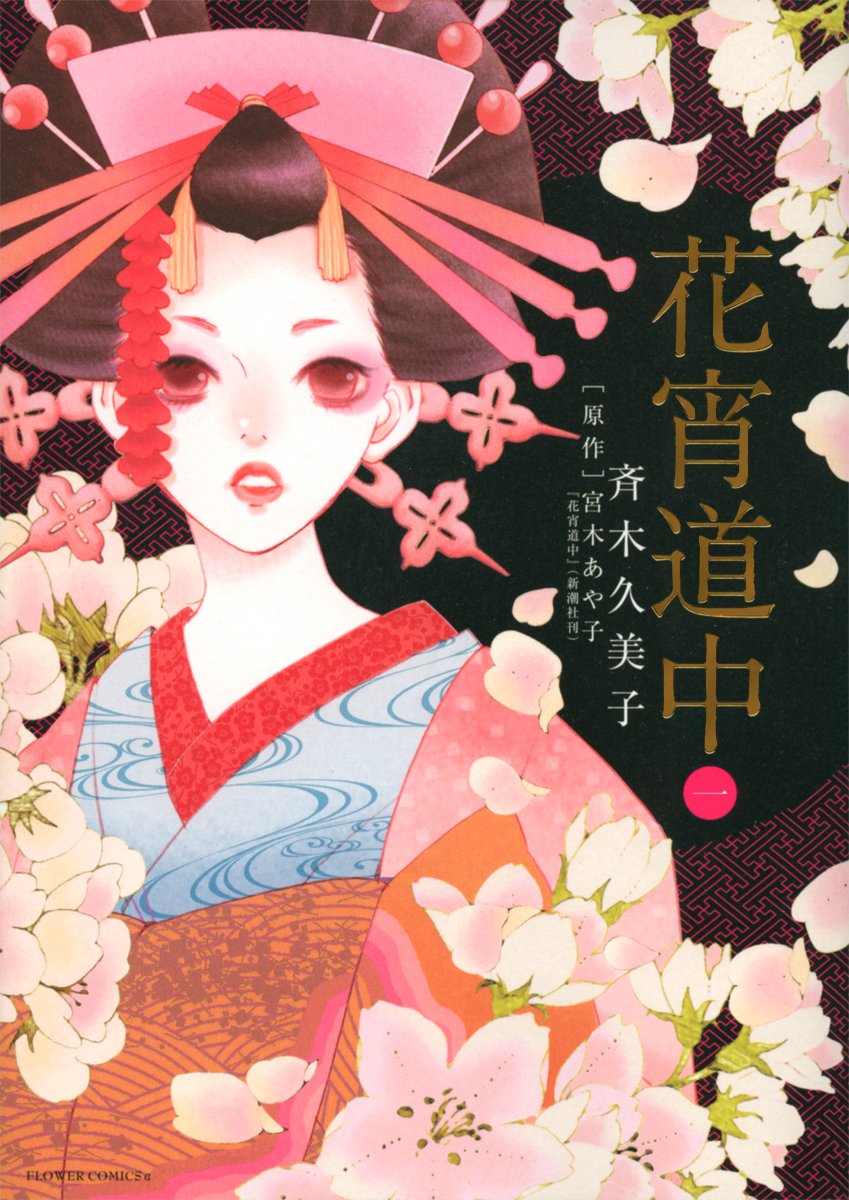
A Japanese manga work written by Ayako Miyaki and drawn by Kumiko Saiki. It was serialized in Women's Seven magazine from 2009, and depicts the love lives and businesses of prostitutes in Yoshiwara, Edo (Tokyo). The story of prostitutes depicted in Kumiko Saiki's lovely and glossy illustrations creates a unique worldview that makes it hard to stop reading. The main character is a prostitute in a medium-sized brothel called Yamadaya, and the main character changes with each section.
His real name is Shinonome. He is Kiriri's younger brother, and is beautiful like his mother. Because of his appearance, he was sexually abused as a child by a doctor who came to visit his mother. When Kiriri tried to stop her father from raping her, he slashed her face with a carving knife, causing a scar from her left temple to her cheek. After her parents died, she was about to be sold to an in-between teahouse, but Kiriri forcefully prevented her from doing so, and as a result, she was adopted by a normal family. She feels indebted to her older sister who sacrificed herself to save her, and she is basically her sister first. Because of her sister's beauty, he secretly worries that he compares her to any other girl he meets. He was a dyer who had trained at a dyeing shop, and the blue peonies on Asagiri's sandals happened to have been dyed by Hanjiro. He was a skilled dyer, but his skills were crushed when he was envied and when he refused a marriage proposal with a big store.
Shoichiro Karashimaya
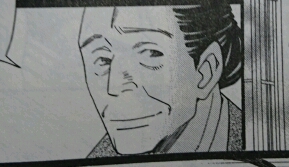
He was a familiar customer of Asagiri's, but he did not seem to visit very often and Asagiri did not remember his face. He was in love with Asagiri and wanted to marry her, but Asagiri followed Hanjiro and committed suicide. Although he still had lingering feelings for her, Akane, who looked exactly like Asagiri, became his first guest at his first visit. He was unable to break his feelings for Asagiri, and even when he looked at Akane, he saw Asagiri over her. He has a gentle personality, and both Asagiri and Akane have an impression of Karashimaya as a "good person.
Yoshidaya Fujiemon
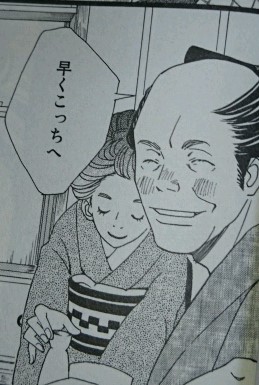
A guest of Asagiri's first visit to the theater, his original name was Yoshinosuke, and he worked as a gardener. He had been a cheating man since his days in Kyoto, and even after he eloped with Kiriri and Hanjiro's mother to become husband and wife, he played around without regard for his own home. When his mother committed suicide because of his unfaithfulness, he became confused and raped Kiriri. They were Hanjiro's business partners in Edo, but in fact they are father and son. After Kiriri and Hanjiro's mother separated, Kiriri apparently seduced the daughter of a big store owner and became the young master. Although he is a wealthy man, he has a very bad drinking habit and is hated by prostitutes. Until the end of his life, he was unaware that Kiriri and Hanjiro were his children.
Yakichi
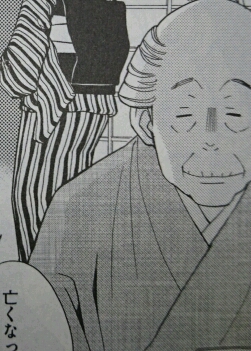
He is a hairdresser at Yamadaya. He is a childhood friend of Katsuno, the proprietress. Originally a hairdresser specializing in Omisei, he started going to Yamadaya because Asagiri looked like his dead daughter. Even though she has retired due to her age, she still comes to offer incense to the dead prostitutes during the Bon Festival. As a child, she was fond of Katsuno and became a hairdresser so that she could see him in Yoshiwara. He had a family, but by the end of Part 6, his wife has died and he is left on his own.
Miyakichi
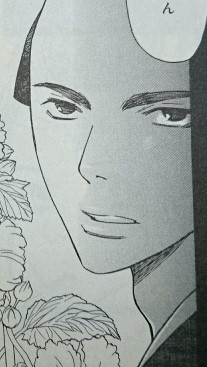
Yakichi's second apprentice. When Yakichi retired, he became the new hairdresser in charge of Yamadaya. He was popular among prostitutes because of his fair face. He is a quiet man, but he is a skilled hairdresser and creates gorgeous hairstyles with water. He is a man of great character, and although he really wants Yatsu to quit his job, he understands Yatsu's position and vows to stay on as a hairdresser until the end of the year.
Terms of "Hanayo Dochu
Yoshihara
It was the only brothel in Edo officially recognized by the shogunate. It is surrounded by a moat called "Ohaguro dobu," and prostitutes were not allowed to go outside unless they received a bill called a "Daimon Stamp. The main entrance and exit was through a gate called Daimon.
Japanese horse chestnut (Aesculus turbinata)
This is the common name for the moat that surrounds the Yoshiwara prostitute quarters. It is said that the name "Ohaguro" comes from the fact that prostitutes used to throw away the juice of "Ohaguro" (ink used by married women on their teeth) into the moat.
Shimabara
A brothel in Kyoto. The oiran, or courtesan, in Yoshiwara was called tayu in Shimabara. The basic customs were the same as in Yoshiwara, but Shimabara's punishment for cheating on customers was more severe.
Familiarity
A guest who has visited the establishment at least three times. The first visit is called the "first meeting," the second is called the "back" meeting, and the third is called the "familiar" meeting. Since there is a rule that a guest can only enter the floor after the third visit, the guest must spend a considerable amount of money before he or she can sleep with the prostitute of his or her choice.
On the road
An event in which prostitutes parade down the street to meet their customers at the teahouse where the customers are waiting, dressed in extravagant costumes. Since the Tempo Reforms banned extravagance, the procession was permitted only once a day. Hanai-doju is a procession performed by a prostitute of the highest rank in Yoshiwara, the "oiran.

Related Articles
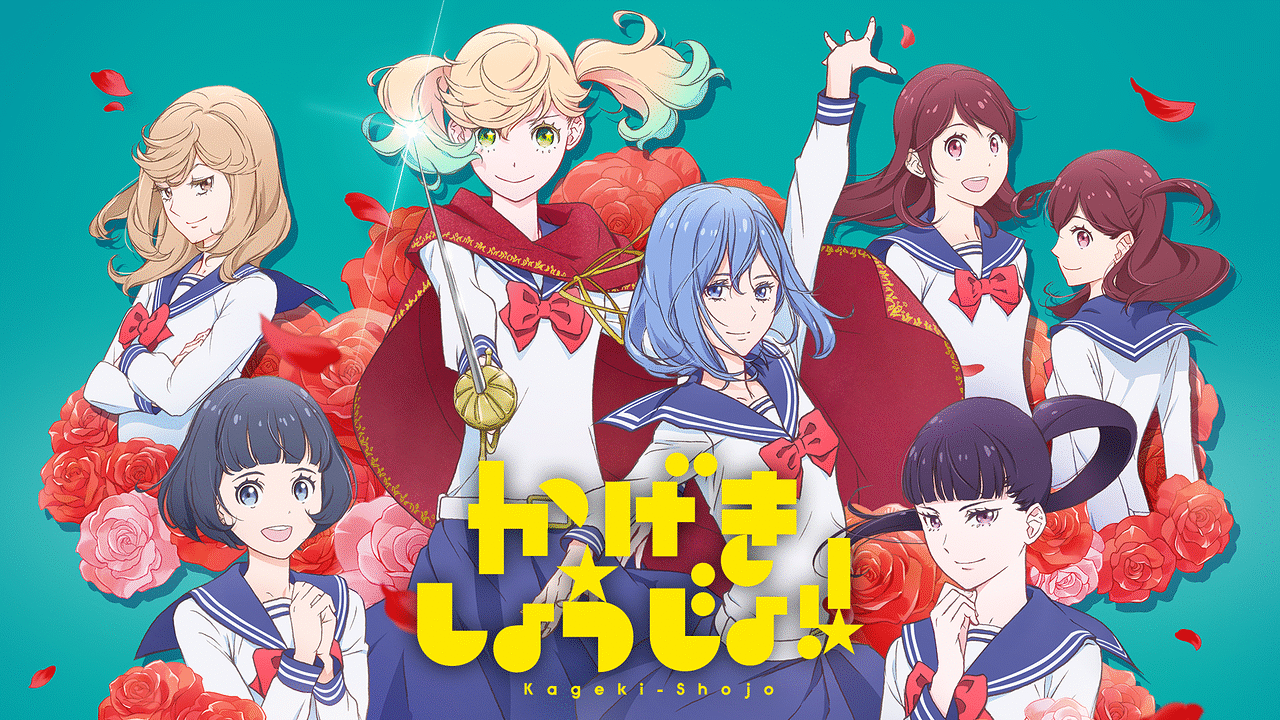
Kagekishoujo! (Manga/Anime) Spoiler Commentary and Discussion Summary
Kagekishoujo! is a girls' manga and anime work by Kumiko Saiki of "Melody" fame. It is based on Takarazuka Music School and Takarazuka Revue. The manga's main characters, Sarasa and Ai, enroll in the Benka Revue Music School, where they study theater, ballet, and singing. While learning and acquiring the skills necessary to perform in the revue, they engage in friendly competition with each other and with their classmates.
Read Article

Jijimi sugoi! Review Girl (Chijimi Sugo) Spoiler Commentary and Discussion Summary
The "Review Girl" is a TV drama series that aired from October to December 2016 on Nippon Television Network Corporation (NTV)! Review Girl" is a TV drama based on the novel "Review Girl" by Ayako Miyaki, which aired on Nippon Television from October to December 2016. The main character, Etsuko Kono, dreams of becoming an editor of the fashion magazine of her dreams. Although she complains about her job as a reviewer, she grows as a reviewer through her work. The story is about Etsuko, who has a super-positive personality, and how she engages those around her as she works, and how they work together in friendly competition. The story delves deeply into fashion and publishing, and was supported by a large young female audience.
Read Article
Contents
- Outline of "Hanayo Dochu
- Synopsis and story of "Hana Yo Dochu
- Part 1: Hana Yo Dochu
- Part 2: The Thin-winged Lepidopteran
- Part 3: Blue Flower Peony
- Part 4: Sixteen Night Shigure
- Part 5: Snow Cord Kannon
- Part 6: Daimon Stamps
- Characters in "Hanayo Dochu
- Morning mist
- Kirisato
- Yatsu
- Mitsu
- Akane (Japanese madder)
- Eriya
- Green
- Katsurayama
- Kikuyoshi
- Katsuno
- Abeya Hanjiro
- Shoichiro Karashimaya
- Yoshidaya Fujiemon
- Yakichi
- Miyakichi
- Terms of "Hanayo Dochu
- Yoshihara
- Japanese horse chestnut (Aesculus turbinata)
- Shimabara
- Familiarity
- On the road
- Trick (device)
- Hatsumise
- personal undertaking
- baldness
- new construction
- Kagema-jaya (tea house in the shadows)
- Teppo Jyoro
- Famous quotes and lines from "Hanayo Dochu
- You don't have to let anyone else see the flowers on your body anymore."
- He said, "Listen to me. Open your heart to the one you love, close your eyes, and let another man embrace you."
- That's my... that's my proud sister.
- Yes, because she will live on. Because Miss... she's going to live on."
- Just your presence makes this world glow so quietly."
- Okatsu, why don't you go back across the river?
- comics
- movie