
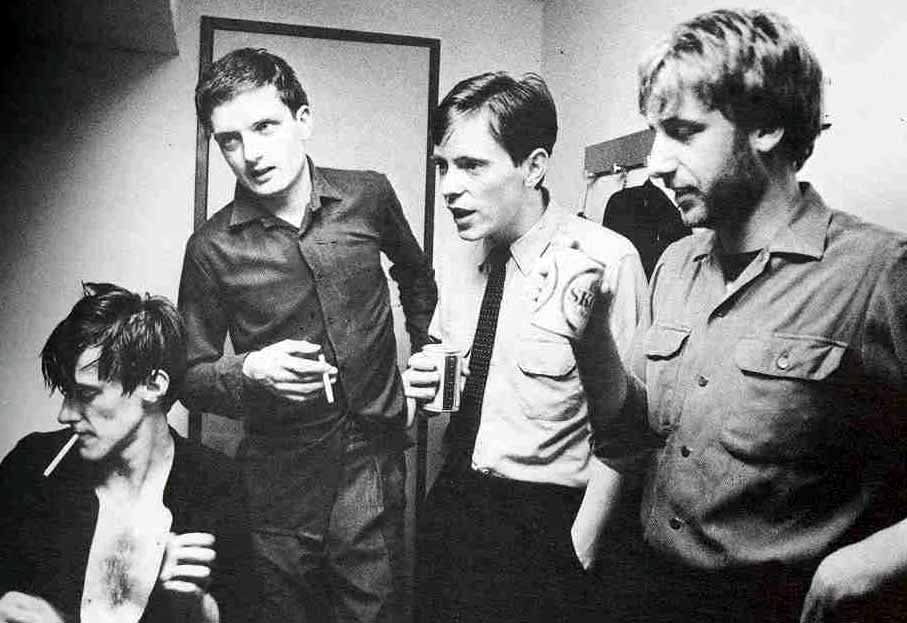
Joy Division was an English rock band formed in Manchester in 1976, representing the post-punk movement of the late 1970's. In 1980, the band disbanded after vocalist Ian Curtis committed suicide, Although they were only active for four years, their influence on the music scene in the 1980s and beyond is immeasurable.
Joy Division Overview
Childhood friends Bernard Albrecht and Peter Hook went to see the Sex Pistols live in Manchester in June 1976.
They were so struck by the live show that they decided to form their own band, with Bernard on guitar and Peter on bass. Later, Ian Curtis, who had known them for a long time, saw a poster looking for a vocalist and contacted them, and they joined the band without an audition. The search for a drummer was difficult, but eventually Stephen Morris, who had attended the same school as Ian, joined as drummer and the band was solidified.
The band was originally named Stiff Kittens by order of the manager of the Buzzcocks, a band from England, but the name was soon changed to Warsaw, taken from a song on David Bowie's 1977 album "Low".
However, when it was discovered that other bands were using the same name, at Bernard's suggestion and after consultation within the band, the name "Joy Division" was adopted in 1978. The band's name was derived from the comfort stations set up in Nazi Germany's concentration camps during World War II.
In 1978, the band was invited to appear on a television show hosted by Tony Wilson, owner of local independent label Factory Records and a fixture on the local music scene. The band gained a bit of local recognition and later succeeded in signing a record deal with Factory, and in January 1979 Ian was featured on the cover of the British music magazine New Music Express.
In April 1979, they began recording their first album, Unknown Pleasures. The band's punk-rock influences were still evident in their rough, crude playing, but producer Martin Hannett made some effective changes to the sound, creating an atmosphere of tension and dark, heavy emotion at the same time. The album achieved some success, topping the indie charts.
After the release of the album, the band was assigned to support the Buzzcocks on their UK tour, allowing the band members to quit their regular jobs and focus on their band activities. In November of the same year, the band released "Transmission," a single not included on the album.
As 1980 began, the band toured Europe in January, followed by a UK tour in February. Ian's overcrowded schedule caused him to suffer from epileptic seizures on two separate occasions during the latter half of the tour, and in March he entered the studio to begin work on their second album, "Closer."
The lack of sleep caused by the album's production further worsened Ian's mental condition, and he was unable to control his epilepsy.
In April of the same year, Ian was driven into a corner and overdosed on antiepileptic drugs and attempted suicide. He survived, but his condition worsened further when he performed live again the next day without rest.
In May, the band toured the United States for the first time. Ian's relationship with his wife, Deborah, was deteriorating at the time, and Ian was feeling increasingly trapped mentally. He committed suicide by hanging himself at home the day before leaving for the U.S. tour.
His posthumous single "Love Will Tear Us Apart" and second album "Closer" were released after Ian's death and were received with praise, but the band, having lost their vocalist, cancelled all tours and ceased their activities.
It had long been agreed among the members of Joy Division that if one member was missing, the band would not perform under the same name. The remaining members eventually decided to change the band's name to "New Order" and continue their activities.
Members of Joy Division
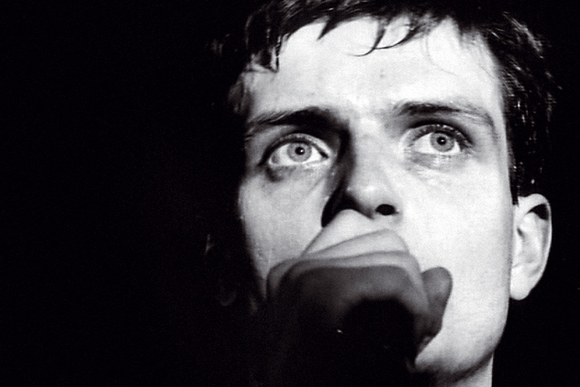
Ian Curtis
Source: s-media-cache-ak0.pinimg.com
He wrote vocals and lyrics.
He committed suicide by hanging himself at his home after the band finished touring Europe and before the U.S. tour.
His baritone voice, which seemed to come from the bottom of his stomach, was characteristic of his music.
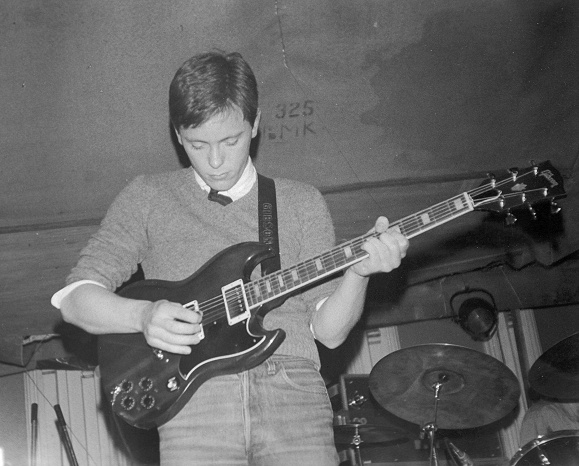
Bernard Albrecht
Source: www.enkiri.com
He was primarily a guitarist.
He is now often referred to as Bernard Sumner.
He also sings vocals and writes lyrics for New Order, the band that followed the breakup of Joy Division.
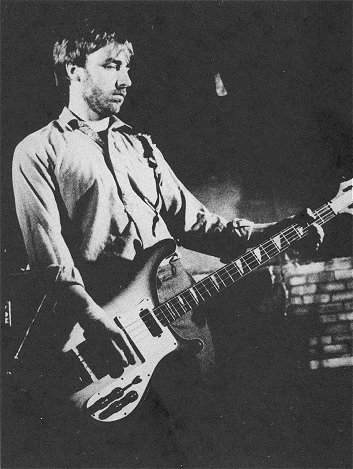
Peter Hook
Source: www.enkiri.com
Bass player. Sometimes called Hooky.
He is famous for his unique style of holding his bass low and playing melodies in the high register like a guitar.
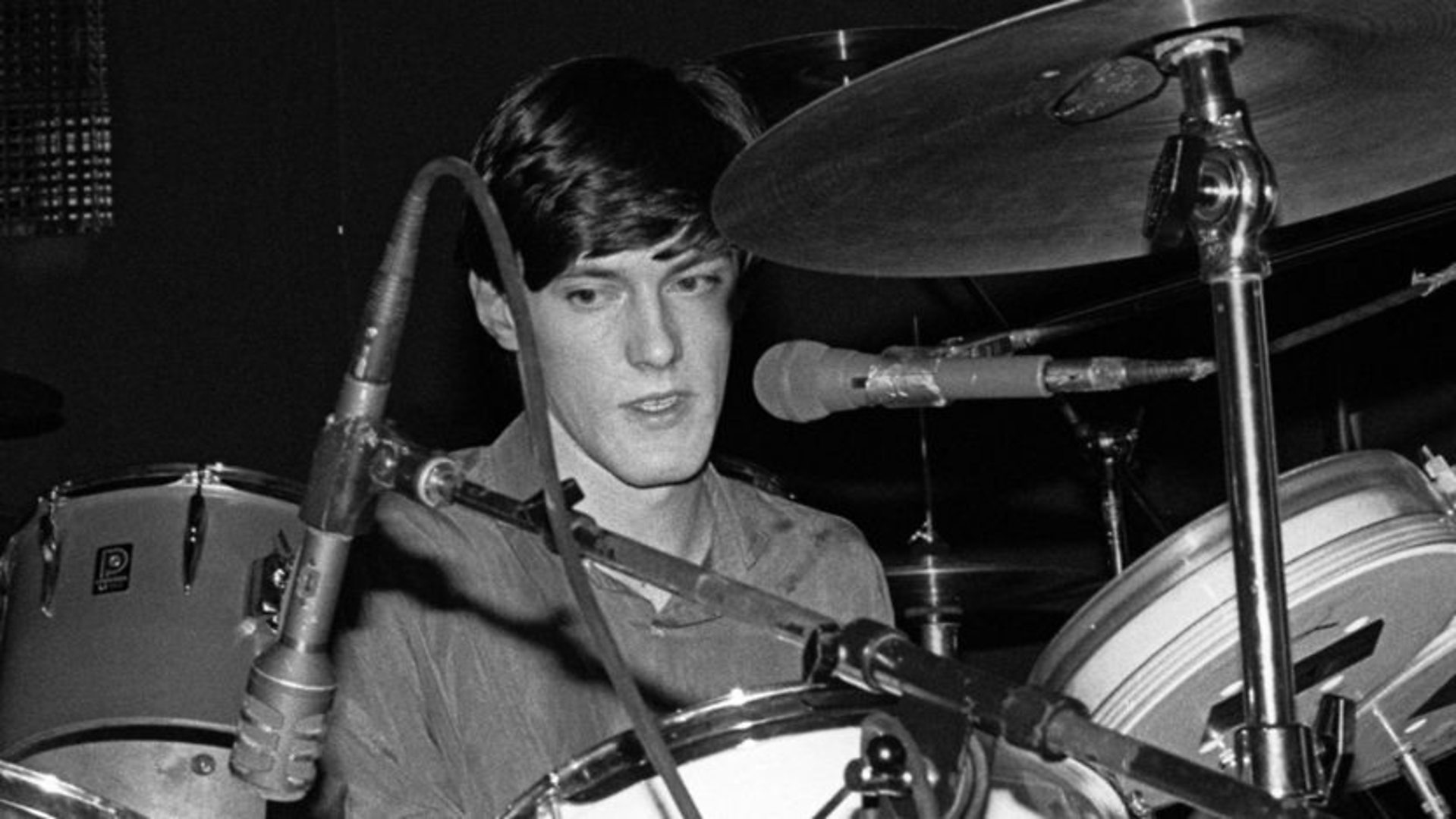
Stephen Morris
Source: ichef.bbci.co.uk
He was the youngest drummer and the youngest member of Joy Division.
His drumming is characterized by a hard, heavy-handed drumming style that has been described as "mechanical.
Original Albums
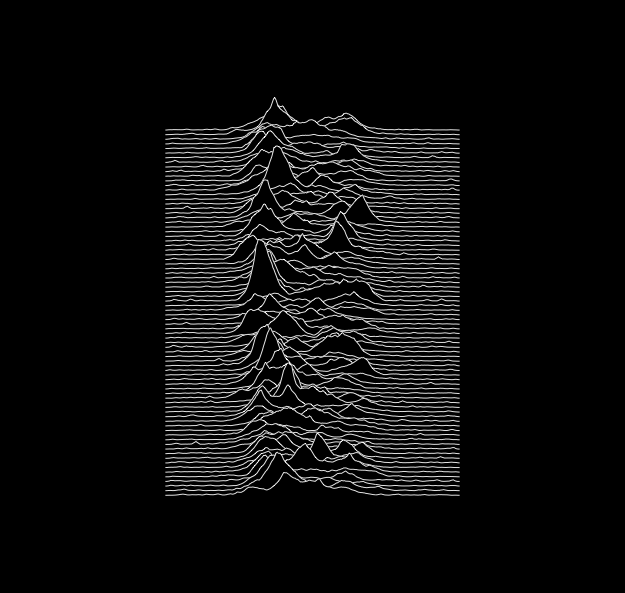
Unknown Pleasures.
Source: 2.bp.blogspot.com
01. Disorder
02. Day of the Lords
03. Candidate
04. Insight
05. New Dawn Fades
06. She's Lost Control
07. Shadowplay
08. Wilderness
09. Interzone
10. I Remember Nothing
Debut album released in 1979.
Although it sold well in the indie charts, it failed to become a major hit, and only after Ian's death did it enter the U.K. charts.
The cover of the album features the waveform of a pulsar (a celestial body that generates visible light), which was discovered for the first time.
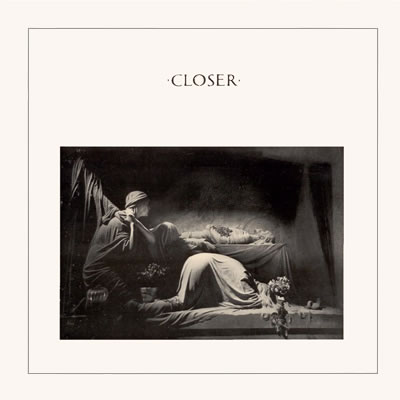
Closer."
Source: blogimg.goo.ne.jp
01. Atrocity Exhibition
02. Isolation
03. passover
04. Colony
05. A Means to an End
06. Heart and Soul
07. Twenty Four Hours
08. the Eternal
09. Decades
The second and last album released in 1980.
It is one of the most representative post-punk albums, and Pitchfork, an American music media, ranked it 10th in their 2002 ranking of albums of the 80s.
