

VINLAND SAGA" is a manga by Makoto Yukimura. It was published by Kodansha and serialized in Monthly Afternoon. The main setting is Northern Europe in the early 11th century. The main character, Torfin, whose father, Tors, was killed by Vikings when he was young, becomes a warrior to take revenge. Eventually, along with his emotional growth along the way, he embarks on a journey in search of "Vinland," a place of peace. This action human drama depicts people who survive through warfare, conflict, violence, sin, and love.
King of Denmark who plans to conquer England. Father of Knut. Black hair. Long black beard. His crowned face is tired, spotted, and obese.
He stays in the Danish dominion (Danereau) and makes York (Jorvik) his base.
He was once king when his father was king, and he took the throne from his father out of concern for the kingdom that was suffering under his violent and oppressive rule.
As for the successor to the throne, he foresaw that his vassals, driven by their desire for position and power, would start a civil war under the banner of their respective princes, and to avoid this, he thought it better to let his second son Knut, a poor and cowardly man, die in battle than Harald, his eldest son, so he withdrew his main army during the invasion of London and sent only one fifth of his men, Knut, and Torkel to the battlefield. He left only one-fifth of his force and Knut on the battlefield where Turkel was raging.
However, instead of being killed in battle, Knut returned to Sven, bringing back the fierce general Thorkel as one of his own forces. He is one step behind Sven when rumors spread of a plot to kill his son by the wily general Asherad, but Sven senses that Asherad is the ringleader of the plot and realizes that his weakness is Wales, so he forces Asherad to give up either Wales or Knut. However, Asherad, cornered, takes the blame for the rebellion himself, and hits Sven in the neck, in order to keep both Wales and Knut alive.
Although Sven was killed, he appeared to Knut, who later gained supremacy and expanded his domain, as a phantom, and spoke to him often.
He is a figure that represents Knut's struggle with guilt and pangs of conscience in the process of building a paradise, and refers to the doubts and fears that lie deep within him.
ragnar
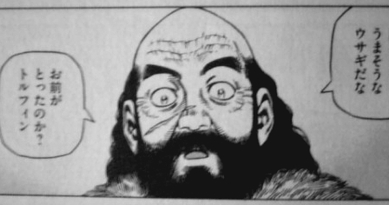
He is like Knut's real parental figure, an educator, and an aide and bodyguard in battle. He has black hair and a black beard. He is short. He is a stubborn but tearful middle-aged man with a kind heart. He is sometimes called "Tongari" because the top of his head is bald and pointy.
He has been protecting the sickly and timid Knut from the factions of the power struggle among the vassals in Yering's royal court.
However, during a march with Asherad's army, he is assassinated in Asherad's attempt to cut off Knut's naivete as a hindrance to his path as king.
At the time of his death, he made Asherad promise to protect Knut's life without fail, and he died. Later, he appeared in Knut's dream while he was unconscious and made him realize his path as king.
His brother is Gunnar.
Villibaldo.
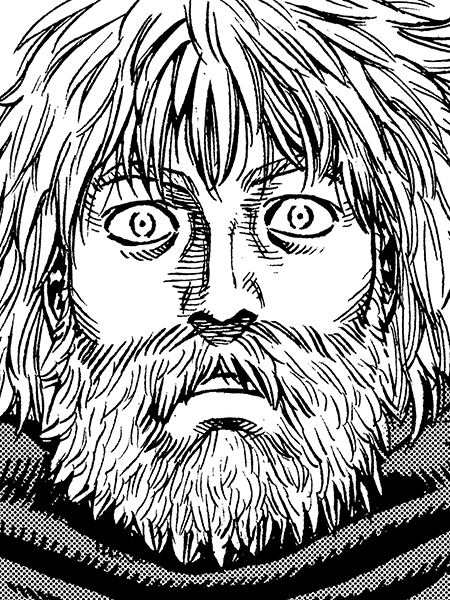
Knut's teacher and a Christian monk. He had a shaggy blond head and an unkempt beard, but he later groomed himself to look his age of 23.
He was an alcoholic, and when he was taken prisoner with Knut and Ragnar by Torkel's army, he began to make noises when he ran out of alcohol, and suddenly started shouting at God. He also shows his presence in various ways, such as when he competes in a drinking contest against strong soldiers.
As a Christian monk, he talks about "free love" to soldiers who are not familiar with Christianity, but most of them do not listen to him. Villibaldo himself is well versed in the doctrine, but he has never seen anyone who actually embodied "free love.
While on a snowy march in the custody of the Asheraad Legion, he stops at a cold village to make camp, where he loudly warns the villagers to save them from being targeted for looting, but is beaten to a pulp. The villagers are all killed (except one who happens not to be there). He talks to Knut about "love" when he is pursued by Torkel, including this. This was in response to the question of whether Knut, who was not loved by his father, was loved by Ragnar, which was not love but discrimination, and also referring to the fact that he took the lives of the villagers for Knut's sake. He then tells the truth that God, the Heavenly Father, did not let the humans living on earth have love. Those who fought in front of him would take each other's lives for the custody of Knut, and only after death would they return to the earth and become "beings who can give free love" to share themselves with other living beings.
But, awakened and enlightened, Knut embraced the war-mad soldier (Björn, who had eaten the mushrooms of the mad warrior) and calmed him down. To this, Villibaldo eulogizes, "I have seen a miracle. Thus Knut's high road is set in motion.
Bjorn
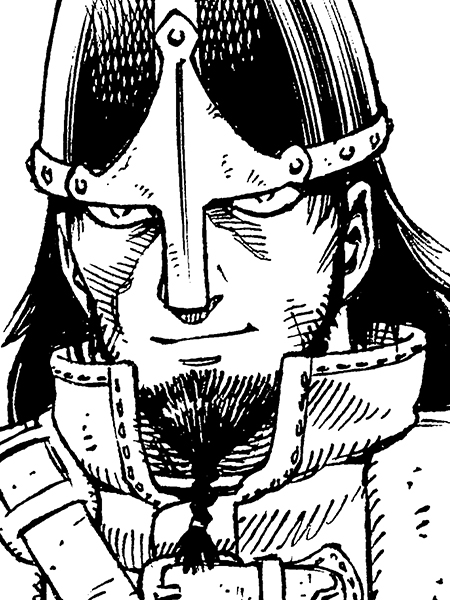
He is the oldest in Asherad's corps. He is a large man with black hair and a beard. He is a skilled fighter and is strong in melee combat, but he also shows his ability in long throws with a spear.
He is strongly proud to be a Viking warrior, which is simple and clear: he fights because he loves to kill.
He also eats "mad warrior mushrooms," which have a stimulant effect that causes him to become a mad warrior, which sometimes causes his allies to lose their minds.
In the battle between Floki's army and the Trolls, even with the "mushrooms of the mad warrior," he was no match for the bare-knuckle Trolls, and while he was unconscious, Asherad was defeated in a duel.
He has known Asherad for more than ten years and is like a trusted right-hand man. Even among his subordinates who betrayed the corps under Torkel's pursuit for Knut's custody, he maintained his loyalty and friendship to Asherad. However, he became a mad warrior and knocked down the besieged enemy, but when Knut calmed him down and brought him back to his senses, he was attacked and stabbed in the side, resulting in a fatal wound.
He then challenged Asherad to a duel as his final opponent, but Asherad was too distracted to finish him off with a single blow. He told Asherad that he considered Asherad a friend, and he died after confirming his friendship with Asherad, who hated Danes and had not opened his heart to them.
einar
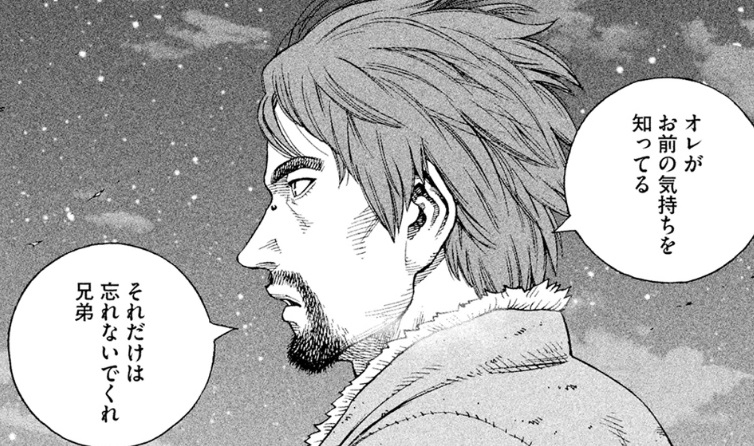
Formerly a farmer, he was bought as a slave on the Ketil farm. He has short reddish-brown hair and a stout build. He has a black spot on the left bridge of his nose. He is an honest and gentle man.
He is a former farmer and knows the ins and outs of farming. He teams up with Torfin, who was also a slave on the Ketil farm, and they work together to cultivate a vast area of land and grow wheat in order to regain their freedom, and they work together to strengthen their bond.
They are harassed by former slaves, whom they call "servants," and by the farm's bouncers, whom they call "guests." They also despair when they learn that Arneiz, another slave who was secretly in love with them, is unable to regain his freedom.
He used to hate "warriors" because his village was burned down in a war and he lost his family and a place to return to, but when he saw Torfin, who used to be a warrior, suffering afterwards, and his innocent and defenseless appearance, who had never been treated kindly by others, he told him kindly that it was natural for him and his family to be kind to him because they were his friends. It was natural, he told her gently.
And then, after Arneys' husband Garzal came to the farm as a fugitive slave, after Knut's trickery turned the farm into a battlefield, after Arneys lost her husband and children to violence, and after she herself was fatally beaten by Ketil in the end, she gave up living and died, she and Torfin decided to make a new home for themselves in Vinland. With the goal of creating a peaceful country, she sets out on her journey.
He and Torfin, who have shared many hardships and ordeals together, call each other "brother.
kettle
He is a large landowner with vast land in the southern part of the Jutland Peninsula in Denmark. He is a stately man with blond hair, a beard, and a well-dressed middle-aged figure.
His eldest son is Thorgil, a squire of Knut, and his second son is Ormar, who works on Ketil's farm. His father, Sverkel, is called the Grand Master, but he is retired.
He employs or buys the services of many slaves, former slaves who have bought back their status as "servants," and "guests," who are mainly in charge of guarding the farm, and runs a farm on a large, peaceful piece of land. He also works hard on the farm himself.
His father, Sverkel, does not agree with Ketil's ideas about running the farm and growing wealth unnecessarily. Ketil is concerned about Sverkel's health in his old age, but they quarrel and live separately.
He is called "Ketil of the Iron Fist" because of his saga of fighting with his bare hands on the battlefield, where he quickly broke his weapons due to his monstrous strength. Ketil is rather weak-willed and does not like to engage in bloody disputes, and most people would not touch him if he happened to mention the name "Ketil of the Iron Fist" by the same name. Basically, he is a kind landowner who is considerate of his slaves and the people he employs.
The story is not revealed, but Torfin, who failed to avenge the death of Asherad, worked as a slave on this farm, and then Einar was bought as a slave. Ketil's kindness is particularly evident in his proposal of a system in which slaves bought into custody are made to work, for example, in the case of Torfin and Einar, to cultivate and harvest farmland, which is then bought back at a regular price, and if the amount exceeds the amount at which they were bought into custody, they can buy themselves back. In fact, there are many former slaves who have bought back their freedom in this way.
He is particularly fond of a female slave named Arnaiz, and receives temporary solace by having her listen to his cowardly complaints, which he can't tell anyone. Arneiz is also a private whore, and he has no intention of giving her up.
When a fugitive slave named Gulzar shows up to take Arneiz, his wife, back, Ketil assumes that Arneiz has tried to escape, and his personality changes, and he beats Arneiz with a stick until he is fatally wounded. He then decided that Arneiz should run away and beat Arneiz with a stick until he was fatally wounded.
The result was a disastrous defeat, but thanks to Torfin's efforts, the farm was spared seizure.
Ketil was severely injured, and although he recovered, he lost his vigorous work ethic and became half-retired.
olmar (extinct, flightless bird formerly found in New Zealand)
He is the second son of Ketil, a large landowner and the next head of the family. He has blond hair tied back and slicked-back bangs, and sometimes sports a short mustache.
His elder brother is Thorgil, a follower of Knut and a skilled fighter, but he is the complete opposite of Knut's dynamic personality, being weak-minded and lacking in strength. He is a self-conscious, bonboned, and pampered son of a farmer. However, perhaps because of his self-consciousness, he is tired of being treated as nothing more than the son of the landowner Ketil, and he also has a longing to become a warrior who plays an active role in battle rather than doing the steady work on the farm.
When he discussed this with the "guests," the bouncers on the farm, they told him that the experience of killing people would help him grow as a man, and when they talked about who he should kill, he almost killed Torfin and Einar. However, his cowardly nature and his lack of skill were not enough to kill Einar, and he did not (could not?) take his life at that time after all. He did not take his life at that time.
Later, he accompanied Ketil to Yering to visit Prince Harald and had an audience with Prince Knut on behalf of Harald, who had already passed away.
There, he begs to be made a squire himself, and fails the examination. However, Knut, who was planning to seize his vast and rich lands, took advantage of him as a typical Nordic youth who only has a lot of bravado, and killed Knut's emissary in an eight-figure fight. As a result, the Ketil clan became hunted as renegades.
They escaped to the farm on Leif's ship, but due to the delusion of his father Ketil, combined with his brother Thorgil's love of war, he did not accept Knut's advice to surrender, and the farm became a battlefield. The result was a disastrous defeat, and Knut's final warning was that if he surrendered, his family would be exiled from the country, but if not, the war would continue. Sverkel, on behalf of his father Ketil, who was already deeply wounded, entrusted Ormar with the decision. His mother and Thorgil wanted the battle to continue, but Ormar insisted that he did not want to make any more sacrifices. He sincerely wanted to end the war because it had started because of him.
Thanks to the efforts of Torgil and others, the Ketil farm was spared from confiscation and overcame the difficult situation. Ormal changed his mind and took the lead in the post-war reconstruction process and farm management in place of his father Ketil, working hard.
tall gil
He is the eldest son of the landowner Ketil and a squire of Prince Knut. He is a large man of large stature and great skill. He has blond hair and a beard. He is belligerent and ambitious.
Snake, the head of the "guests," the bouncers of Ketil's farm, trained him, and through this he honed his swordsmanship.
When he realized that his brother Ormal was being used for Knut's schemes, he did nothing to stop him, but instead instantly killed the messengers who surrounded him and encouraged them to turn the situation into a war.
His skill was so great that even Wolfe, the squire's superior, praised him as a "good subordinate," and when he attacked Knut by surprise alone, he praised Knut, saying, "I want him under my command again.
When Knut's army attacked the Ketil farm, he gathered the farmers as his troops, but he dared not to tell them that they were Knut's. He is a skilled fighter who takes advantage of people's hearts.
The battle was a disaster, and the surprise attack on Knut's farm ended in failure.
Sverkel.
Father of Ketil, a large landowner and the previous head of the family. He is a small, bald-headed old man. He is stubborn, but has the dignity of old age to see things for what they really are.
He is now a retired man, living in a small house away from the farm, cultivating a small field for his own food and becoming self-sufficient. He has a different way of thinking from Ketil, who is eager to increase his wealth, and although he is offered to live with Ketil out of concern for his old age, he continues to live alone, refusing the offer. Because of their different ways of thinking, he and Ketil have a lot of disagreements, and they seem to argue constantly.
He needed a horse to dig up the roots and stumps of the trees that Torfin and Einar had cut down, but he was having trouble borrowing one. Sverkel approached them and offered to lend them a horse in exchange for menial labor. As promised, he lends her a horse and also provides her with food in exchange for her labor, showing his fair and kind side.
The head of the "guests," "Snake," often comes to Sverkerl's house to eat and spend time reading the Bible. Although he and "Snake" quarrel, they seem to get along better than in their dealings with Ketil, and they care for each other in some way.
He advises Tolfin, who laments that he is "empty" because he has lost his purpose in life after leaving the battlefield without revenge, that anything will fit in an empty space, and that he should learn how to hoe and catch fish little by little from now on.
When Arneiz's husband Garzal shows up as a fugitive slave, she treats him with kindness and generosity, calling on Arneiz and sheltering Garzal in her own home.
When the family was defeated in battle against Knut's forces and given an ultimatum to either surrender and be deported or continue the war, he insisted that the family's decision rested with Ormal and entrusted Ormal with the fate of the family. He also praised Ormar for his growth, seeing that Ormar chose to minimize his sacrifices.
Although his advanced age had gradually impaired his bodily functions, Sverkel gave gentle reminders to Ormar, the "snake," and the young people who would make a fresh start toward restoration after the war.
pater (e.g. paterfalcon)
A former slave working as a "servant" on the Ketil farm, he is like Ketil's trusted right-hand man. He has short hair. He is slender, mature, kind-hearted, calm, and wise.
He has old scars all over his body from the hardships he endured as a slave. He cares for, encourages, and helps Torfin, Einar, Arneiz, and others who work as slaves on the same farm.
He is also knowledgeable and dexterous. He also tends to the wounds of Torfin and others who were injured in an altercation.
He also asks Leif, who was accompanying Ketil when he returned from Yering, to look after not only Tolfin and Einar, but also Arneiz.
Arneis (moon of Jupiter)

Related Articles
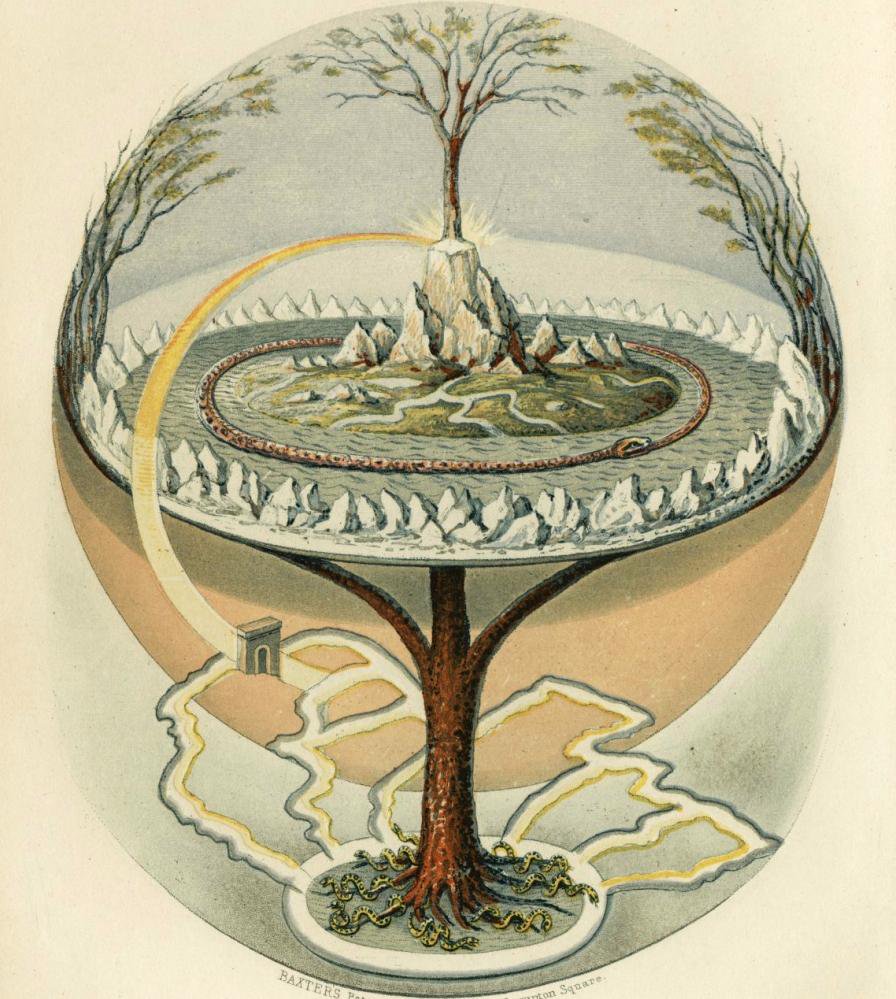
A thorough explanation and discussion of Norse mythology! Interesting and easy to understand!
Norse mythology is a mythological system that was believed by the Norse people before the spread of Christianity. It is also called Scandinavian mythology because the Norse had the Scandinavian Peninsula as their sphere of influence. The myths were passed down orally, but around the 13th century, the Icelandic poet Snorri Sturluson compiled them into a book titled Edda. The story depicts the rise and fall of gods whose "doom of destruction" has been decreed, and many of the episodes have a dark overall impression. The story as a whole is highly accomplished, and it is often used as a subject in modern creative works such as comic books.
Read Article
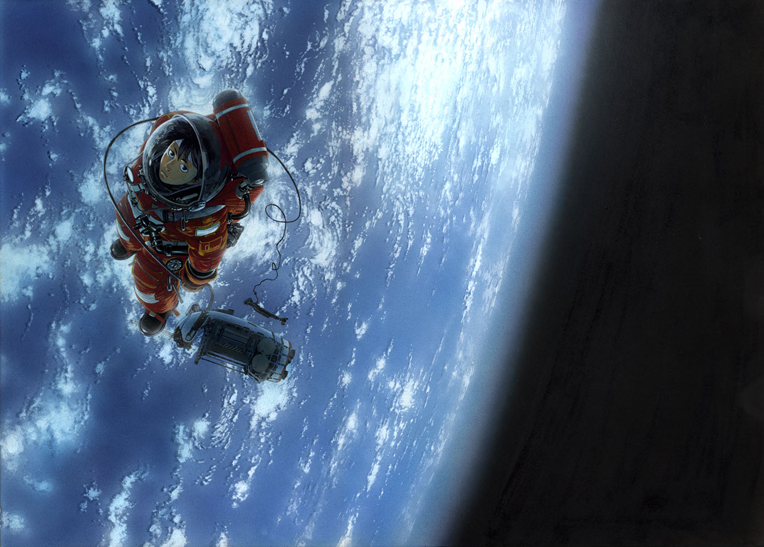
Summary of PLANETES Spoilers and Discussion
Manga by manga artist Makoto Yukimura, animated by director Goro Taniguchi. In a world where space development is more advanced than today, the main character, Hachirota Hoshino (a.k.a. "Hachimaki"), who works as a space cleaner, overcomes various challenges and obstacles with the help of his friends and grows as an astronaut.
Read Article
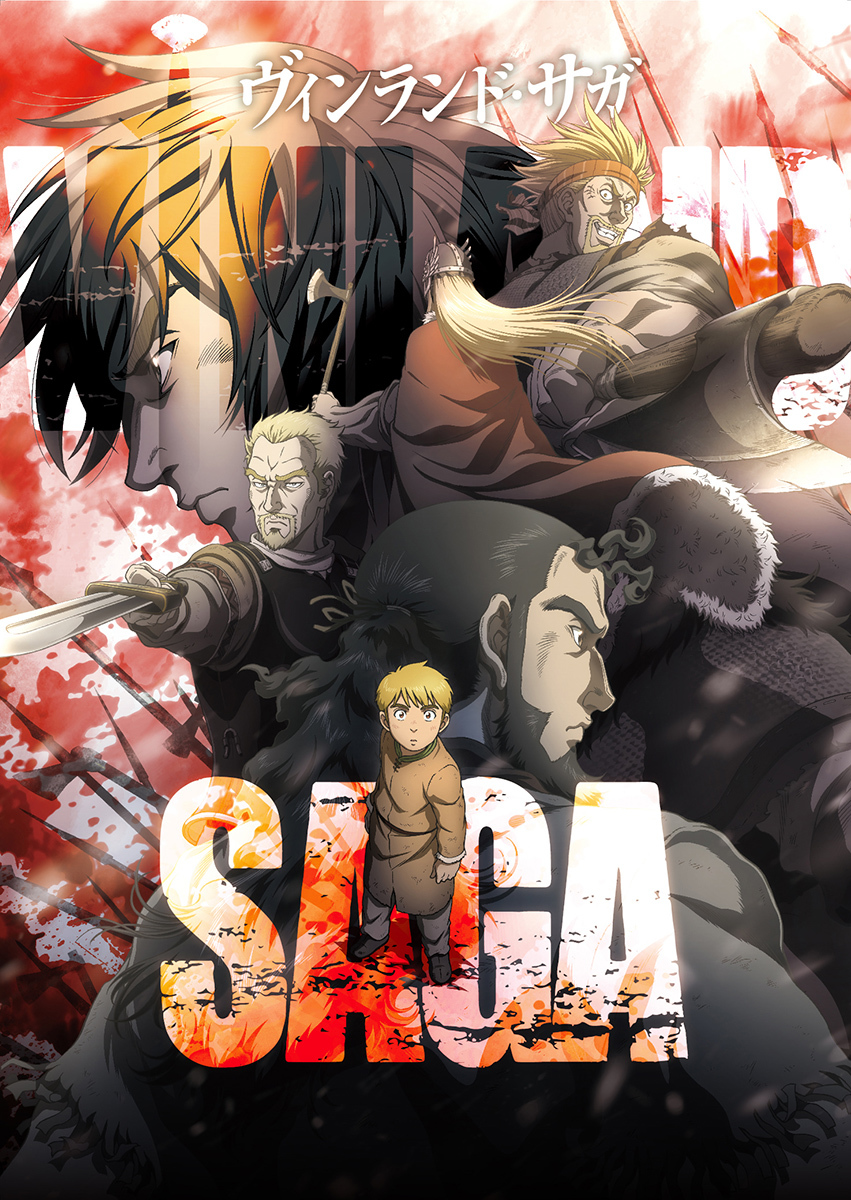
Not Just ONE PIECE! A compilation of recommended pirate manga [VINLAND SAGA / FULL AHEAD! Coco]
Although "One Piece" (ONE PIECE) is the most famous manga with pirate motifs, there are many other interesting ones. Here we have compiled a list of recommended pirate manga. Full Ahead! Coco," to those set not on the sea but in space, such as "Space Pirate Captain Harlock.
Read Article
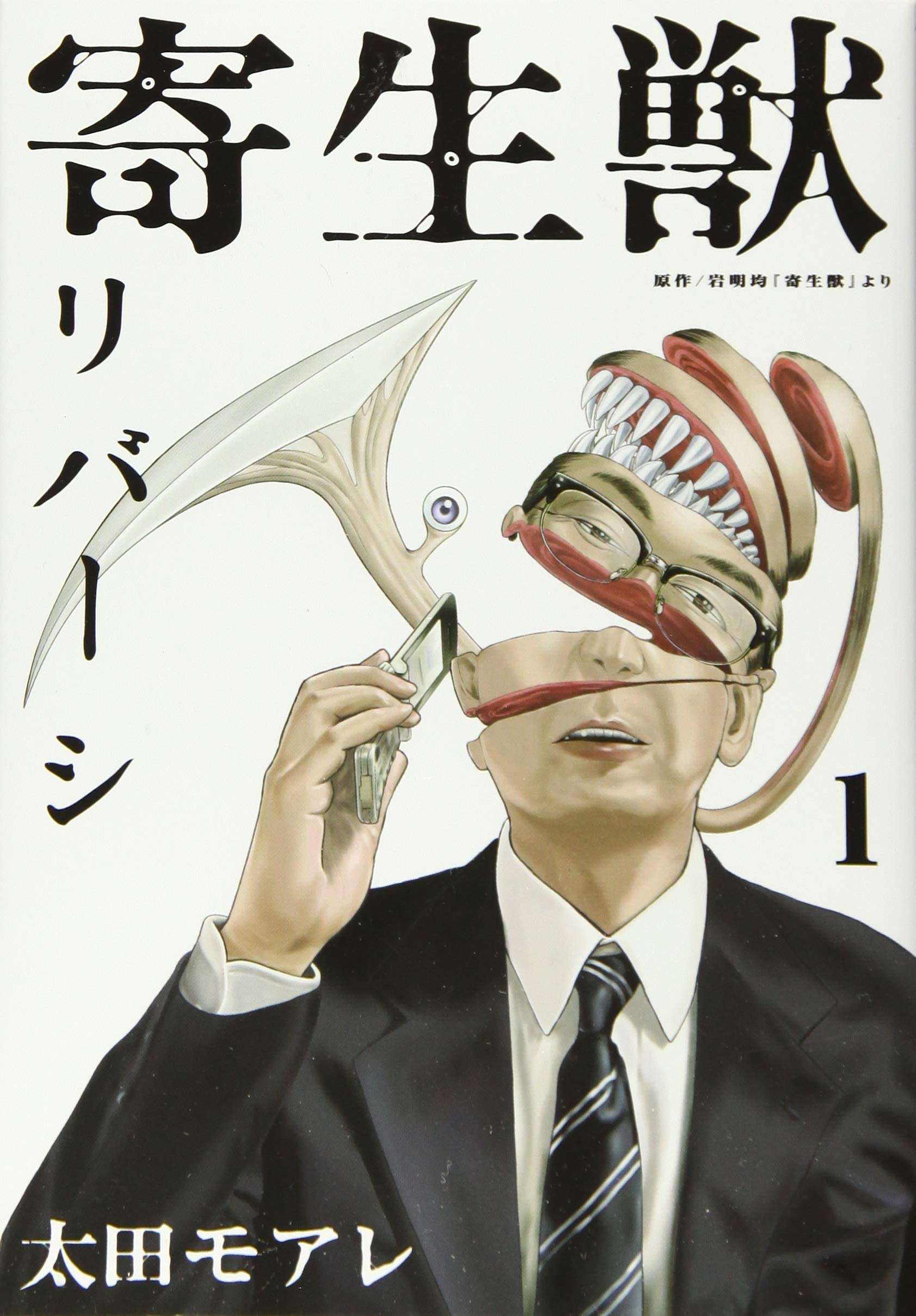
A compilation of interesting manga that have already been completed! The manga of the same name are all great! All masterpieces!
This is a list of recommended manga that have been completed! If there are some works that you did not know or have never read, please read them! There are many masterpieces that are still loved today, such as Yosei Zyu and Akira, so please read to the end!
Read Article

Here is a compilation of manga that strike a chord with my view of life and death.
The "view of life and death" that exists in everyone. Here is a collection of deep manga that look at it objectively.
Read Article
![You'll have a lot of fun! NHK Anime] 7 recommendations](https://renote.net/files/blobs/proxy/eyJfcmFpbHMiOnsiZGF0YSI6MjA5OCwicHVyIjoiYmxvYl9pZCJ9fQ==--6894577131203bf259e7ae517196d07bfd140267/51R1yxTfoLL.jpg)
You'll have a lot of fun! NHK Anime] 7 recommendations
Do you have an image that "NHK is a broadcaster, so it must be stiff" or "it looks childish"? No, no, there are many highly finished animations that are satisfying for adults as well. This is why we have compiled a list of recommended NHK animations.
Read Article

PSYCHO-PASS the Movie: Cunning Bite is back! The stage is set overseas, and the hot battle is about to begin!
A man who had done justice for himself became a murderer and disappeared. What is he thinking now, and what is he trying to accomplish? Akemi Tsunemori, who has grown up to be a full-fledged detective, steps into the "Sheen," where the new sibula system has been introduced. In the danger zone where bullets fly, he meets a man again.
Read Article
Tags
Contents
- Overview of "The Vineland Saga
- Synopsis and story of "The Vineland Saga.
- Revenge Demon of the Asherad Corps
- Knut's Awakening
- Days of Slavery, Farewell to Violence
- Collapse of Ketil Farm
- Toward Vineland
- Grace for redemption
- The struggle for succession of the Yom Warriors
- Characters and characters in "The Vineland Saga
- torrefin
- Tolls
- Asheraad
- rafe
- Helga.
- yurva
- Floki
- half-dang
- Turkel
- Knut.
- Sven.
- ragnar
- Villibaldo.
- Bjorn
- einar
- kettle
- olmar (extinct, flightless bird formerly found in New Zealand)
- tall gil
- Sverkel.
- pater (e.g. paterfalcon)
- Arneis (moon of Jupiter)
- gulzar
- Snake (Roald Grimson)
- Gzriese.
- Sigurd
- Carli.
- hild
- Terms in the Vineland Saga
- stage (theater, theater)
- Iceland
- Faroe Islands
- Kingdom of England
- Danelaw (old name for the Northeast Atlantic region)
- Welsh Minor Kingdoms
- Kingdom of Denmark
- force
- Dane's army
- Yeom Warriors
- Asheraad Legion
- Famous quotes, lines/scenes and scenes from "The Vineland Saga
- Tolles, standing and dying
- Torfinn Karlsevni vs. Torkel the Tall