
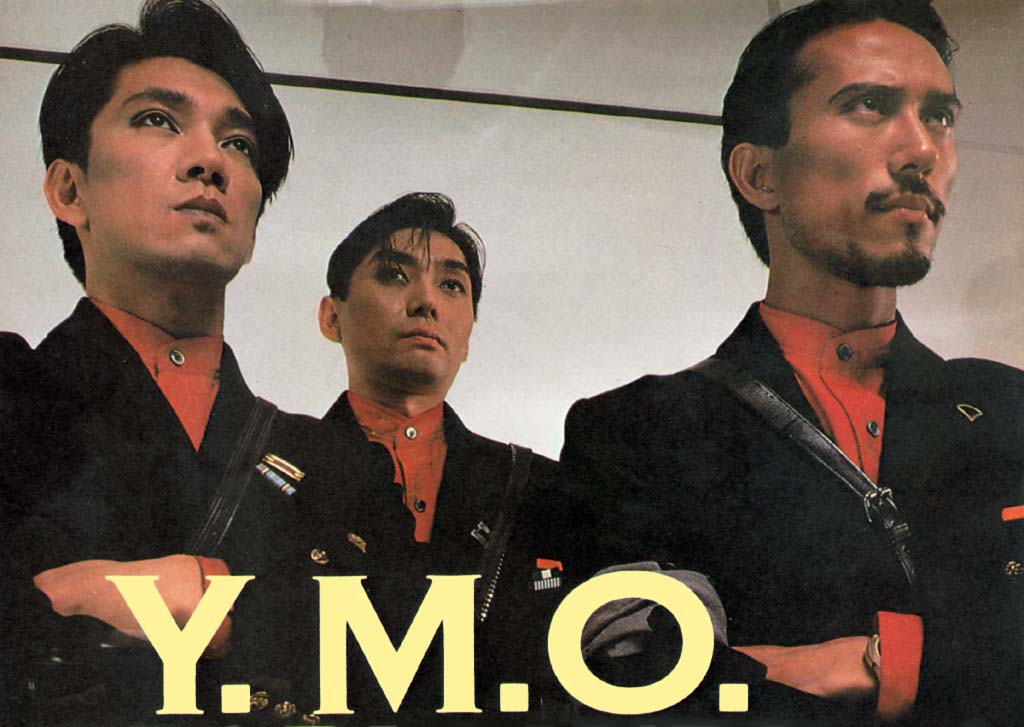
A Japanese music group formed in 1978 by Haruomi Hosono, Yukihiro Takahashi, and Ryuichi Sakamoto.
Their music is characterized by the use of synthesizers and other electronic instruments, which helped establish the genre of "techno-pop" in Japan. The group is commonly known as YMO (YMO is the initials of the group's name).
Representative songs include "RYDEEN," "BEHIND THE MASK," "Kimi ni, Mucho Kyun. and others.
YELLOW MAGIC ORCHESTRA Overview
The group was formed in 1978 and "dispersed" in 1983 (out of Hosono's consideration that fans would be saddened if he said the group was disbanding).
The group was regenerated (reunited) in 1993 and again in 2007.
The group's name "Yellow Magic Orchestra" was given by Haruomi Hosono, a member of the group. The name derives from Hosono's advocacy in the 1970s of creating yellow magic, music that is neither white magic (referring mainly to white music) nor black magic (referring mainly to black music), but music that is unique to the yellow race.
The group was at the center of the New Wave boom of the early 1980s, and became popular in Japan for its innovative sound that made extensive use of synthesizers.
The group also released records and toured not only in Japan but also in the U.S., making them a well-known band in English-speaking countries as well.
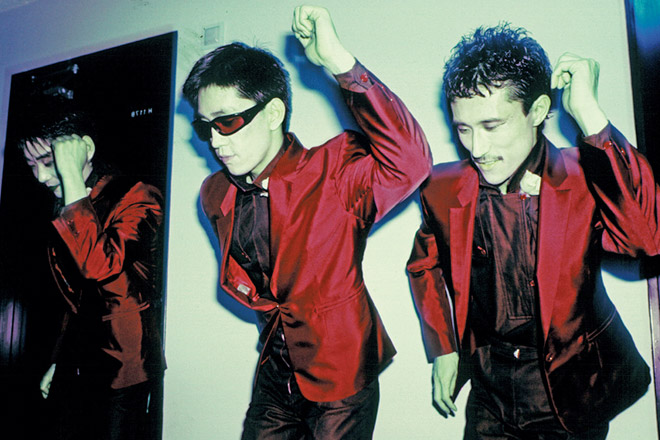
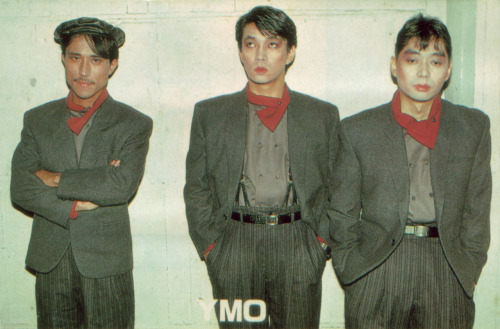
The band's fashion is also distinctive, and in its early years it was famous for the "Red People's Clothes" designed by drummer Takahashi, as well as the "Techno Cut" style of short, clean-cut hair and shaved eyebrows.
Members of YELLOW MAGIC ORCHESTRA
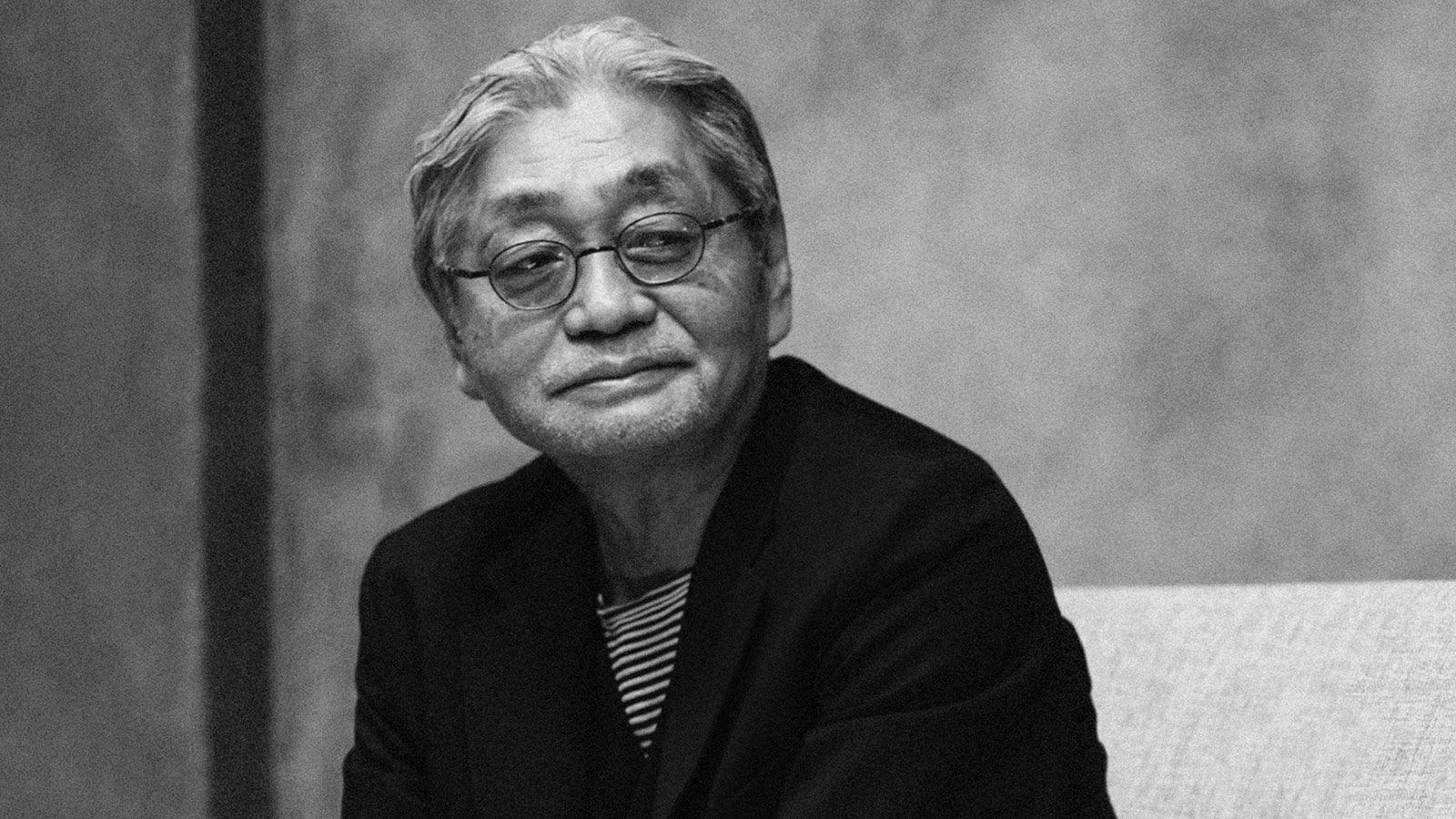
Haruomi Hosono
Source: i.ytimg.com
A musician born in Tokyo, he has been active in music since the late 1960s and is one of Japan's leading bass players.
He made his major debut in 1969 with the band April Fools, and later formed the band Happiendo, which created rock music in Japanese, where he played bass and sang vocals.
He is the originator of the YMO sound concept using synthesizers and computers, and played the role of leader and producer.
He was the main bass player in YMO, and sometimes played the bass line on synthesizer on some songs.
In addition to his band activities, he is also well known as a producer and has worked with many famous artists such as Seiko Matsuda and Akina Nakamori.
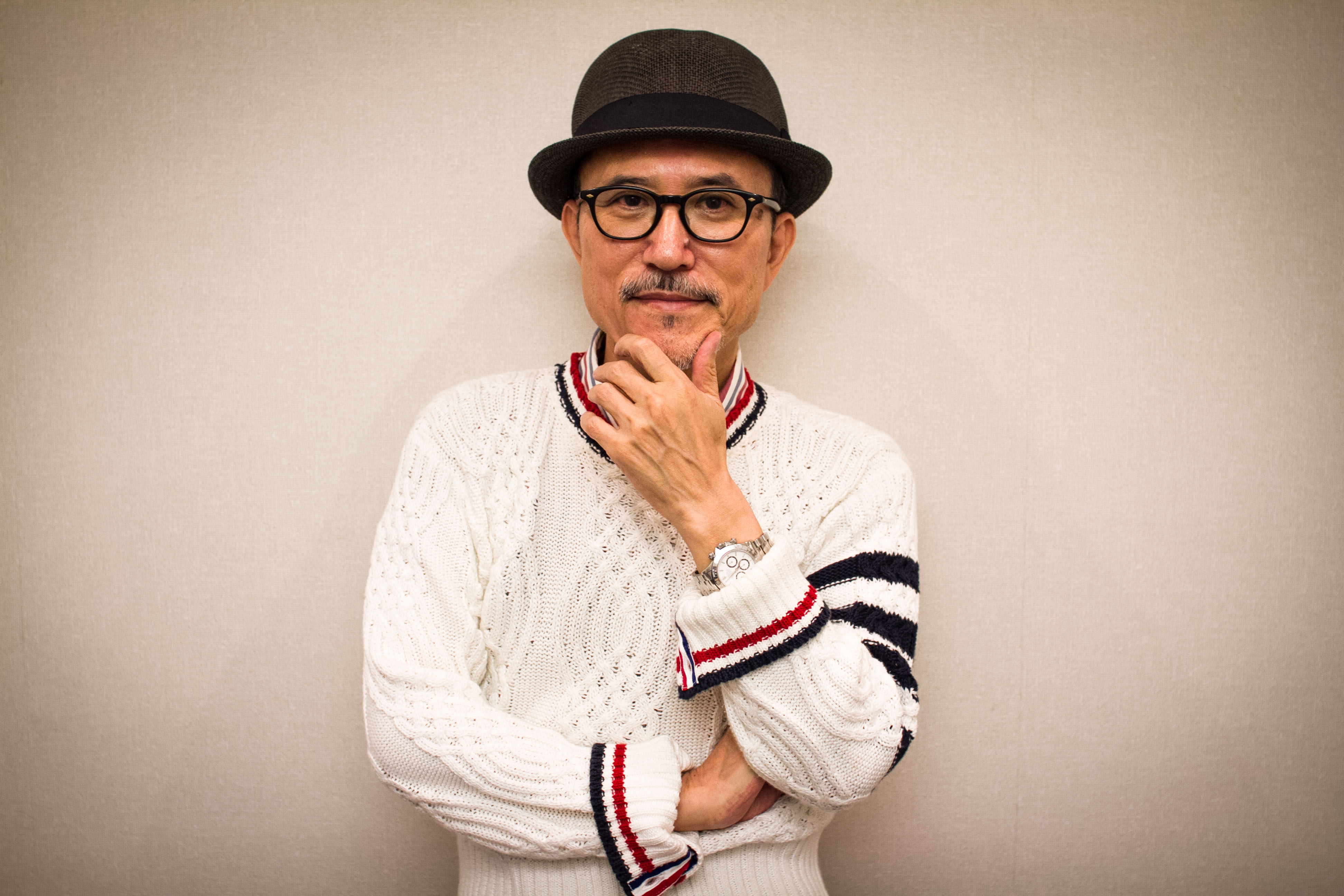
Yukihiro Takahashi
Source: www.japantimes.co.jp
Born in Tokyo, he is one of Japan's leading drummers. He is known for his tight drumming influenced by Ringo Starr of the Beatles.
In 1972, he joined the Sadistic Mika Band as a drummer, and remained with the band until 1974, when the band disbanded.
In 1978, he made his solo debut under the name Yukihiro Takahashi.
In YMO, he played drums and sang vocals on some of the songs. He also designed YMO's stage costumes because of his fashion design skills.
He was the only one who had performed overseas when YMO was formed, as he had performed outside of Japan when he was a member of Sadistic Mika Band.
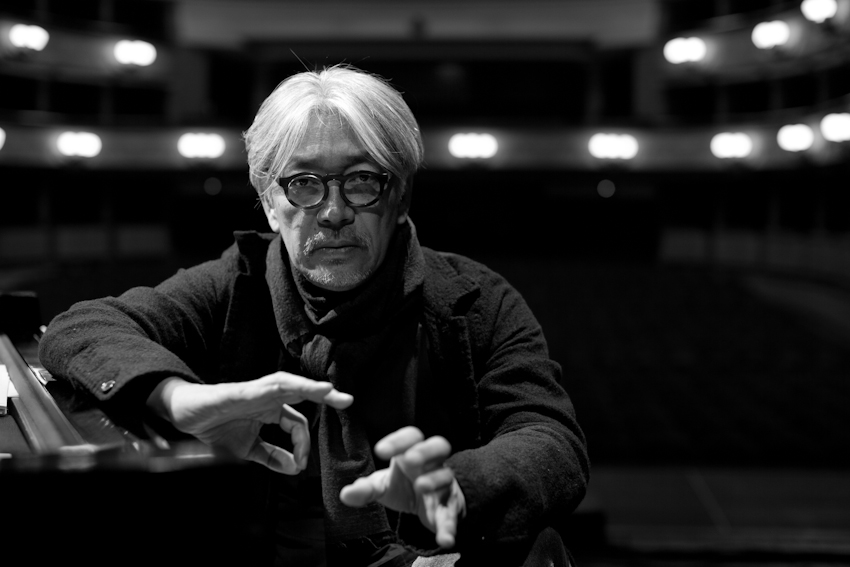
Ryuichi Sakamoto
Source: s-media-cache-ak0.pinimg.com
Born in 1952, he is one of Japan's leading composers and performers. He is also famous by the nickname "Professor" given to him by Takahashi.
Before joining YMO, he worked as a studio musician, participating in albums by Tatsuro Yamashita and Eiichi Otaki.
He studied piano and composition from an early age and graduated from the composition department of Tokyo National University of Fine Arts and Music. His musical background is classical, but he also works with a wide range of music from pop to contemporary music.
In YMO, he mainly played keyboards. He also made his solo debut with the album "Thousand Knives" the same year he joined YMO.
Outside of YMO, he has composed music for many films, including The Last Emperor, and also acted in Nagisa Oshima's film Merry Christmas in the Battlefield.
history
From formation to mid-term
Source: s-media-cache-ak0.pinimg.com
In February 1978, Hosono called Takahashi and Sakamoto, who had known each other for some time, at his home and presented them with a concept for a new group.
He showed them a proposal to cover the song "Firecracker" by American musician Martin Denny as electronic music using synthesizers and to sell 4 million records in their home country of the United States.
Hosono chose Takahashi and Sakamoto because he thought that there was no one else who could play the song while responding to the clicks (synchronized sounds) made by the electronic instruments, and because they were skilled enough to go to live shows overseas.
Hosono himself envisioned that they would play the role of producers. Although the two agreed with Hosono's idea, Takahashi actually intended to be a support member, and Sakamoto agreed to be a part-timer. In September of the same year, they held their first live concert at Nihon Gakki's Ikebukuro East Shop with Hideki Matsutake, a synthesizer expert with whom Sakamoto had worked before the formation of the band, as a supporting member.
In November 1978, their debut album "Yellow Magic Orchestra" was released.
The following year, in 1979, the band released "Yellow Magic Orchestra (U.S. version)," a remix of this album for the American market.
That same year, the band also had its first international tour, fronting the San Francisco band, the Tubes.
Although they were the front-runners, the band received rave reviews for their musicianship and performance, with the audience asking for an encore after their performance.
In September 1979, the band released its second album, Solid State Survivor.
This album reached No. 1 on the Oricon charts in Japan and sold over 1 million copies.
This made the band known to many people of all ages.
The songs "TECHNOPOLIS" and "RYDEEN" on the album defined the band's image and became representative songs.
In 1980, the band toured the country and abroad, reaching the height of their popularity and creating a techno-pop whirlwind in Japan.
medium-term
Source: cdn-ak.f.st-hatena.com
The band released two albums in 1981.
The avant-garde album "BGM" was released in March. It was a complete change from the pop and familiar sound of the previous album to something more difficult to approach, heavy, and dark. The title "BGM" was named by Hosono.
The song "U.T." was later described by a British music magazine as a "hardcore techno runaway," and was highly acclaimed by musicians of the time.
However, it was rejected by fans who wanted the pop sound of the previous album, and sales dropped sharply.
In November of the same year, they released "Technodelic," an avant-garde and experimental album with a different orientation, which was started on the day of the release of the above album "BGM.
This album, which means "techno + psychedelic" in Japanese, makes full use of sampling machines, which were not yet common at that time.
It was characterized by a sound that sampled the sounds of ironworks and human voices and used them for rhythms, and had a great influence on musicians around the world.
On the other hand, a rift began to develop among the members at this time.
Hosono and Sakamoto began to have disagreements due to differences in production policy and other factors, and it had become quite serious, with Hosono refusing to see Sakamoto in the studio and kicking chairs around when they did.
Takahashi was having a hard time getting through to them.
Because of this, there was some talk among the members to break up YMO in 1981, but due to contractual and business issues with the record company, the breakup was postponed for the time being.
Late - to "Scattering
Source: sound.jp
In 1982, the year following the release of the two experimental albums "BGM" and "Technodelic," there was no musical activity as YMO.
Each member began to work as a solo artist and to provide and produce music for other artists.
Hosono teamed up with his ally Takashi Matsumoto to provide songs for Seiko Matsuda, Sakamoto provided songs for Hiromi Goh and others, collaborated with Kiyoshiro Imawano, and appeared as an actor in Nagisa Oshima's "Merry Christmas at the Battlefield". Takahashi toured as a solo artist under the title "Yukihiro Takahashi TOUR 1982.
After each of these activities, in 1983, the following year, they resumed their activities as a group with the single "Kimi ni, Mucho Kyun," which was a tie-up song for a cosmetics commercial. The following year, in 1983, they resumed their activities as a group with the single "Kimi ni Muneyun," which was a tie-in for a cosmetics commercial. The song was a complete change from the experimental sounds of "BGM" and "Techno Derrick," and introduced a pop and friendly techno sound.
This "Kimi ni, Mucho Kyun. was the biggest-selling YMO single of all time, thanks in part to the tie-up effects.
In May, YMO released the album "Uwaka na bokura" (Flirtatious Bokura), which included the song.
Kimi ni, Mucho Kyun." The album was again a big change from the previous album, but it was composed with innovative sounds and meticulous arrangements that could not be heard in previous songs, and it had a great influence on later idol songs and others.
In October, after the release of the above album, the group's "dissolution" was officially announced in an interview with a magazine.
Hosono said that he had chosen the word "scattering" rather than "dissolution" in consideration of the group's fans.
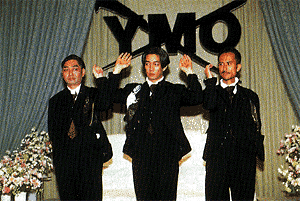
After this, YMO's musical activities came to an end with the "Sorokai" live tour, which took the group to six venues across Japan.
The three members gathered together to promote a film made from material shot at the Nippon Budokan, the last venue of the "Sankai" live tour.
This was the last activity as YMO before the rebirth, and the three members did not appear together in the media until 1993.
Playback."
Source: mmw4.web.fc2.com

Related Articles
Spoiler commentary and discussion of Ghost in the Shell ARISE
Ghost in the Shell: Arise (Ghost in the Shell: ARISE) is an anime work produced by Production I.G and based on the manga "Ghost in the Shell" by Masamune Shirow. This work focuses on the story of the main character Motoko Kusanagi before she formed Public Security Section 9, and features the story of how Batou, Togusa, and the other members of Section 9 met Motoko and came to work with her.
Read Article
Spoiler alerts and discussion of Anger (film)
Shuichi Yoshida, the author of the 2010 blockbuster "The Bad Guy," which swept all domestic film awards, and director Sang-il Lee teamed up for the first time in six years to create a moving human mystery with an all-star cast of talented actors, including Ryuichi Sakamoto for the music. A brutal murder of a married couple takes place in a quiet residential area of Hachioji. A year later, three unknown men appear in Chiba, Tokyo, and Okinawa, and a profound human drama unfolds in each of them. Is the man you loved a murderer? opens in September 2016 in theaters nationwide.
Read Article
Spoiler commentary and discussion of Ghost in the Shell ARISE and Ghost in the Shell: The New Movie (Kise/Ubukata version of Ghost in the Shell)
Ghost in the Shell ARISE" is a theatrical anime released in June 2013. The story takes place before the unification of Public Security Section 9 and follows the events surrounding the unidentified hacker Firestarter. Ghost in the Shell: The New Movie" is a sequel to "Ghost in the Shell ARISE" and will be released nationwide in June 2015. The story is about the connection between the Firestarter and Motoko Kusanagi's birth secret. The "Ghost in the Shell" series is directed by Kazuya Kise and written by Ubukata Tow.
Read Article
Spoiler alerts and discussion of Shoplifters Family (film)
Shoplifters (English title: Shoplifters) is a Japanese film released in 2018. It is directed by Hirokazu Kore-eda, known for And Then It Became My Father. It stars Lily Franky and Sakura Ando. The film was highly acclaimed both in Japan and abroad, winning the Palme d'Or, the top prize, at the 71st Cannes International Film Festival. The film depicts a family of six who live in poverty and make a living by shoplifting.
Read Article

Spoiler alerts and discussion summary for Her (film)
Kanojo" is a road movie about two women on the run, a live-action adaptation of Nakamura Chin's manga "Ganqing" (羣青). Rei Nagasawa, a free-spirited young lady born and raised in a wealthy family, murders her husband for Nanae Shinoda, who suffers from fierce domestic violence. Having lost their place in the world, the two suffer from their respective sins and go on the run to protect the time they spend with their loved ones. Directed by Ryuichi Hiroki, the film stars double stars Kiko Mizuhara as Rei Nagasawa and Honami Sato as Nanae Shinoda. Mizuhara and Sato's performances, in which they expose their bodies and souls, make this an appealing film.
Read Article
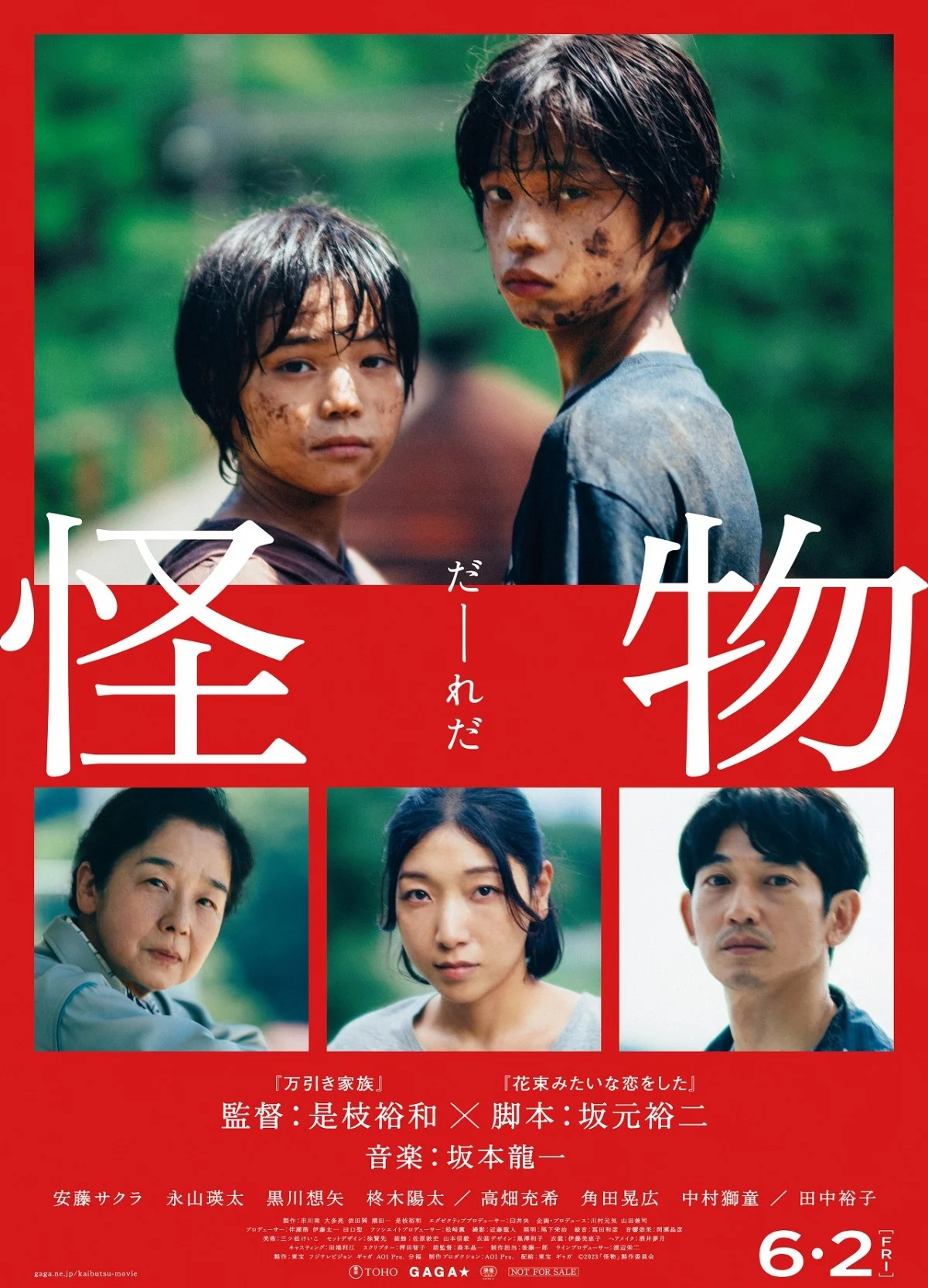
怪物(映画)のネタバレ解説・考察まとめ
『怪物』とは2023年の日本の映画である。監督を務めるのは是枝裕和。息子である麦野湊の異変に気づいたシングルマザーの麦野早織。彼女は担任教師の保利道敏による体罰を確信し学校に訴えた。同じ出来事が保利、湊ら生徒の視点で語り直されることで異なる景色が見えてくる。やがて明らかになる湊とクラスメイトの星川依里が秘密基地で育んでいた2人だけの時間。怪物とは一体誰なのかを問いかける3つの視点が交差する。誰もが怪物になりうることを描いた映画である。
Read Article
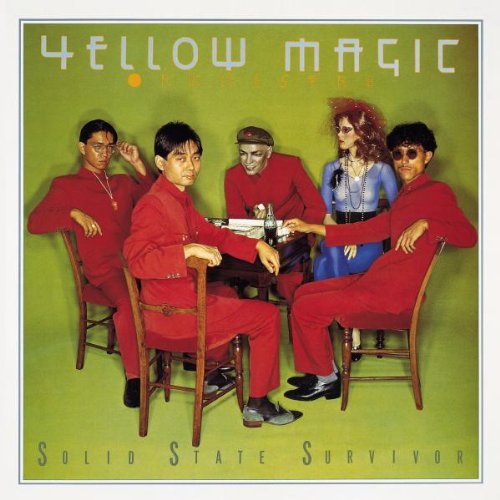
YMO, the Japanese techno-pop icon passed down to Perfume
Yellow Magic Orchestra, or YMO, was formed in 1978 and popularized the "techno-pop" genre of music throughout Japan. Their music, in which all three members are geniuses in their own right, has been passed on to Perfume, which has become very popular since the beginning of the 21st century.
Read Article
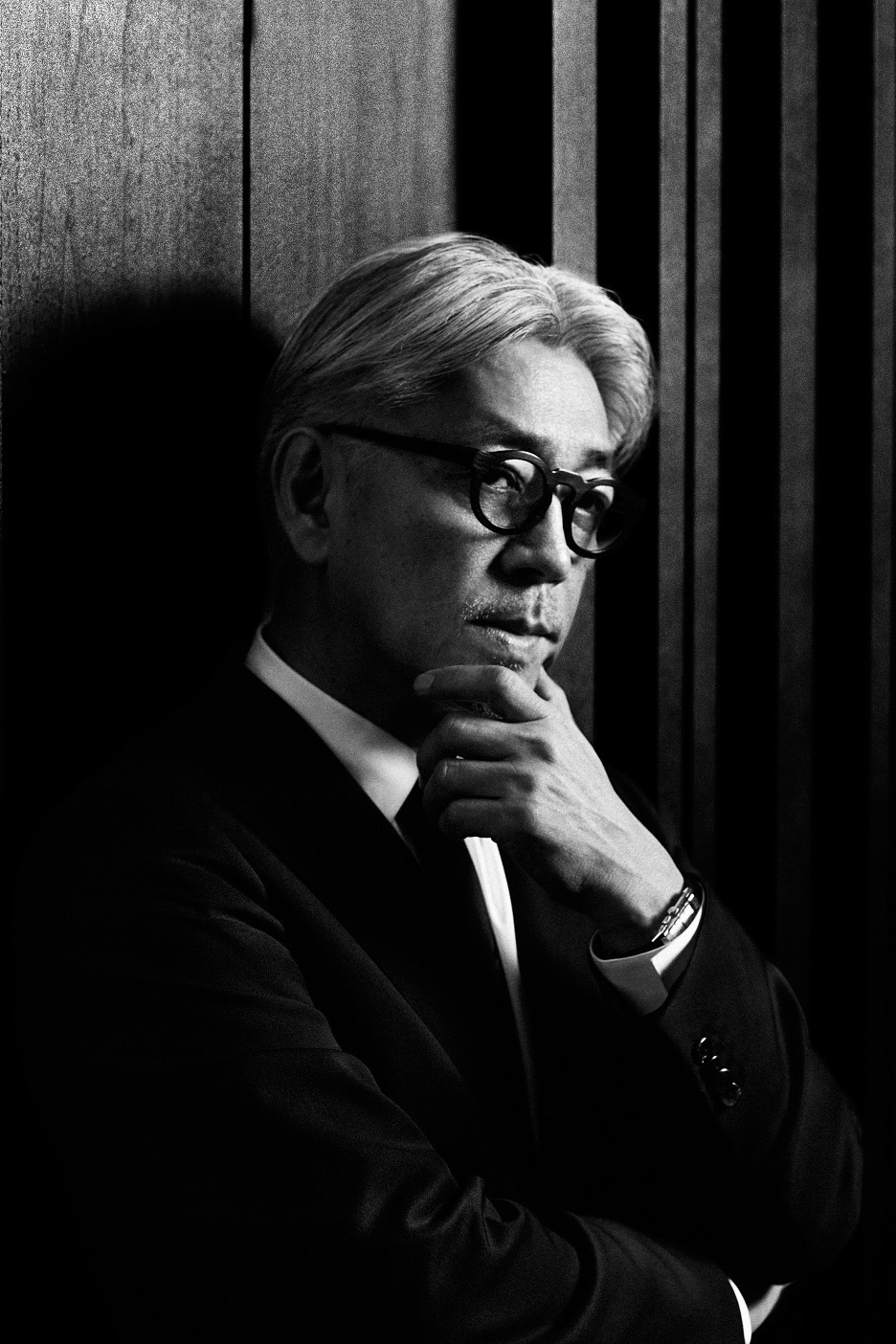
Ryuichi Sakamoto's CASTALIA is thoroughly explained! A masterpiece with magical charm!
CASTALIA" is one of the most unique songs on Ryuichi Sakamoto's album "SOLID STATE SURVIVOR," which triggered a techno-pop boom. Many people have become captivated by "CASTALIA" even though they purchased the album to listen to "RYDEEN" or "TECHNOPOLIS. Here is a summary of this song with its magical charm.
Read Article
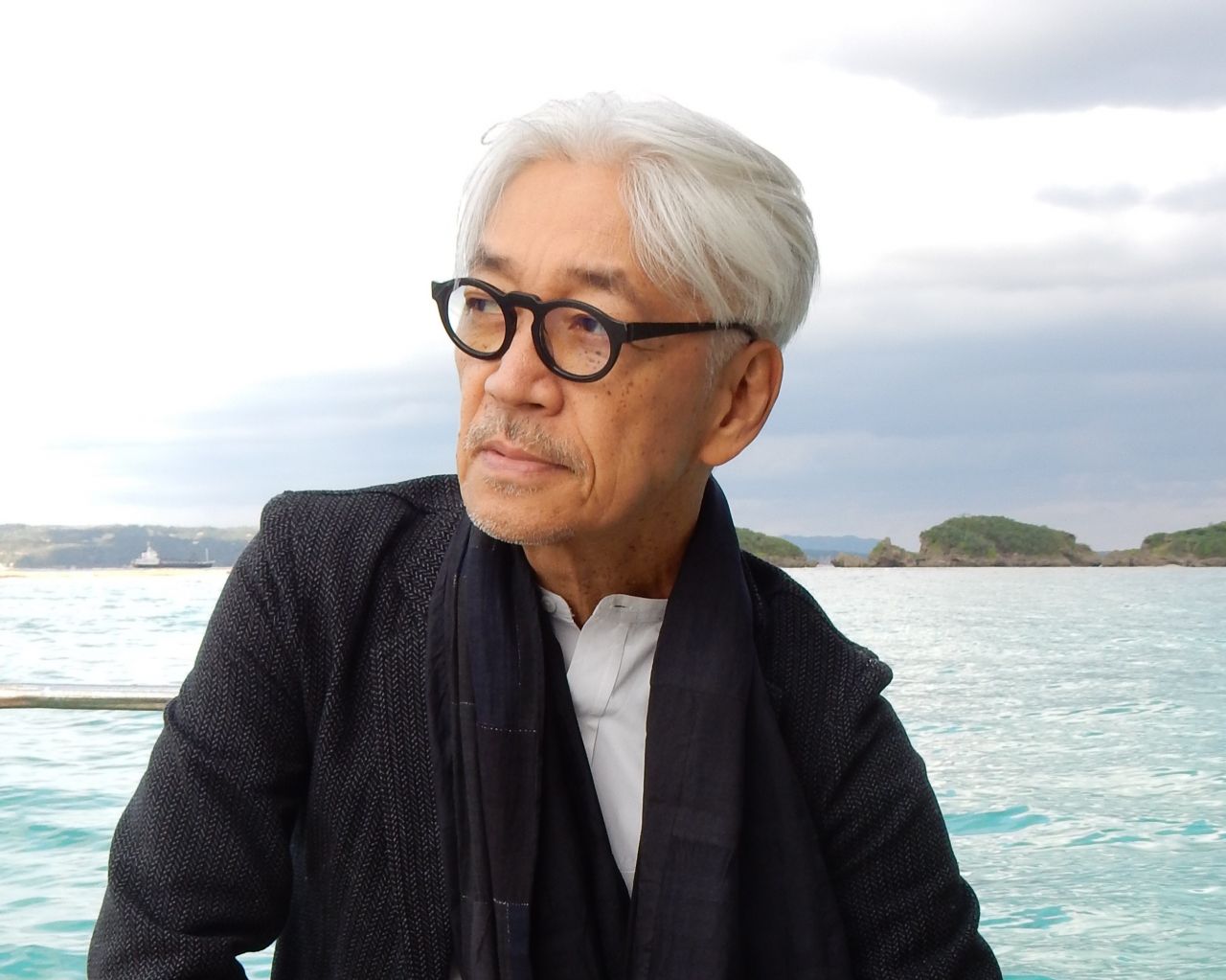
Ryuichi Sakamoto, who became a vegetarian, developed cancer of the pharynx... The cancer-preventive effects of vegetables are thoroughly explained!
Ryuichi Sakamoto, 62, a world-renowned musician, has developed cancer of the mid-pharynx. Sakamoto used to be a vegetarian, but several years ago he stopped this and started eating meat, and some have suggested that this lifestyle change may have had an effect. Here, therefore, we will summarize the cancer-preventive effects of vegetables.
Read Article
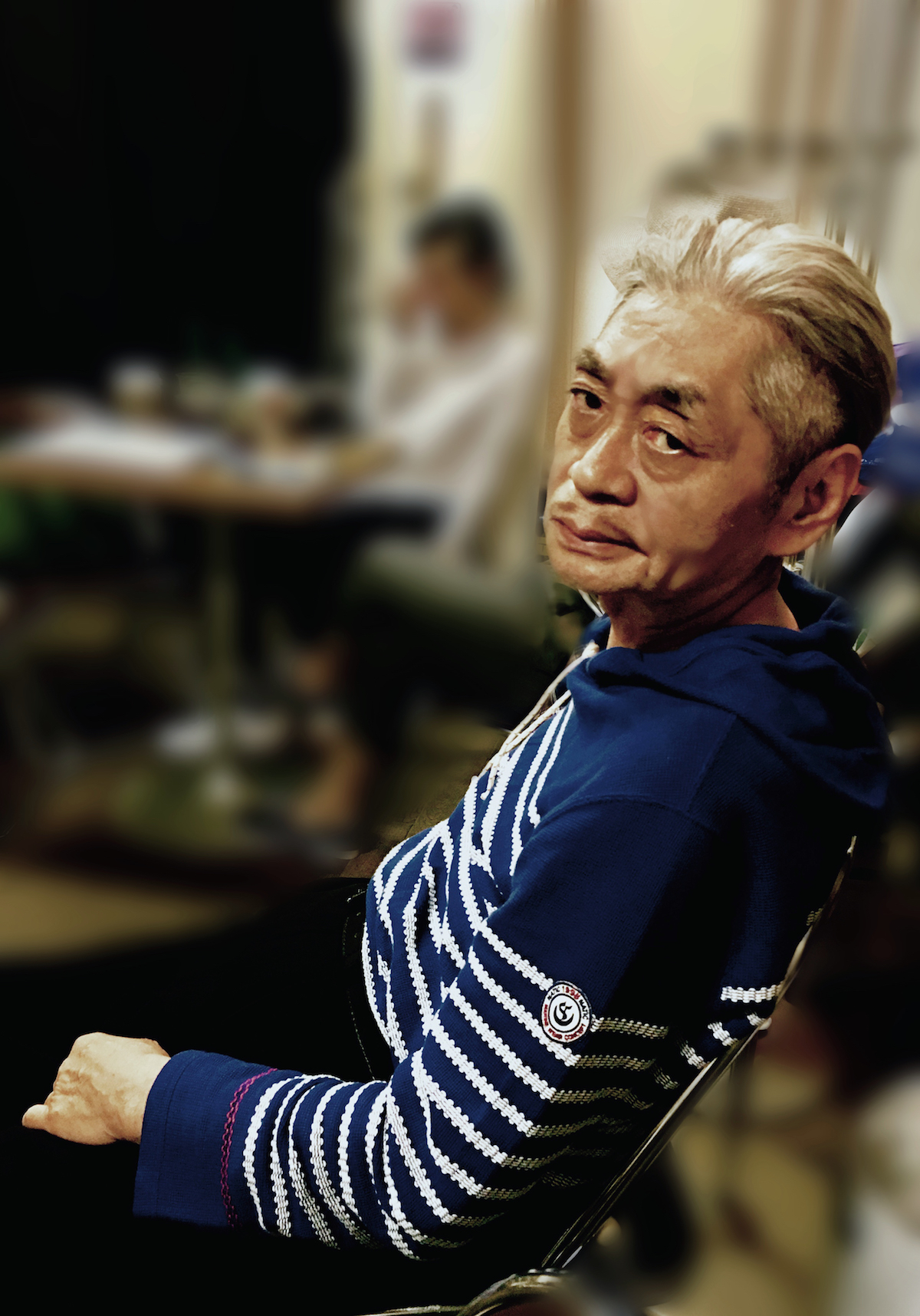
A list of entertainers and celebrities who are university professors (including visiting professors and associate professors)! Haruomi Hosono, Momoko Kikuchi, etc.
Many entertainers and celebrities are professors at universities. This article introduces the types of people who give lectures and other courses at these schools, as well as the opinions of the public about these celebrity professors. Many of them are in the entertainment industry, and many of them are in the arts.
Read Article
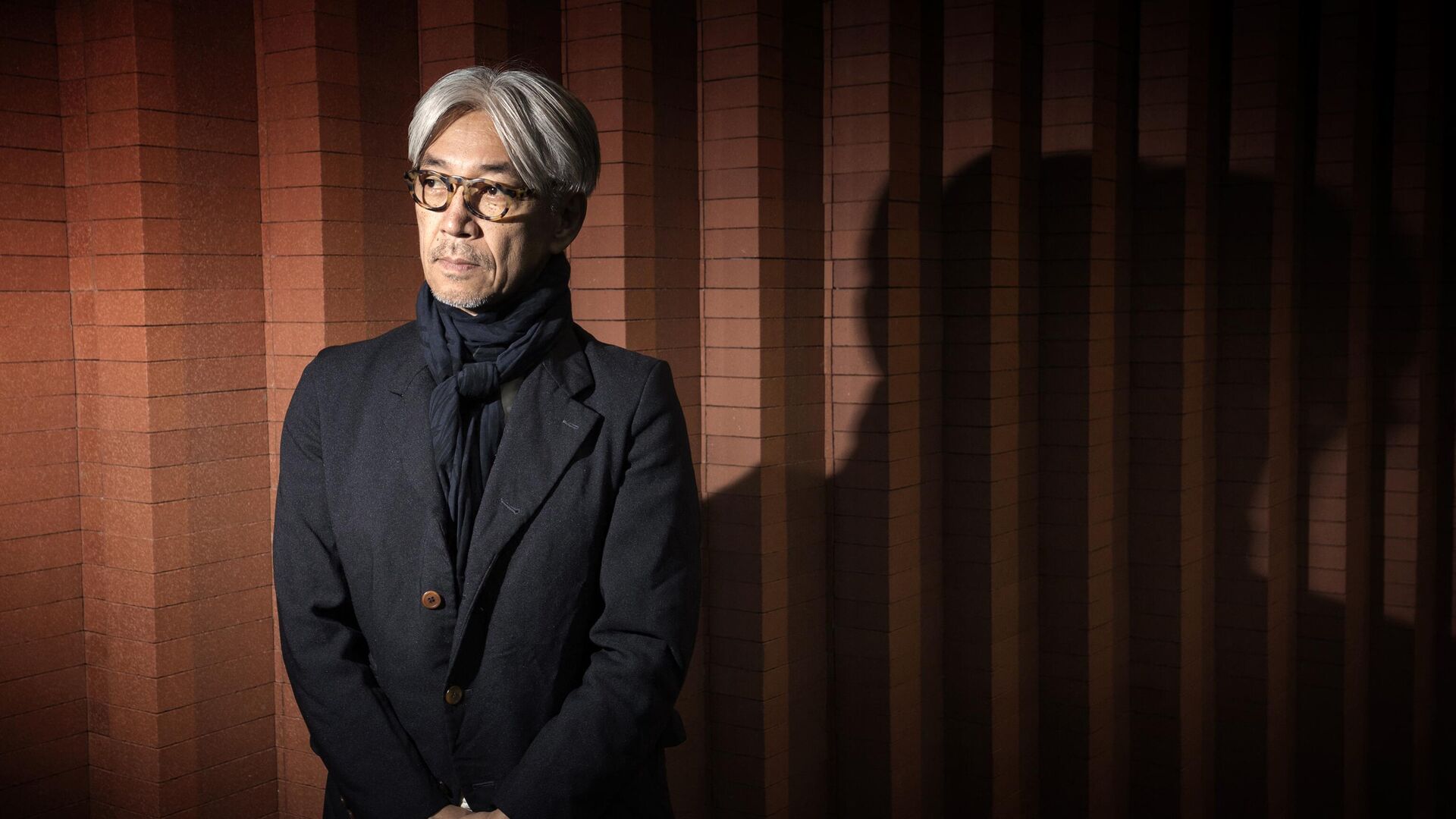
Score compilation supervised by Ryuichi Sakamoto! Merry Christmas Mr. Lawrence" etc.
Here we have compiled a list of sheet music scores of songs published by musician Ryuichi Sakamoto. They include sheet music supervised by him, authorized sheet music, and books of his own sheet music sketches. Avec Piano," which contains sheet music such as "Merry Christmas Mr. Lawrence" from the soundtrack of the movie "Merry Christmas at the Battlefield," is introduced here.
Read Article
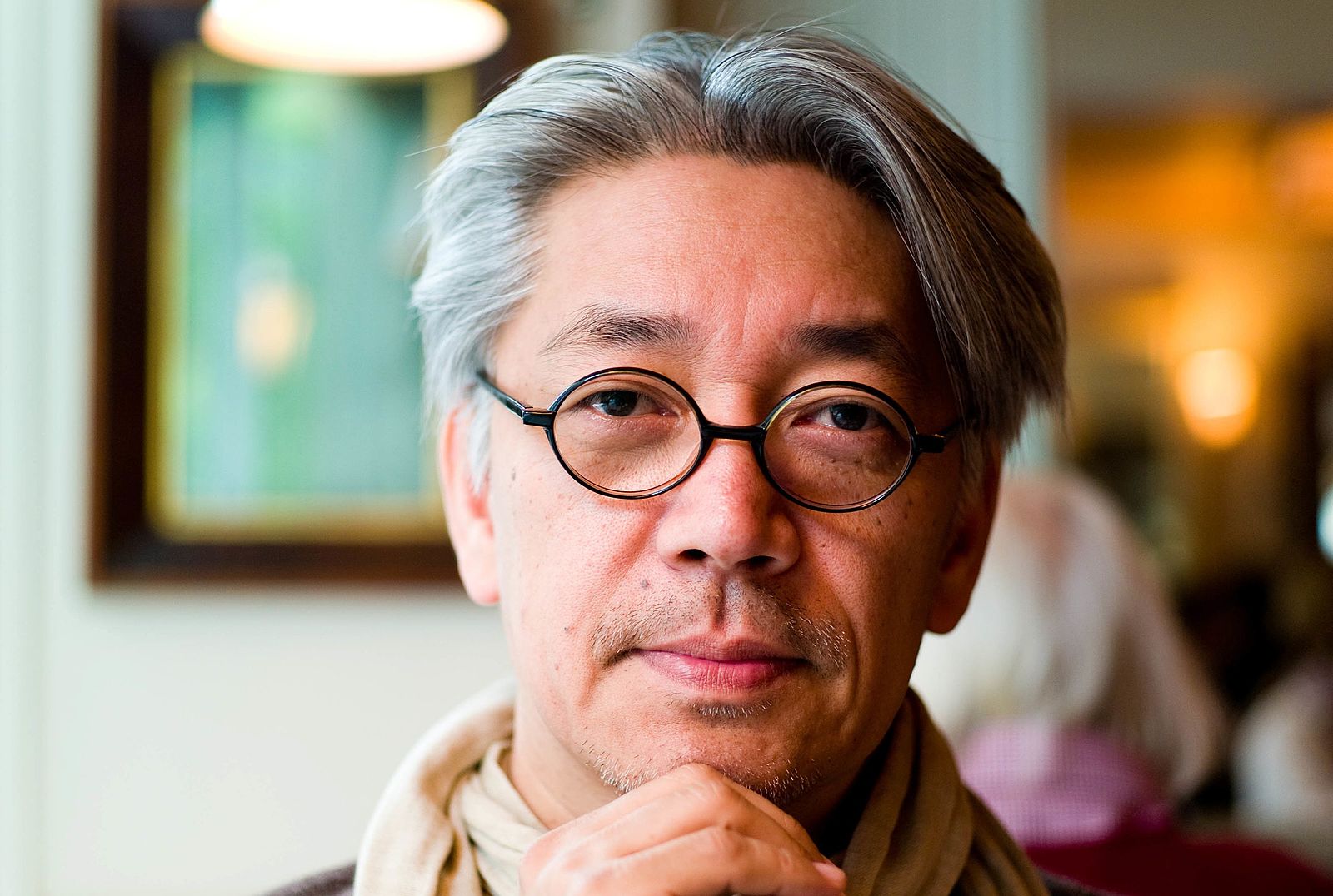
A compilation of Ryuichi Sakamoto's super tear-jerking songs! koko", "undercooled", etc.
This is a compilation of super tear-jerking masterpieces by Ryuichi Sakamoto, Japan's world-renowned composer. The collection is composed mainly of solo piano pieces and orchestral pieces. The collection includes "koko," "undercooled," "The Other Side of Love," "Railroad Man," and more.
Read Article
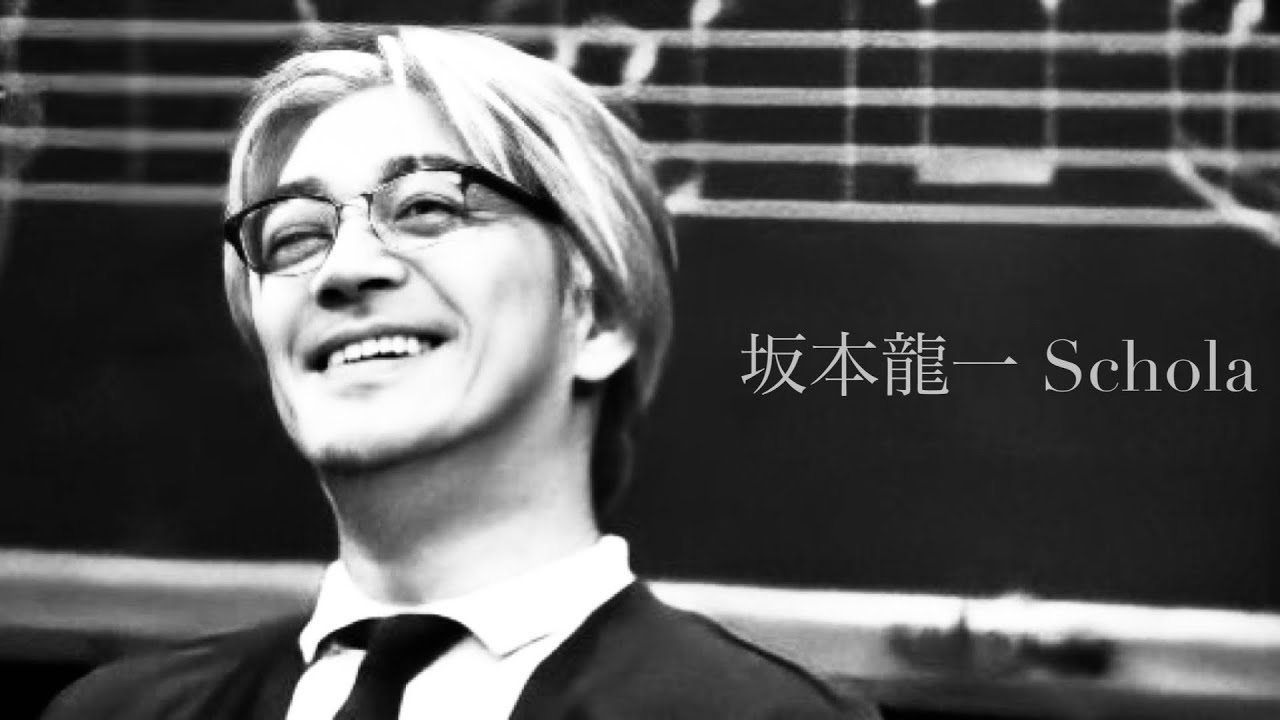
Female pianist Yukie Nishimura's breasts were exposed on "Schola Sakamoto Ryuichi Music School! The TV audience froze.
In NHK's "Schola Sakamoto Ryuichi Music School," a female pianist, Yukie Nishimura, had her breasts exposed. The public froze at the accident, which occurred in a very serious and noble program, and the Internet was flooded with people looking for images of the moment. Here are some of the reactions at the time.
Read Article
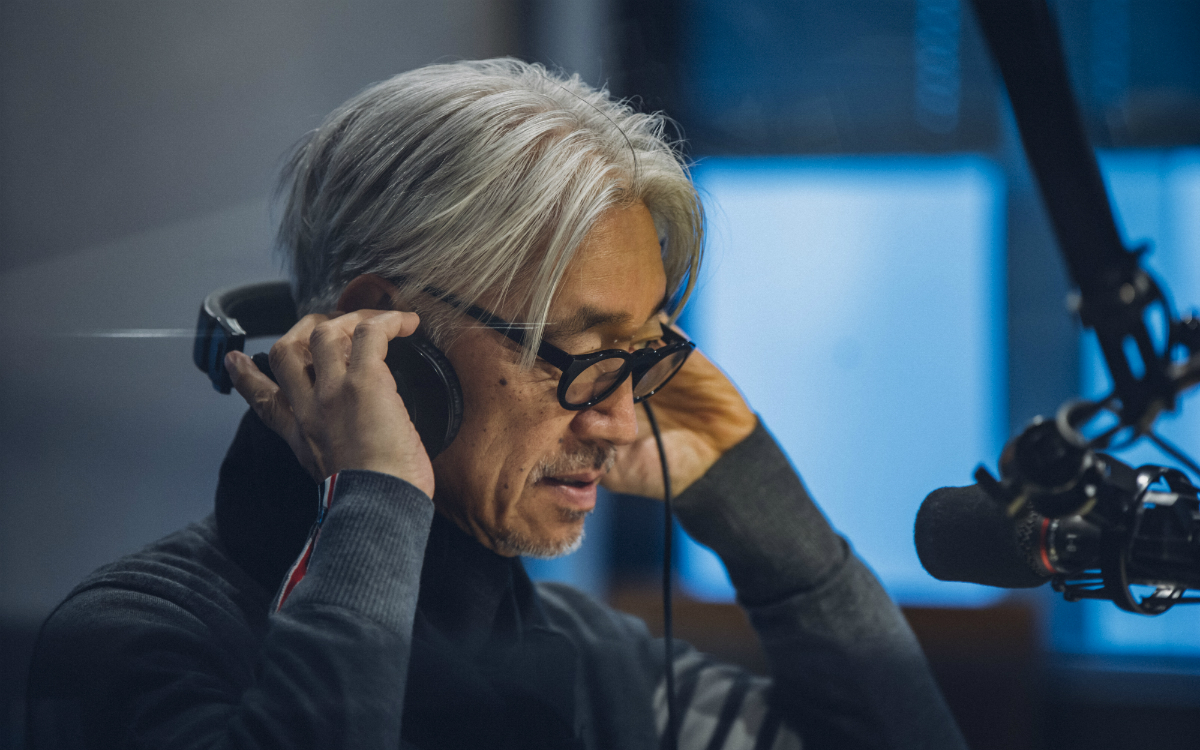
A compilation of Ryuichi Sakamoto's masterpieces for professor maniacs! A Thousand Knives, Merry Christmas Mr. Lawrence, etc.
Here we have compiled a list of masterpieces by Ryuichi Sakamoto, a musician nicknamed "The Professor. It includes "A Thousand Knives," which became the title of his first solo album, and "Merry Christmas Mr. Lawrence," popularly known as "Merry Christmas at the Battlefield.
Read Article
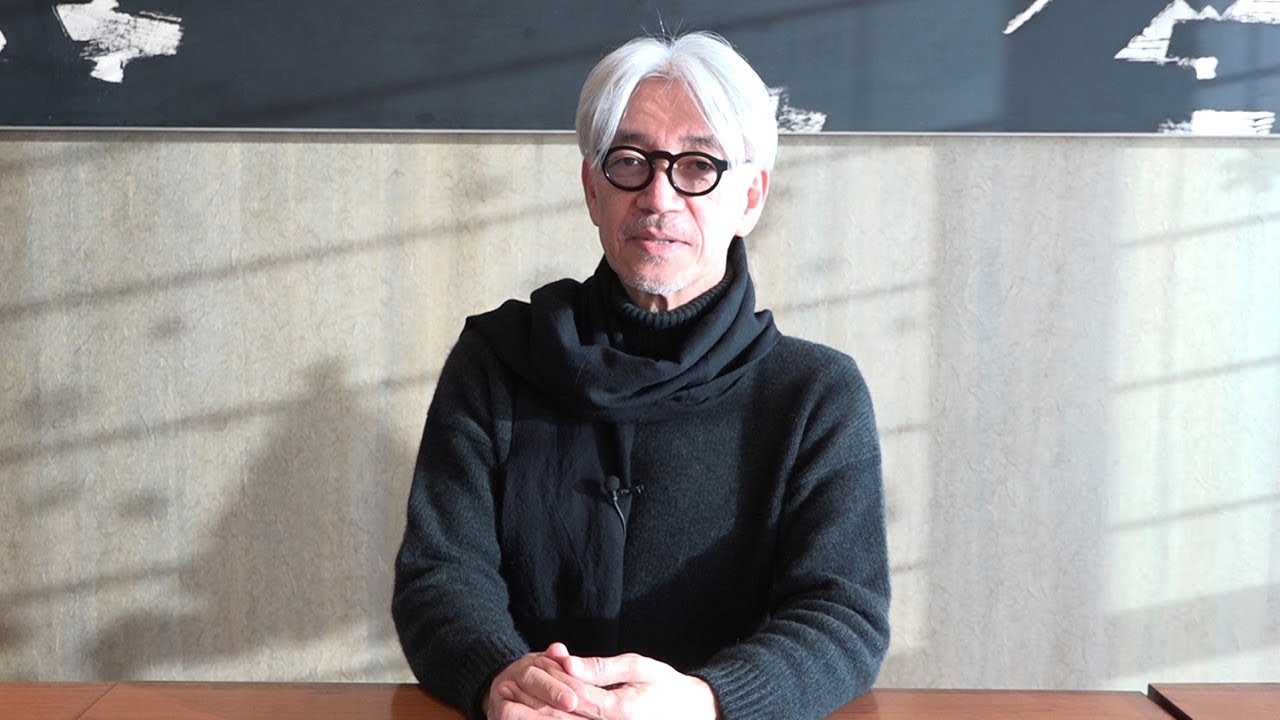
DENKI GROOVE fans angrily tweeted about Ryuichi Sakamoto's "It's only electricity" comment!
In 2012, musician Ryuichi Sakamoto spoke out against nuclear power plants, saying, "Why should I risk my life for the sake of mere electricity?" On Twitter, fans of "Denki Groove" responded to this statement, and the topic of "mere electricity (groove)" became a hot topic.
Read Article
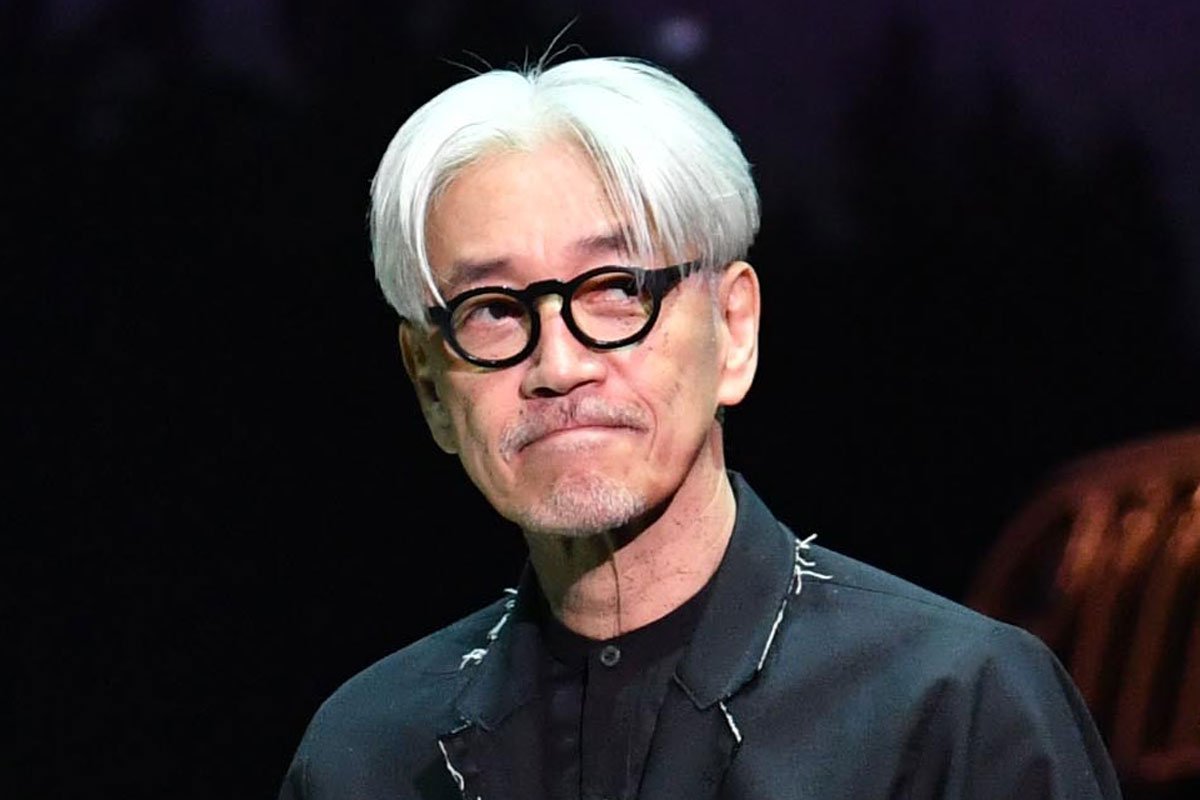
Introduces the advantages and disadvantages of radiation therapy for cancer, which Ryuichi Sakamoto, an anti-nuclear activist, rejected!
In 2014, musician Ryuichi Sakamoto announced that he would be taking a break from performing to undergo treatment for his mid-pharyngeal cancer. There were some reports that he was refusing to undergo radiation therapy because of his anti-nuclear stance. Here, therefore, we introduce what radiotherapy for cancer is, its reality, and its advantages and disadvantages.
Read Article
Contents
- YELLOW MAGIC ORCHESTRA Overview
- Members of YELLOW MAGIC ORCHESTRA
- Haruomi Hosono
- Yukihiro Takahashi
- Ryuichi Sakamoto
- history
- From formation to mid-term
- medium-term
- Late - to "Scattering
- Playback."
- 2000 to present
- original album
- YELLOW MAGIC ORCHESTRA
- Yellow Magic Orchestra (US version)
- SOLID STATE SURVIVOR
- Multiplication (X∞MULTIPLIES)
- BGM
- TECHNODELIC
- Flirtatious Bokura (NAUGHTY BOYS)
- SERVICE
- TECHNODON
- Representative songs of YELLOW MAGIC ORCHESTRA
- FIRECRACKER
- TECHNOPOLIS / TECHNOPOLIS
- RYDEEN
- CUE
- SEOUL MUSIC / Gyeongseong Music
- Gymnastics/TAISO
- Kimi ni, Busty. (Flirtatious Vacation)