
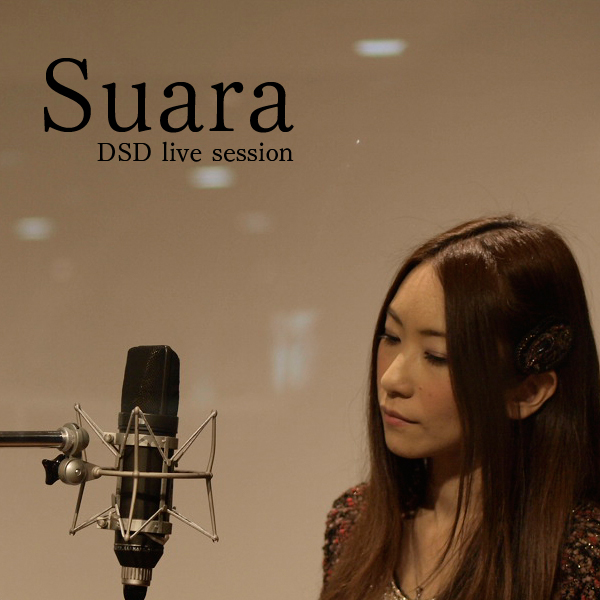
A Japanese female singer-songwriter who formed a band unit when she was in college and began her music career, she made her major label debut in 2006.
In 2007, she performed at "Animelo Summer Live" and became the talk of the town. Since then, she has been active in a wide variety of fields, including theme songs for TV anime and video games.
Suara's Personality
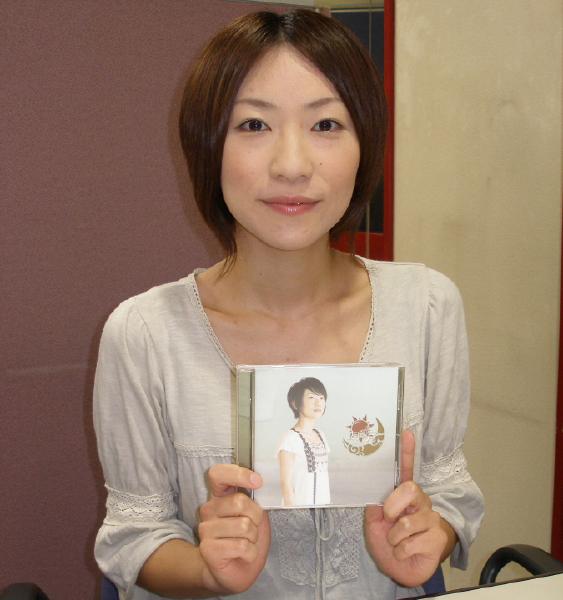
Her real name is Akiko Tatsumi, and her mother is from Keelung, Taiwan, but left Taiwan when she was five years old.
She majored in Indonesian at Osaka University of Foreign Studies. Since her student days, she has formed bands and units to perform live.
Although she majored in Indonesian, she has never been to Indonesia yet. However, he has performed live in Hong Kong, Korea, and Singapore, and has released an album "聲" in Taiwan, showing his worldwide expansion.
In 2005, they debuted with the game theme songs "Water Lily-Amamu Hana" and "Seiza," and in 2006, they made their major debut with "Yumesou Uta," the opening theme song for the TV anime "Utawarerumono. Her performance at "Animelo Summer Live 2007" was so impressive that she was praised by "Masami Okui," who was also performing with her. Since then, she has been active in various fields such as animation and games.
Many of her songs have been tied up with the works of AQUAPLUS, Inc. and the most famous is the "Utawarerumono" series.
Her name "Suara" is an Indonesian word meaning "voice," and it expresses her wish that "many people will hear her songs. Her intonation is said to be the same as that of a koala.
Her singing voice is characterized by stability, and at live performances, she is sometimes said to sing "from a CD" or "live singing is better". He has a habit of using his left hand to pick up the pitch of a note.
He is a big fan of "Green Makibao," and has done numerous impersonations of the anime version of Makibao, including writing on his blog about how happy he was to receive an autograph from "Makibao" creator Tsunomaru in 2009.
She loves comedy shows and is a good talker, so she has appeared as a guest on various web radio programs. In particular, he has made several guest appearances on "Utawarerumo no Rajio" and even hosted the public recorded version of the same program.
When she writes her own lyrics or music, she uses "Akiko Tatsumi" instead of "suara" in the credits.
album
Amanita (member of India's untouchable caste)
Water Lily -Amane Flower- (PC game software [Chain -Kusari-] Opening Theme)
Distant Town
Tomoshibi (acoustic version) (Acoustic arrangement of the ending theme for the TV anime [ToHeart2])
4. constellation (PC game software [Chain -Kusari-] ending theme)
5.jugatsu ame
6.pray
Hajimari no Yakusoku
Amane Uta (included only in the remastered version)
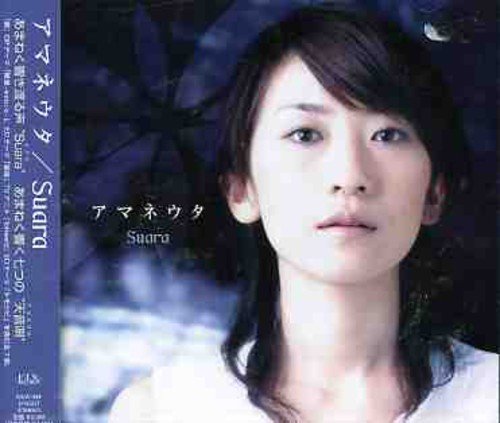
1st original album, released on January 27, 2006 (remastered version: July 21, 2010). (Remastered version: July 21, 2010)
Included Suara's debut songs "Water Lily - Amane Hana" and "Seiza".
Amaneuta" can be seen as a mini-album due to the number of songs on it.
The later remastered version includes a new song, "Amaneuta".
dreaming
Kimi dake no Tabiji (Opening theme for PS2 game software [Utawarerumono - Lullaby for the Scattered Ones])
Eien ni (cover of the ending theme for the PC game soft [Utawarerumono])
3.Aoiro no sora
He is here -My God
Kimi no Kawari (Insert song for PS3 game software [WHITE ALBUM ~Tsurueru Fuyu no Omoide~])
Yumesou Uta (opening theme song for the TV anime "Utawarerumono")
7.brand new days
Toki no Kawa
9.lesson
10.your smile
11.to the one who departs
Kimigatame (Ending theme song for PS2 game soft [Utawarerumono -Lullaby for those who are scattered-])
MOON PHASE (PC game software [Shizuku] image song)
HOSHI SOU YOKYOKYOUGAKU (Remastered version only)
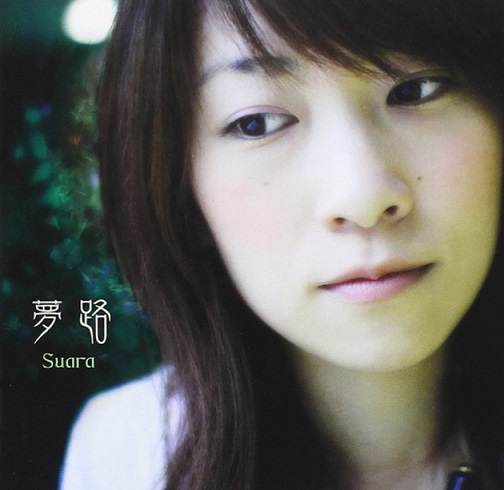
2nd original album, released on September 27, 2006 (remastered version: 2015). (Remastered version: released April 22, 2015)
This is the second original album, but the first one, "Amaneuta," is a mini-album, so this is the first full album.
It includes "Yumesou Uta," the song of his major label debut. Like "Yumesou Uta," the CD also contains a number of songs related to "Utawarerumono.
The later remastered version includes "Hoshi Sou Yagyoku", which was included as a coupling song of the first single "Yumesou Uta". Hoshi Sou Yagyoku" is based on the PC game "Utawareru Mono", in which the heroine "Eruru" and the hero "Hakuoro" are united in their love for each other, and are likened to Orihime and Hikoboshi, the two stars of the game.
Sun and Moon
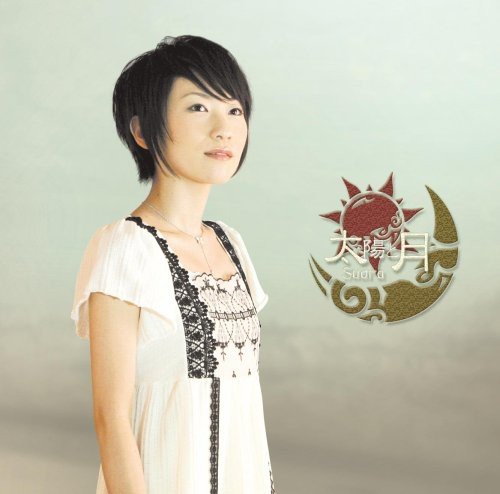
1. haunting melody (opening theme for PS3 game software [Tears to Tiara])
2. season of light (TV animation 【The day after tomorrow...】 Opening theme) Opening theme)
3. midday moon
4. BLUE (TV animation [BLUE DROP - Tenshi-tachi no gekikyoku] opening theme)
5.sun and the moon
6.June
Ichibansei (Opening theme for OVA [ToHeart2])
8.crawl
9.home
10.by the big tree
11.water mirror
12.don't forget (Album Version) (TV anime [KimiKiss] ending theme)
Bud -blue dreams- (TV anime [BLUE DROP -Tenshi tachi no gekyoku-] ending theme)
14.memory(Ending theme of PS3 game soft[Tears to Tiara: Hanakawane no Daichi])
The 3rd original album, released on August 27, 2008.
For "memory," the producer instructed me to give the song a story-telling atmosphere rather than the usual singing style, and I expressed it as a storyteller while imagining the last scene of the movie, making it a fitting song to end the album. In addition, "memory" is the first song to be included on the album, as it was not included on the game CD.
kizuna (Brassica rapa var. nipposinica)
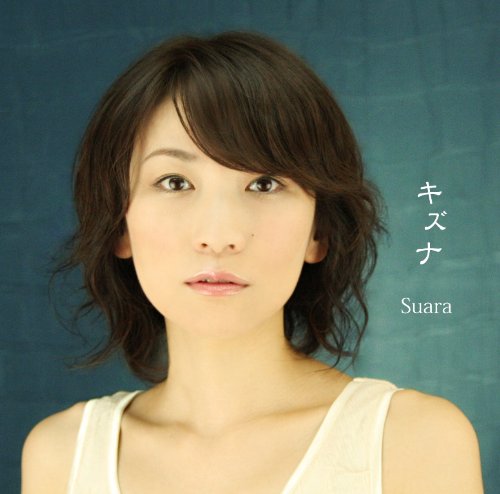
1.adamant faith(OVA [Utawarerumono] opening theme)
2.Free and Dream (TV anime [Tears to Tiara] opening theme)
3. her back
4.Like Falling Snow (TV anime [WHITE ALBUM] ending theme for the first season)
5.TOKYO-days
6.till the day we meet again
Friends (Opening theme for radio program [ChaosTCG taiyome radio])
8.Crystal Tears
9.Shunka Shuju Tofu
10.Hanabuji (Opening theme for PC game software [Tears -Kizuato-])
Utsusemi (PC game software [痕 ~Kizuato~] ending theme. Vocal arrangement)
Tenshi ga miru yume
4th original album, released on August 19, 2009.
Except for the tie-up songs, the album is a compilation of new songs and singles from the 6th to 8th CDs.
Utsusemi" was originally only BGM for a game with no lyrics. In 2009, the lyrics were written and arranged vocally for the remake of the song.
flowery atmosphere
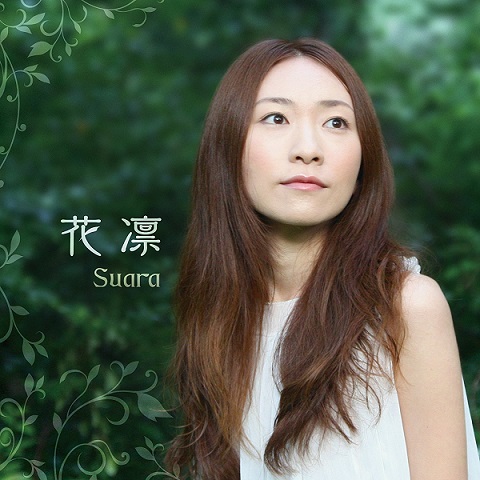
1. Like a flower blooming with dignity
Akai Ito (TV anime [WHITE ALBUM] late ending theme)
Kaze no Requiem
Hide and Seek
5. alehatare doki
6. side love
7.To the beat
8.Kite
9.Homecoming
Bokura no Tabi (Our Journey)
Uta Tane - Uta Tane
12.SNOW MAGIC(OPENING THEME for PS3 game soft [WHITE ALBUM ~Tsurueru Fuyu no Omoide~])
POWDER SNOW (PS3 game software [WHITE ALBUM ~Tsure suru Fuyu no Omoide~] ending theme)
5th original album, released on October 26, 2011.
Japanese and Korean versions were released. The Korean version includes "While Waiting U" sung in Korean as a bonus track.
Suara has many tie-up songs on her other albums, but not many are included on "Hanarin," and many of her original songs are included on this album.
voice
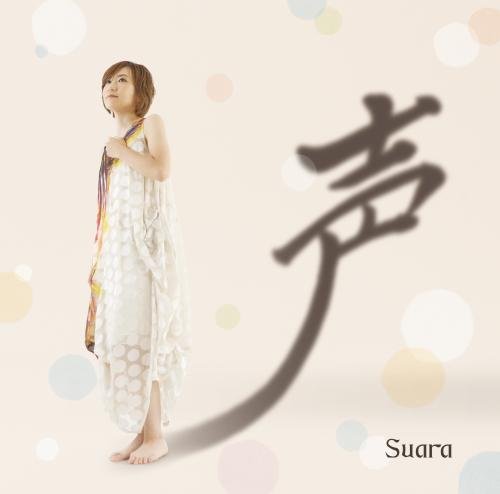
Nuedori (PS4, PS3, PS Vita [Utaowarerumono: Nisari no Kamen] opening theme)
Future World (Opening theme for PS3 [AQUAPAZZA])
3.Fly away -to the sky- (Ending theme song for TV anime [Cardfight! Vanguard (anime)] ending theme)
4. let me hear your voice
5. all for you
Koimu (PS4, PS3, PS Vita [Utawarerumono: Nisari no Kamen] epilogue theme)
7. vulnerable
8. remain a boy in front of you (PS3 Soft [Tears to Tiara II: Descendants of the High King] ending theme)
9.Nijiiro no Mirai (OVA [ToHeart2 Dungeon Travelers] Opening Theme)
I'm a beast (PSP [Dungeon Travelers 2: The Royal Library and the Seal of Mamono] opening theme)
11.Song of ...
12.Dream
13.Hatsukuu
First Limited Edition Special Disc
1. spring, summer, autumn, winter
Cherry Blossoms
3. the summer day you were there
Tsuki no Akari ni Shirasarete (Illuminated by Moonlight)
Rain in December
6th original album. released October 14, 2015.
It contains several songs with lyrics provided by others, including "Let Me Hear Your Voice," "All to You," and "Vulnerable."
The first limited edition CD contains songs inspired by the "four seasons", including "Spring, Summer, Autumn, and Winter".
